2026.06.27 – 2026.09.02
Antenna Space, Shanghai

2026.06.27 – 2026.09.02
Antenna Space, Shanghai
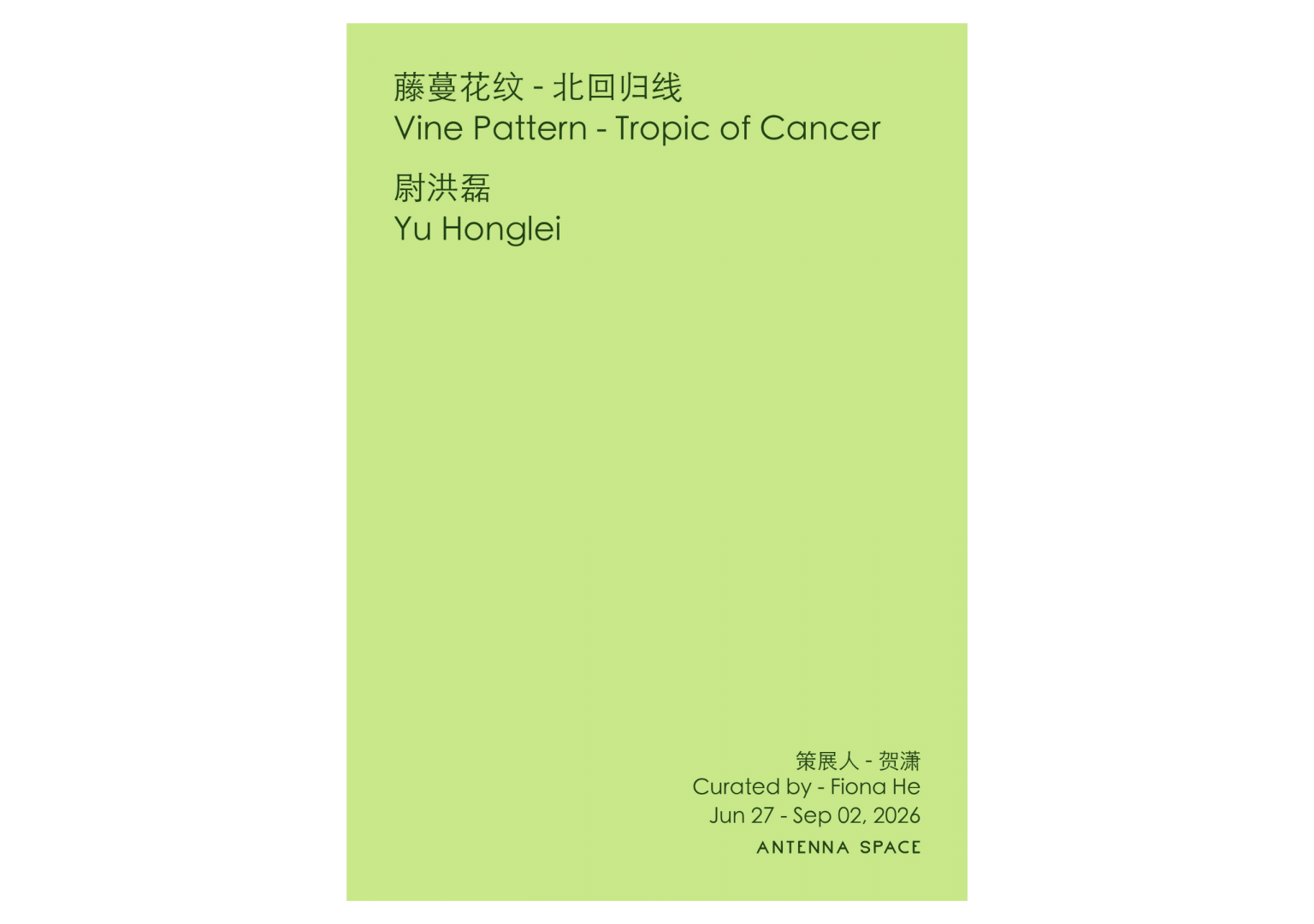
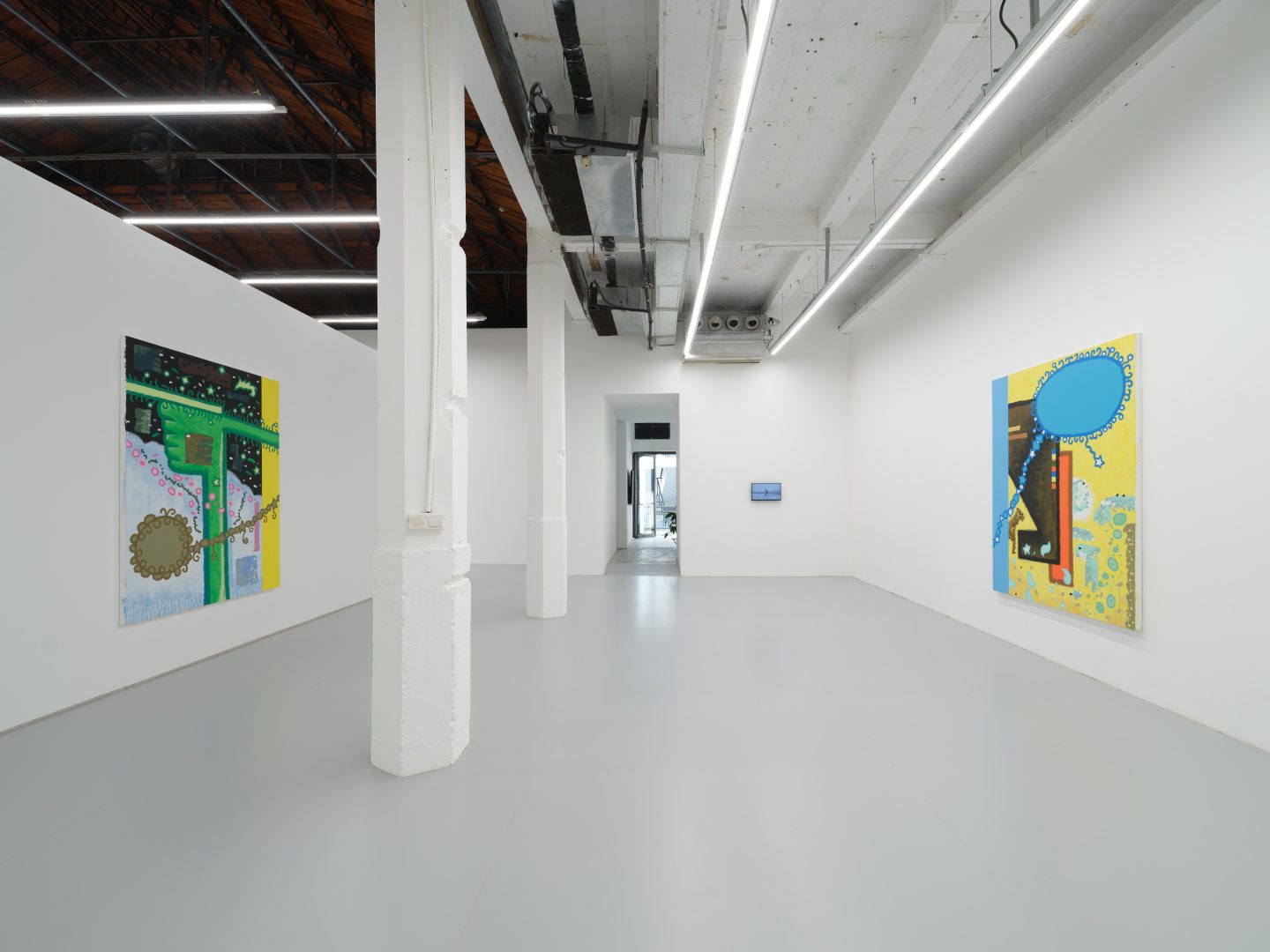
Antenna Space is delighted to announce Yu Honglei: Vine Pattern – Tropic of Cancer, a solo exhibition by artist Yu Honglei, marking a significant presentation at Antenna Space Shanghai in M50. The exhibition will run from June 27 through September 2, 2026.
The exhibition curated by Fiona He.
–
Press Release
In Vine Pattern – Tropic of Cancer, Yu Honglei brings together thirteen works on canvas and two video works to form an exhibition centered on painting, the image, memory, and looking. For viewers who have followed his practice over time, the central position that painting occupies in this exhibition may appear to signal a decisive shift from sculpture and video toward the pictorial plane. Yet to describe this body of work simply as a “shift in medium” would risk overlooking a more continuous dimension of Yu Honglei’s practice: over the past decade and more, painting and drawing have already been repeatedly rehearsed, tested, and held in suspension as a modus operandi. It carries forward his sculptural sensitivity to volume, weight, center of gravity, and spatial relations, while translating from video an experience of time, looped duration, viewing pathways, and narrative framing.
“Vine Pattern” suggests growth, softness, ornamentality, and continuous proliferation; “Tropic of Cancer,” by contrast, names a geographic boundary codified by systems of knowledge, while also invoking Henry Miller’s (1891–1980) novel of the same title. Vine Pattern – Tropic of Cancer is not simply an exhibition with painting as its principal medium. Rather, it shows how Yu Honglei reorganizes, through the two-dimensional surface, his knowledge and experiences of media, art history, and personal perception. The artist allows control and release to remain together within the picture, giving rise to a recognizable painterly language of his own. What truly unfolds here is a set of relations continually generated between structure, perception, art history, and visceral memories. Bands of background color, geometric forms, diagonals, vines, stars, hearts, and vivid hues are constituents of his style; beneath the painted surface lies Yu Honglei’s way of looking at the world and organizing experience.
–
Curatorial Essay
In Vine Pattern – Tropic of Cancer, Yu Honglei brings together thirteen works on canvas and two video works to form an exhibition centered on painting, the image, memory, and looking. For viewers who have followed his practice over time, the central position that painting occupies in this exhibition may appear to signal a decisive shift from sculpture and video toward the pictorial plane. Yet to describe this body of work simply as a “shift in medium” would risk overlooking a more continuous dimension of Yu Honglei’s practice: over the past decade and more, painting and drawing have already been repeatedly rehearsed, tested, and held in suspension as a modus operandi. It carries forward his sculptural sensitivity to volume, weight, center of gravity, and spatial relations, while translating from video an experience of time, looped duration, viewing pathways, and narrative framing.
Around 2019, painting entered Yu Honglei’s practice for the first time as a clearly articulated language in its own right. Prior to which, numerous sketches and line drawings had long been part of his working method, though they primarily served sculpture and video as preparatory studies for form, structure, and the relationship between lens and subject. His decision to bring painting to the foreground was motivated, on the one hand, by its capacity to accommodate chromatic intensities that sculpture finds difficult to sustain, and, on the other, by the way the canvas allows for continuous revision, overlaying, negation, and reconstruction. Drawing on his previous experience, Yu Honglei recognized that once sculpture enters the realm of material and volume, many decisions quickly become definitive; painting, by contrast, allows decisions to remain in suspension, enabling hesitation, deliberation, and transformation to coexist on a single surface. For the artist, this is akin to a kind of “rolling momentum” within the creative process itself: through repeated revision, a painting can register the formation, resistance, and renewal of acts of deliberation, and in this sense comes closer to the way he advances his work through experience and affects.
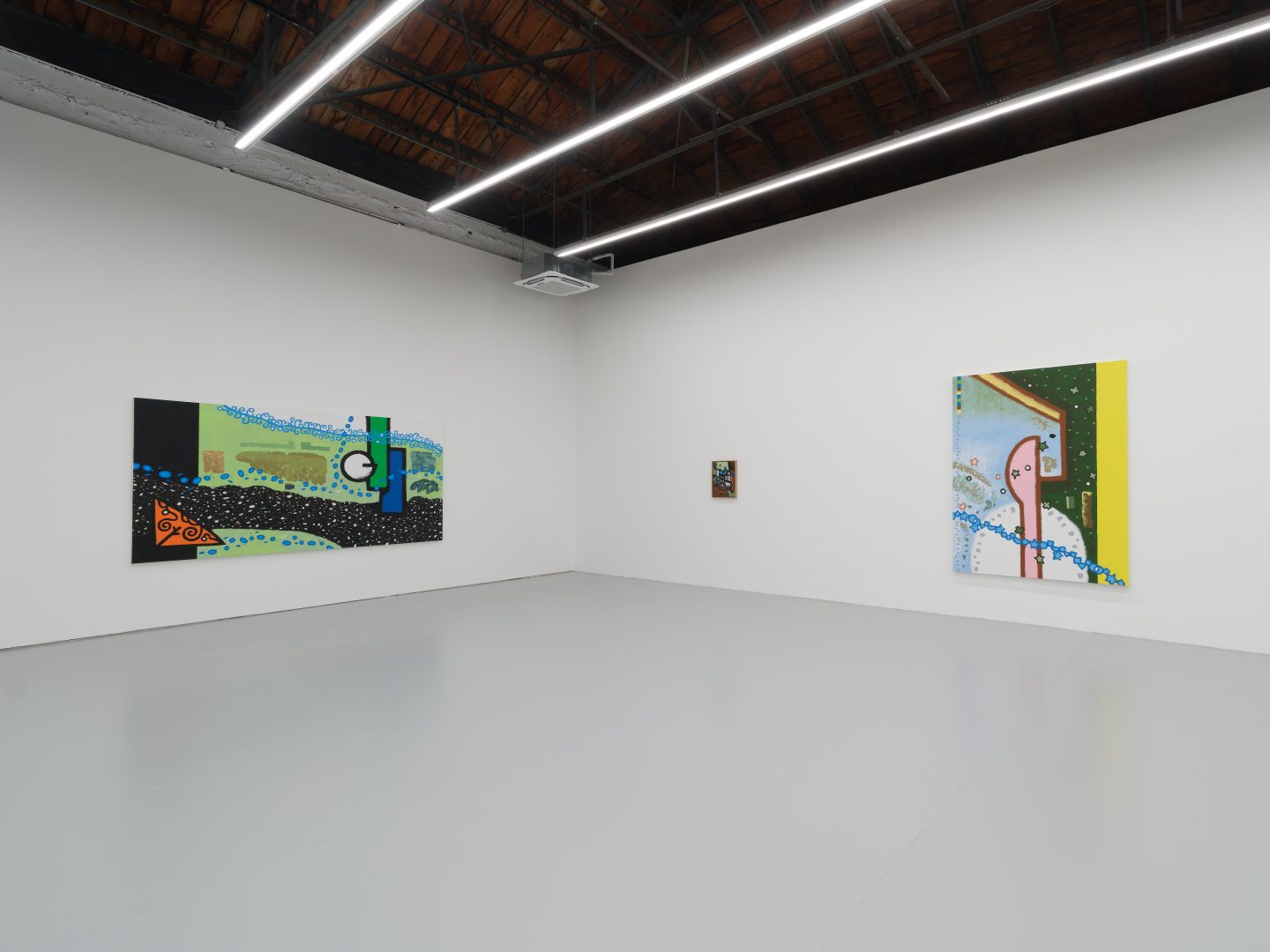
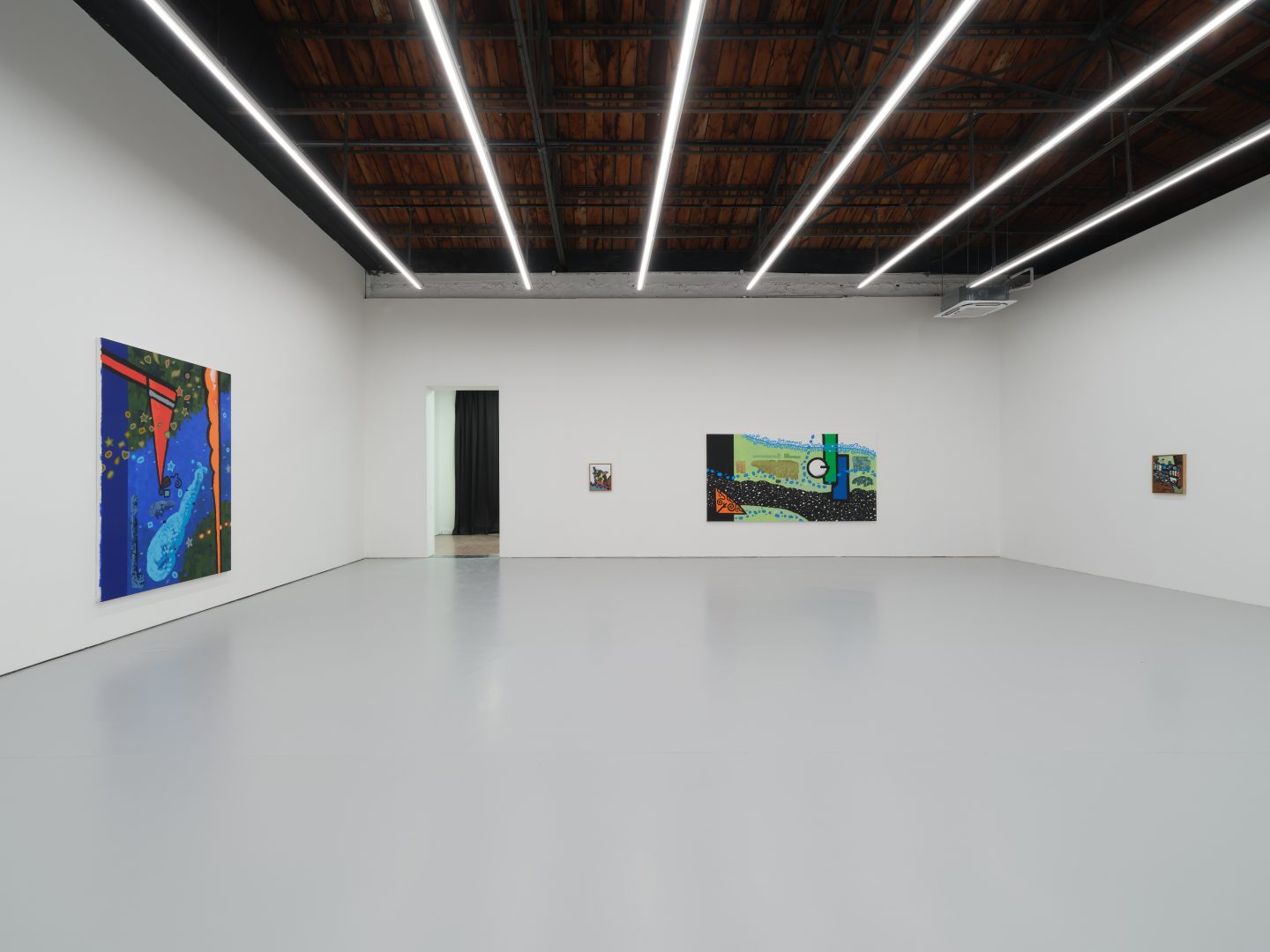
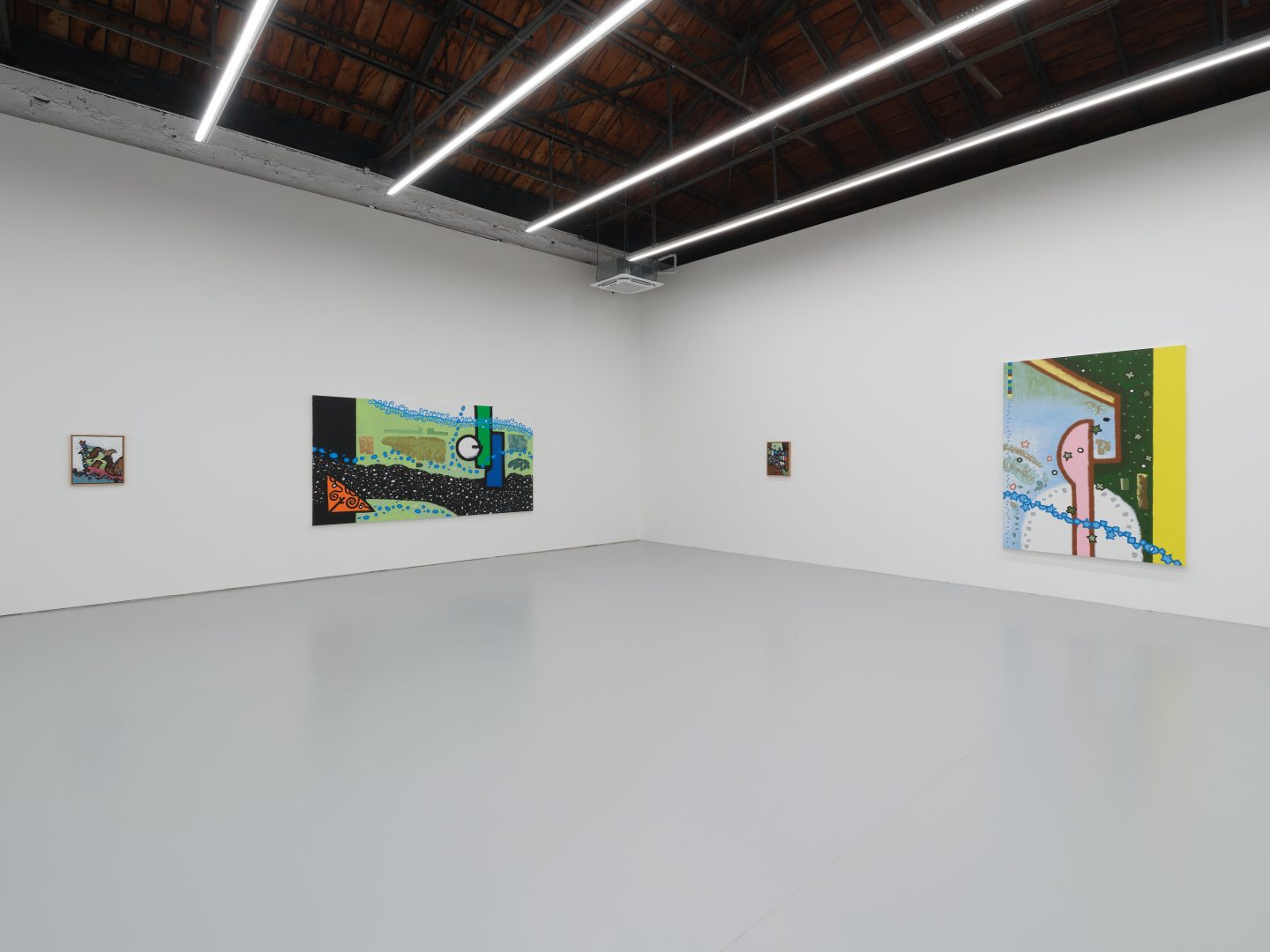
Yu Honglei extends his thinking of making sculptures into painting. In works such as Reflected Light – A Summer Night Thirsting for Green, Vertical Night – Orange Highway Warrior, and Spiral Rain – Tap Dancer in the Tunnel, the picture consistently demonstrates a pronounced structural awareness. Yu Honglei does not approach a painting first and foremost as an image, but rather as a constructed entity that requires a framework, a center of gravity, and a system of counterweights. Color bands, diagonals, undulating lines, vertical forms, and expansive fields of color function within the composition as supports, divisions, vectors, or pauses. They endow the flat surface with an internal tension akin to that of an object, while also causing the viewer’s gaze to move continually between foreground, middle ground, and background. The painted surface thus assumes a spatial function that organizes one’s physical experience.
A Bauhaus-inflected language forms an important undertone of Yu Honglei’s pictorial vocabulary. It does not appear as a literally appropriated historical style, but rather as a foundational grammar for deconstructing images, reorganizing forms, and establishing order. When working with photographic source material, Yu Honglei first extracts elements such as shadows, architectural edges, the relationship between subject and frame, chromatic contrasts, and geometric contours from images found online, on social media, or in photographs taken by others. The original narrative function of the photograph is temporarily set aside; once skies, figures, architecture, or objects enter the sketch, they are transformed into lines, angles, proportions, and rhythms. This process cannot be understood simply as a reduction from figuration to abstraction. Instead, Bauhaus-derived basic forms, clear structures, and geometric order provide an operational grammar for the translation of visual information.
In this process of translation, the numerous sketches Yu Honglei draws form an open system that hybridizes and proliferates outward. He often begins with the same source image, shape, or spatial relationship, rapidly producing multiple versions and allowing a single sketch to shift in a dozen different directions. By contrast, color proves to be the element most resistant to immediate resolution. Compositional questions can often be addressed through shifting, subtraction, and reorganization, but color alters the entire sensibility of a painting. Particularly in large-scale works, a detailed shift in hue can affect the entire pictorial system. Hence, the freedom of painting is by no means effortless; once pictorial possibilities become wide open, the work would nevertheless endure pressures from color decisions.
For Yu Honglei, the Bauhaus provides structure, but it also imposes limits. Geometric structure can stabilize the picture and give complex imagery a skeletal framework; yet if it becomes the singular order, the work risks becoming overly rational and losing its affective charge. Yu describes this condition as a working method that emphasizes system, logic, control, and internal coherence, qualities prominent in post-war German art, which should not be dismissed simplistically. German artists such as Gerhard Richter (b. 1932), for instance, have played a pioneering role in contemporary conceptions of painting, particularly in their engagement with the relationship between painting and photography, the indefinite truth-value of images, the passage between abstraction and figuration, and the question of how painting might continue in an age of picture saturation. What Yu Honglei remains alert to, however, is the possibility that when system and control become too tightly sealed, the deviations, errors, noise, and accidents that arise from lived experience may be excluded from the work.
It is for this reason that vines, stars, hearts, chains, and decorative curves enter Yu Honglei’s compositions: these “signs” alter his structural operation. A heart can be broken down into two circles and a triangle; a star can be understood as a combination of multiple triangles; a cross, too, can be returned to a set of rectangular relations. They can still be absorbed into geometric analysis. At the same time, these motifs first entered Yu Honglei’s pictorial vocabulary through wrapping paper, hair clips, accessories, and everyday objects consumed by young people, along with the light, cheerful, and affective cultural charge. Unlike his 2019 paintings, which can be perceived as adopting a sculptural approach, Yu Honglei’s later paintings begin to move away from this logic and take on greater formal agency. Vines, for example, connect different sections and break up rigid compositional structures; stars and hearts generate rhythm and movement across the picture plane; chains further produce visual continuity. These elements shift from patterns on the surface of bodies or objects into structural energy that propel the painting forward, allowing sentiments and physical response to re-emerge from within a rational framework.
“Vine Pattern” is a sublimated expression of such an energy. In Yu Honglei’s compositions, vines often appear as curls, links, sprawls, and meandering movements. They adhere to the geometric frame while continually altering its original direction. If the Bauhaus approach had given pictorial structure and order, the vines that Yu Honglei drew from Vienna Secession paintings introduce growth, chance, softness, and a state of constant change. What concerns him is the sustained tension between these two types of energy. In The Lemon Is the Father of the Orange – Three-Ball Palm, the vine has shifted from a motif subordinate to the main subject to a driving force dominates the pictorial space, generating a movement of continuous expansion and proliferation. The picture is thereby transformed from a clearly defined composition into a state of growth.
Although the exhibition title Vine Pattern – Tropic of Cancer emerged after all of the artworks had been completed, it underscores the intention of juxtaposing two distinct work approaches. “Vine Pattern” suggests growth, softness, ornamentality, and continuous proliferation, corresponding to the tension between structure and growth in the large-scale paintings. “Tropic of Cancer,” by contrast, introduces a different tempo and direction. It names a geographic boundary codified by systems of knowledge, while also invoking Henry Miller’s (1891–1980) novel of the same title. Yu Honglei has mentioned that, in his youth, he was drawn to the stream of consciousness, wildness, and vital energy in Miller’s writing. In the exhibition, “Tropic of Cancer” also resonates among the smaller paintings, which are executed rapidly with immediacy. They retain a stronger sense of geographic experience, and figures, animals, and other figurative forms are more readily recognizable. In making these works, the artist deliberately held excessive deliberation at bay, advancing the picture at a faster pace, allowing action to outstrip analysis and intuition to precede judgment, so as to present a more direct working state grounded in bodily response.
According to the artist, he often attunes to the “perception of prepubescent age of fourteen,” wondering whether it is possible to locate an early perceptual origin of his visual sensibility before fully overlaid by art-historical knowledge, cultural preferences, and systems of judgment. That origin for Yu Honglei is bound up with recurring visual memories: the vast open skies of his childhood in Inner Mongolia at dusk, the complex shifts of color as the sun set, and the outlines left behind as distant mountains gradually turned into silhouettes. It also includes more ordinary details: colored flags stirred by the wind, coarse knitted woolen garments, footprints in the snow, and bubbles or droplets of water. When these experiences enter painting, they have already been transformed from specific scenes into contours, fields of color, rhythms, and textures. The resulting images do not amount to a romanticization of childhood; rather, after accumulating ever more knowledge, the artist continues to wonder whether he can still be directly drawn to a particular shape, color, or pattern. In this sense, “Tropic of Cancer” forms an implicit perceptual thread connected child-like sensibility.
If “before the age of fourteen” marks a point of departure before perception has been organized by systems of knowledge, then “Tropic of Cancer” resembles an extension of that origin as it enters youth, literature, and action. The former preserves the direct appeal of color, contour, texture, and emotion; the latter translates that appeal into speed, impulse, and vitality. Together, they constitute an internal resource through which Yu Honglei resists over-indoctrination. Reality in his painting therefore does not correspond simply to recognizable objects or clear narratives, but encompasses scent, temperature, velocity, bodily response, fragments of memory, and emotions that have not yet been named. Here, abstraction opens onto subtle layers of reality. While working with sculptures, Yu was more concerned with the relationship between people and objects: how does the body becomes an object, and how objects become bodies. With the turn toward painting, the introduction of color makes abstraction more tangible, more intimate, and imbued with affect and a sense of time. Certain colors evoke particular scents for him, while the relations between various fields of color would alter the entire emotional structure of a painting.
Running parallel to this perceptual thread is a methodological one shaped by modernism and art history, which Yu Honglei regards as an essential set of coordinates for understanding pictoriality. Henri Matisse (1869–1954) leads him to think repeatedly about how space can be compressed and reorganized, how diagonals can alter movement within the picture, and how painting can shift between figuration and abstraction. Piet Mondrian (1872–1944) helps him understand structure; Josef Albers (1888–1976) sharpens his awareness of the interaction of colors; Blinky Palermo (1943–1977) suggests that Minimalism can still retain warmth. Etel Adnan (1925–2021) allows Yu Honglei to see the openness of simple images, while Milton Avery (1885–1965) helps him understand how landscape can retain emotional richness despite of excessive simplification. These references do not become recognizable allusions in Yu Honglei’s works; rather, they constitute a body of material that the artist repeatedly approaches, adopts, questions, and resists.
For Yu Honglei, art history functions as a mechanism through which he continuously calibrates his own position. He draws methods from modernism and abstract painting, while remaining alert about the numbing effects that method can produce. A shape may appear convincing because it conforms to a certain compositional logic, and a color scheme may seem correct because it has been shaped by learned experience; yet if the feeling that first appealed to him fades in a work, it would become incomplete. In this sense, his practice aims to sustains a continuous search for balance between perception and knowledge: allowing art history to help the picture cohere while preventing method from supplanting sensation, and allowing intuition to retain its speed while preventing the image from losing structure.
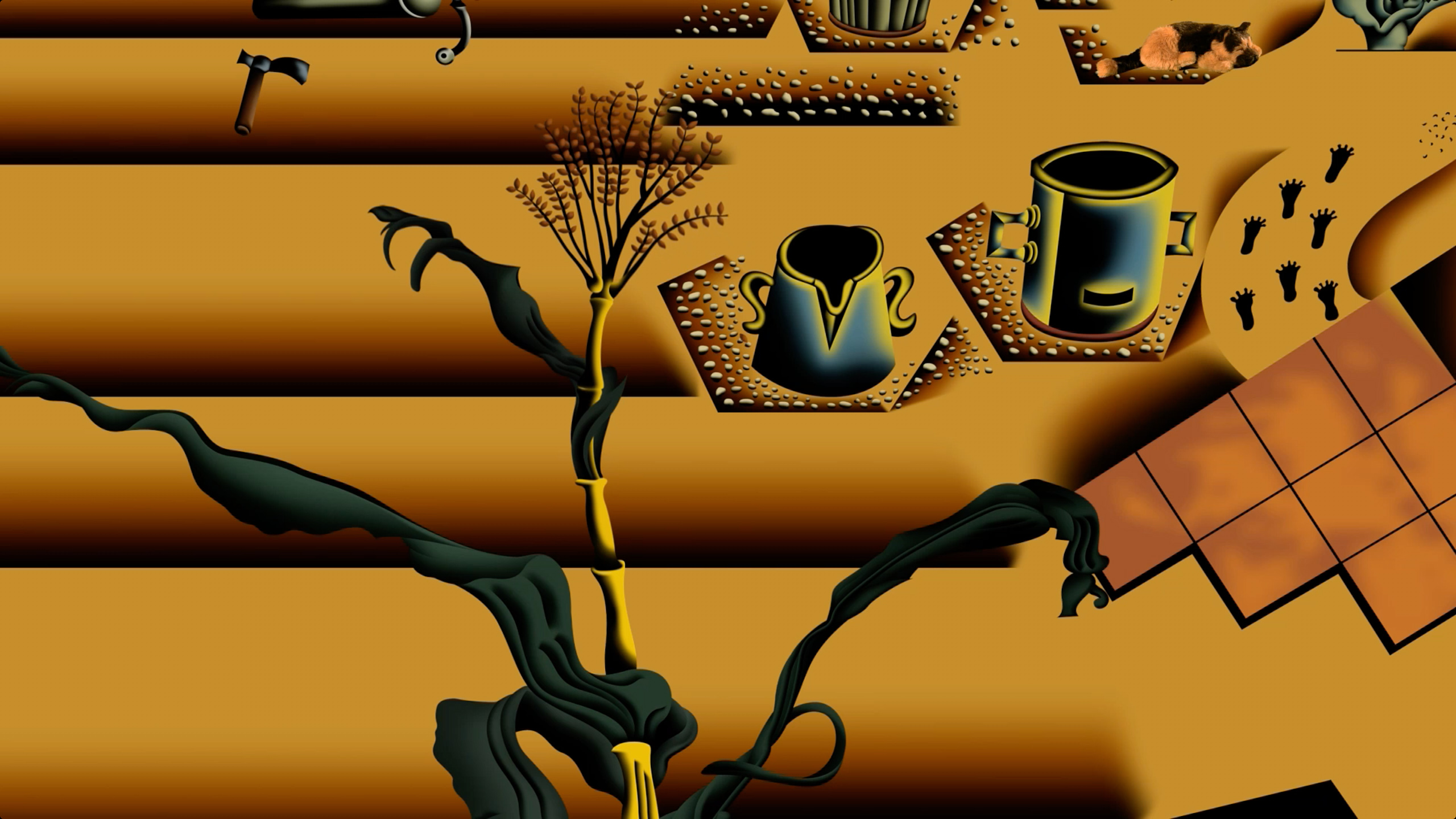
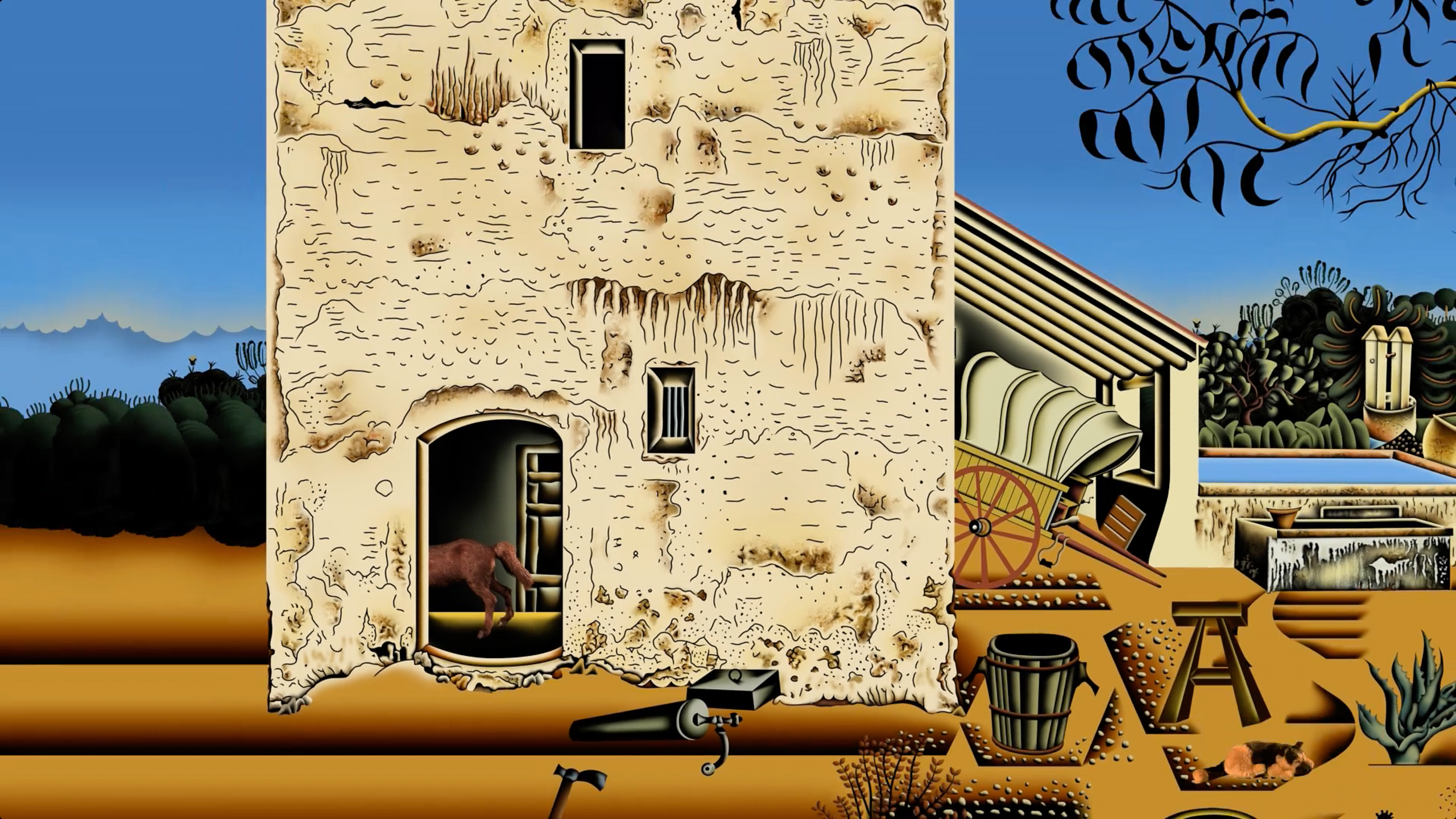
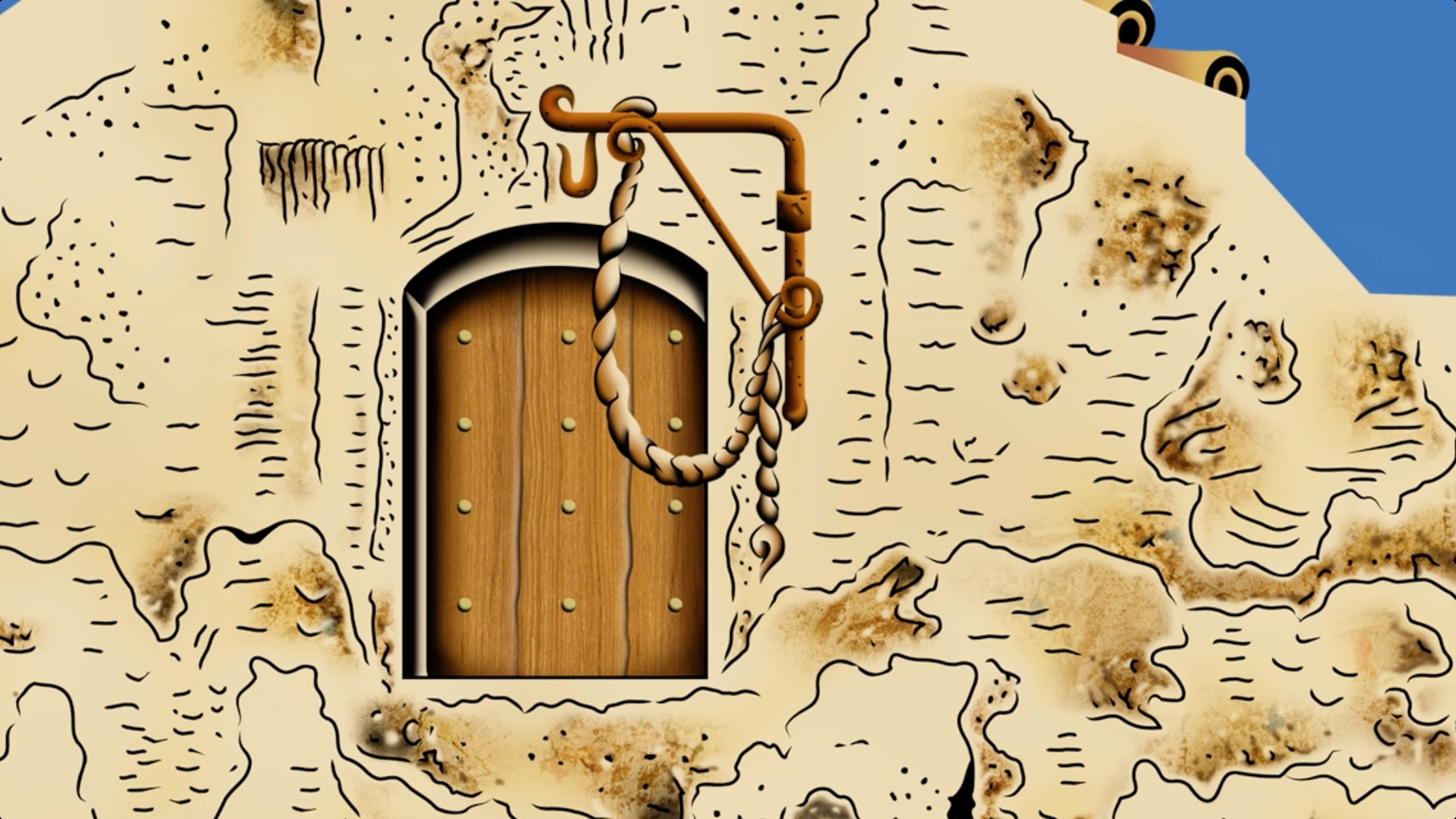
The 2013 video work The Farm can be perceived as an early manifestation of this art-historical interests. Yu Honglei developed the work around Joan Miró’s (1893–1983) eponymous painting. Miró’s The Farm originates in a specific real-world condition, yet it contains a structure close to that of a dream: details such as animals, trees, houses, and tools are reorganized according to a bewildering order. Yu Honglei reinterprets the painting through camera movement, magnifying details, and edits. Specific details are temporarily extracted from the whole; a leaf, an animal, and a house are granted comparable pictorial scale, redistributing the real-world hierarchies of size, prominence, and relations between center and periphery. He kept a distance through humor to deviate from this canonical work, so he could approach this art-historical masterpiece in a delayed, almost awkward manner. In this sense, The Farm is more than a work from Yu Honglei’s early video practice; it also marks a precedent in his approach to painting. The work reveals how Yu rediscovers new findings within an existing image, using close focus to detach details from their original systems of meaning, while altering the overall structure through extensive looking. This way of viewing later carries over into his current painting practice, allowing diverse elements to assume relatively equal positions within the composition. The painting establishes relationships of competition and coexistence among its various parts. Yu Honglei’s field of vision expands from Miró’s painting to the broader world of images, and from art-historical imagery to bodily experience and everyday visual materials. He borrows the geometric structures, compositional systems, and formal languages of modernist visual order; yet daubs, errors, decorative lines, and forms that resemble figures or animals pull the picture away from an overly self-contained system. For the artist, art history thus becomes a method to be dismantled, reorganized, and looked at anew.
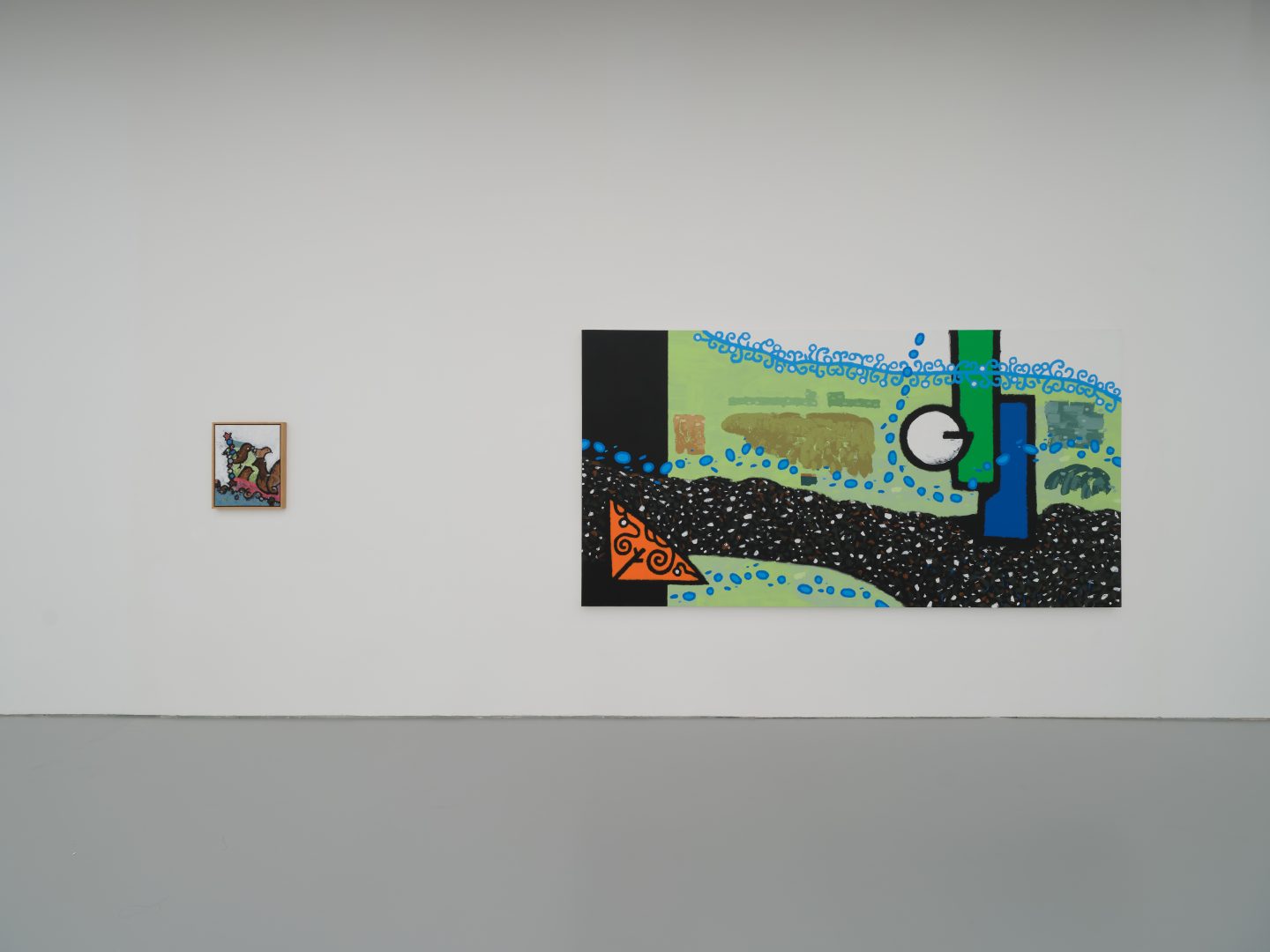
Within the exhibition, Reflected Light – A Summer Night Thirsting for Green and Noon Shadow – Upon the Silent Rock – two large-scale horizontal paintings – are especially revealing of this hybrid state of perception. The former approaches a physical experience of a summer night: plants, humid air, a sensation of green light, and the lingering heat of the evening together form an environment perceived through the body. The phrase “thirsting for green” in the title translates vision into tactile and gustatory experiences, making green no longer functions merely as a color to be seen, but an atmosphere that can be consumed by the body. The latter, meanwhile, establishes a bewildering associative space among words such as “noon,” “rock,” and “silence,” placing light, time, materiality, and fragments of the body alongside one another. Here, the horizontal format points to an extended sense of space: roads, horizons, mountain ranges, traffic flows, and tides may all be compressed into relations of movement within the horizontal structure. Moreover, such horizontal structure is connected to the experience of montage in video. Memories from different times and places are compressed into a single picture plane through a shared velocity, quality of light, or bodily sensation, instead of linked according to narrative logic. In Noon Shadow – Upon the Silent Rock, the shadow beneath an elevated highway, the sensation of movement on an expressway, seawater inundating the path to a small island, and the continuous flow of car lights at night all enter the same pictorial space. Montage, once translated into painting, becomes a way of compressing experiences: these memories did not originally occur at the same time or in the same place, yet within the painting they are organized into a single emotional structure.
The vertical paintings, by contrast, are closer to the scale of the body, uprightness, and portraiture. Works such as Vertical Night – Orange Highway Warrior, Super Imitation Show – Gliding Blocks, and Spiral Rain – Tap Dancer in the Tunnel do not take complete human figures as their subjects, yet their central forms often assume postures suggestive of the body. Yu Honglei conceives the vertical format for its proximity to the human body, while the body itself may also generate space. In Spiral Rain – Tap Dancer in the Tunnel for instance, the shape painted in green resembles both the sole of a foot and a terrain entail two qualities: bodily and landscape-like at once. In other words, when a fragment of the body writ large, it can be topographical. Conversely, when an abstract structure acquires a center of gravity and a direction, it too may be seen as a kind of standing presence. In this way, the distinction between horizontal and vertical formats becomes a means for the artist to understand spatial movement and the scale of looking.
The way Yu Honglei titles his works likewise asserts a sense of instability of looking. Titles such as Comet’s Tail – Sugar Pill, Super Imitation Show – Gliding Blocks, Cotton Ball – Familiar Scenes Turn Strange, and Metal Nice Guy – Cookie Bouncing Serving Tray largely adopt an “A-B” structure. The two phrases neither form a clear explanatory relationship, nor do they sustain a complete narrative. Rather, they resemble the collision of two sets of images or two kinds of sensation, prompting the viewer to move back and forth between them. Moreover, these titles while documenting the sources of the artist’s sensations, they also refuse to fix the work of art to a single meaning. Words such as comet, sugar pill, gliding blocks, serving tray, and highway warrior provide another dimension of movement beyond the picture plane, making language itself part of the viewing experience.
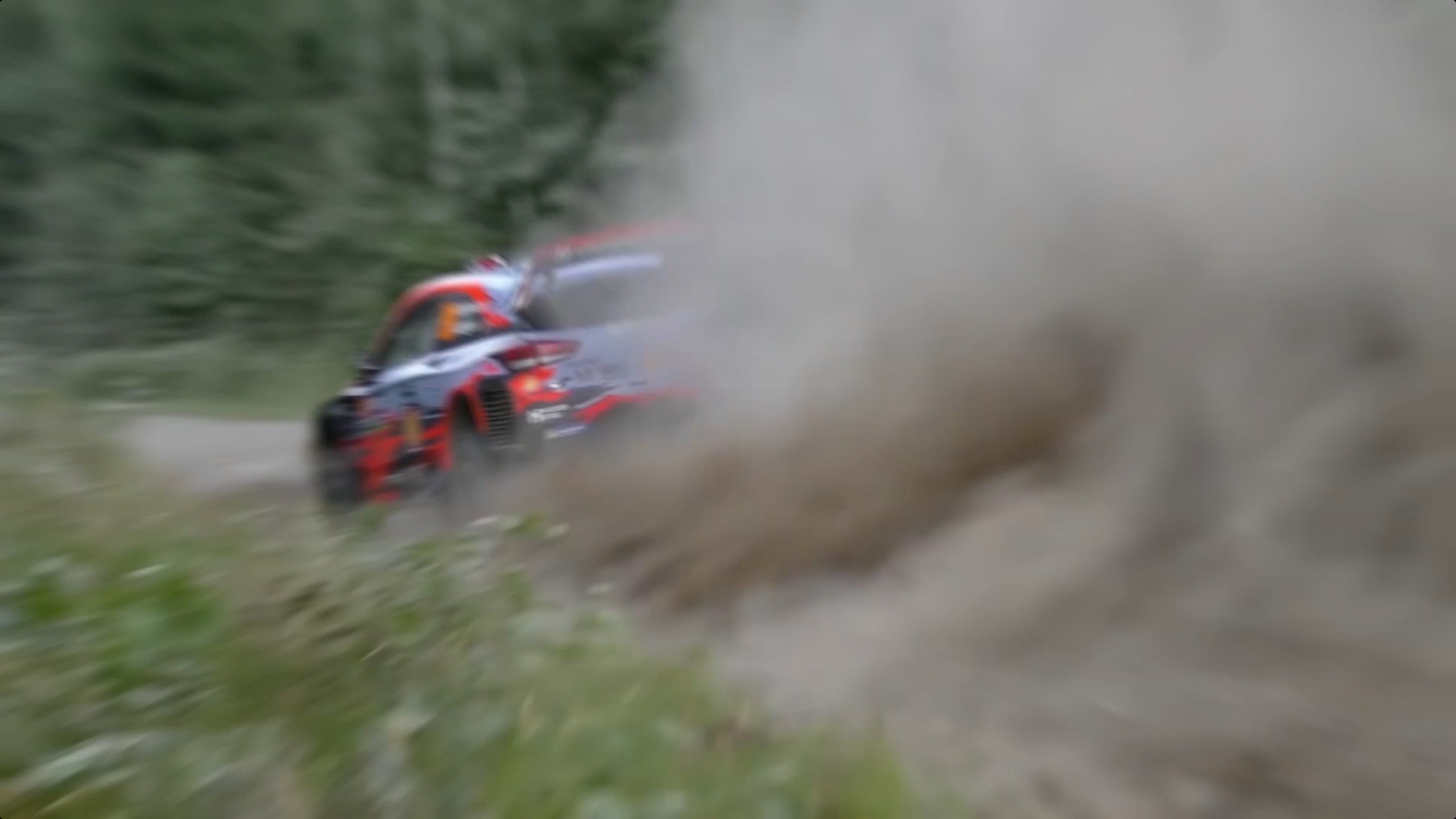
If The Farm reveals how Yu Honglei looks at images, the other video work in this exhibition, I[]#4, suggests his notion of temporality in painting. This footage of race car zooming by reveals its looped structure, yet viewers may still find themselves anticipating what will happen in the next second. Yu Honglei completed this series of videos when he began working on this recent cycle of paintings, which subtly projects his notion of time in painting. Video unfolds in time, whereas painting compresses time into space. When standing in front of a work on canvas, the viewer’s gaze moves from subject to background, from a color band to a sign, from a diagonal to a vine, and then back again to the point of departure. A seemingly static image acquires temporality through the viewer’s continual returns, pauses, and renewed departures. In other words, what the artist meant by “rolling momentum” is precisely this: the internal relations of the picture continuously propel the act of looking, creating the sense that the image might unfold in the next moment.
Thus, Vine Pattern – Tropic of Cancer is not merely an exhibition centered on painting. It shows how Yu Honglei reorganizes, through painting, his experiences of medium, art history, and personal perception. The artist allows control and release to remain together within the picture, giving rise to a recognizable painterly language of his own. What truly unfolds here is a set of relations continually generated between structure, perception, art history, and bodily memory. Bands of background color, geometric forms, diagonals, vines, stars, hearts, and vivid hues form the surface of his style; beneath that surface lies Yu Honglei’s way of looking at the world and organizing experience.
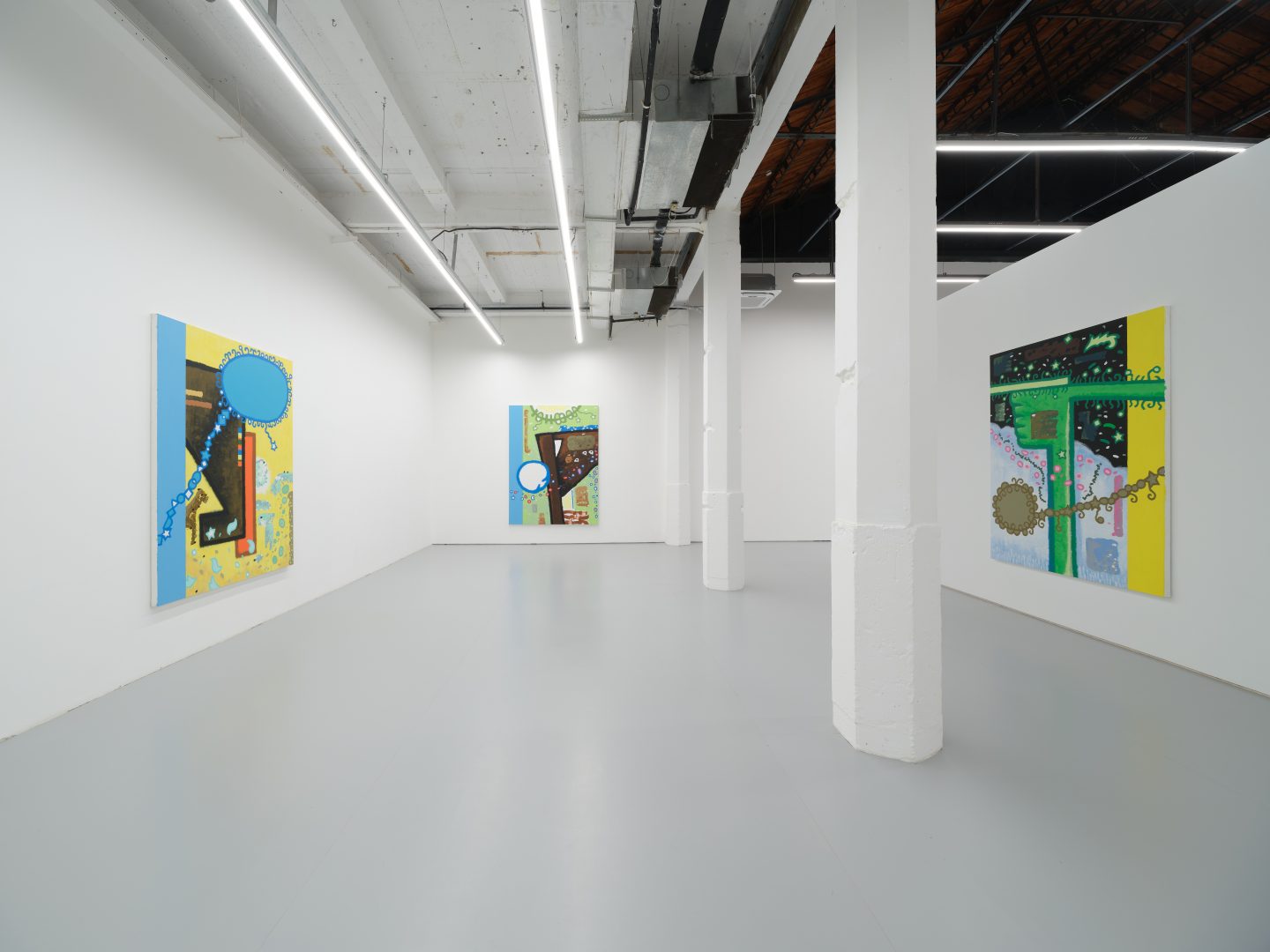
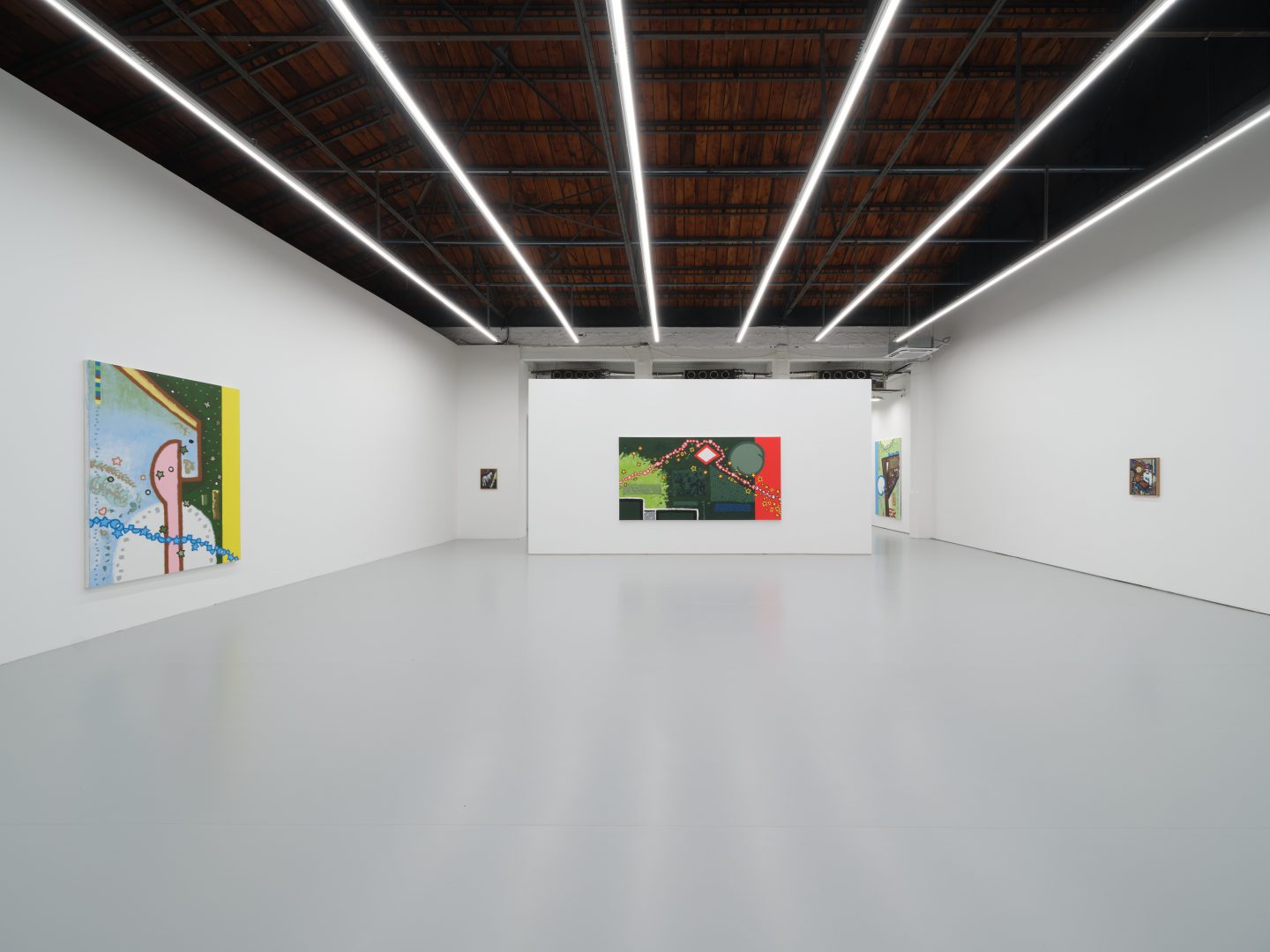
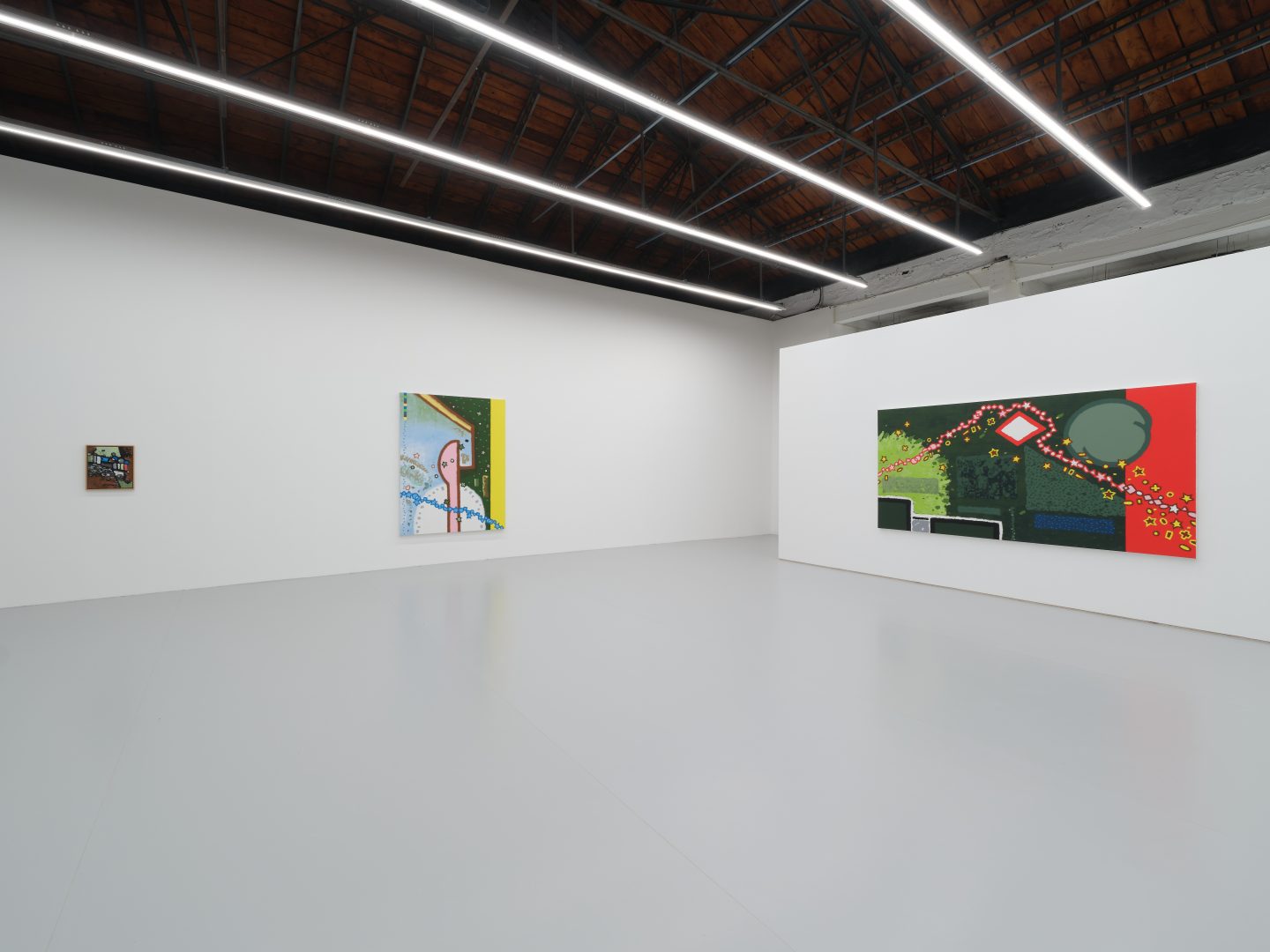
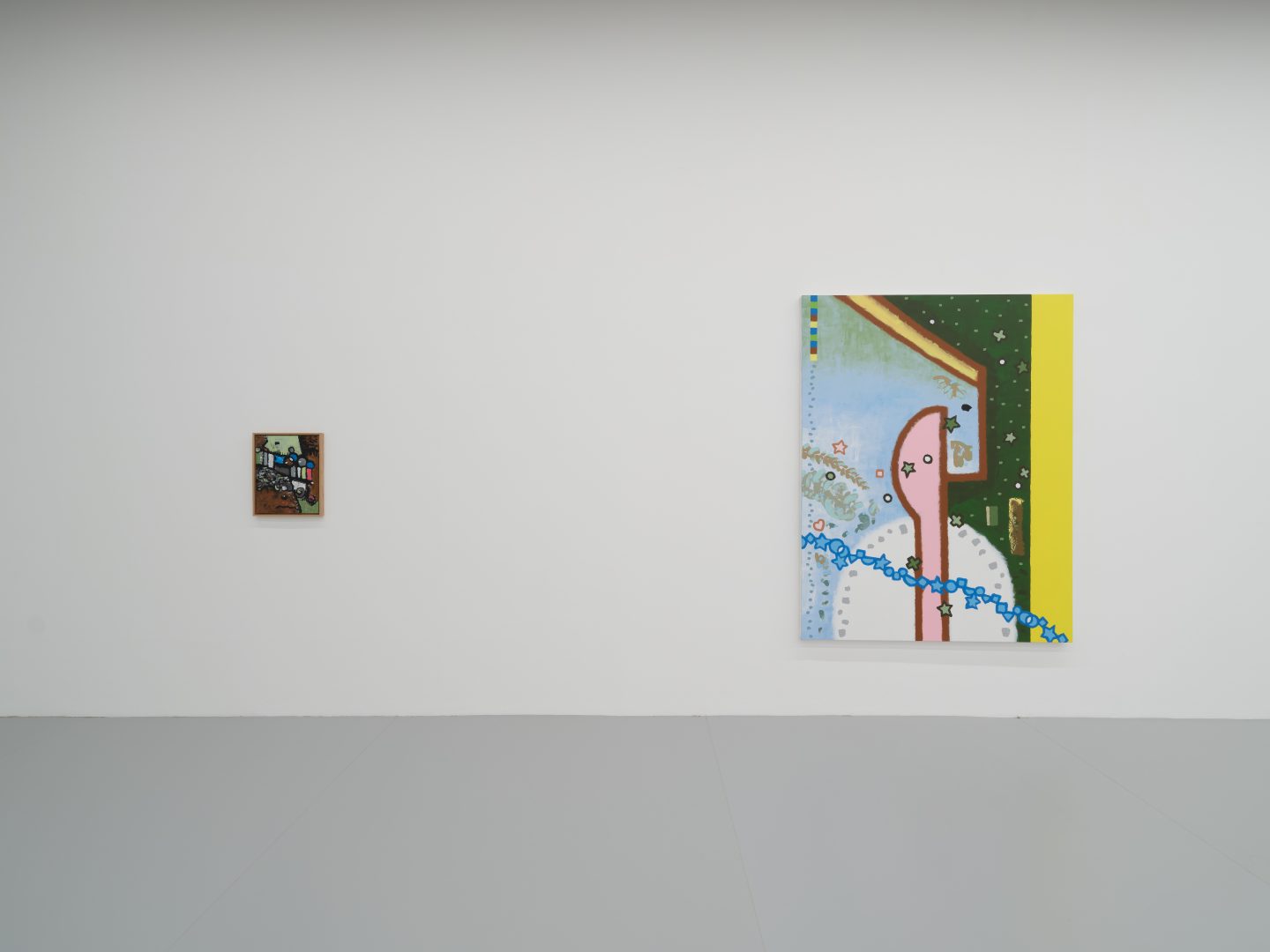
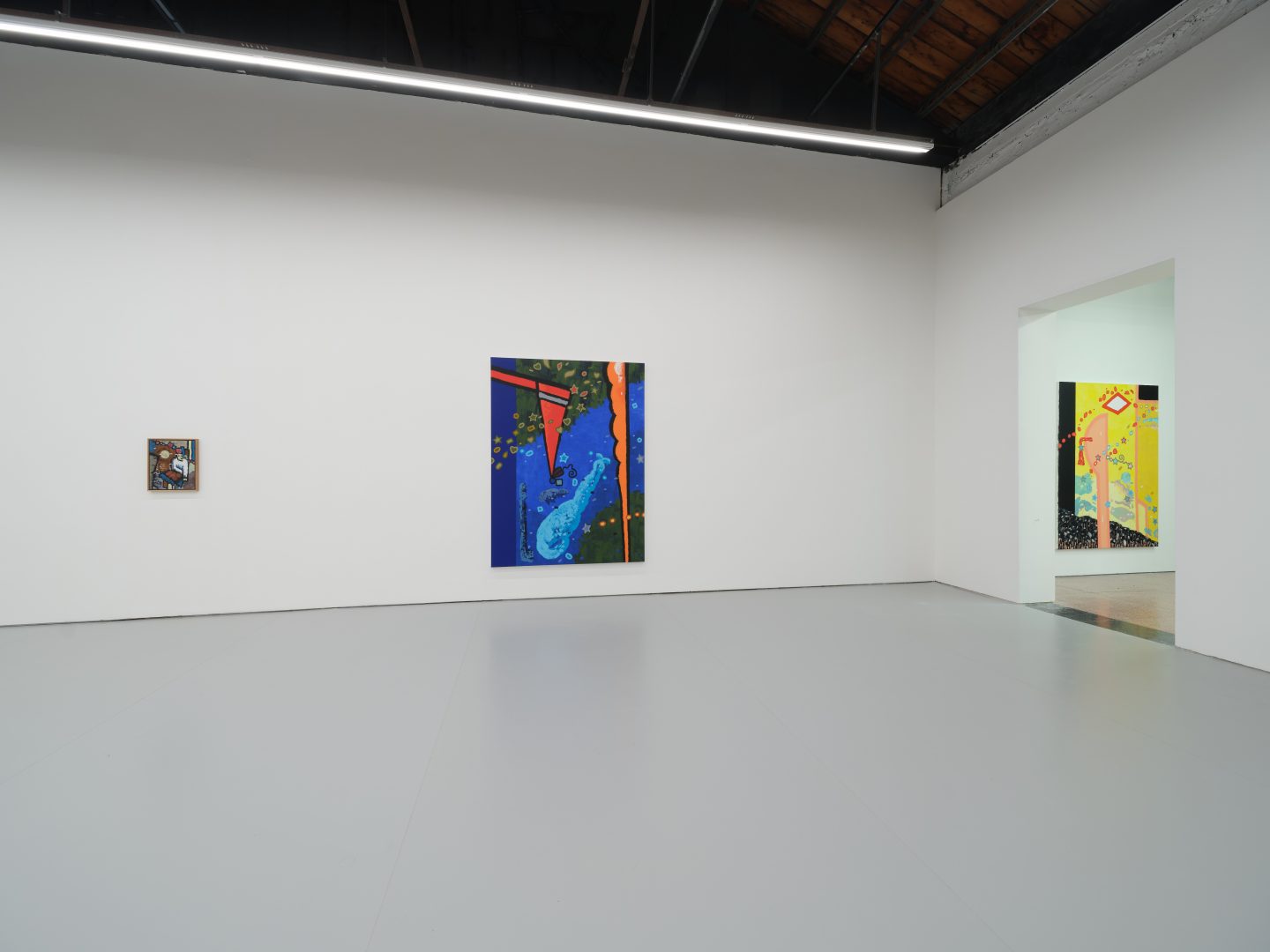
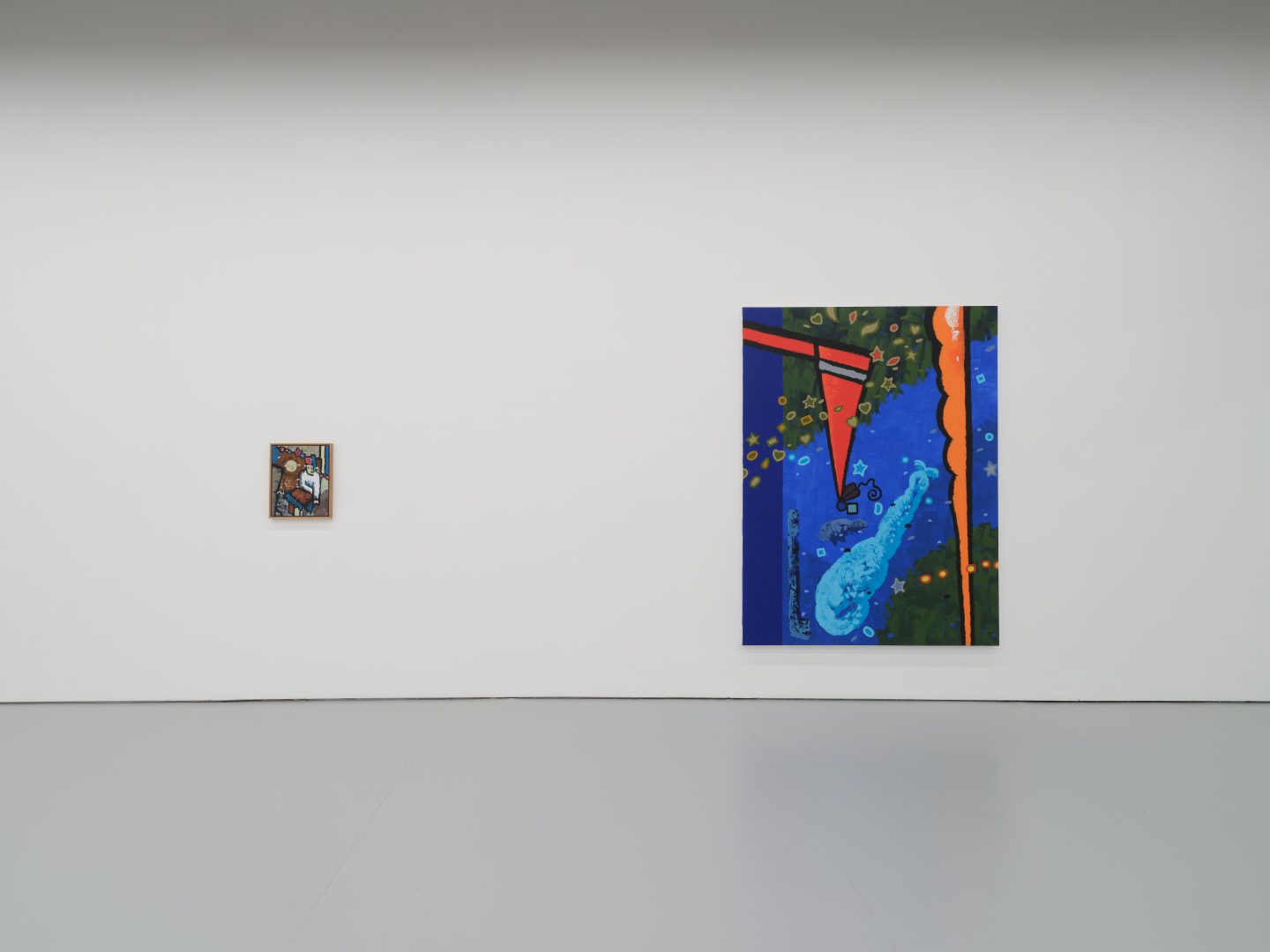
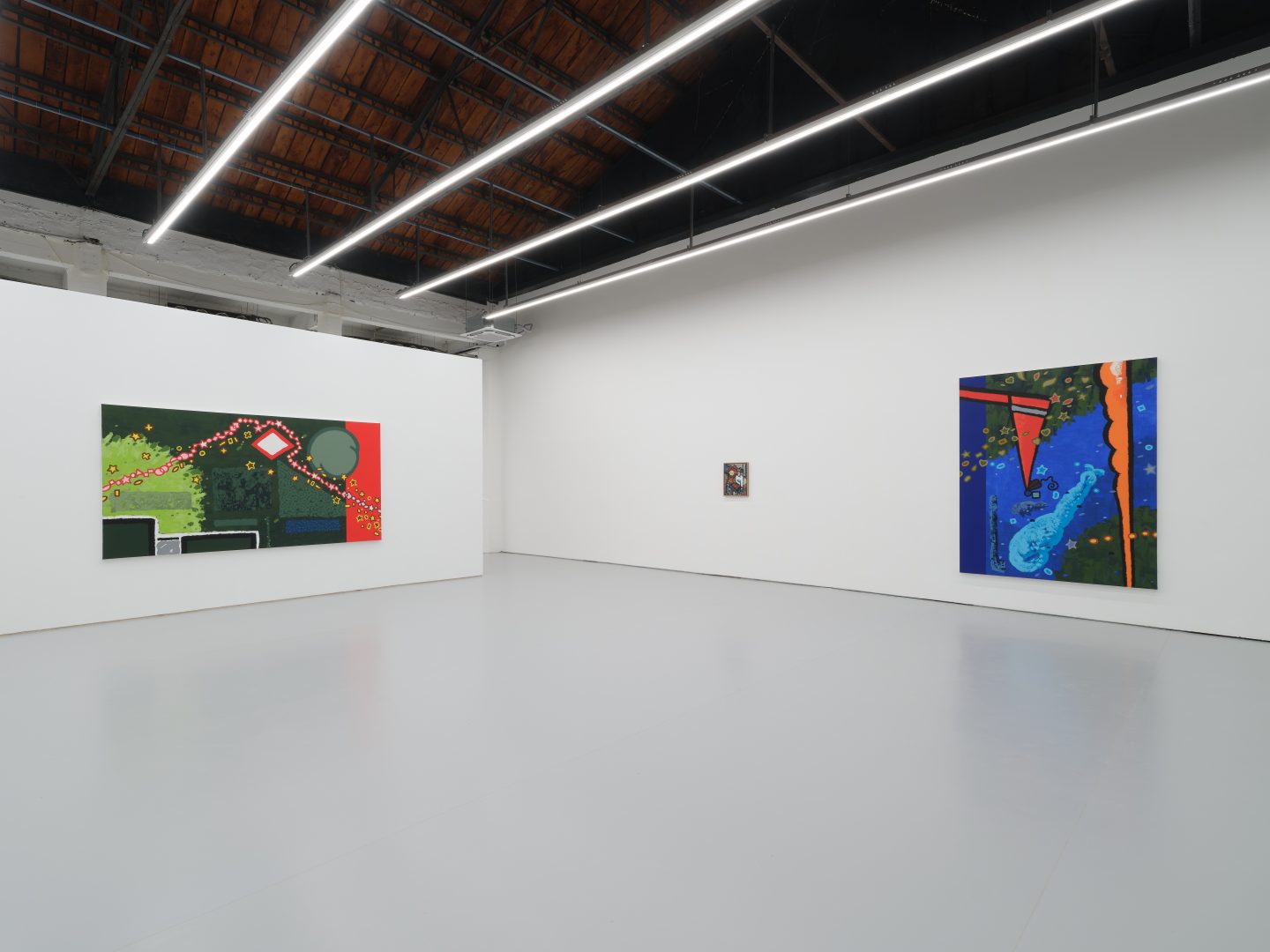
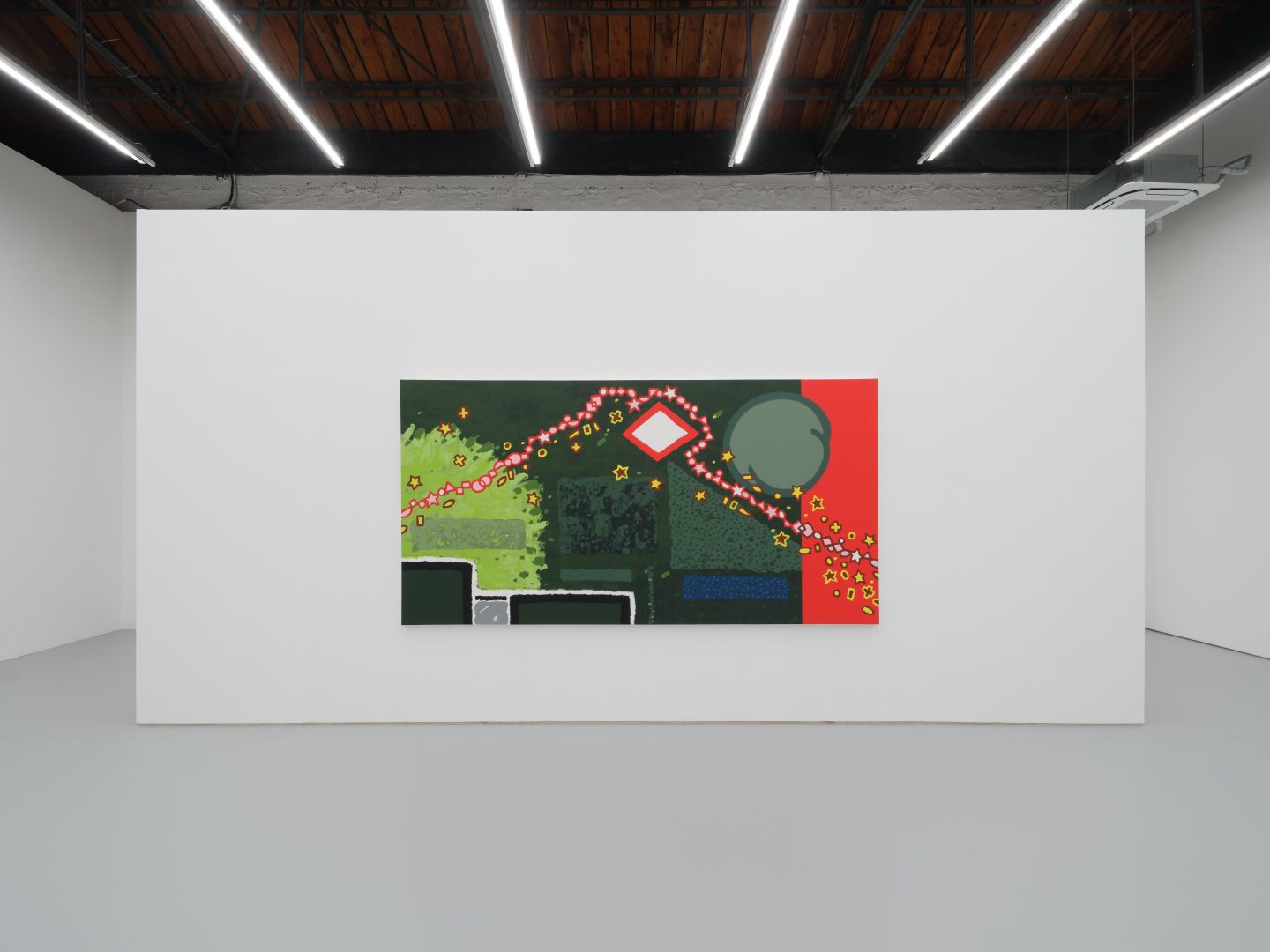
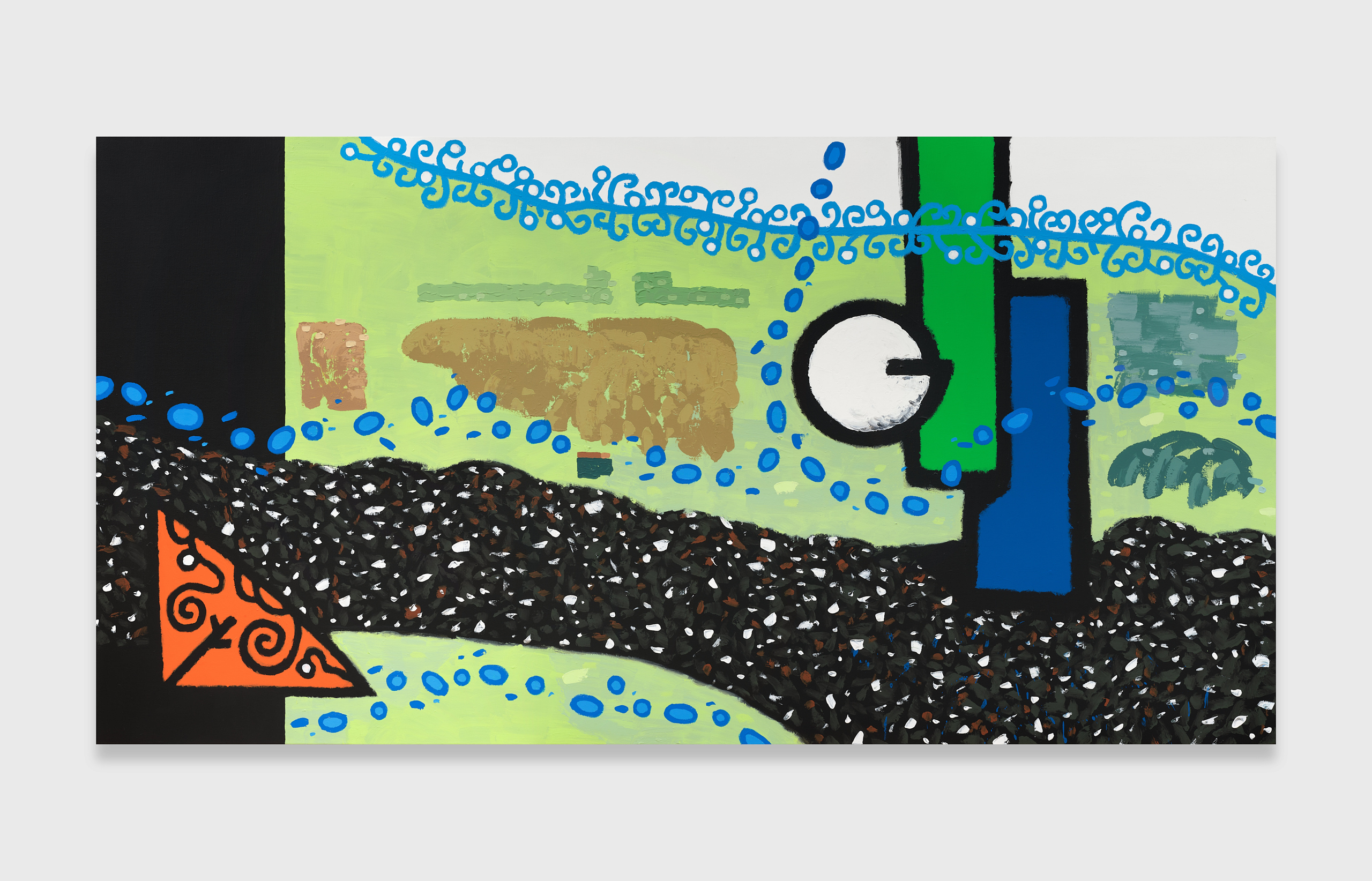
Acrylic on canvas
170 x 330 cm
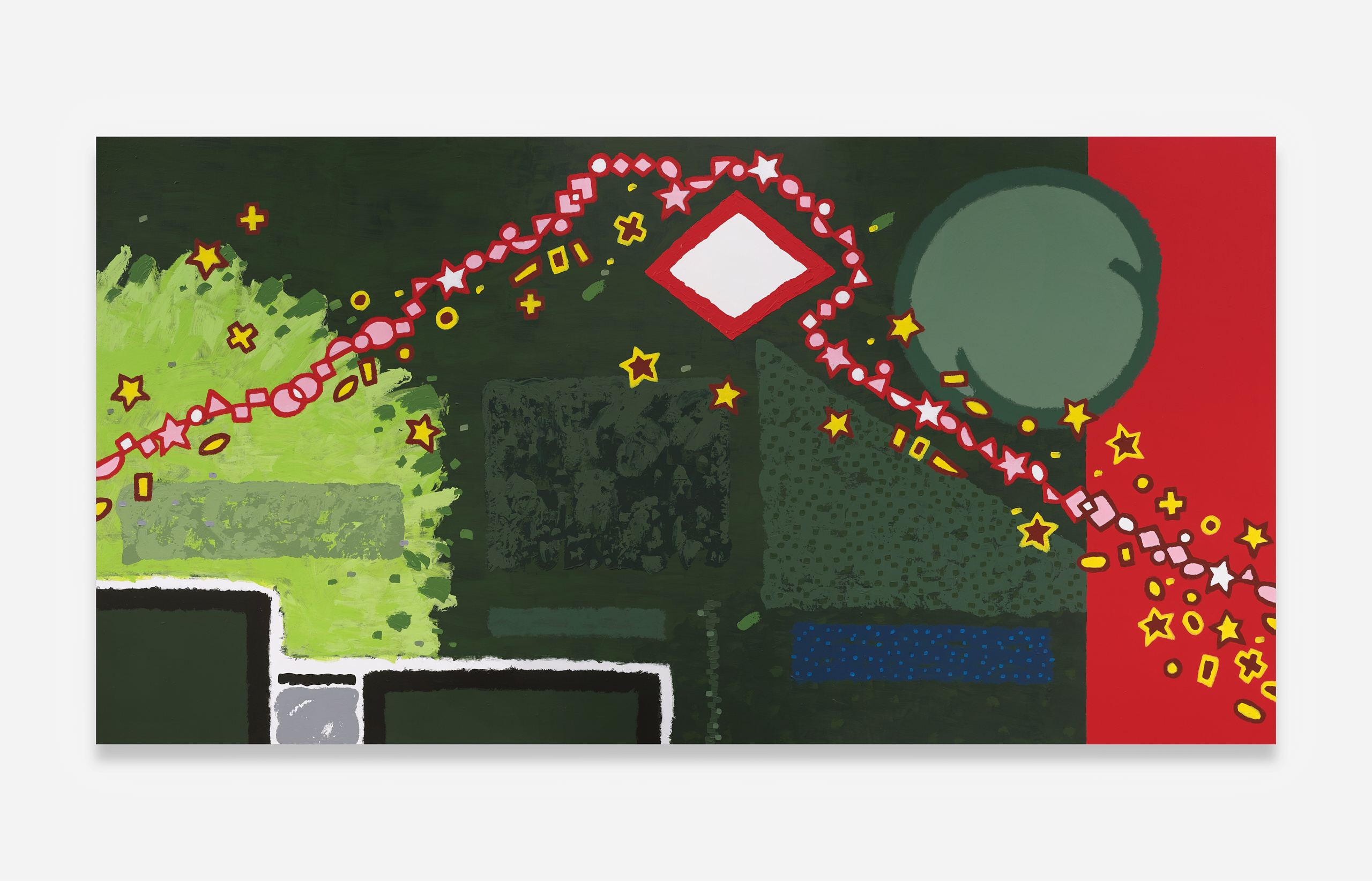
Acrylic on canvas
170 x 330 cm
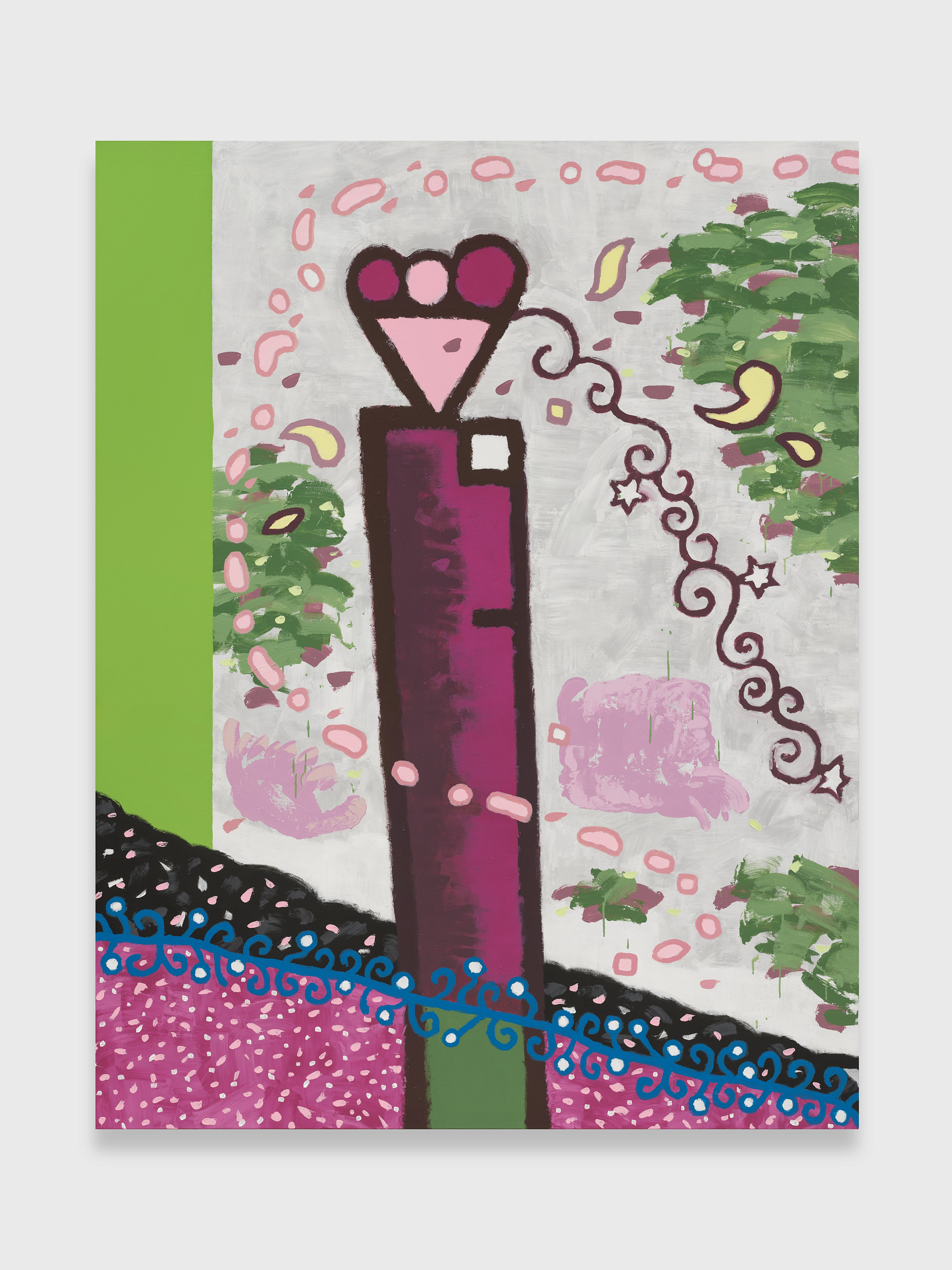
Acrylic on canvas
220 x 170 cm
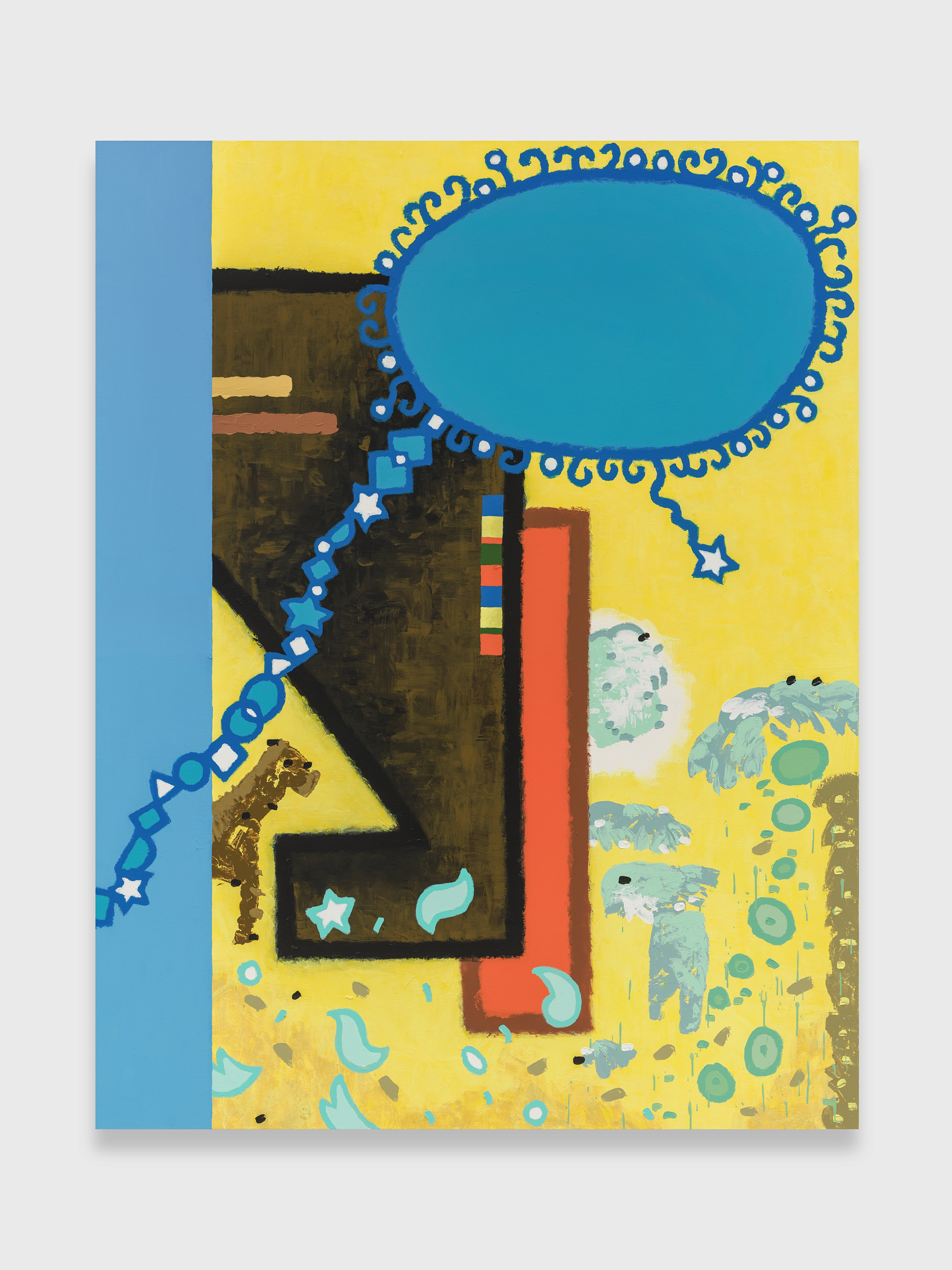
Acrylic on canvas
220 x 170 cm
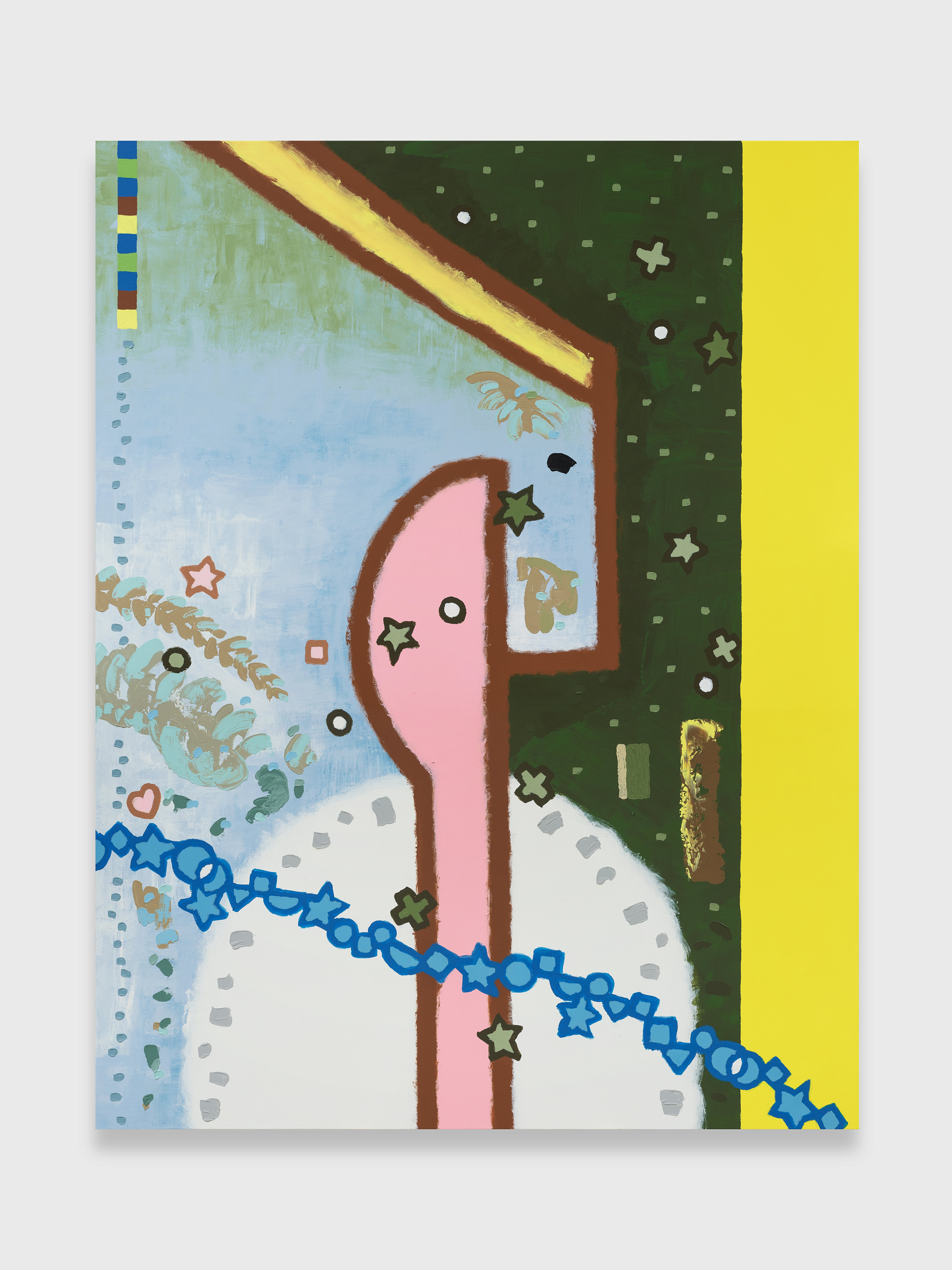
Acrylic on canvas
220 x 170 cm
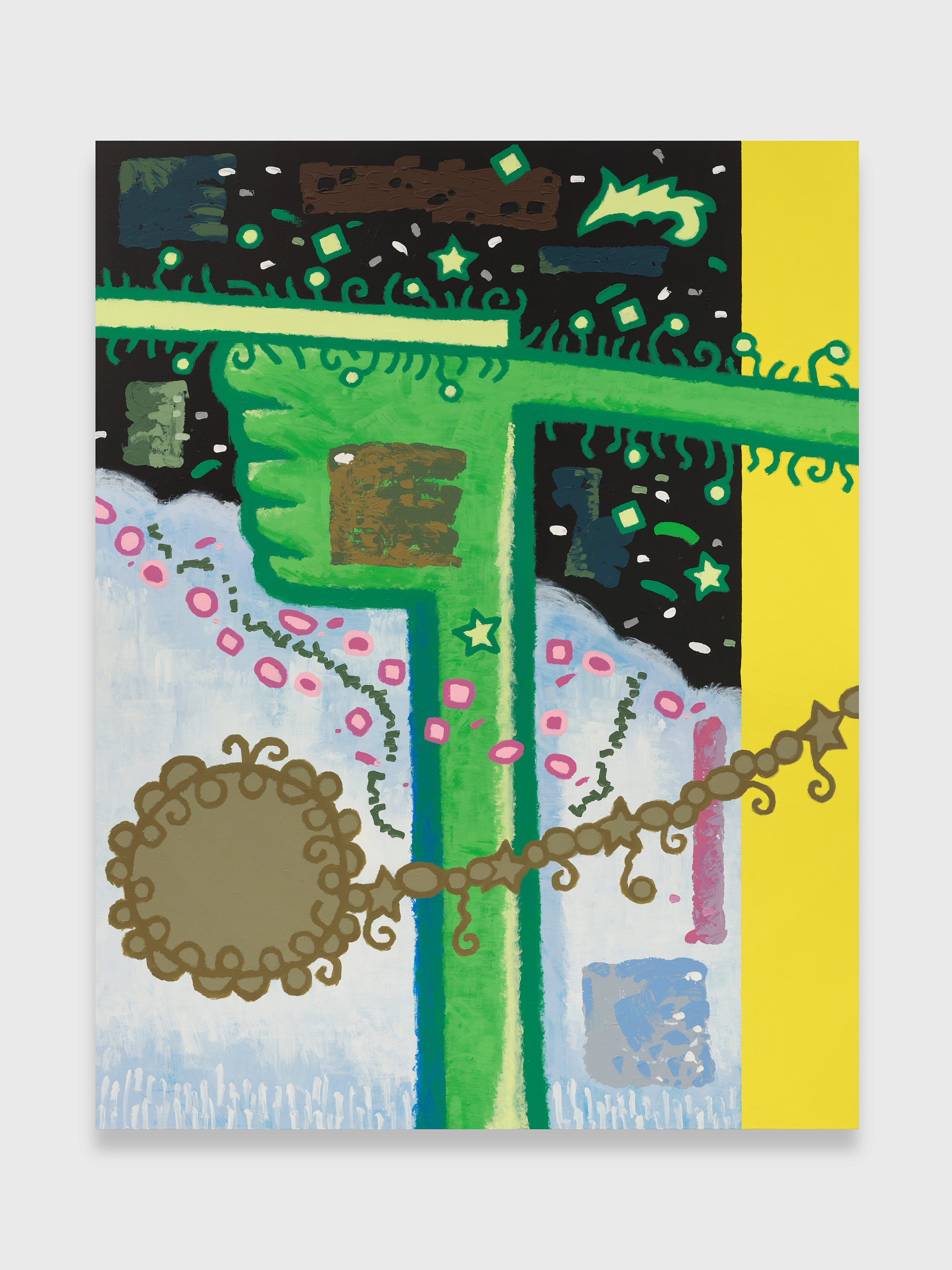
Acrylic on canvas
170 x 220 cm
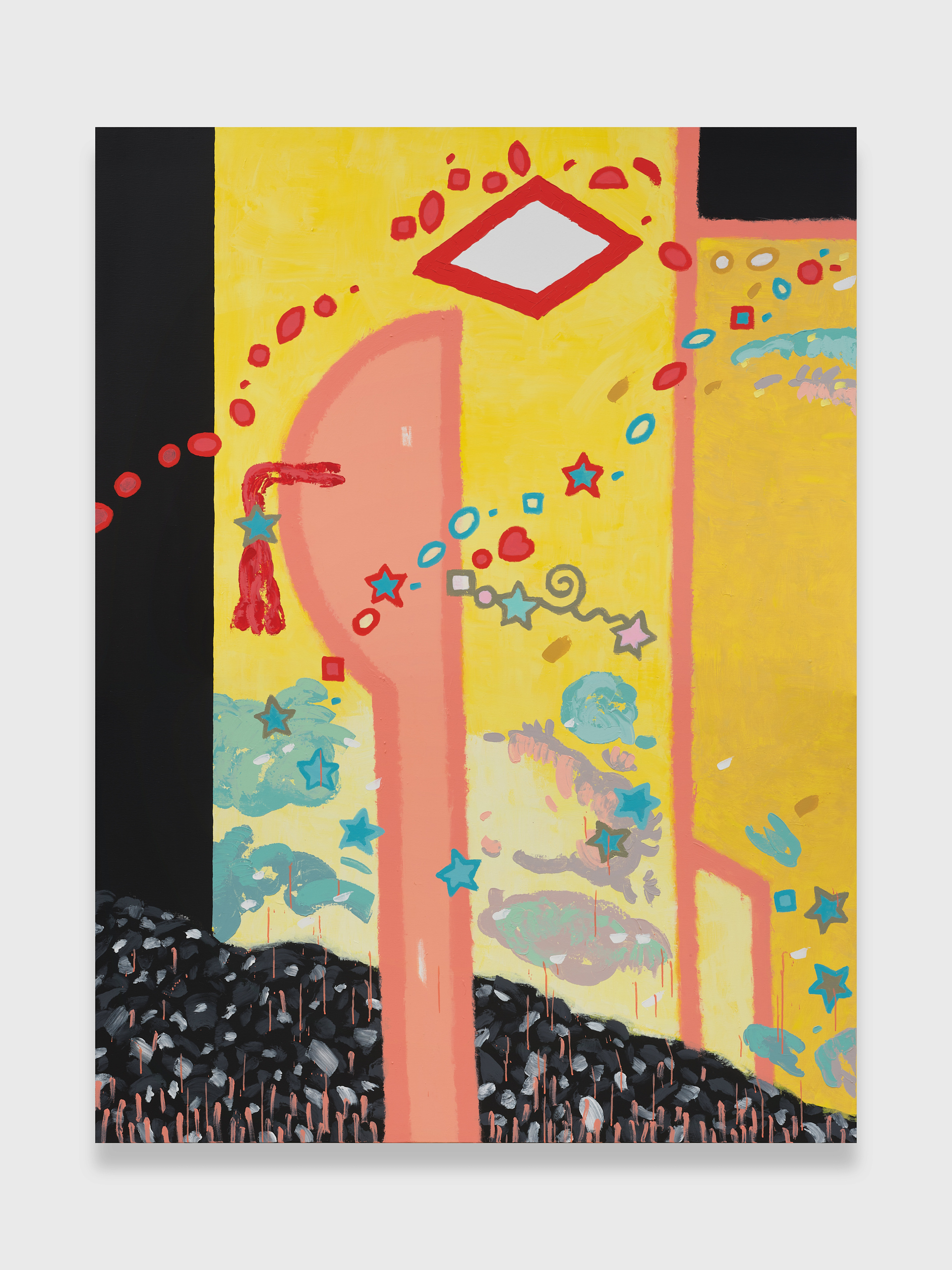
Acrylic on canvas
240 x 180 cm
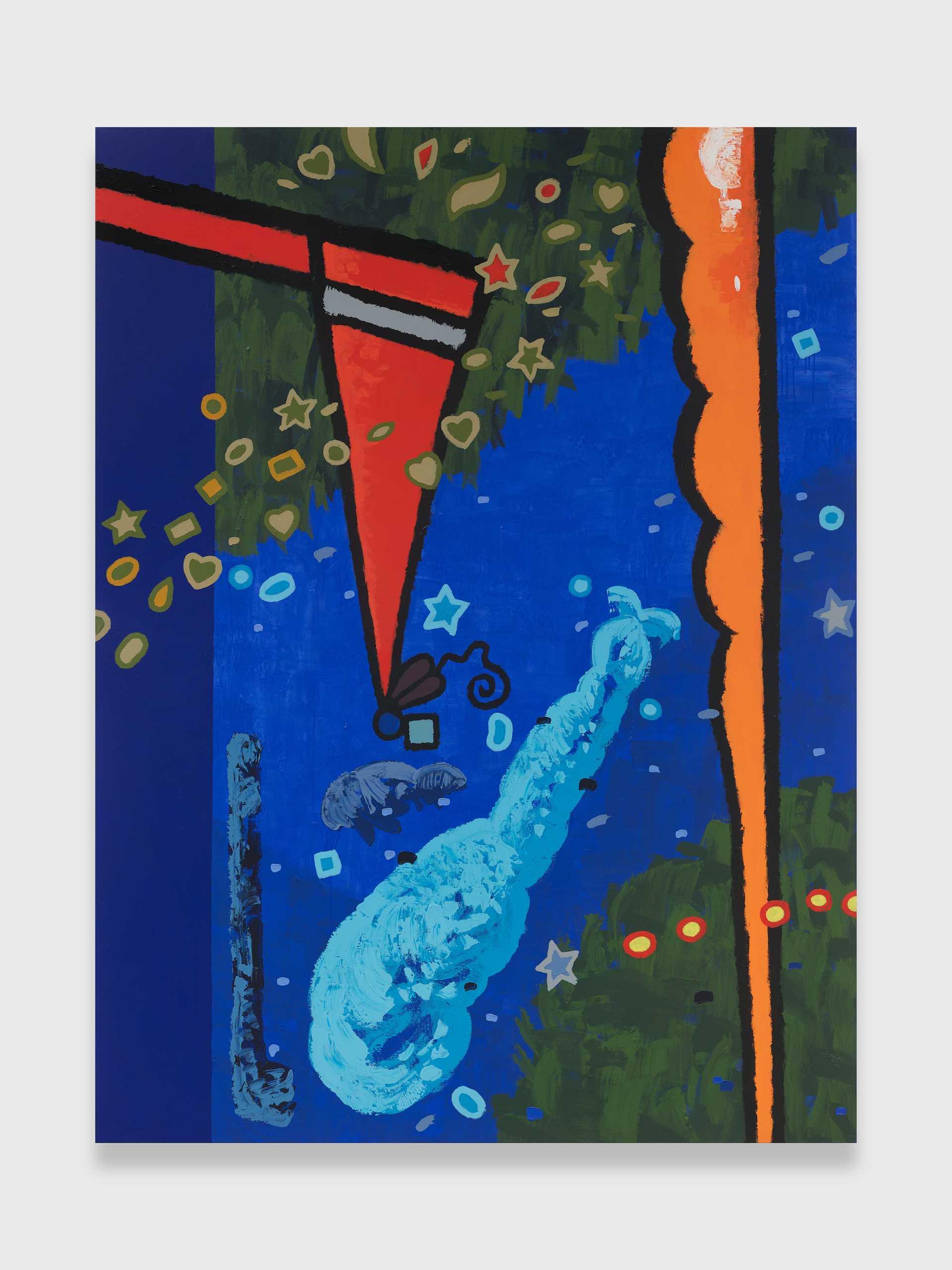
Acrylic on canvas
240 x 180 cm
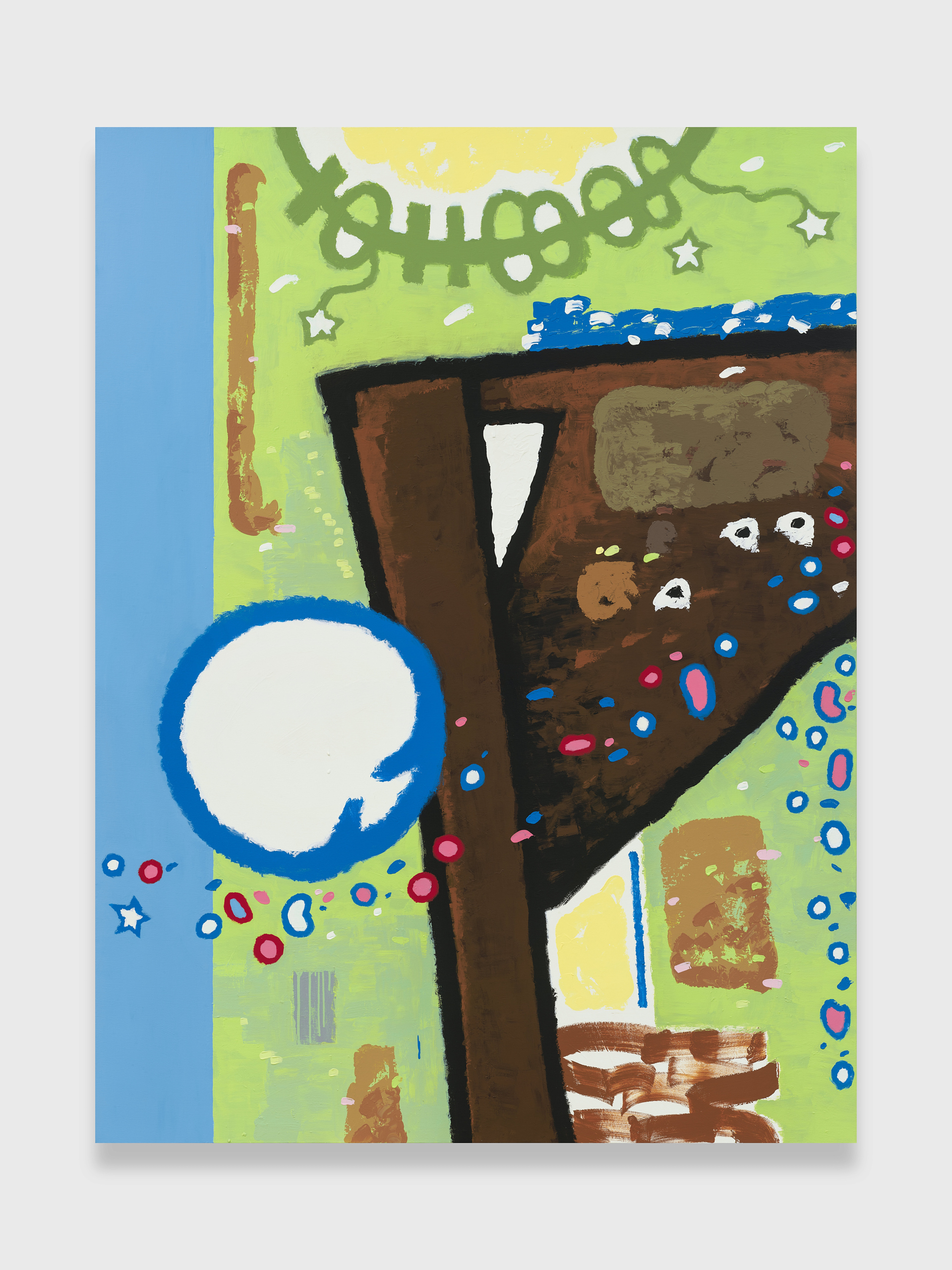
Acrylic on canvas
240 x 180 cm
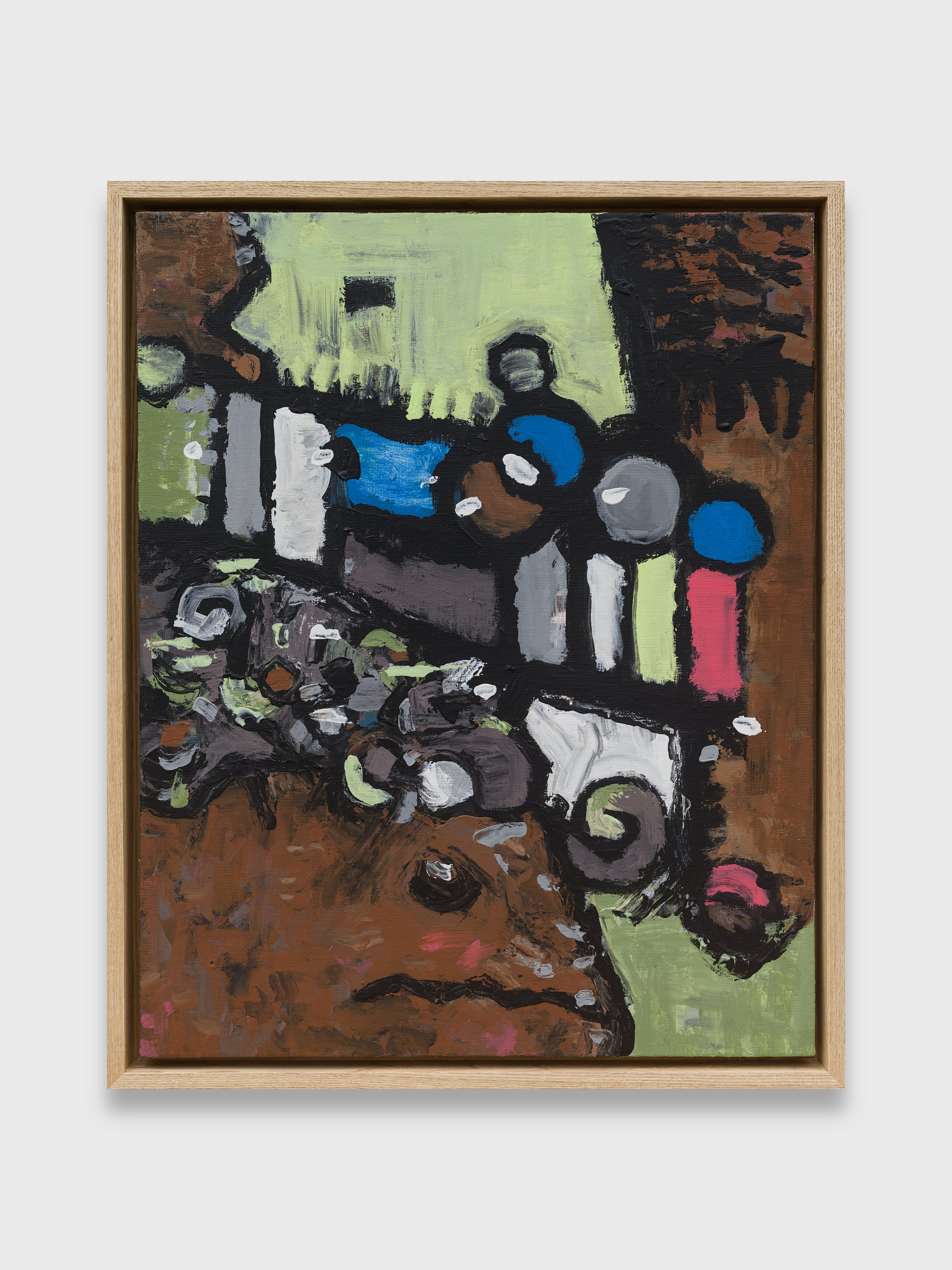
Acrylic on canvas
53.5 x 43.5 cm (framed)
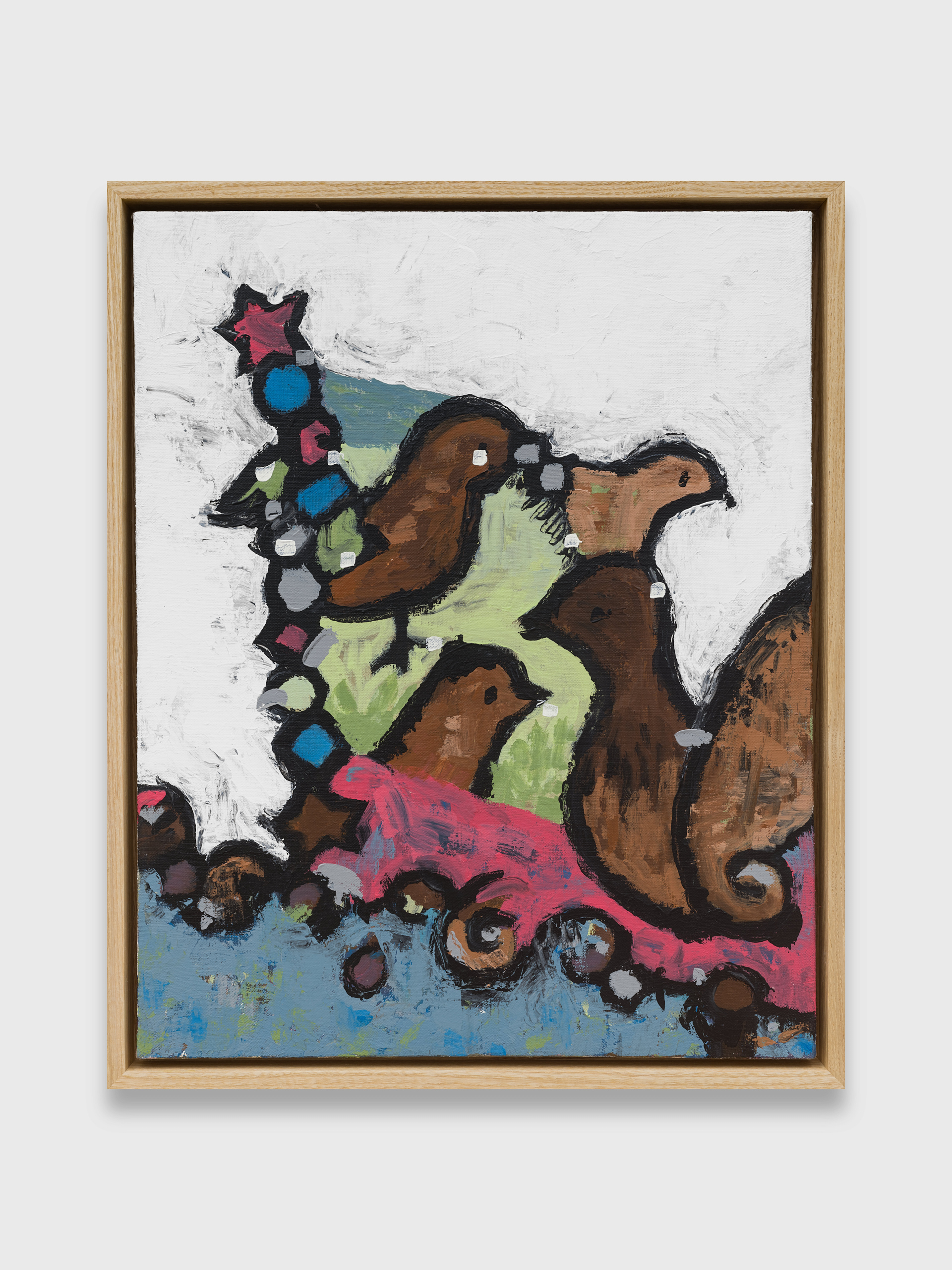
Acrylic on canvas
53.5 x 43.5 cm (framed)
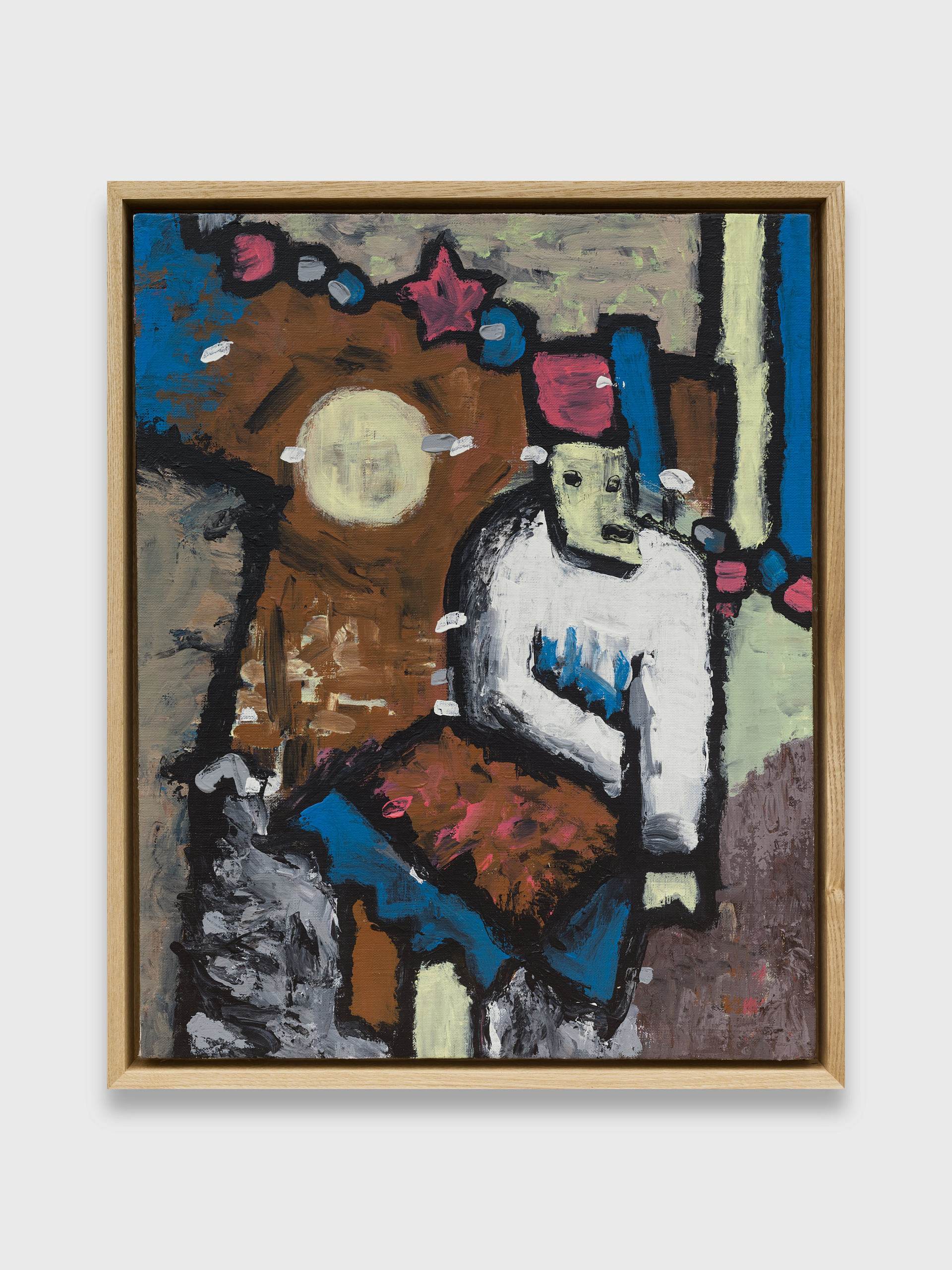
Acrylic on canvas
53.5 x 43.5 cm (framed)
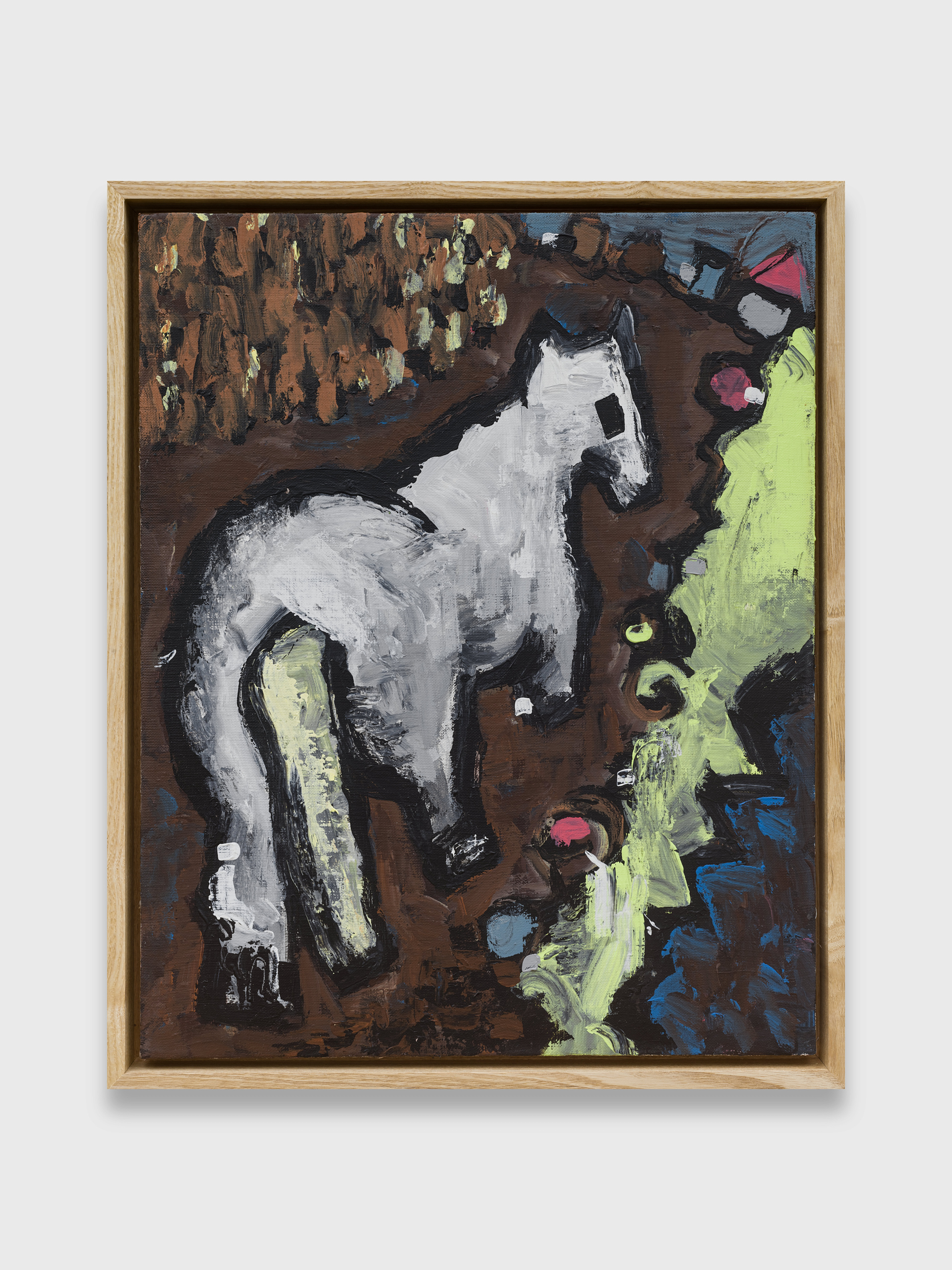
Acrylic on canvas
53.5 x 43.5 cm (framed)
![Yu Honglei, []#4, 2021](http://antenna-space.com/wp-content/uploads/2026/06/42.jpg "Yu Honglei, []#4, 2021")
Single channel video, color, sound
video loop
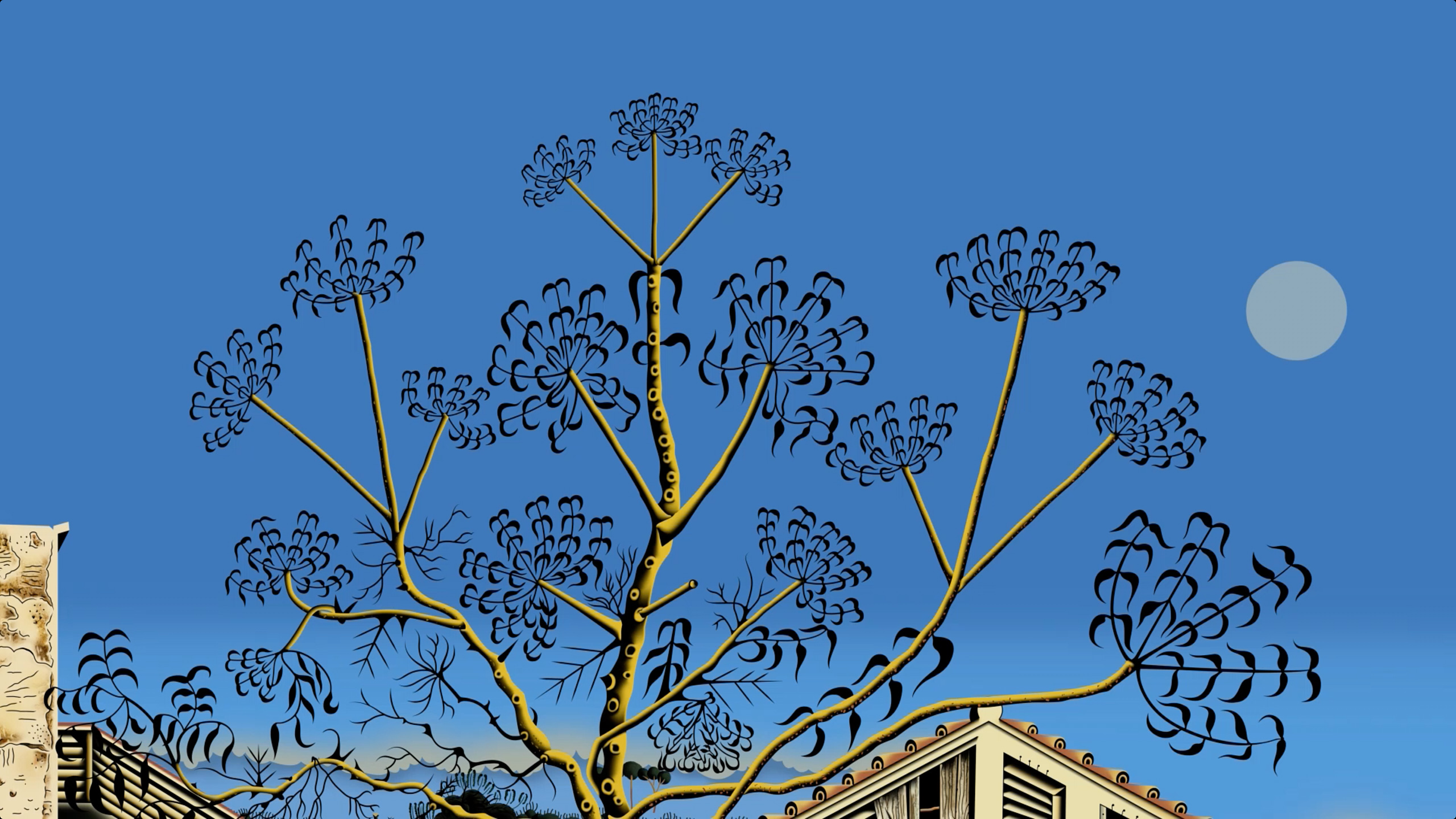
Single channel video
8’50”
Please scan the QR code to follow us on WeChat :天线空间ANTENNASPACE