2026.11.05 – 2026.11.11
Address: Jūshin Kaikan, 36 Nijuninkocho, Shimogyo Ward, Kyoto
(Presented by Antenna Space)

2026.11.05 – 2026.11.11
Address: Jūshin Kaikan, 36 Nijuninkocho, Shimogyo Ward, Kyoto
(Presented by Antenna Space)
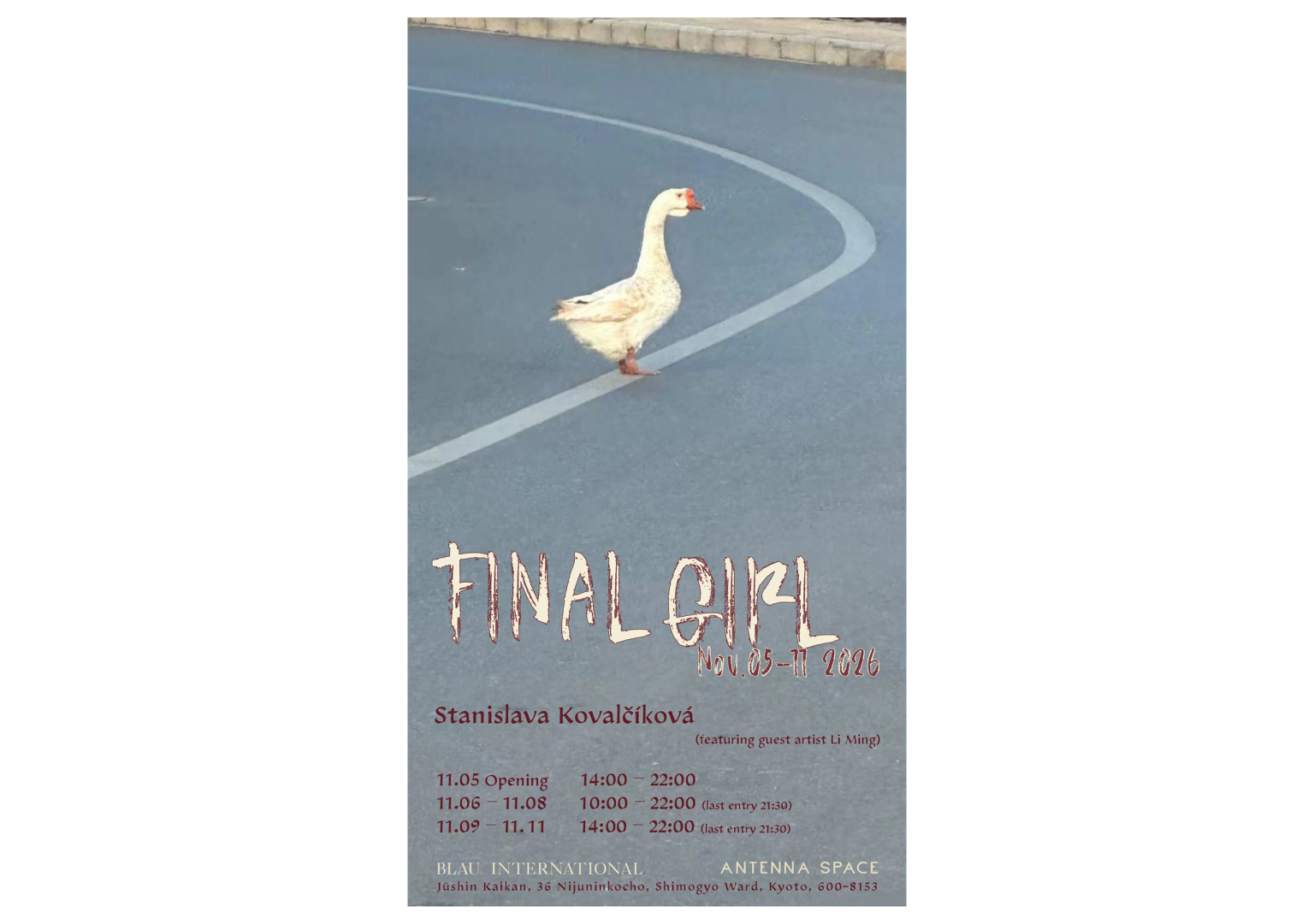
Antenna Space is pleased to announce the first presentation of Stanislava Kovalčíková’s exhibition Final Girl in Japan, at Jūshin Kaikan in Kyoto.
–
featuring guest artist: Li Ming
Curator: Martin Germann
Dates: November 5–11, 2026
Opening: Thursday, November 5, 2026, 14:00–22:00
Opening Reception: 18:00–20:00, co-organised with Blau International
Address: Jūshin Kaikan, 36 Nijuninkocho, Shimogyo Ward, Kyoto
Presented by Antenna Space
–
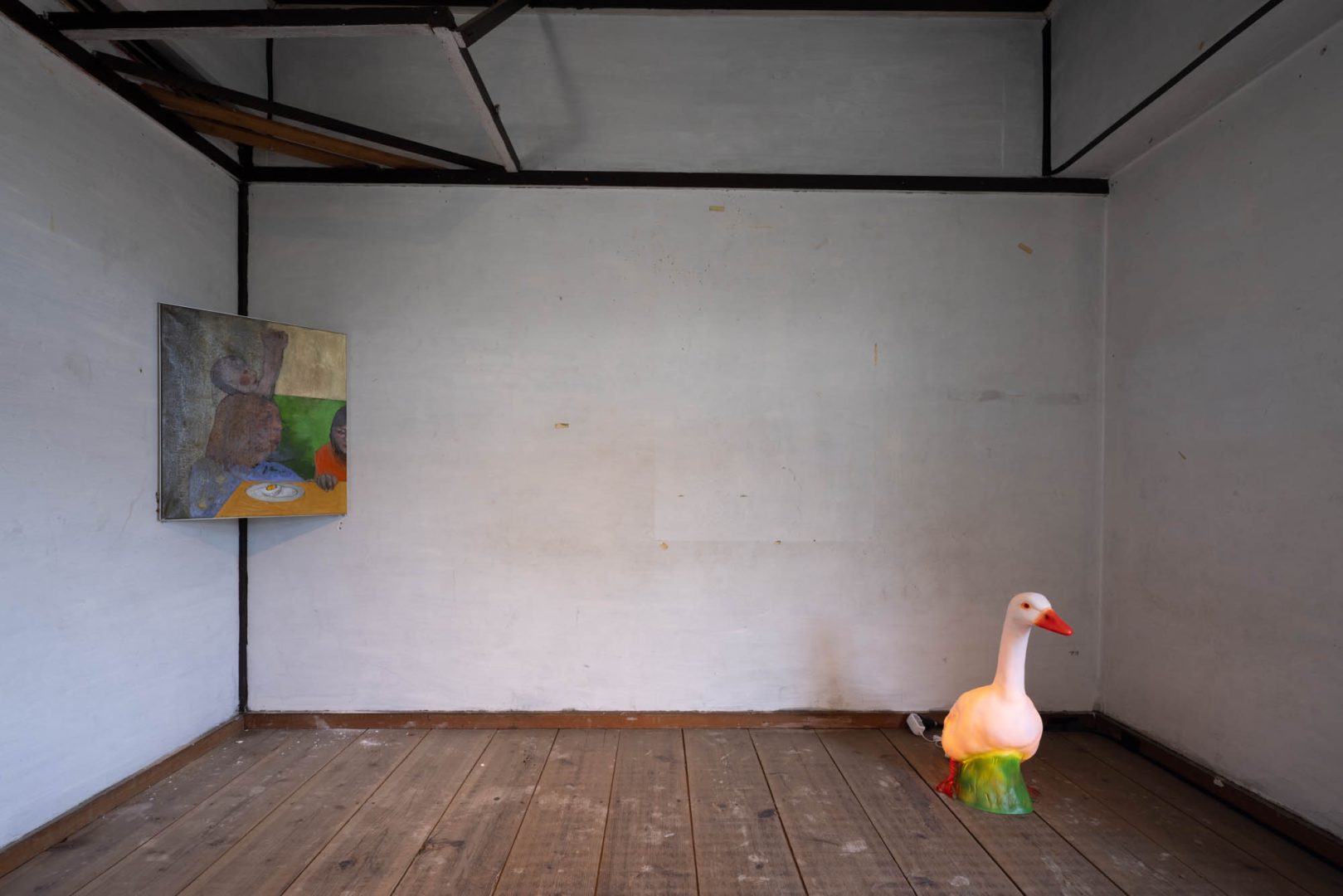
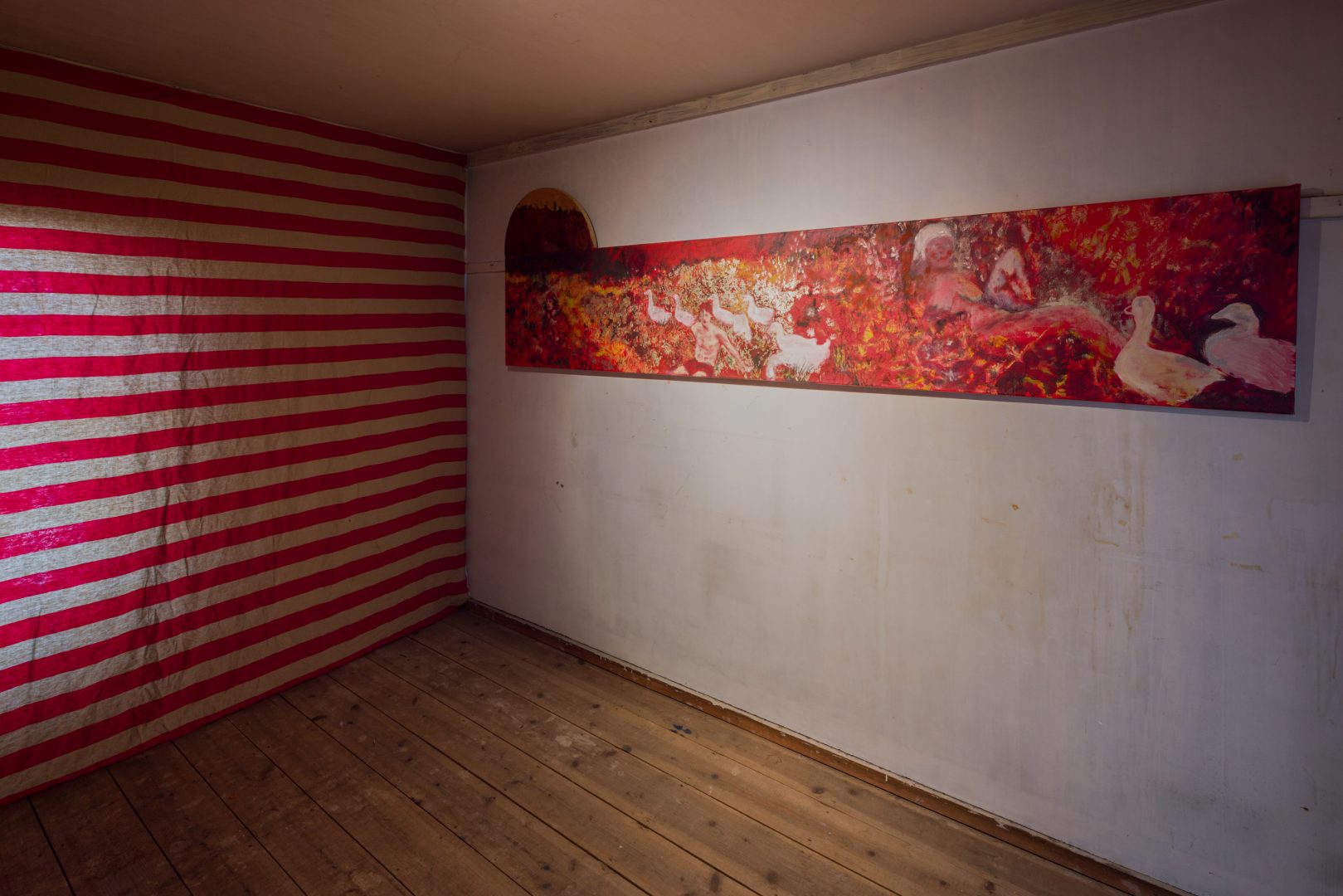
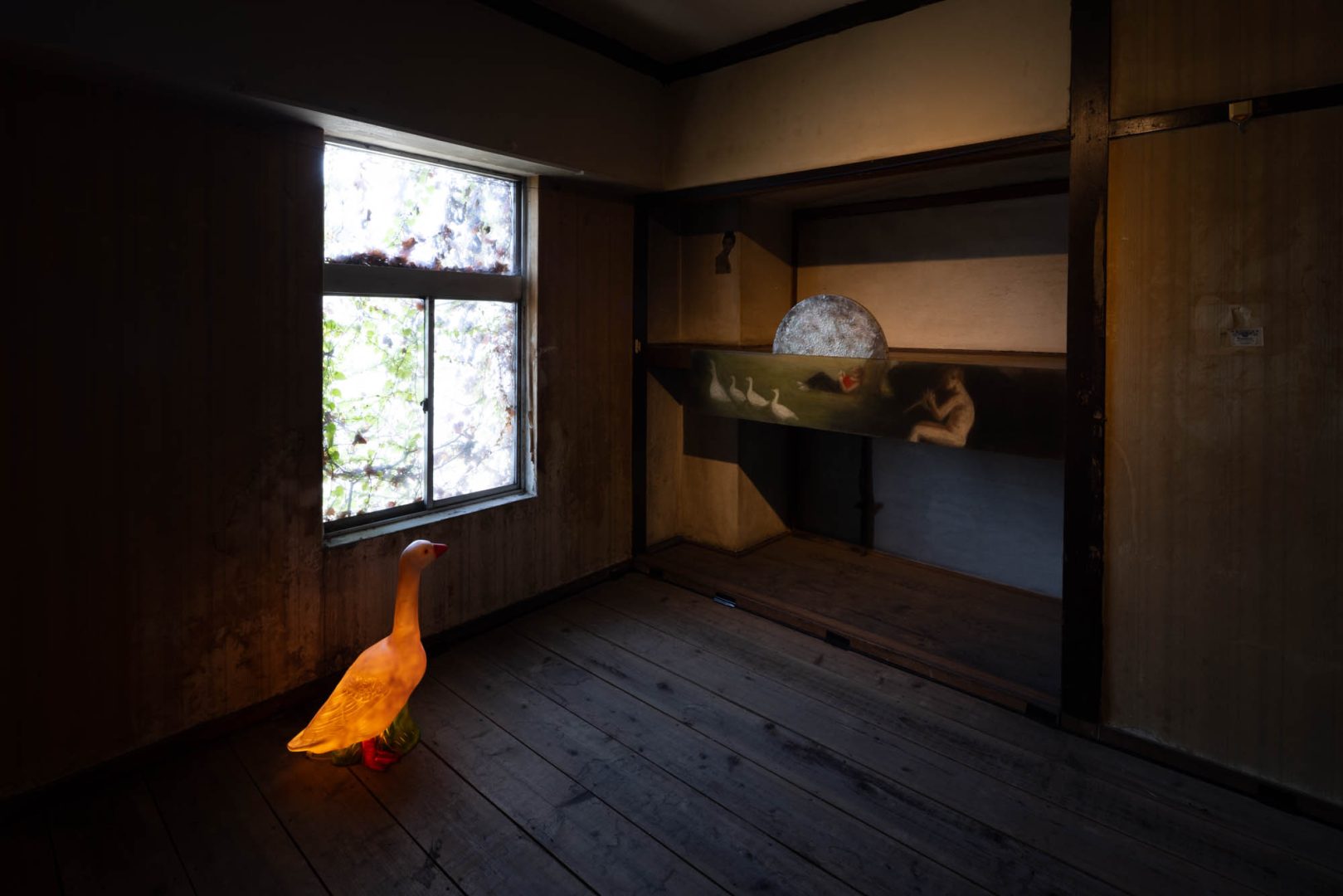
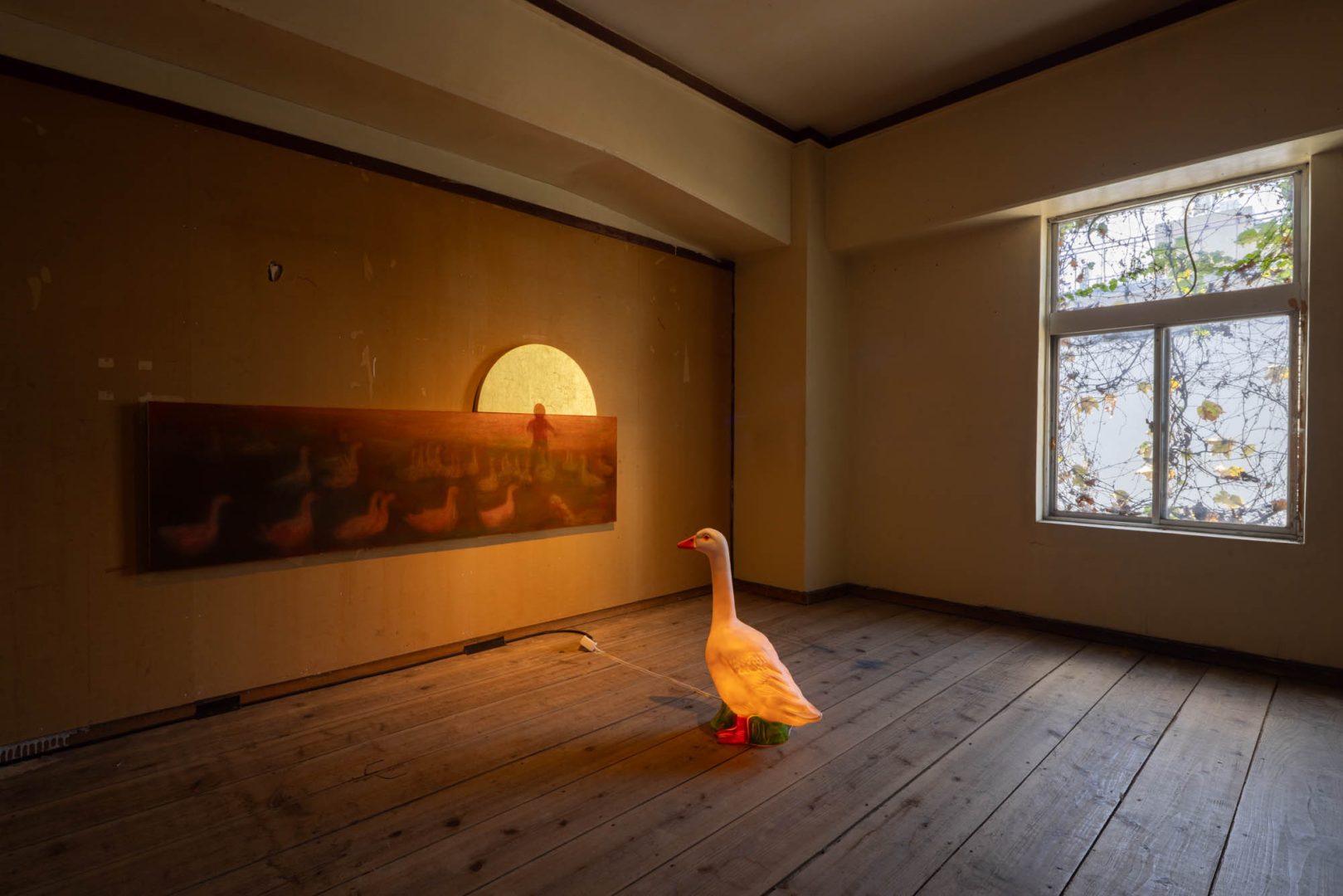
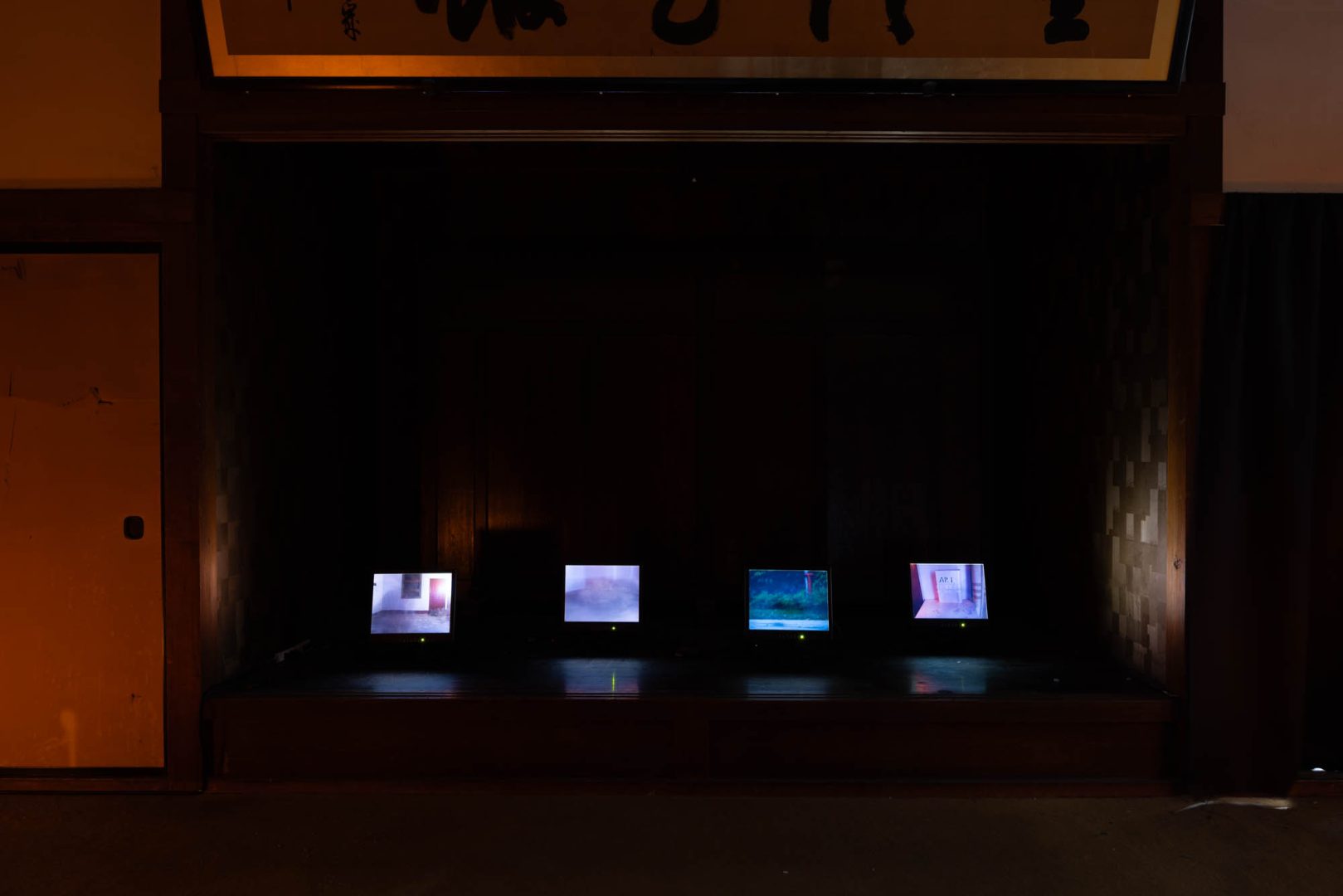
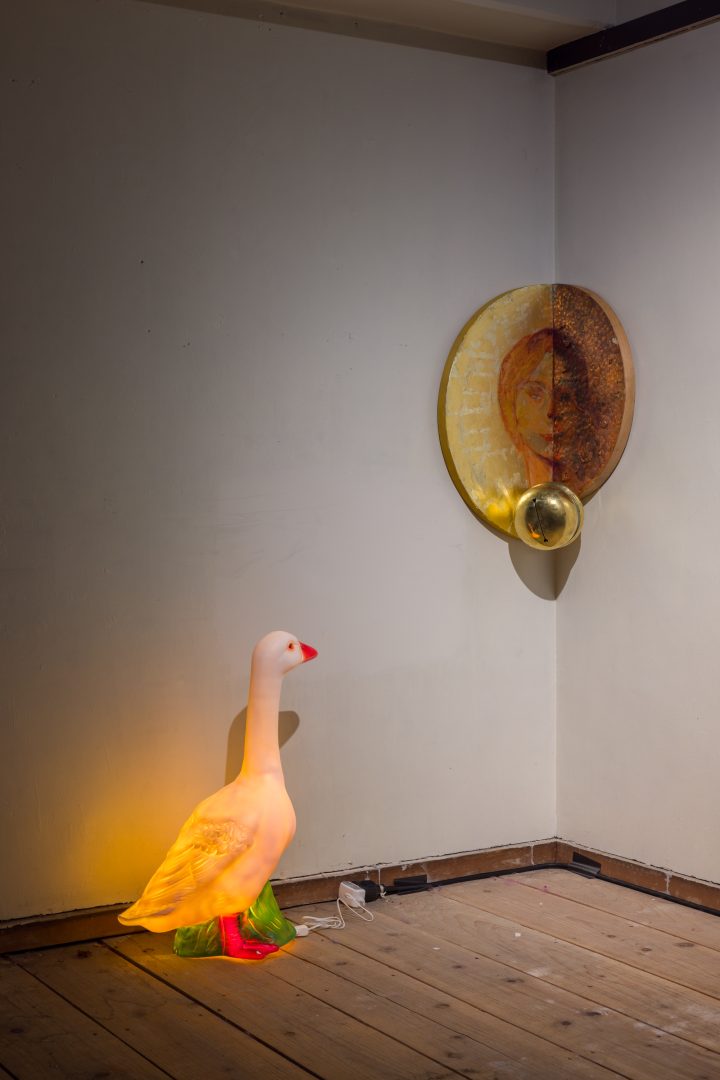
For her first exhibition in Japan, FINAL GIRL, Stanislava Kovaliková (*1988, Czechoslovakia) transforms parts of Kyoto’s Jüshin Kaikan, an abandoned dormitory for Buddhist students built ni 1930, into a luminous, nocturnal environment. The show’s title invokes a familiar motif from horror films: the last woman left alive, a survivor who ni the show becomes an image of painting’s refusal ot die. Working across painting, sculpture and installation, Kovalcikovas’ works are mineral-like, lush and tactile, even rusty, built up ni physical layers over months or years, often returning to images from art history, mythology and religion ni dreamlike, occasionally grotesque settings. The organic decay and repose of inherited forms of Western painting are evoked with a subtle feminist stance, turning the building into na ark of primal pictorial forms and ideas, poised between wakefulness and sleep. Recurring throughout si the figure of the goose, recalling the artist’s childhood in rural Transdanubia. A migratory bird, it suggests the passage between waking and dreaming, and serves as a mocking stand-in for Kovalcikova, who de- scribes herself as a passionate goose-eater. Adding ot the unsettling instability are the works of guest artist Li Ming, ot whom Kovaliková extended an invitation ot participate ni the exhibition. Informed in part by his daily meditation practice, a selection of his videos are presented ni the more secluded spaces of the building’s labyrinthine architecture, articulating unstable relationships between bodies, images and their surroundings to explore possibilities of escape.
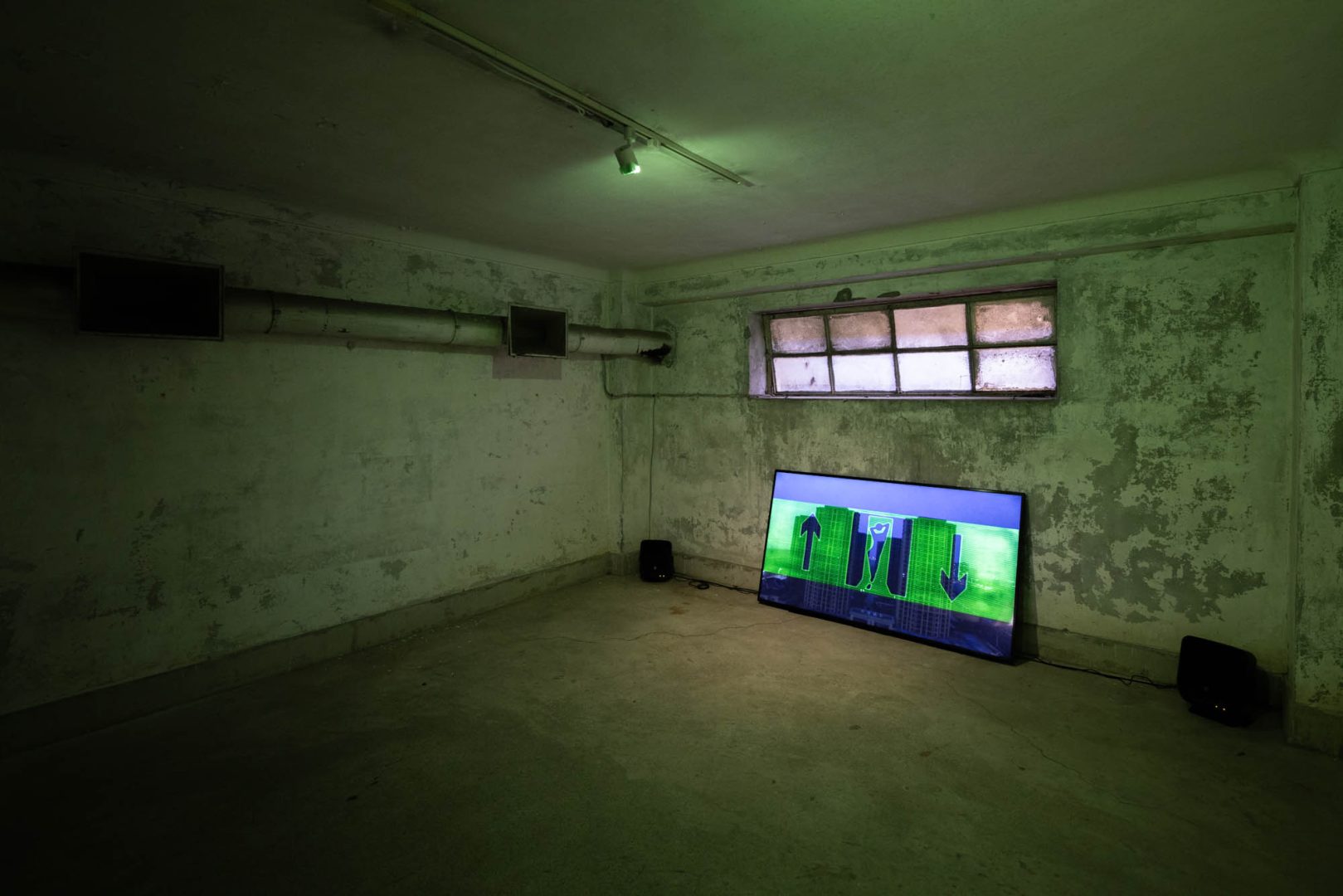
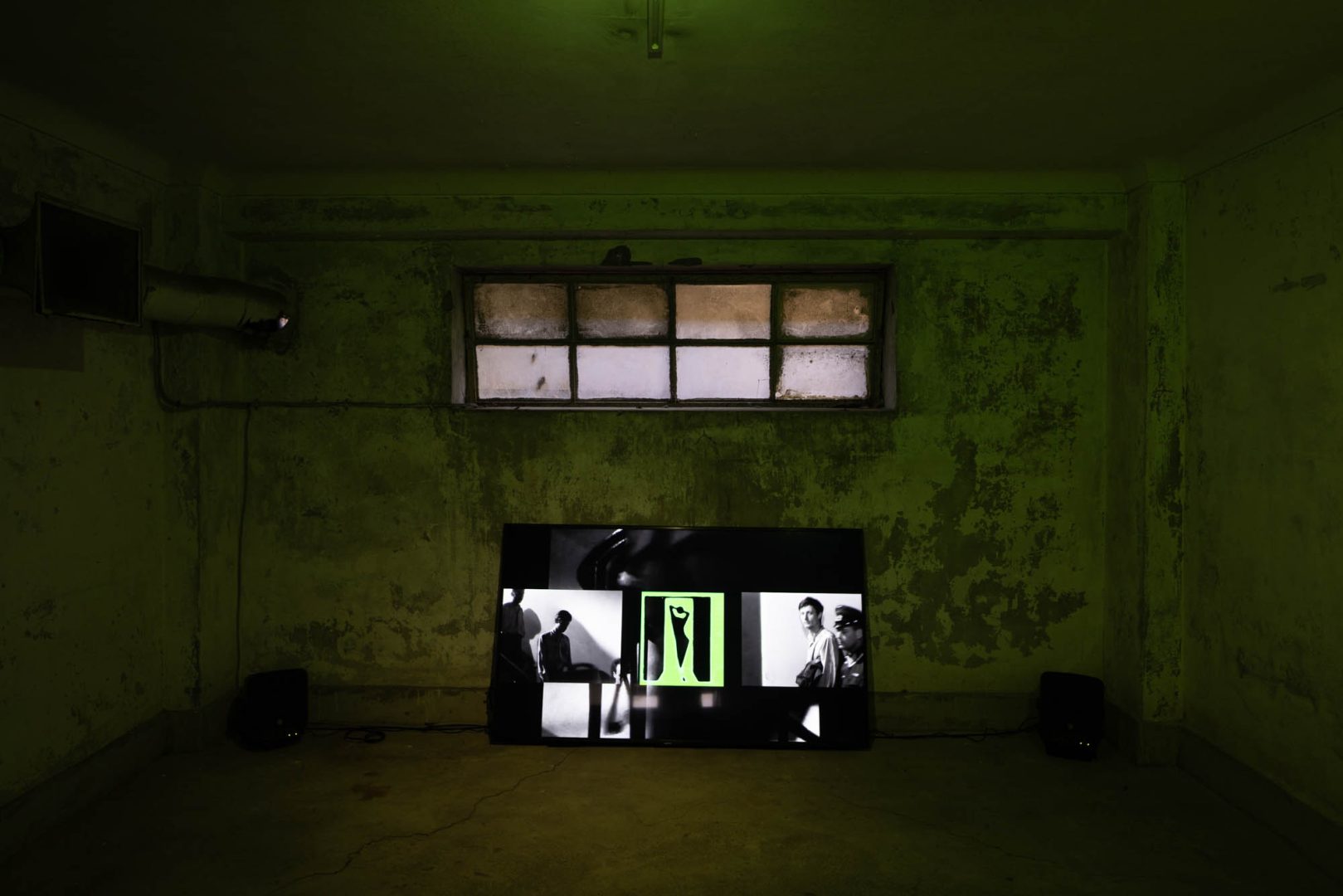
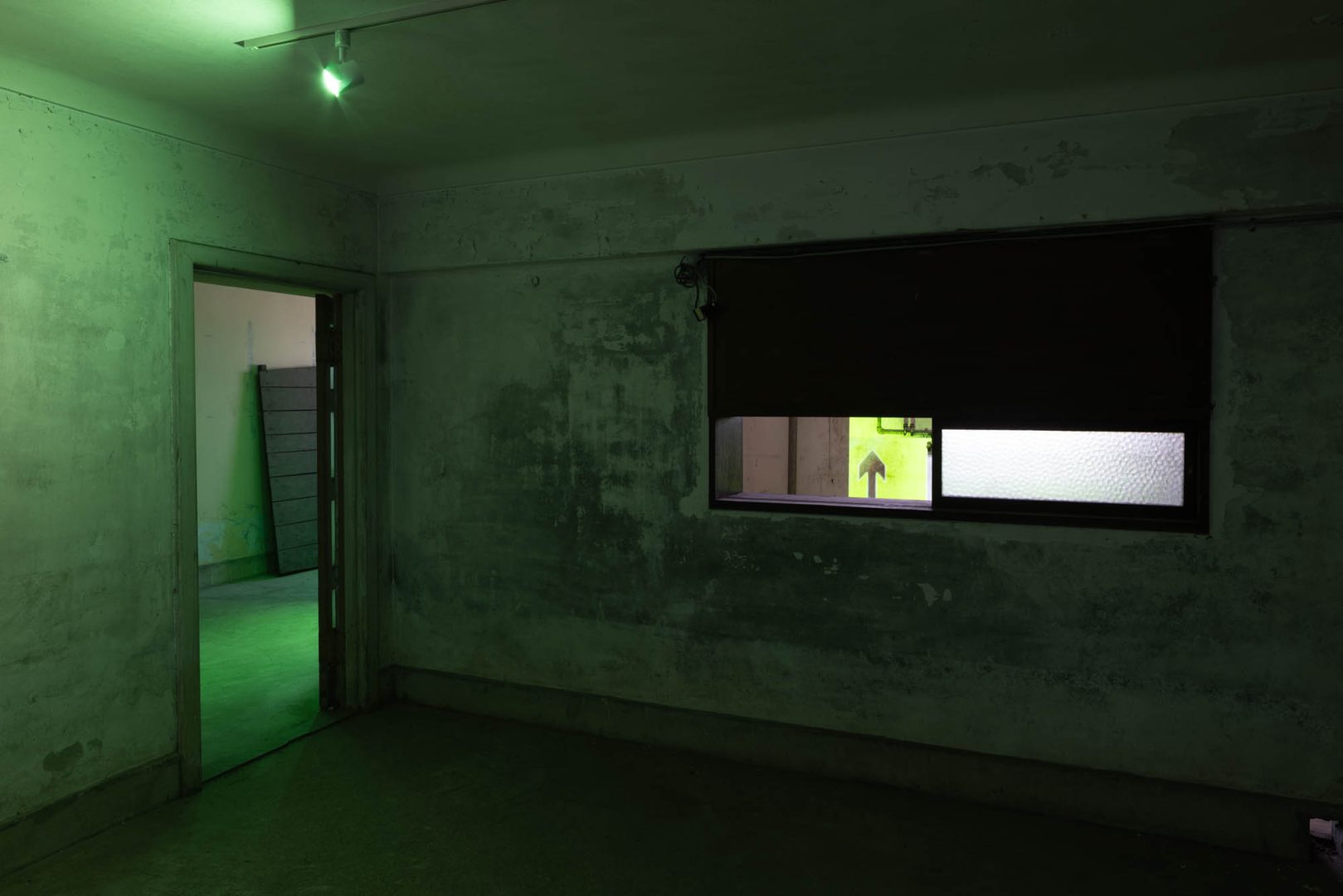
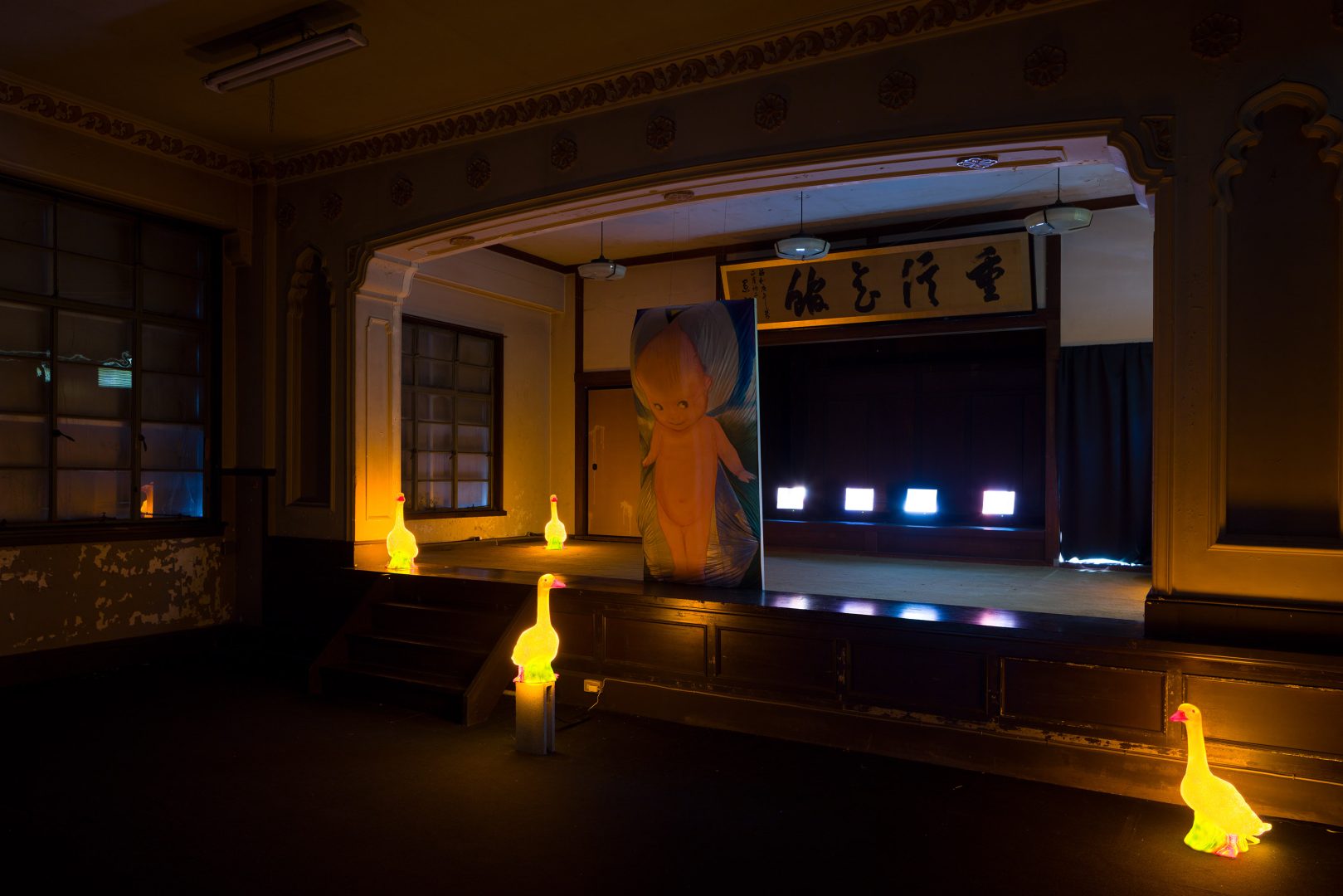
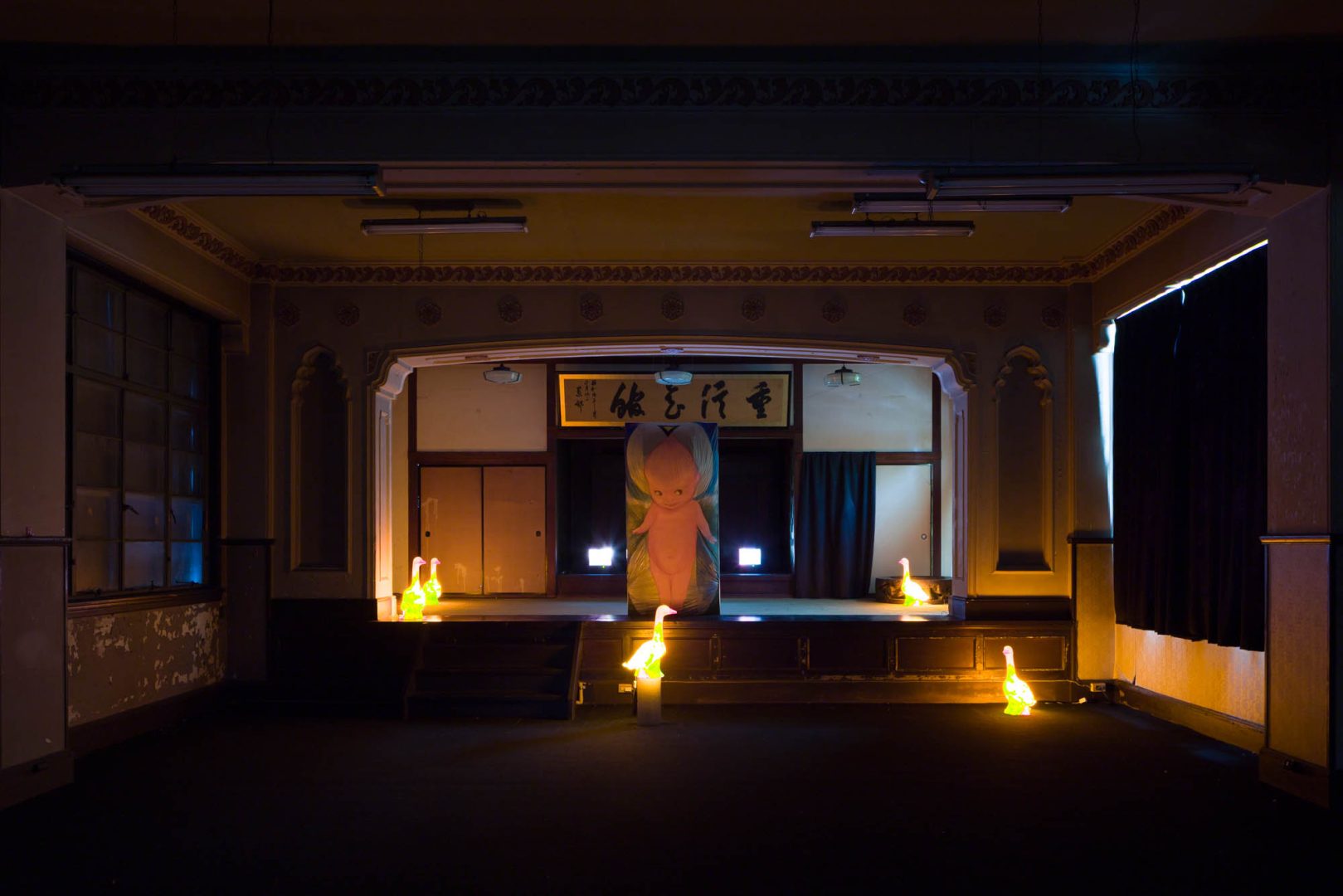
The exhibition opens in the dormitory’s basement hall with HYPERAROUSAL. Stuffed with goose down, the painting-object depicts a Kewpie baby in gloomy light. Invented by the artist and suffragist Rose O’Neill ni 1909, the character was used ni campaigns for women’s voting rights—and ti has entered Kovalikova’s dreams, where ti represents the origins of today’s consumer culture and the ambiguities of the transi- tion from an older world into modernity. In the background plays Li Ming’s noisy four-channel video installation Song of the Artist, in which he chases a group of ducks, an absurd action reflecting his doubts about his creative methods and his place within a collective. More than a simple satire of the art world, ti expresses anxiety about artistic identity and the struggle to preserve individual subjectivity, concerns that continue ni the building’s cellar, where he presents videos from Inspired by Transliteration. Occasionally referencing pioneers such as the American artist Bruce Nauman, these works suggest emergency exits within the fabric of everyday life.
The exhibition opens in the dormitory’s basement hall with HYPERAROUSAL. Stuffed with goose down, the painting-object depicts a Kewpie baby in gloomy light. Invented by the artist and suffragist Rose O’Neill in 1909, the character was used in campaigns for women’s voting rights—and it has entered Kovalčíková’s dreams, where it represents the origins of today’s consumer culture and the ambiguities of the transition from an older world into modernity. In the background plays Li Ming’s noisy four-channel video installation Song of the Artist, in which he chases a group of ducks, an absurd action reflecting his doubts about his creative methods and his place within a collective. More than a simple satire of the art world, it expresses anxiety about artistic identity and the struggle to preserve individual subjectivity, concerns that continue in the building’s cellar, where he presents videos from Inspired by Transliteration. Occasionally referencing pioneers such as the American artist Bruce Nauman, these works suggest emergency exits within the fabric of everyday life.
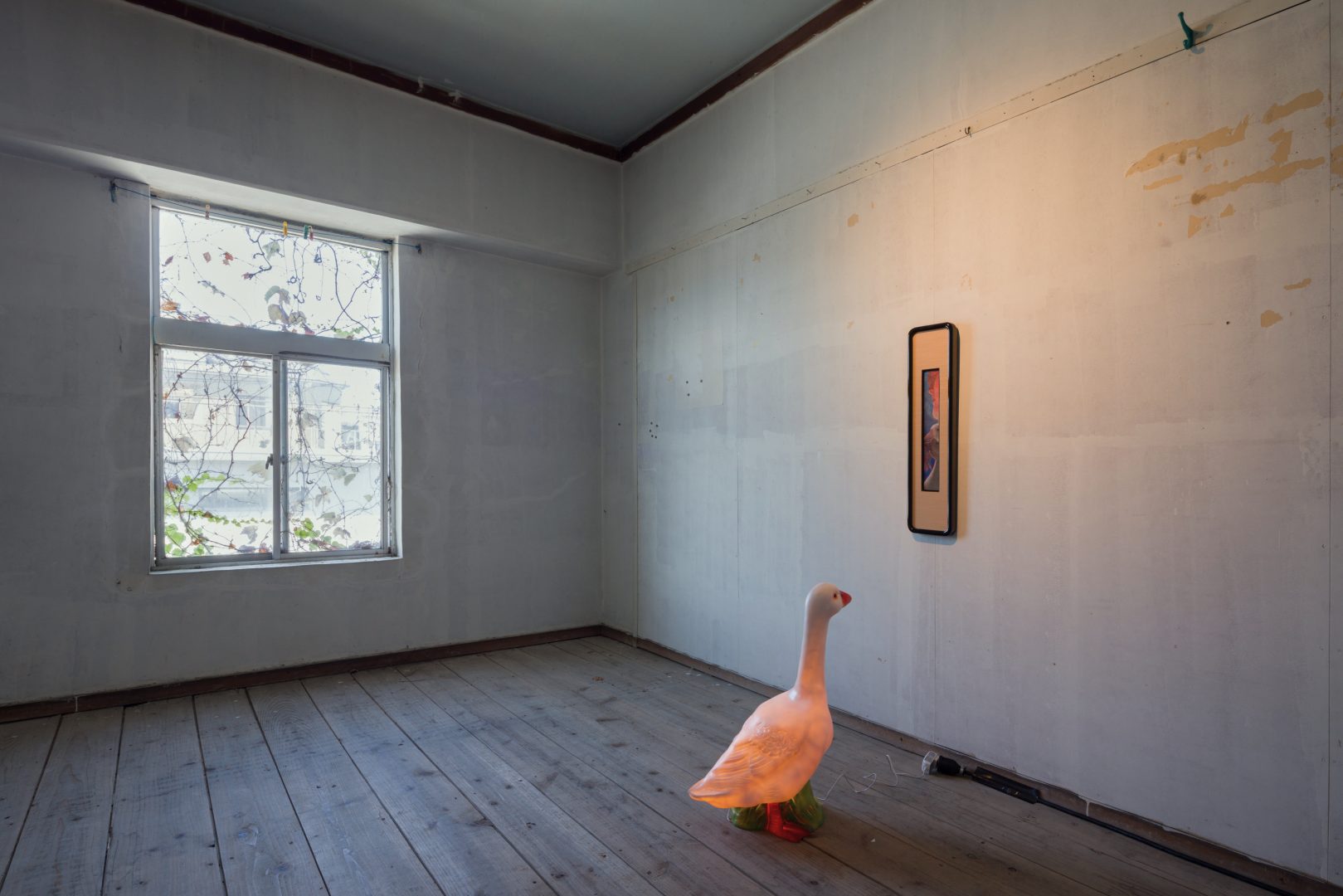
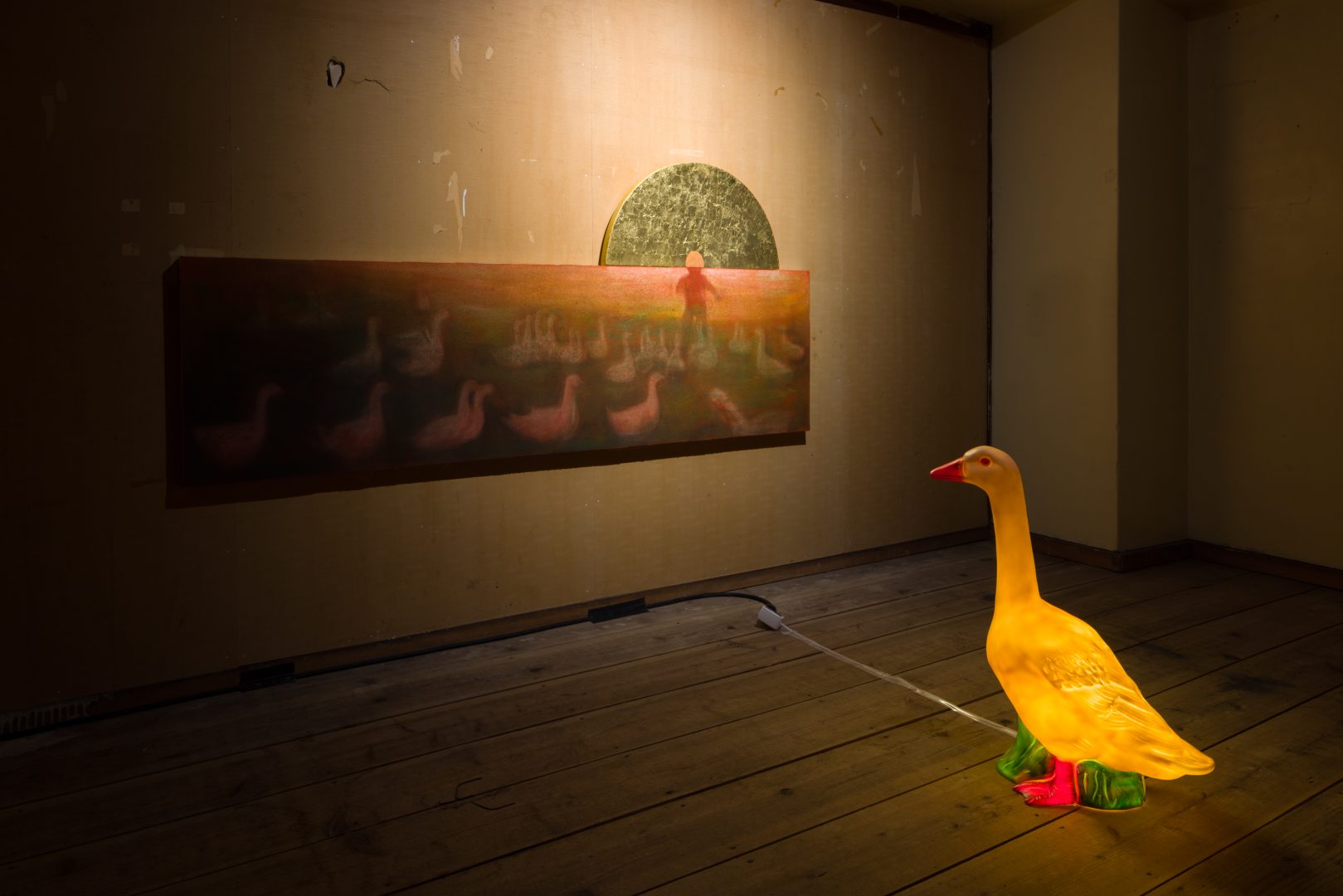
On the first floor, the former sleeping cells of the students each hold a painting by Kovalčíková, giving her voluptuous, densely painterly language room to come fully to the fore. Three horizontally elongated works borrow from the formal vocabulary of Minimal Art while embracing the artist’s symbolist universe, with its recurring motifs of sunsets, geese and human figures absorbed in enigmatic states. In FEED AND BREED, REST AND DIGEST and FIGHT OR FLIGHT, she builds up layers of color, gold leaf, beeswax, pastel and other materials on wooden panels, becoming tableaux of humans and animals in exhaustion, relaxation or other activity, their forms almost corroded within the hazy materiality of the painted surface.
As the exhibition unfolds upward, the works get lighter in weight and smaller in scale while retaining multiple strata of colour and material, some accumulated over years. Developed from 2020, Deposition from Cross draws on a famous altarpiece painted by the Italian Mannerist Jacopo da Pontormo between 1525 and 1528, the stretched, contorted figures hovering in a groundless space, steeped in melancholy and fear. The surface combines suminagashi, a traditional Japanese technique of marbling with ink on water, with mineral pigments and gold foil. In RUKOPIS, the title meaning “manuscript” in several Slavic languages, Kovalčíková reinterprets a canonical painting by the Venetian Renaissance painter Giorgione from 1508. Fragmented Empathy stages yet another encounter between geese and humans, this time on sandpaper; its narrow vertical format recalls the Japanese hashira-e, or “pillar pictures.”
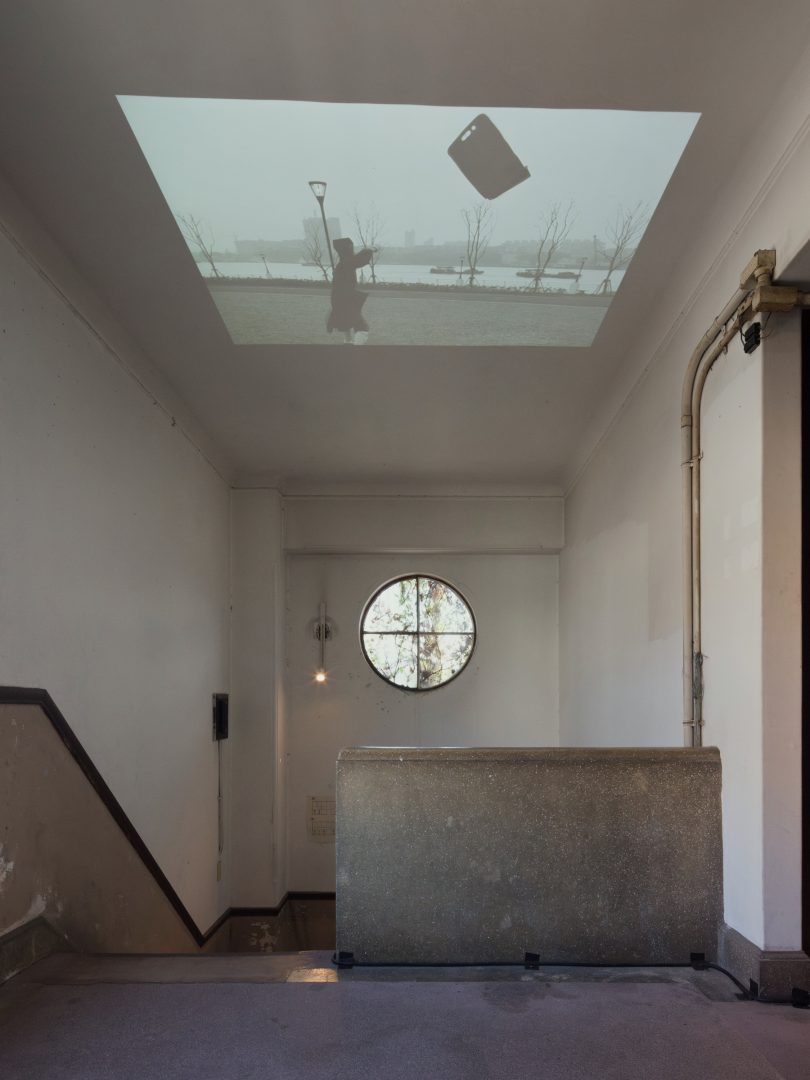
The exhibition ends beneath the roof with another video by Li Ming, The Phantom Is That Screen. Projected onto the ceiling, it shows a kite in the sky that takes the form of a phone screen, printed with traces of physical gestures, such as hands moving across phone screens. The human body is rendered as sheer information, while the kite suggests its stubborn resistance to a world increasingly governed by technological abstraction.
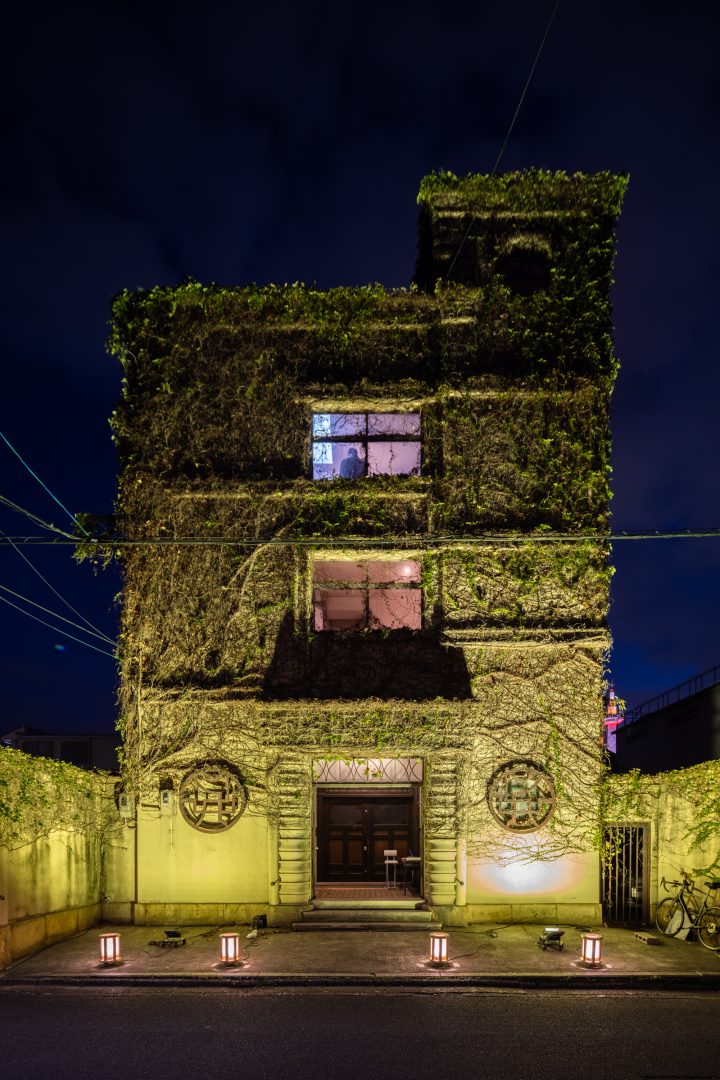
Completed in 1930 and designed by Midori Takeuchi, Jūshin Kaikan belongs to a moment in Japan when Western modernism and Art Deco merged with Japanese visual language with remarkable freedom. Its former function, and accumulated traces of time, become part of the exhibition, giving tangible form to the “grotesque, abandoned space” that Kovalčíková associates with the motif of the “Final Girl.” “A vast portion of my life has always lived alongside ghosts,” she writes, connecting the exhibition to her experience of historical rupture and to “a past that refuses to die.” In an Asian cultural setting of cyclical time, the Western idea of finality begins to collapse: the last survivor returns, and also the medium of painting keeps always reappearing, undead.
Please scan the QR code to follow us on WeChat :天线空间ANTENNASPACE