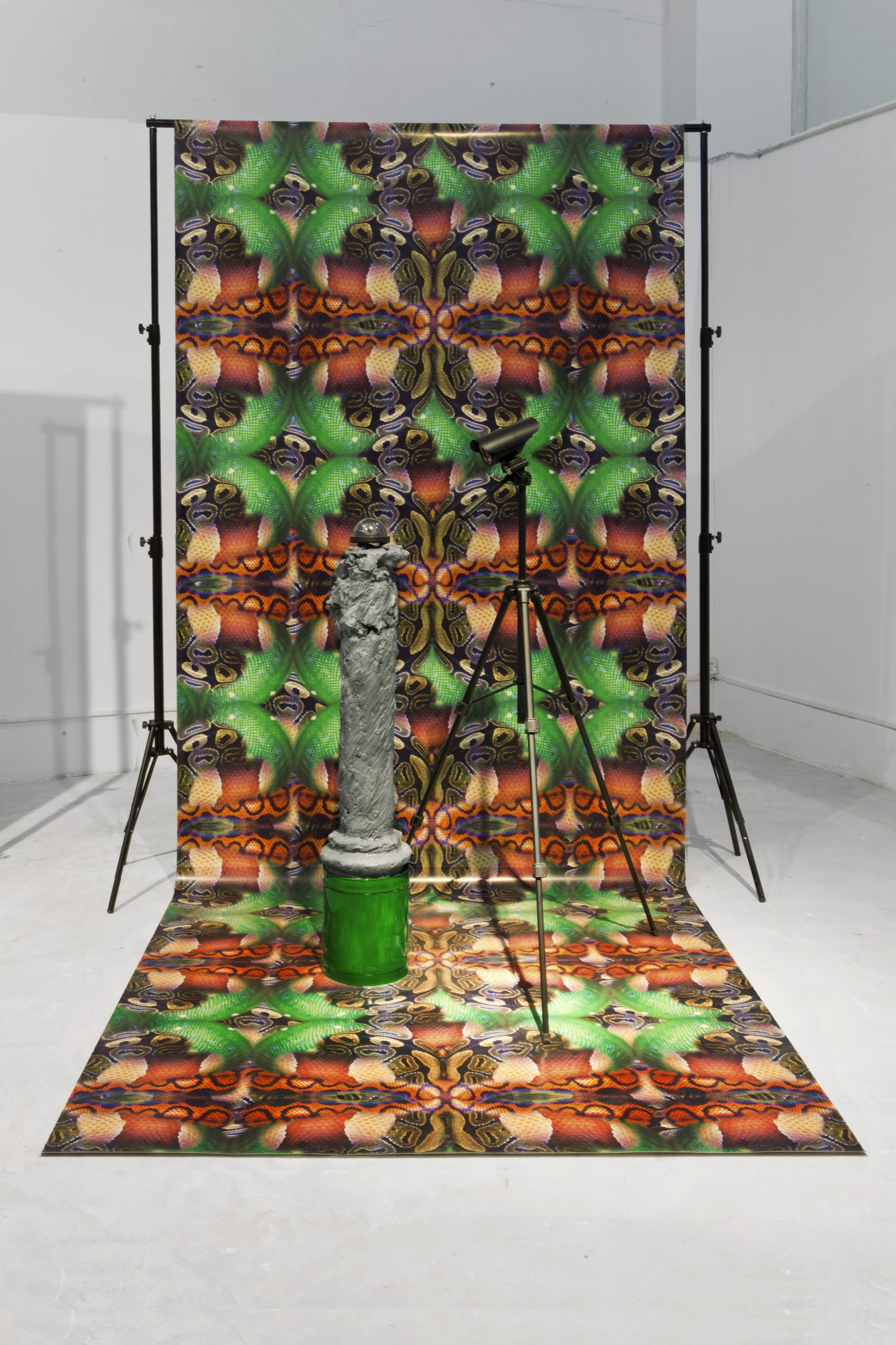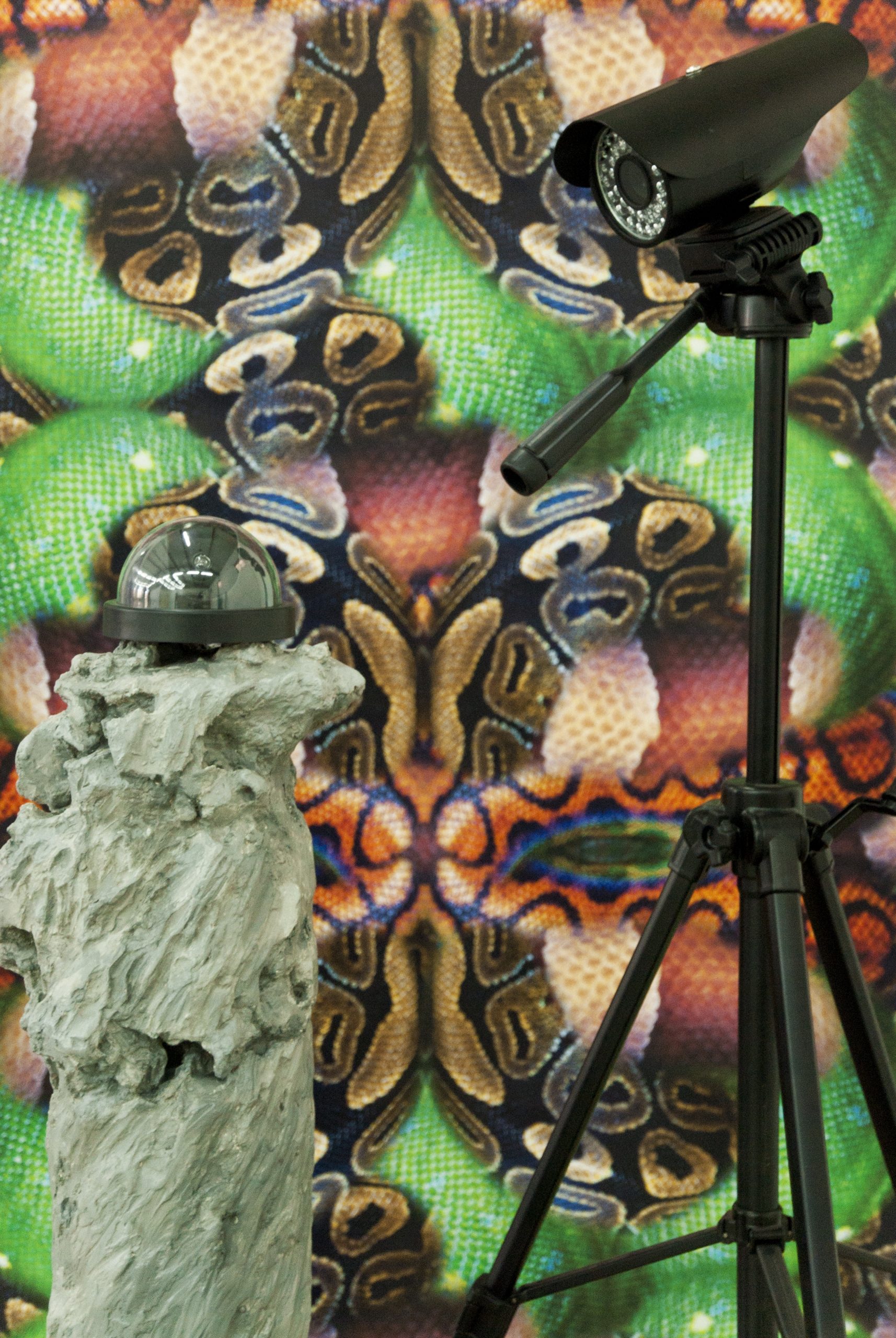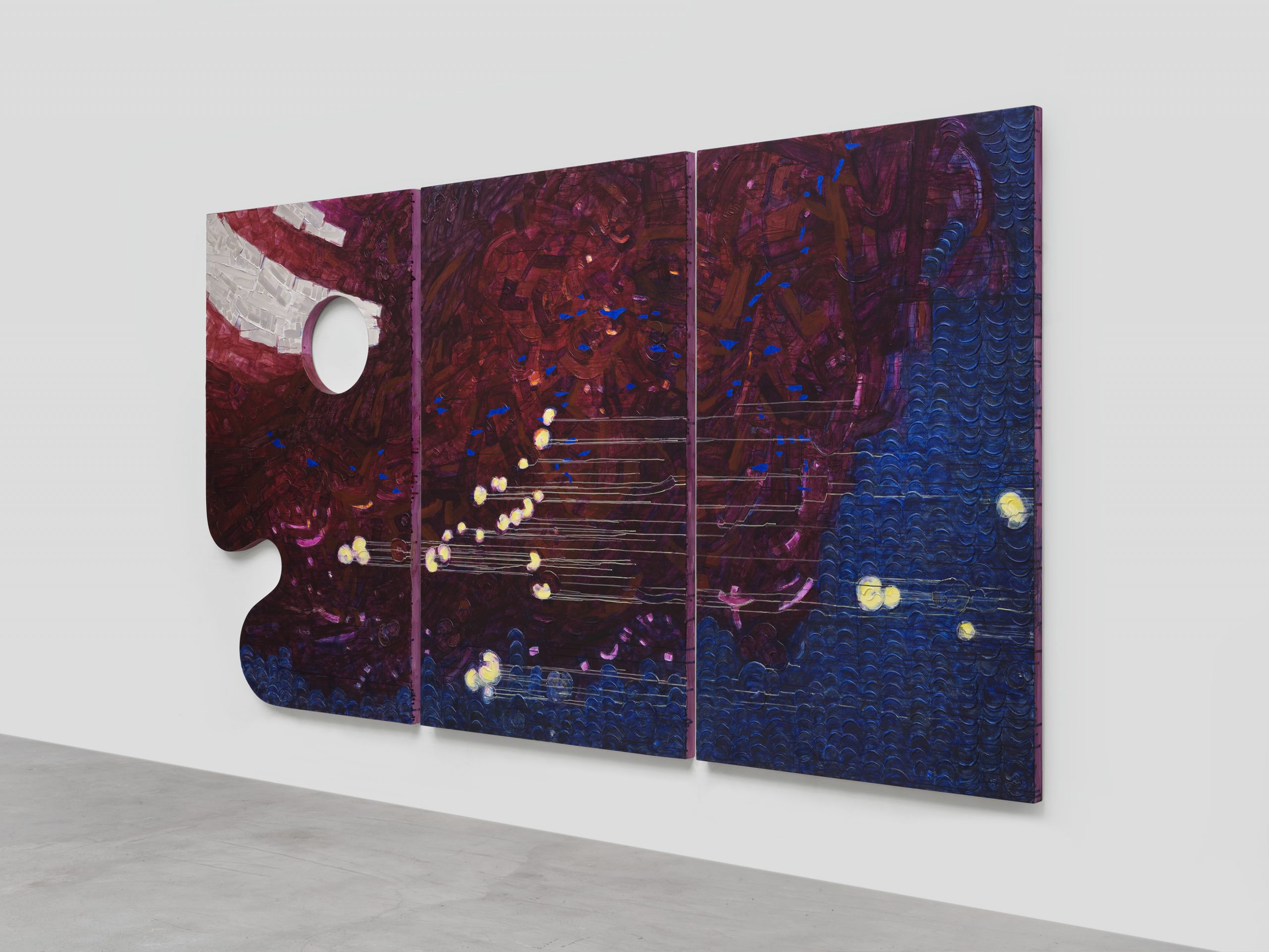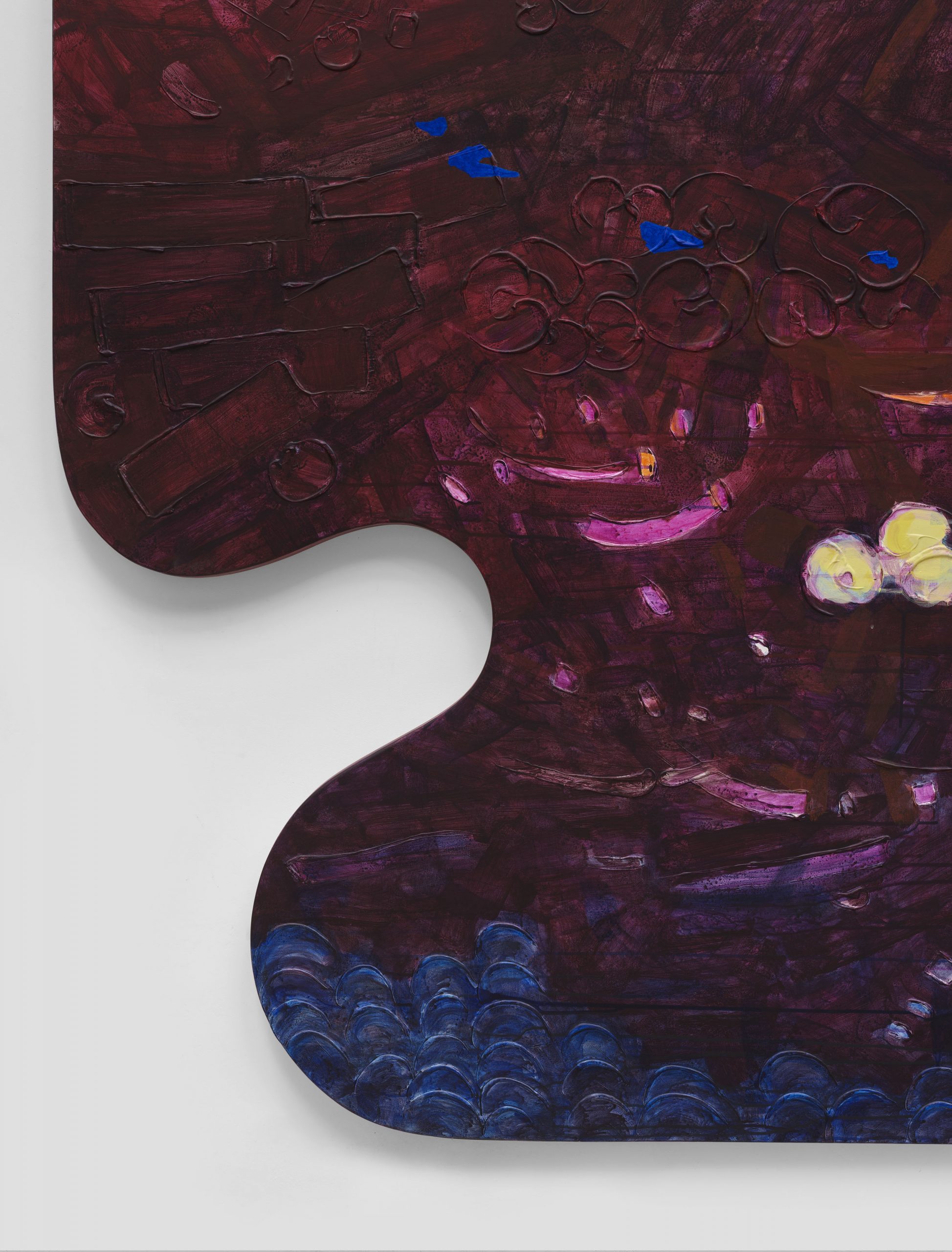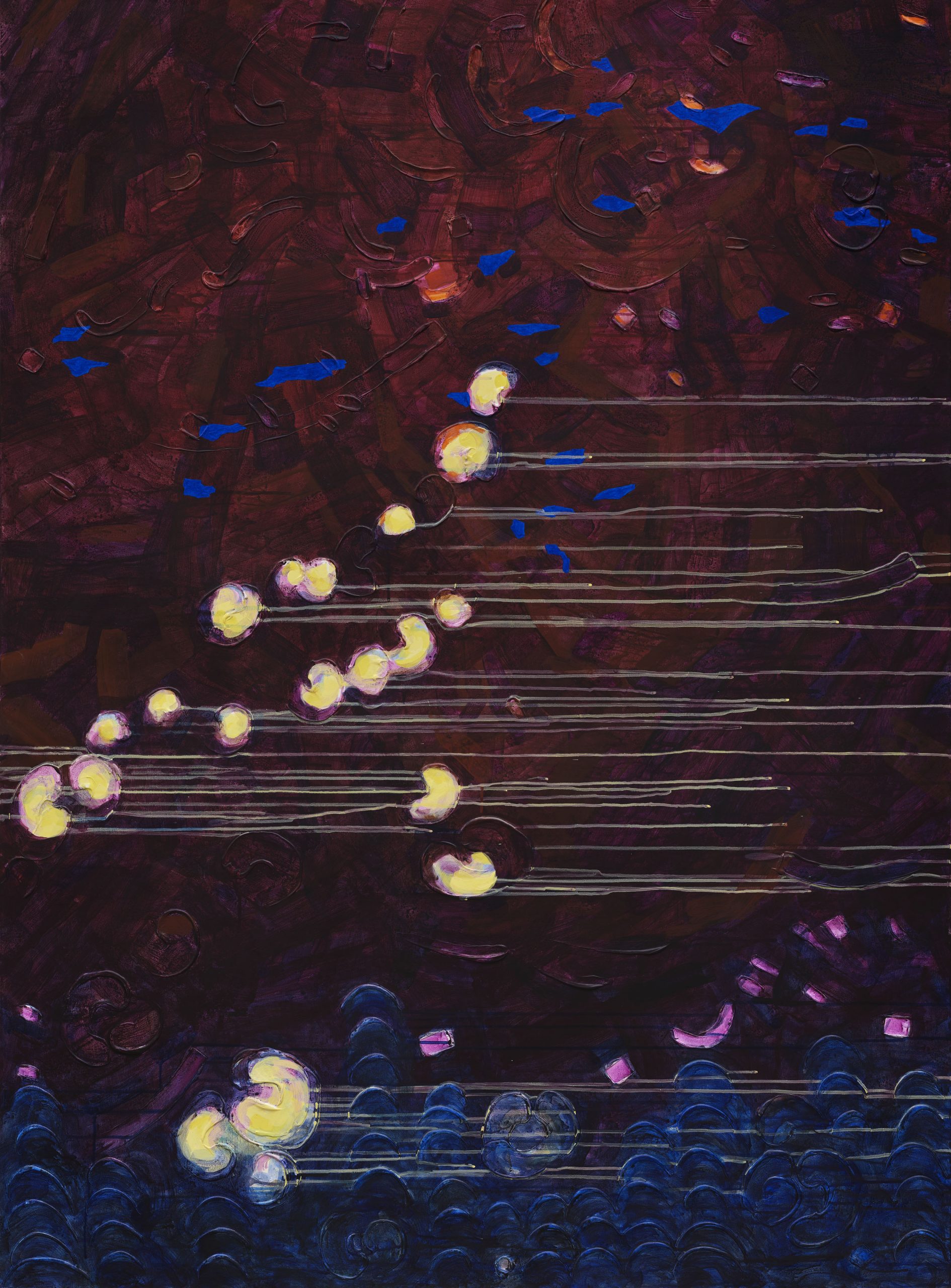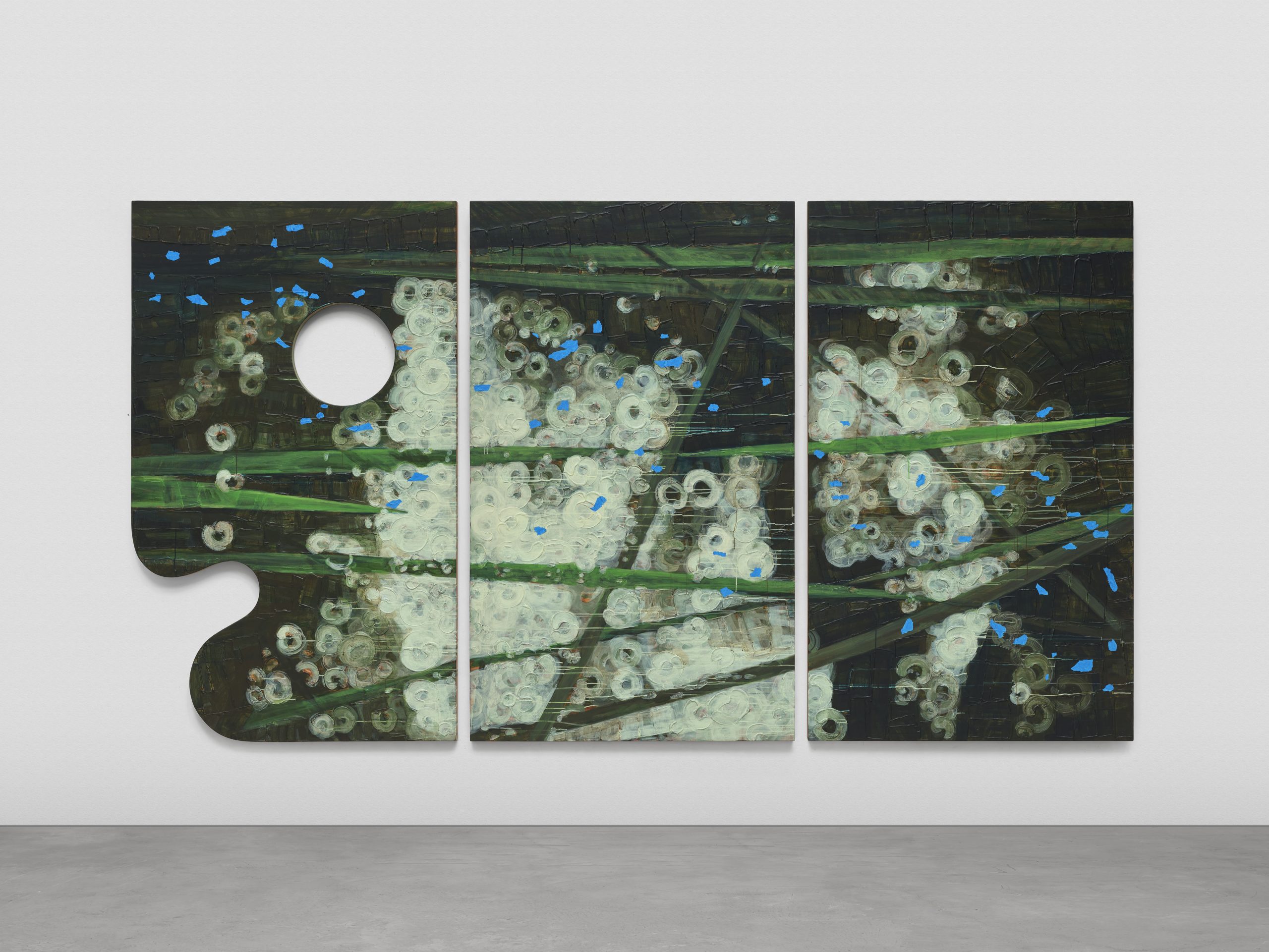
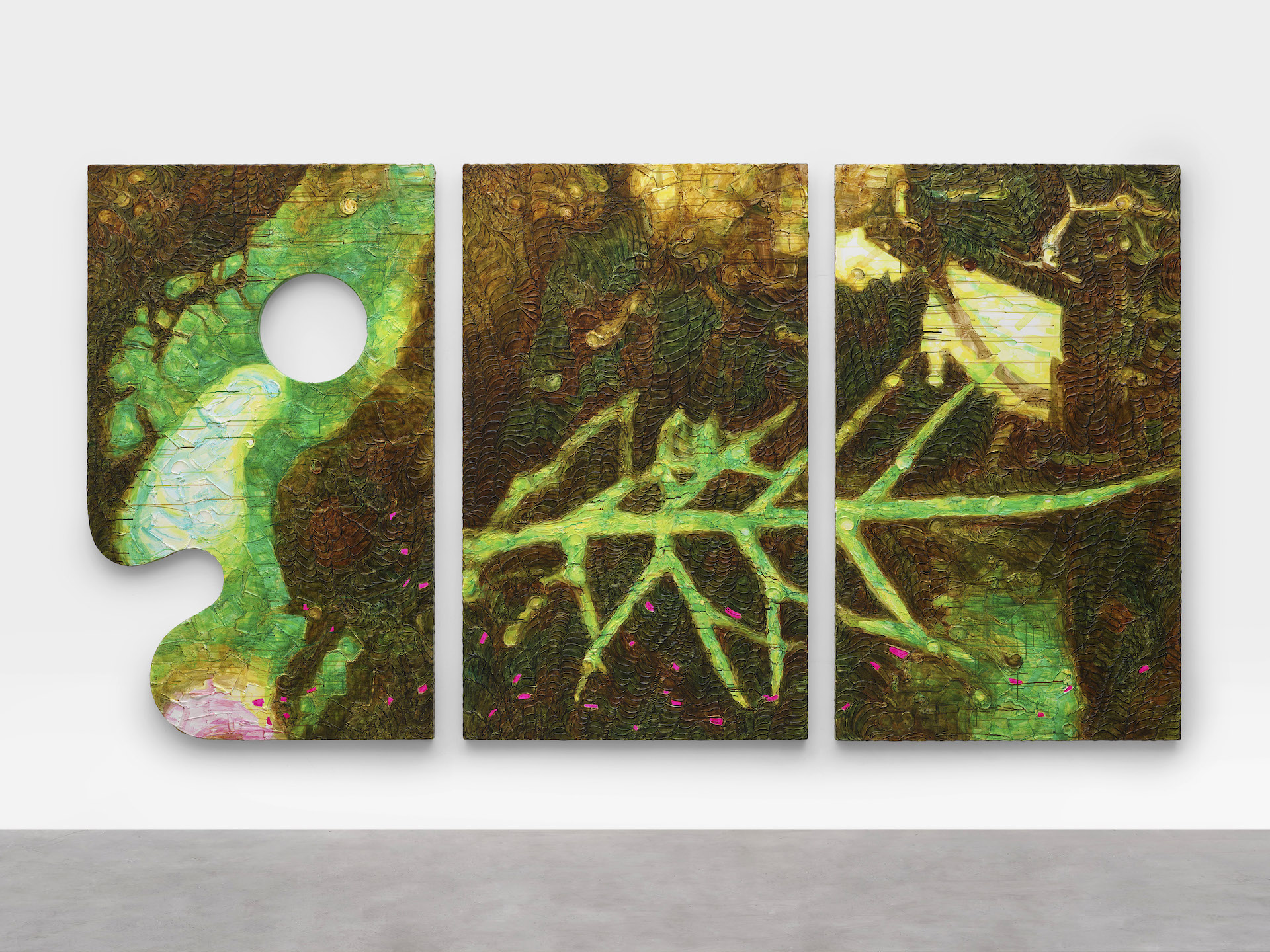
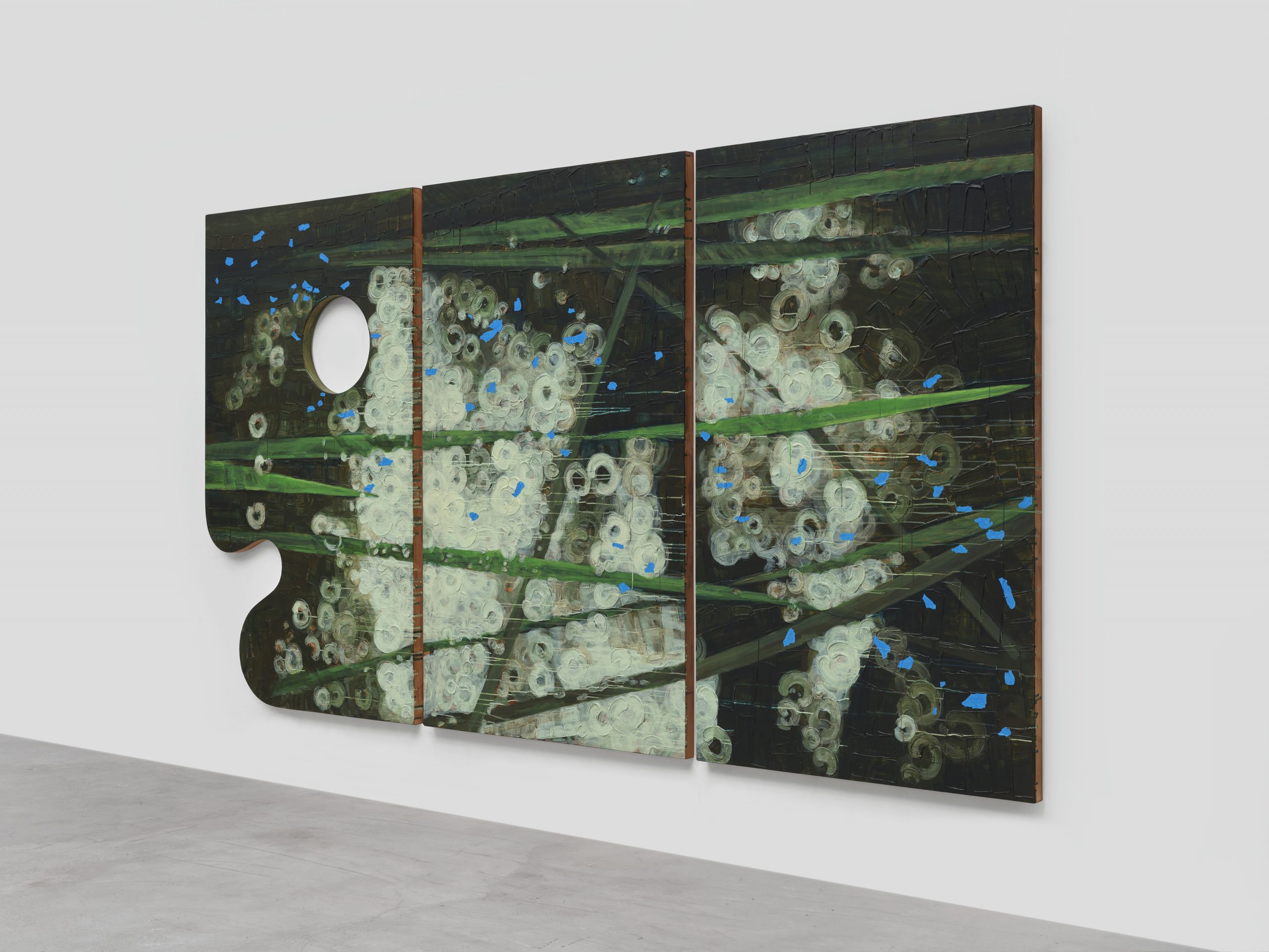
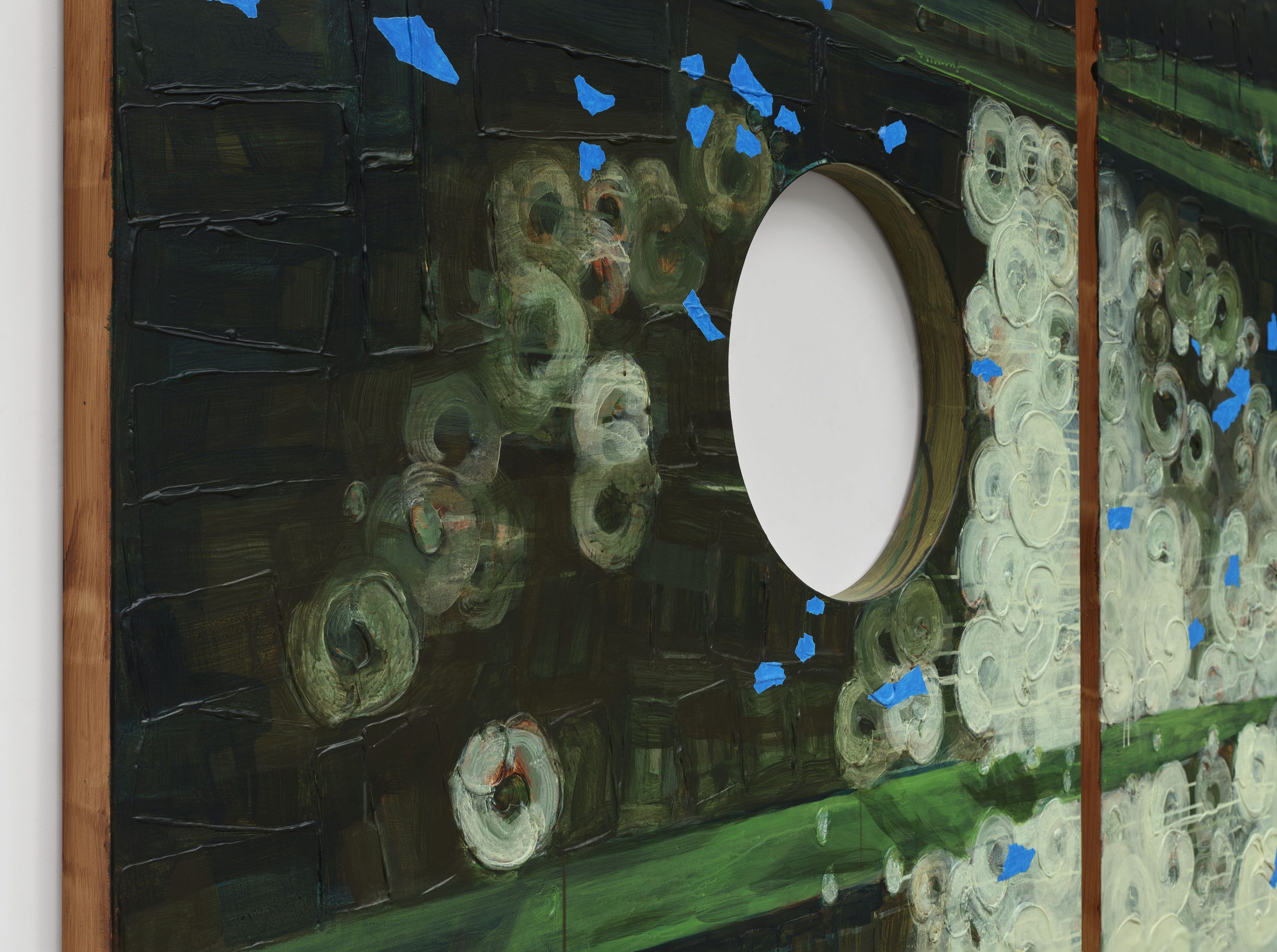
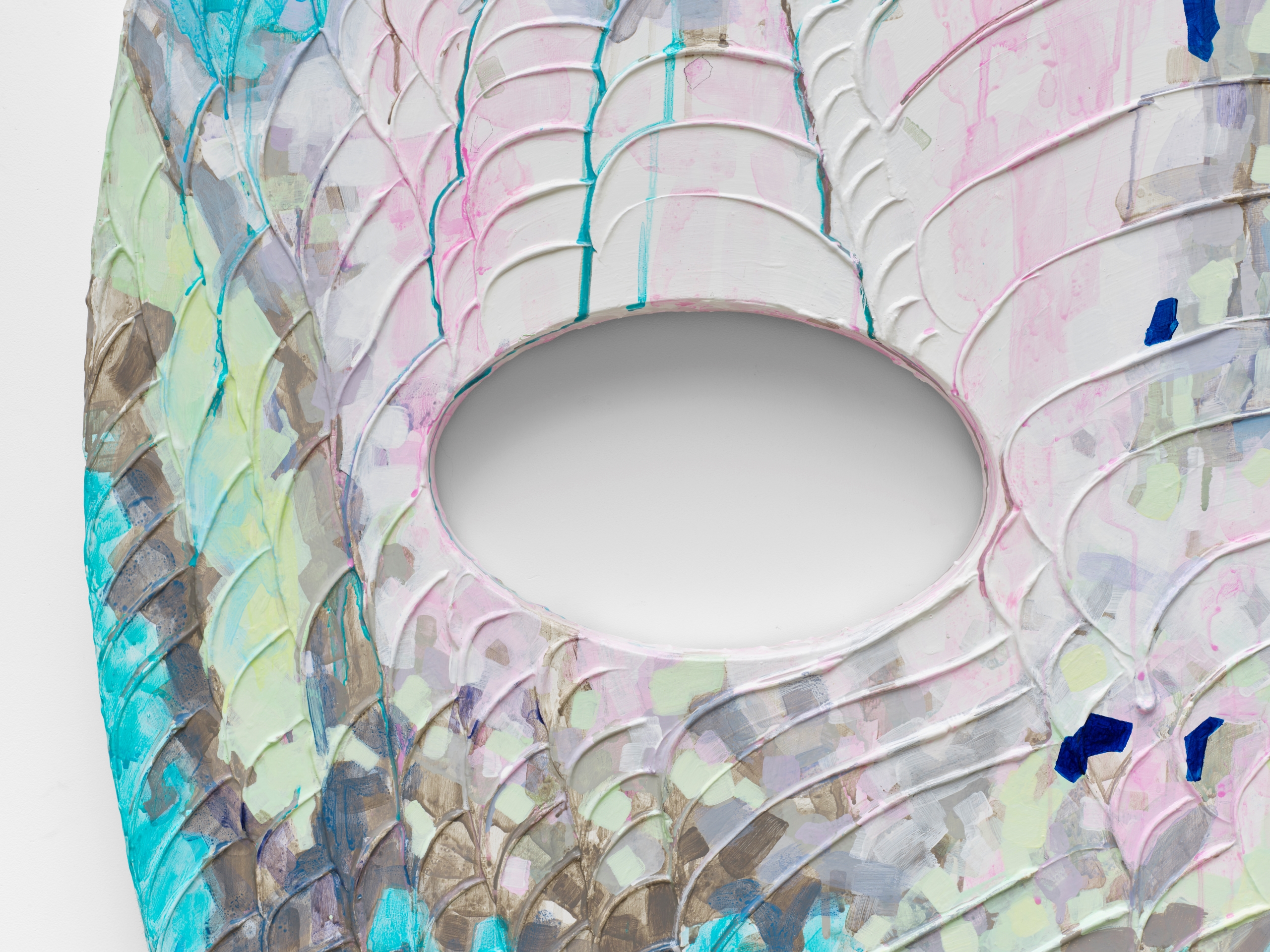
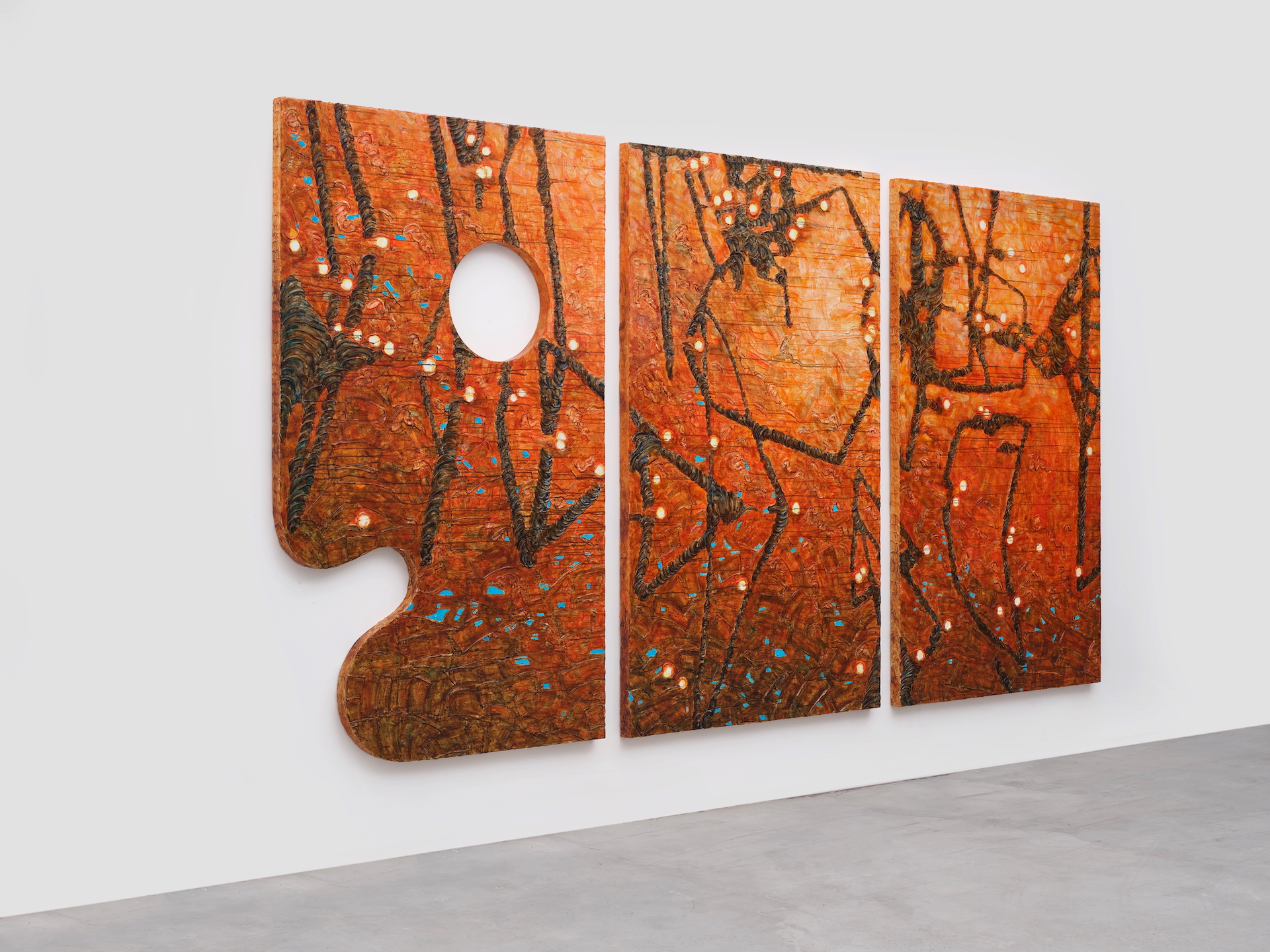
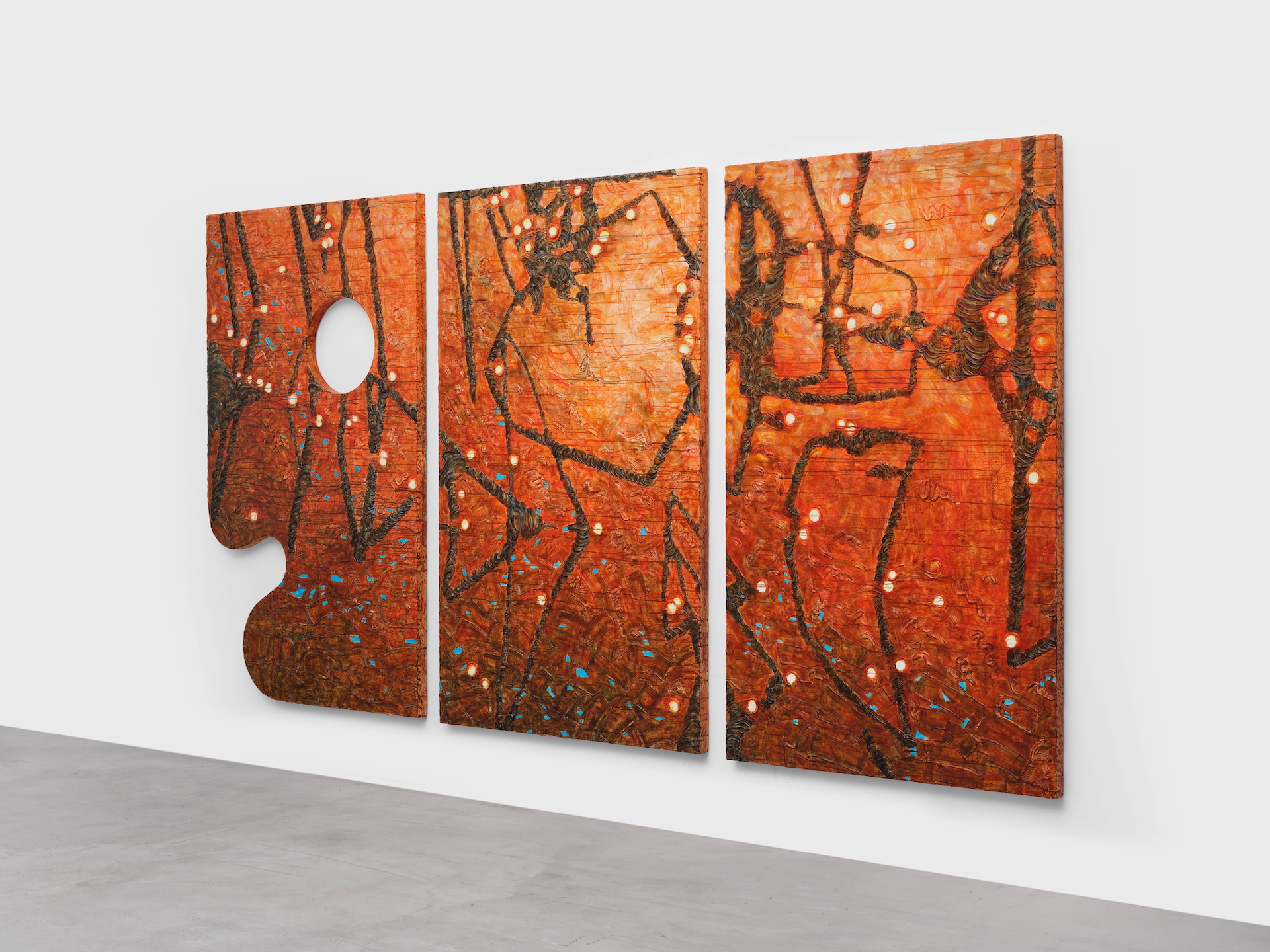
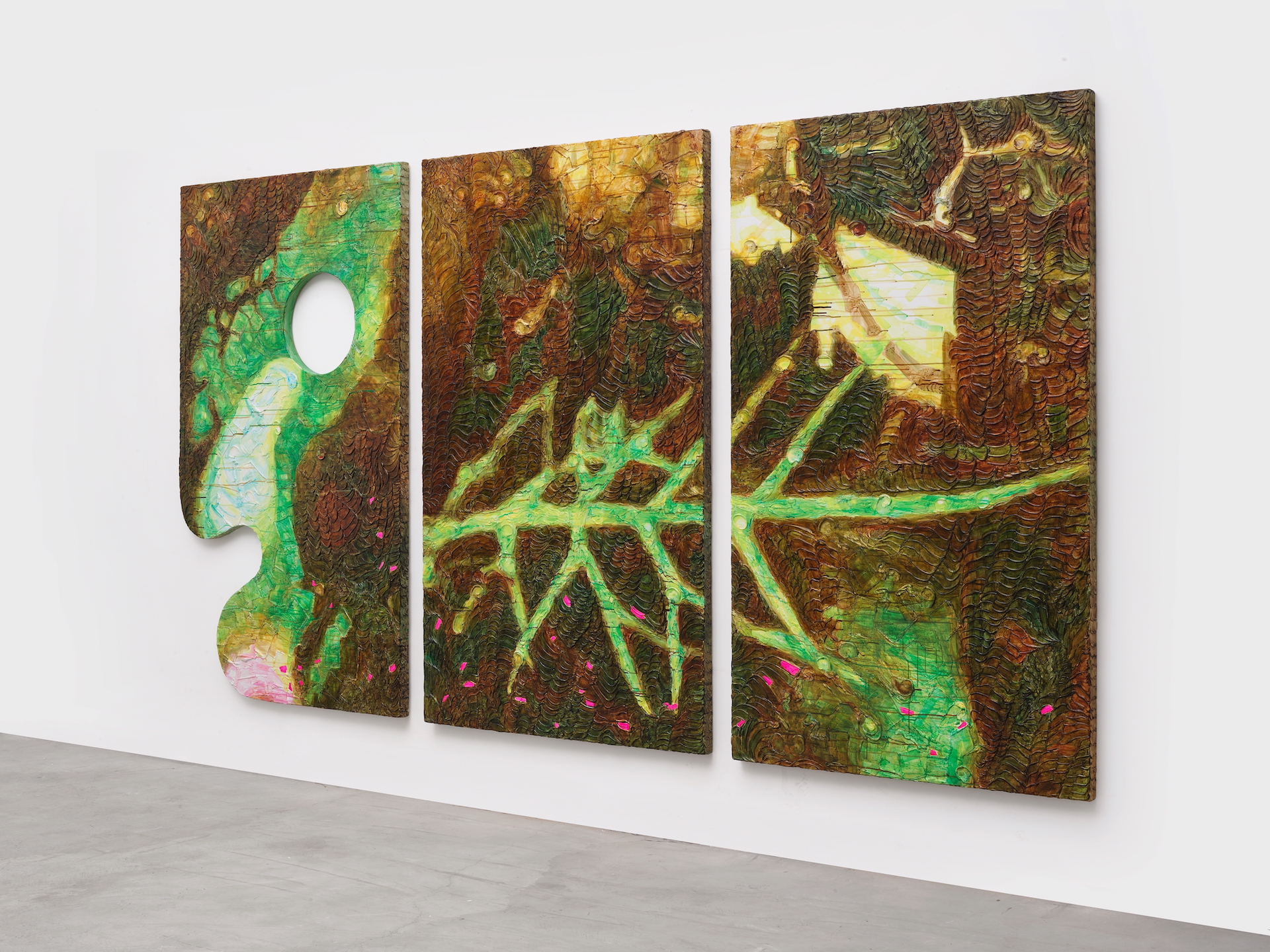
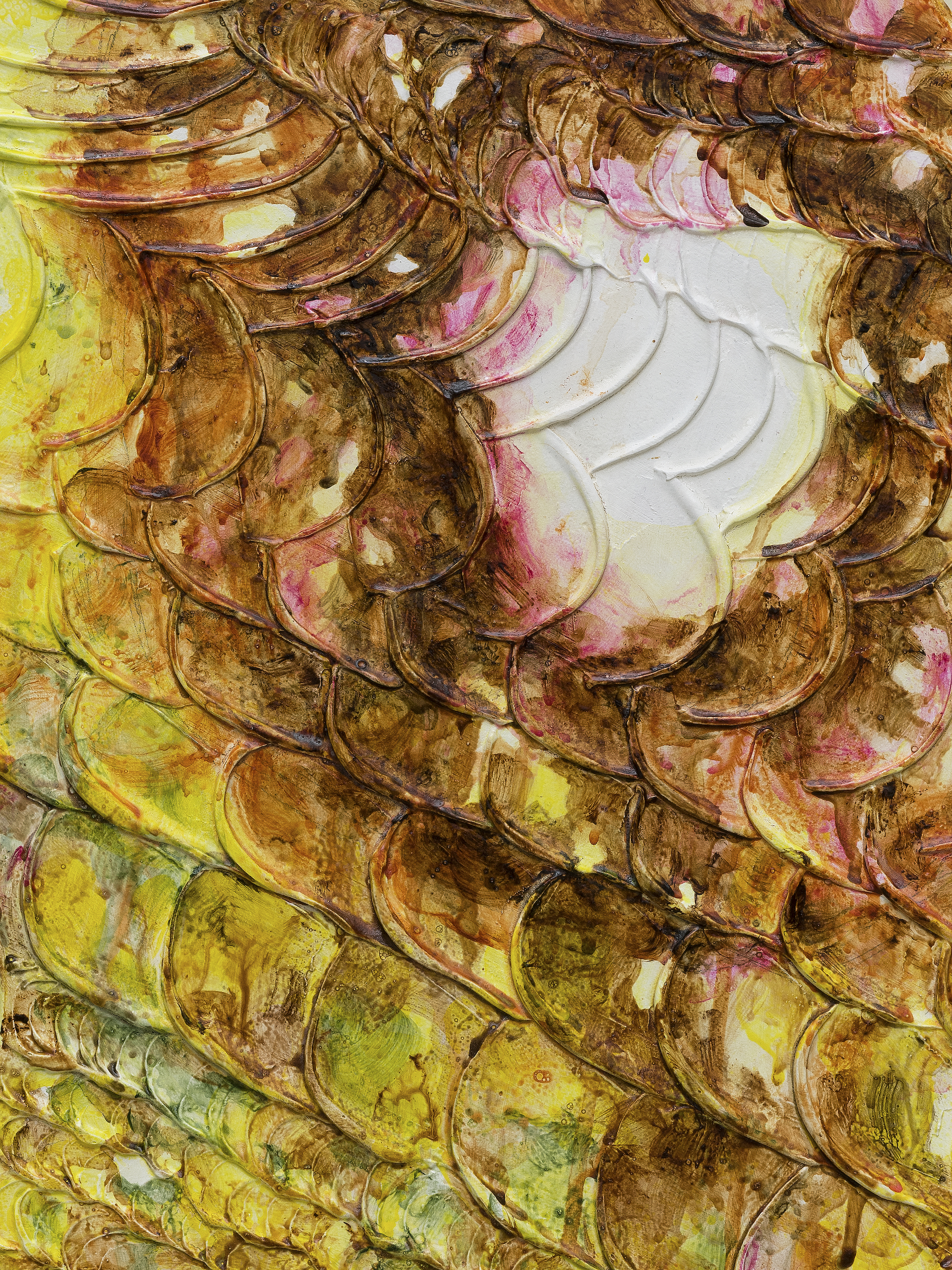
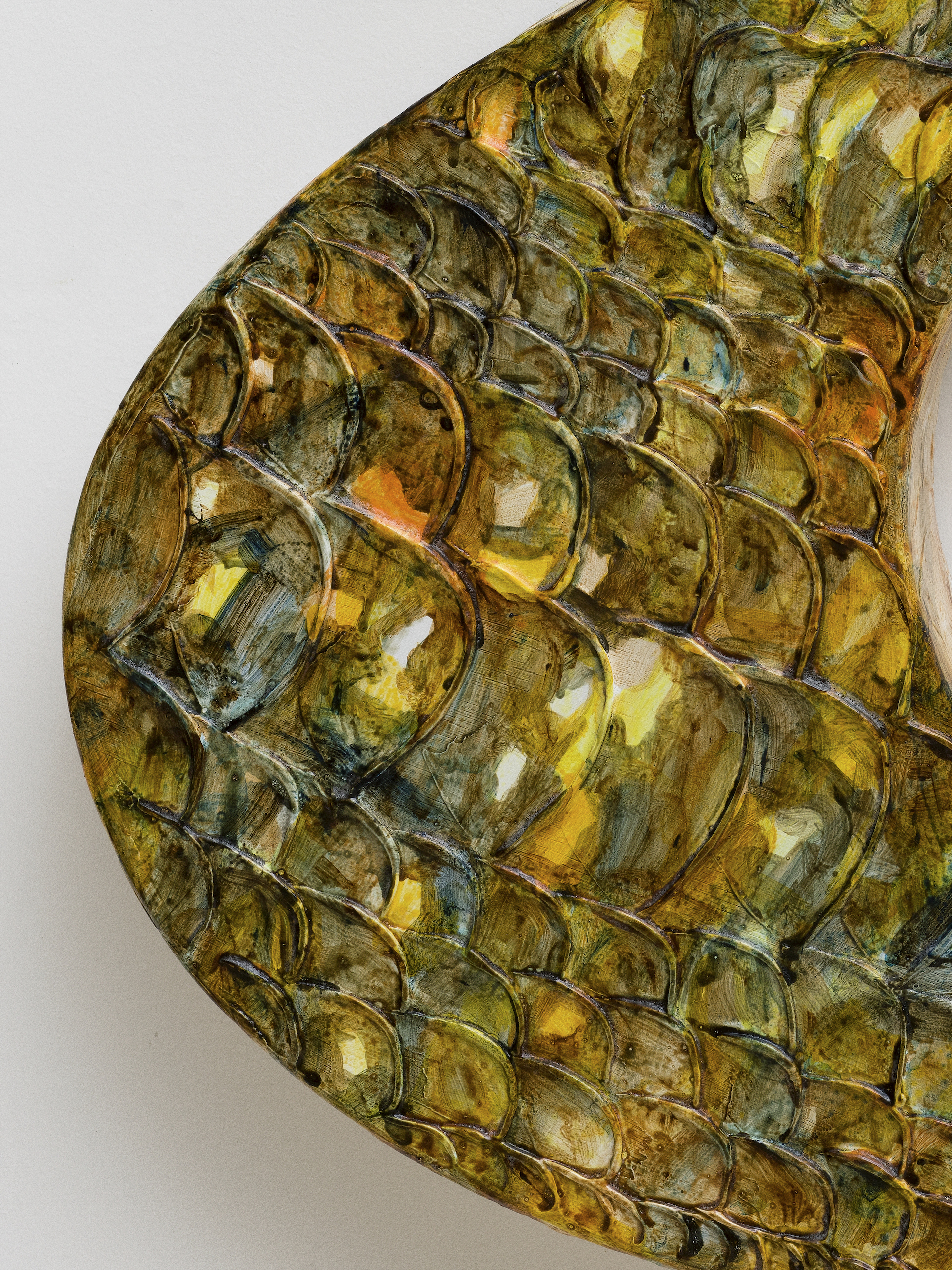
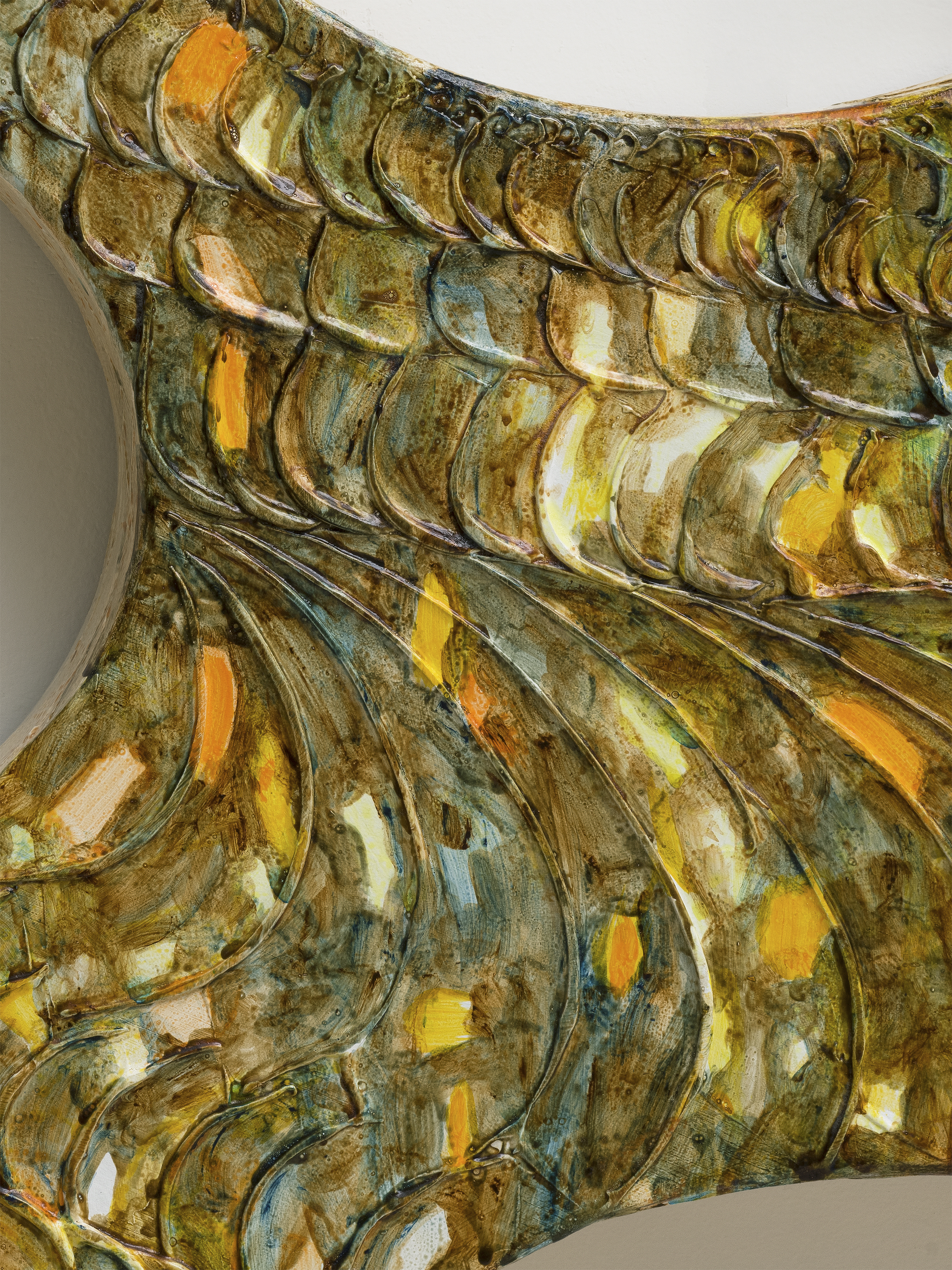
wood panel, molding paste, and acrylic color
triptych, overall
200 x 370 x 7.5 cm
Guan Xiao
BIOGRAPHY
Guan Xiao (b. 1983, Chongqing, China) lives and works in Beijing. Her practice spans sculpture, painting, installation, and video, developing a distinctive visual language through a collage-based approach. Moving across different historical and cultural contexts, it brings together elements of identity, history, regional culture, and everyday experience within a single structure. Unexpected and compelling combinations of materials create tensions through acts of appropriation and collage between histories and cultures, foregrounding the significance of difference. Through contradictions between material and structure, the work seeks new forms of balance, reconsidering the definition of bodily existence and its relationship to time and space in an era increasingly invaded and reshaped by the expansion of information and the elevation of consumption as a cultural ideal.
Guan Xiao has participated in numerous major biennials and triennials, including the 57th Venice Biennale (2017); the 34th Bienal de São Paulo (2021); the 58th October Salon (Belgrade Biennial) (2021); the 3rd New Museum Triennial (2015); and the 13th Lyon Biennale (2015). She has also held solo exhibitions at institutions including Kunsthalle Wien, Vienna (2025); Bonner Kunstverein, Bonn (2019); Contemporary Art Museum St. Louis, St. Louis (2019); Kunsthalle Winterthur, Winterthur (2018); Galerie nationale du Jeu de Paume, Paris (2016); and the Institute of Contemporary Arts (ICA), London (2016). Her work has additionally been exhibited at institutions such as Tai Kwun Contemporary, Hong Kong; Long Museum, Shanghai; Mudam Luxembourg – Musée d’Art Moderne Grand-Duc Jean, Luxembourg; Museum Ludwig, Cologne; Kunsthal Charlottenborg, Copenhagen; and Leeum Museum of Art, Seoul.
Her work is held in the collections of major international institutions, including Mudam Luxembourg – Musée d’Art Moderne Grand-Duc Jean; Museum Ludwig, Cologne; Kunstmuseum St. Gallen; Julia Stoschek Collection; Boros Collection; aimler Collection; Fondazione Sandretto Re Rebaudengo; K11 Art Foundation; Long Museum, Shanghai; New Century Art Foundation, Beijing; East West Bank Collection; Y.D. Collection; M+ Collection, Hong Kong; Octone Foundation; and Tanoto Art Foundation.
-
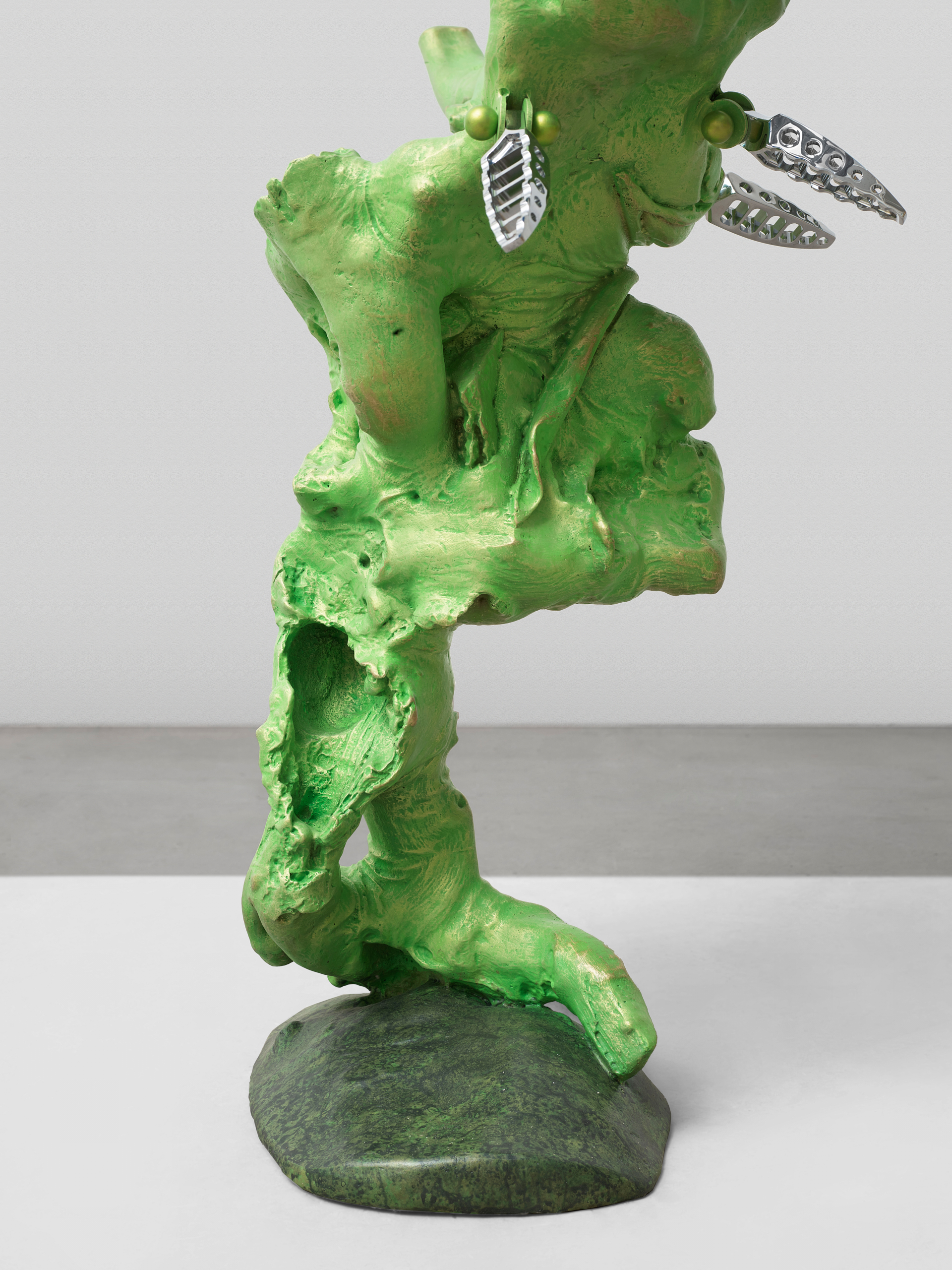
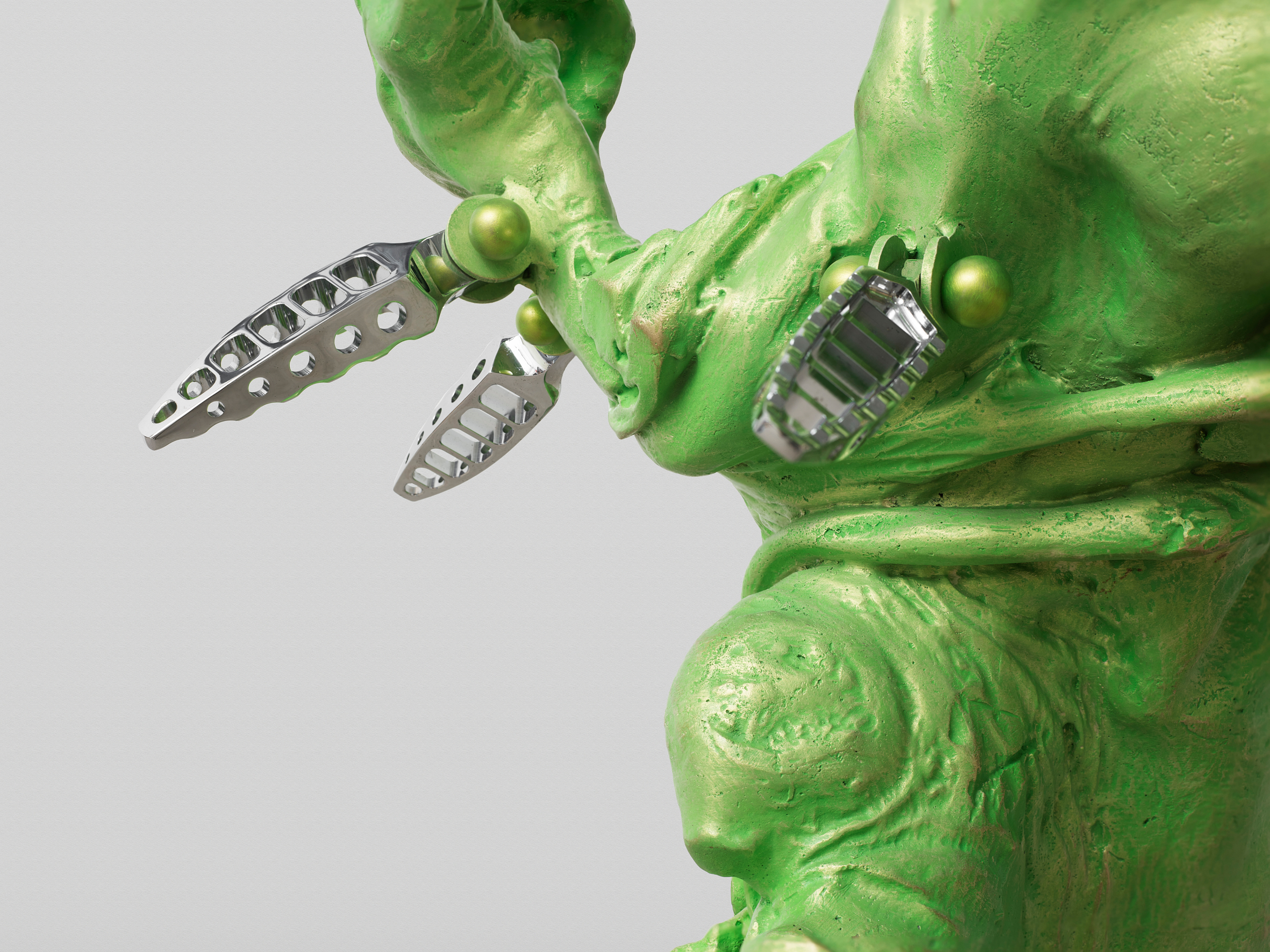
Guan Xiao, Moss, 2025
作品信息Information -
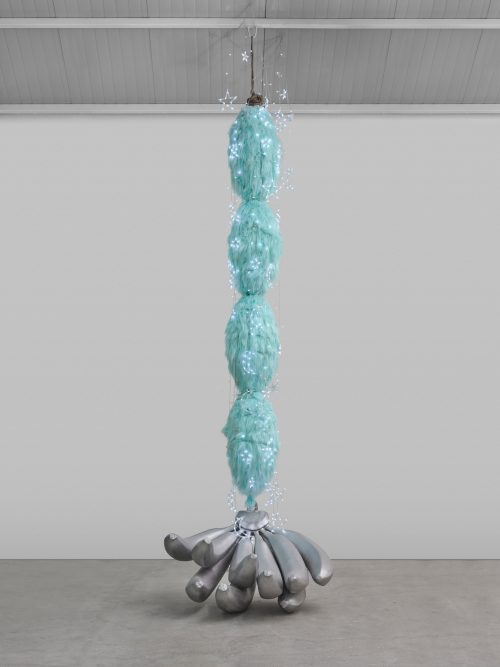
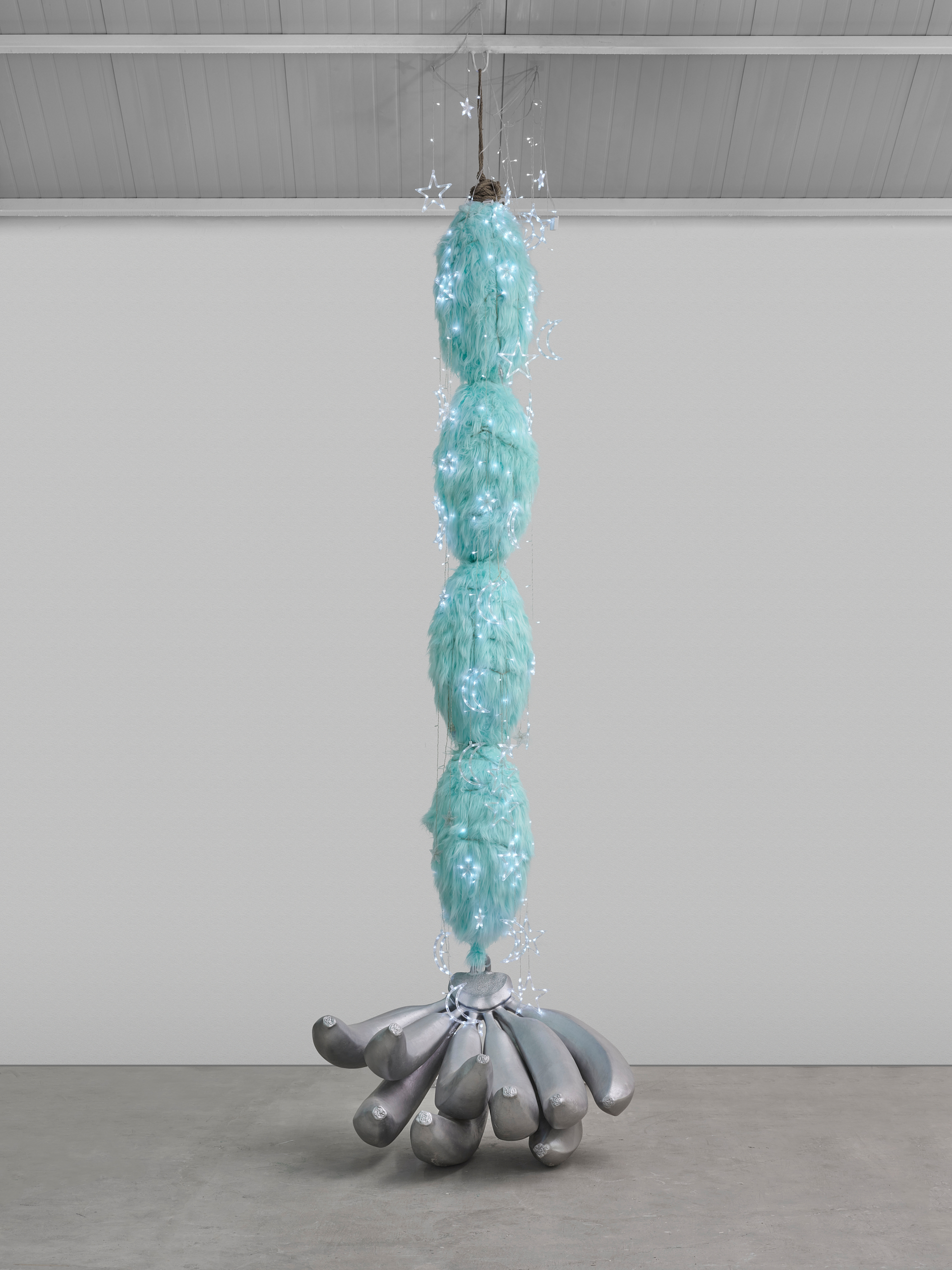
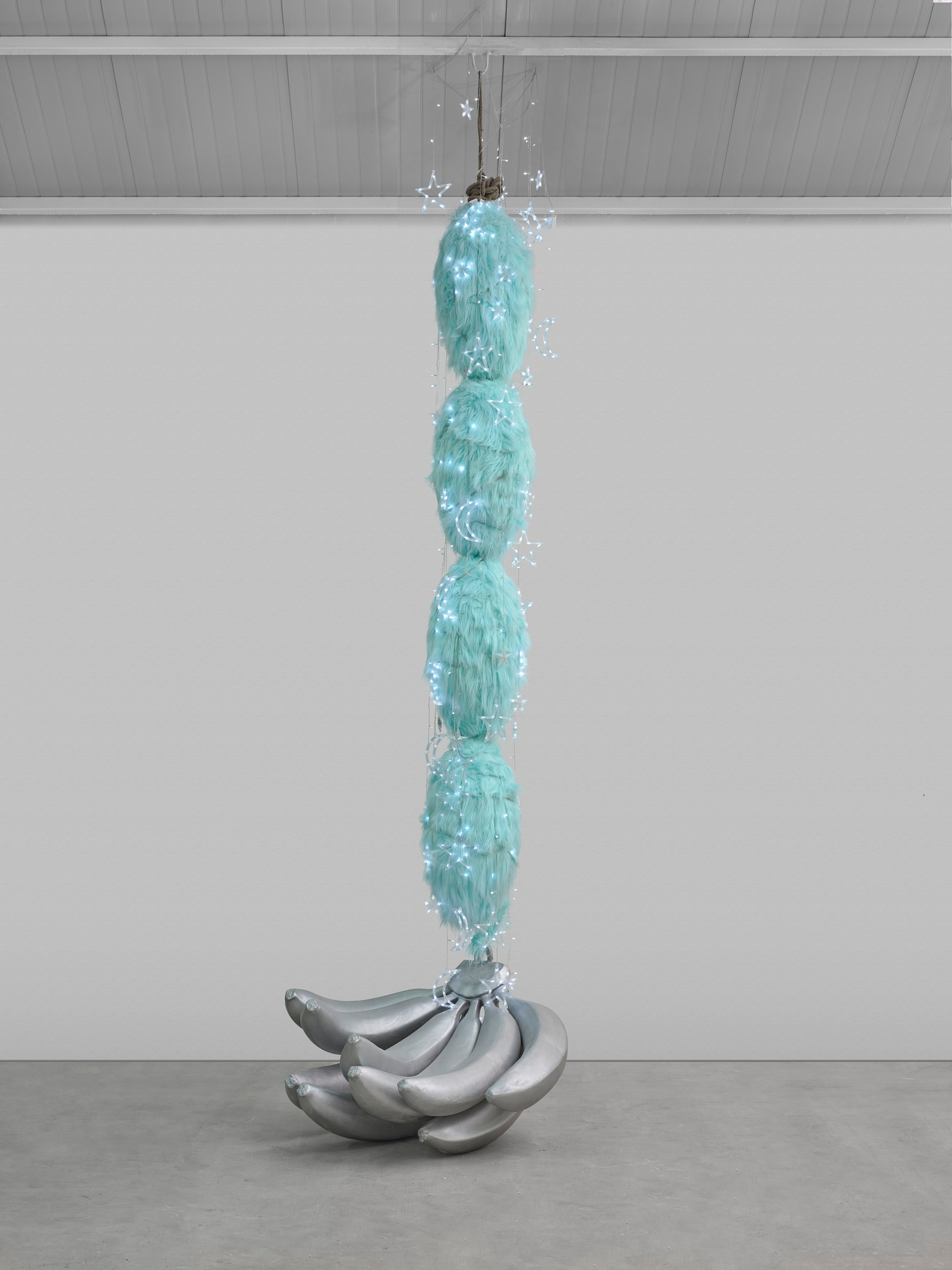
Guan Xiao, Snowing, 2025
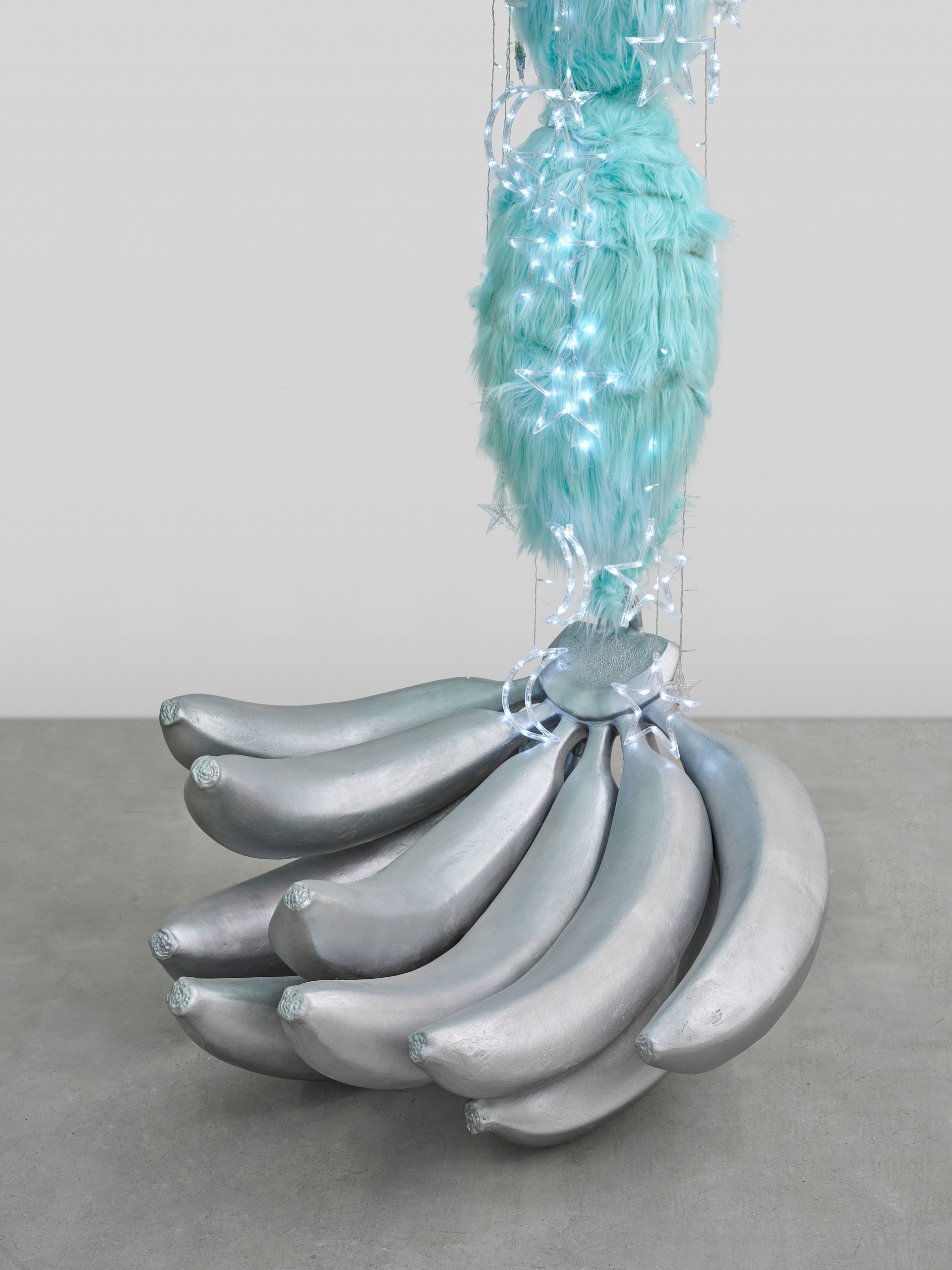
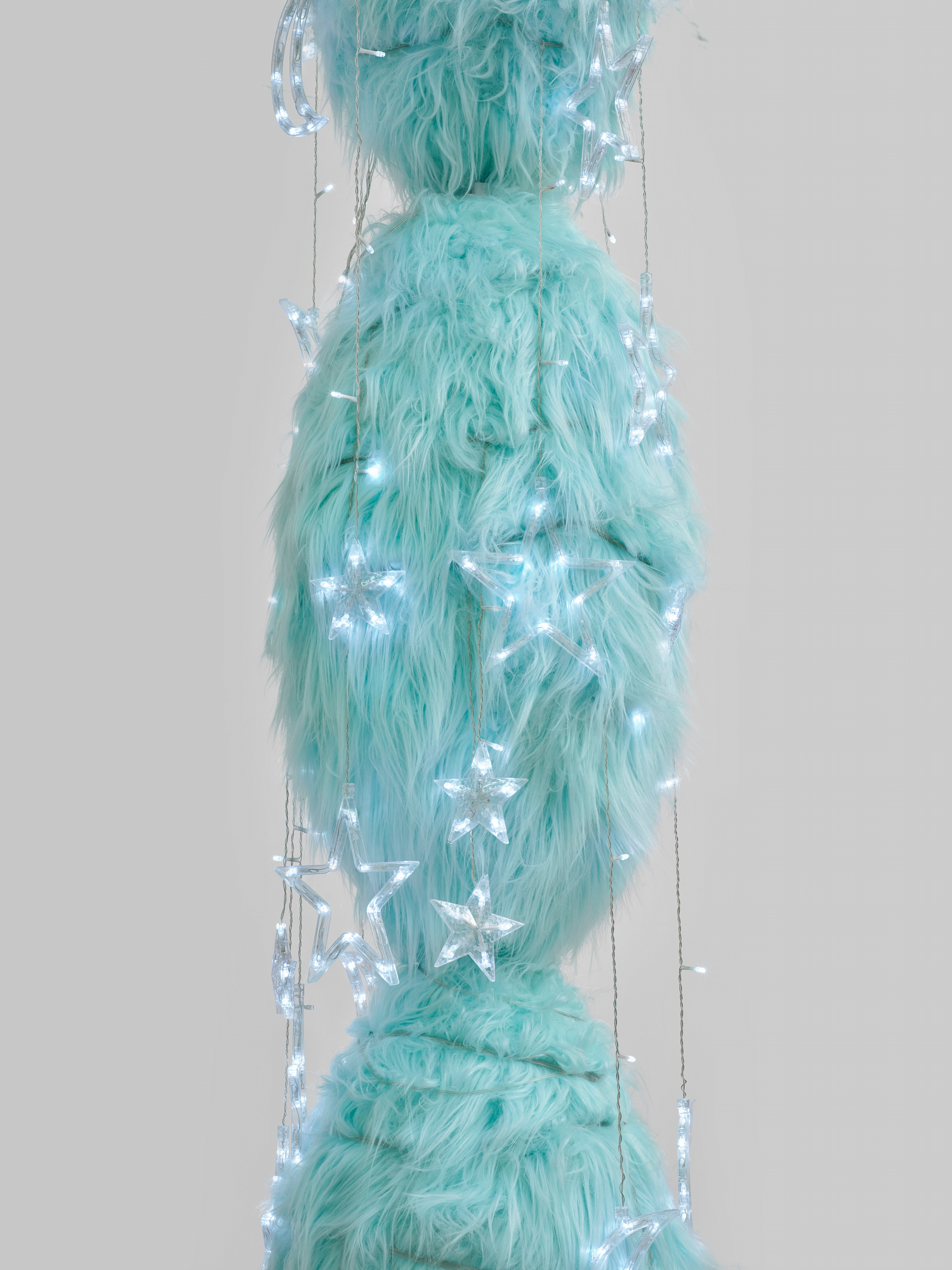
faux fur fabric, LED star and moon lights, and aluminum
460 x 105 x 127 cm
作品信息Information -
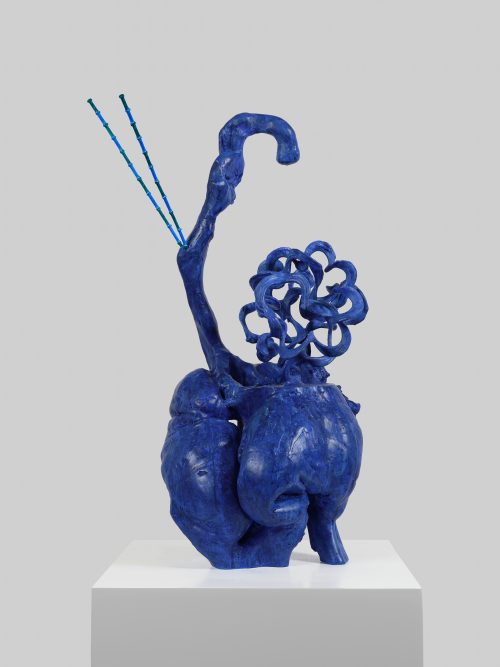
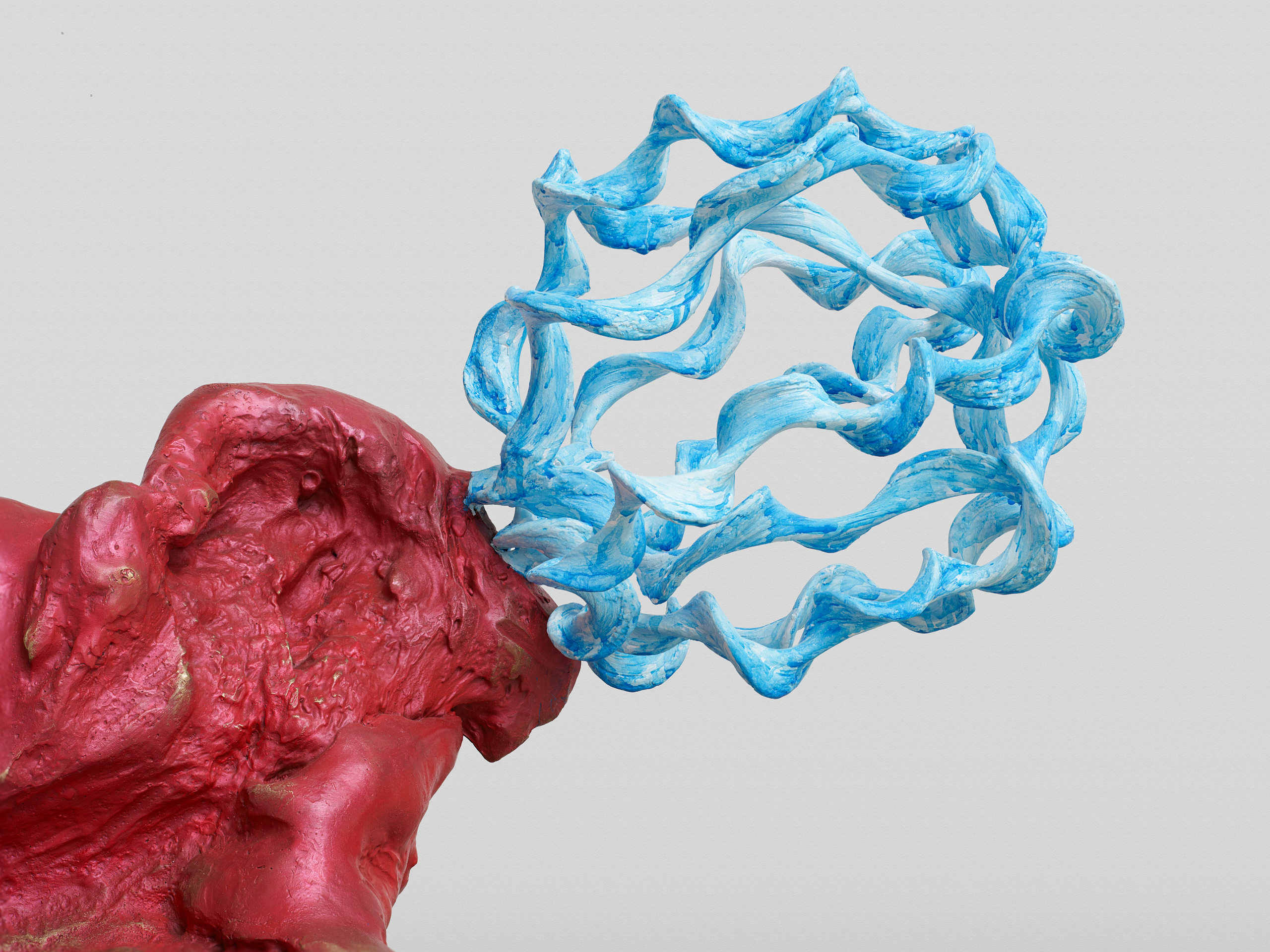
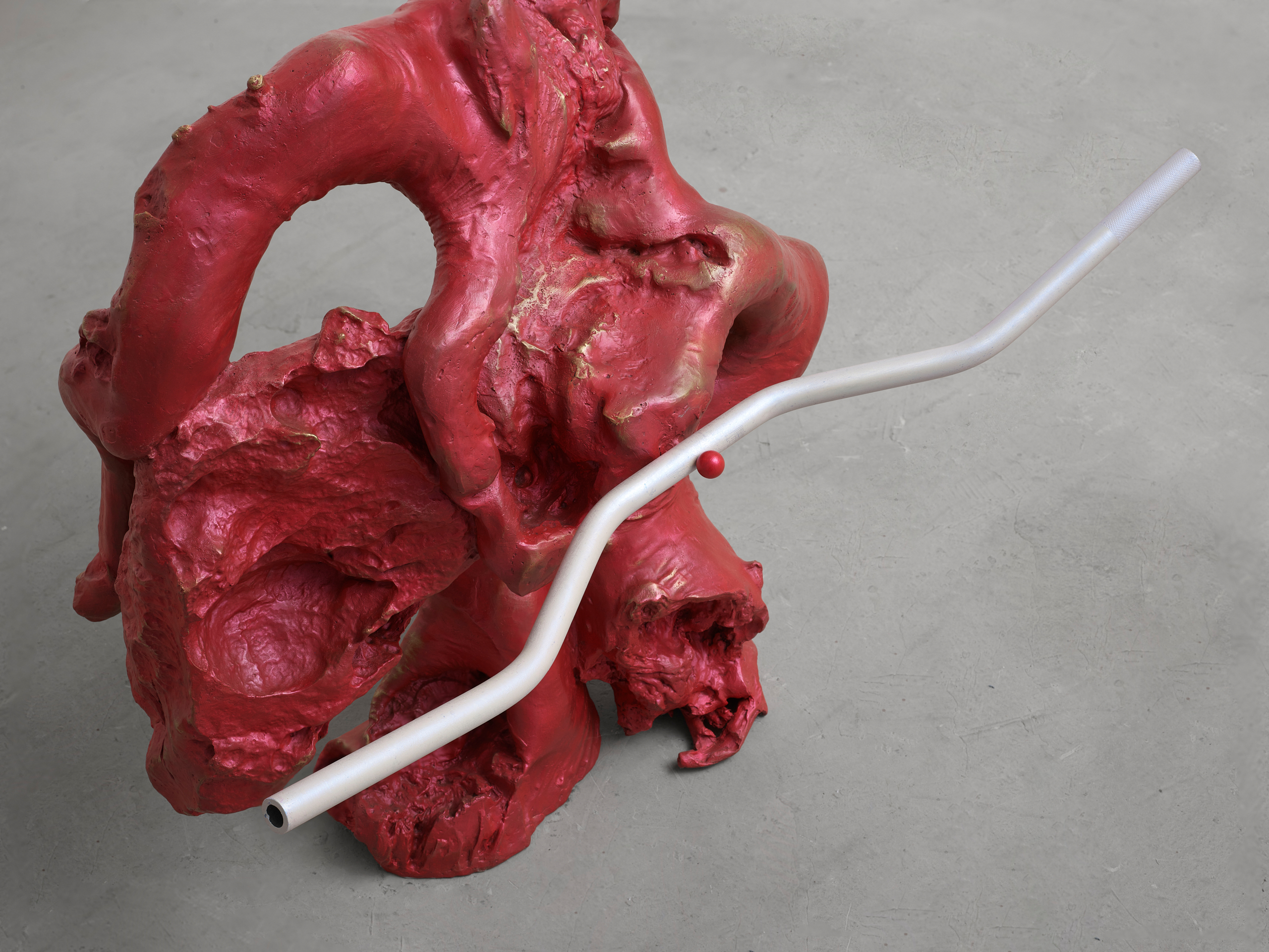
Guan Xiao, Blue Eyelash, 2025
brass, acrylic color
95 x 40 x 35
作品信息Information -
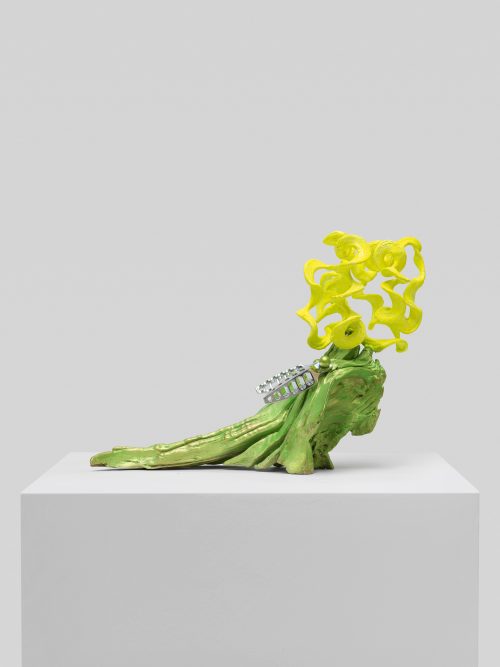
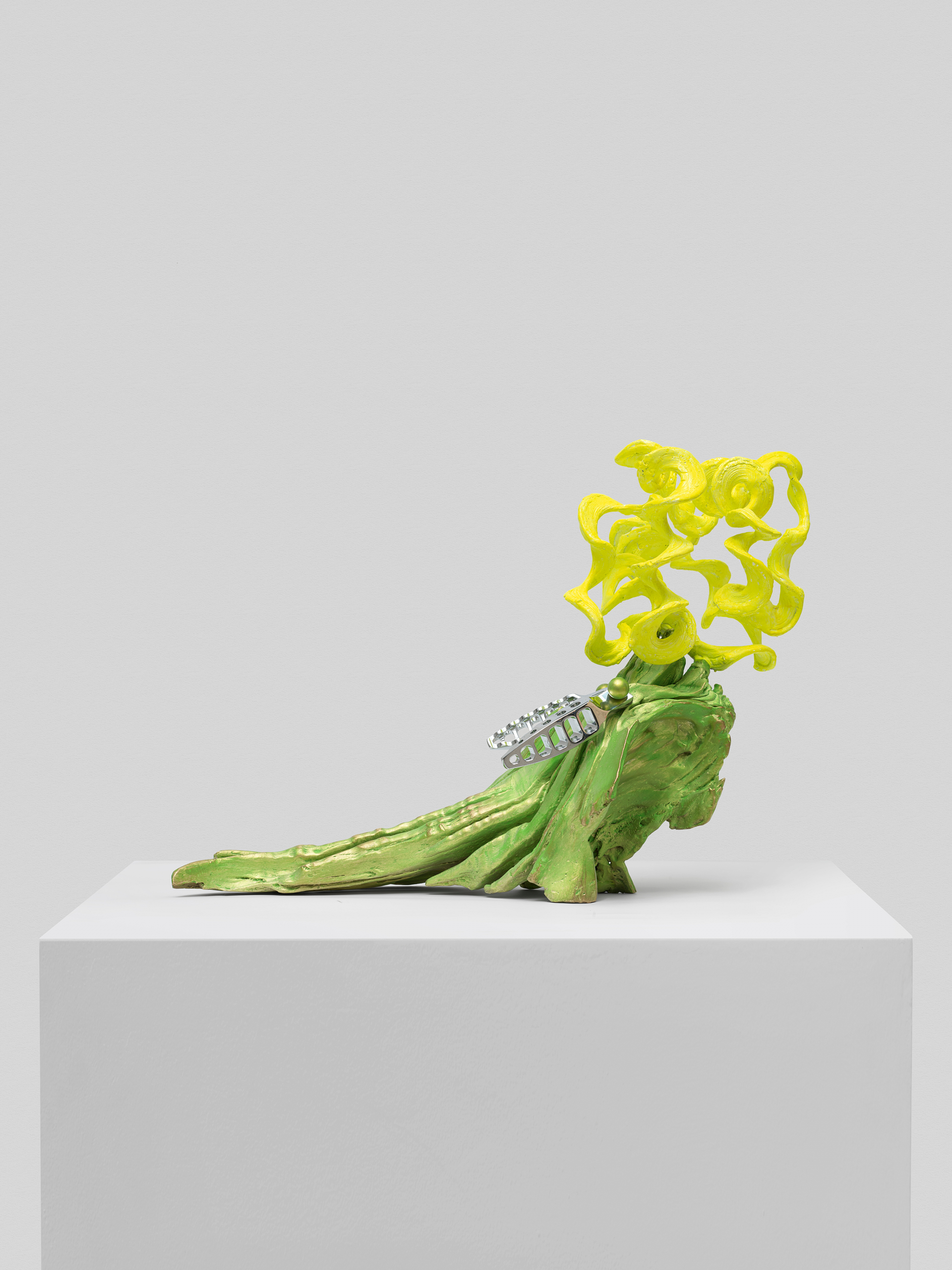
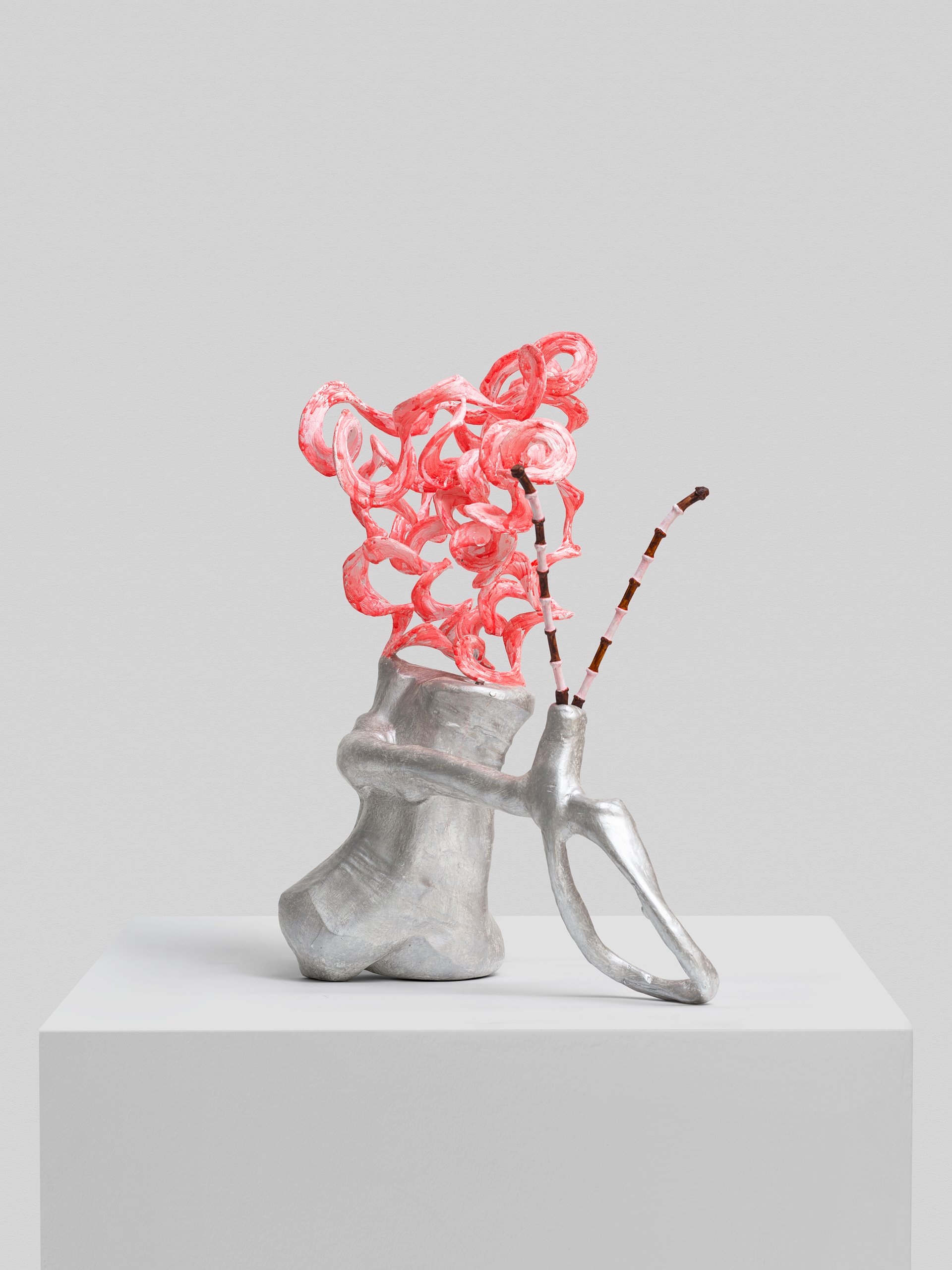
Guan Xiao, Flyingnest, 2025
brass, acrylic color, and motorcycle parts
43 x 60 x 26 cm
作品信息Information -
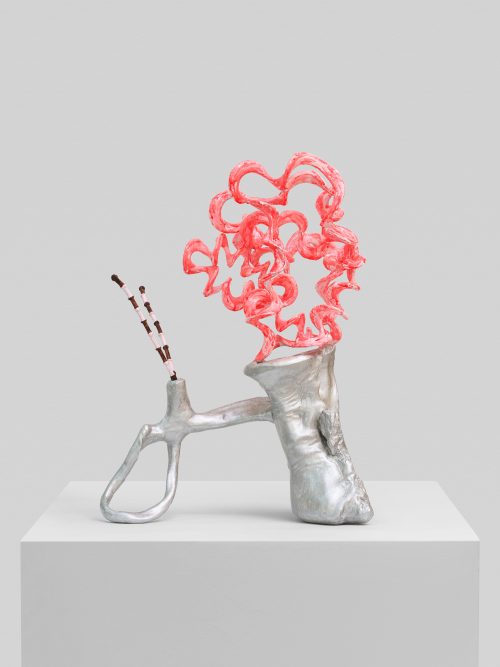
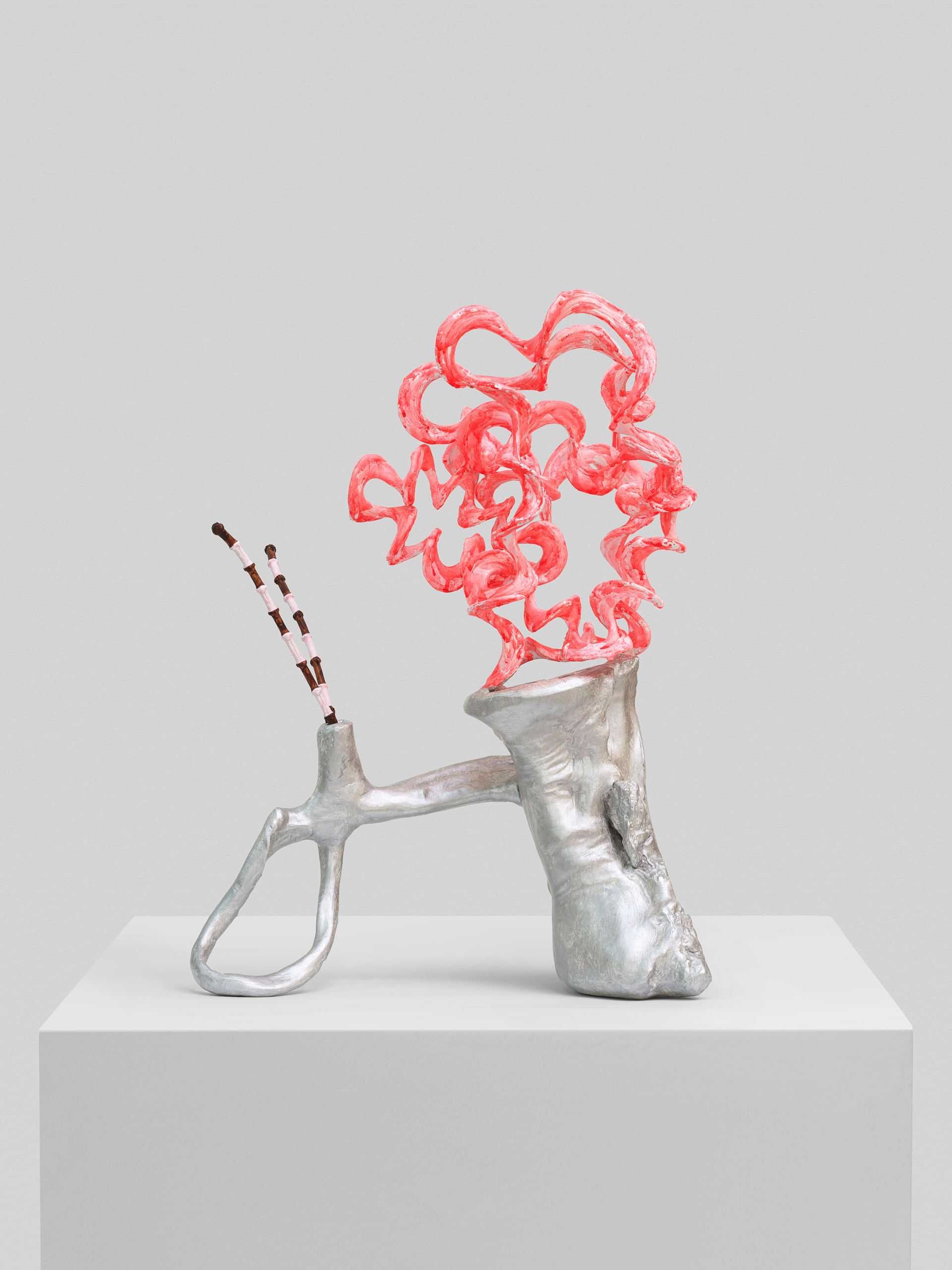
Guan Xiao, Trotflute, 2025
brass, acrylic color
63 x 46 x 28 cm作品信息Information -
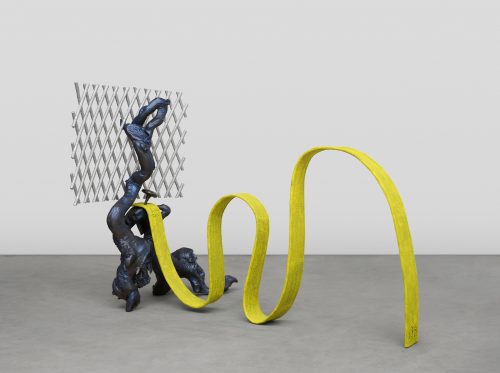
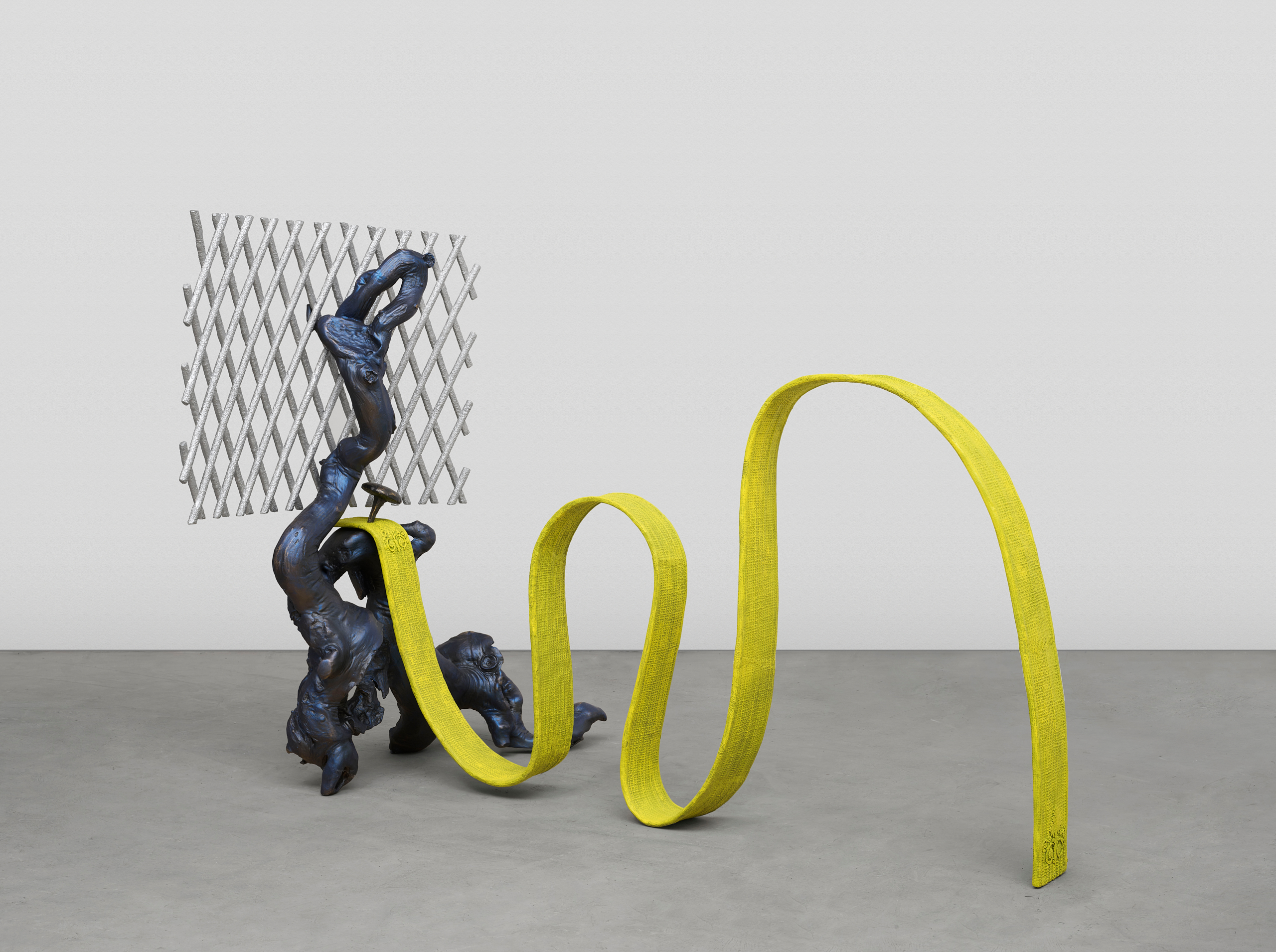
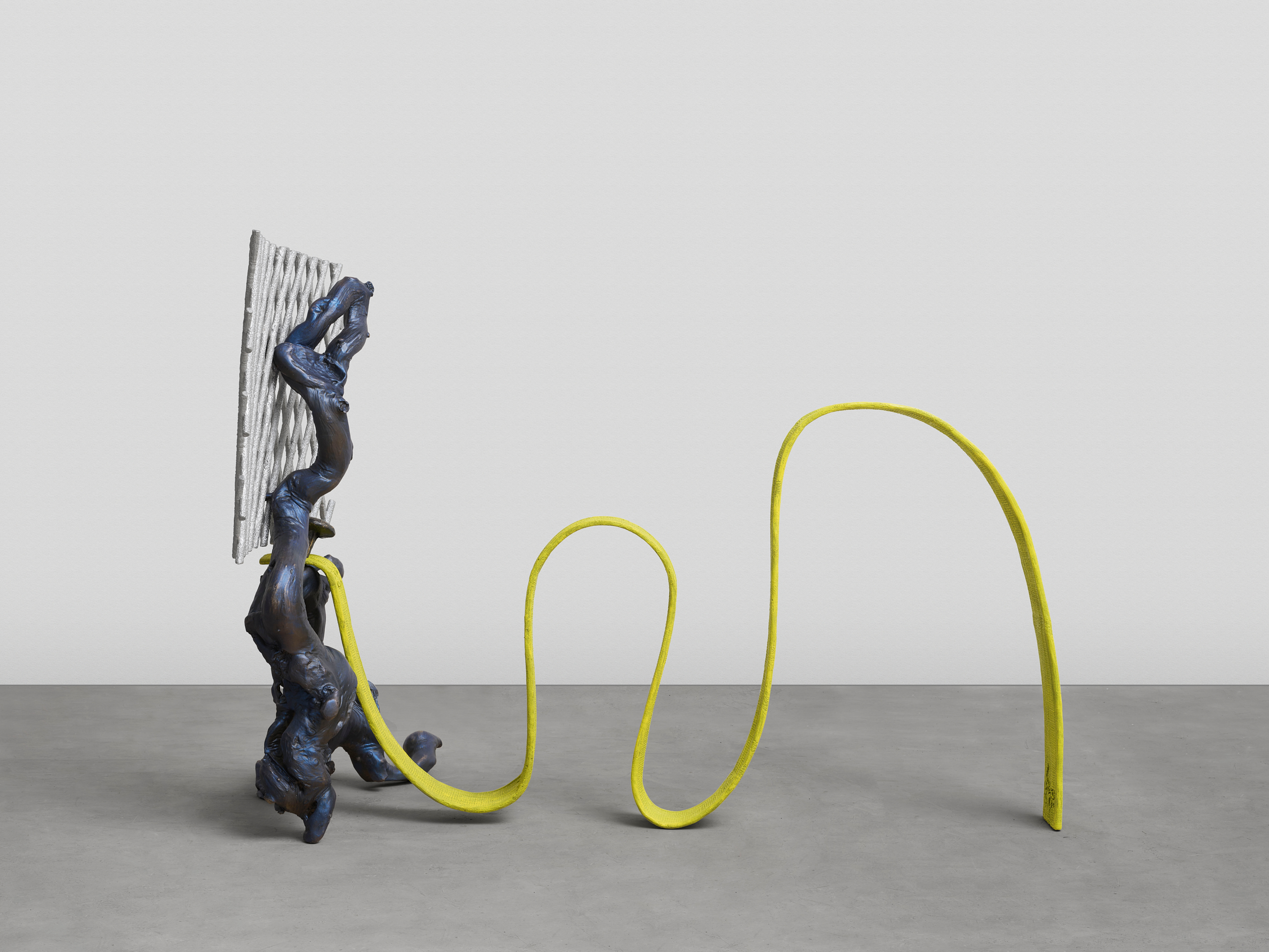
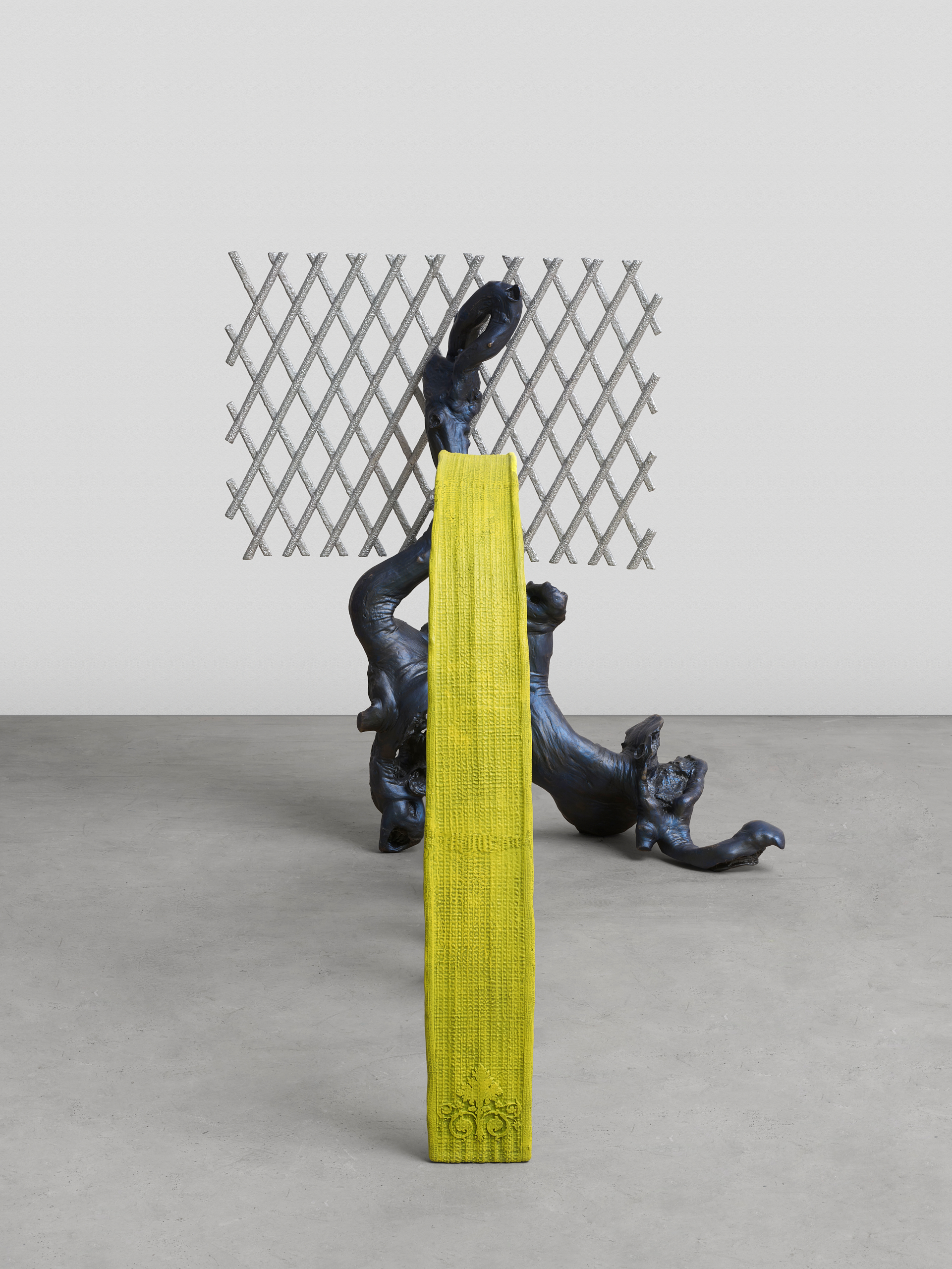
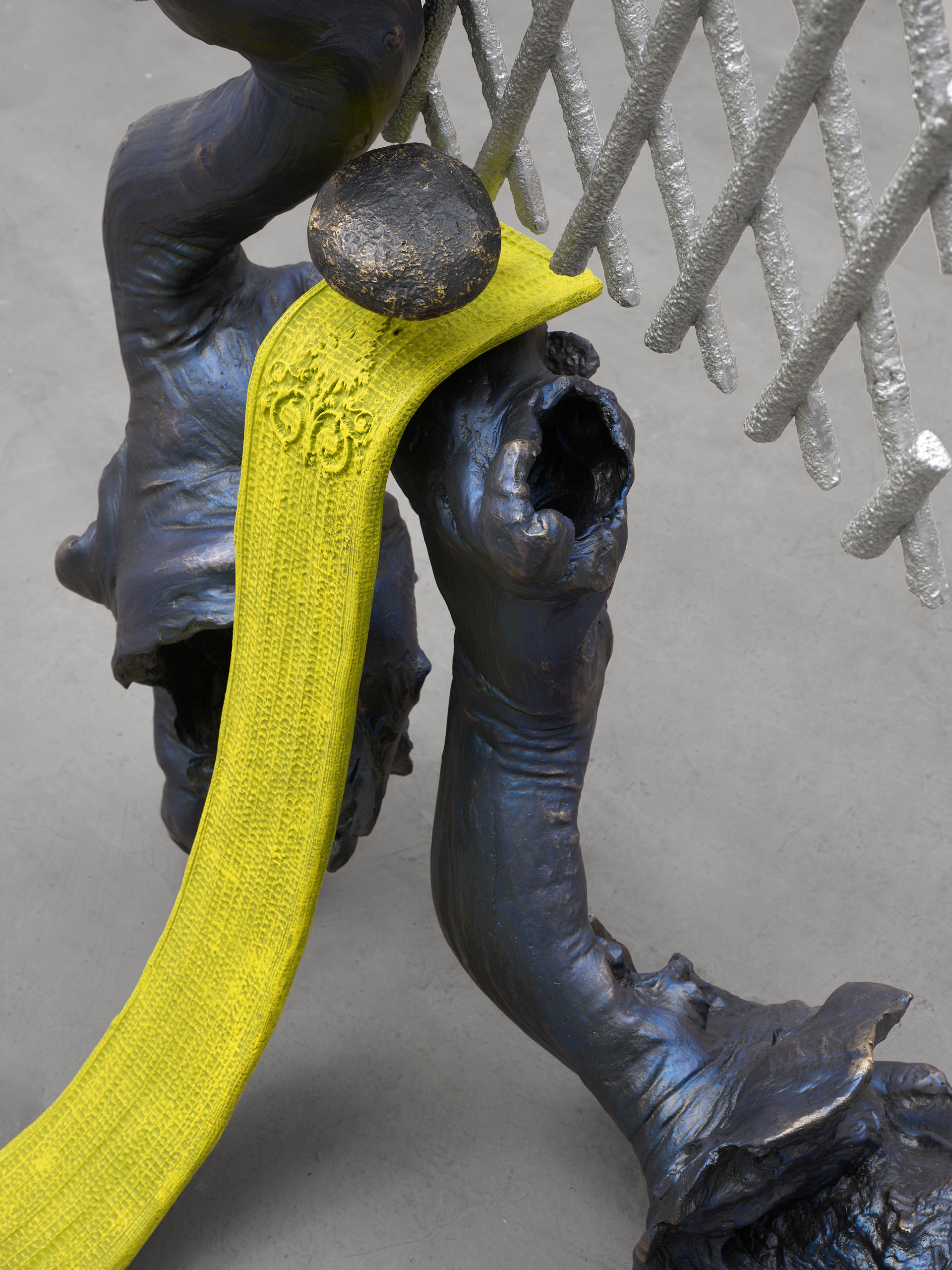
Guan Xiao, PVC Highway, 2025
brass, aluminum, and acrylic color
144 x 210 x 145 cm
作品信息Information -
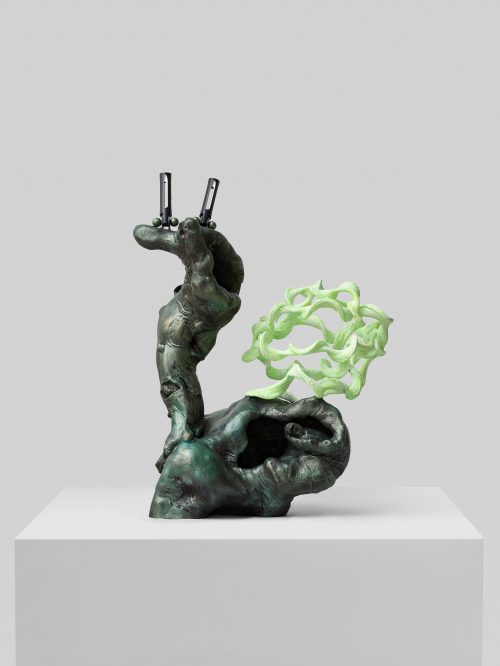
Guan Xiao, Jeanake, 2025
brass, acrylic color, and motorcycle parts
75 x 56 x 30 cm作品信息Information -
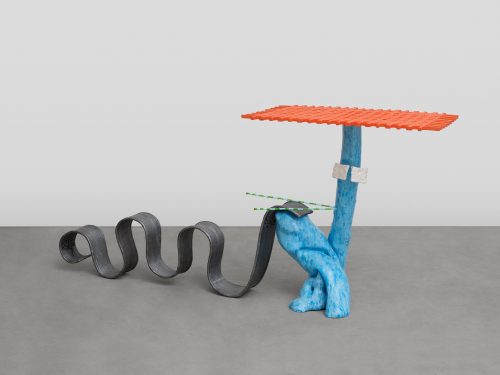
Guan Xiao, Midnight Pancake, 2025
brass, aluminum, and acrylic color
118 x 266 x 80 cm
作品信息Information -
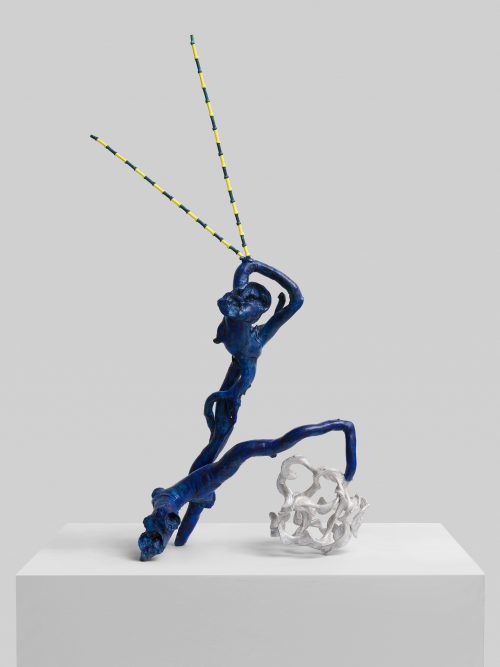
Guan Xiao, Vibragrass, 2025
brass, acrylic color
83 x 66 x 36 cm
作品信息Information -
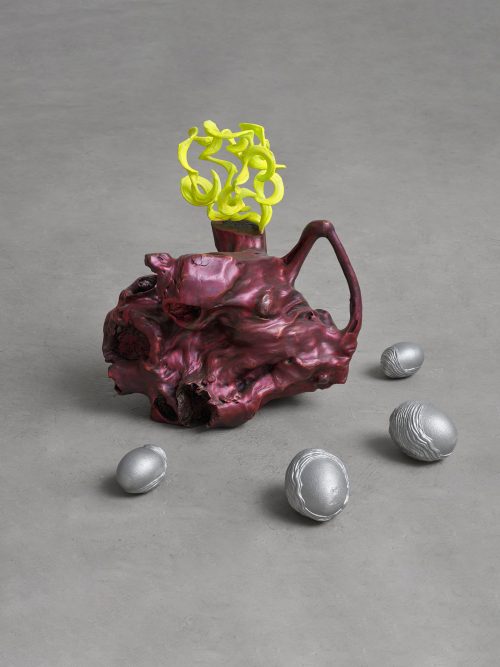
Guan Xiao, Glitea, 2025
brass, aluminum, and acrylic color
62 x 75 x 67 cm
作品信息Information -
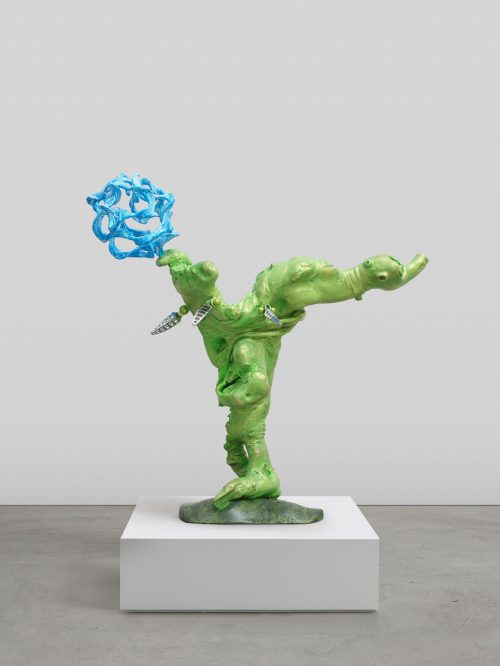
Guan Xiao, Lazuloid, 2025
brass, acrylic color, and motorcycle parts
108 x 112 x 44 cm
作品信息Information -
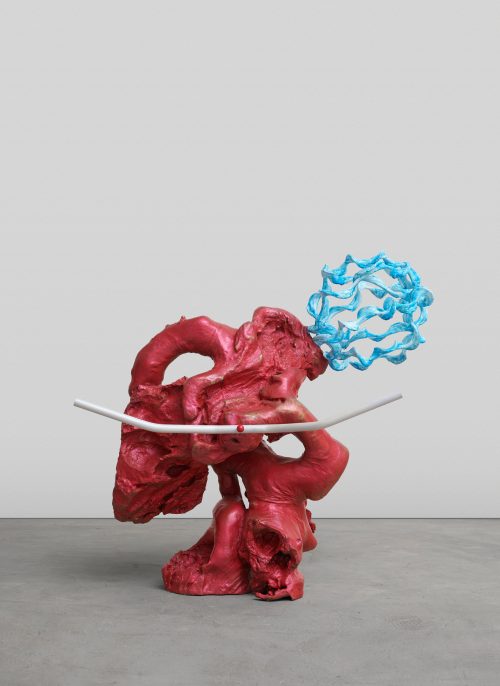
Guan Xiao, Cyclemony, 2025
brass, aluminum, and acrylic color
102 x 97 x 68 cm
作品信息Information -
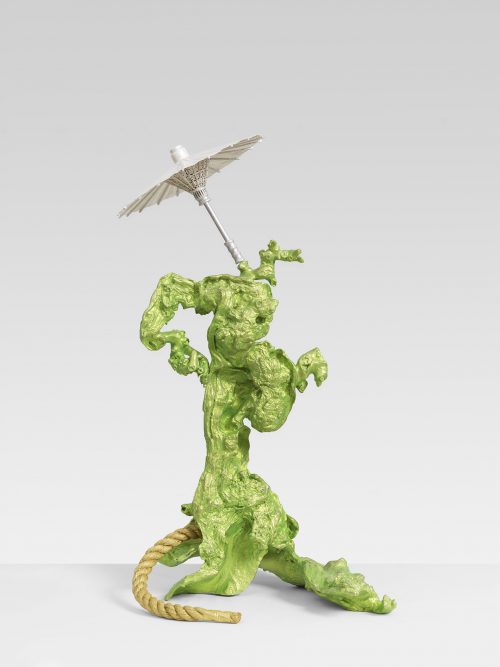
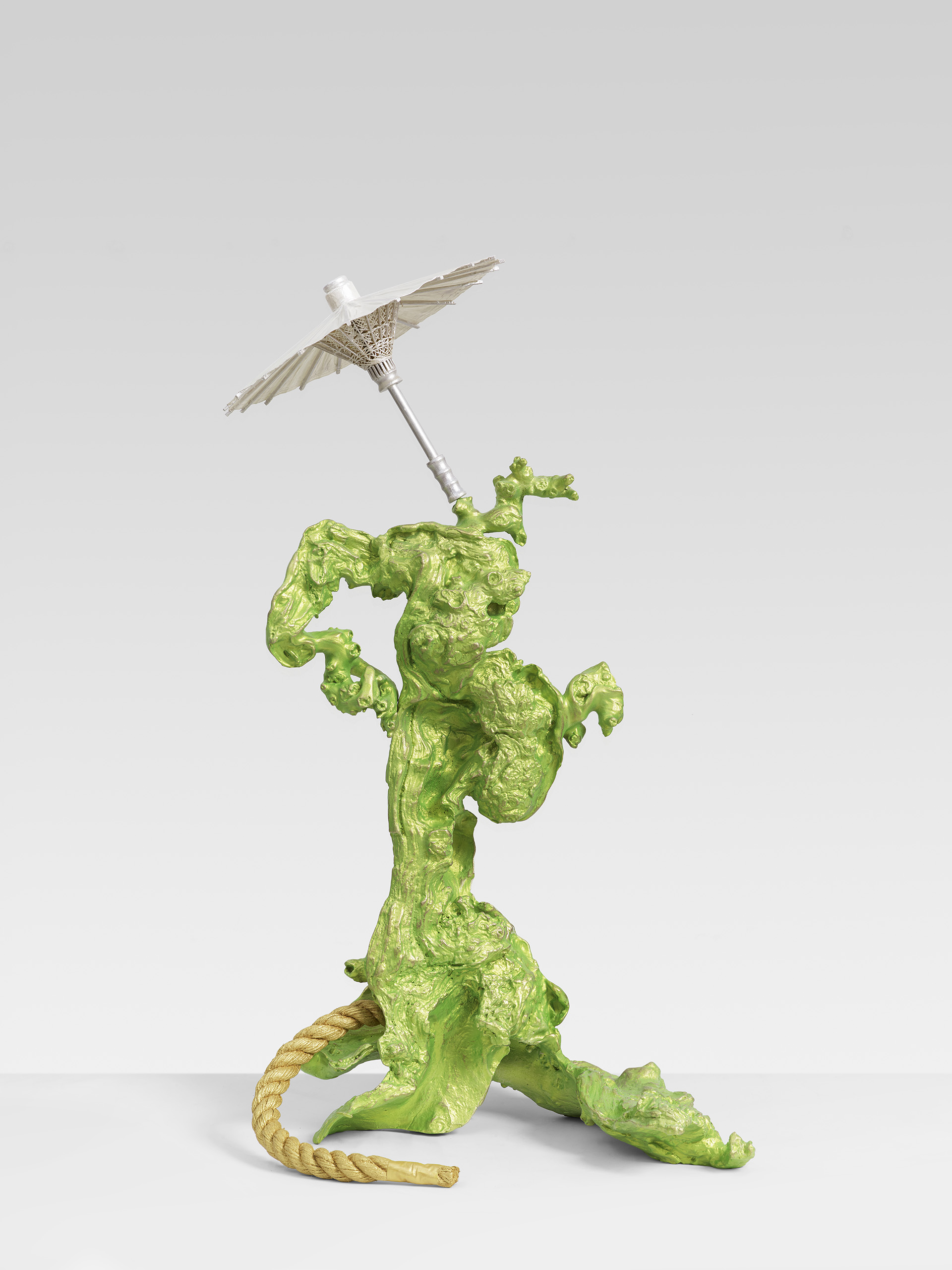
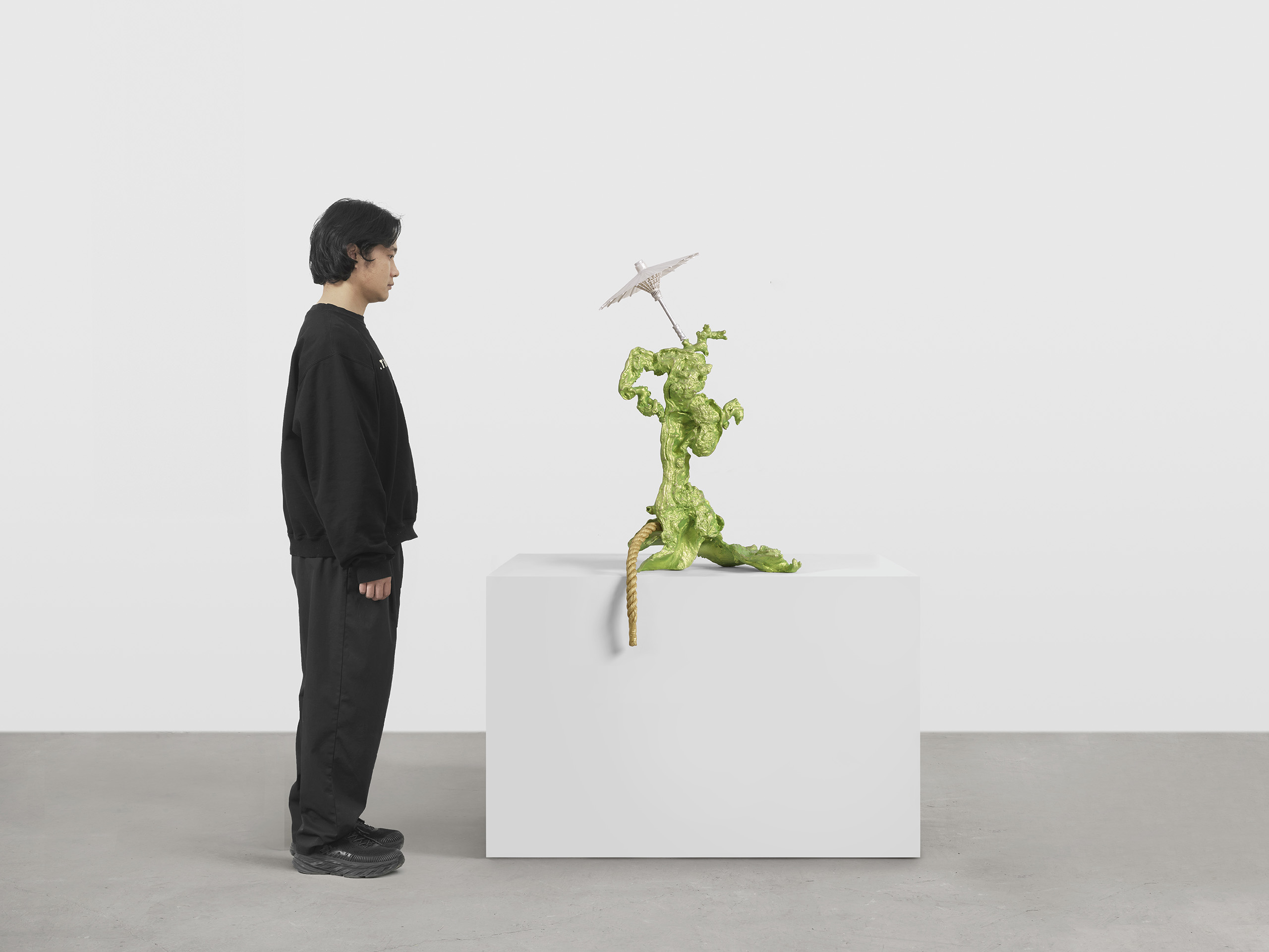
Guan Xiao, Smoky Monk, 2024
brass, rope, paper parasol, and acrylic
installation dimensions variable
approximate installation dimensions:
34 5/8 x 19 1/4 x 13 3/8 inches (88 x 48.9 x 34 cm)作品信息Information -
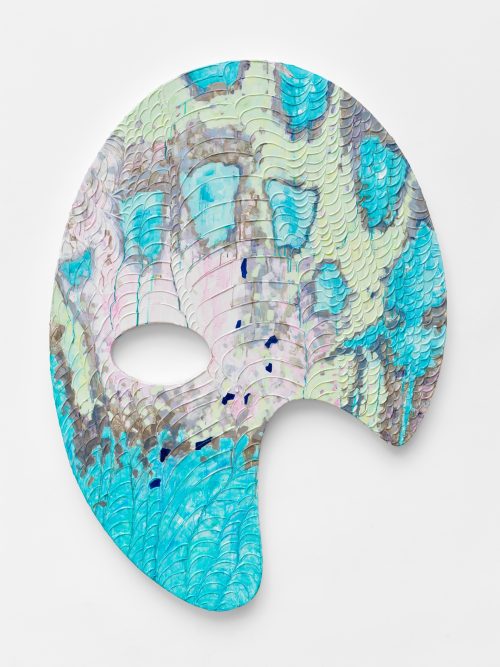
Guan Xiao, Spring buds, fine soil, footprints in the snow, 2024
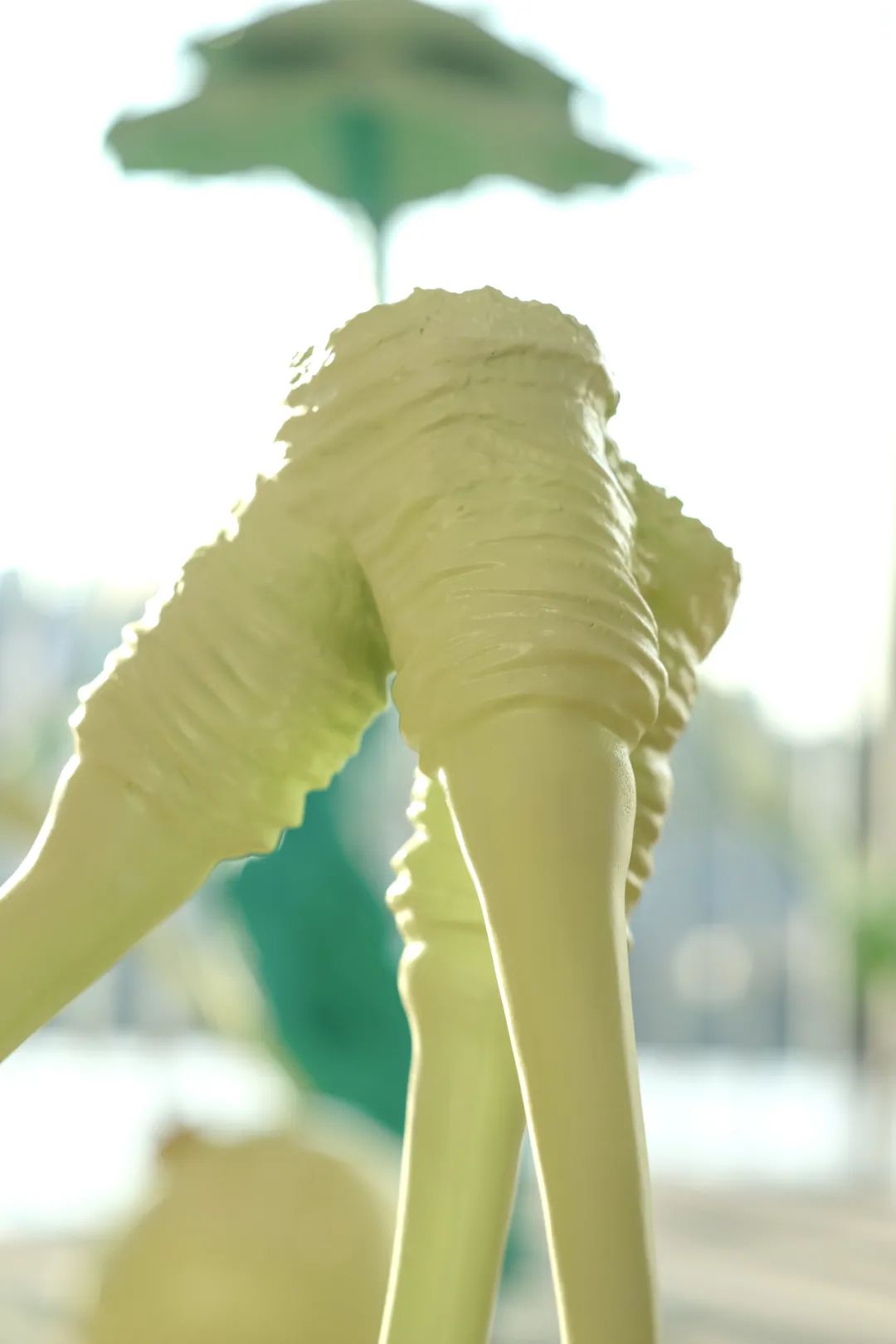
Wood panel, molding paste , and acrylic color
166x120x7.5cm作品信息Information -
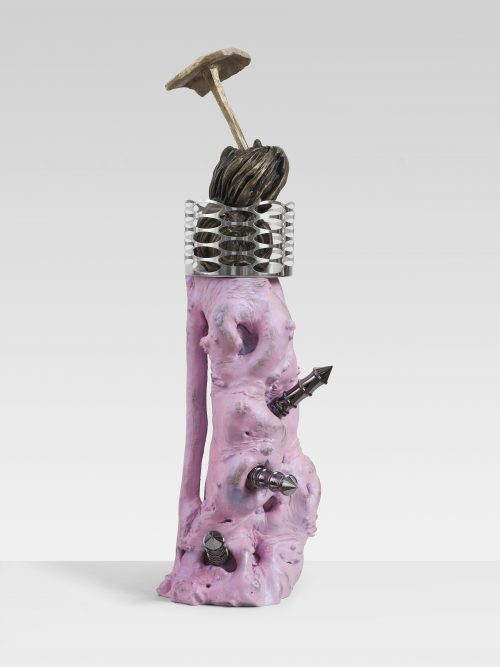
Guan Xiao, Bud, 2024
Brass, stainless steel, burnt acrylic color
116 x 45 x 45 cm
Unique, in series of 3Image courtesy of Yang Hao
作品信息Information -

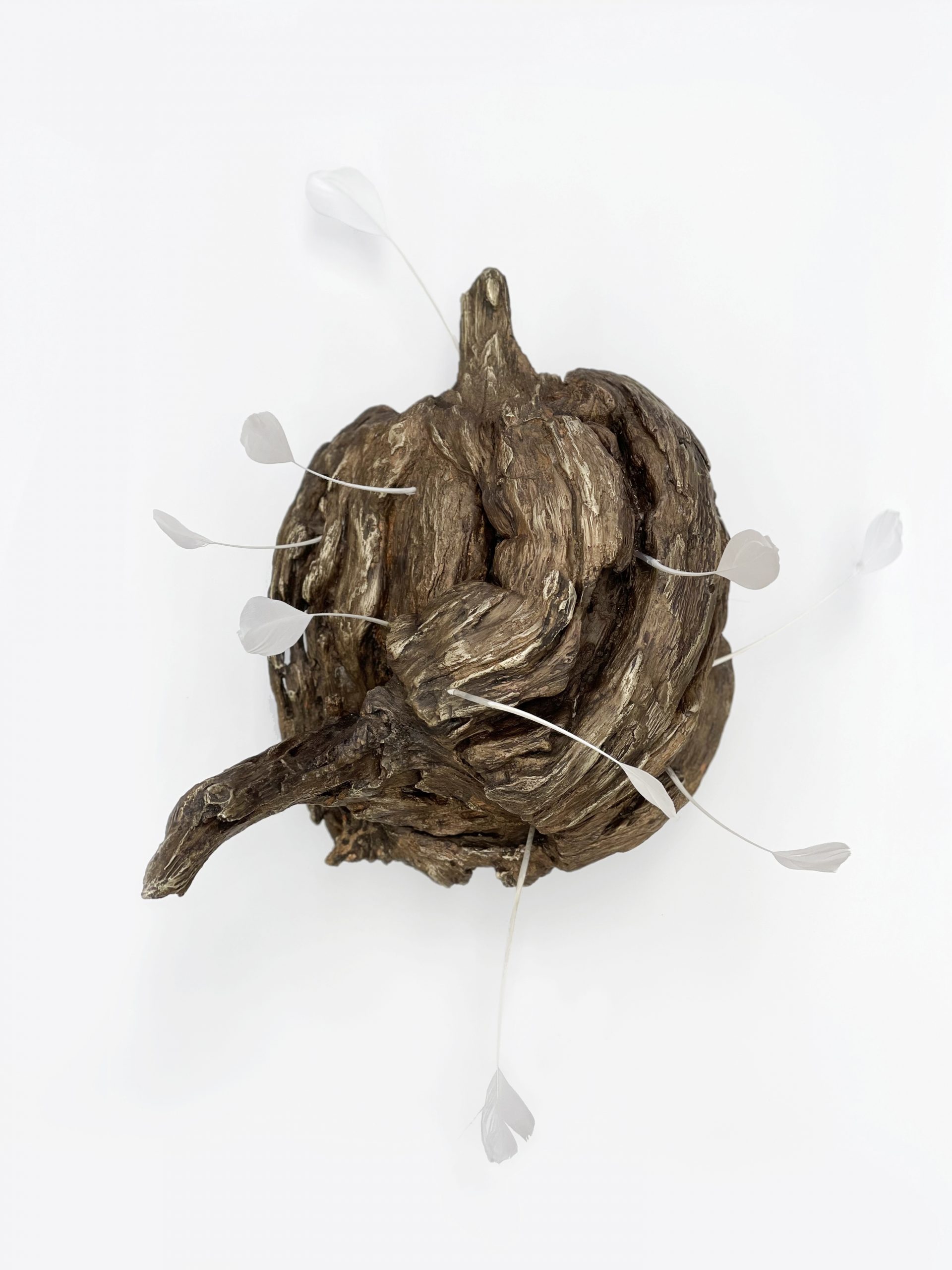
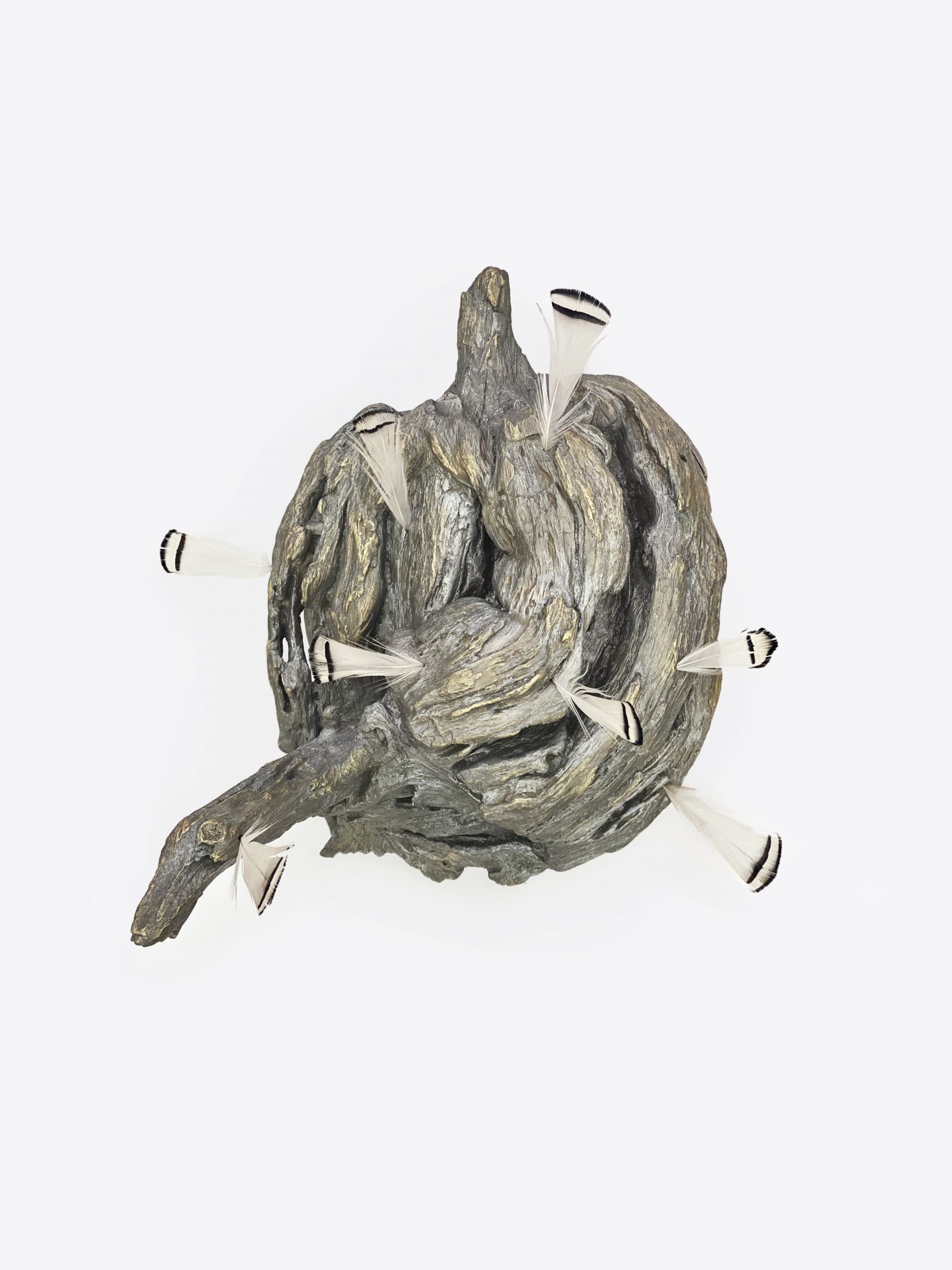
Guan Xiao, Blues Attack, 2024
Brass, acrylic, feather
42 x 28 x 32 cm
作品信息Information -
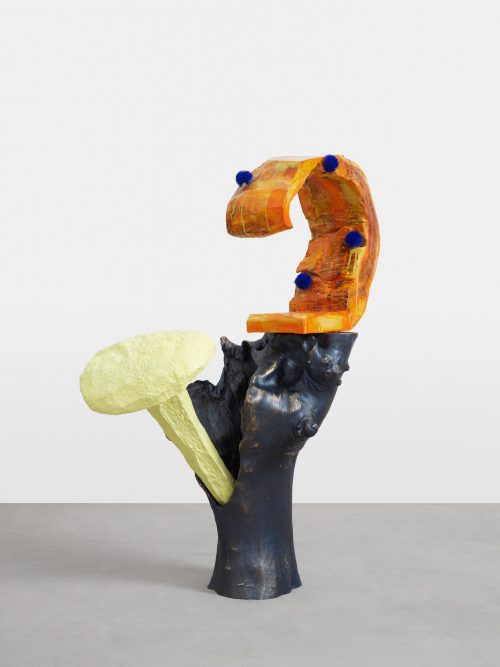
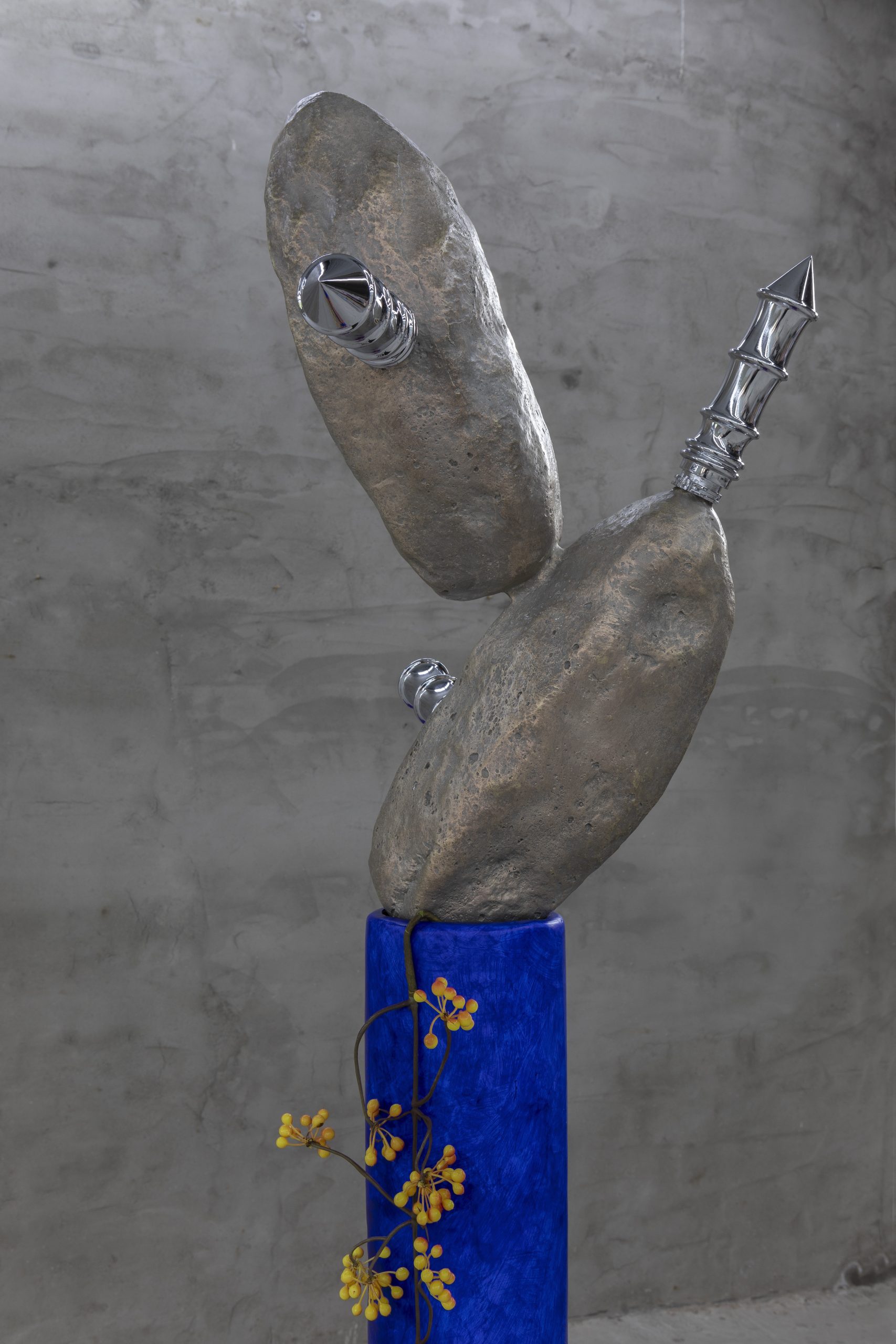
Guan Xiao, Nyx in 2023, 2023
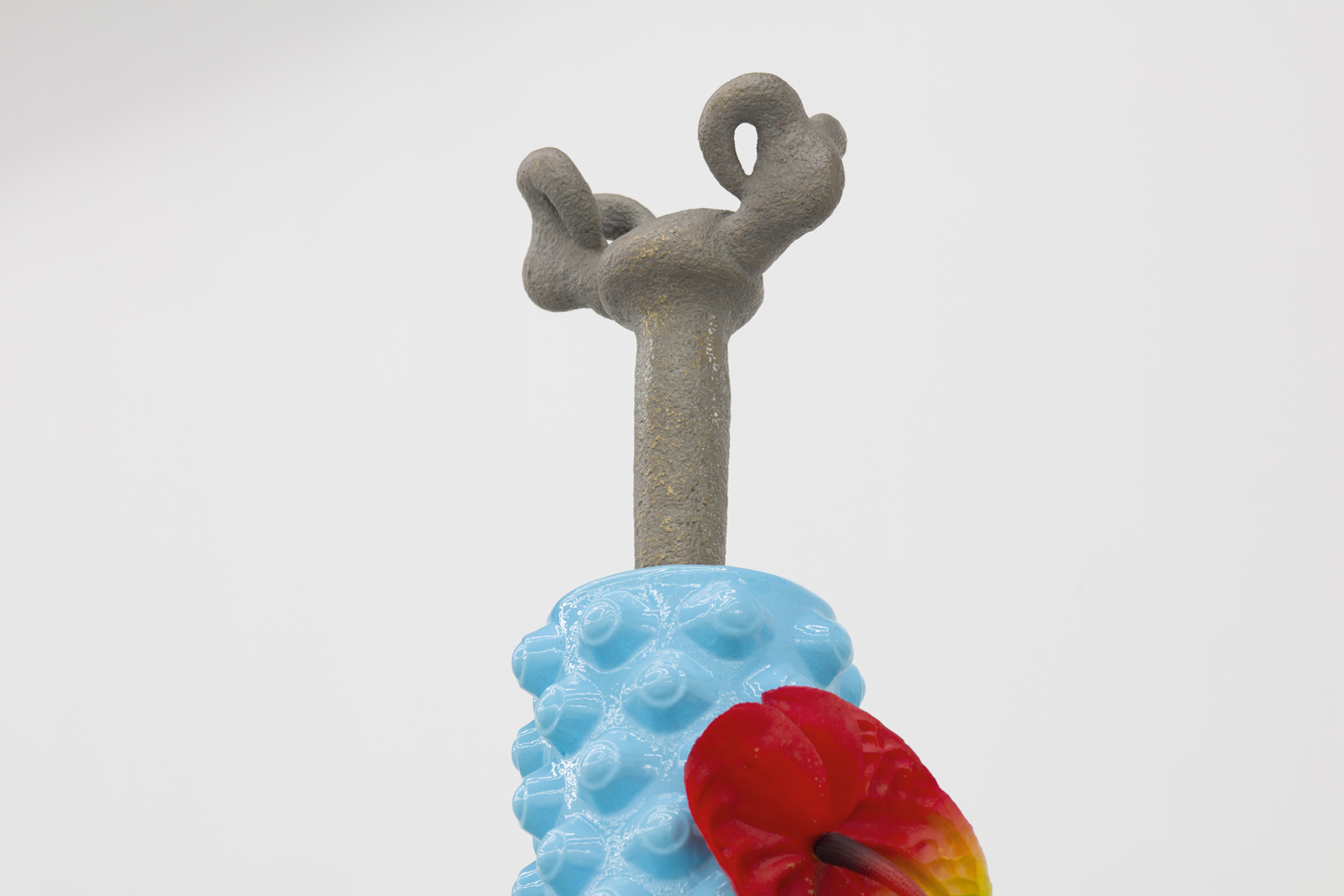
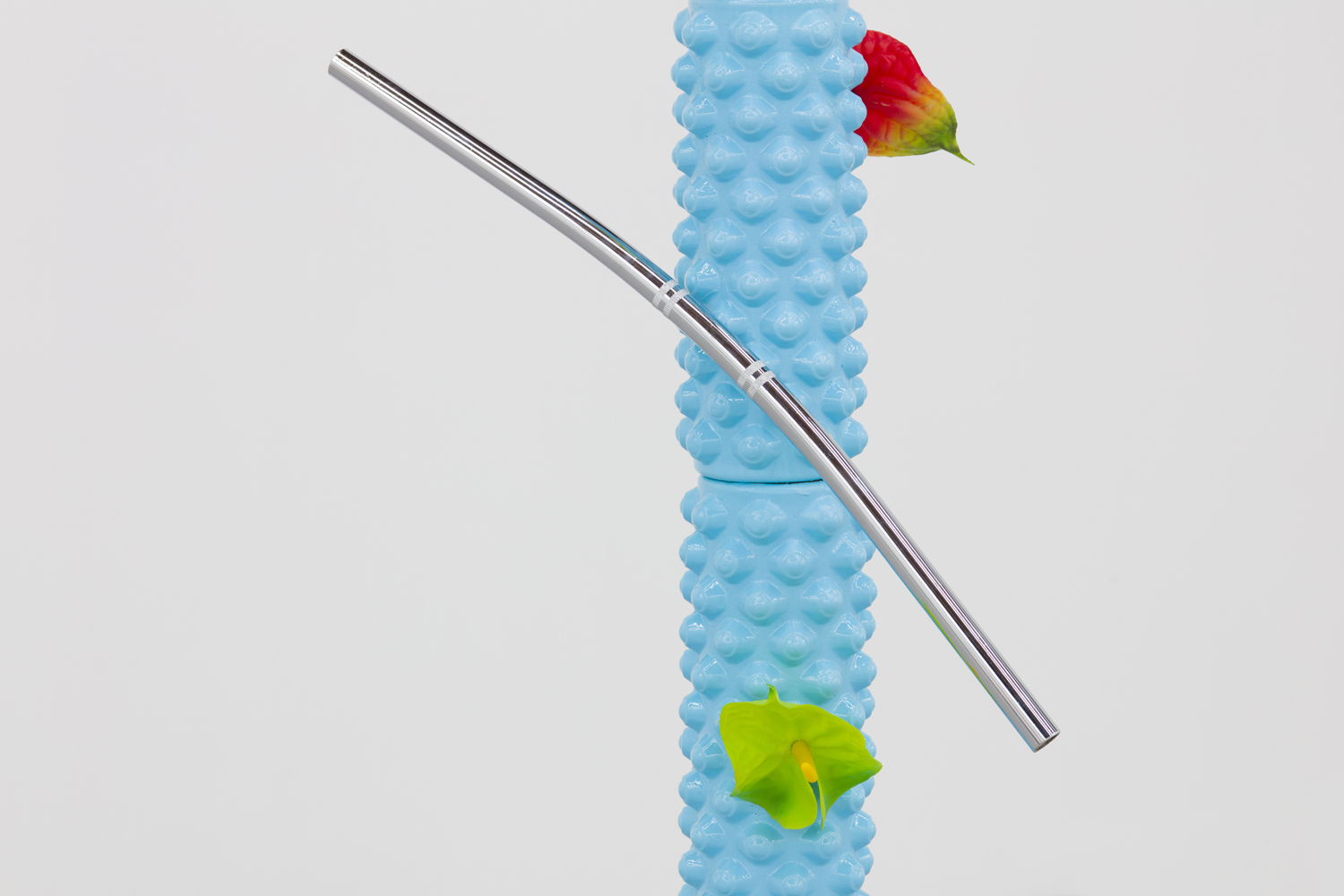
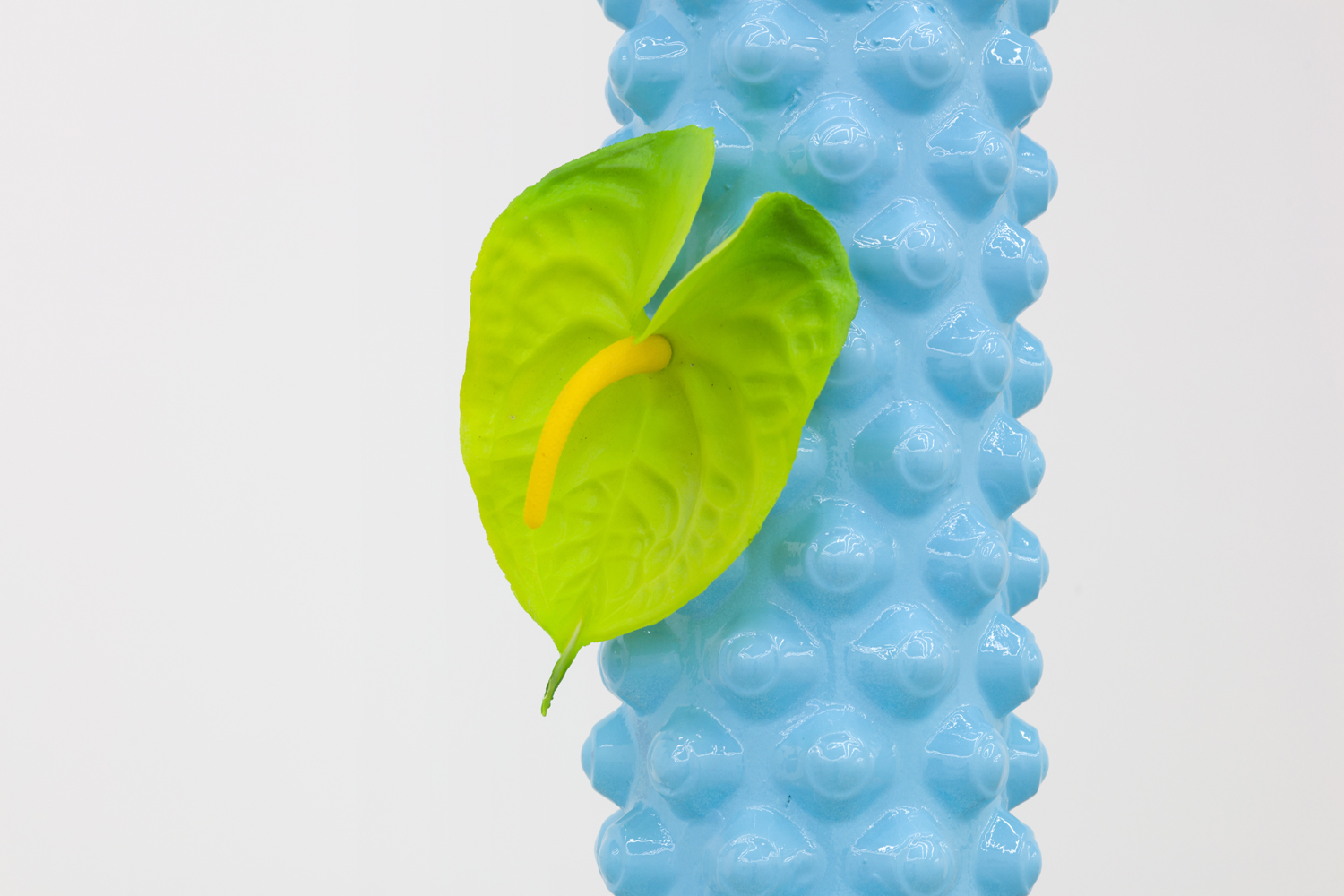
Brass, acrylic color, plastic flowers
90 x 60 x 128 cm作品信息Information -
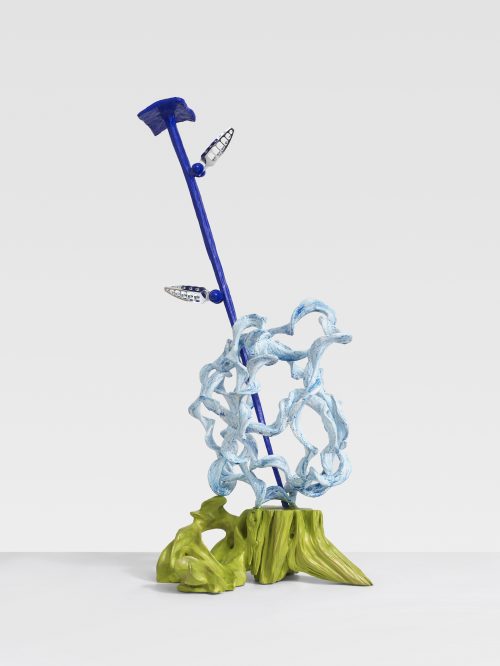
Guan Xiao, Joan of Arc in 1999, 2023
Brass, burnt acrylic color, artist pigment powder, motorcycle part
43 x 34 x 110 cm
Unique, in series of 3作品信息Information -
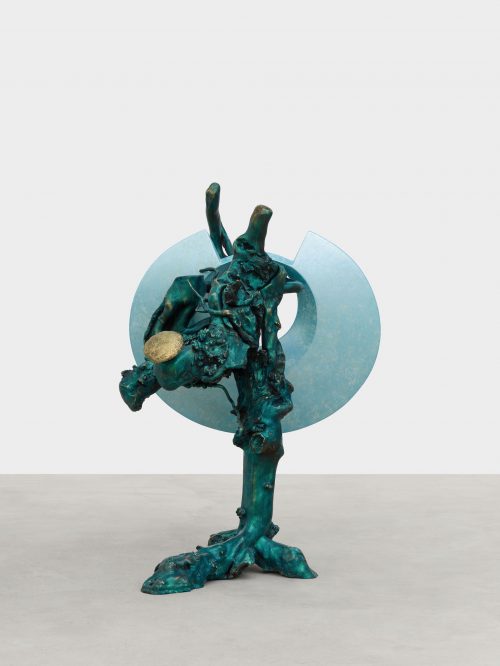
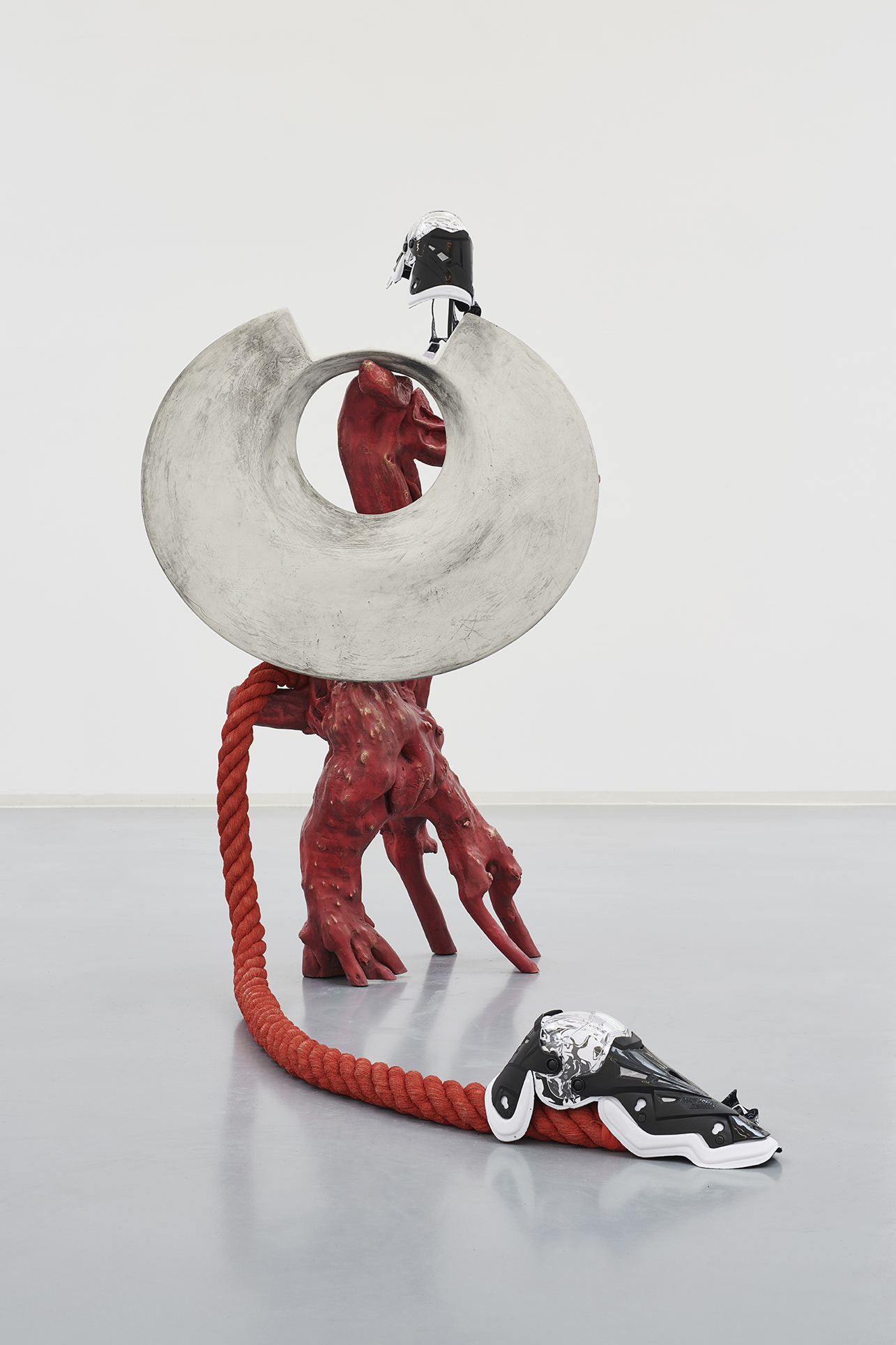
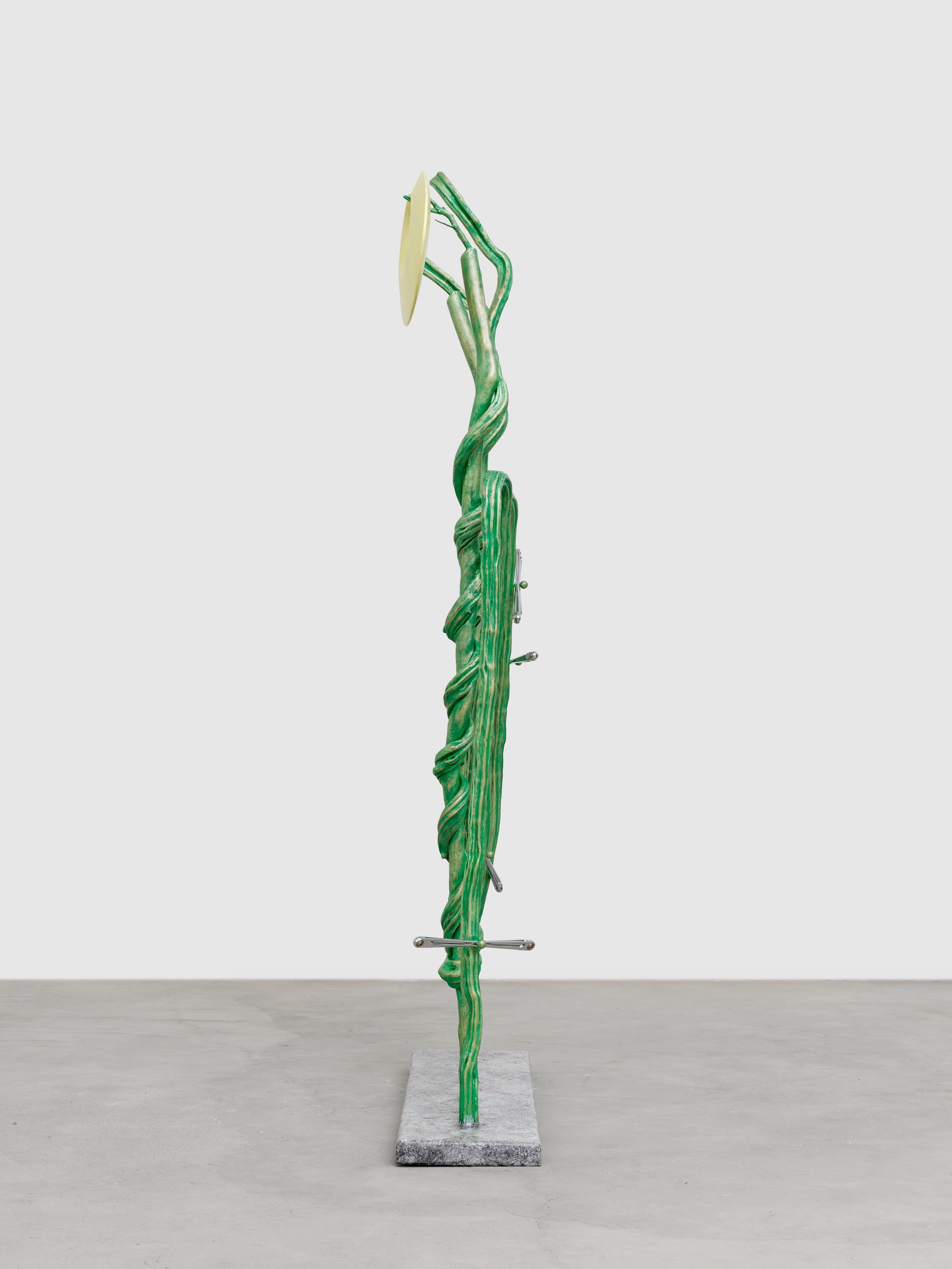
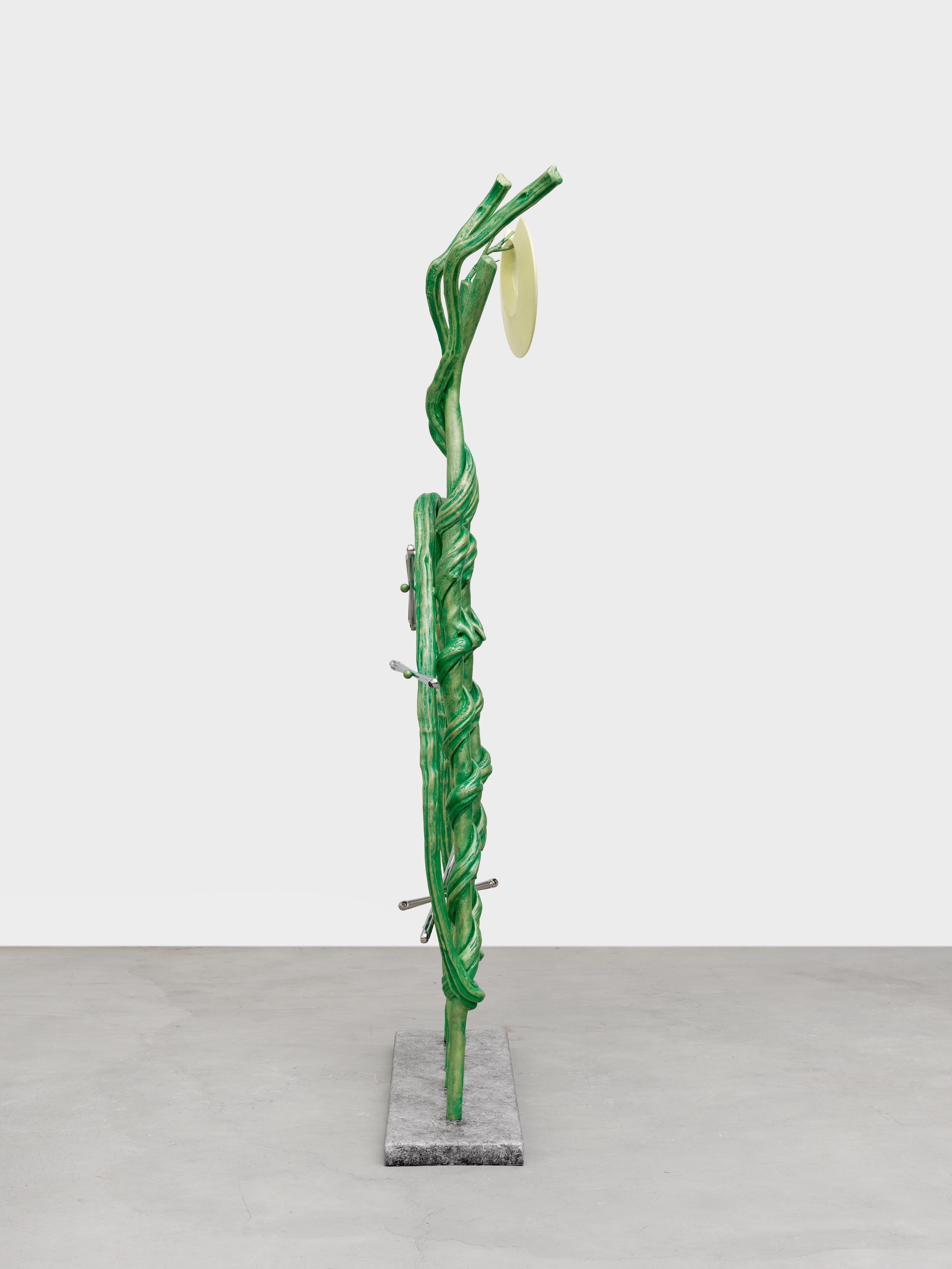
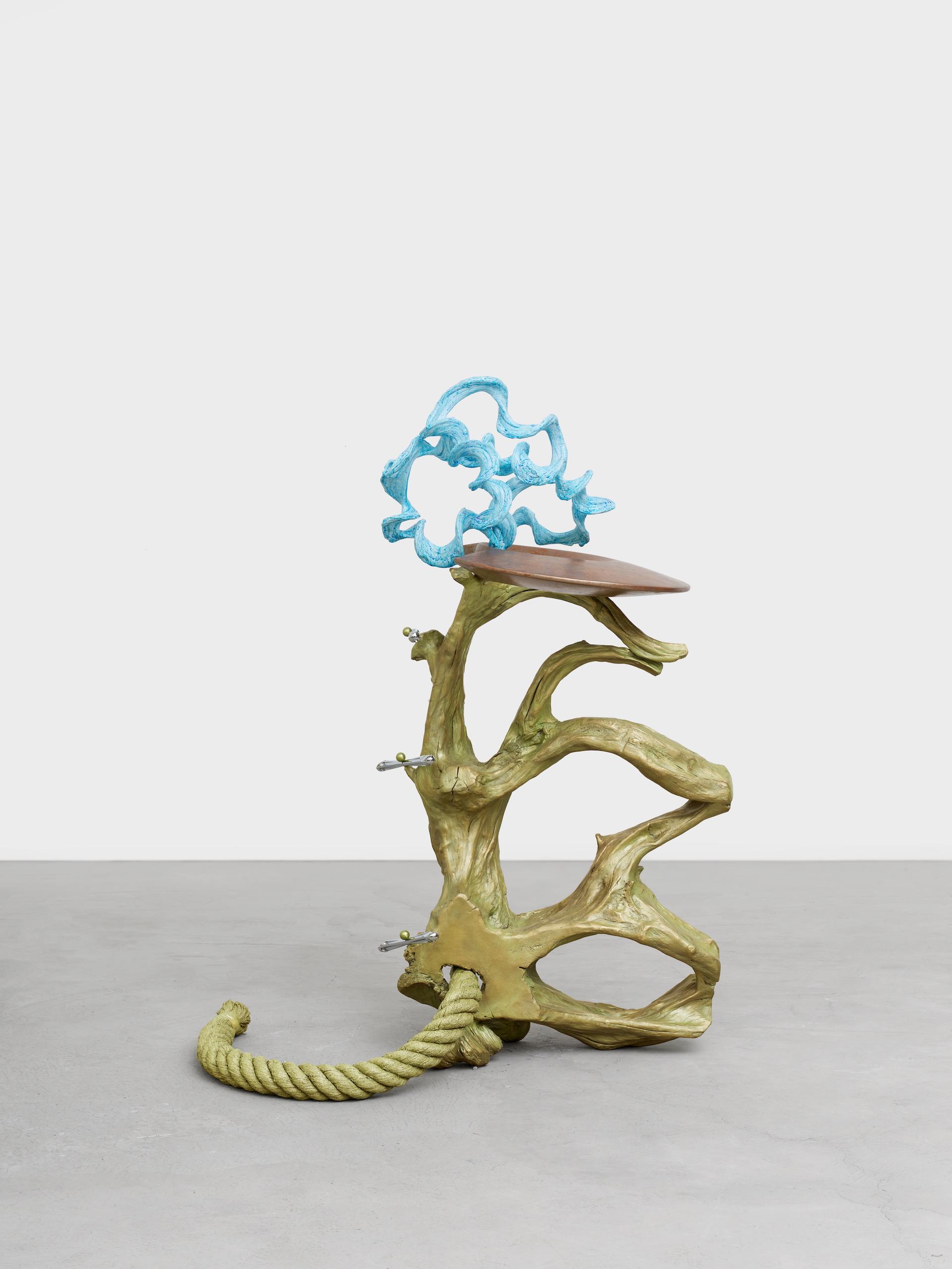
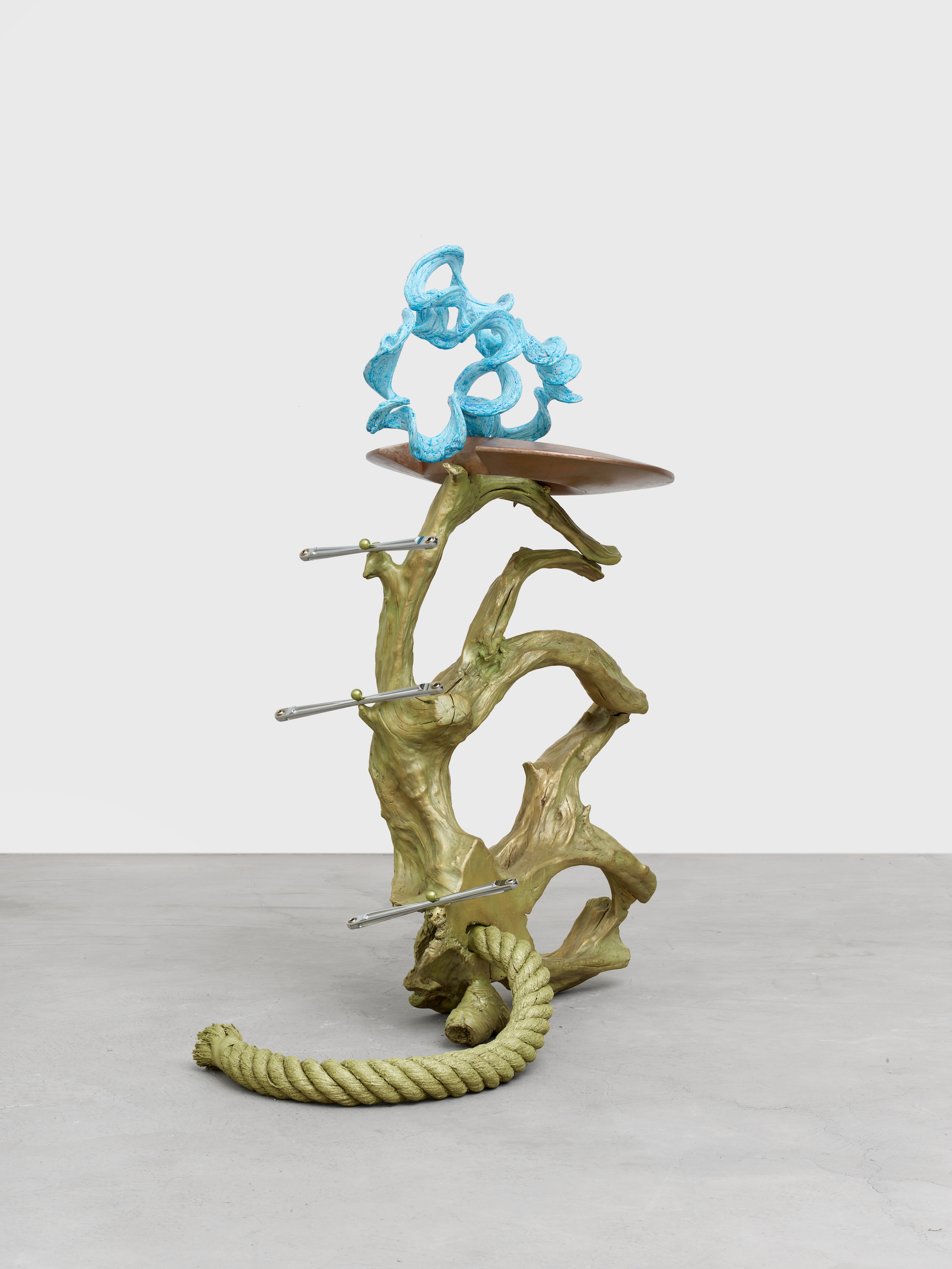
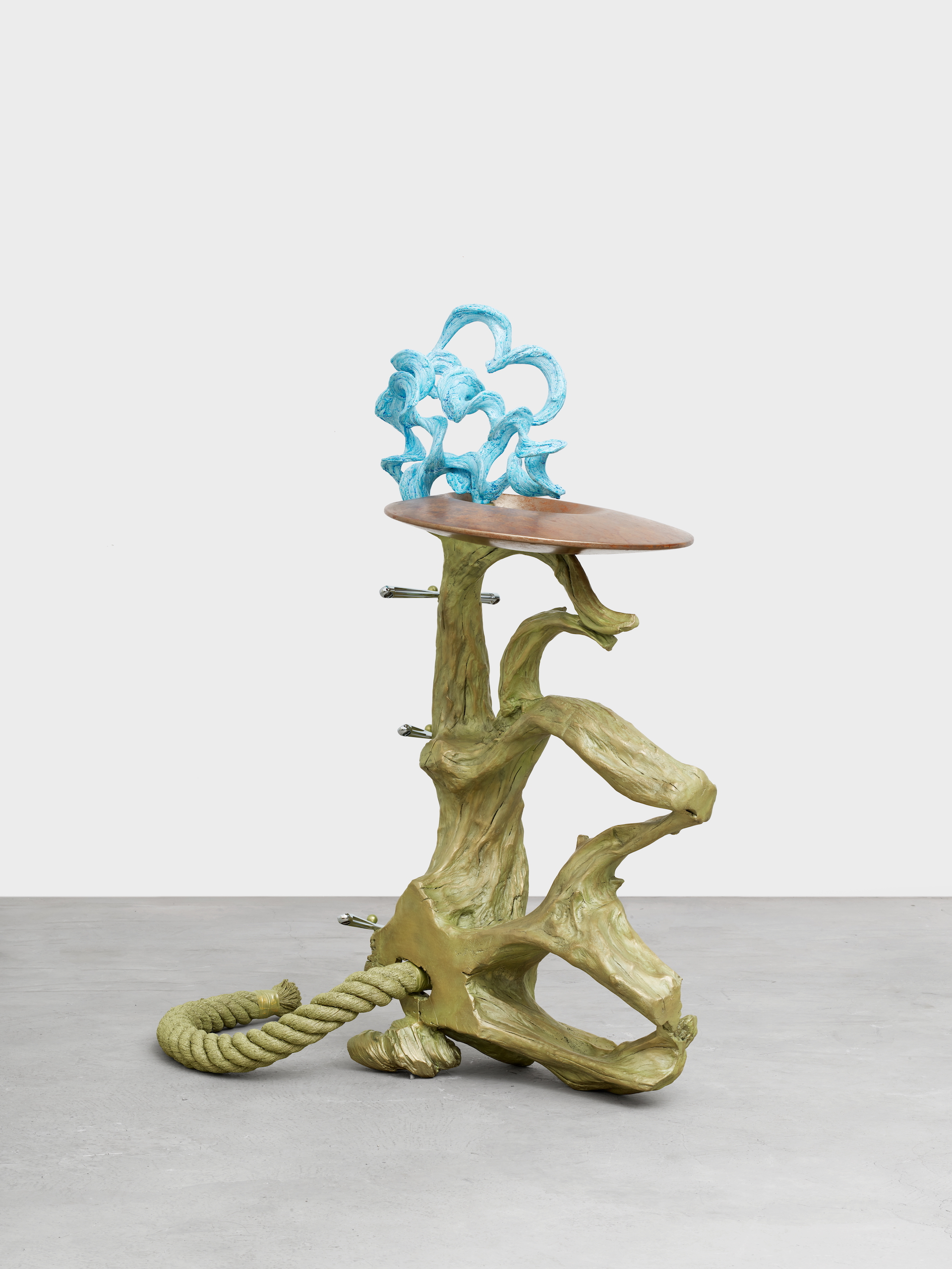
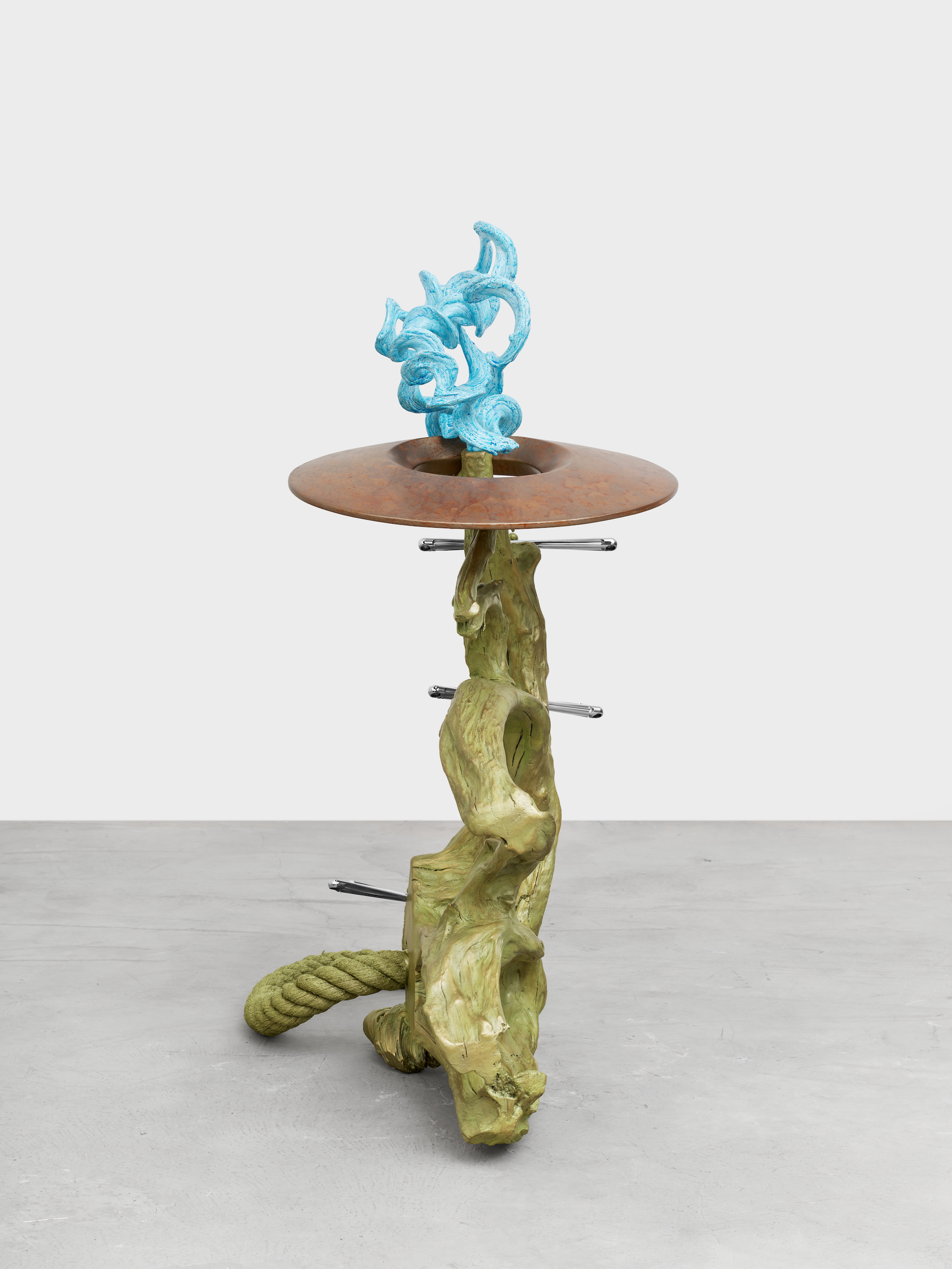
Guan Xiao, FEET, Ci6 dawn, 2023
Brass, rope, burnt acrylic color, and fiberglass
52 x 37 x 32 inches
unique in a series of 3
Relax.
The day is yet to arrive,
the wind is yet to blow,
the birds are yet awake,
and the bed is yet to go cold.
Swinging gently in natural drooping.
No hunting today.
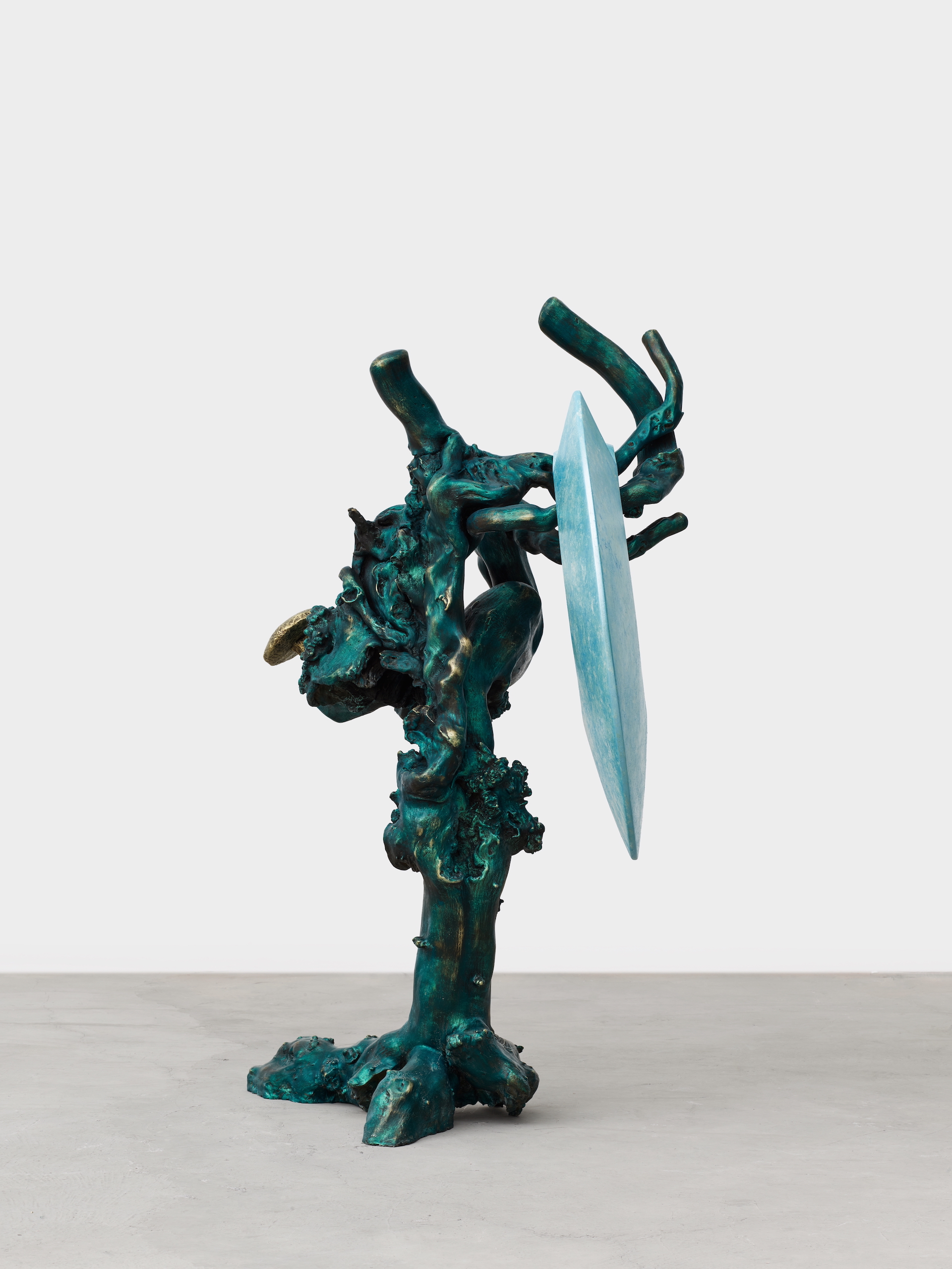
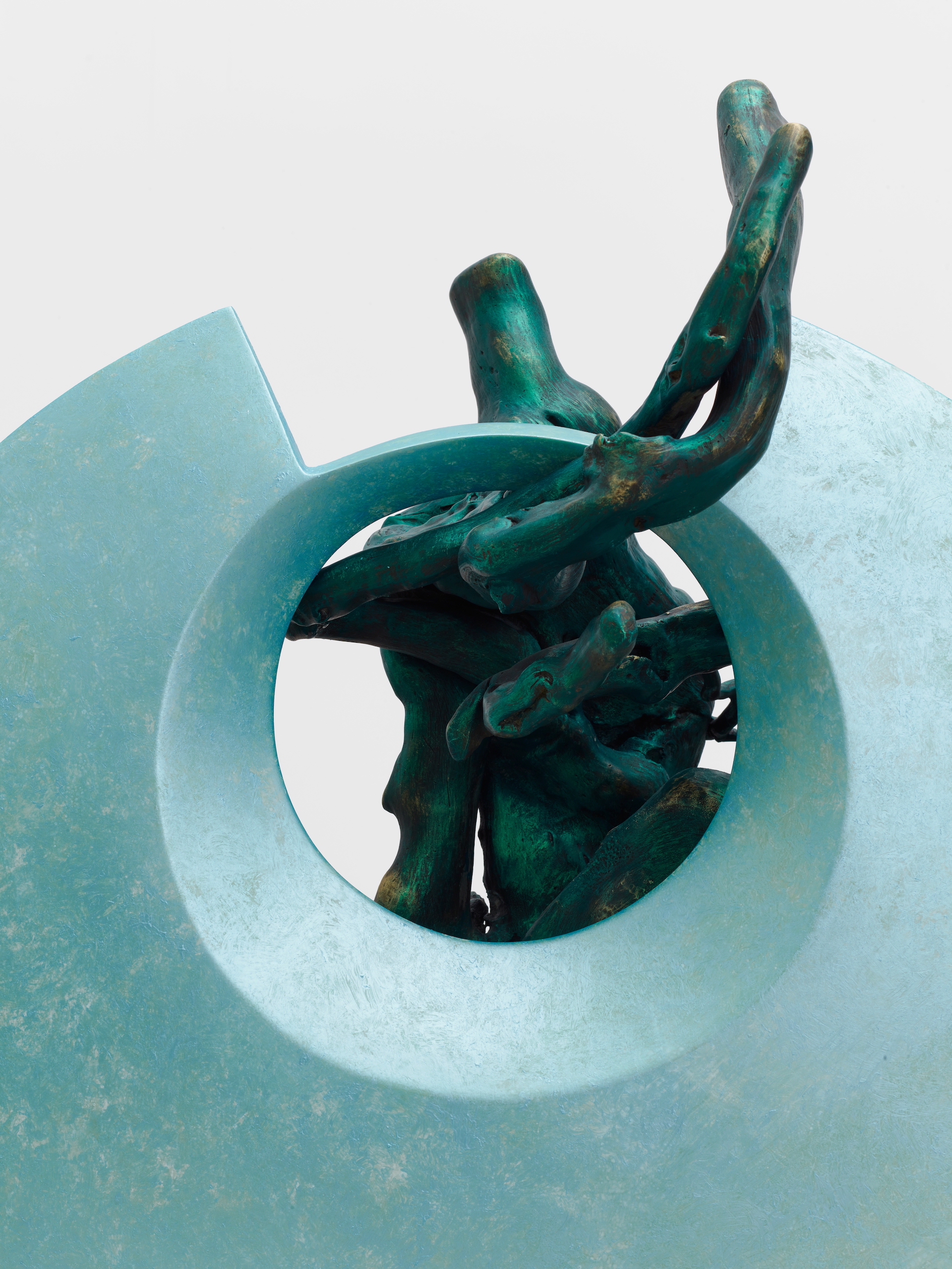
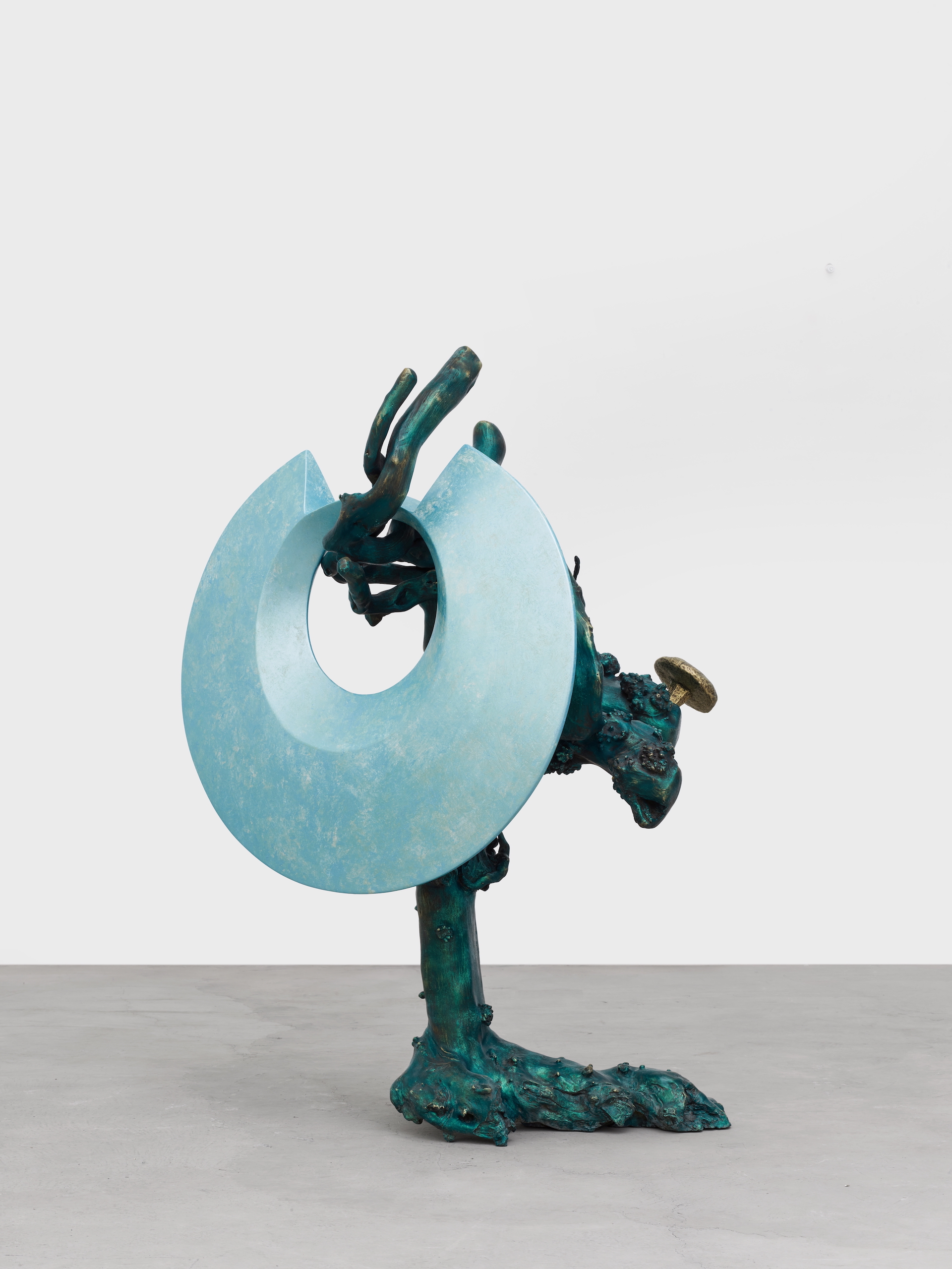
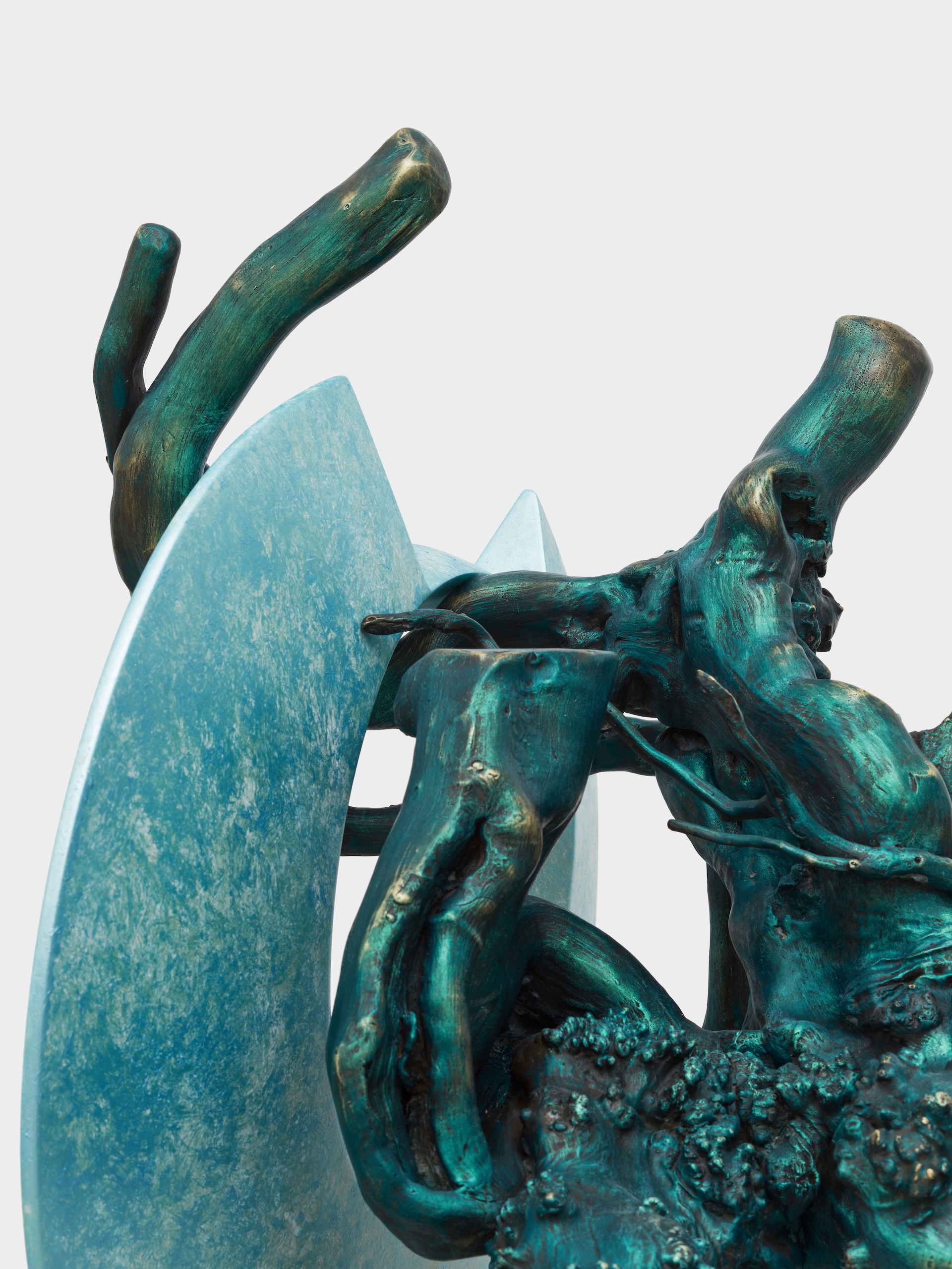
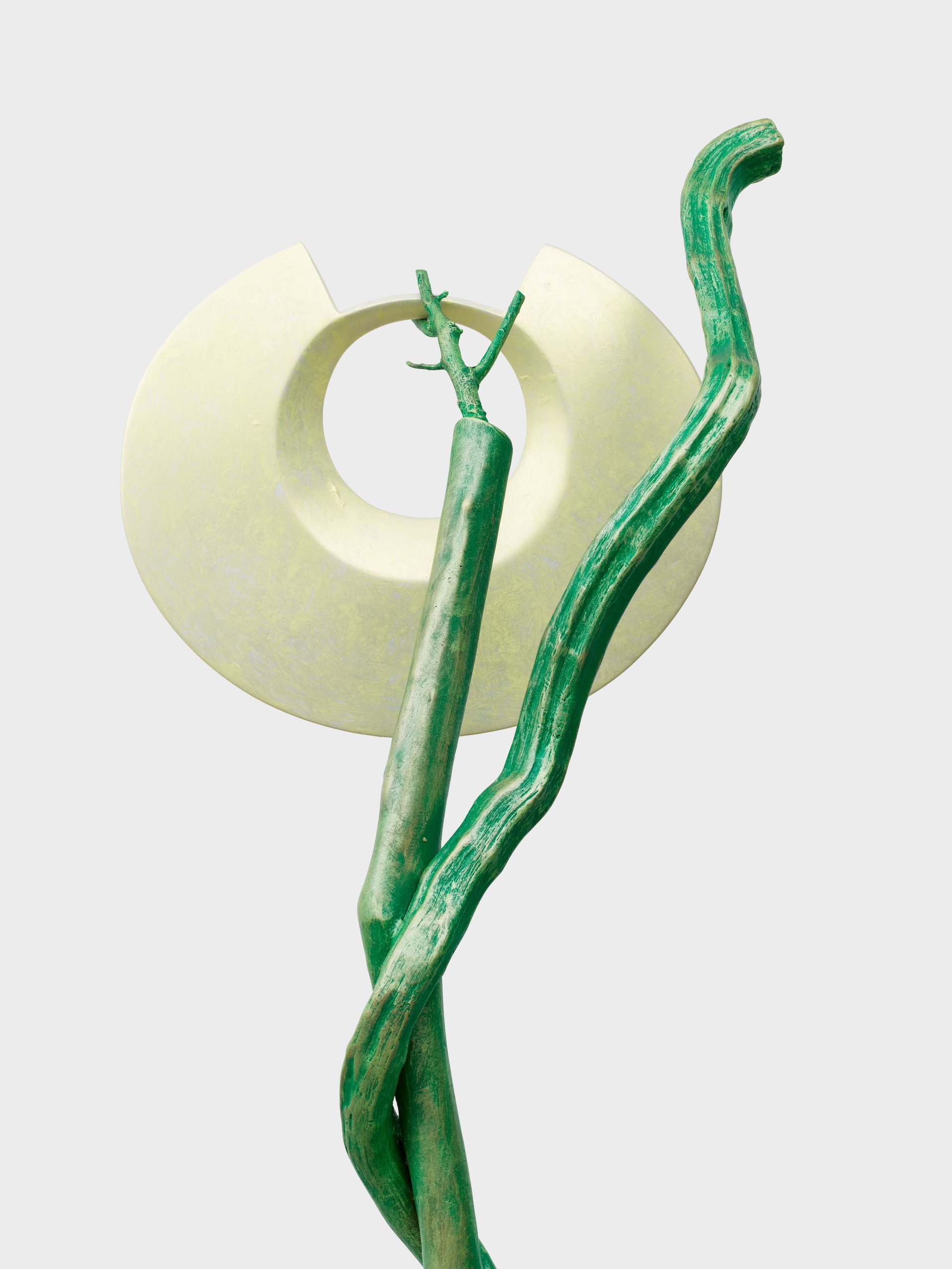
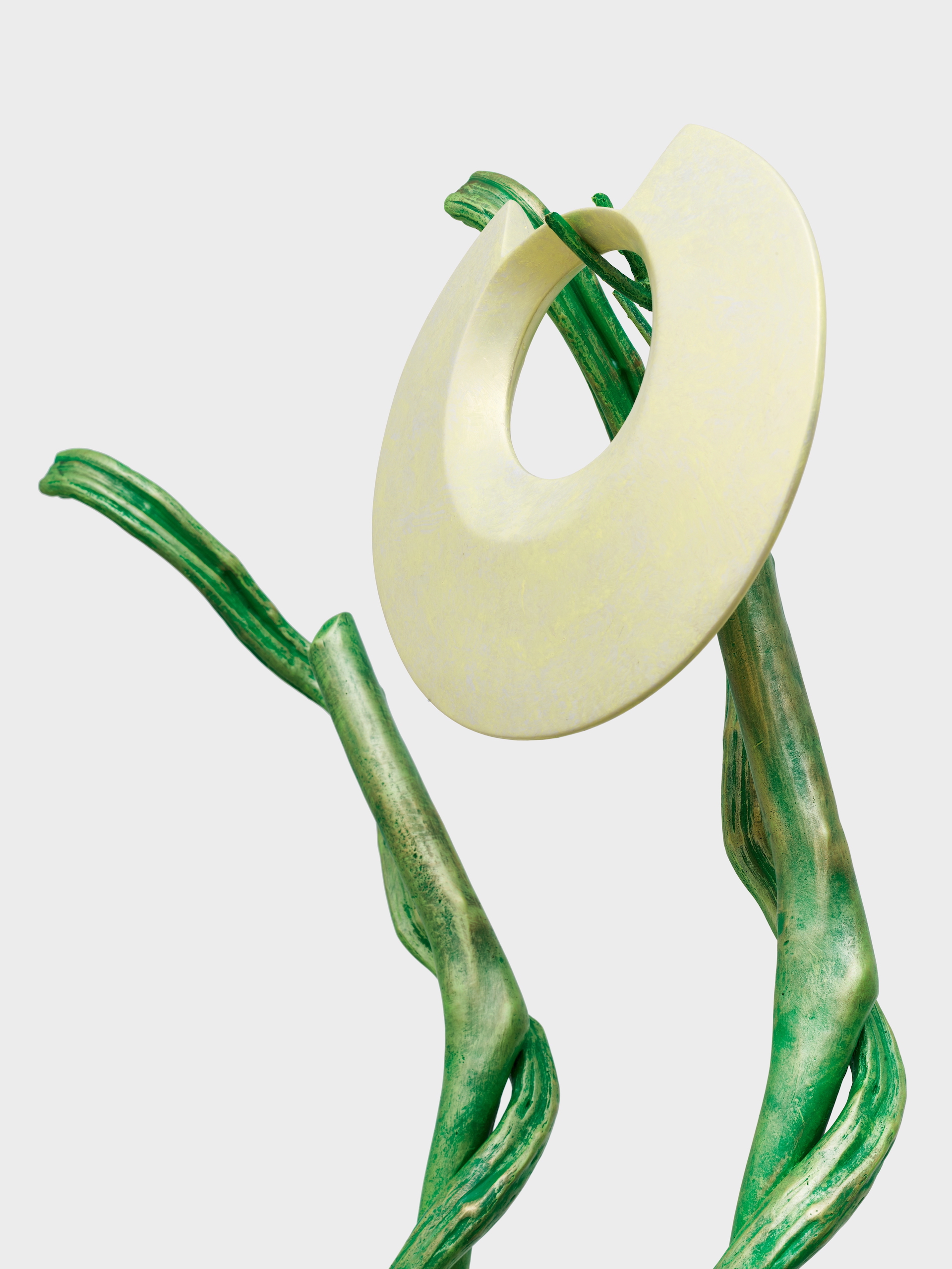
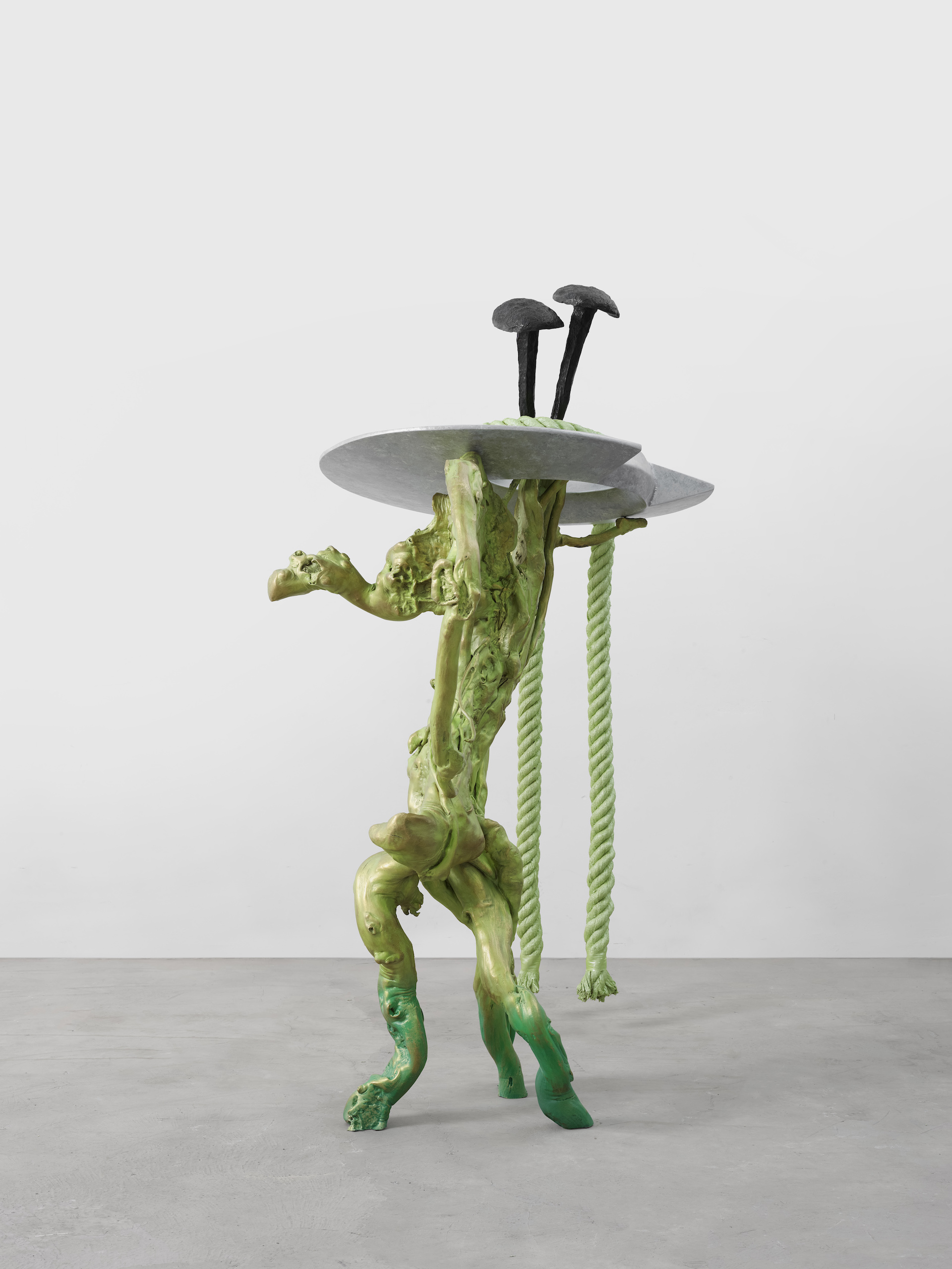
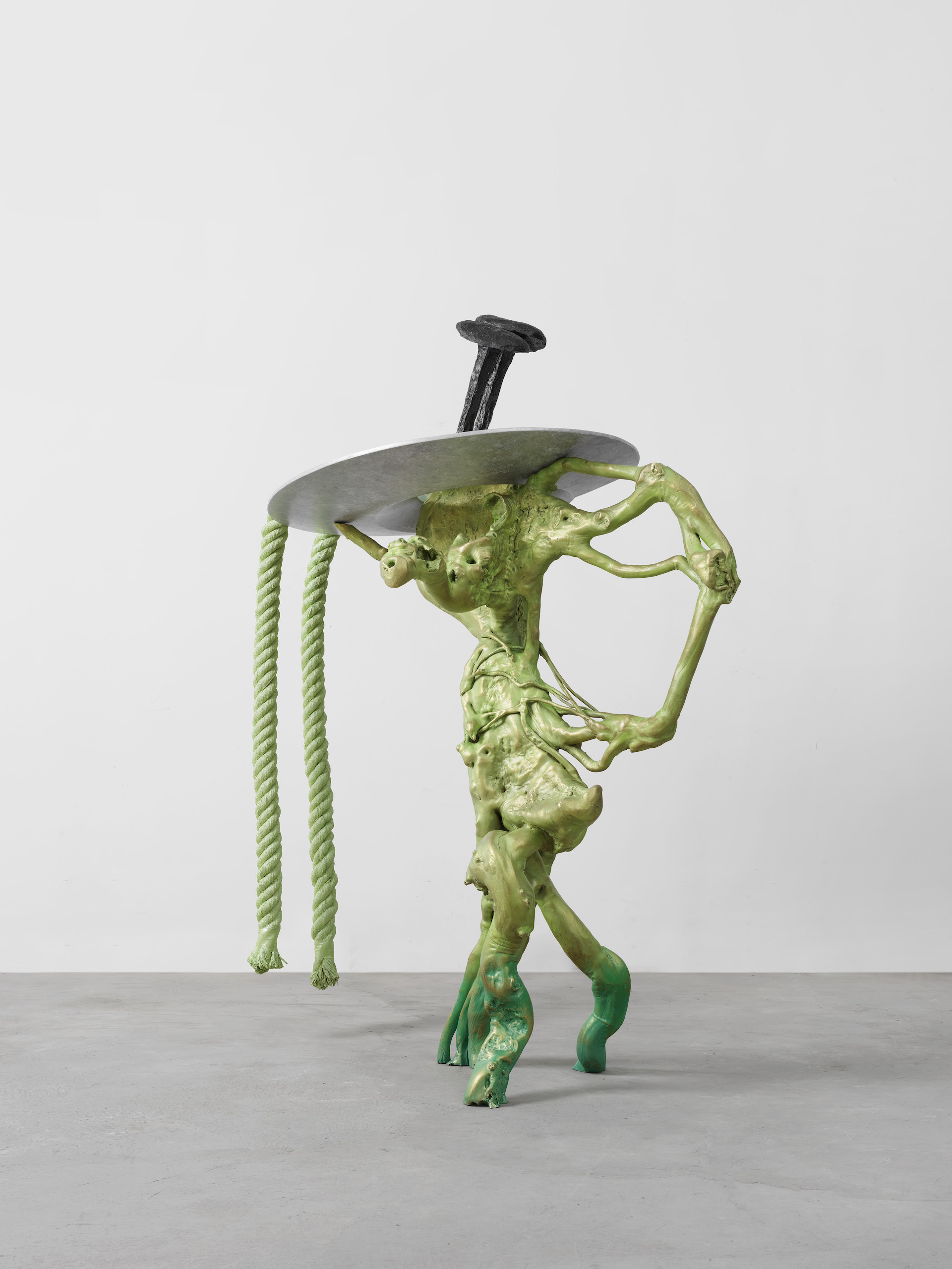
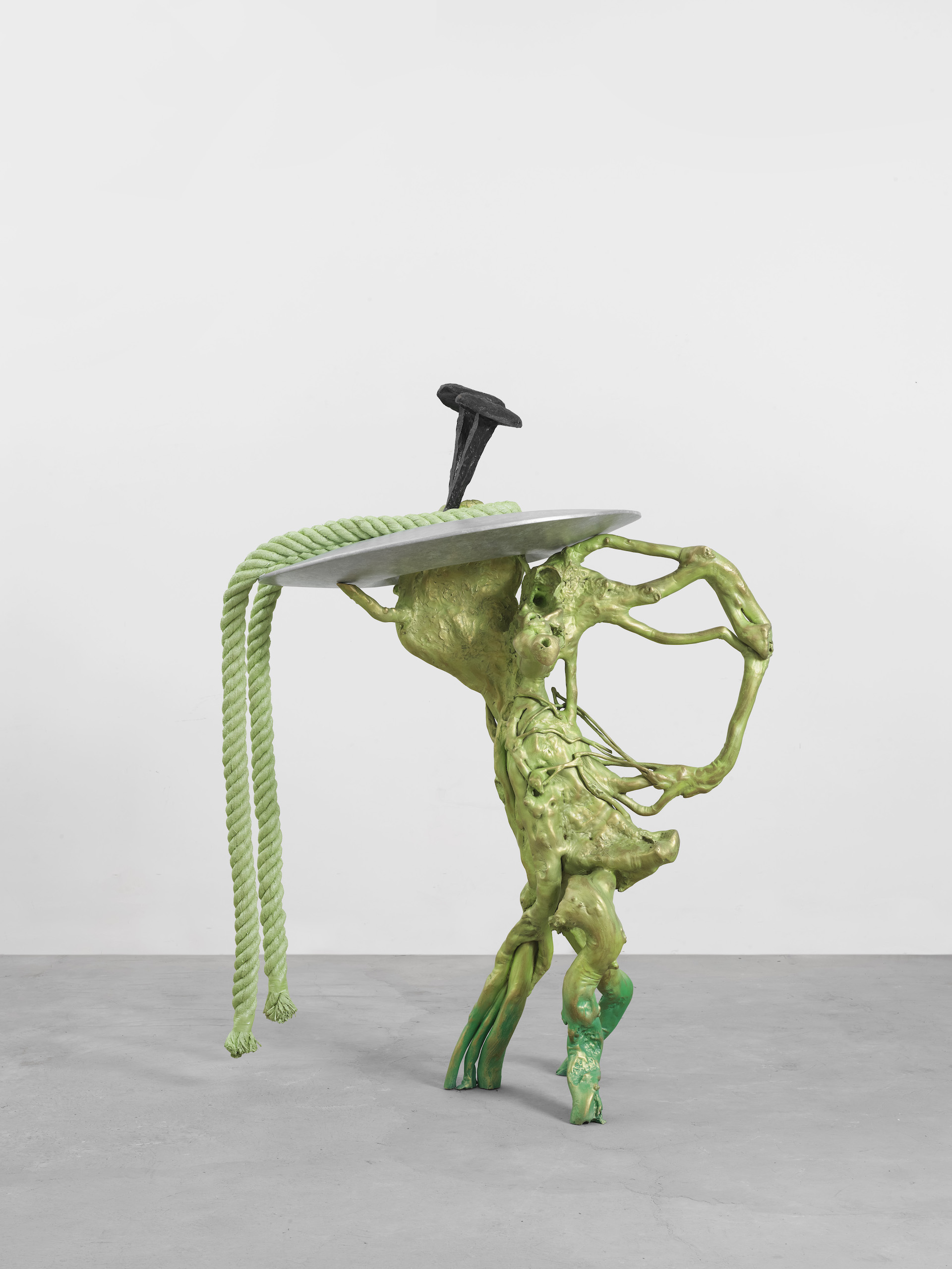
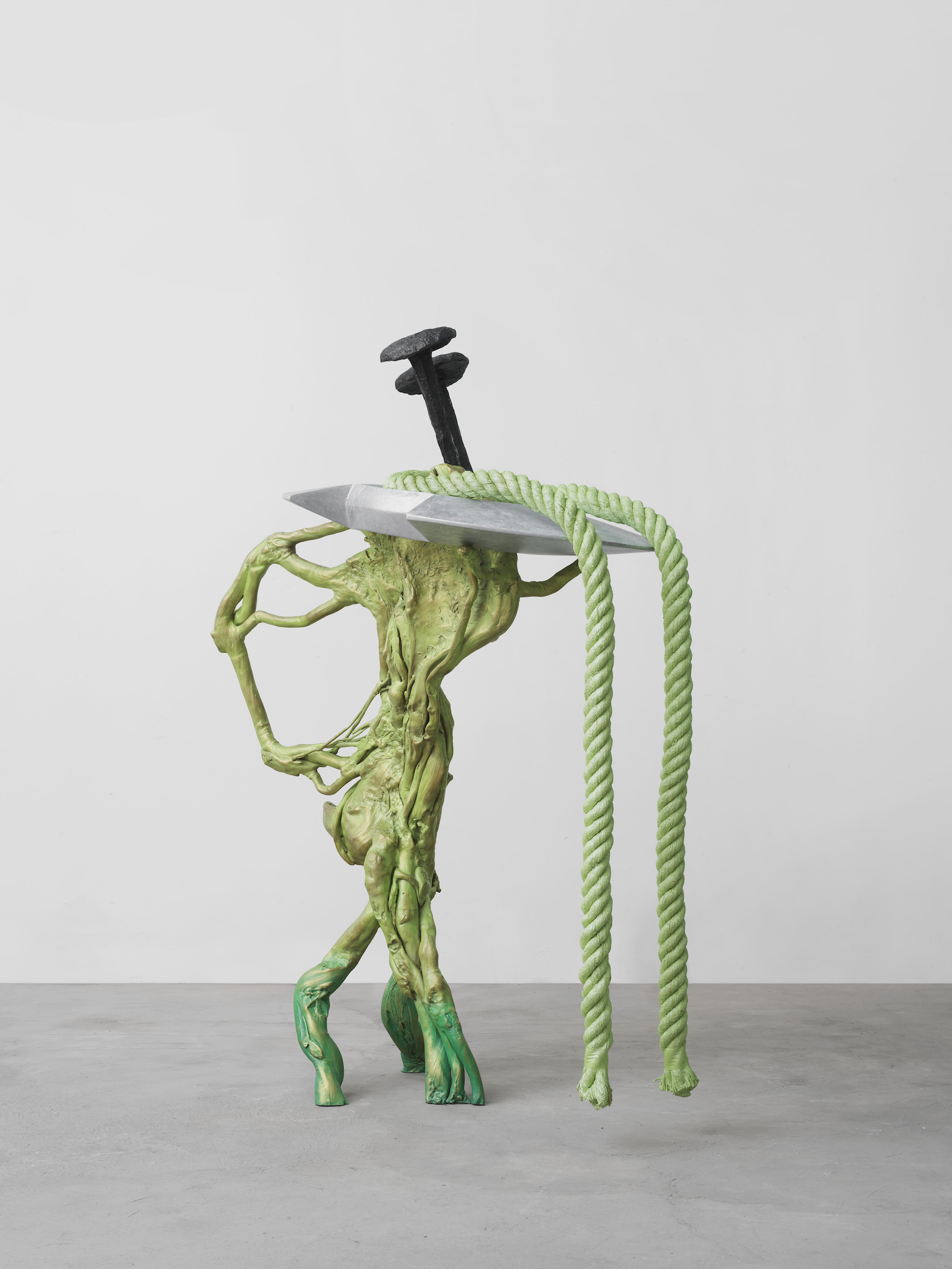
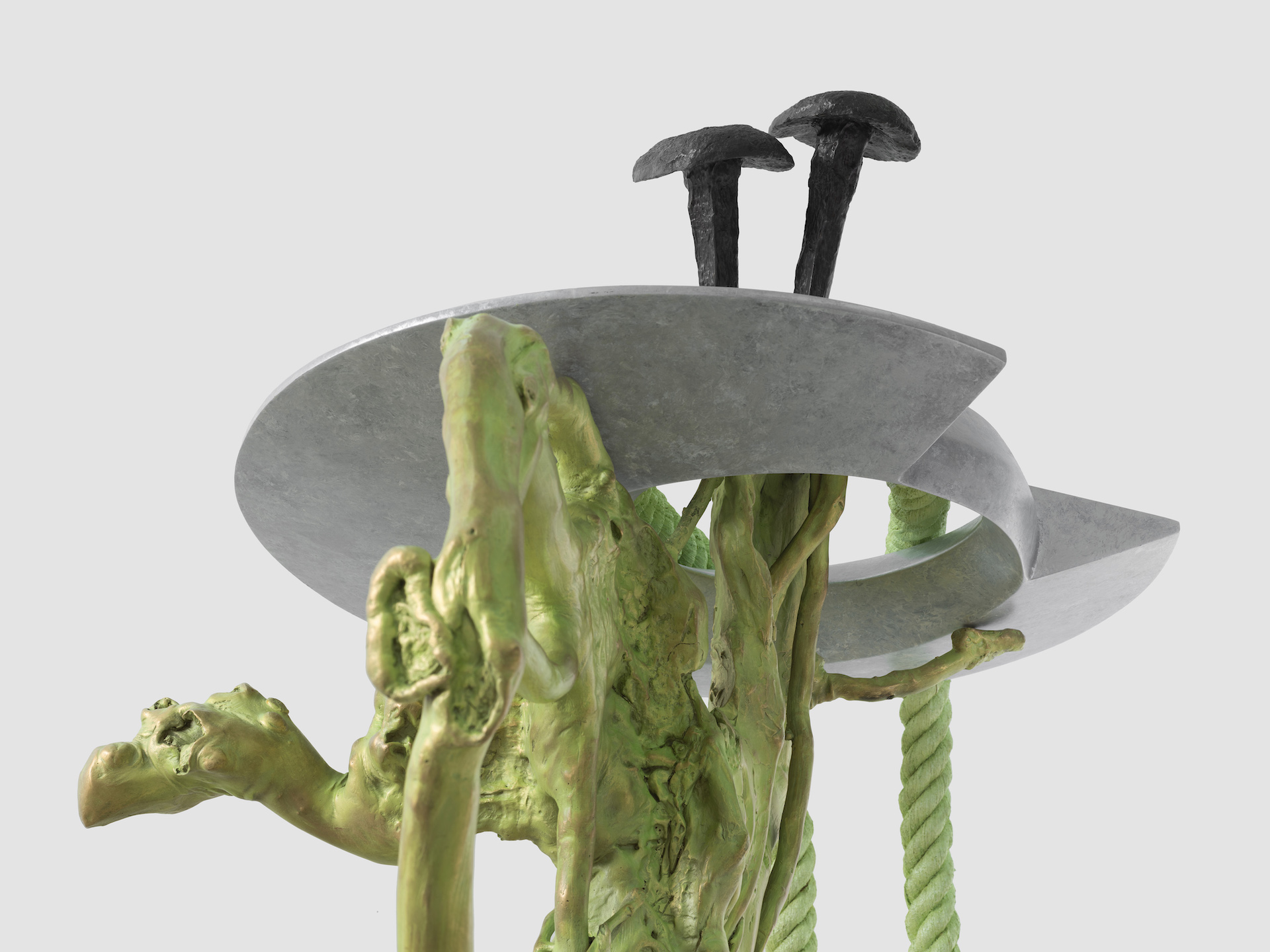
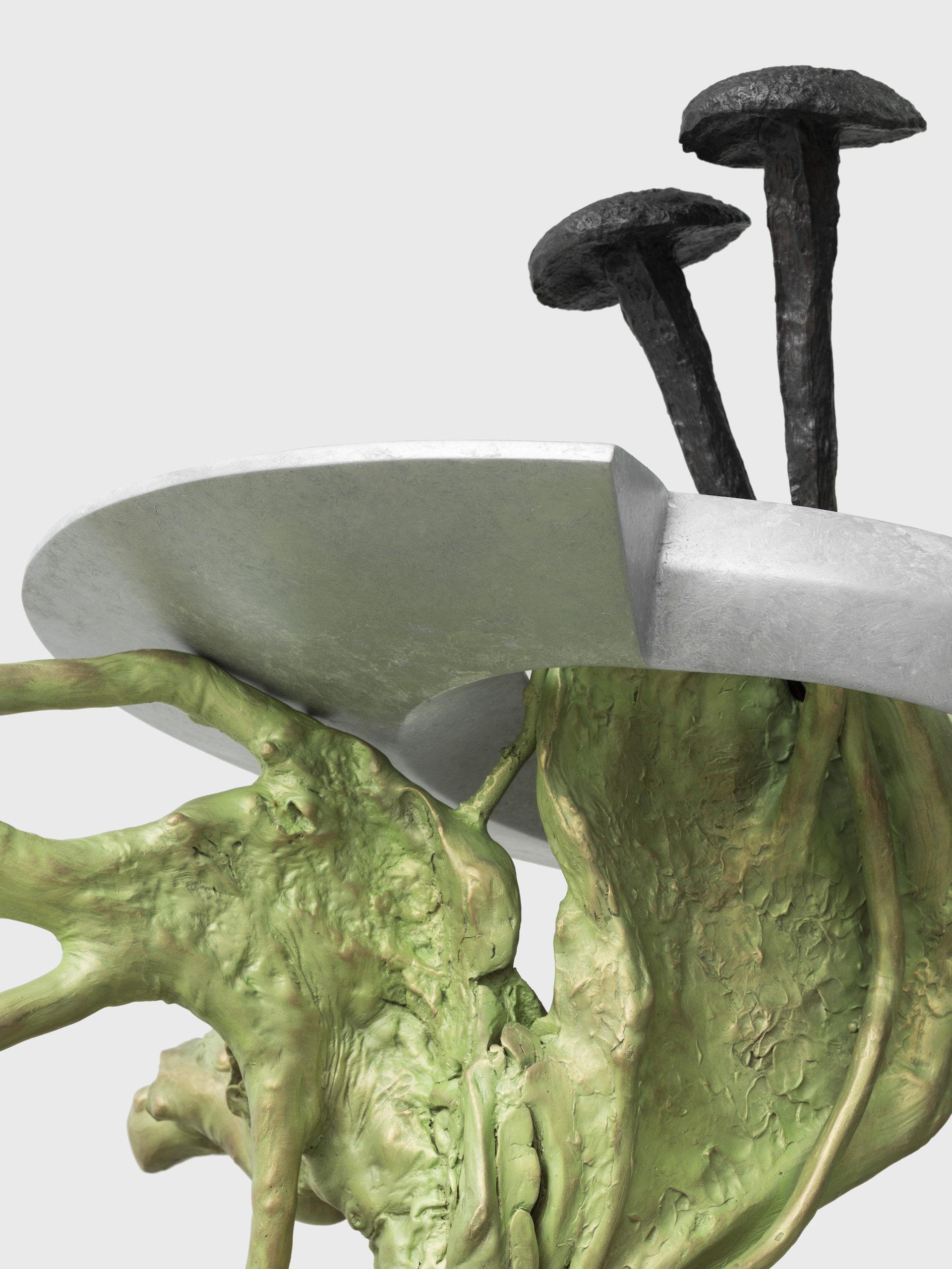
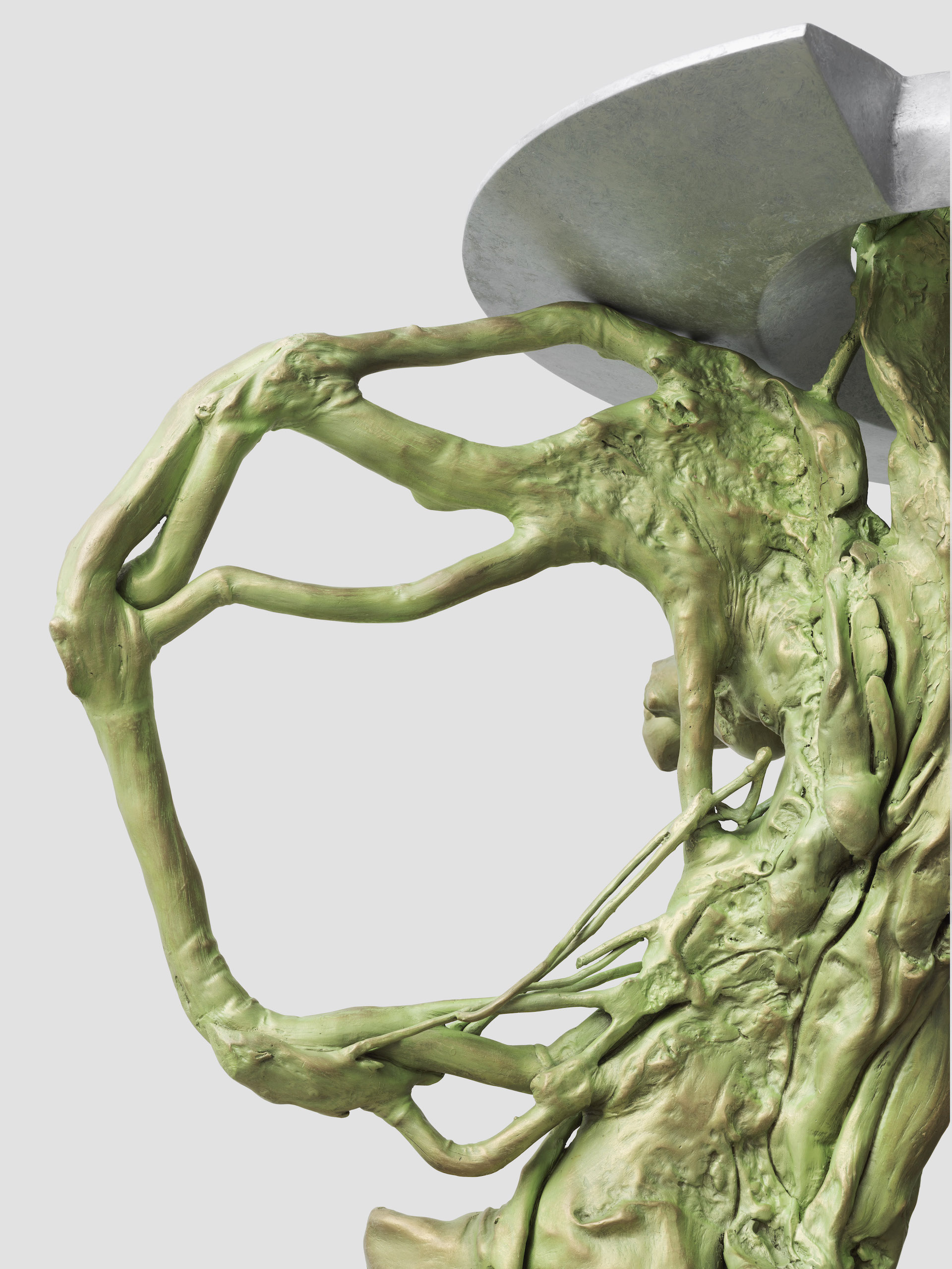
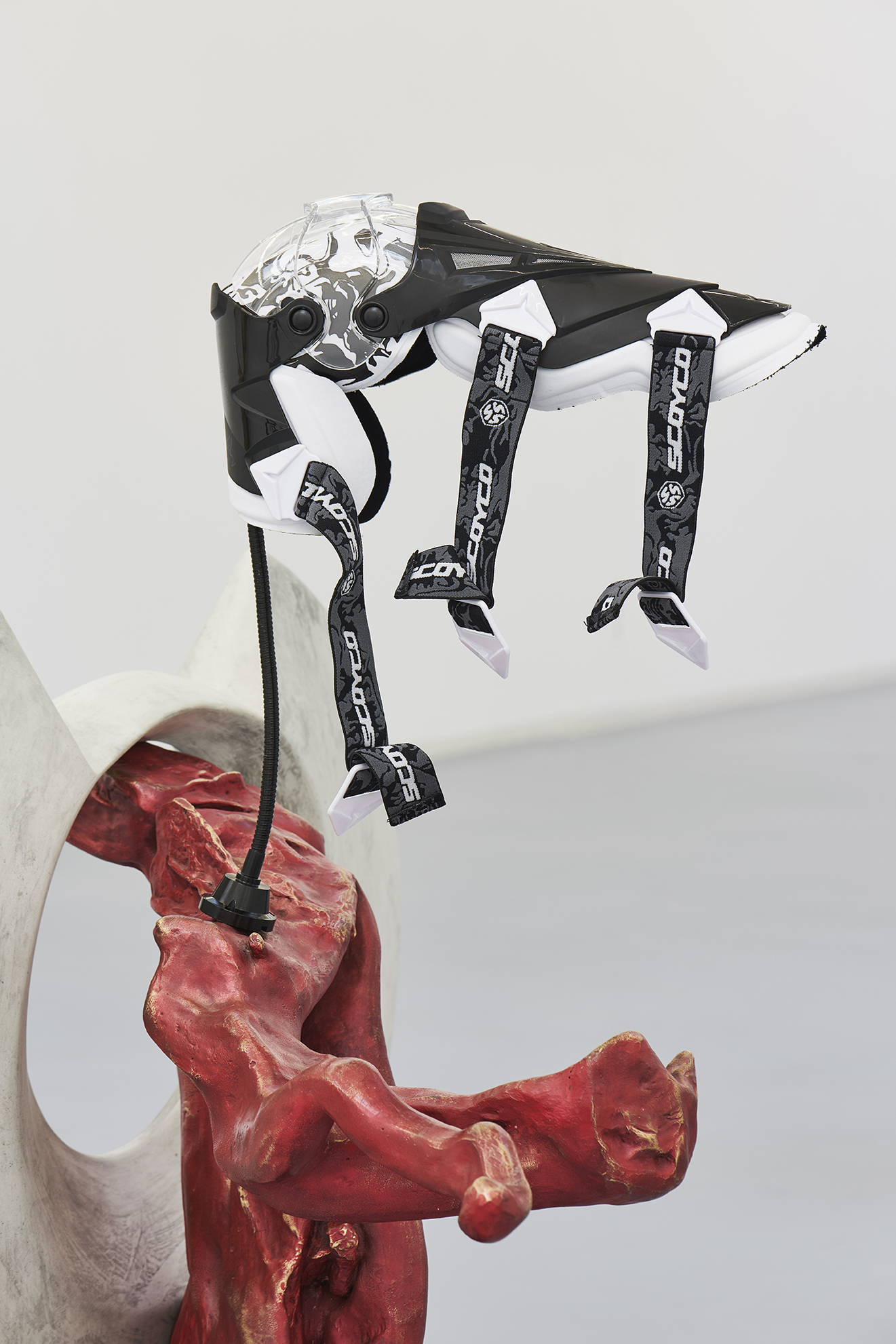
The “C,” “i,” and “6” are formal analogies of this sculpture. “FEET” is at the bottom of the sculpture and looks like a standing foot, hence the overall posture of the sculpture looks like a free-standing figure. The disc hangs effortlessly without a sense of deliberate installation, which acts as a leaf or a hanging shield. The nails represent the stems of the plant, and the spears, and a piece of thread. I want to render a natural laxity with a loose sculptural structure. The sense of light is essential to me, so I chose “dawn” because it is the most relaxing time of the day, a magical moment that is unlike the peaceful night, but a calmness with transparency when everything is yet to happen, everything is waking up, everything is possible, everything is in time.
The leaves hang low, the treetops tremble lightly, the shield hangs on the wall, and the spears lean next to the trees. The radiance at dawn nourishes the earth like limpid water.作品信息Information -
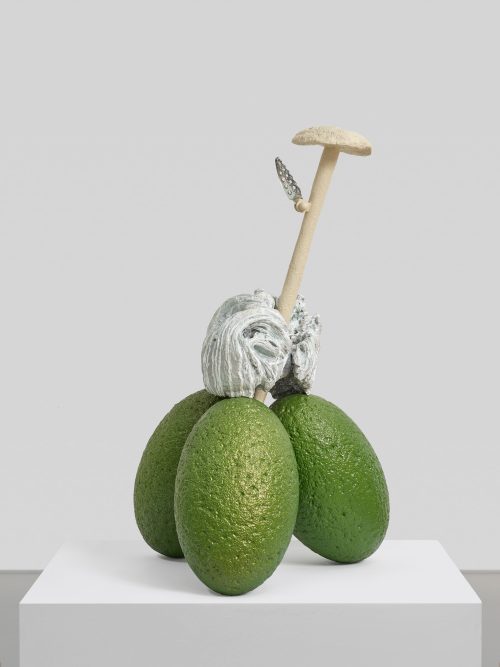
Guan Xiao, the Rising Torch, 2023
83 x 64 x 98 ~ 100cm
brass, acrylic, and motorcycle parts作品信息Information -
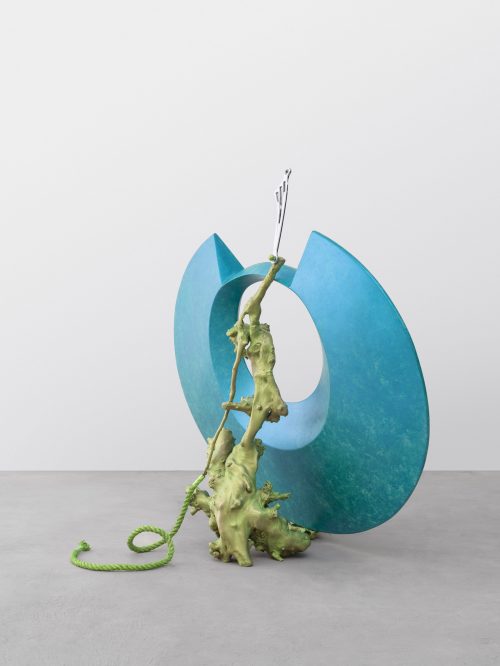
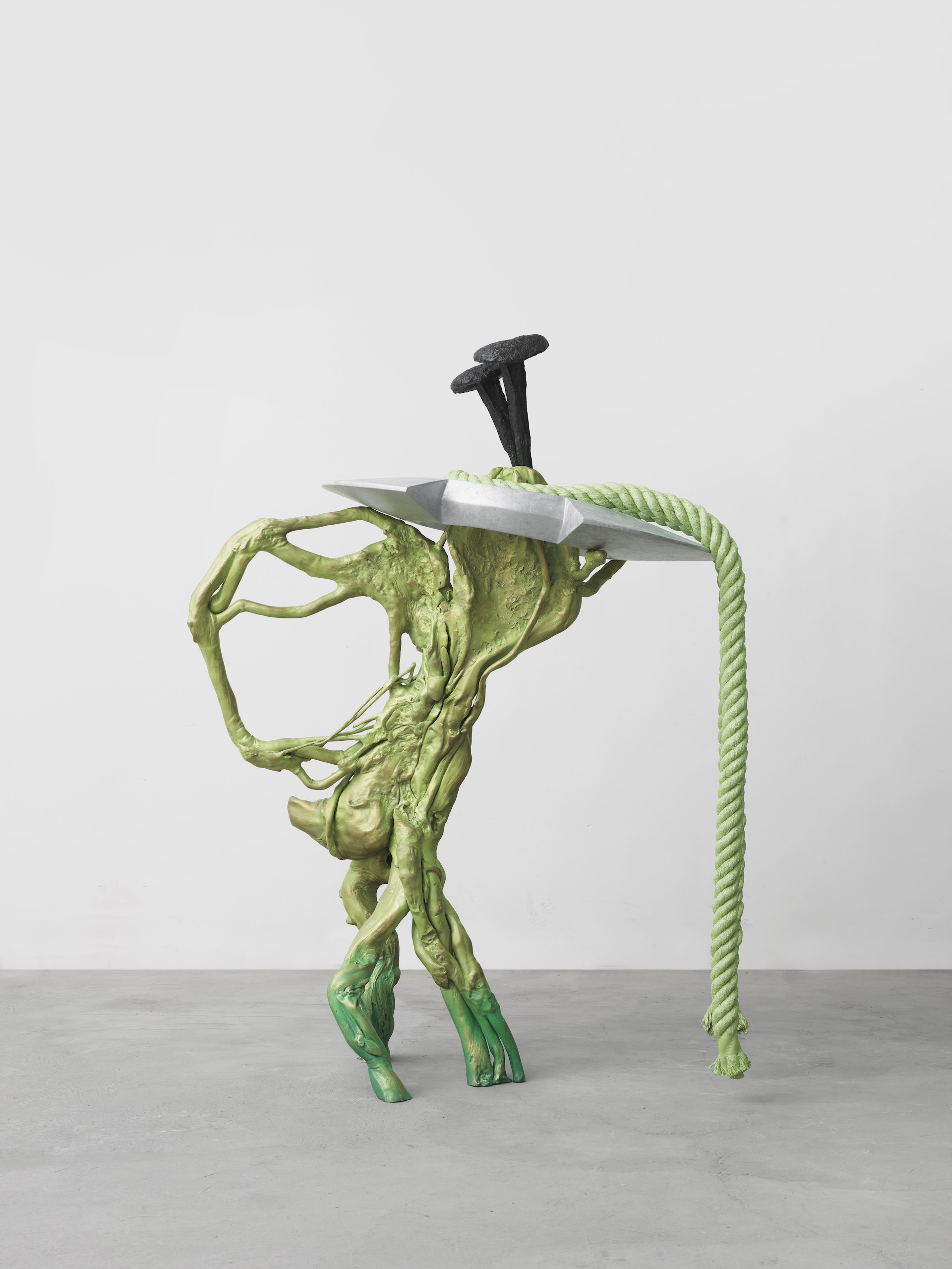
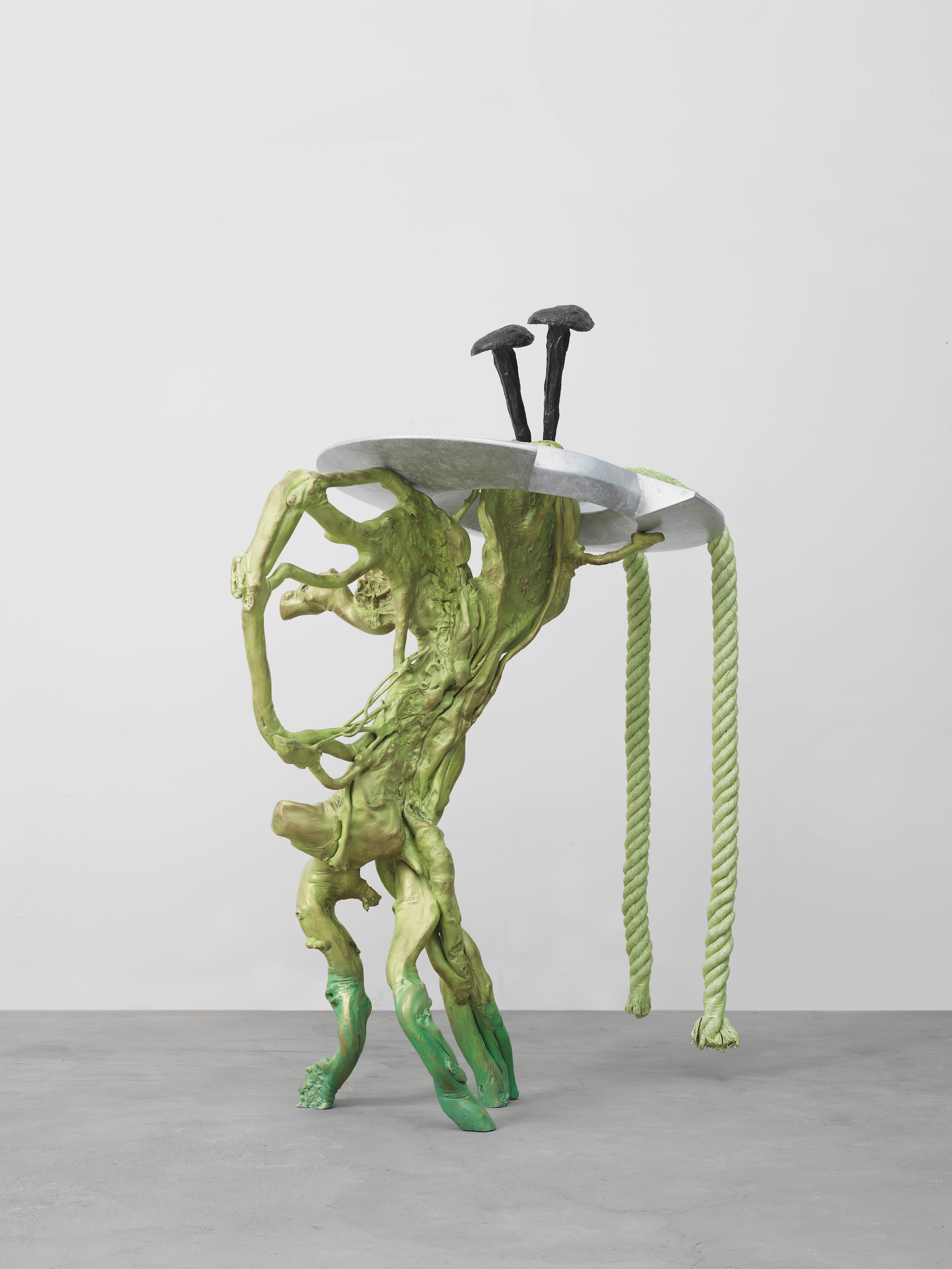
Guan Xiao, FEET, 0&Q storm, 2023
Brass, burnt acrylic color, motorcycle parts, rope, and fibreglass
51 x 50 x 50 inches
unique in a series of 3
Ants hiding under a leaf during a storm
The leaves of plants and human shields share similar characteristics, both in shape and functionality. Whether plants inspired humans to make shields, or all life on earth shares the same memories, is hard to affirm. The leaves tremble violently in the heavy rain, and under one of them hide a few tiny ants, a ladybug, and a butterfly with wet wings. They wait motionlessly and quietly for the heavy rain to pass, so they can climb onto the leaf and enjoy the energy from the sunlight anew.
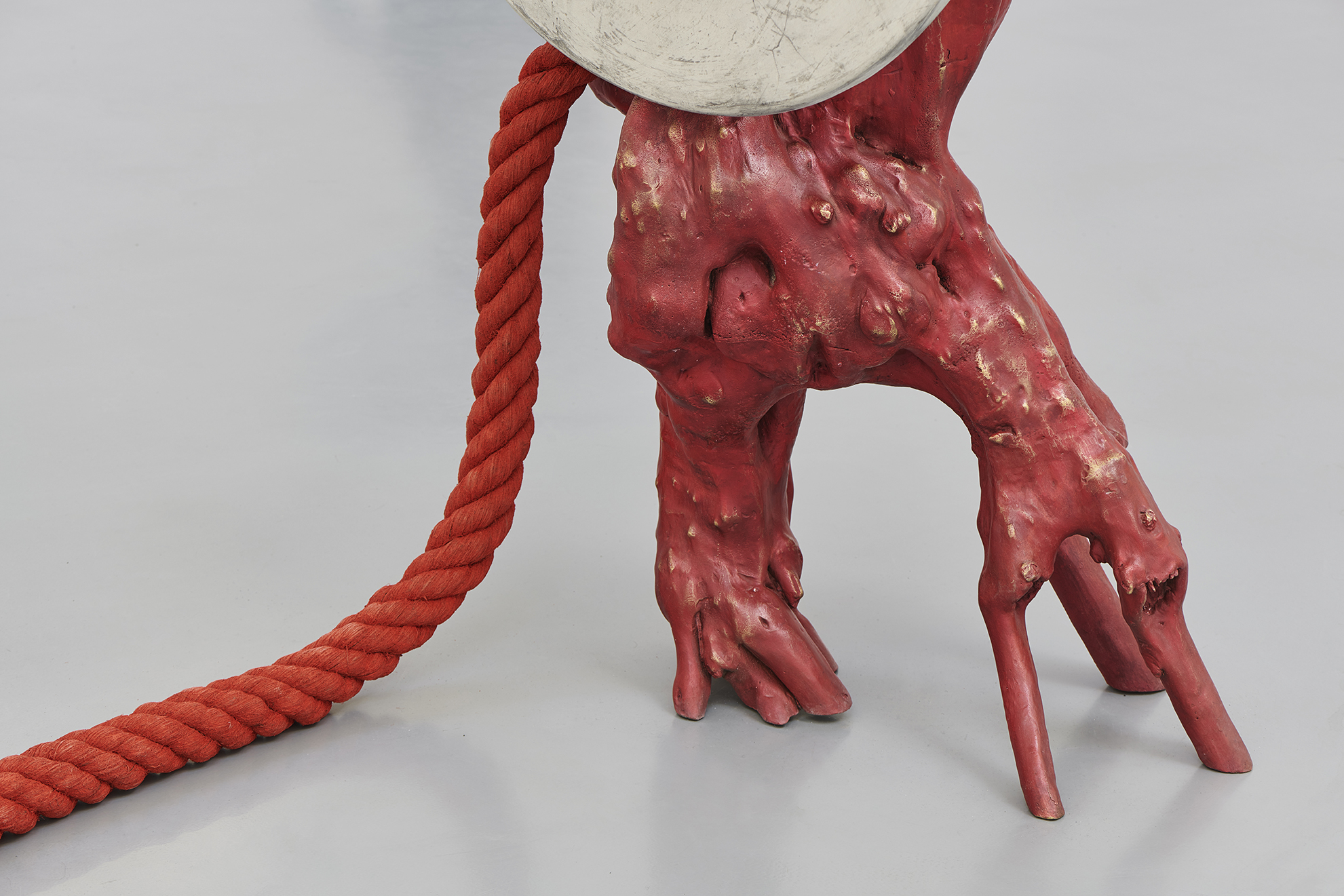
The main body of this sculpture resembles a warrior standing with a spear in his hand, which extends to the ground and becomes a soft rope and the plant’s stem. He leans behind the disc, perhaps his giant shield or a shelter behind the leaf.作品信息Information -
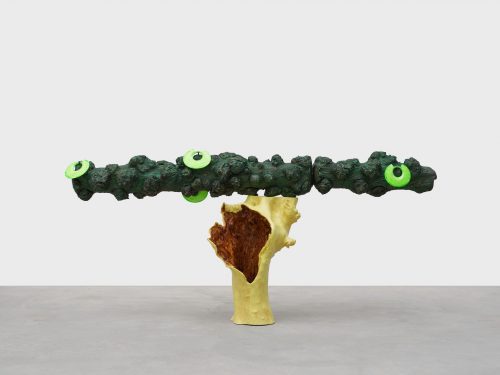
Guan Xiao, Horizontal line, Road Trip, 2023
Brass, rope, burnt acrylic color, and fiberglass
horizontal trunk: 227x38x30cm
41 x 89 x 16 inches
unique in a series of 3
The “Horizontal line” is how I conceive a sculpture that consists of top and bottom parts. In any sculpture or object that is divided into two parts, there is a horizon line, depending on our perspective angle. Like the horizon that divides the sky and earth, or the sky and the ocean. It’s also similar to when our body lies flat with a bed beneath it, a piece of paper placed on a table, or a couple embracing one another. It divides things into two as much as it unites them.
The undulating structure of this sculpture suggests the various unexpected events on a road trip, which can be scenic views and obstacles.作品信息Information -
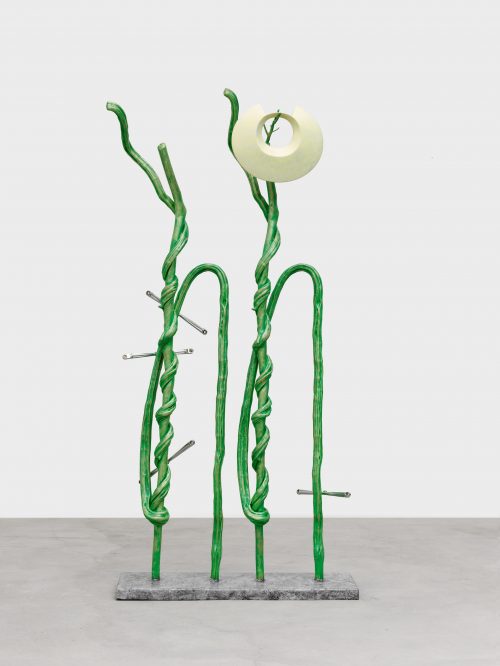
Guan Xiao, Twin Servants (Vertical Lines, Dinner in the Jungle) , 2023
Brass, burnt acrylic color, fiberglass, lacquer, stainless steel, motorcycle parts, and toner
87 x 45 x 14 inches
unique in a series of 3
Dinner in the jungle
the moon hangs atop a tree
cutleries scatter all over the place,
no one’s eating,
and no one’s sleeping.作品信息Information -
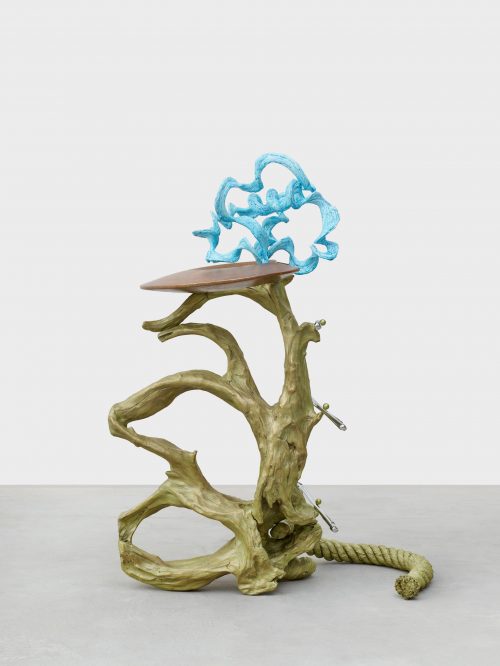
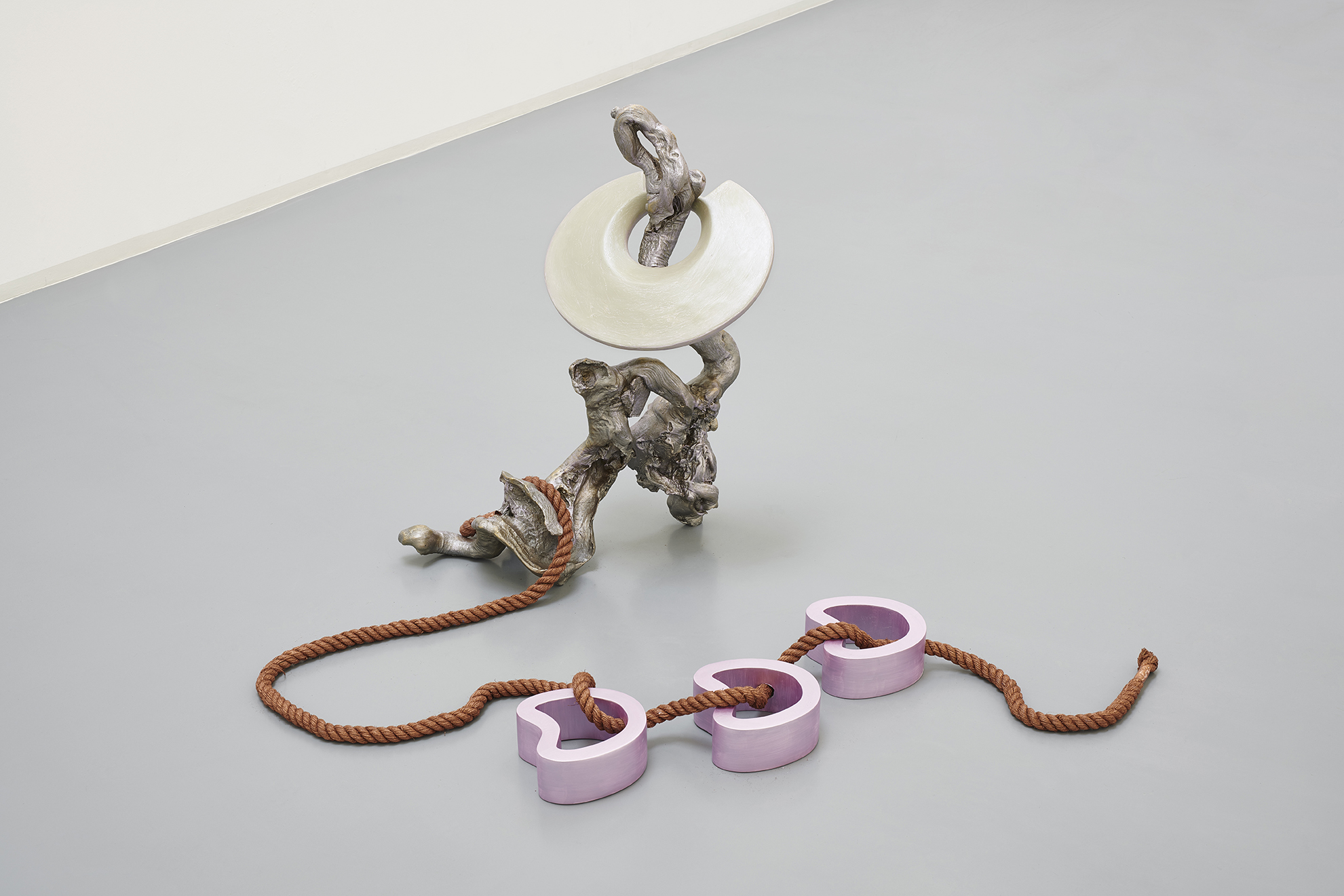
Guan Xiao, The Stars Overhead, OK-3, 2023
Brass, rope, burnt acrylic color, fiberglass, and motorcycle parts
56 x 33 x 26 inches
unique in a series of 3
If one were to film the motion of the stars for 24 hours, one would see multiple loops. And if such observation were to be carried out continuously for one year, their positions would change into intricate and tangled curves in constant variation and rotation. The stars overhead are analogies for the curly shape of the upper part of the sculpture. The letter “O” refers to the disc, and the “K-3” refers to the bottom structure, which looks like a K and 3 are coming together. The rope embodies both a soft spear, the roots and stems, and the lines that hold them together. Both the rope extending to the floor and the ready-made objects suggest the piece of thread undermining the boundary of this sculpture and outwardly expressing a kind of exchange and invitation.作品信息Information -
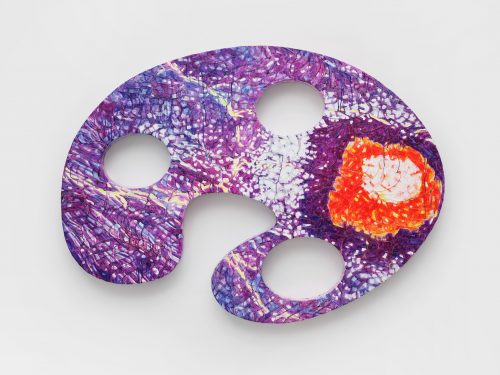
Guan Xiao, Velvet, Oedo, Lily pads in the pond, 2023
Wood panel, poly-putty base, paint
164 (L) x 120 (W) x 7.5 (D) cm作品信息Information -
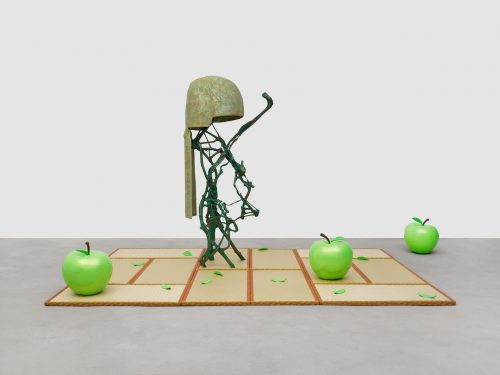
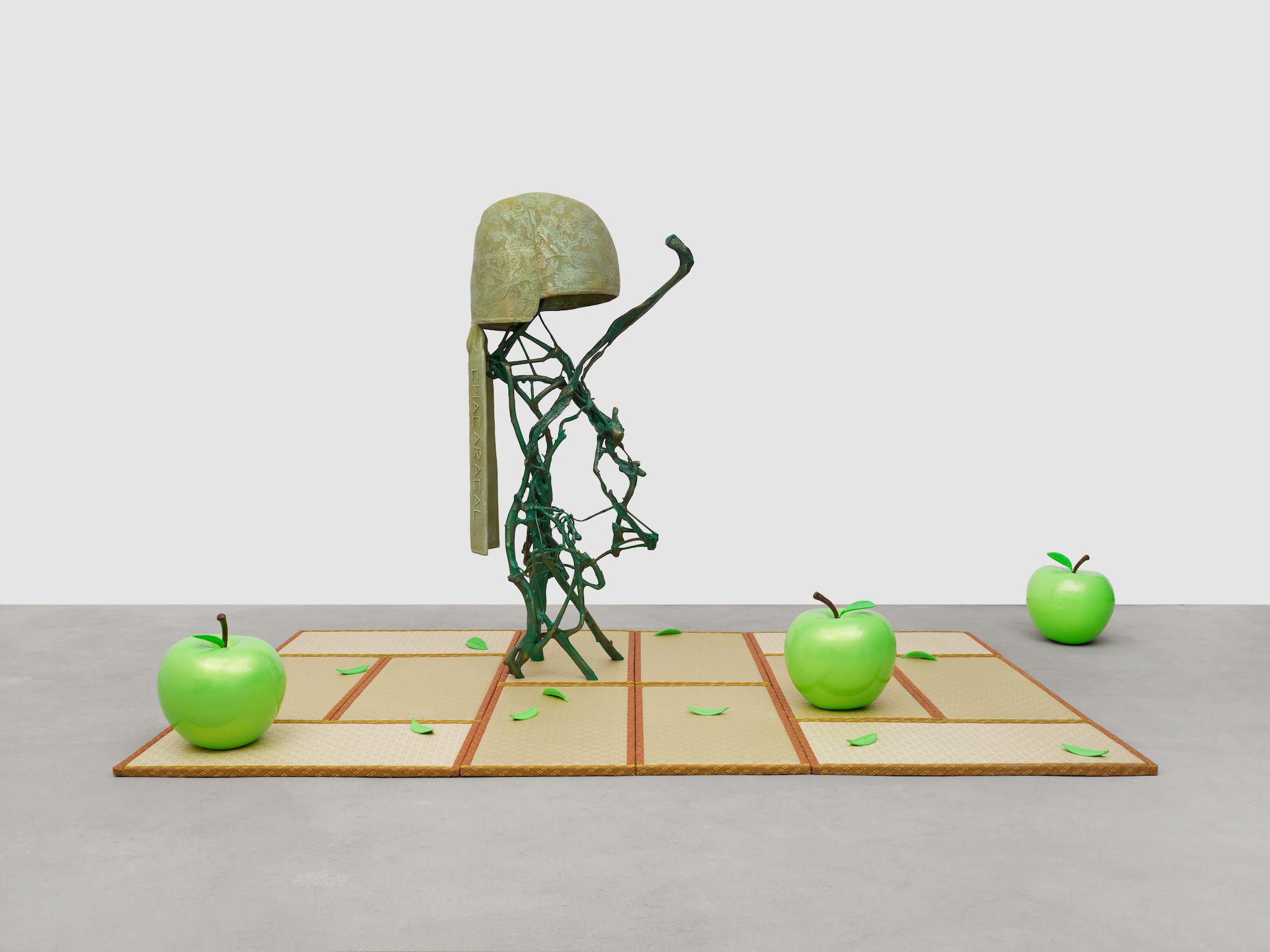
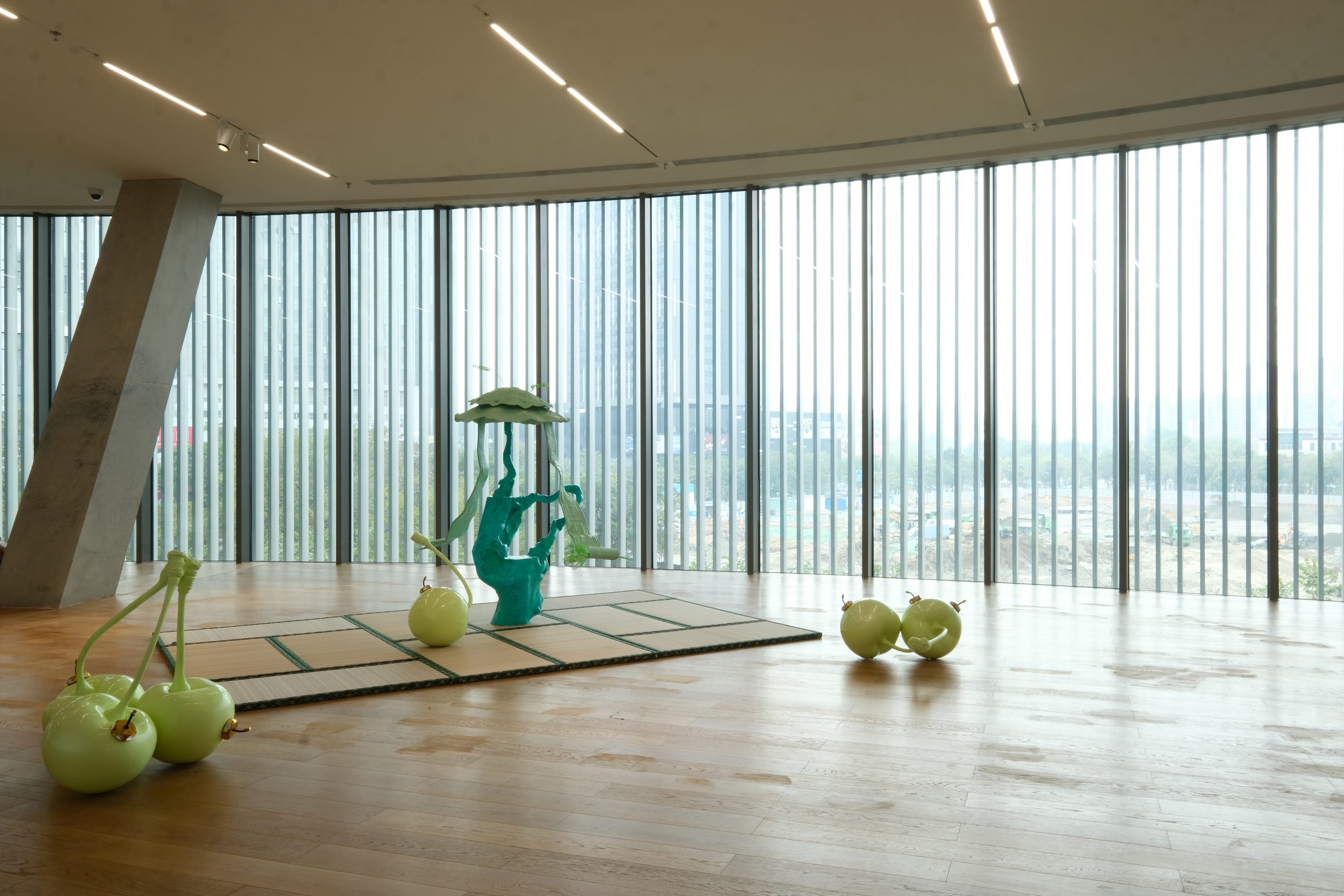
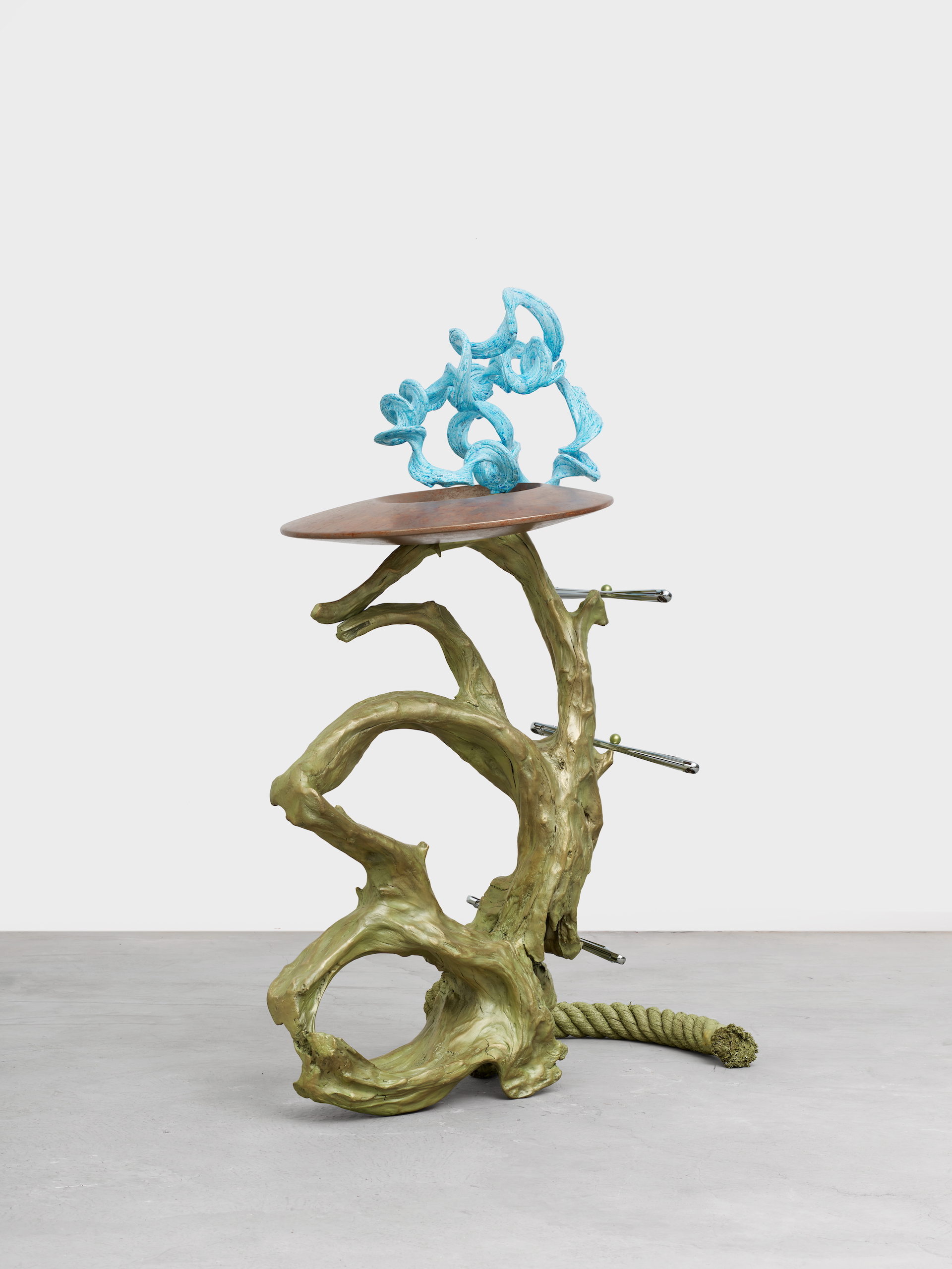
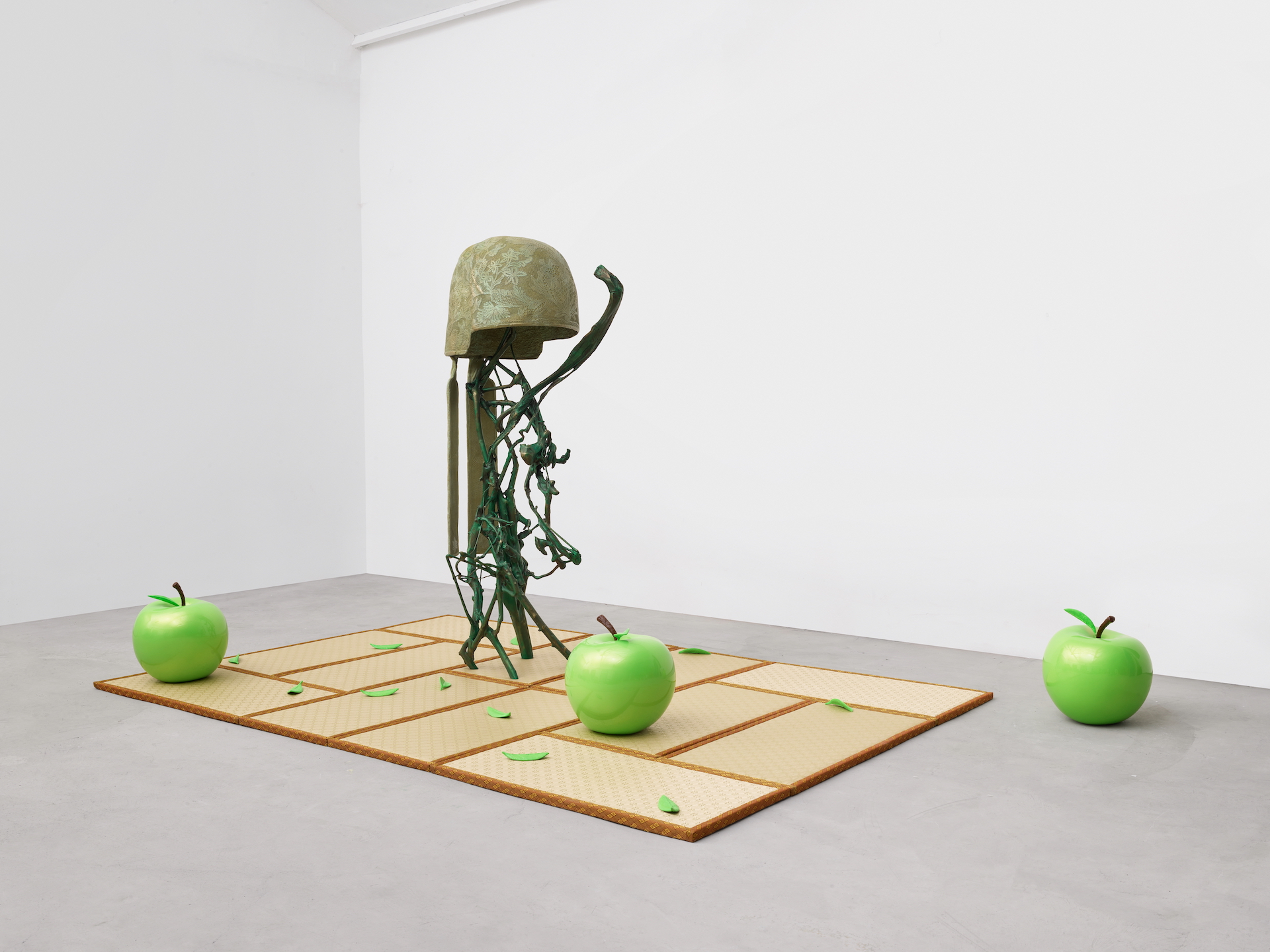
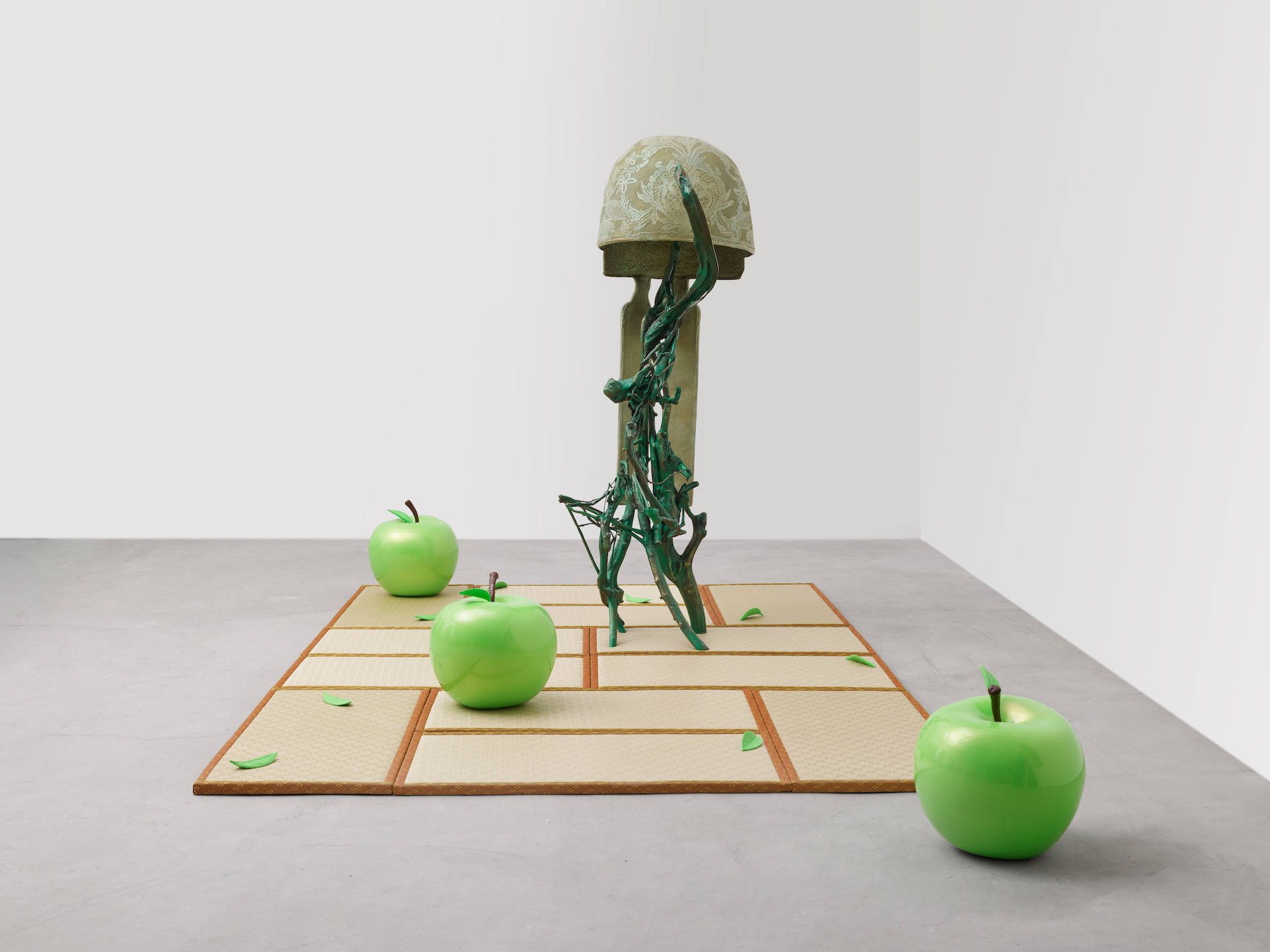
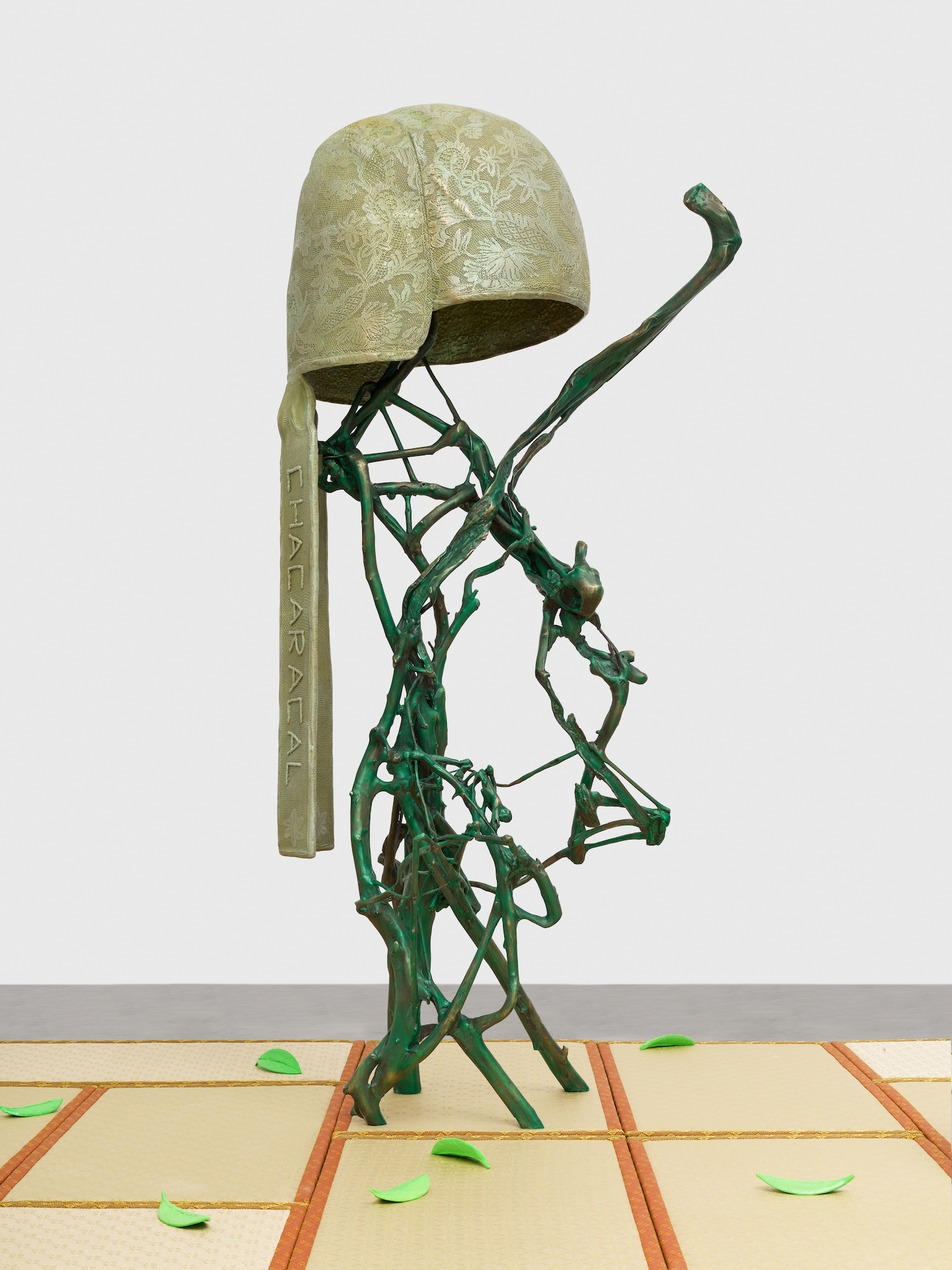
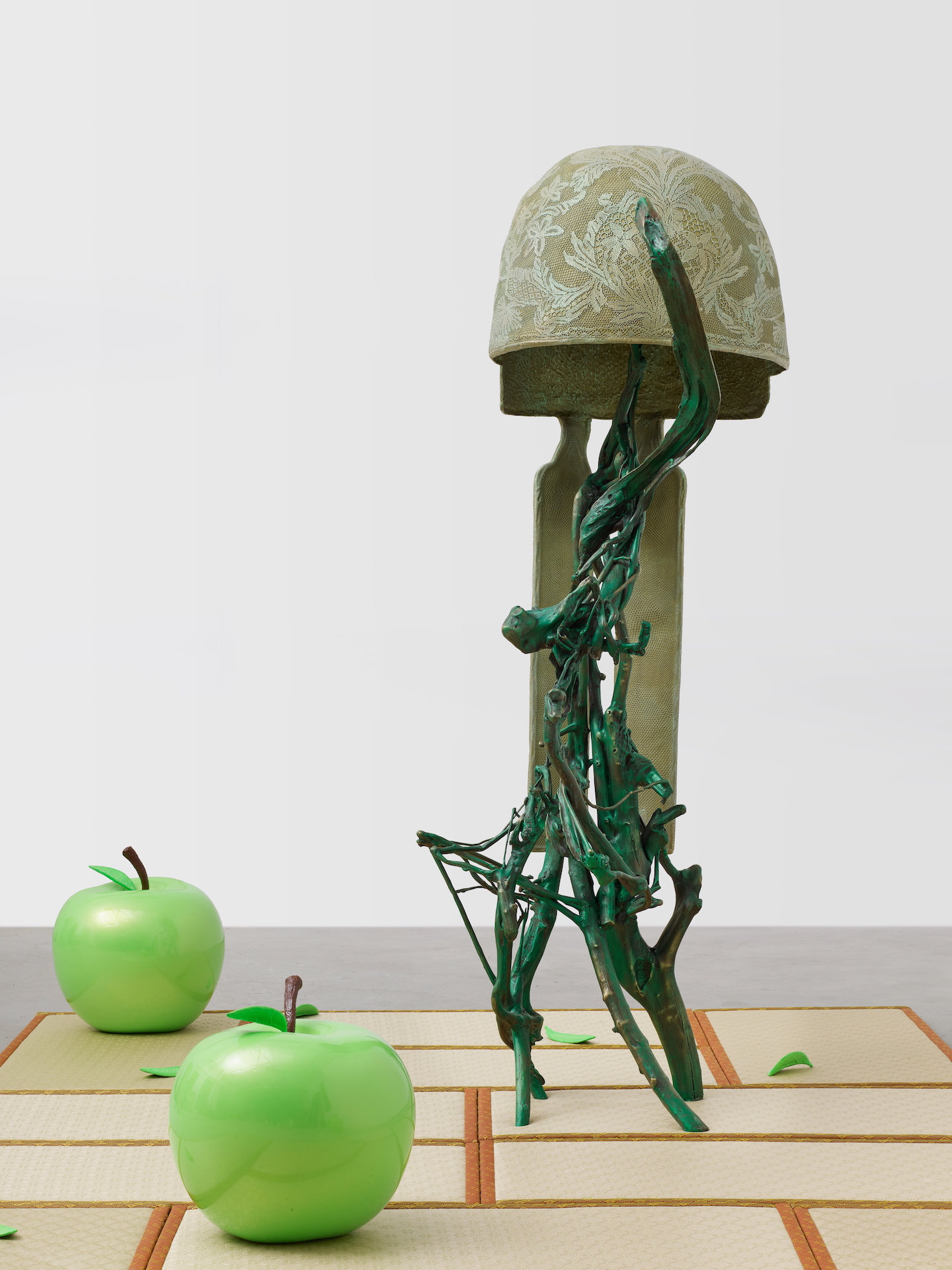
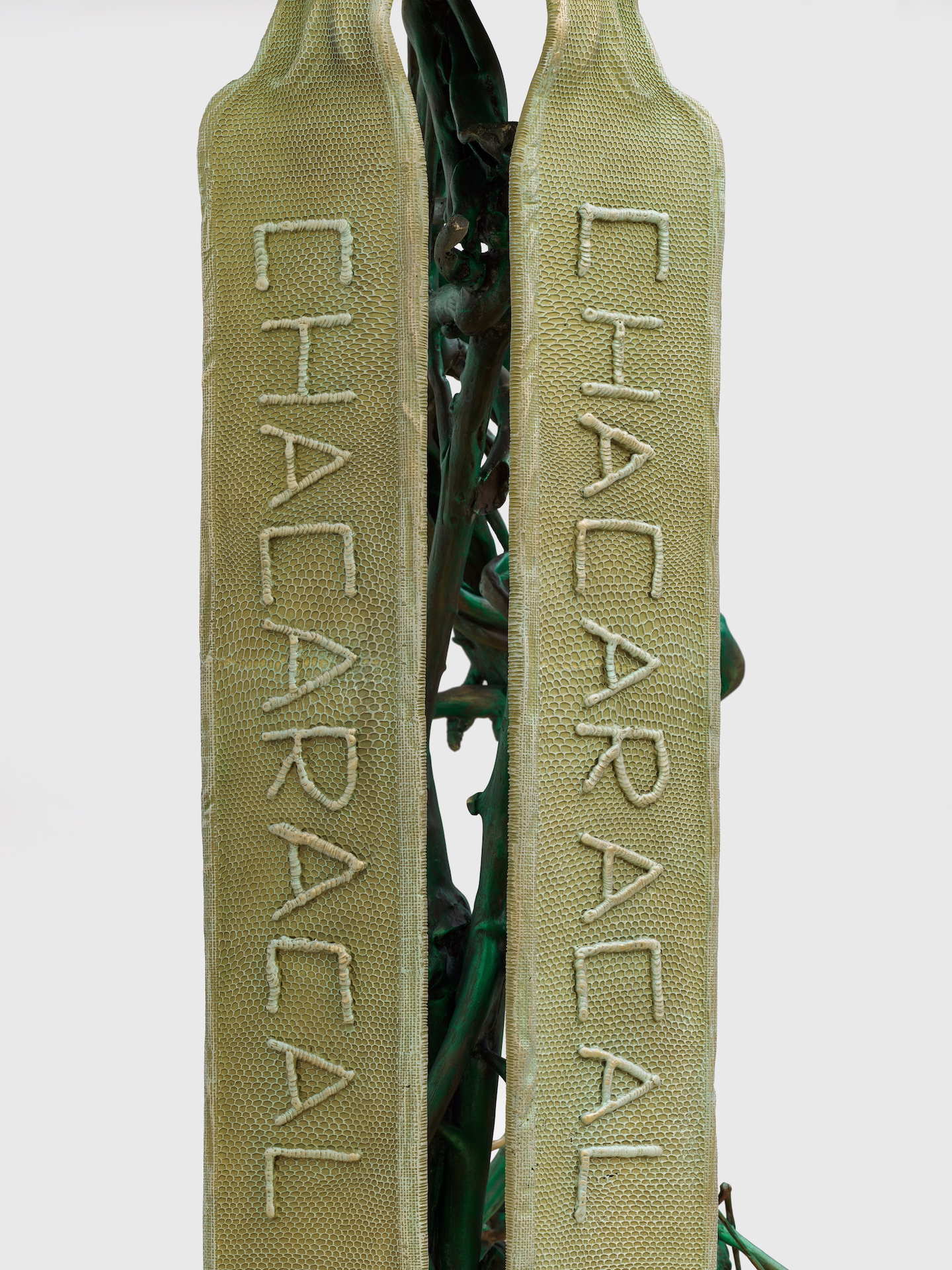
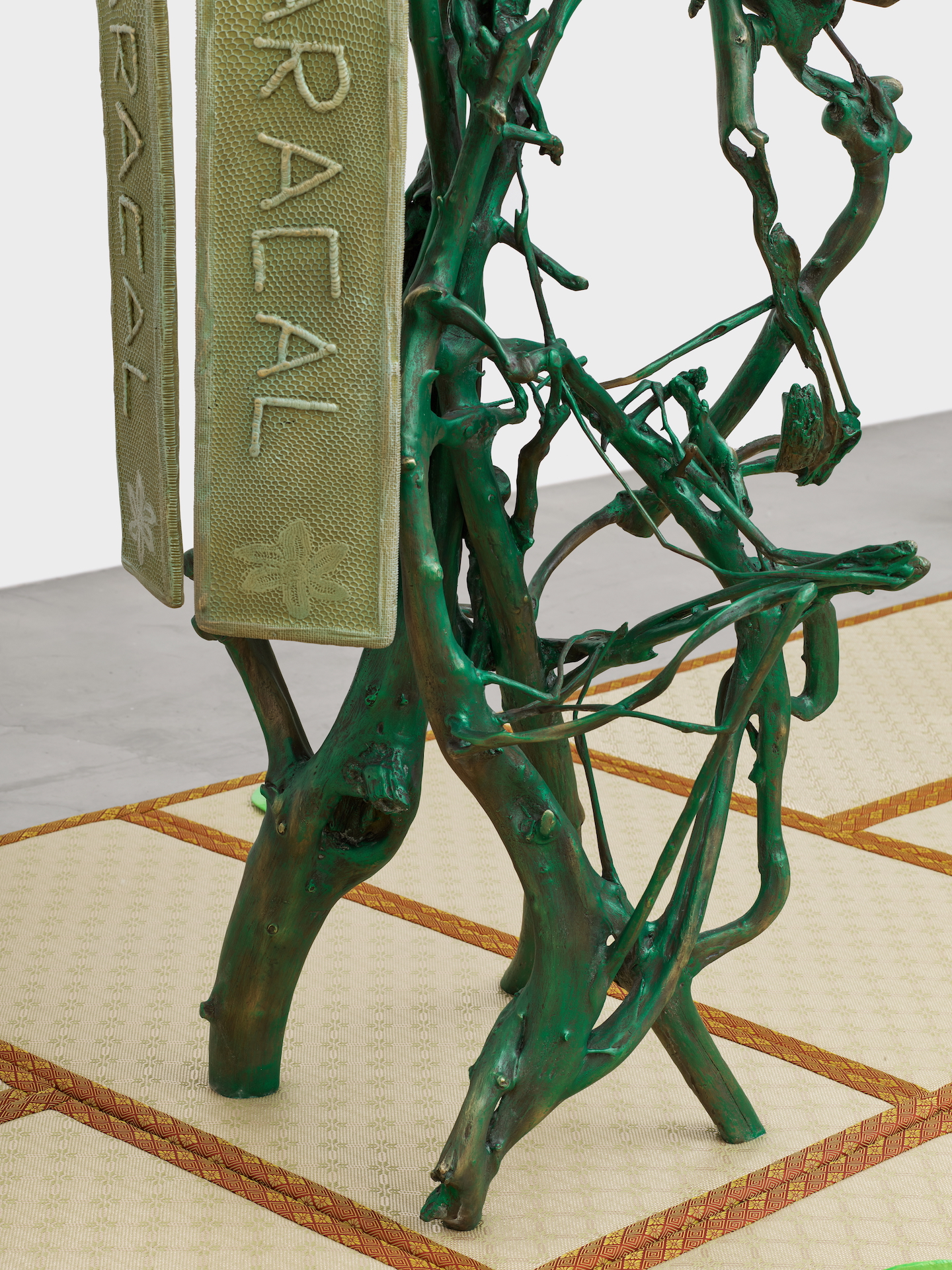
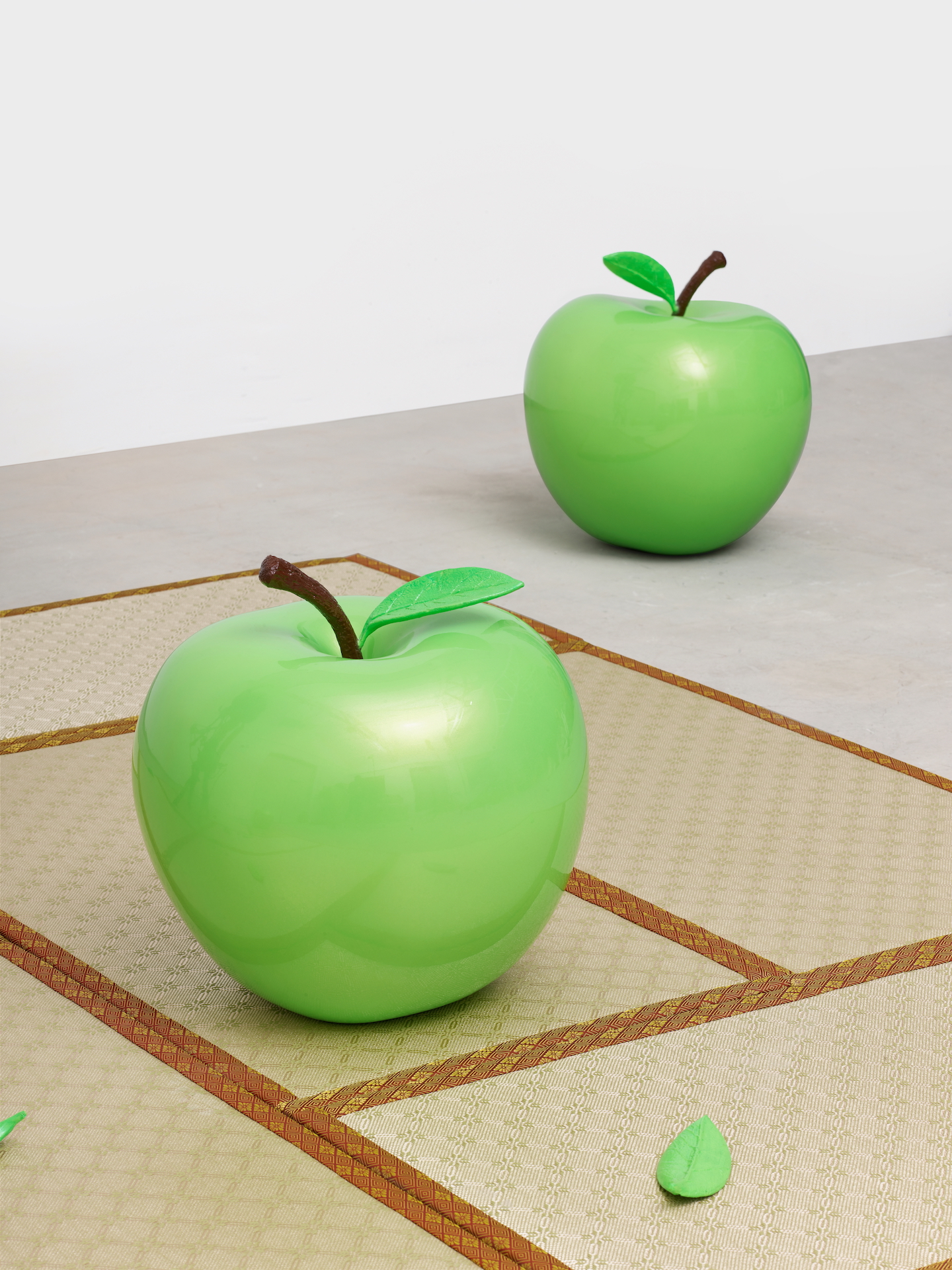
Guan Xiao, “Apples are the butterfly’s favorite food,” Characaracal says., 2023
Brass, burnt acrylic color, tatami, and lacquer
88 1/4 x 181 x 108 inches
unique
She always spends long hours looking at butterflies, their thousands of species and dazzling compendiums. From Asia to South America, the same butterfly, with the same red, white, and black color scheme, transforms into countless patterns. A butterfly does not have two spots that are the same, never.
“I have a question.” He abruptly interrupts her endless wanderings about the spots.
“Like what?” She asks.
“It’s hard to say.” He stares straight at her.
“I’ve looked at you for a long time,” he says, “and still don’t know you.”
She looks at him and lowers her head again.
The tactility of the stone becomes gradually apparent to her hand, and its uneven and warm surface reminds her of the low walls on the farm in summer. She slowly feels the bumps and grits on the stone surface, enlivening her memories of the farm. The grits seem to provide evidence for the existence of those memories. But, like the spots on a butterfly, there are never two identical gravels in the world. The lingering butterfly spots in her mind and the tactility of the grits at her fingertips starts to overlap. For a moment, she wondered whether the touch from her fingers illuminated the spots, or the spots replicated such a touch. Could human memories be stored in the physical features of things that are never identical rather than in the human brain? In the dry grits of a stone, under the fragrant petals of a spring flower, or in a butterfly’s gently opening and closing wings?
Memories are as immense as the universe. The universe is a memory. We have never died, and we have never been born.
“Why do people always eat apples?” She asks him, looking up.
“They like the way apples taste?” He replied.
“No.” She stared straight at him.
“Because we don’t always know what apples taste like, and no two apples taste precisely the same.
There is no such a thing as the taste of an apple in the world.”作品信息Information -
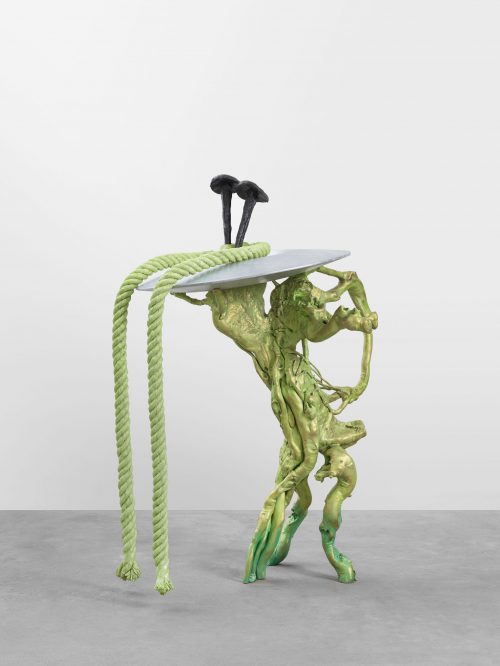
Guan Xiao, FEET, V7V bow, 2023
Brass, rope, burnt acrylic color, and fiberglass
79 x 57 x 44 inches
unique in a series of 3
There is no absolute parallel,
all lines converge at the end.
The letter “V” represents the shape of the rope, and the number “7” represents the shape of the nails. They also represent the stems and limbs of the plant, ropes, and spears. While both “V” and “7” consist of two lines converging to a point. “FEET” similarly suggests the overall sculpture as a standing human figure. The “bow” refers to the semi-ring structure at the top of this piece.作品信息Information -
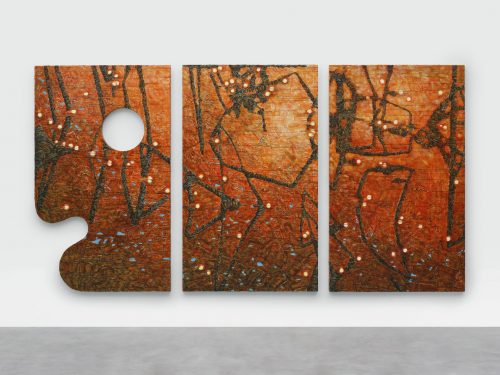
Guan Xiao, Autumn Arrows, 2023
Wood panel, polyester putty base, and acrylic color
78 3/4 x 145 5/8 x 2 1/8 inches
unique作品信息Information -
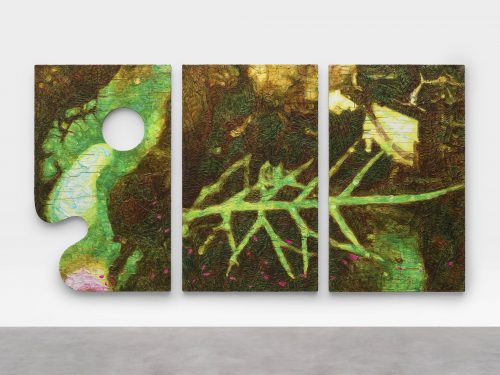
Guan Xiao, Bush Braid, 2023
Wood panel, polyester putty base, and acrylic color
79 x 145 5/8 x 2 1/4 inches
unique作品信息Information -
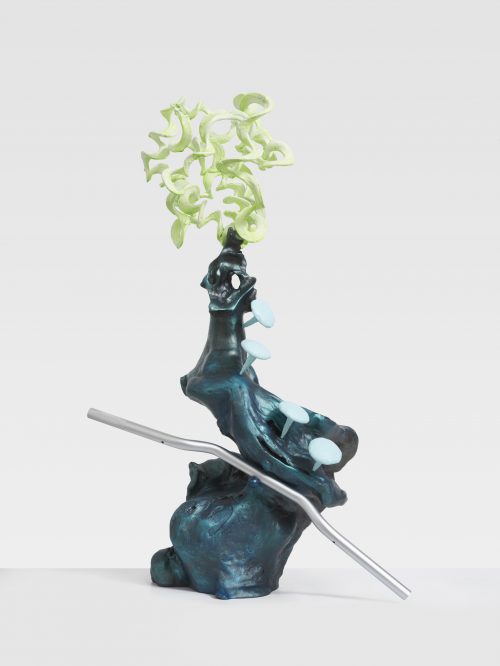
Guan Xiao, Assassin’s Memories, 2022
Bronze, aluminium alloy, acrylic color, motorcycle handler
102 (H) x 75 (L) x 45 (W) cm
Unique, in series of 3When the day is done,
only a monument that belongs to anonymous is left behind.作品信息Information -
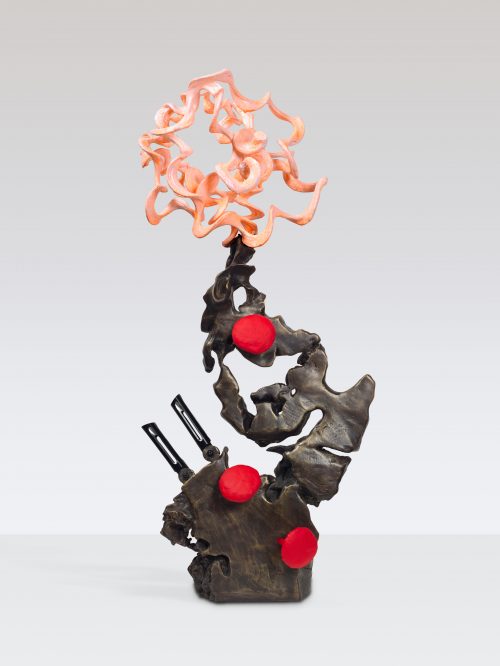
Guan Xiao, Daggers, 2022
Bronze, aluminium alloy, acrylic color, motorcycle pedals
98 x 46 x 30 cm
Unique, in series of 3作品信息Information -
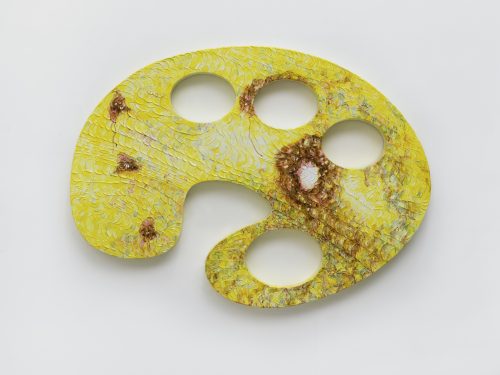
Guan Xiao, Who Lit the Sun? The Darkness, 2022
Wood panel, poly-putty base, paint
164 (L) x 120 (W) x 7.5 (D) cm作品信息Information -
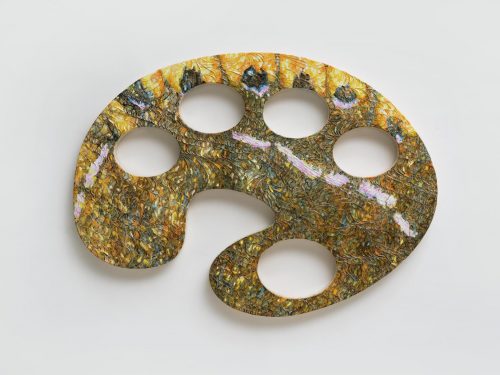
Guan Xiao, Nails, Rocks, Long Coastline, 2022
Wood panel, poly-putty base, paint
164 (L) x 120 (W) x 7.5 (D) cm作品信息Information -
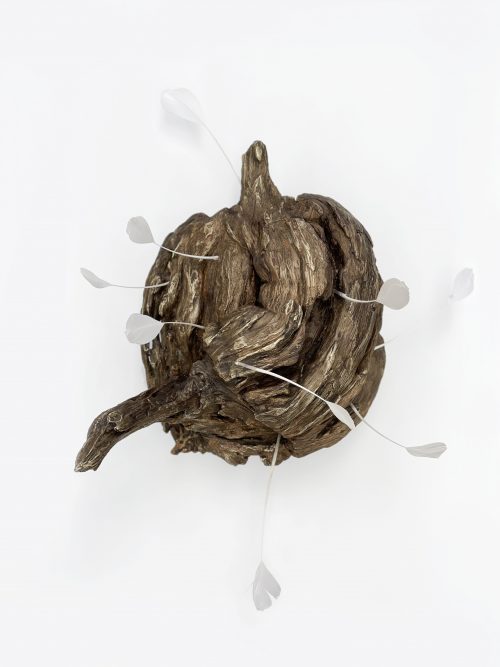
Guan Xiao, Attack001, 2022
Brass, burned acrylic color, synthetic feather
45 x 30 x 25 cm作品信息Information -
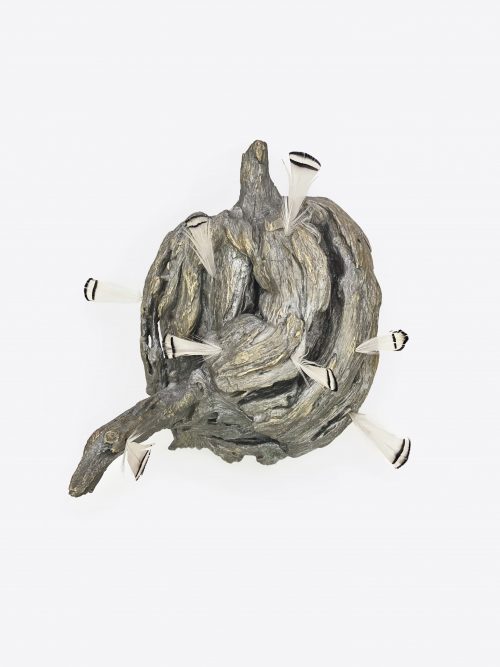
Guan Xiao, Attack002, 2022
Brass, burned acrylic color, synthetic feather
45 x 30 x 25 cm作品信息Information -
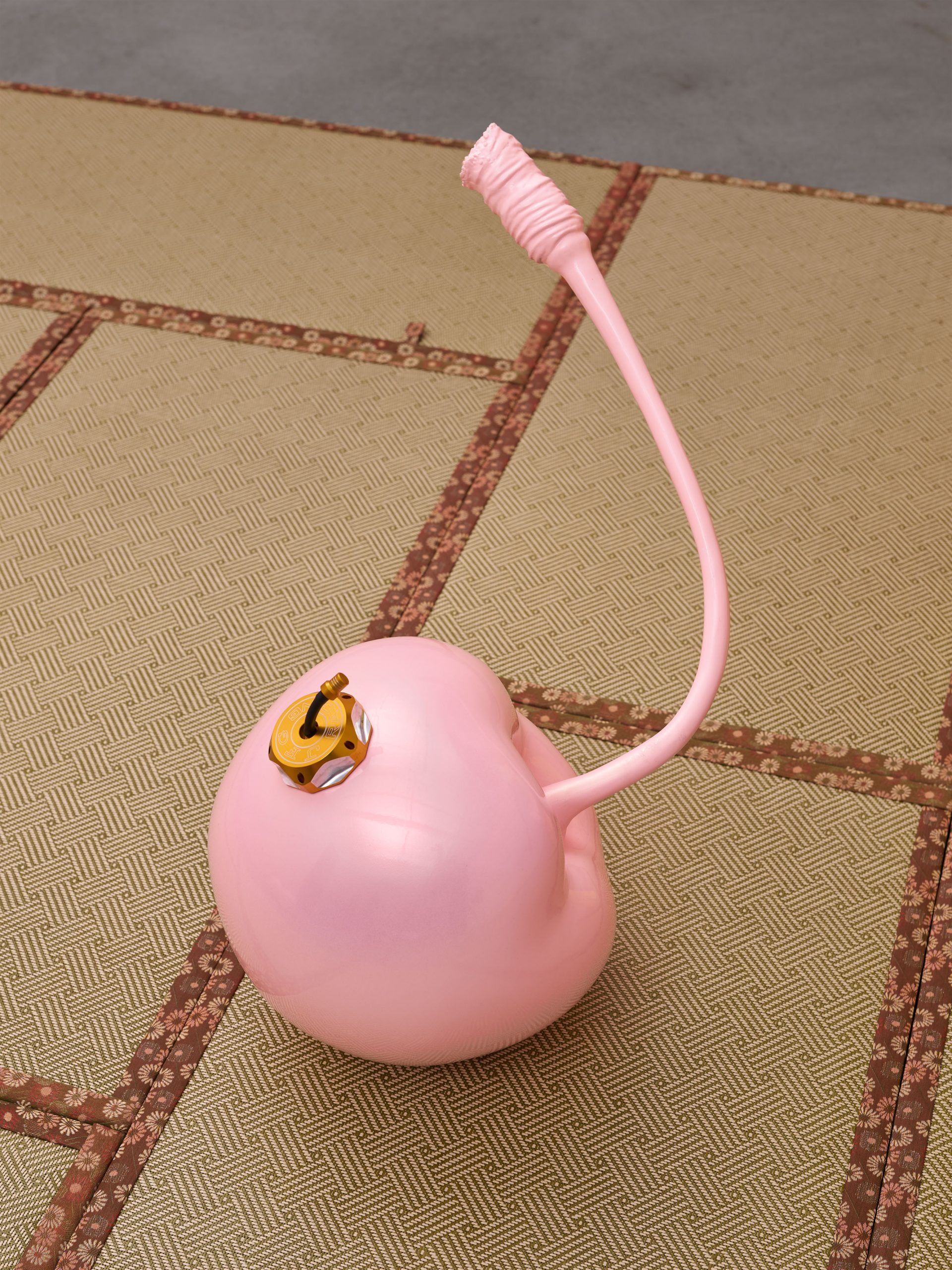
-500x333.jpg "Guan Xiao, Kikachick Is Stepping towards the Snow-Covered Stage, while A Faint Tinge of Pink Reflected from the Lights under the Deep Blue Dusk Is Shimmering on Its Icy Surface., 2021")
Guan Xiao, Kikachick Is Stepping towards the Snow-Covered Stage, while A Faint Tinge of Pink Reflected from the Lights under the Deep Blue Dusk Is Shimmering on Its Icy Surface., 2021
Brass, burnt acrylic color, tatami, lacquer, dry straws, gas tank cap
180 x 470 x 380 cm作品信息Information -
-500x500.jpg "Guan Xiao, Pavilion, 2021")
Guan Xiao, Pavilion, 2021
Stainless steel, ceramic, hemp rope, solar light
172 x 120 x 40 cm作品信息Information -
-500x667.jpg "Guan Xiao, Dark Eyes as Dark as the Eyes, 2021")
Guan Xiao, Dark Eyes as Dark as the Eyes, 2021
Stainless steel, ceramic
70 x 108 x 23 cm作品信息Information -

Guan Xiao, Once, A Dragonfly, 2021
Brass, burnt acrylic color, hemp rope, steel
97 x 105 x 70 cm
Unique, in series of 3作品信息Information -

Guan Xiao, Bud, 2021
Brass, stainless steel, burnt acrylic color
116 x 45 x 45 cm
Unique, in series of 3作品信息Information -

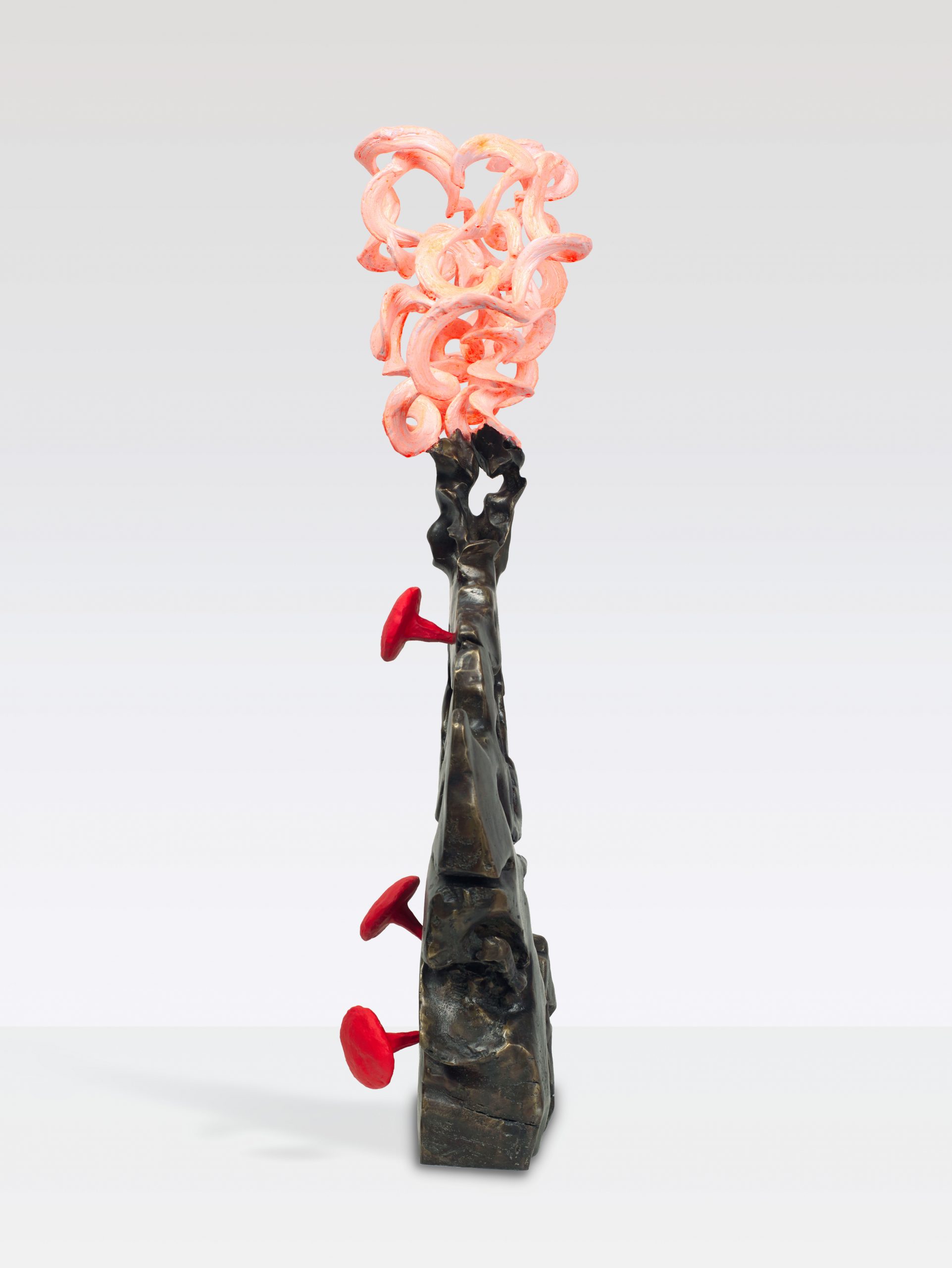
Guan Xiao, Mushroom, 2021
Brass, stainless steel, burnt acrylic color
94 x 47 x 29 cm
Unique, in series of 3作品信息Information -
,2021-500x375.jpg "Guan Xiao, Lotus Leaf, 2021")
Guan Xiao, Lotus Leaf, 2021
Stainless steel and aluminum
100 x 180 x 70 cm作品信息Information -
,2021-500x375.jpg "Guan Xiao, Lotus Leaf, 2021")
Guan Xiao, Lotus Leaf, 2021
Stainless steel and aluminum
100 x 180 x 70 cm作品信息Information -
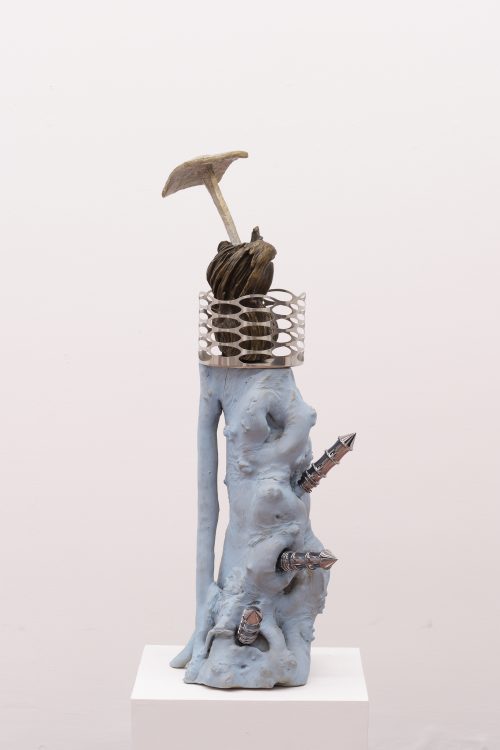
Guan Xiao, Bud, 2021
Brass, stainless steel, burned acrylic color
116 x 45 x 45 cm
Unique, in series of 3作品信息Information -
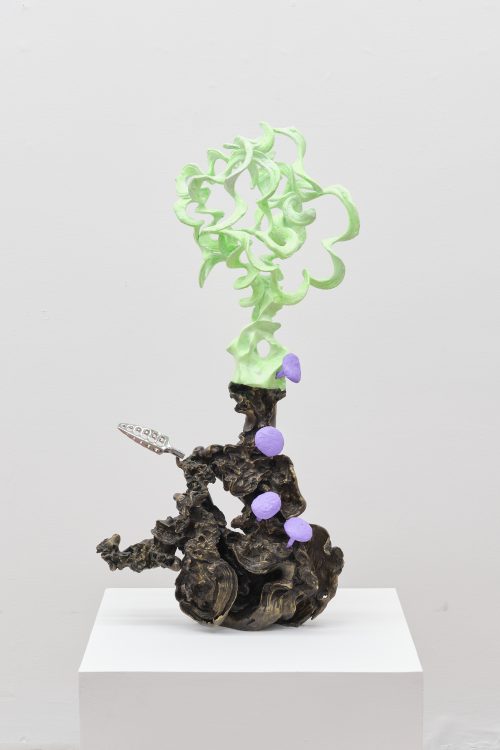
Guan Xiao, Mushroom, 2021
Brass, stainless steel, burned acrylic color
94 x 47 x 29 cm
Unique, in series of 3作品信息Information -
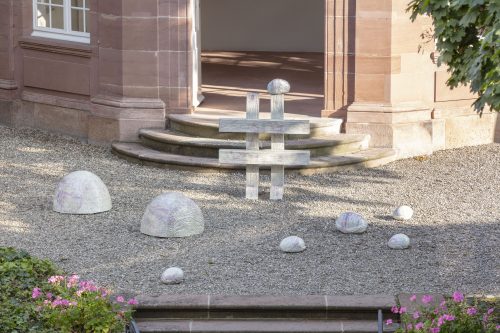
Guan Xiao, Egg, aged bruise, 2021
Ceramic
Dimensions variable作品信息Information -
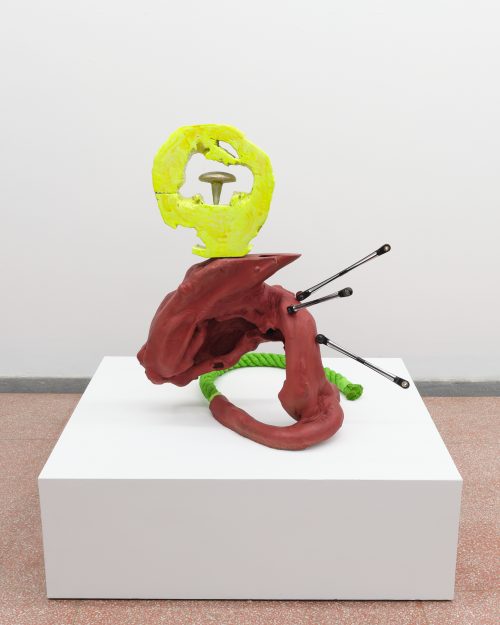
Guan Xiao, Once, A Dragonfly, 2021
Brass, burnt acrylic color, hemp
44 x 56 x 70 cm
Unique, in series of 3作品信息Information -
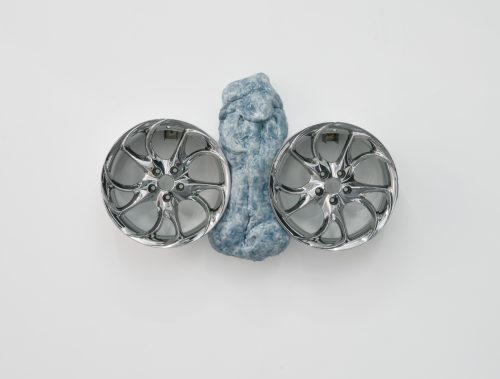
Guan Xiao, Winter Eyes Iced, 2021
Rim, ceramic
108 × 78 × 23 cm作品信息Information -
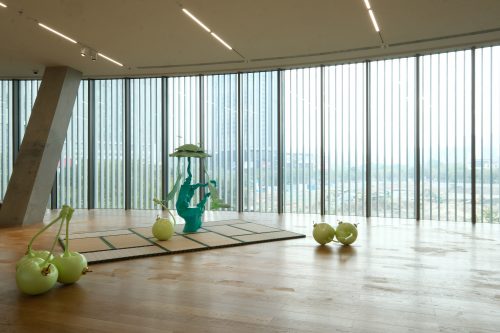
Guan Xiao, Kikachick Is Stepping towards the Snow-Covered Stage, while A Faint Tinge of Pink Reflected from the Lights under the Deep Blue Dusk Is Shimmering on Its Icy Surface., 2021
Brass, burnt acrylic color, tatami, lacquer, dry straws, gas tank cap
180 x 470 x 380 cm作品信息Information -
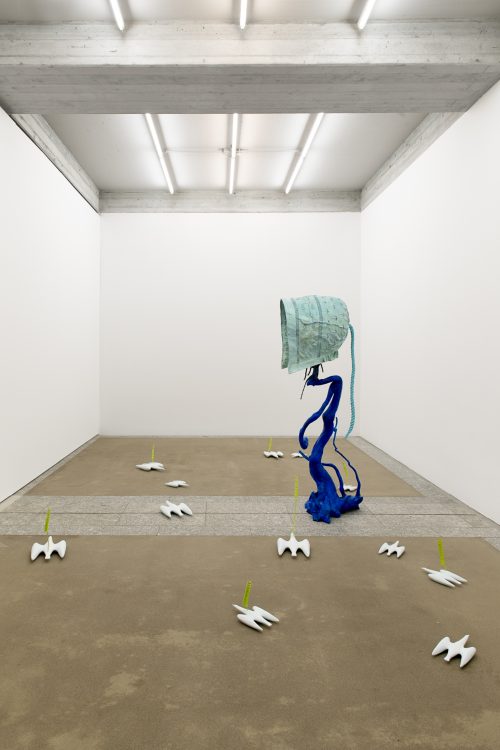
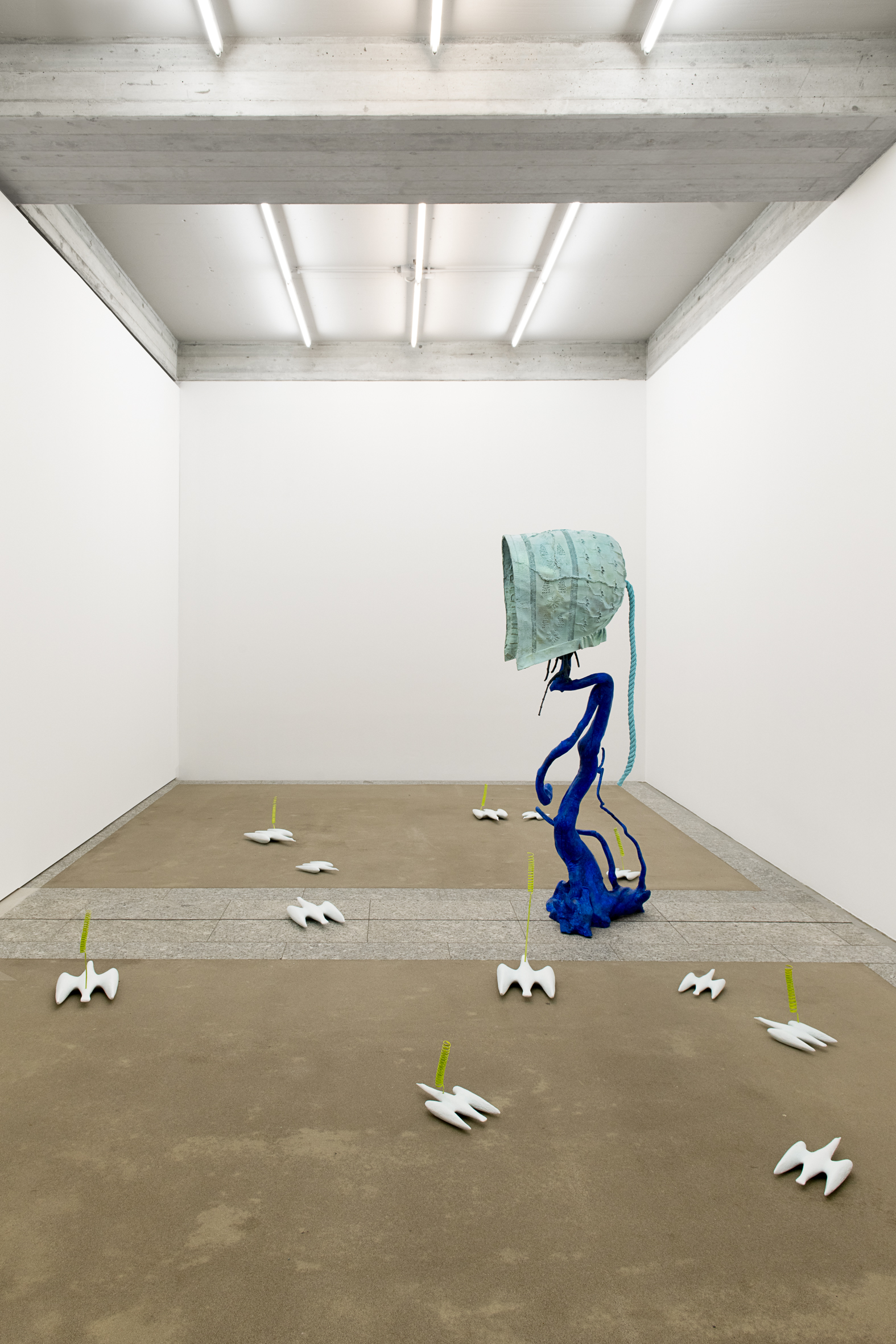
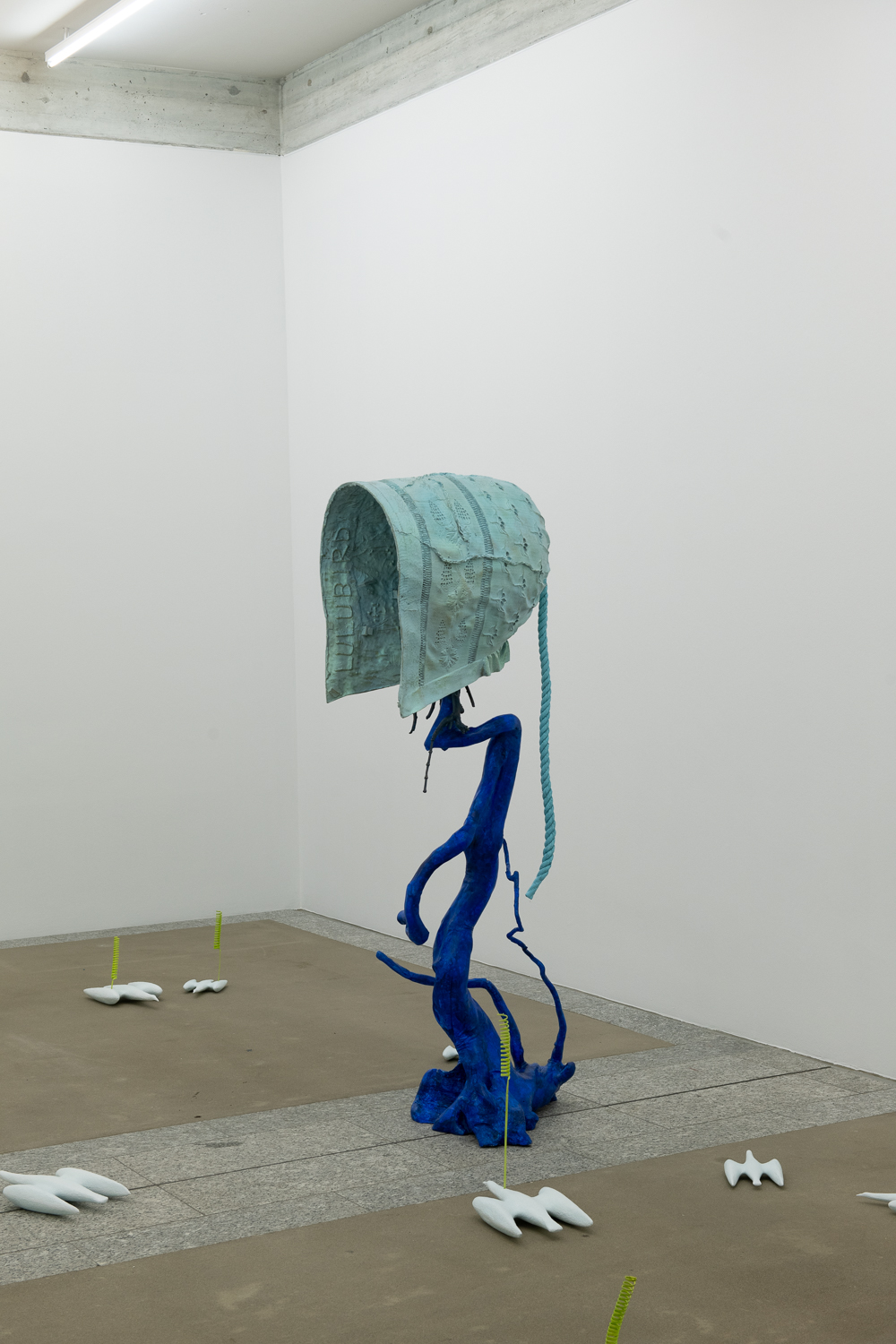
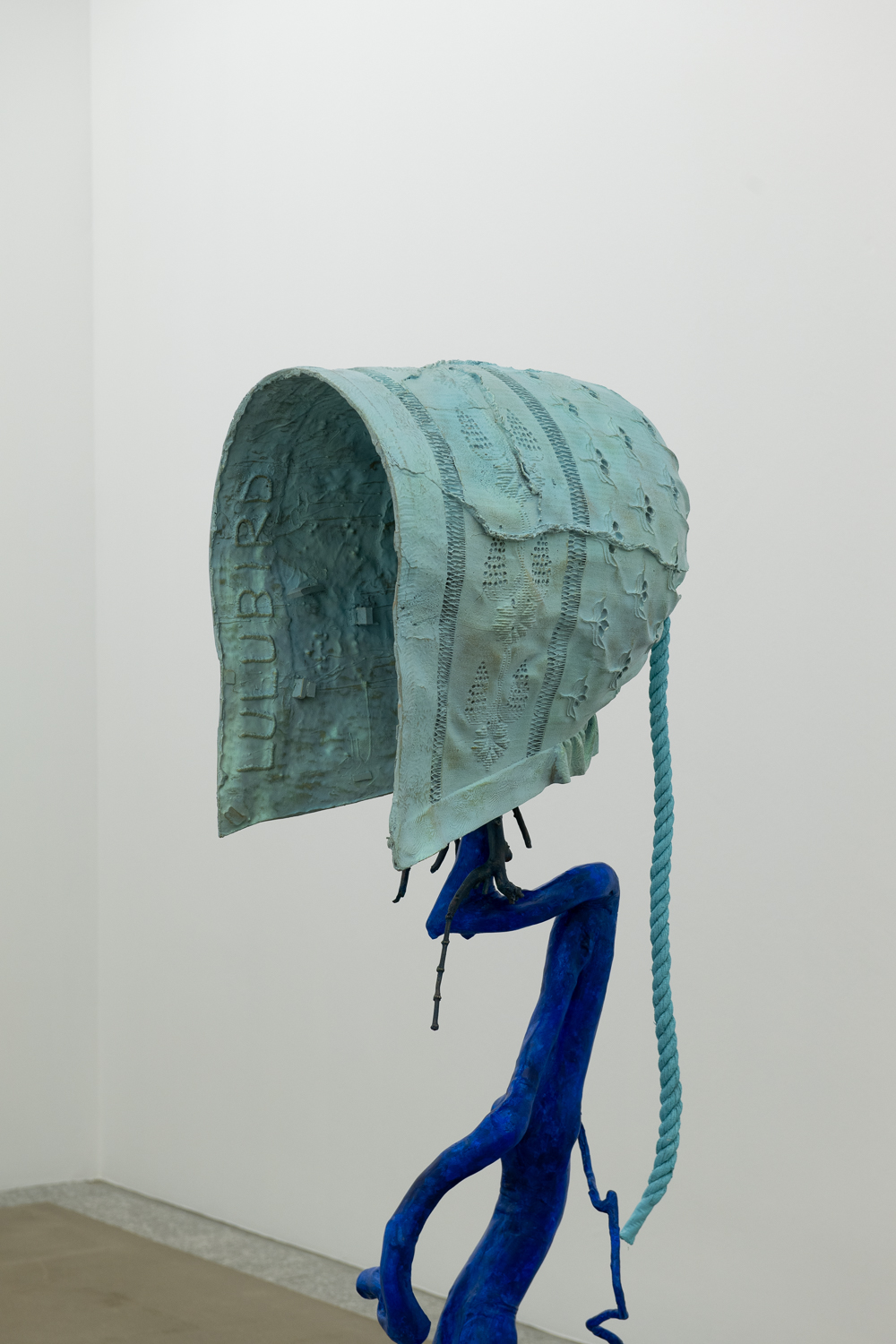
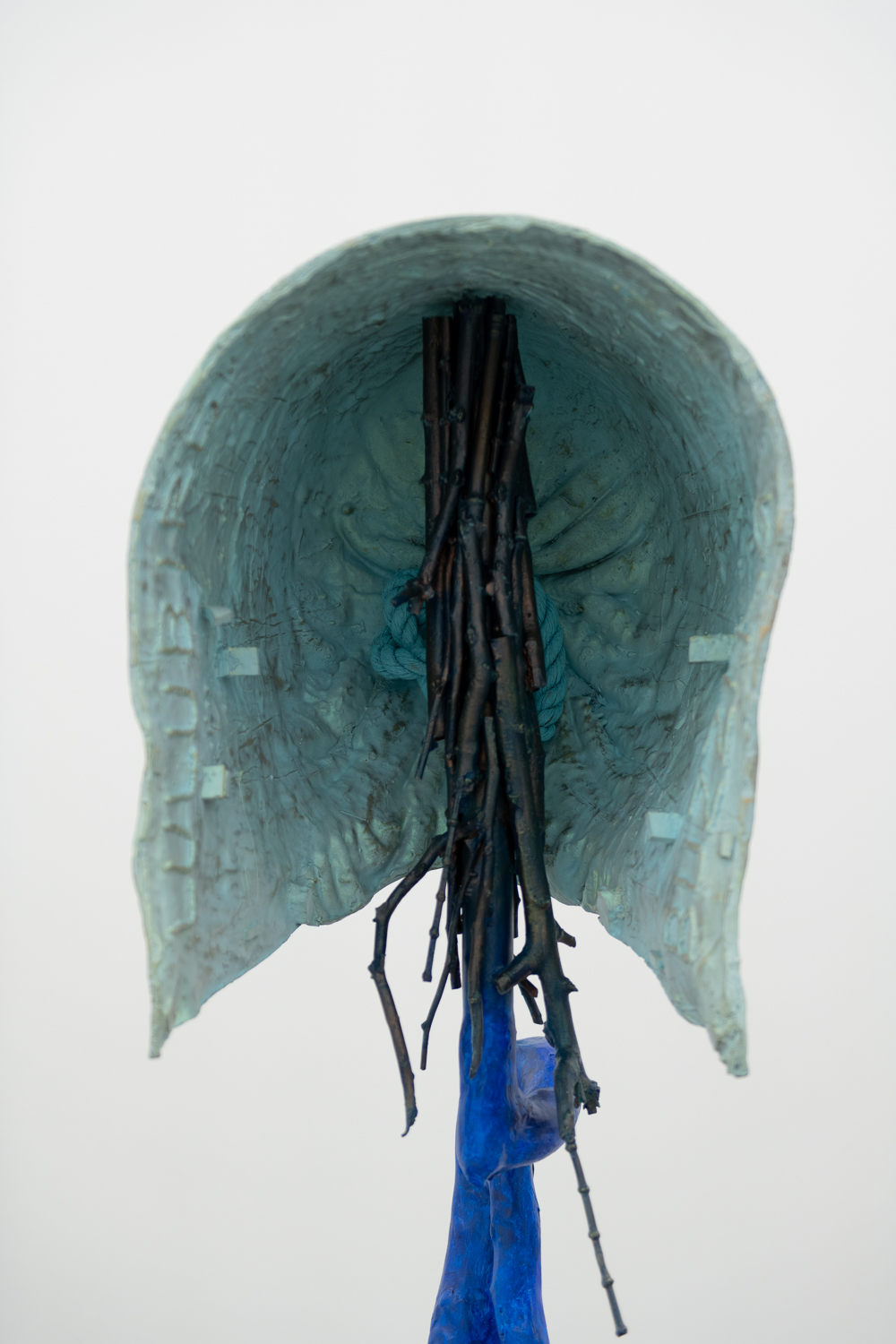
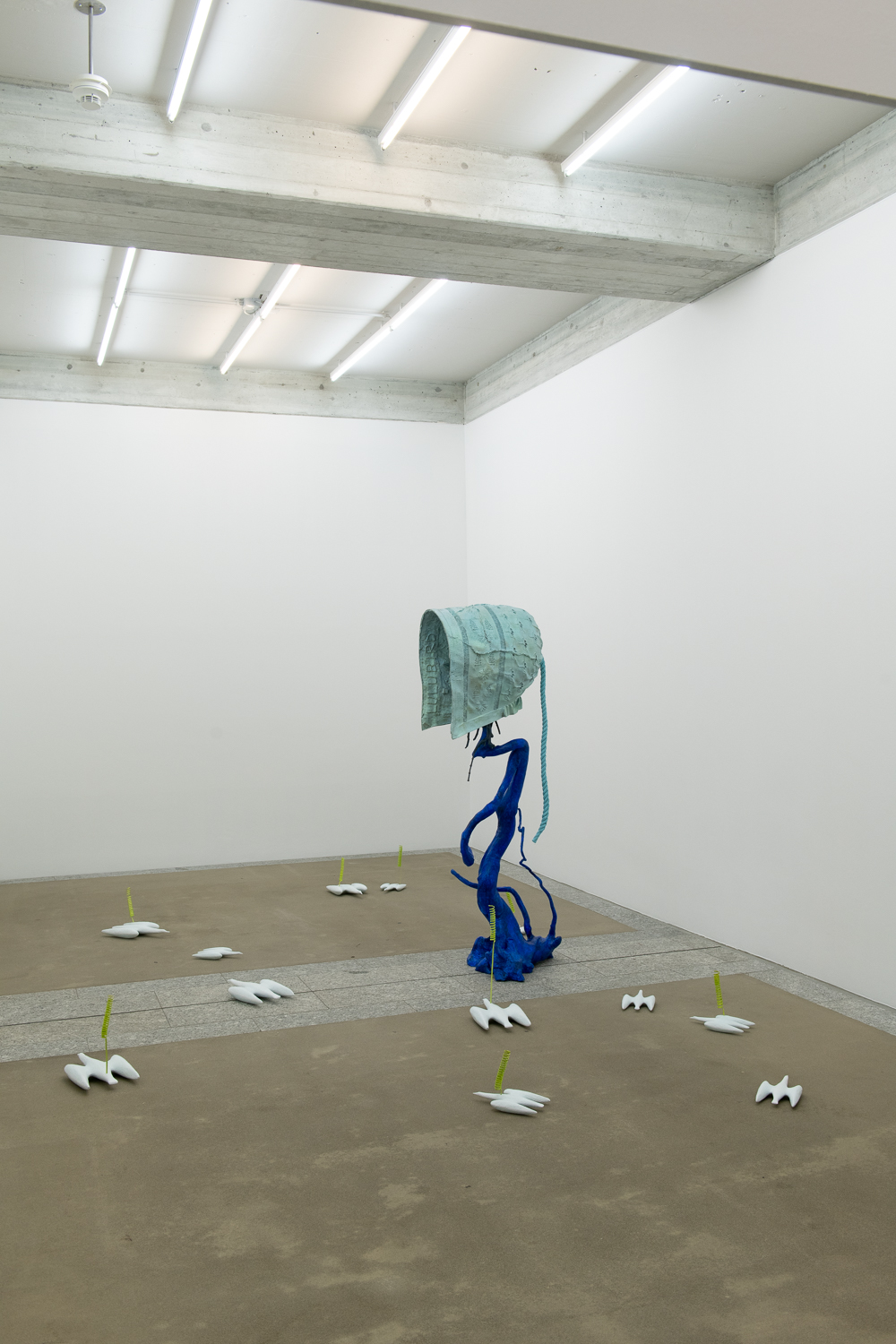
Guan Xiao, Lulubird slowly dipped her tongue into the ice cream, waited until it started buzzing., 2020
Brass, pigmented brass, acrylic paint, dried flower, rope
Root: 172 x 60 x 55 cm/cap: 52 x 44 x 58 cm
Big birds: 41 x 22 x 6cm x 8/Small birds: 25 x 14 x 4 cm x 8作品信息Information -
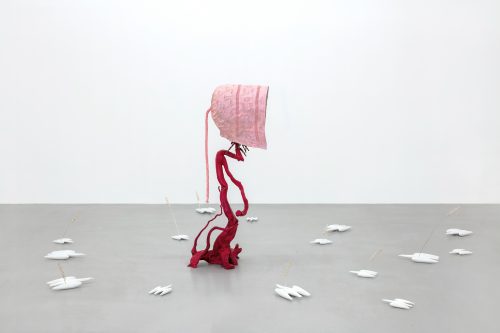
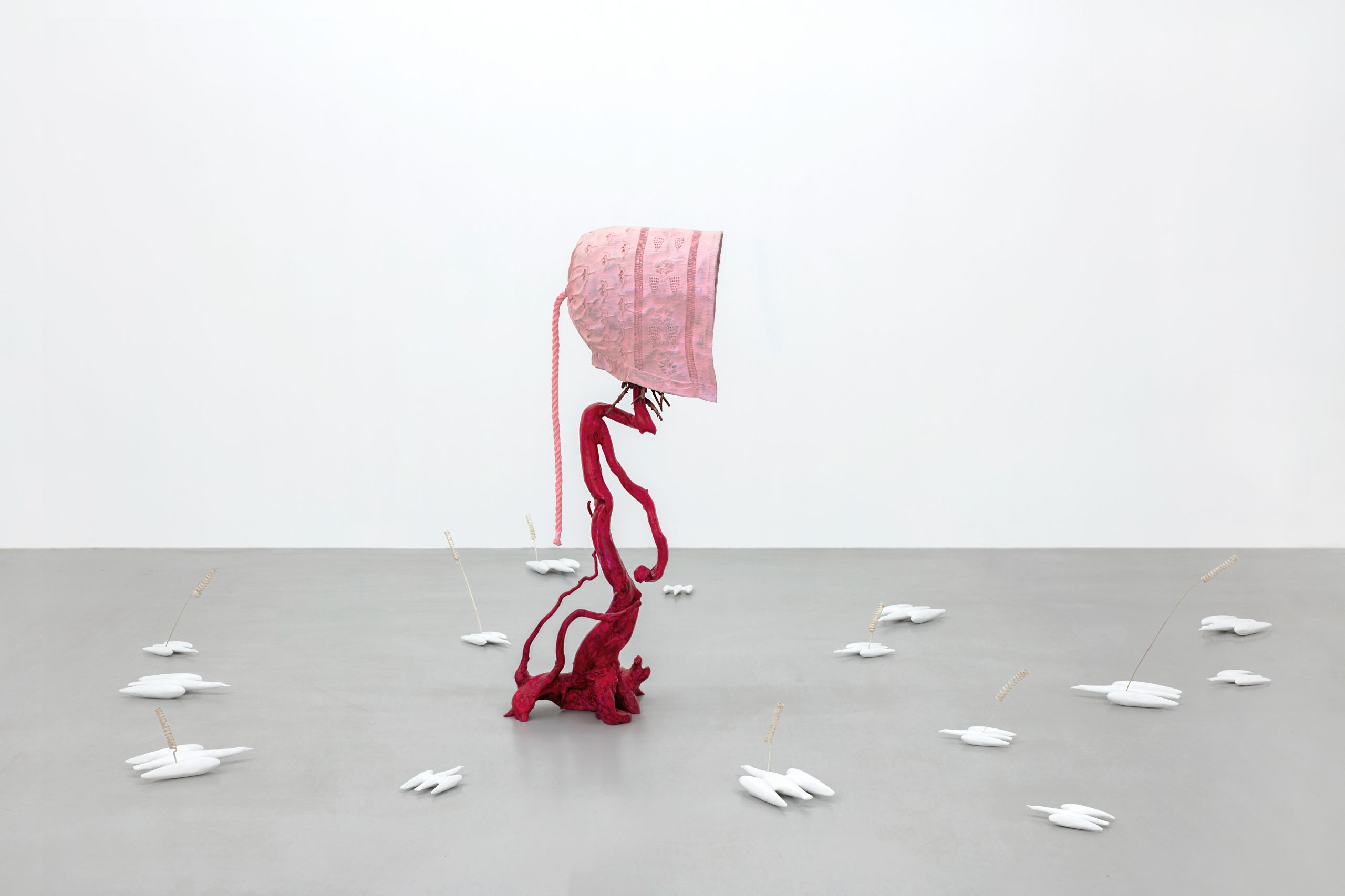
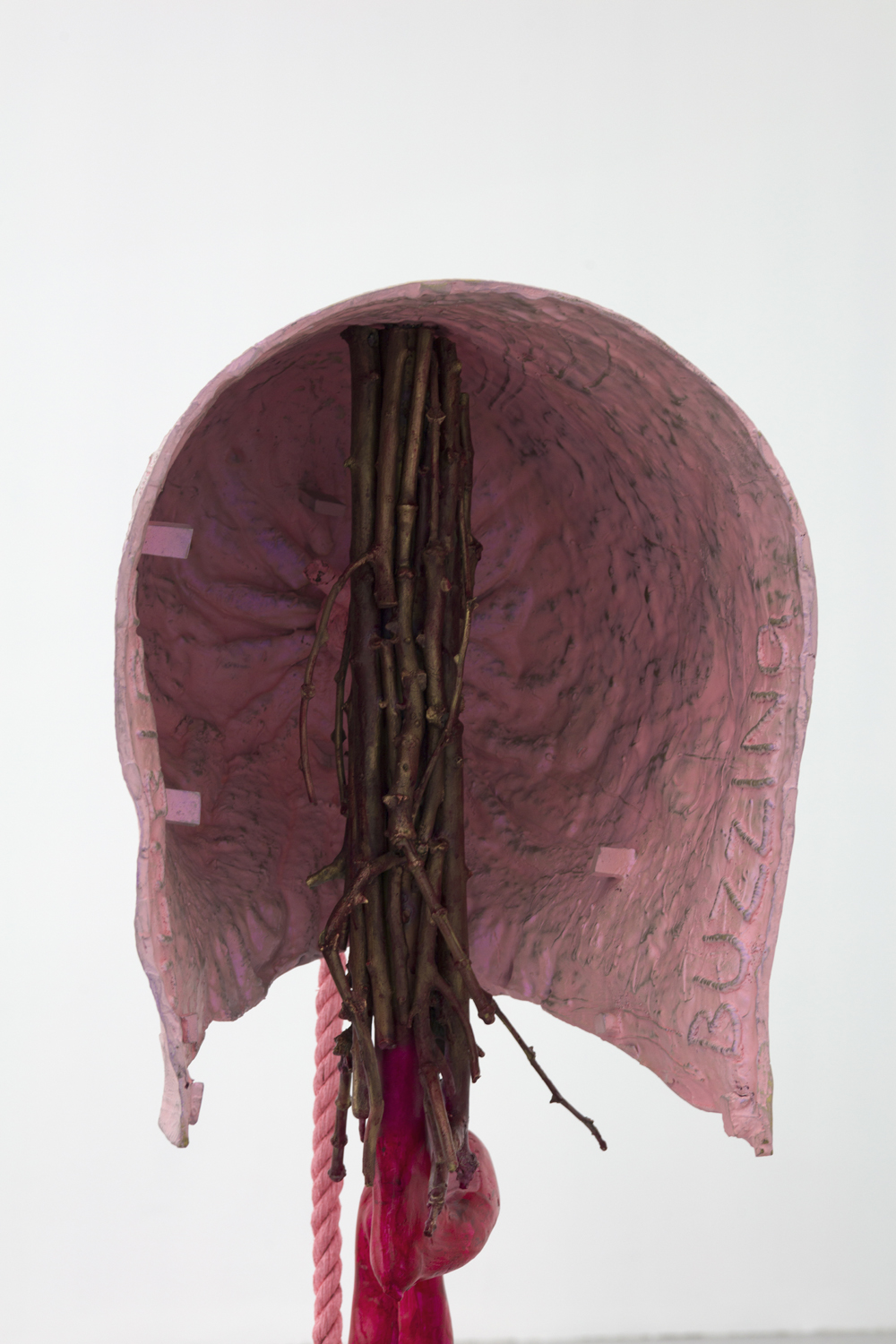
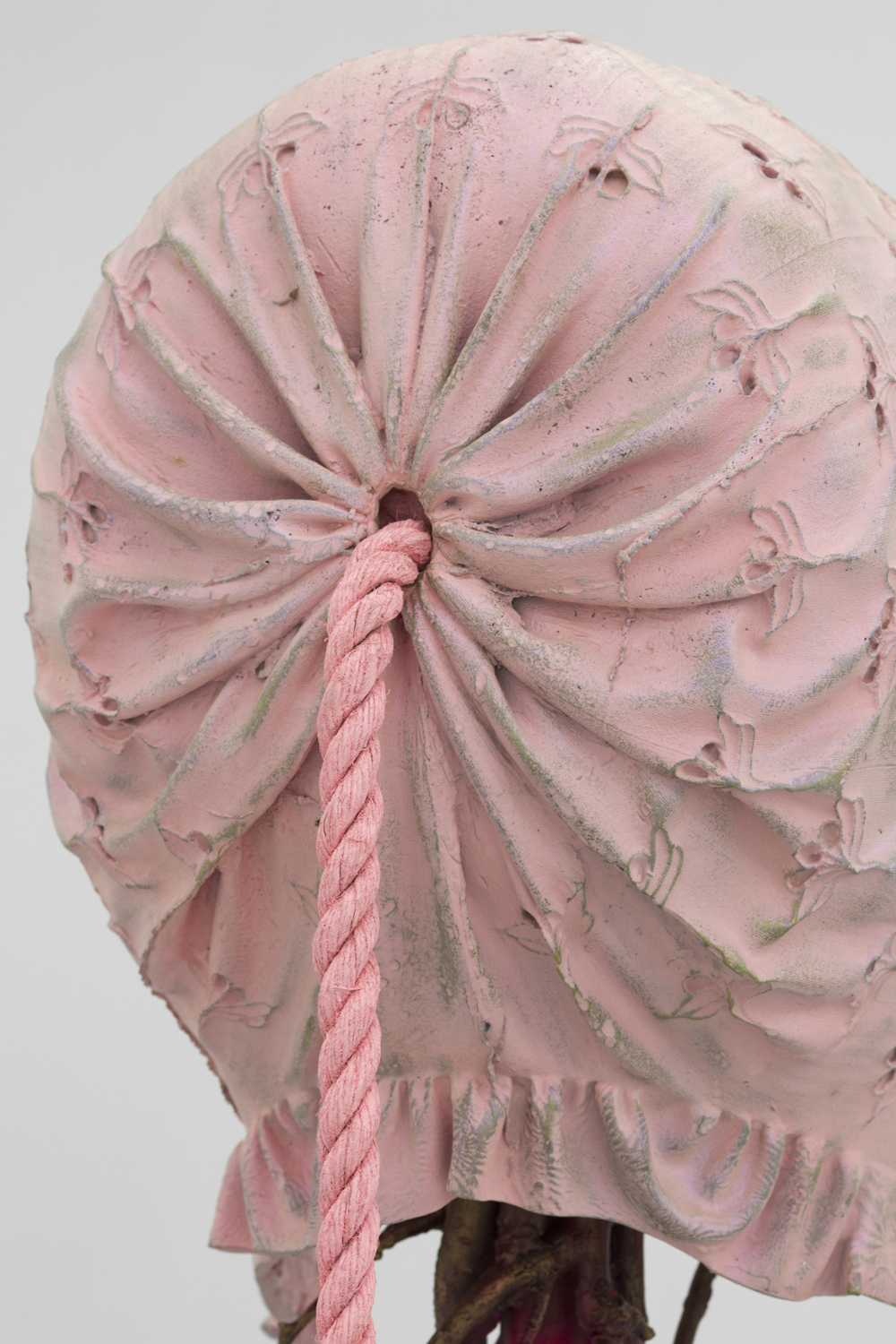
Guan Xiao, Lulubird Walked Out of Delicatessen Bumped into A Swarm of Buzzing., 2020
Pigmented brass, acrylic paint, dried flower, rope
root:172 x 60 x 55 cm
cap:52 x 44 x 58 cm
8 Big birds:41 x 22 x 6 cm for each
8 Small birds:25 x 14 x 4cm for each
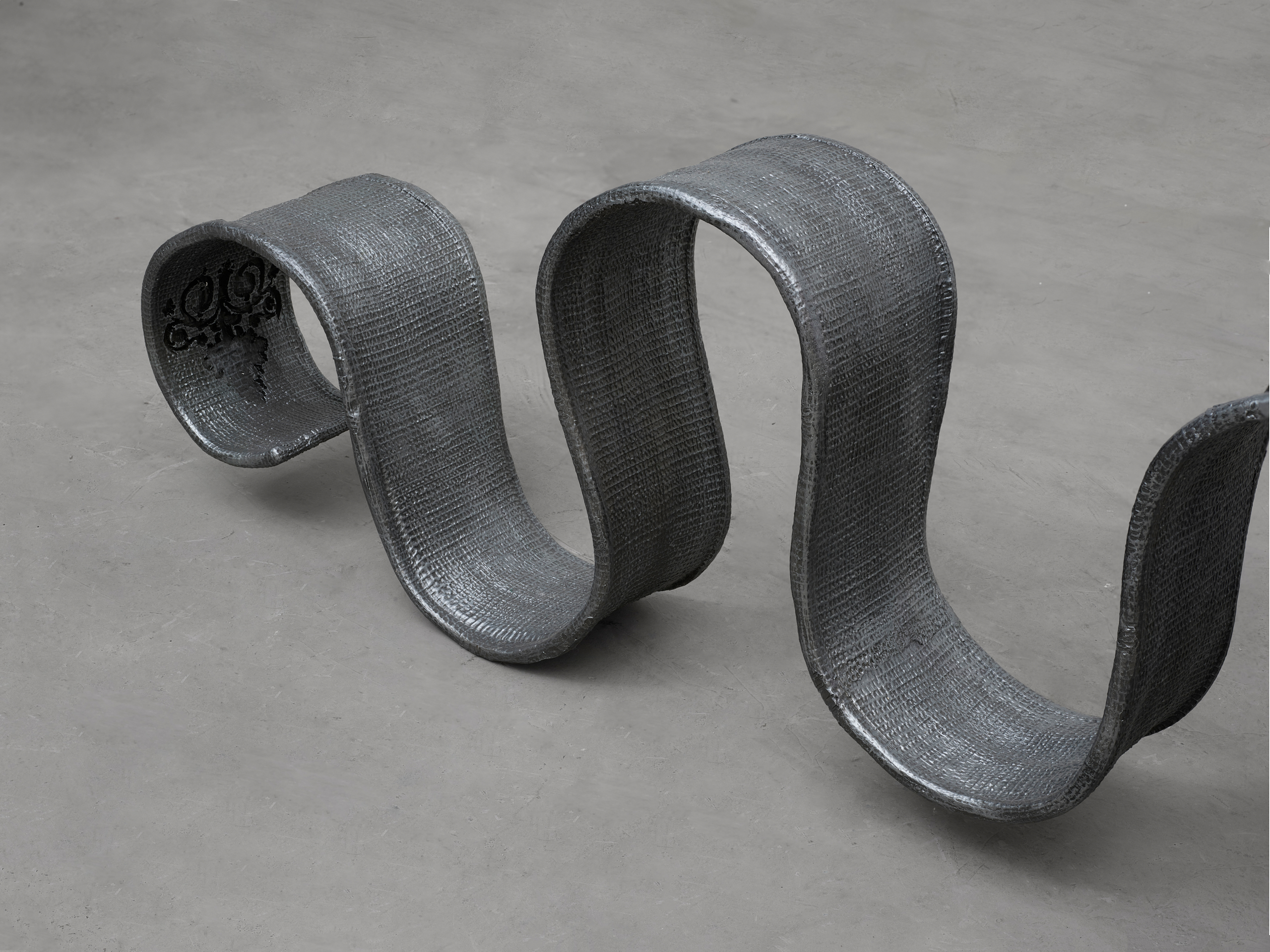
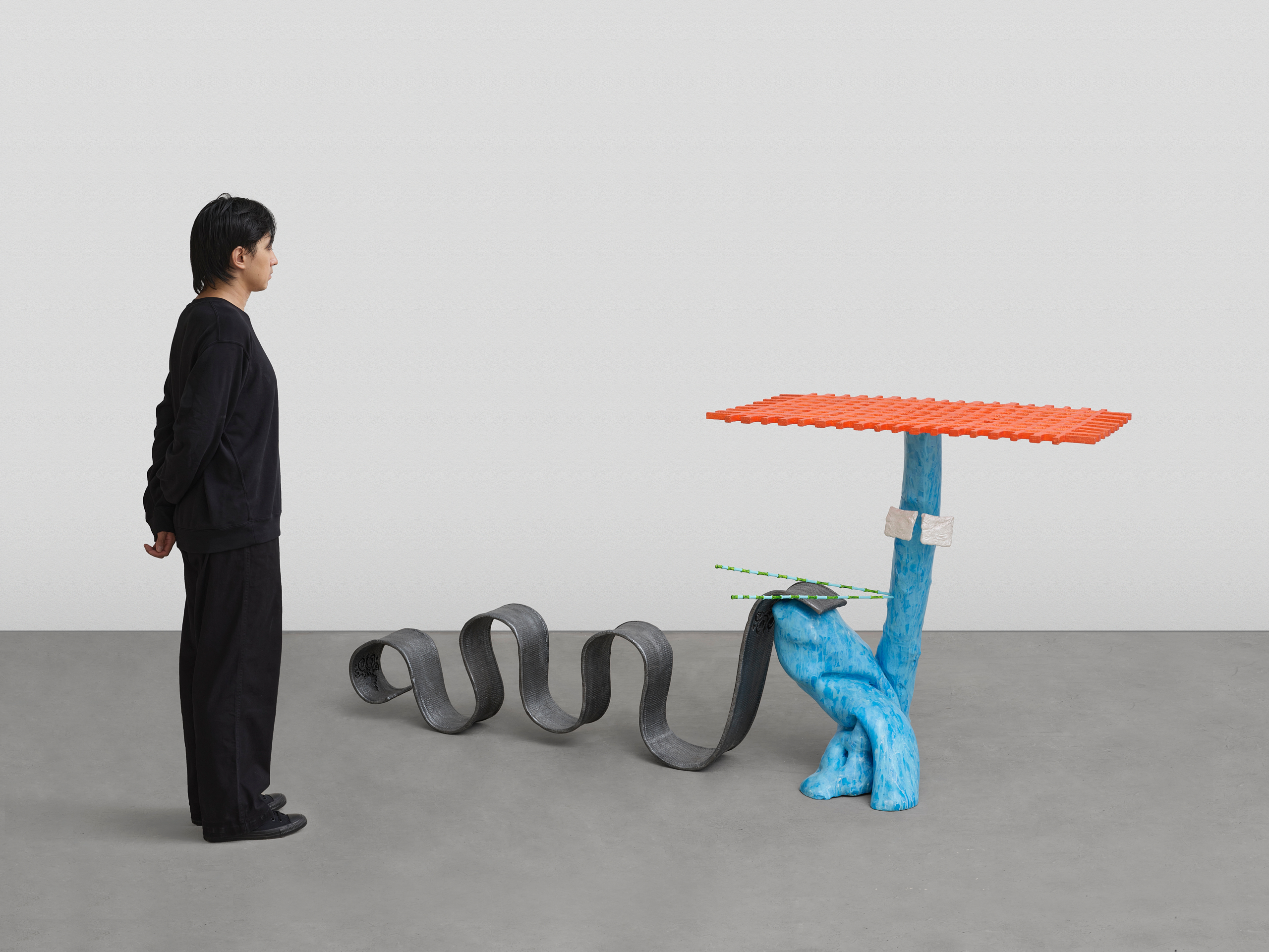
The moon is hanging in the sky, the weather is pleasant. When looking from under a shadow cast by the four-story building on the other side, the moon looks a bit clearer and the sky a bit bluer than from directly under the sun. A gentle breeze blows by, the air is infused with the smell of the saguaro’s pollen. This is their flowering season; if it rains, the smell will be much stronger, then the whole town will be as if immersed in a barrel of pollen liquor, surrounded by humid air, emitting warm steam and fermenting slowly…But it has not rained for a long, long time. The newly opened shop no longer sells umbrellas. Every day is dryer than the day before.作品信息Information -
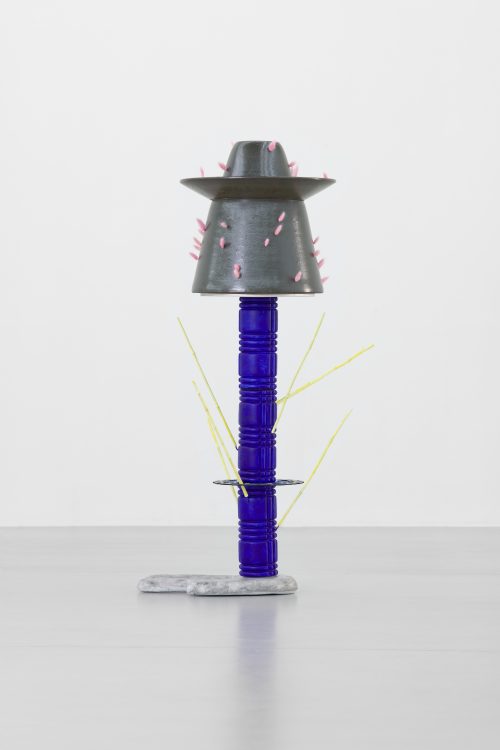
Guan Xiao, Game Boy, 2020
Pigmented bronze, porcelain, motorcycle parts, dried flowers
57 (L) x 33 (W) x 163 (H) cm
Within the cracks of the giant rock lie sighs.
When the noonday sun almost erases the shadow of minaret completely from the square, sighs start to sprout from the cracks. Along the stone wall, they flow to the ground, flowing into the long and narrow channel from the inside of the stone chamber… Eventually they slowly ooze from the exit. The sandy ground surrounding the minaret quietly gets wet. Its original wheat color gradually turns darker, as if someone is drawing a shadow for the minaret in the middle of the day. At such moments, a small cyclone could be seen from the sandy ground, which would spin around the minaret. Then, the kid shows up: bare-footed, and with a string of pink beads hung on his waist. And he wears a hat made by sundried Victoria lily. It doesn’t feel quite right to call it a hat as it is too big and covers not only his head, face, but also his neck and shoulders. Shortly afterwards, the kid starts to sing with his innocent voice: To take one to smash bones, two to hang shoes, three to tether livestock, four to tear bags, five to remove guts, six to dry jars, seven to cut off shadow, eight to fill it with river water and nine to sow seeds… When west wind blows through the village three times, ring the bell.作品信息Information -
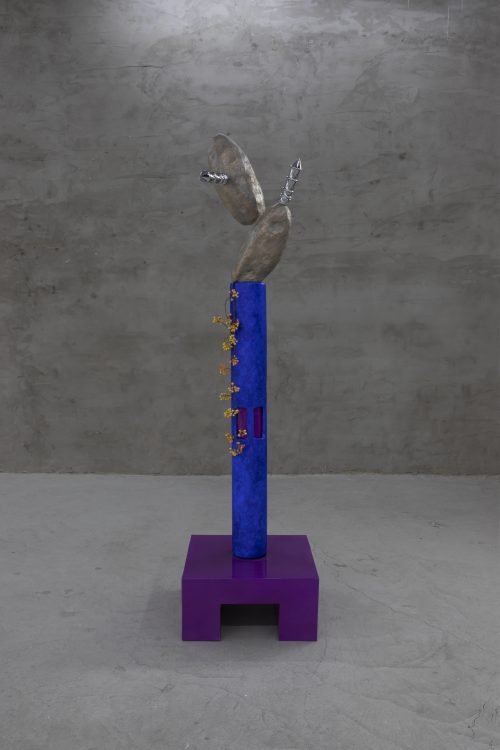
Guan Xiao, Pharmacist, 2020
Pigmented Brass, Motorcycle Parts, Artificial Flowers
50 x 50 x 186 cm作品信息Information -
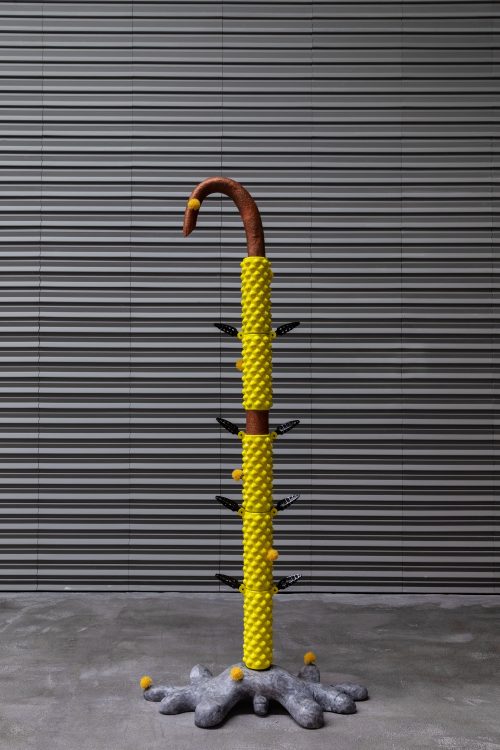
Guan Xiao, Messenger (Yellow) , 2020
Pigmented Bronze, Lacquer, Porcelain, Motorcycle Parts, Dried Flowers
90 x 40 x 220 cm作品信息Information -
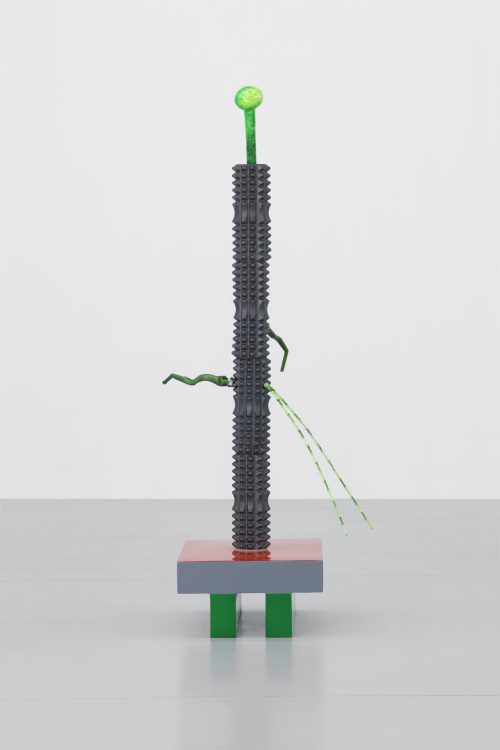
Guan Xiao, Catcher, 2020
Pigmented bronze, motorcycle parts
50 (L) x 33 (W) x 180 (H) cm
Dew drops slide down, silently, and leaves waver. Fluffy grasses also quiver, gently.
Dust starts to fly up from the ground. Pollens are everywhere. Plants try very hard to launch their seeds high up into the sky. Hairs and spores float around in the air…
Butterflies flap their wings. Crustaceans and arthropod insects waggle their tentacles. Rattlesnakes rattle their tails. Frogs swiftly wind up their legs. Antelopes stretch out their muscular legs to run and leap… Under the backdrop of a microworld, body movements seem rough and even a bit clumsy. Like a spoon churning in the sea of molecules, it constantly cuts the world apart. It is as dense as the bullets shot from a heavy machine gun into a serene lake. The irresistible sense of beauty is instantly shielded, like sound to be devoured by the water: a passivated single-channel tranquility, leaving a world teeming with clues.
However, the catcher hops within the field so skillfully that it perfectly avoids each and every crack. As a matter of fact, rather than hopping, it’s more like a ball hit back and forth, attached to a moving surface and trying its best to cooperate as if for the sake of soothing them… It fluctuates along with the wavy lines, vibrates the polylines, drops and rises the parabola… Beyond the moving part, it’s absolute stillness. In other words, it moves in a static manner. Its body becomes a bag to collect smells. It will work as long as it’s open.作品信息Information -
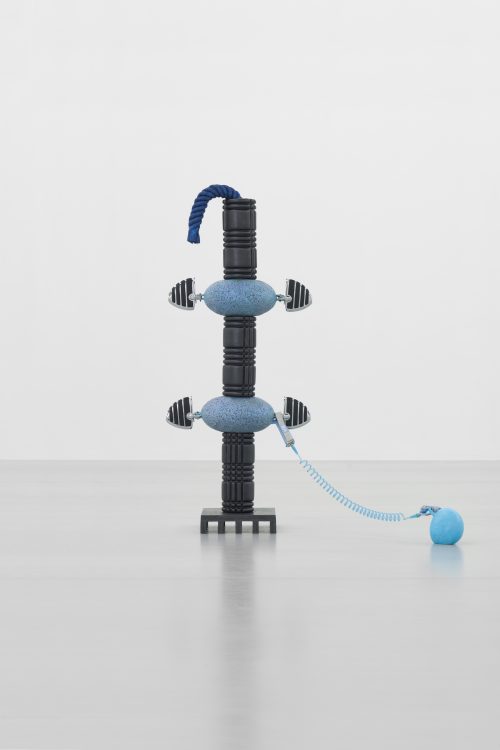
Guan Xiao, Petting-Er, 2020
青铜,丙烯烤色,摩托车零件,麻绳,螺旋线圈
Pigmented bronze, motorcycle parts, ropes, spirals
65 (L) x 30 (W) x 165 (H) cm
He always wakes up in the middle of the night. The pub downstairs, despite its flat business, is open as always. The blue neon lights adorn his room as fancy as the sea. At such moments, he’d install one of his mechanical arms, get out of bed, open the refrigerator and take a swig of KT52. He’s never used to its weird taste. “Ew”, he grimaces and goes to the bathroom.
The tub is full of water, which looks slightly sparkling in the darkness. Like usual, he sits down by the tub, stretching out his silvery metal arm to fumble in the water. After a while he picks up a shimmering blue ball. He dries the ball carefully with a towel, takes it to the bed, spin in, and embrace the dreamland again with the ball in his arm.作品信息Information -
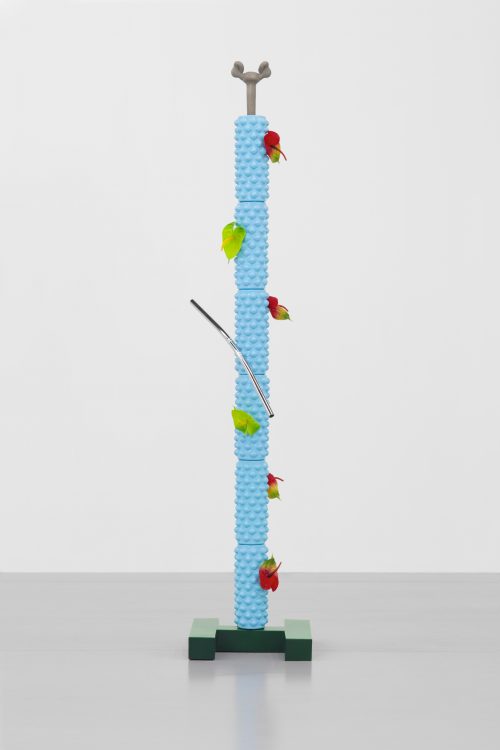
Guan Xiao, Storm Rider, 2020
Pigmented bronze, motorcycle parts, artificial flowers
45 (L) x 45 (W) x 200 (H) cm
A rainy night. Dream.
Along with the damp whisperings,
there she comes.
The dreamland is split up with a swing of the sword within the lightning.作品信息Information -
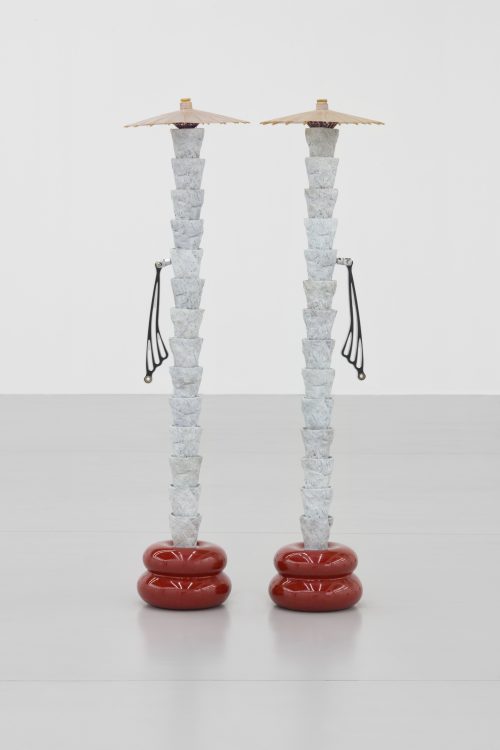
Guan Xiao, Night Watcher, 2020
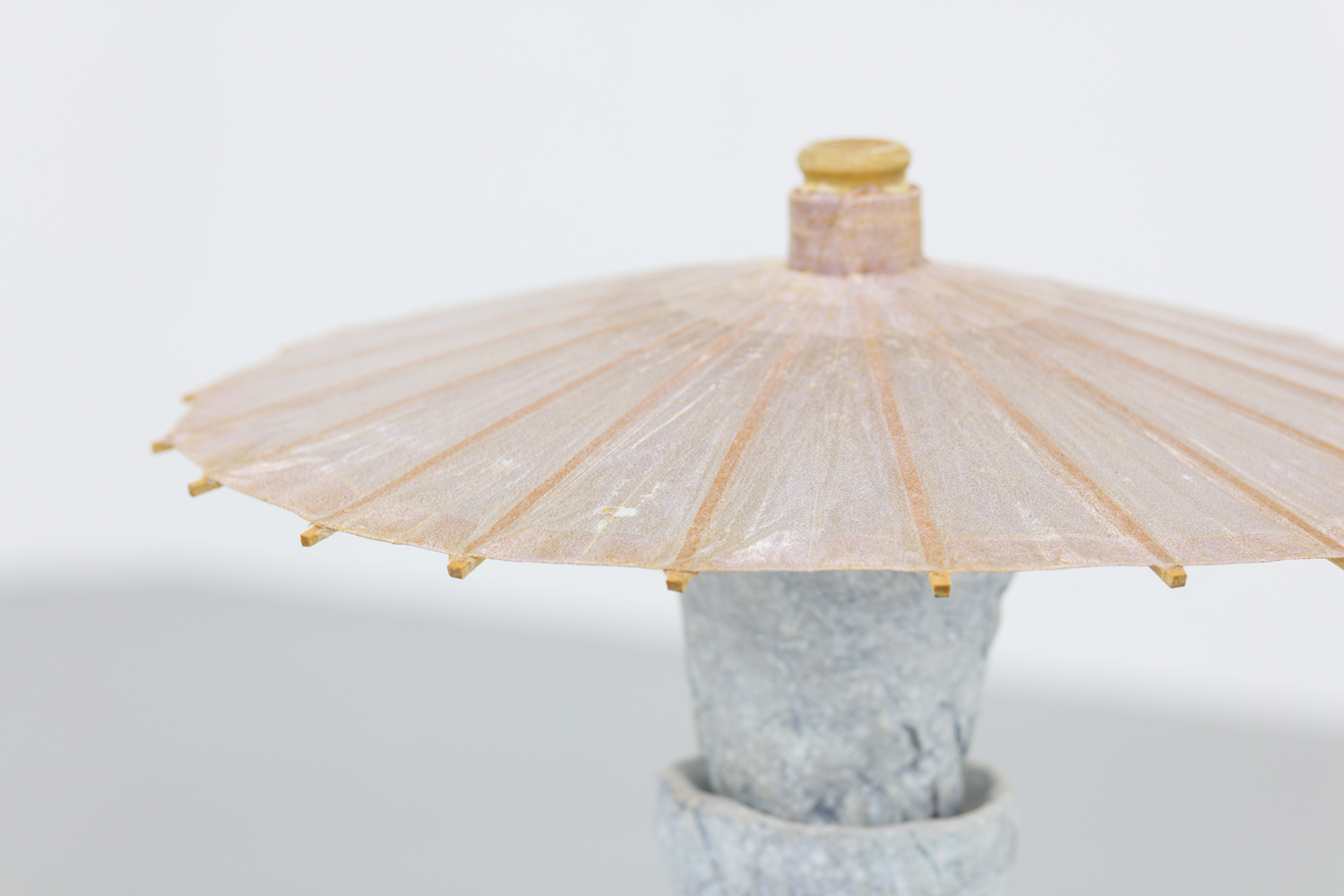
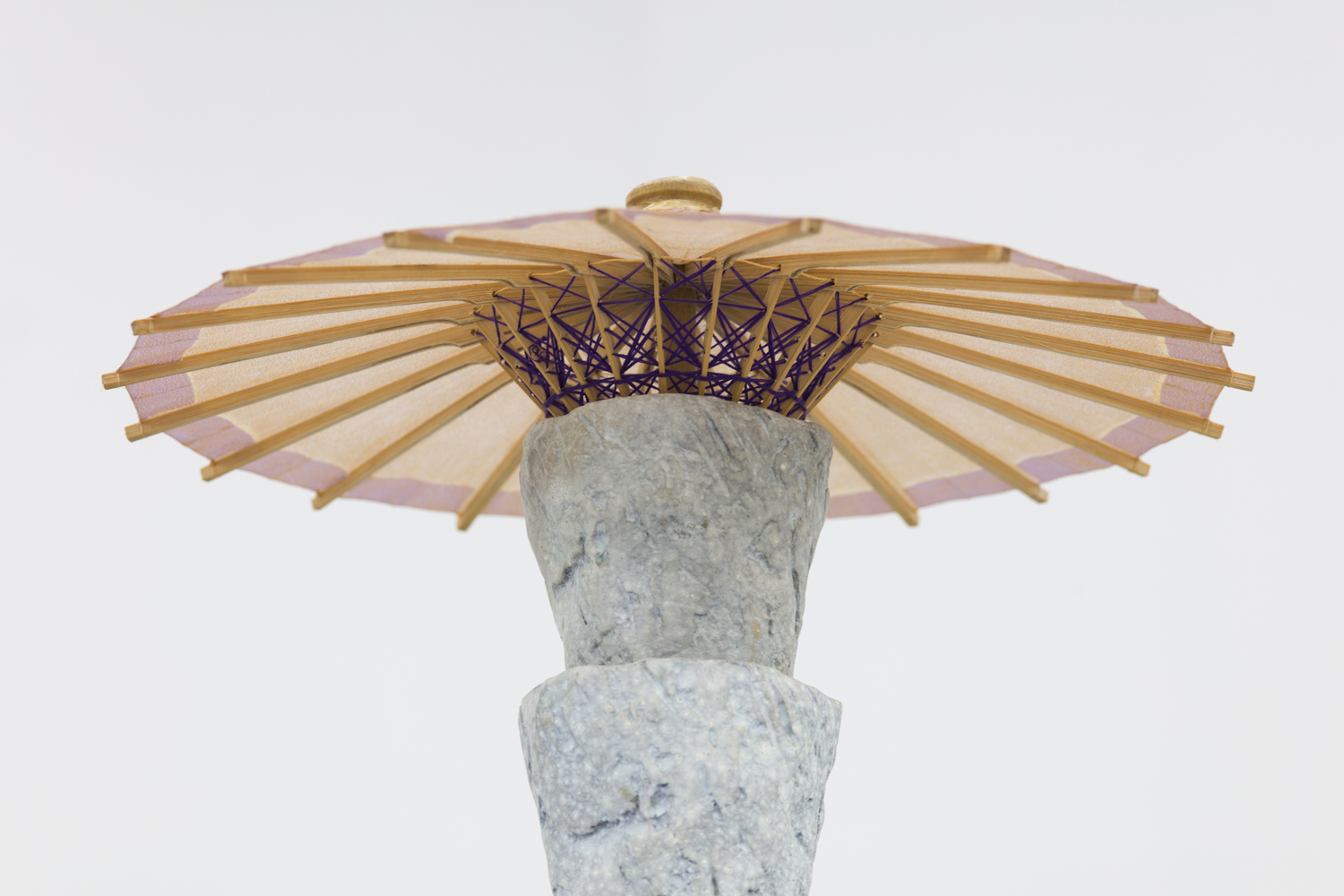
Pigmented brass, motorcycle parts, oil-paper umbrella
70 (L) x 33 (W) x 138 (H) cm
“The weather is dry and so are things,
Watch out and not to kindle them!”
Bang, bang, bang.
It is long street that is in front of the long street. And it is long street that is behind the long street.
When the white crane takes a stride, it swings back and forth. Tonight is a night without moonlight.作品信息Information -
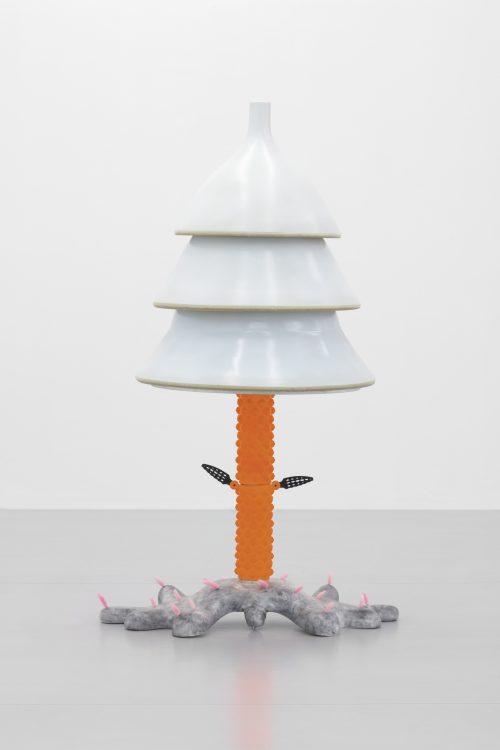
Guan Xiao, Hazel, 2020
Pigmented bronze, porcelain, motorcycle parts, dried flowers
110 (L) x 41 (W) x 150 (H) cm
It always spins like this, at a uniform and high speed and accompanied by a low humming. The sound keeps spreading and accumulating as quantity starts to push it to roll. Day after day.
Little by little, the trajectory cuts the sound off, leading to two pieces of round ground.
It rolls, to the end of the ground. There’s no peers or rivals. Day after day.
Eventually the round grounds start to spin, respectively. No longer are they a symbiont. Instead, they are three pals. One day, the ground pauses, so transiently that it’s almost undetectable. Instantly, it falls into the crack of uniform time, tumbling out of the edge which seems would roll forever. Falling, down and down.
Until one day it keeps moving on in a linear manner and the gravitation pulls (draws) out the soles.作品信息Information -
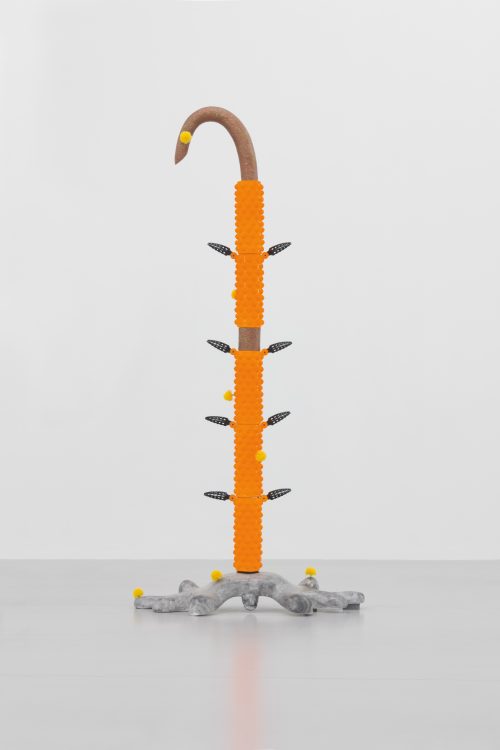
Guan Xiao, Messenger, 2020
Pigmented bronze, lacquer, porcelain, motorcycle parts, dried flowers
110 (L) x 41 (W) x 185 (H) cm
The road has not got busy yet, and it’s even too early for the dust to fly upon the ground.
Sunlight in early morning is pale golden, and that “golden egg” is glowing like the moon. For all insects, this is just the Golmalaya in their flat world. At this time of the day, they will start eating as usual, under the sky where the sun and this Golmalaya coexist. However, unlike usual, a “click” appeared. Gently, quietly, secretly, and hard to detect. A crack emerged on the almost perfect golden shell. Three seconds of silence later, the crack began to increase and decrease progressively in the folds of time and space. Fast and intensively. Just like lightning cutting through the sky, the crack gradually covered the entire Golmalaya egg.作品信息Information -
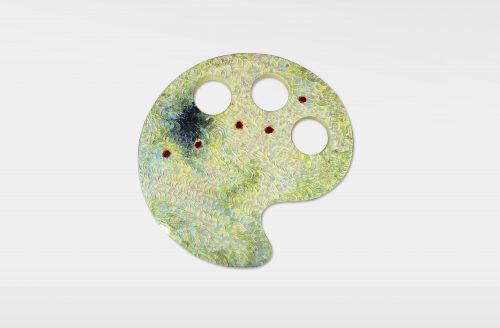
Guan Xiao, Mole, Wound, Whistle, 2020
Wood panel, polyester putty base, acrylic
117 x 120 x 7.5 cm作品信息Information -

Guan Xiao, Fireworks, Sky, Love in your Mouth, 2020
Wood Panel, poly-putty base, acrylic colour
80 x 78 x 3.5 cm
作品信息Information -
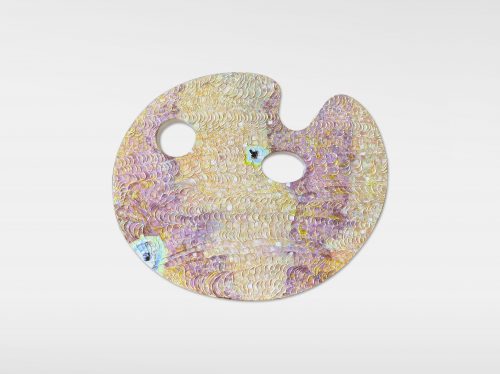
Guan Xiao, Puddle, Moon, Shoelace, 2020
Wood panel, polyester putty base, acrylic
140 x 118 x 7.5 cm作品信息Information -
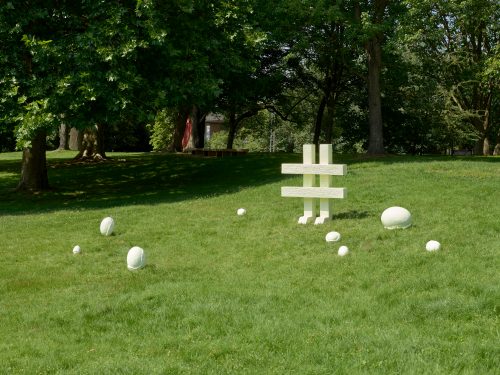
Guan Xiao, Old Eggs and the Catcher, 2020
Pigmented Bronze
#:117×38×132 cm
Egg1: 49×40×37 cm
Egg2: 28×27×37 cm
Egg3: 28×28×37 cm
Egg4: 24×28×20 cm
Egg5: 13×13×17 cm
Egg6: 18×20×17 cm
Egg7: 16×16×20 cm
Egg8: 26×19×21 cm作品信息Information -
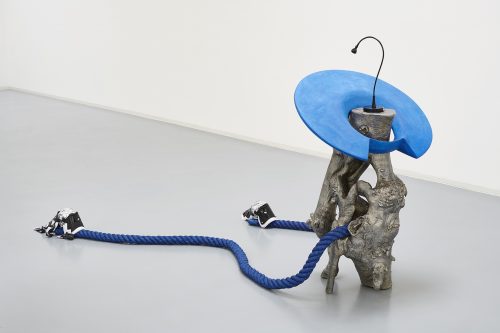
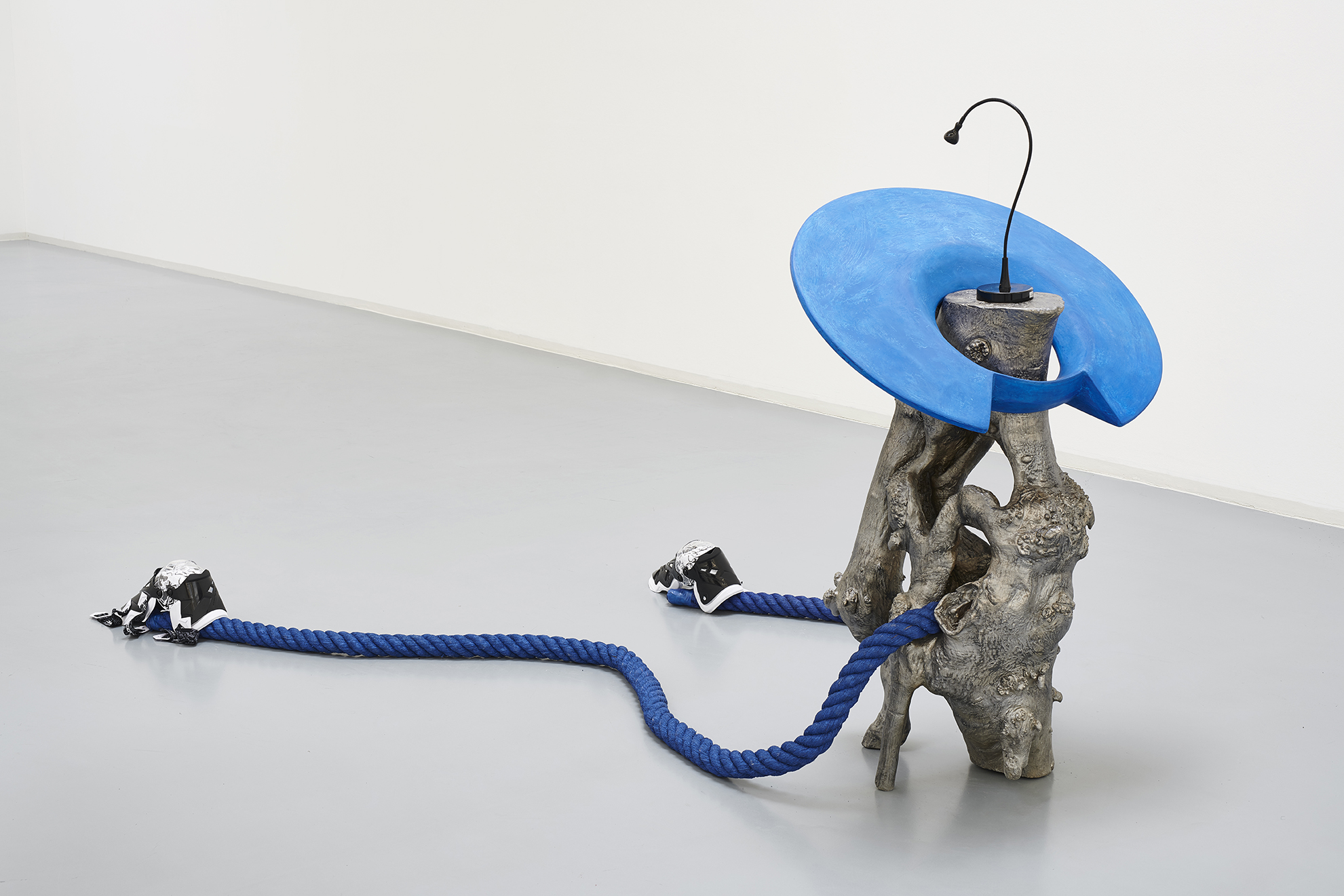
Guan Xiao, A Sinking Blue Field, 2019
pigmented brass, dyeing fiberglass, colored rope, motorcycle kneecap, LED lamp
151 x 60 x 90 cm
2019作品信息Information -
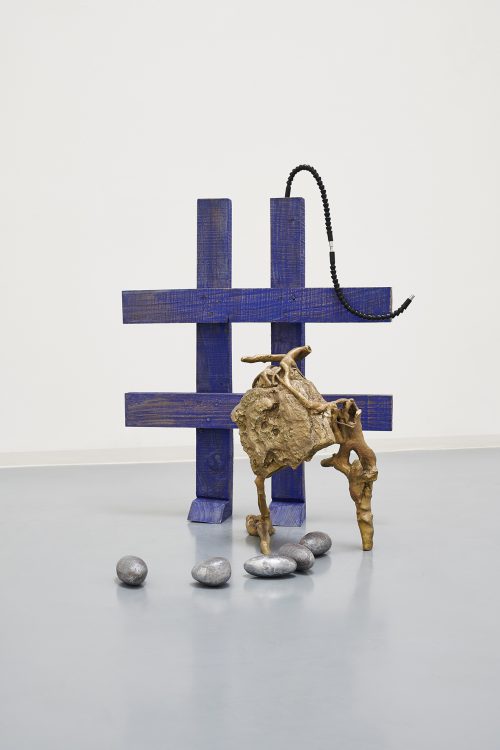
Guan Xiao, Chicken House, 2019
pigmented brass, dyeing fiberglass, elm, universal screwdriver
99 x 81 x 88 cm
2019作品信息Information -
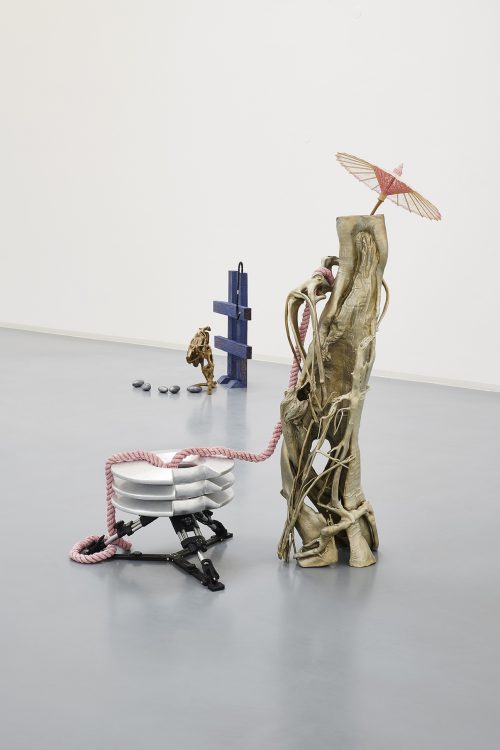
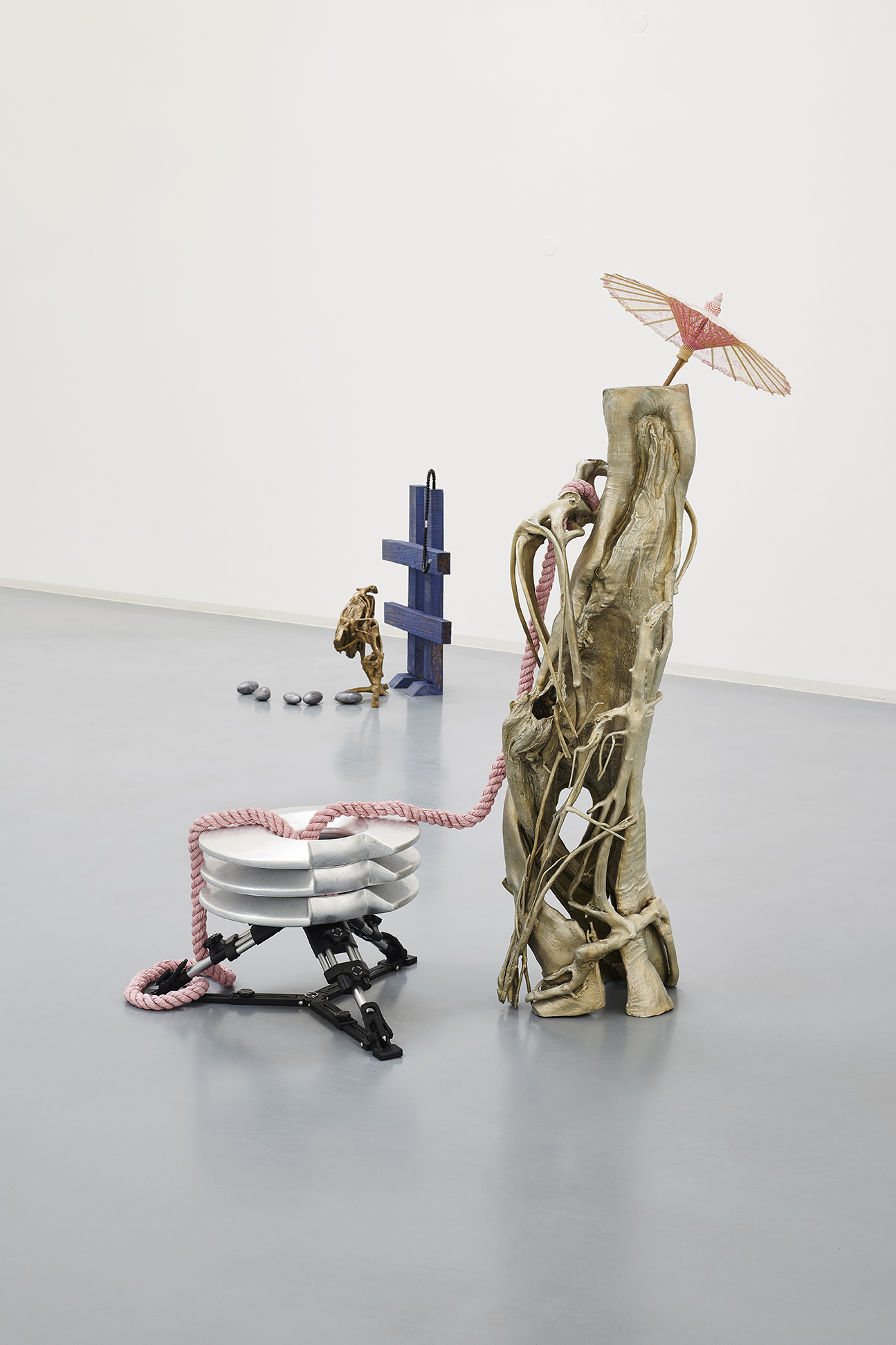
Guan Xiao, The Daughter of Tree, 2019
pigmented brass, paper umbrella, colored rope, fiberglass,silver foil, camera tripod
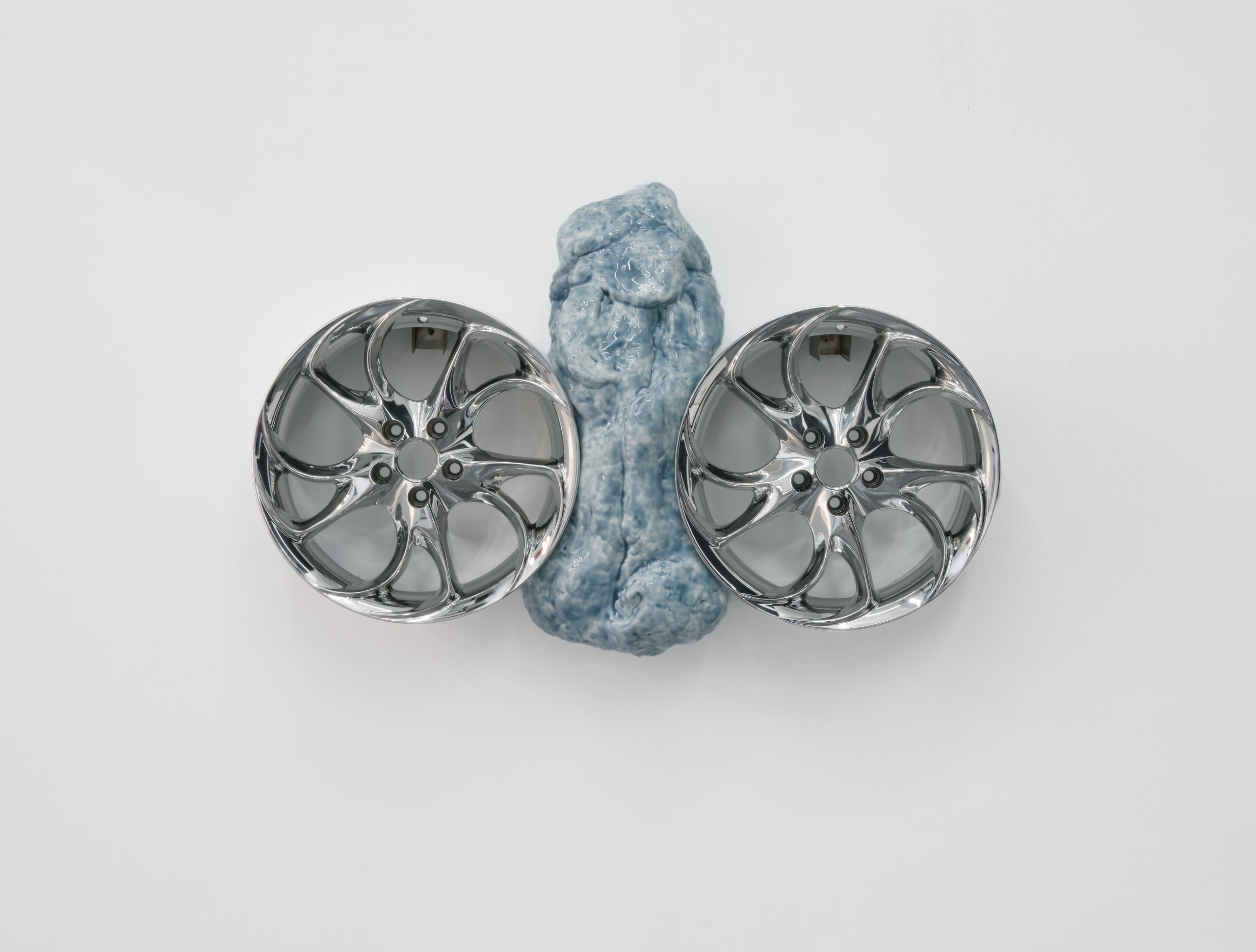
161 x 140 x 57 cm作品信息Information -
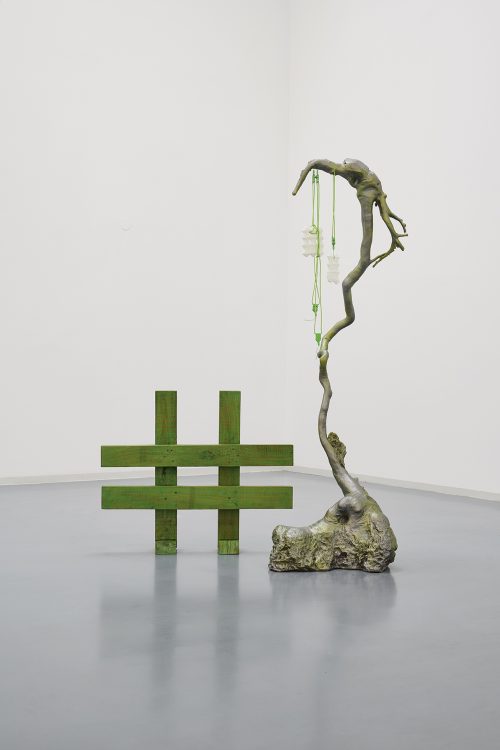
Guan Xiao, Pond, 2019
pigmented brass, elm, 3D print, mobile phone straps
183 x 140 x 60 cm作品信息Information -
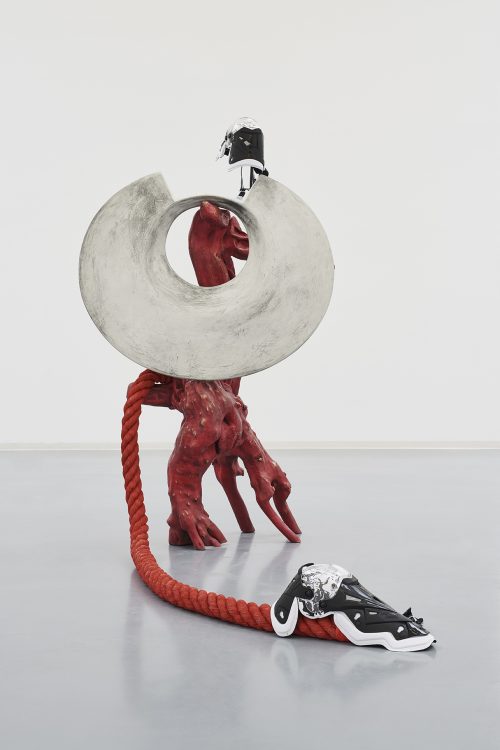
Guan Xiao, Slow Wave, 2019
pigmented brass, dyeing fiberglass, carbon powder, colored rope, motorcycle kneecap, LED
lamp
159 x 88 x 57 cm作品信息Information -
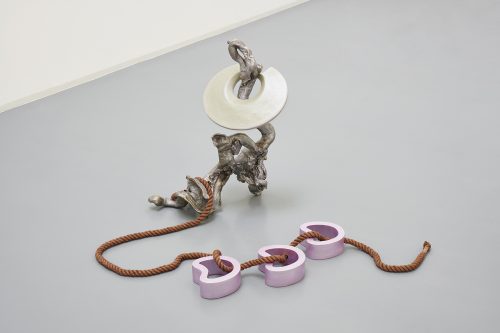
Guan Xiao, Tulip Model, 2019
pigmented brass, dyeing fiberglass, colored rope, colored fiberglass
99 x 81 x 50 cm作品信息Information -
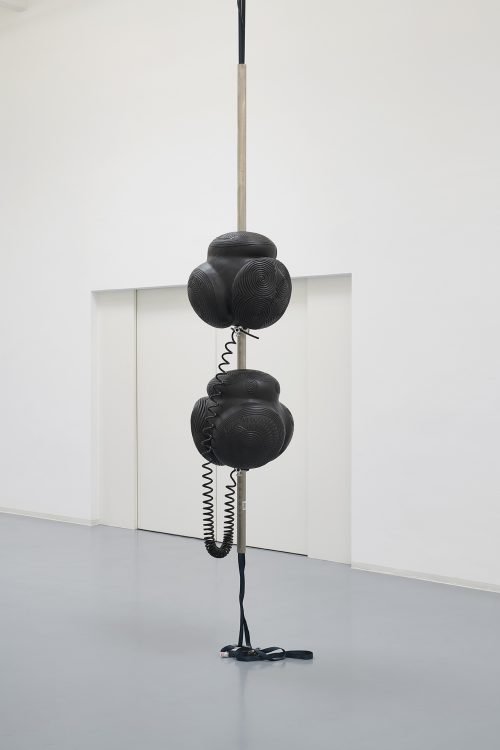
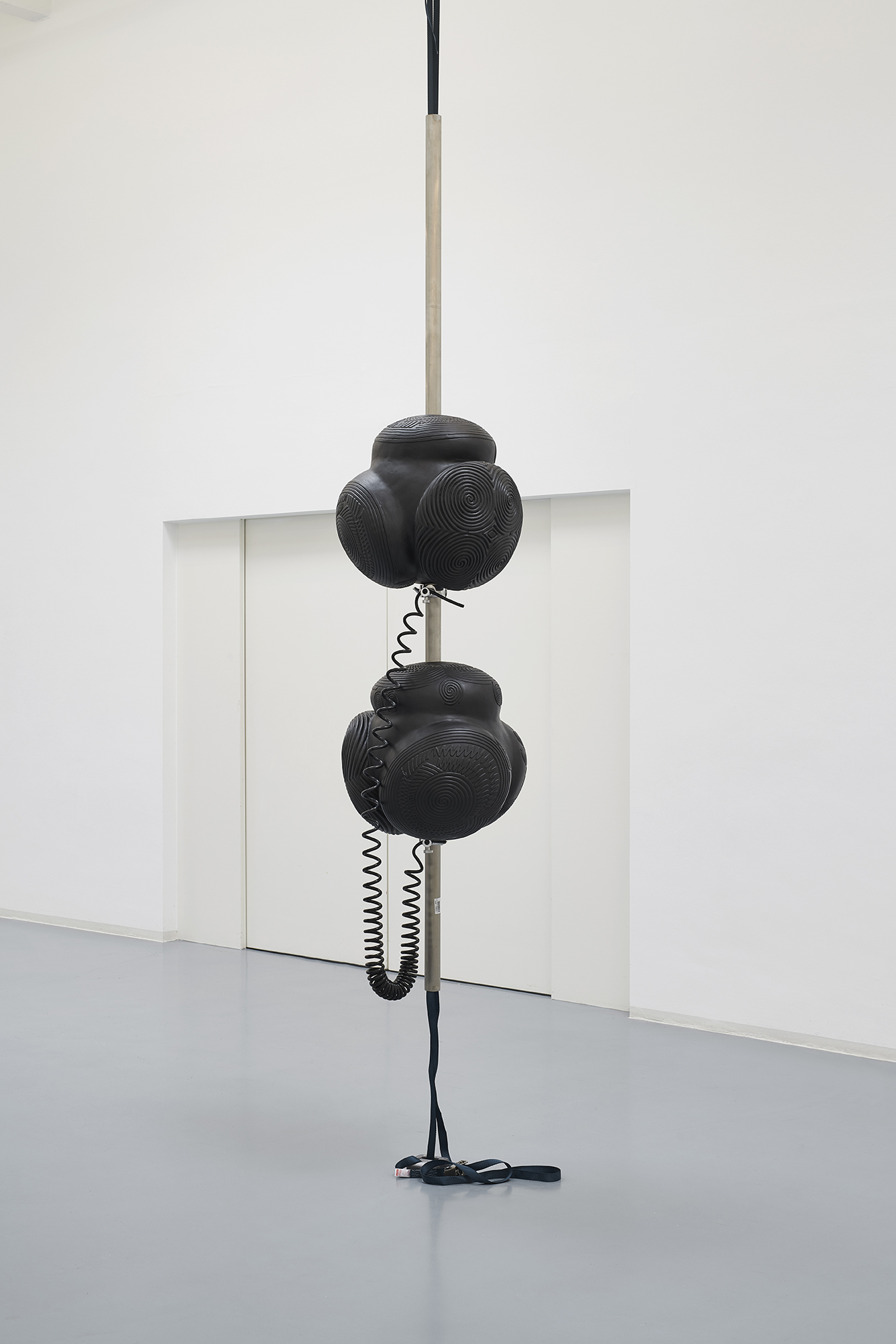
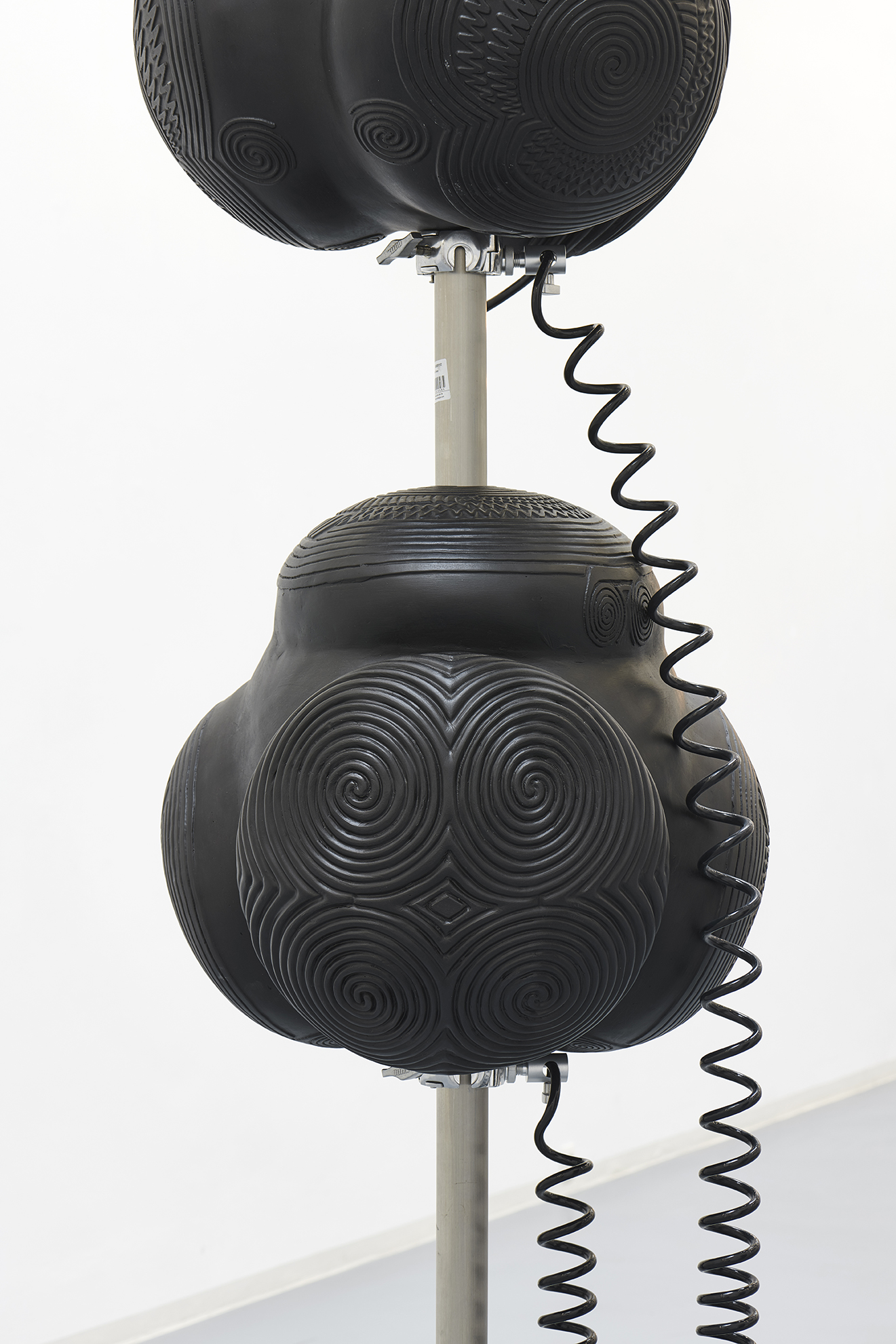
Guan Xiao, Things I Couldn’t Forget – Carved Stone Balls, Towie, Aberdeenshire, 2019
Dyeing Fiberglass,Spiral Wire, Stainless Steel Tube, KUPO 4-Way Ring Lock, Strap, Lead Block
Pipe: 270 cm | 106 1/3 in (overall height adjustable with cable)
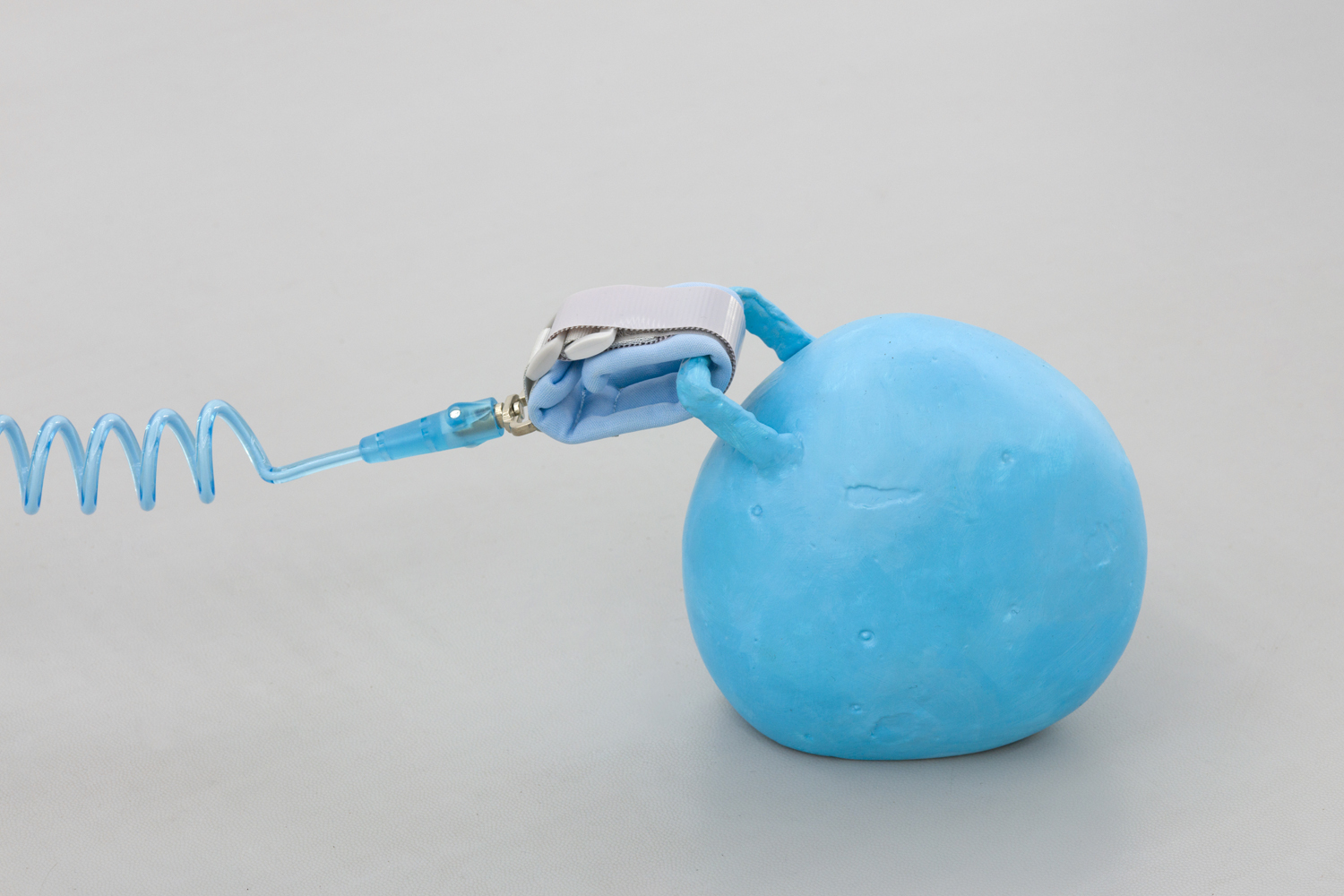
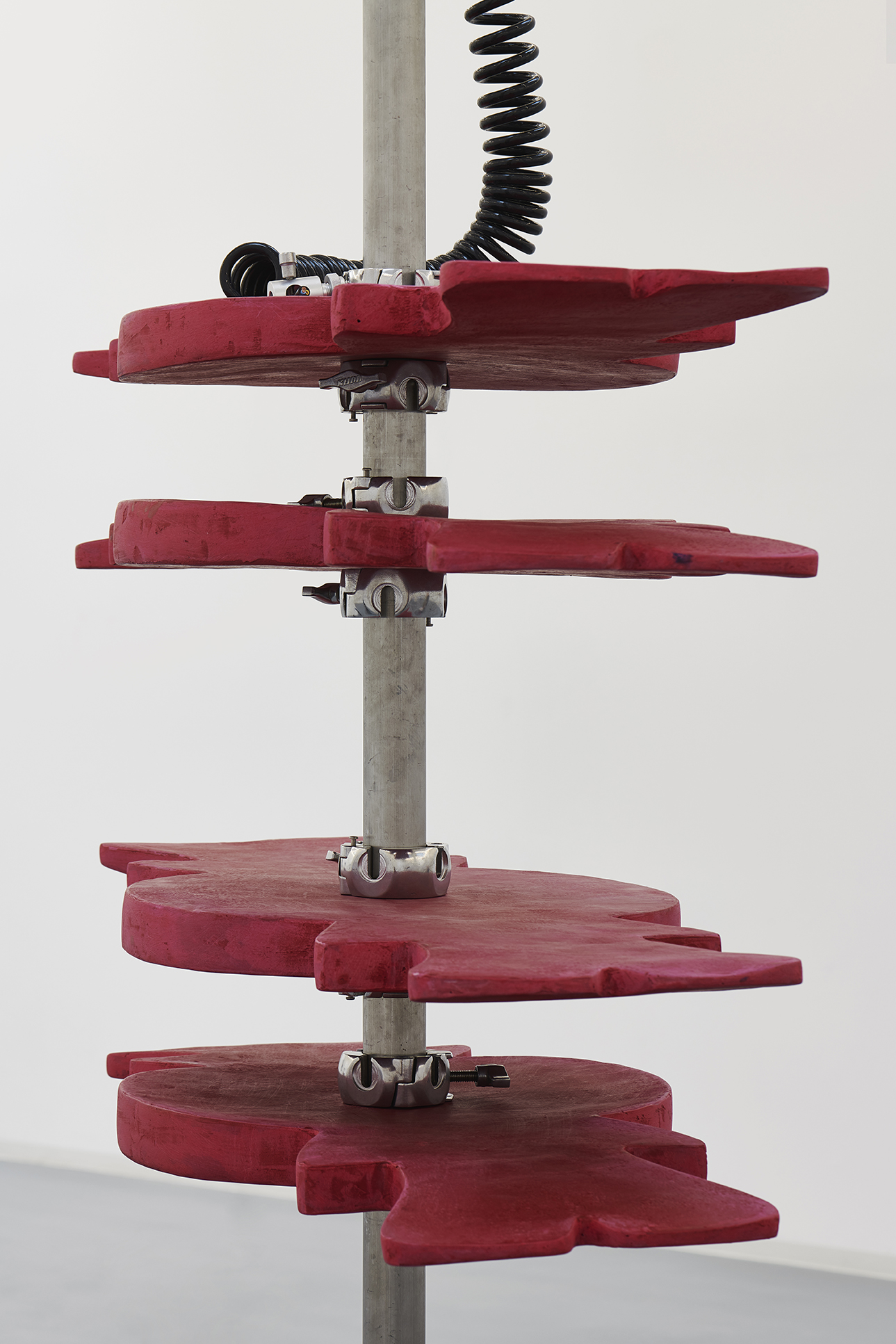
Fiberglass Element: 60 cm diameter | 23 2/3 in diameter (each)作品信息Information -
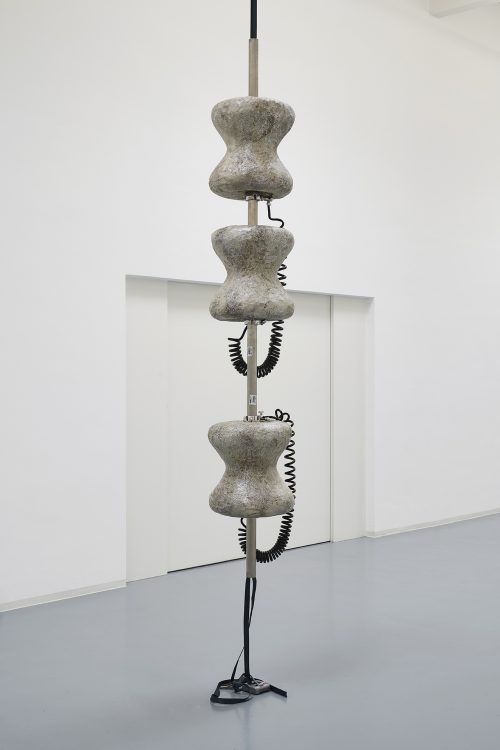
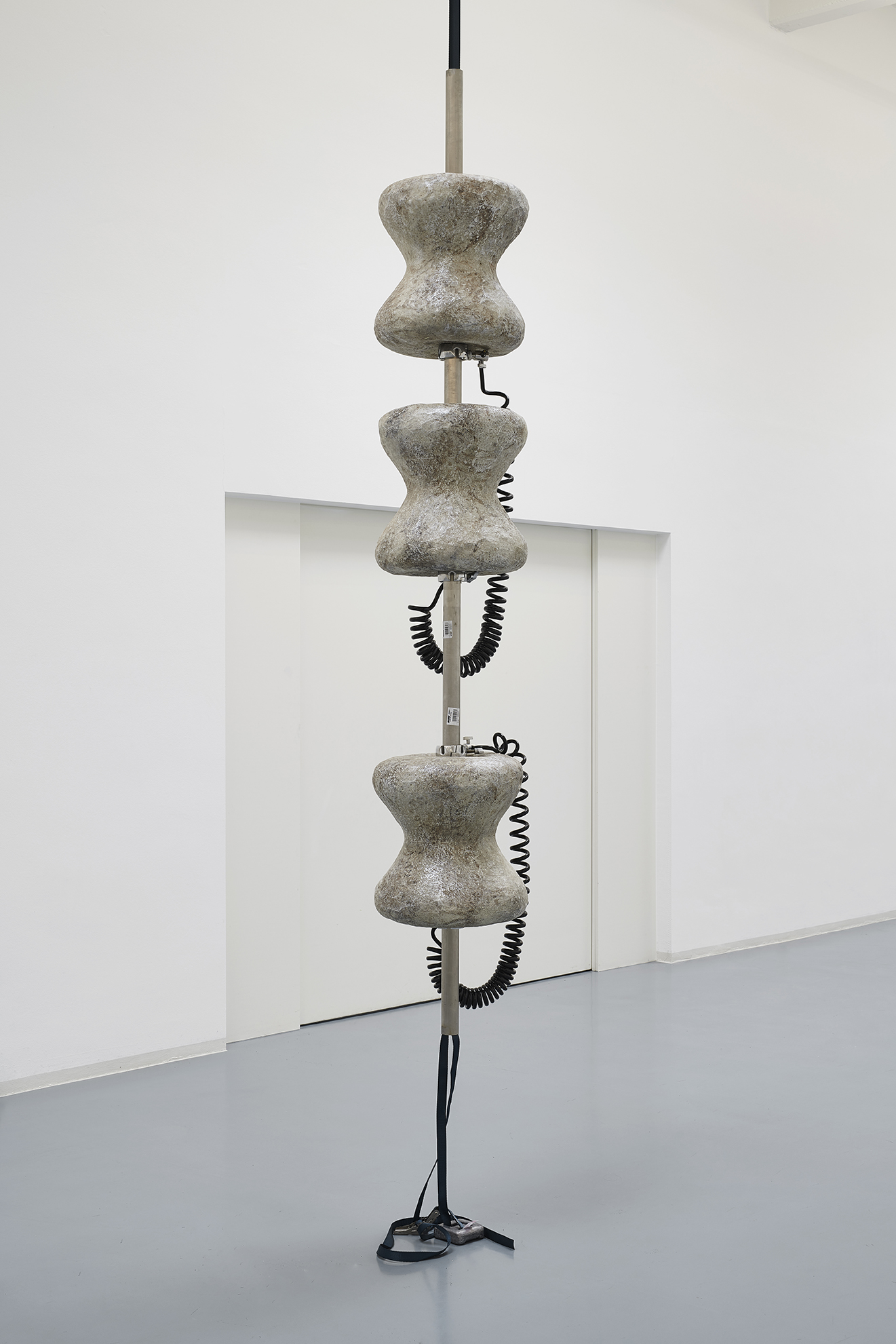
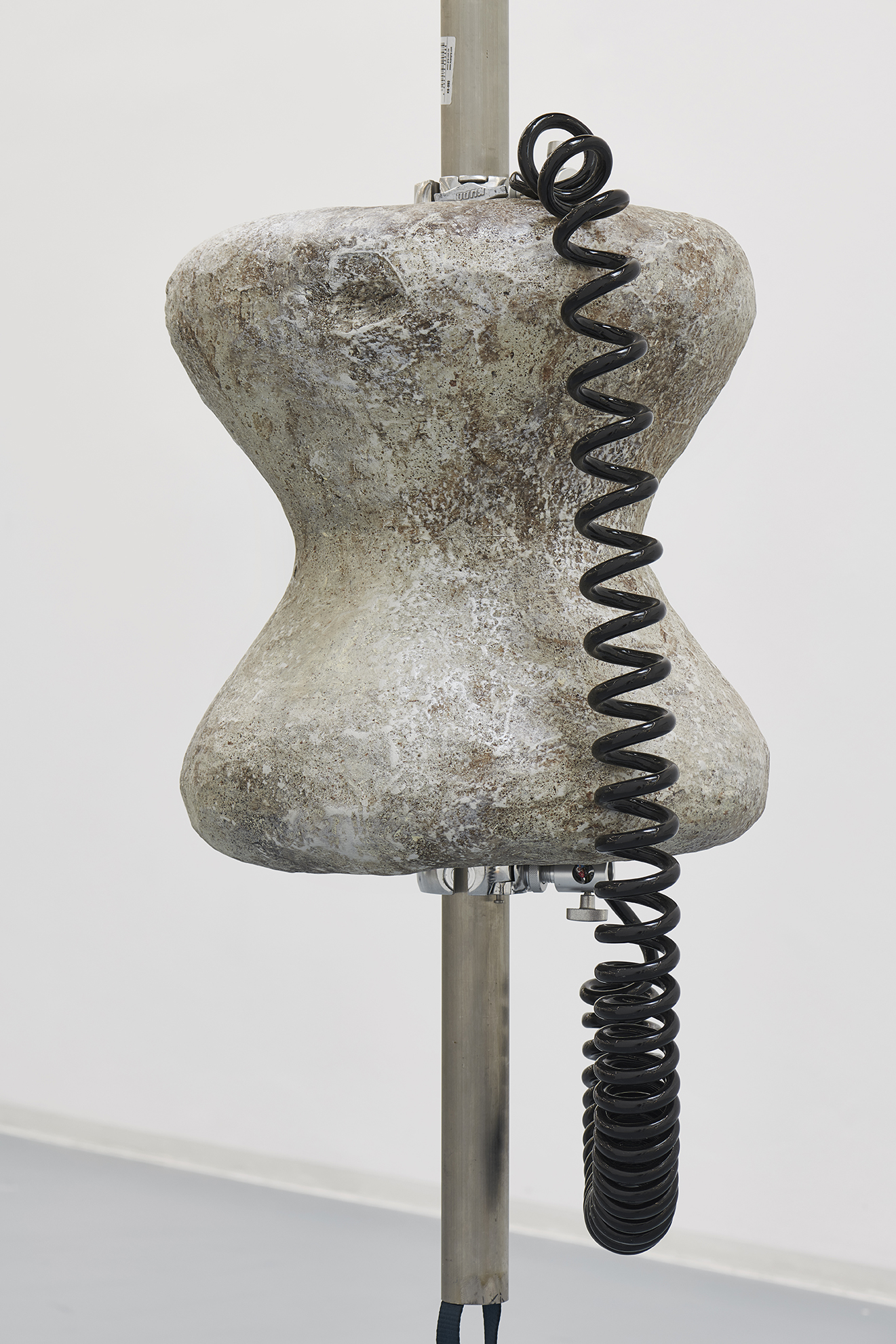
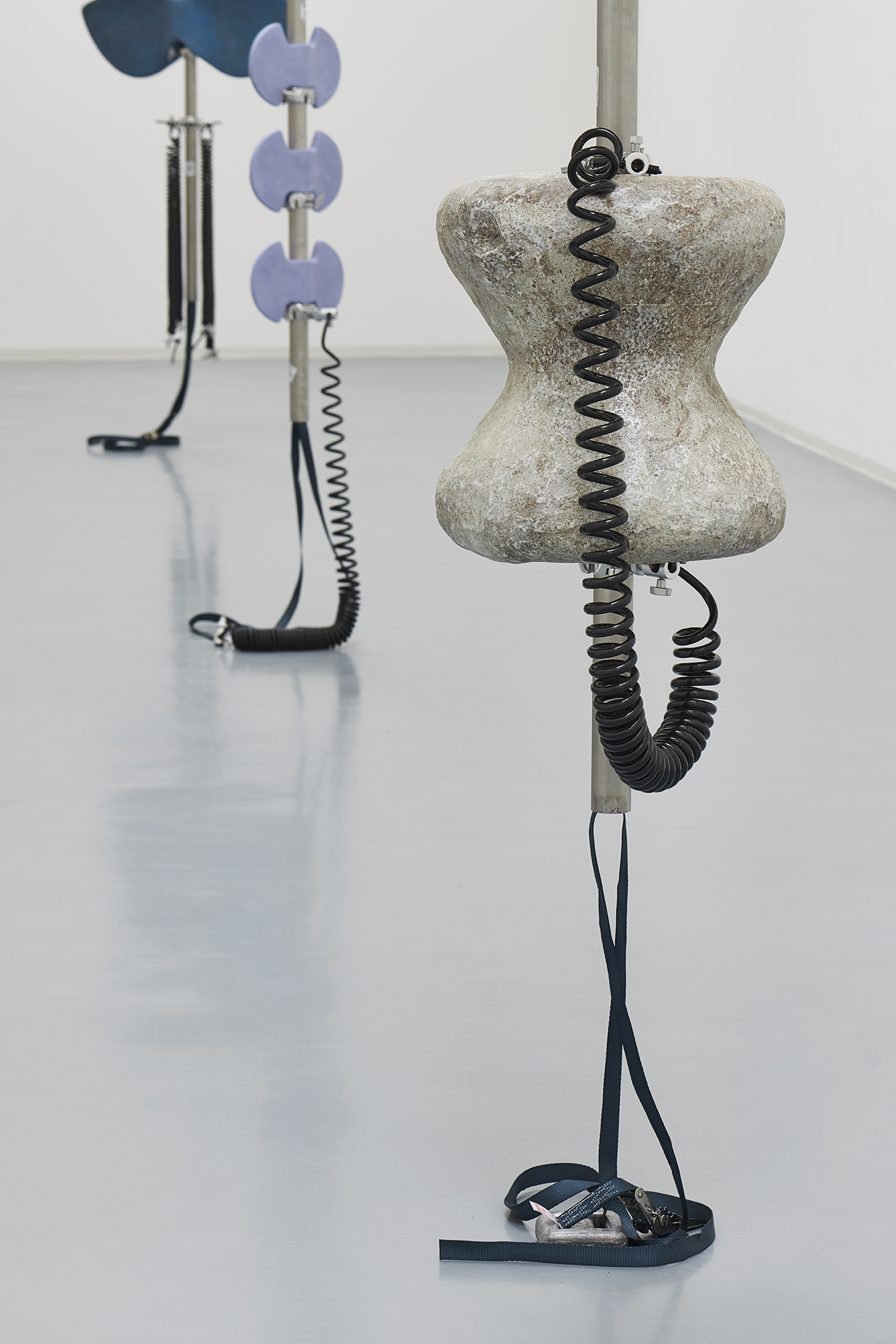
Guan Xiao, Things I Couldn’t Forget – Basalt Bead, Metz, 2019
dyeing fiberglass,spiral wire, stainless steel tube, KUPO 4-way ring lock, strap, lead block
pipe: 270 cm | 106 1/3 in (overall height adjustable with cable)
fiberglass elements: 48 x 41 x 41 cm | 18 7/8 x 16 1/8 x 16 1/8 in (each)作品信息Information -
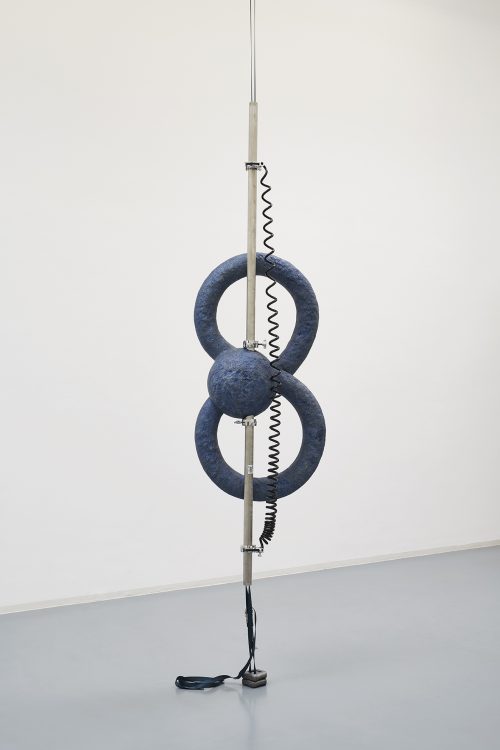
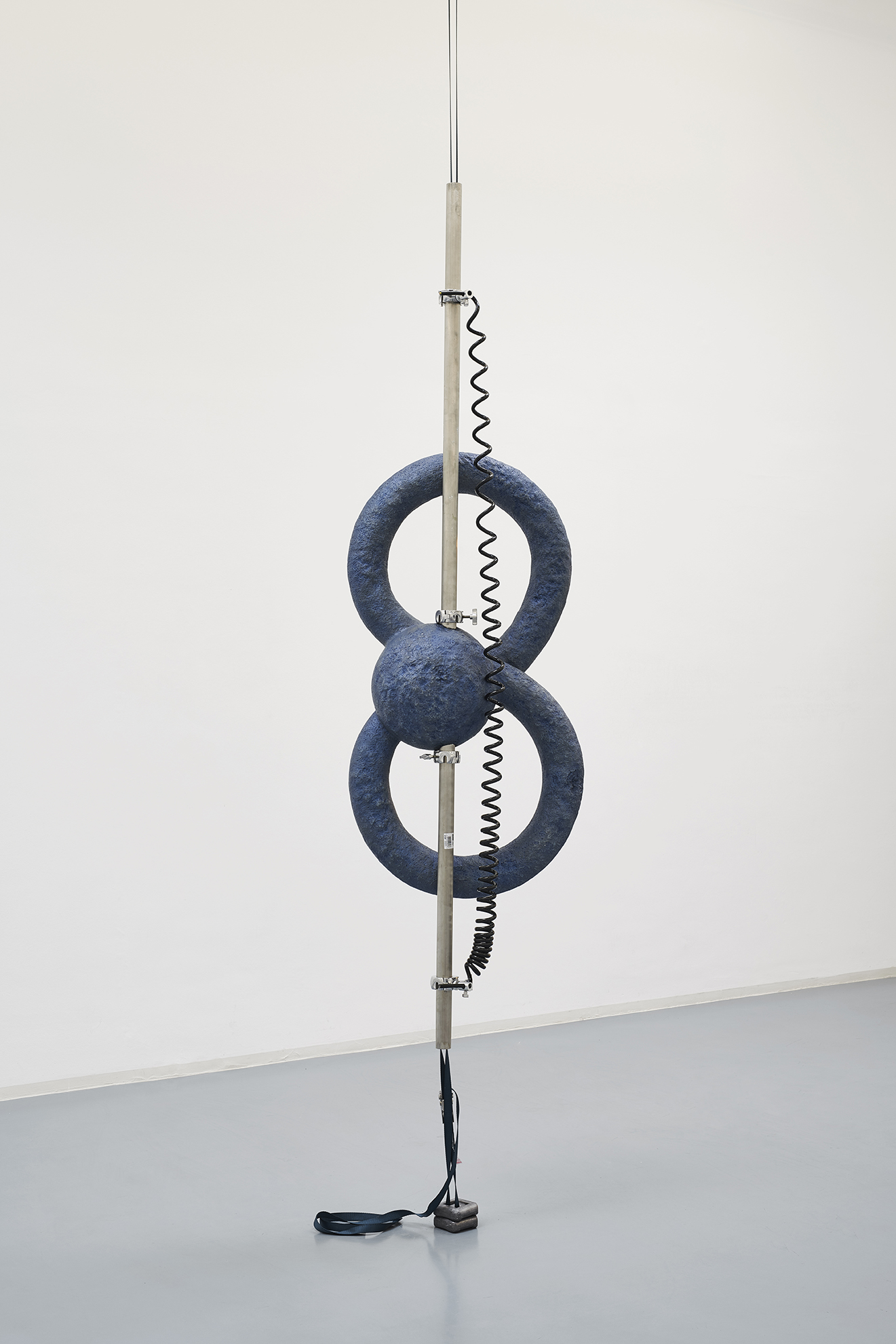
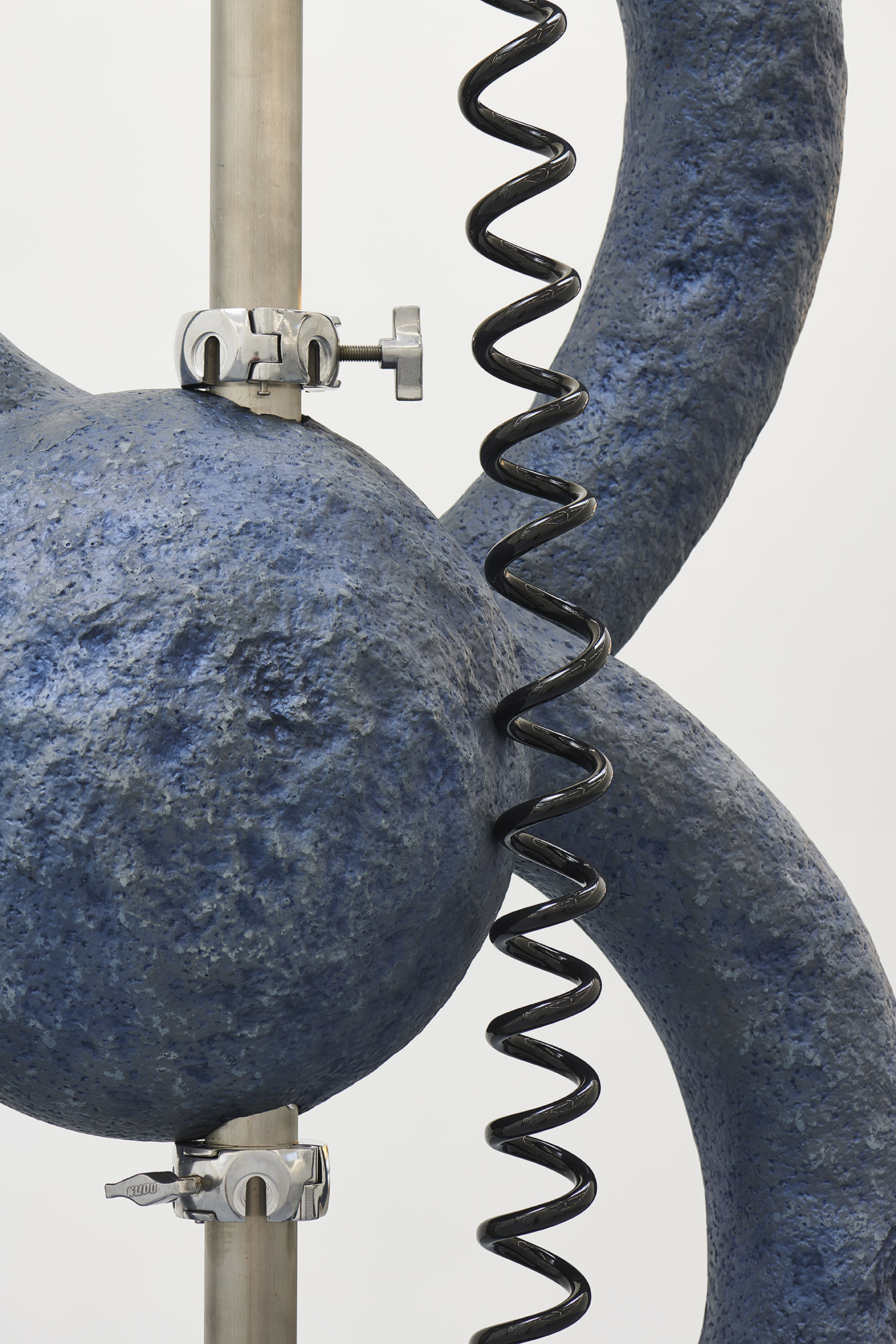
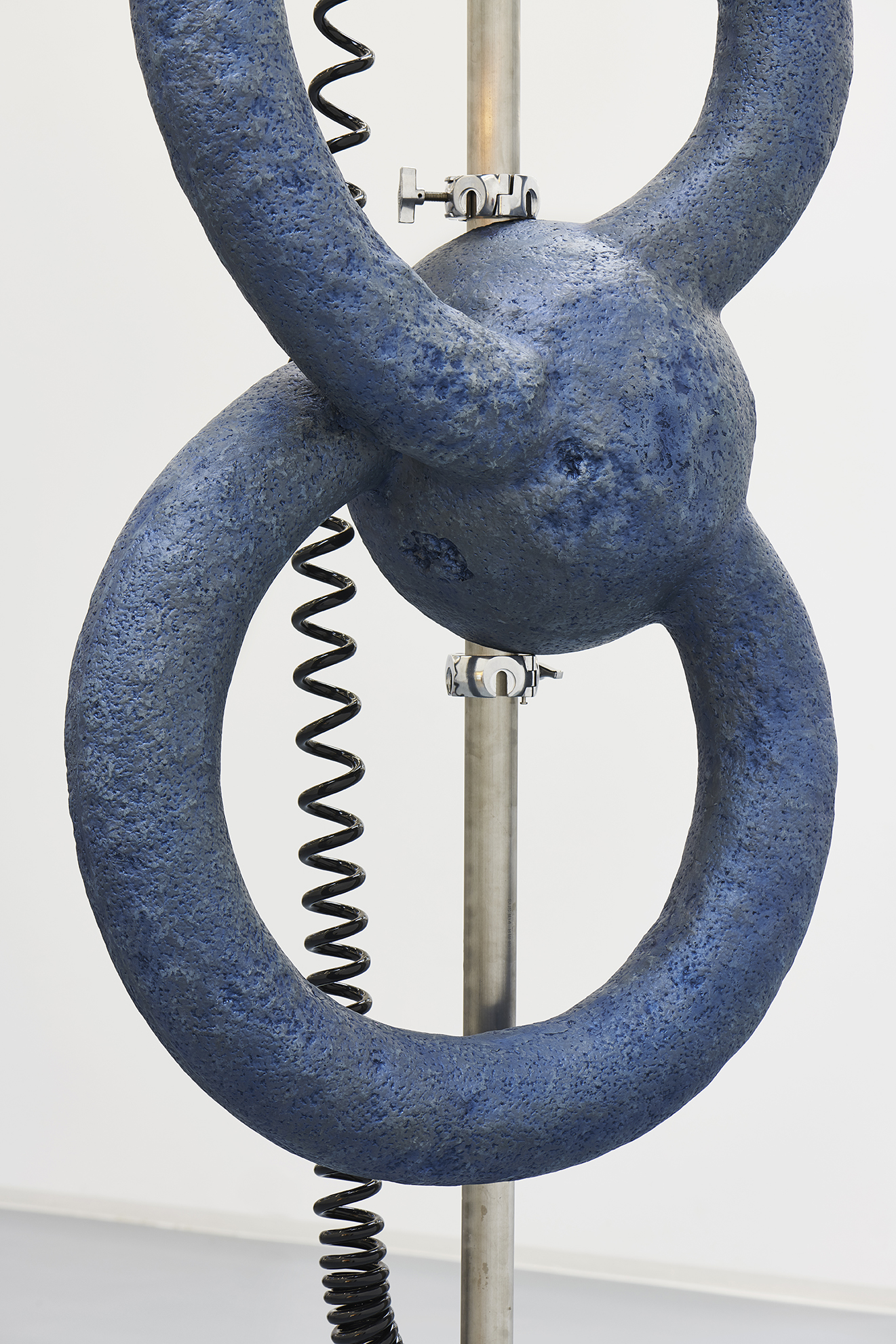
Guan Xiao, Things I Couldn’t Forget – Double Rings Belt Buckle, Milano, 2019
Dyeing Fiberglass,Spiral Wire, Stainless Steel Tube, KUPO 4-Way Ring Lock, Strap, Lead Block
Pipe: 270 cm | 106 1/3 in (overall height adjustable with cable)
Fiberglass Element: 145 x 75 x 25 cm | 57 x 29 1/2 x 9 7/8 in作品信息Information -
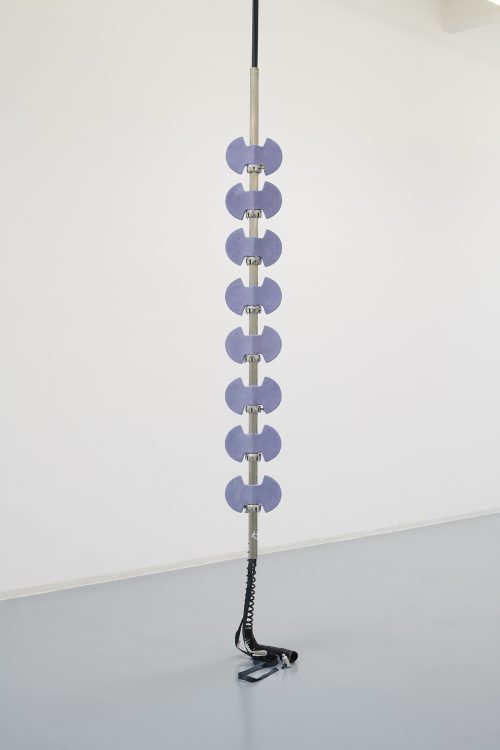
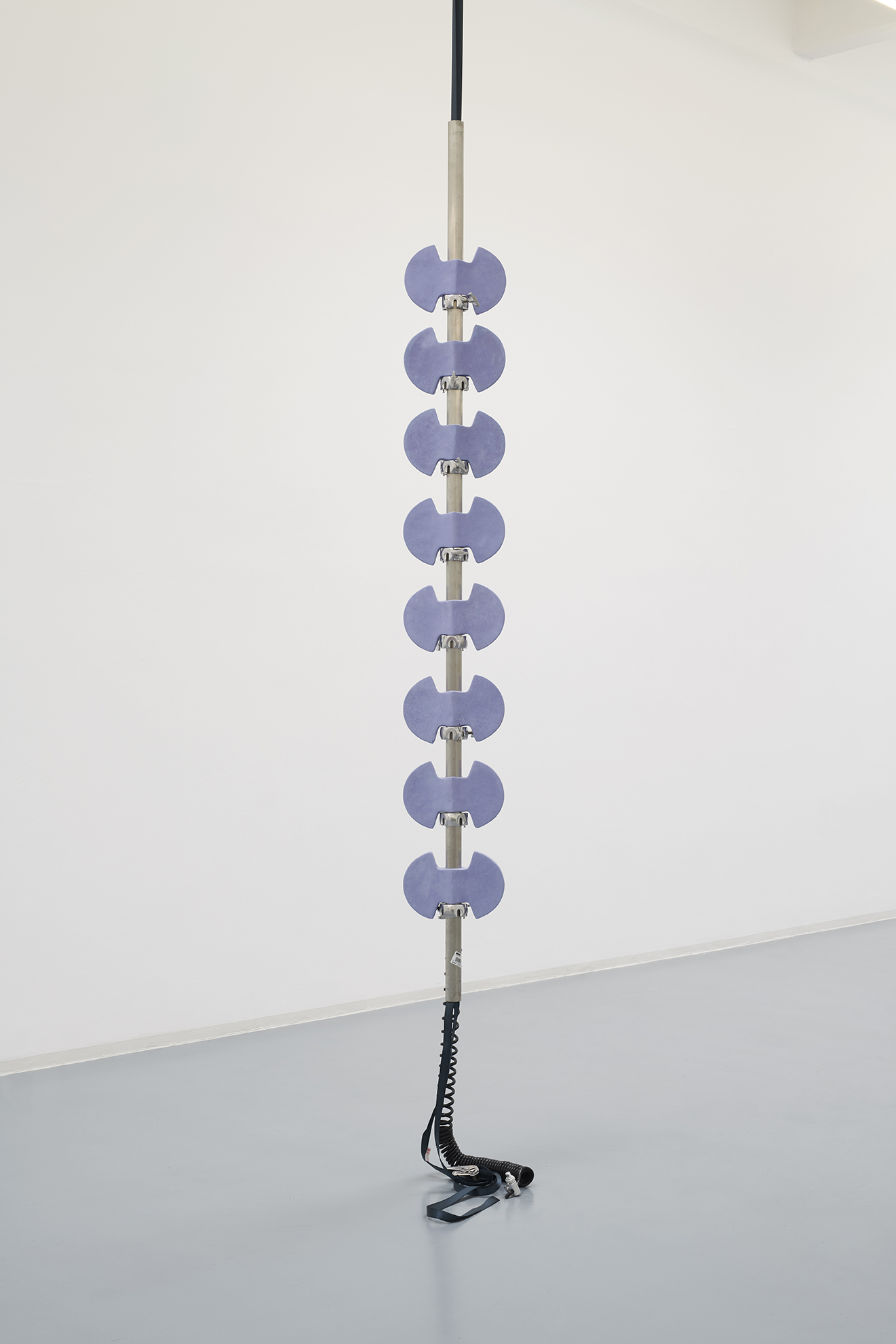
Guan Xiao, Things I Couldn’t Forget – Slate Axe Head, Illinois, United States, 2019
Dyeing Fiberglass,Spiral Wire, Stainless Steel Tube, KUPO 4-Way Ring Lock, Strap, Lead Block
Pipe: 270 cm | 106 1/3 in (overall height adjustable with cable)
Fiberglass Element: 21 x 32 x 8 cm | 8 1/4 x 12 1/2 x 3 1/8 in (each)作品信息Information -
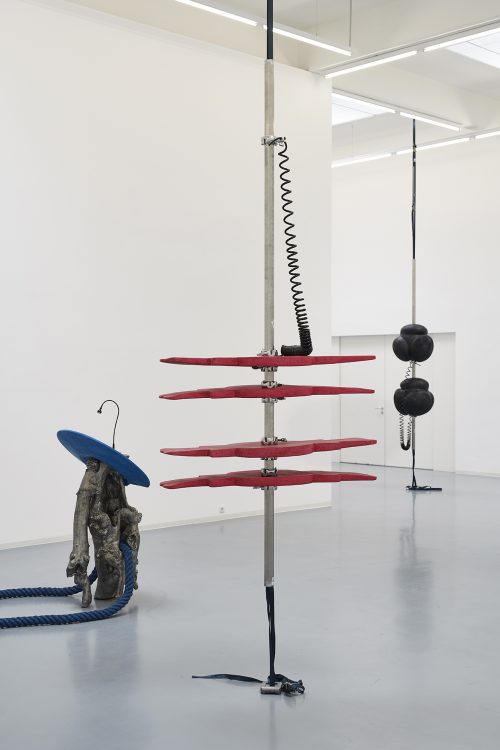
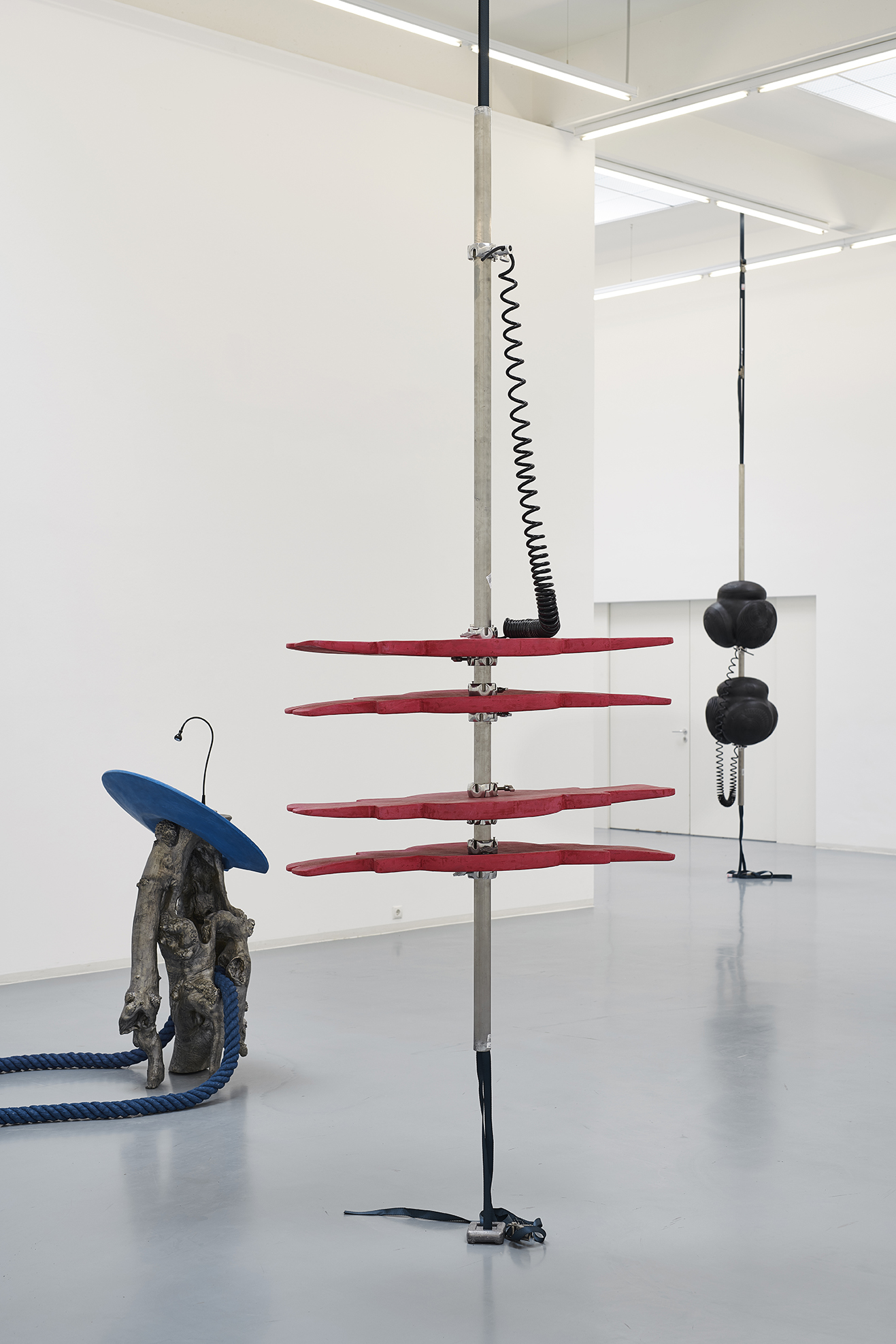
Guan Xiao, Things I Couldn’t Forget – Nose Ornament, Quimbaya, Colombia, 2019
Dyeing Fiberglass,Spiral Wire, Stainless Steel Tube, KUPO 4-Way Ring Lock, Strap, Lead Block
Pipe: 270 cm | 106 1/3 in (overall height adjustable with cable)
Fiberglass Element: 44 x 116 x 5 cm | 17 1/3 x 45 2/3 x 2 in (each)作品信息Information -
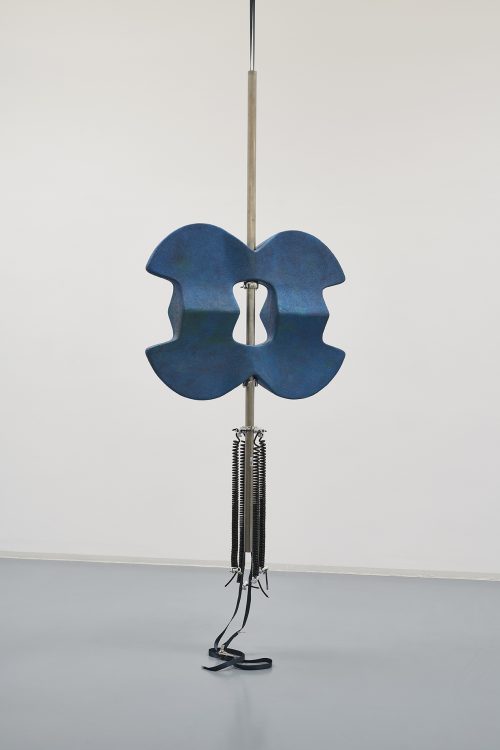
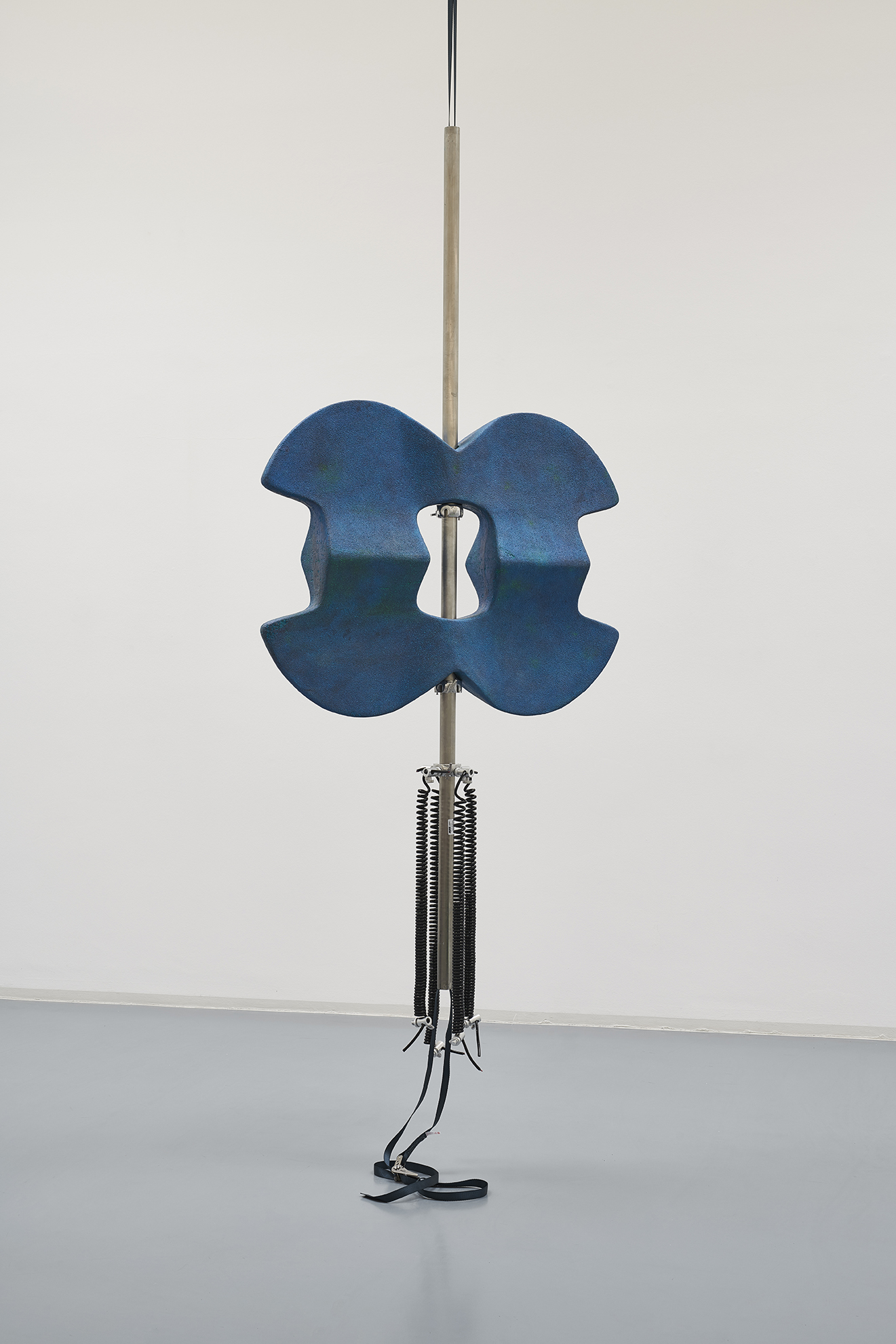
Guan Xiao, Things I Couldn’t Forget – Slate Axe Double Head, Illinois, United States, 2019
Dyeing Fiberglass,Spiral Wire, Stainless Steel Tube, KUPO 4-Way Ring Lock, Strap, Lead Block
Pipe: 270 cm | 106 1/3 in (overall height adjustable with cable)
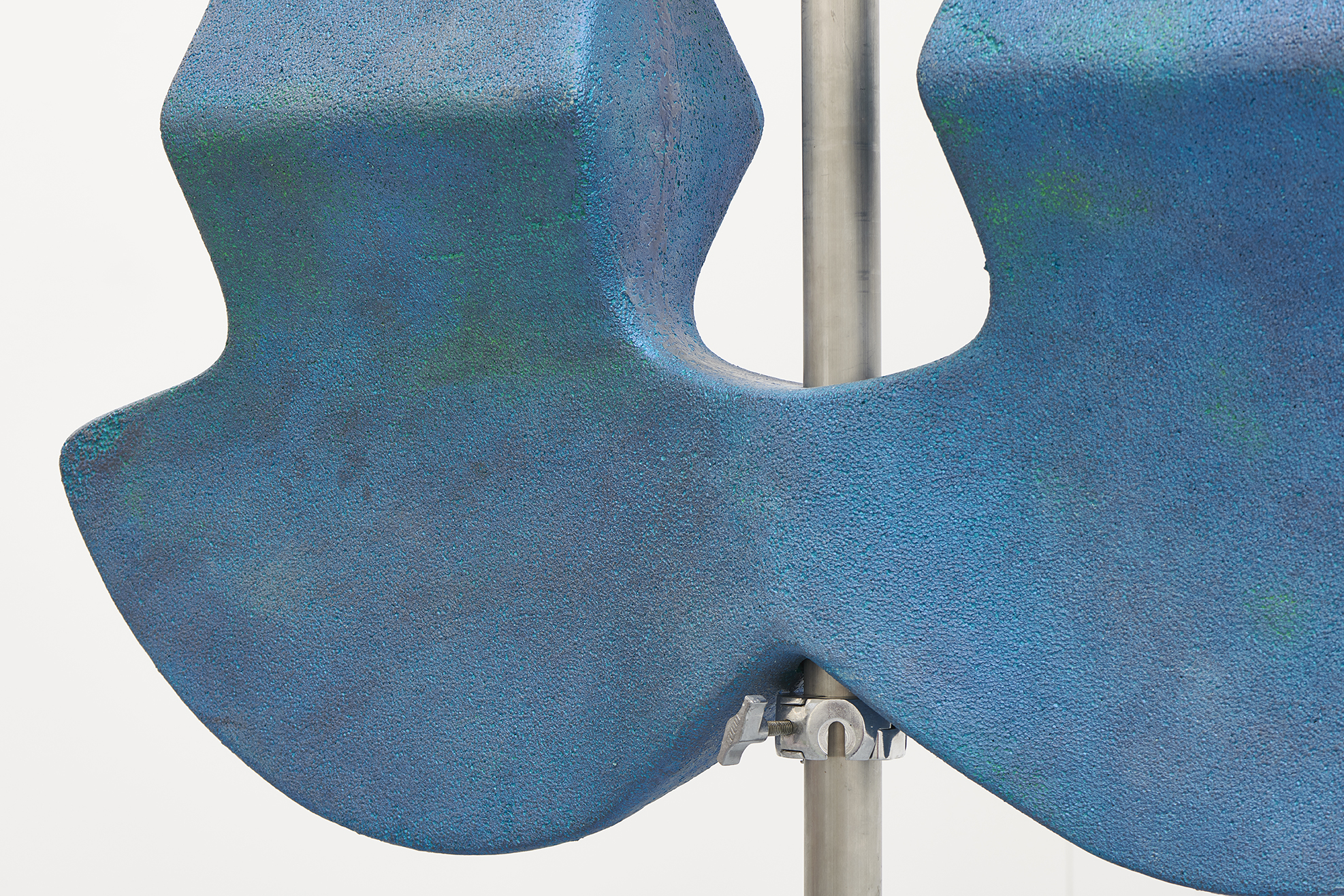
Fiberglass Element: 100 x 127 x 25 cm | 39 1/3 x 50 x 9 3/4 in作品信息Information -
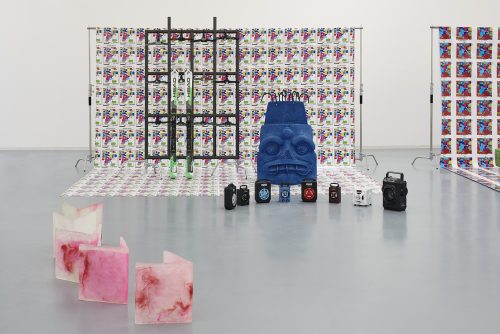
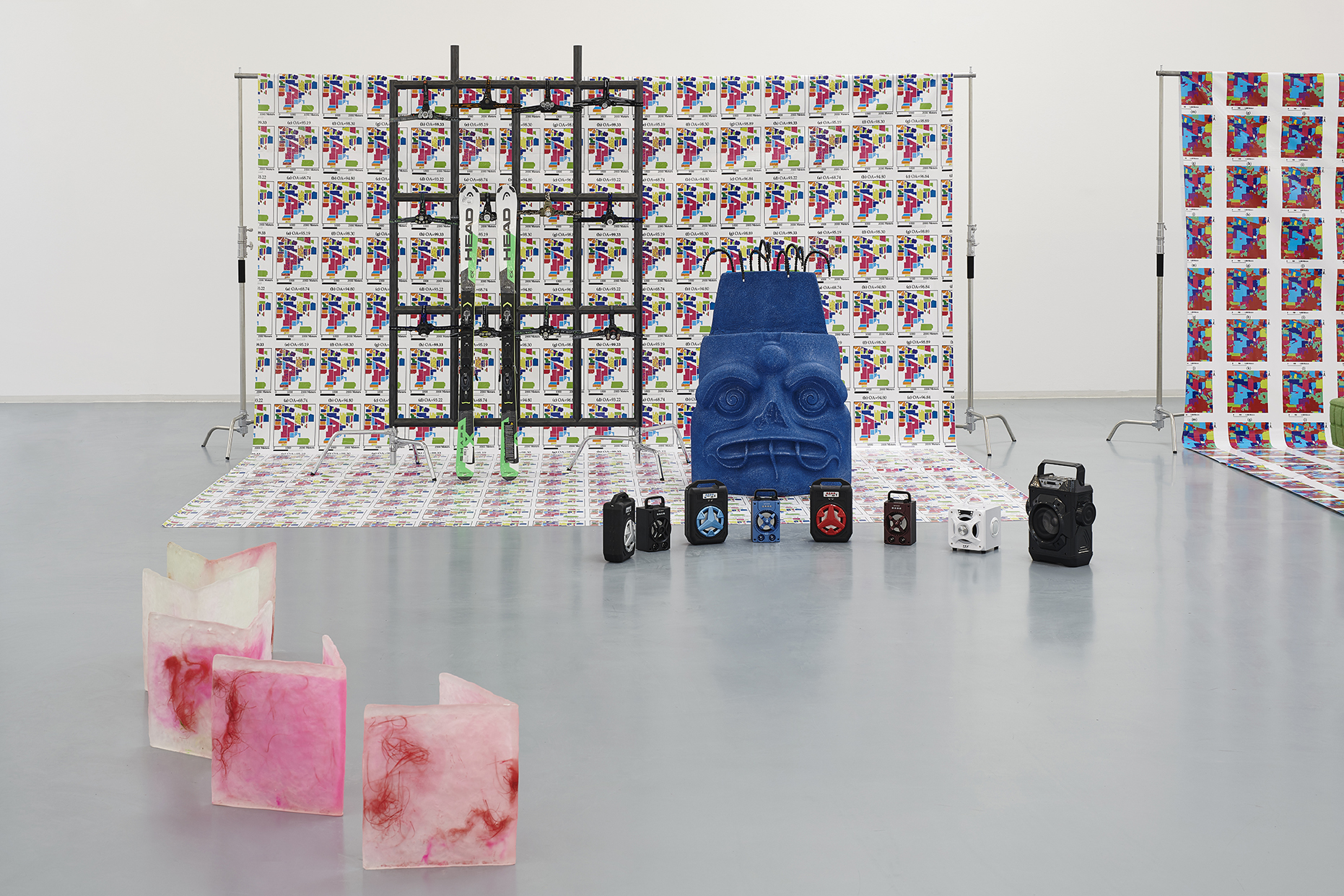
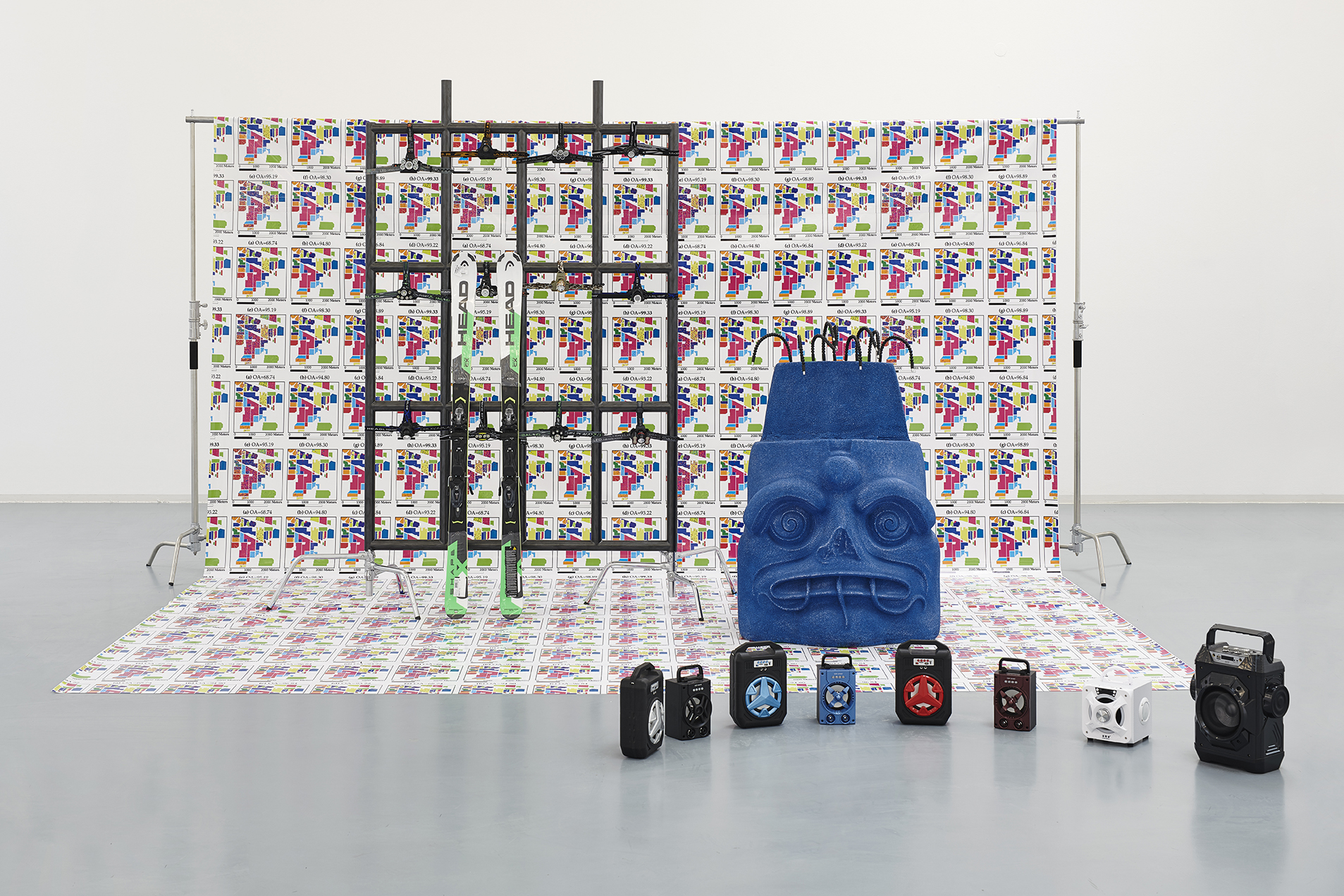
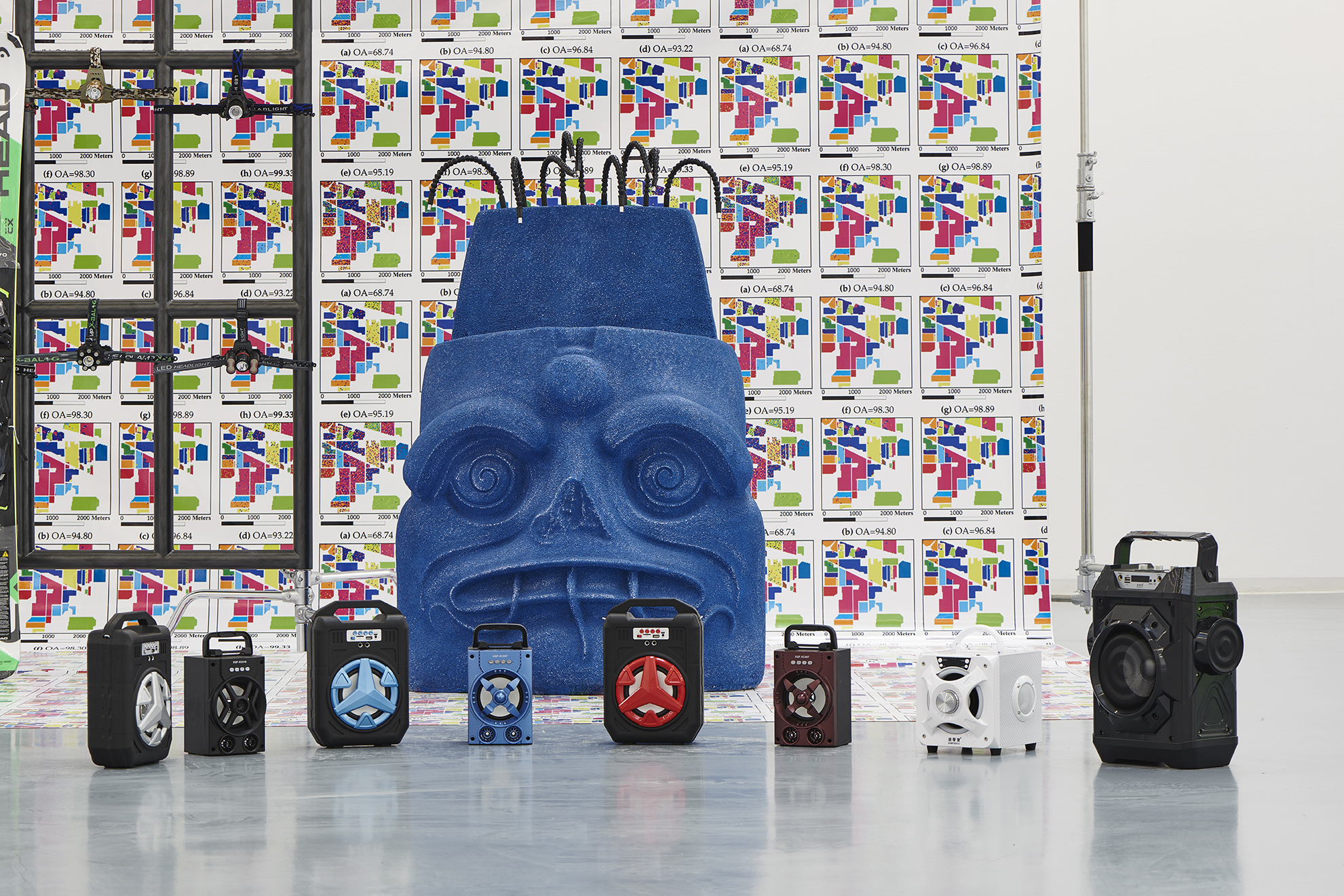
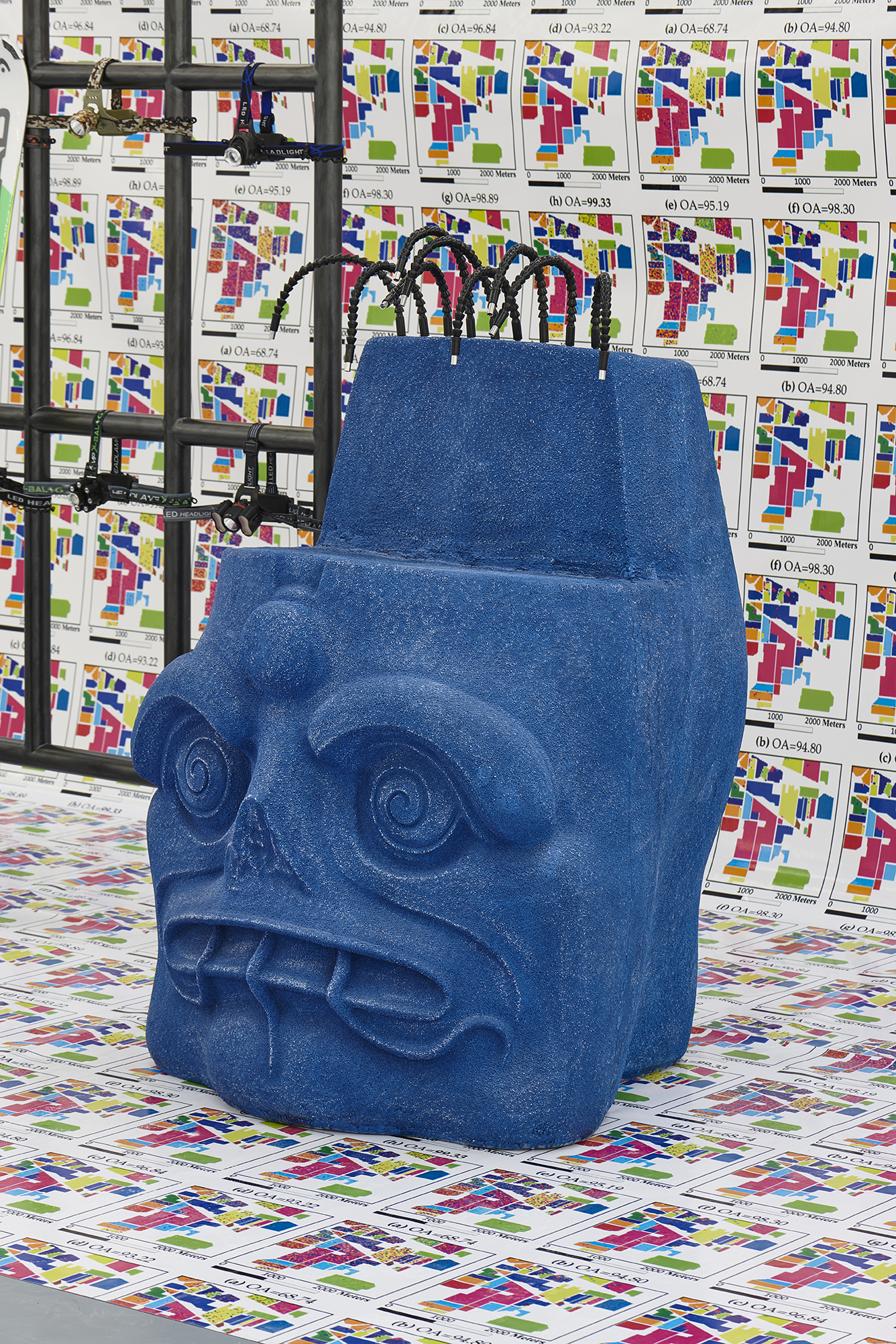
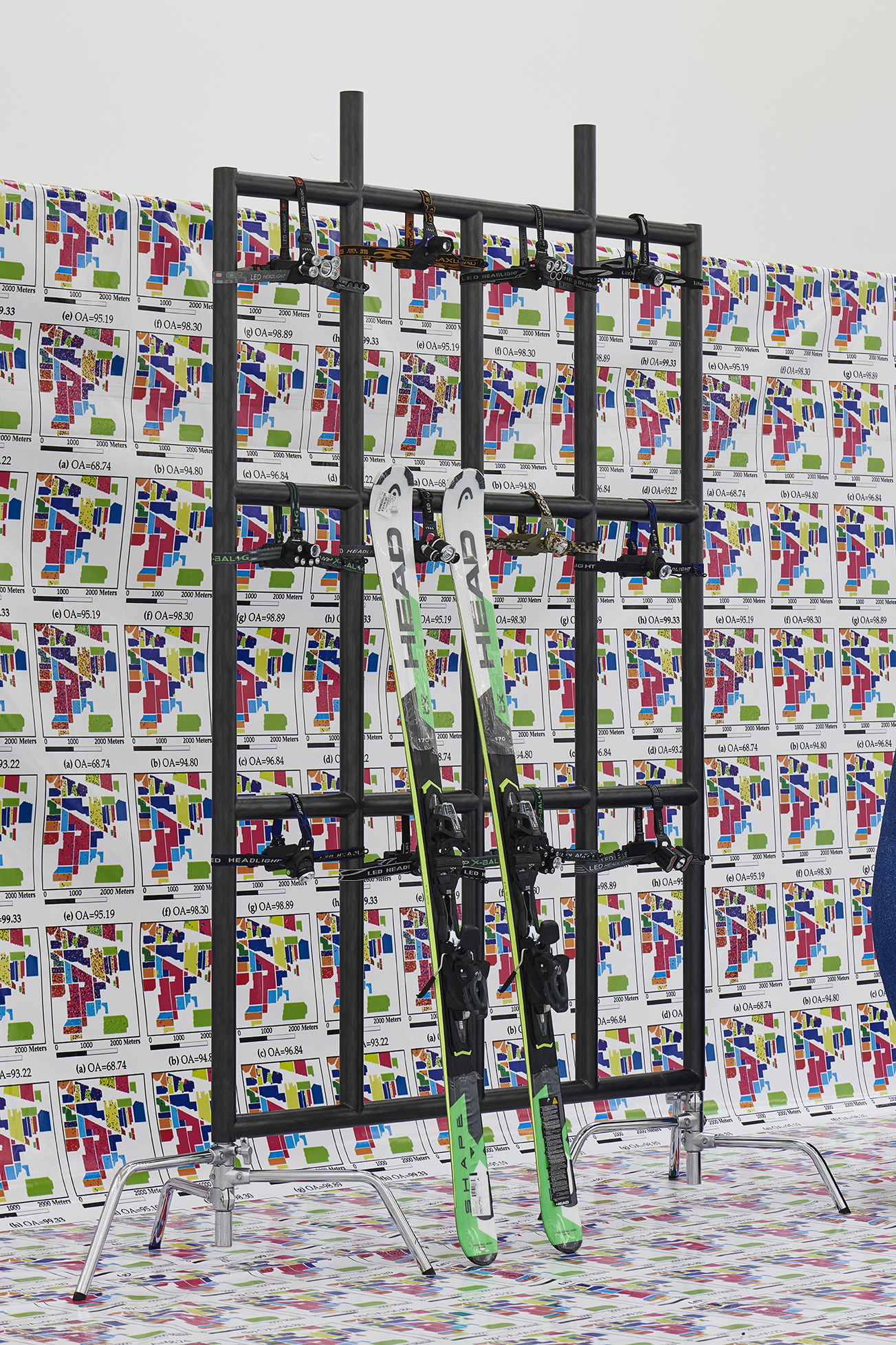
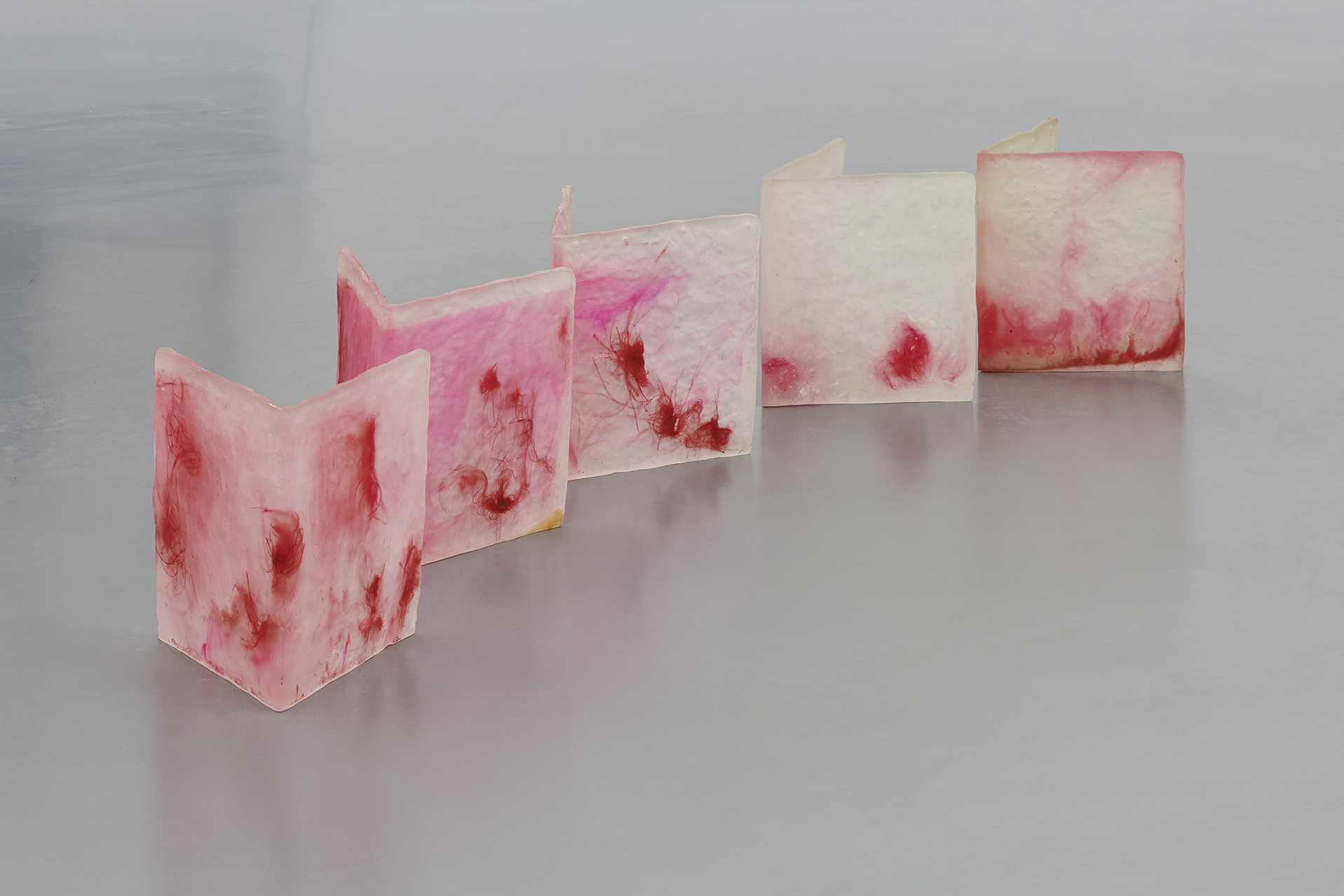
Guan Xiao, Documentary of Agriculture: Gathering, 2019
printed Vinyl, C-stands, dyeing fiberglass, crystal resin, universal screwdriver, stainless steel stands, headlights, snow board, speakers
backdrop: 250 x 450 x 180 cm | 98 7/16 in x 177 5/32 x 70 7/8 in;
steel stands: 264 x 194 cm | 103 15/16 x 76 3/8 in;
head: 70 x 110 x 65 cm; 27 1/2 x 43 1/3 x 25 5/8 in;
5 resin pieces: 39.5 x 37 x 38 cm | 15 1/2 x 14 9/16 x 15 (each);
8 speakers variable dimensions作品信息Information -
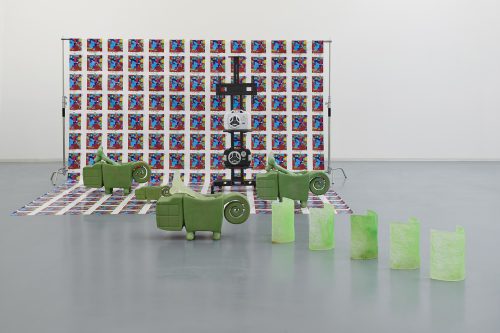
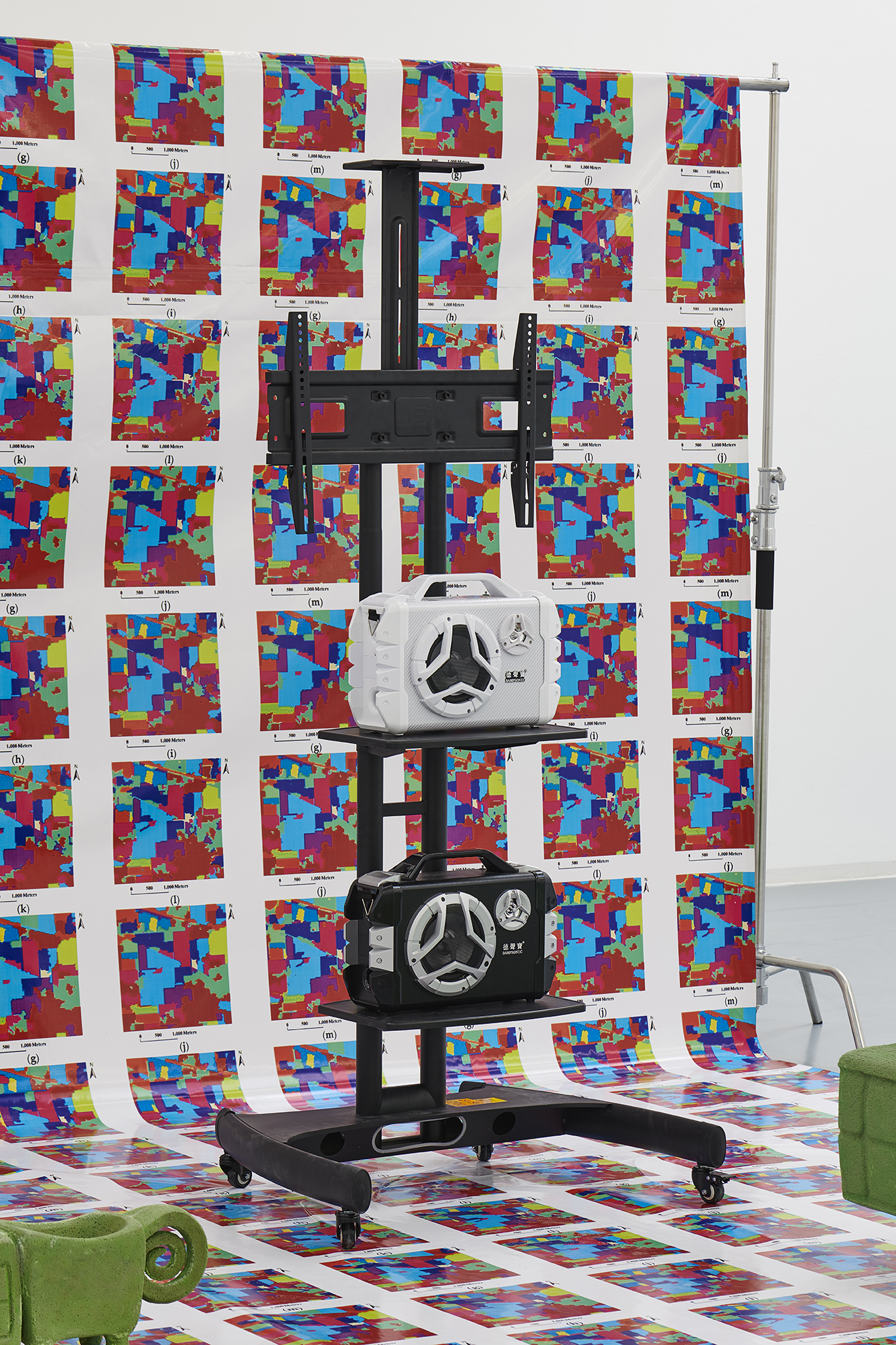
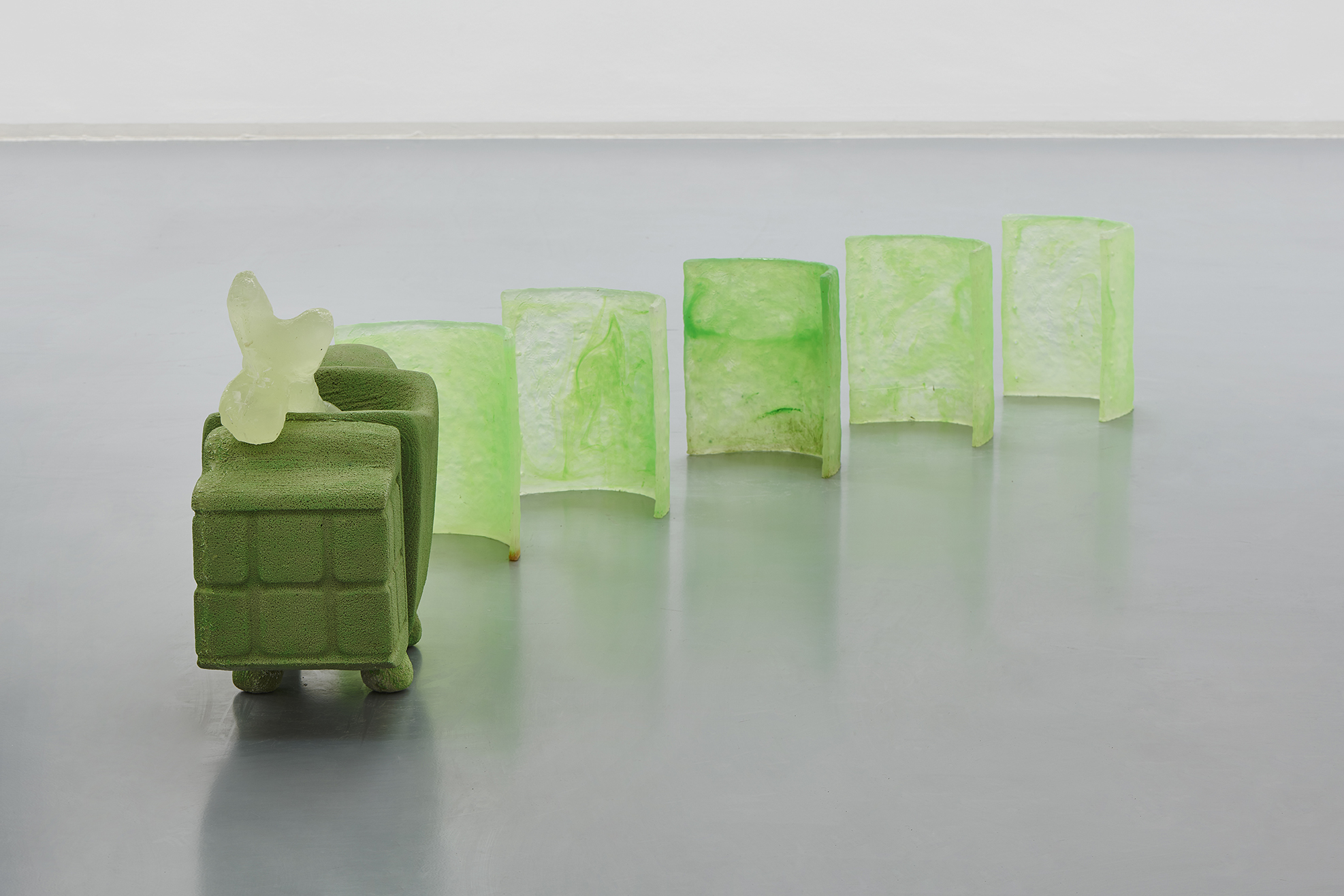
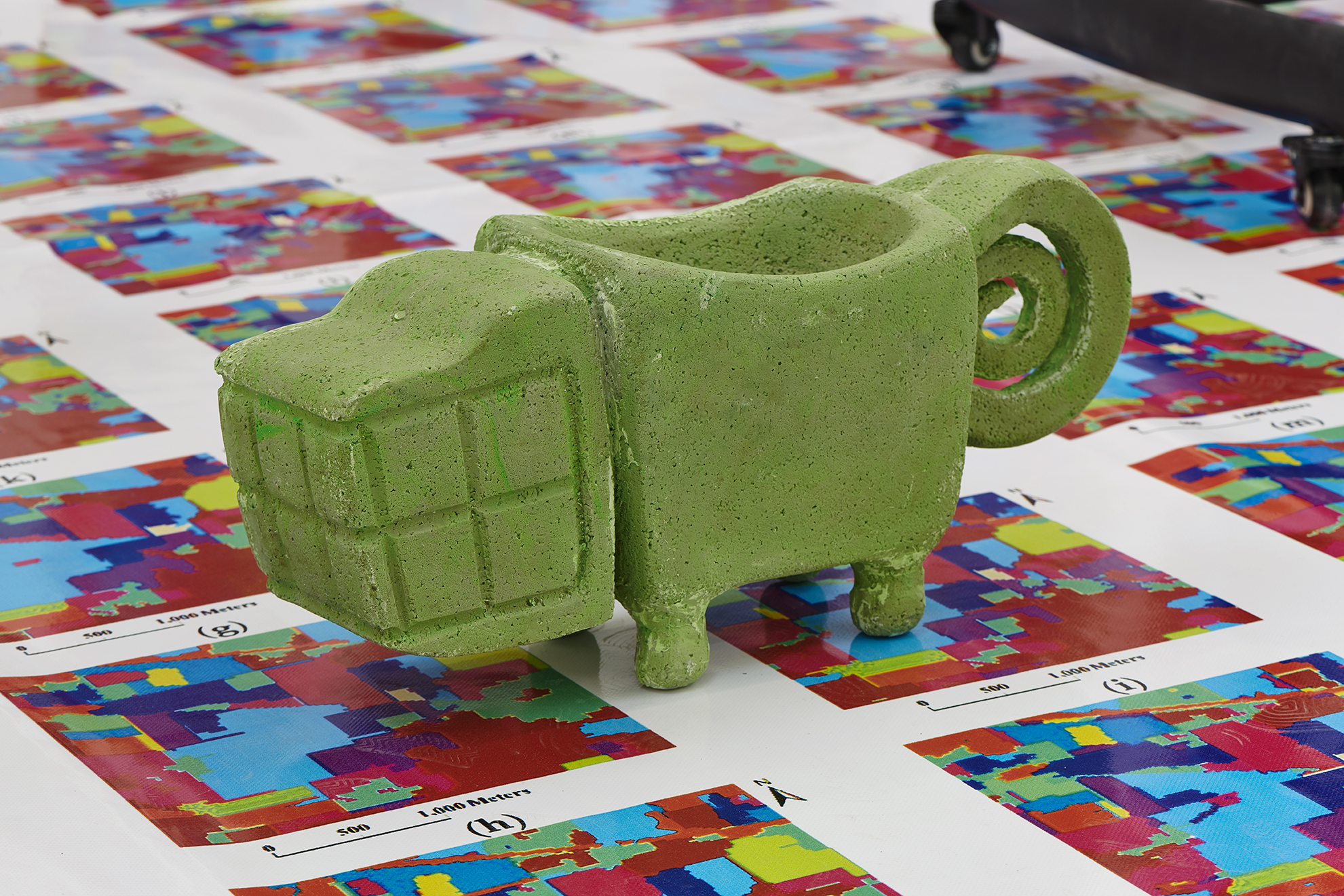
Guan Xiao, Documentary of Agriculture: Breeding, 2019
printed Vinyl, C-stands, dyeing fiberglass, crystal resin, TV stands, speakers
backdrop: 250 x 450 x 180 cm; 98 1/2 x 177 1/4 x 70 3/4 in;
tv stand: 216 x 117 cm | 85 x 46 cm;
3 big lizards: 35 x 100 x 45 cm | 13 3/4 x 39 1/3 x 17 3/4 (each);
small lizard: 18 x 52 x 23 cm | 7 x 20 1/2 x 9;
5 resin pieces: 41 x 35 x 35 cm | 16 1/4 x 13 3/4 x 13 3/4 in (each)
2019作品信息Information -
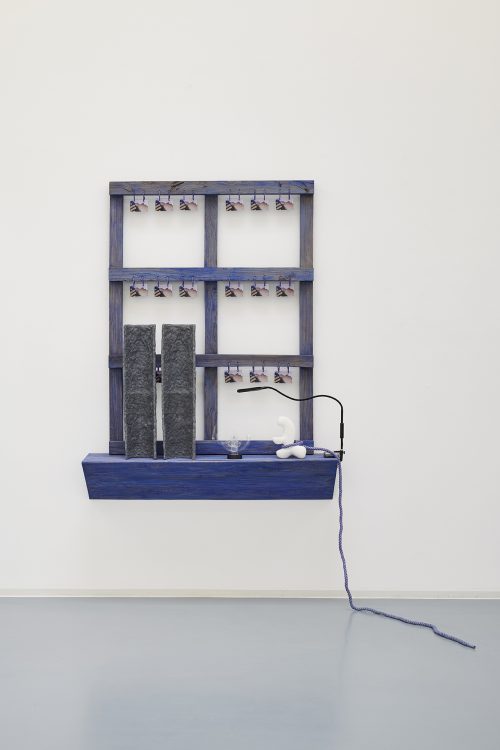
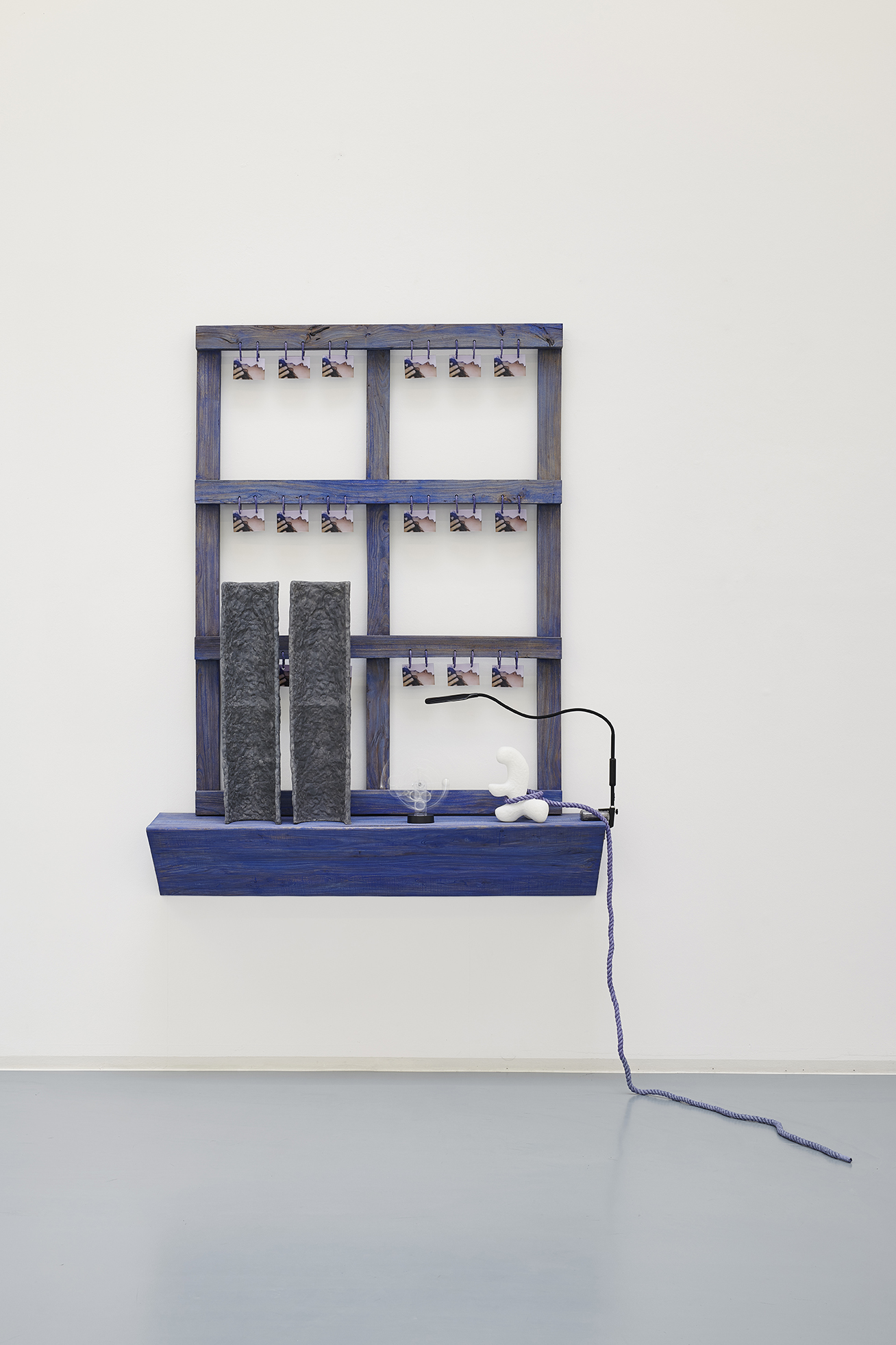
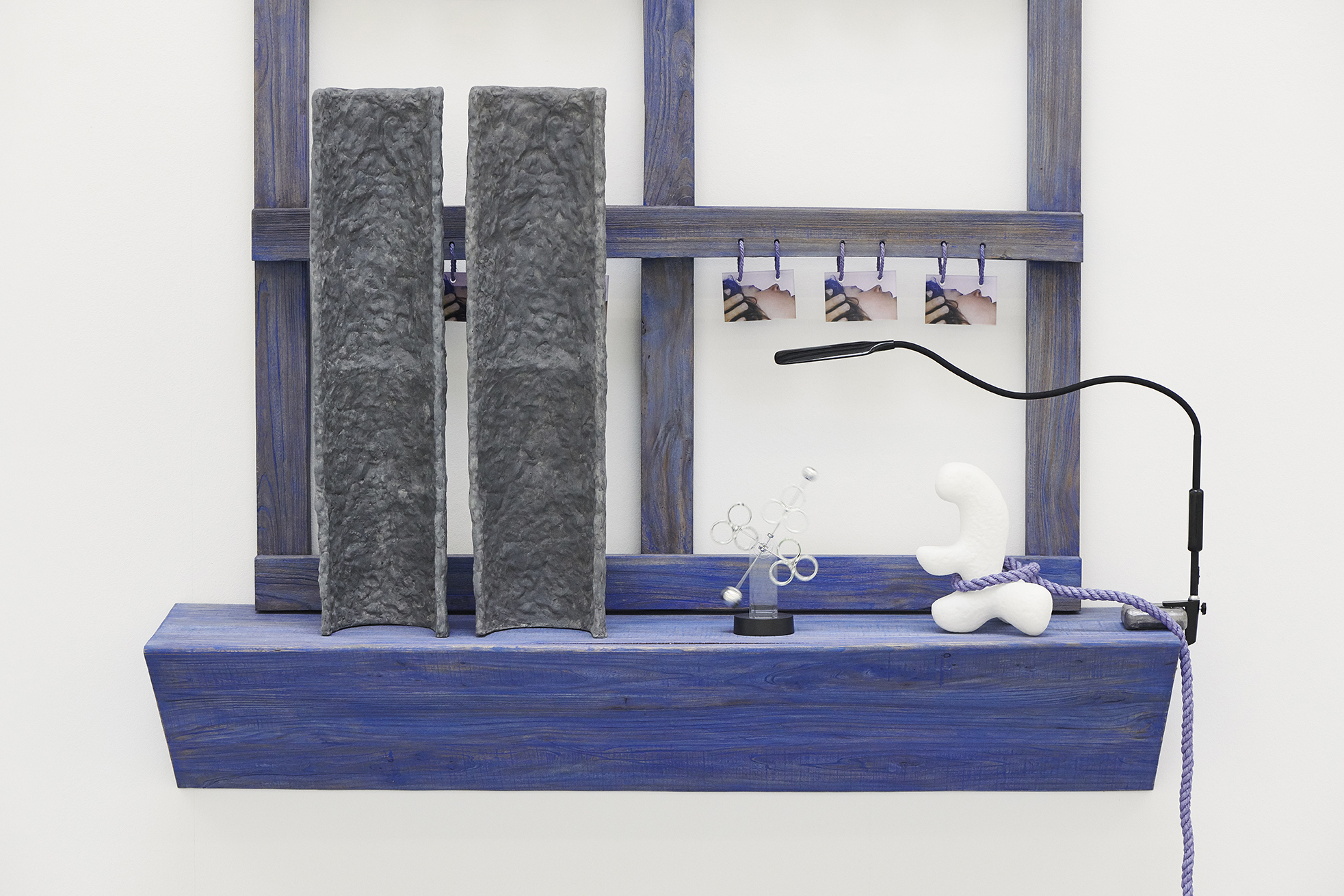
Guan Xiao, Window – Soft Cheek, 2019
Elm, acrylic coloring, colored rope, dyeing fiberglass, 3D print, perpetual motion toy, LED lamp
230 x 180 x 38.5 cm作品信息Information -
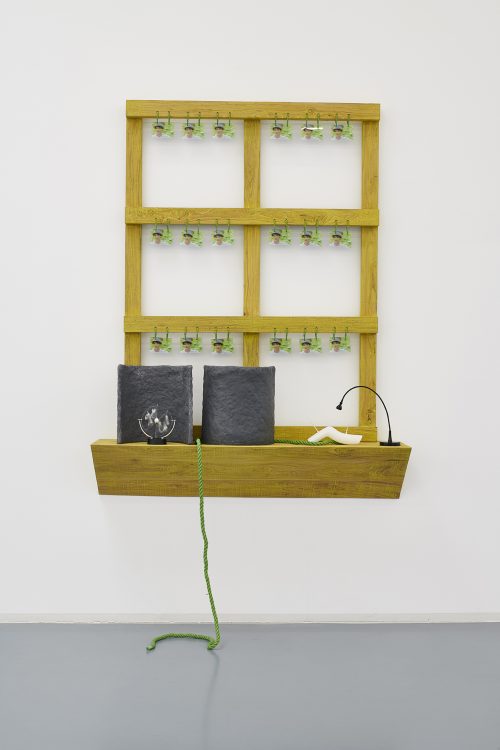
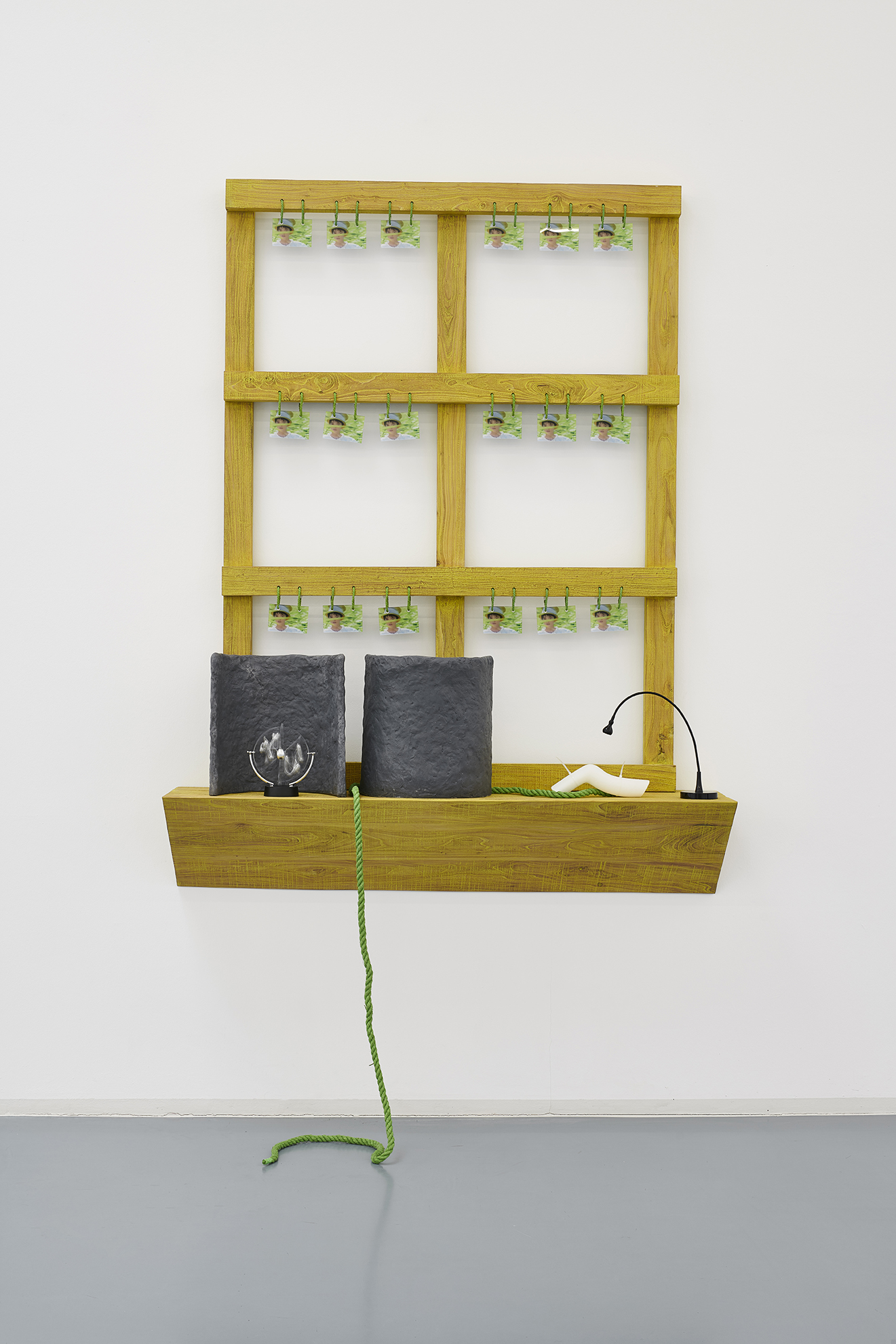
Guan Xiao, Windows – Wheat Field, 2019
Elm, acrylic coloring, colored rope, dyeing fiberglass, 3D print, perpetual motion toy, LED lamp
230 x 180 x 38.5 cm作品信息Information -
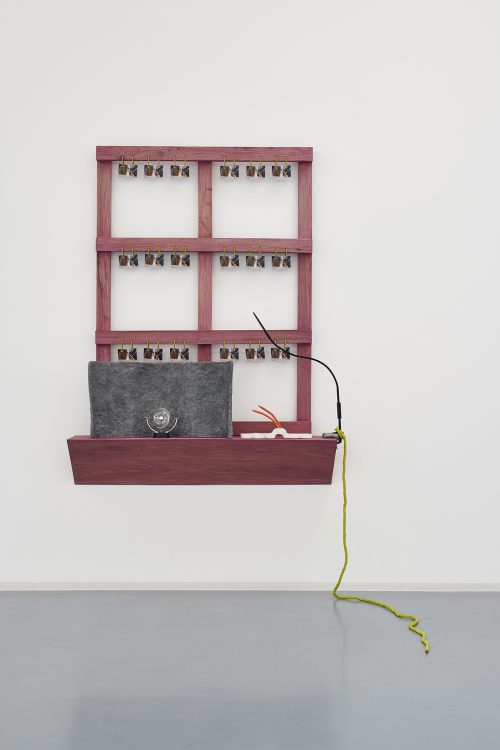
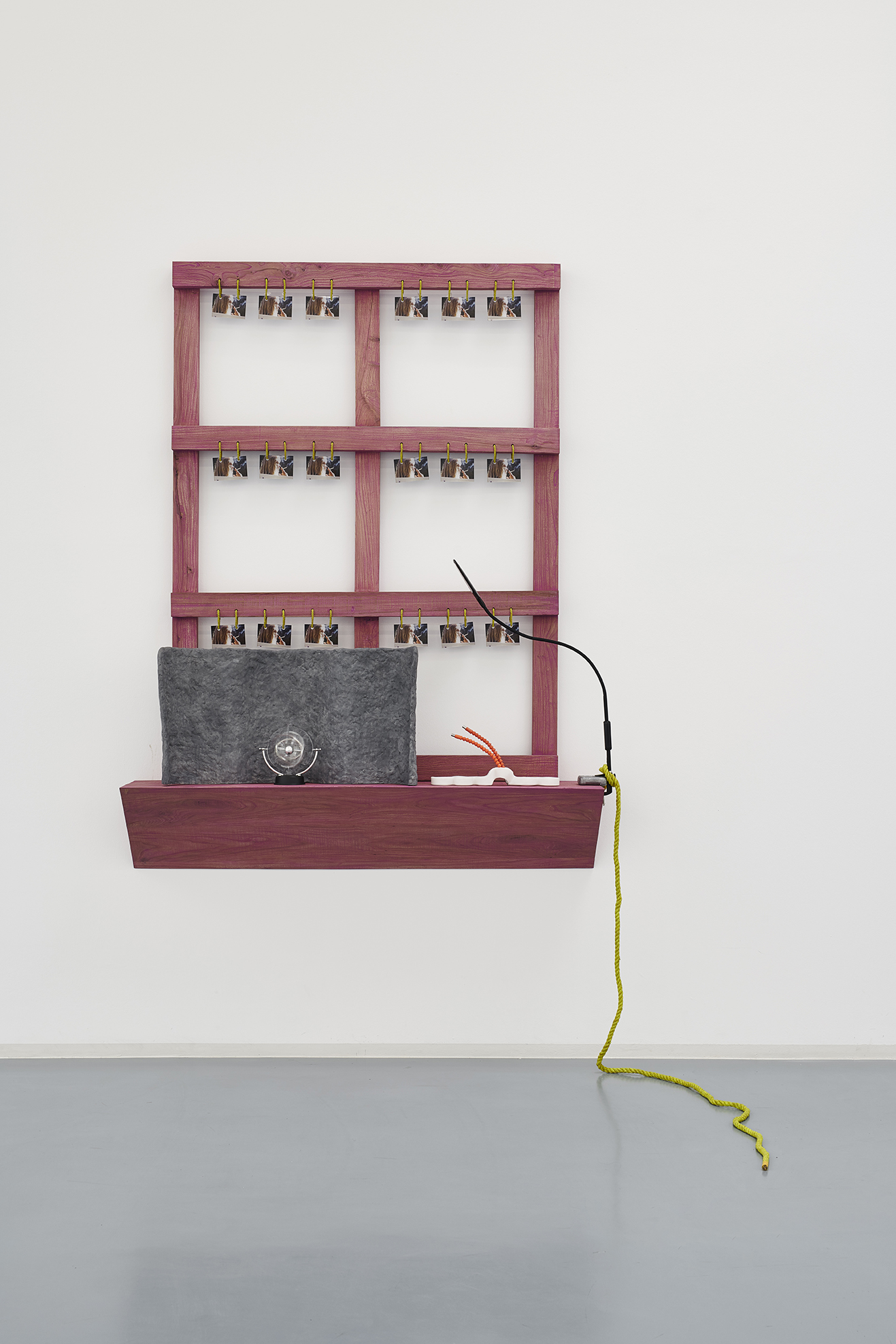
Guan Xiao, Windows – Smoke in the Sunset, 2019
Elm, acrylic coloring, colored rope, dyeing fiberglass, 3D print, perpetual motion toy, LED lamp
230 x 180 x 38.5 cm作品信息Information -
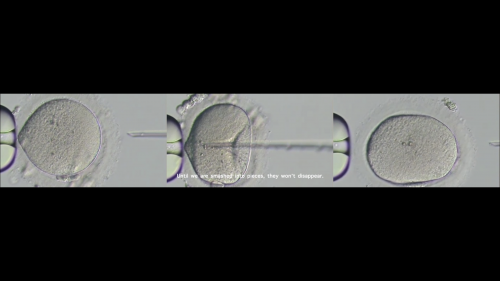
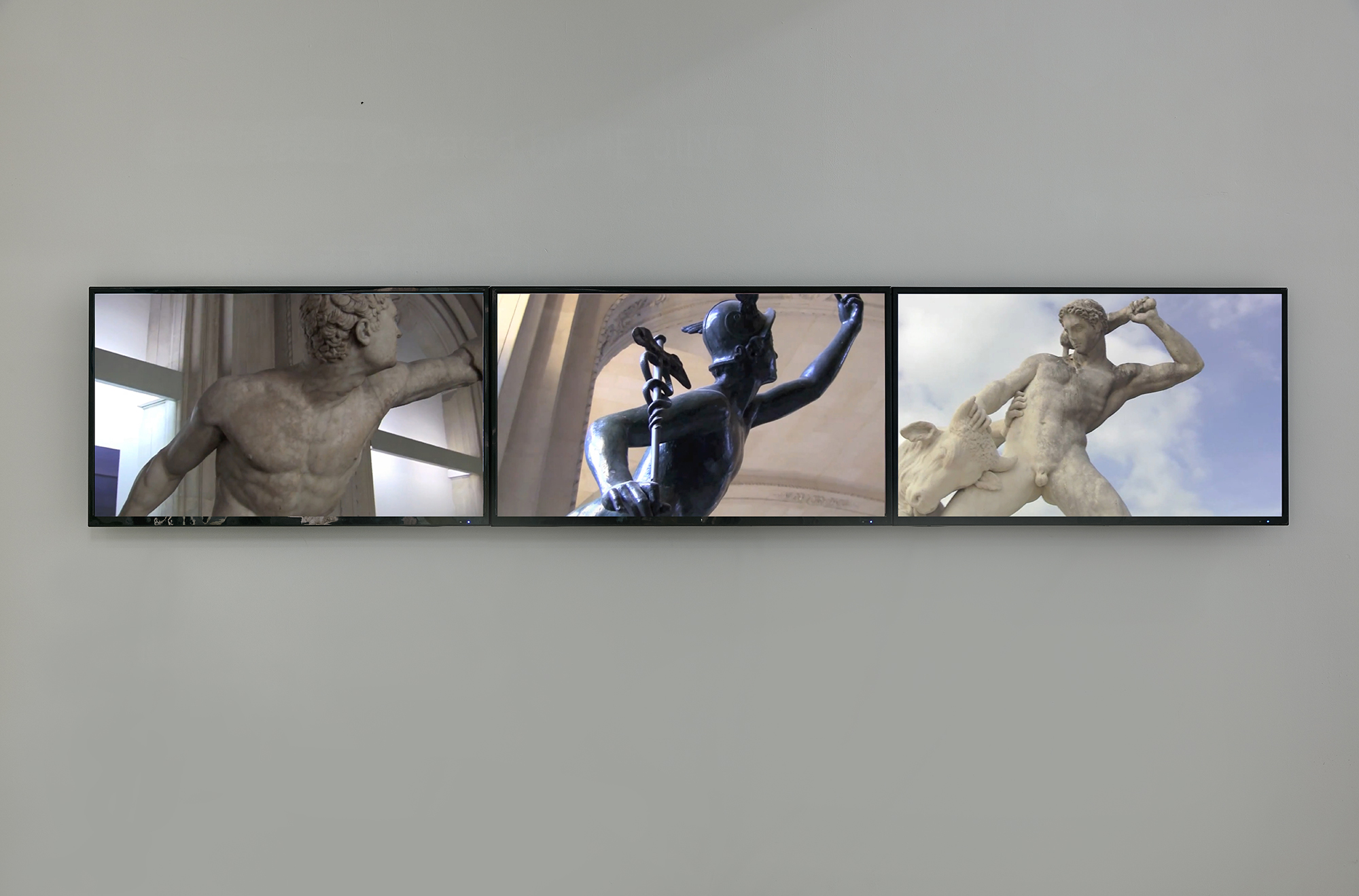
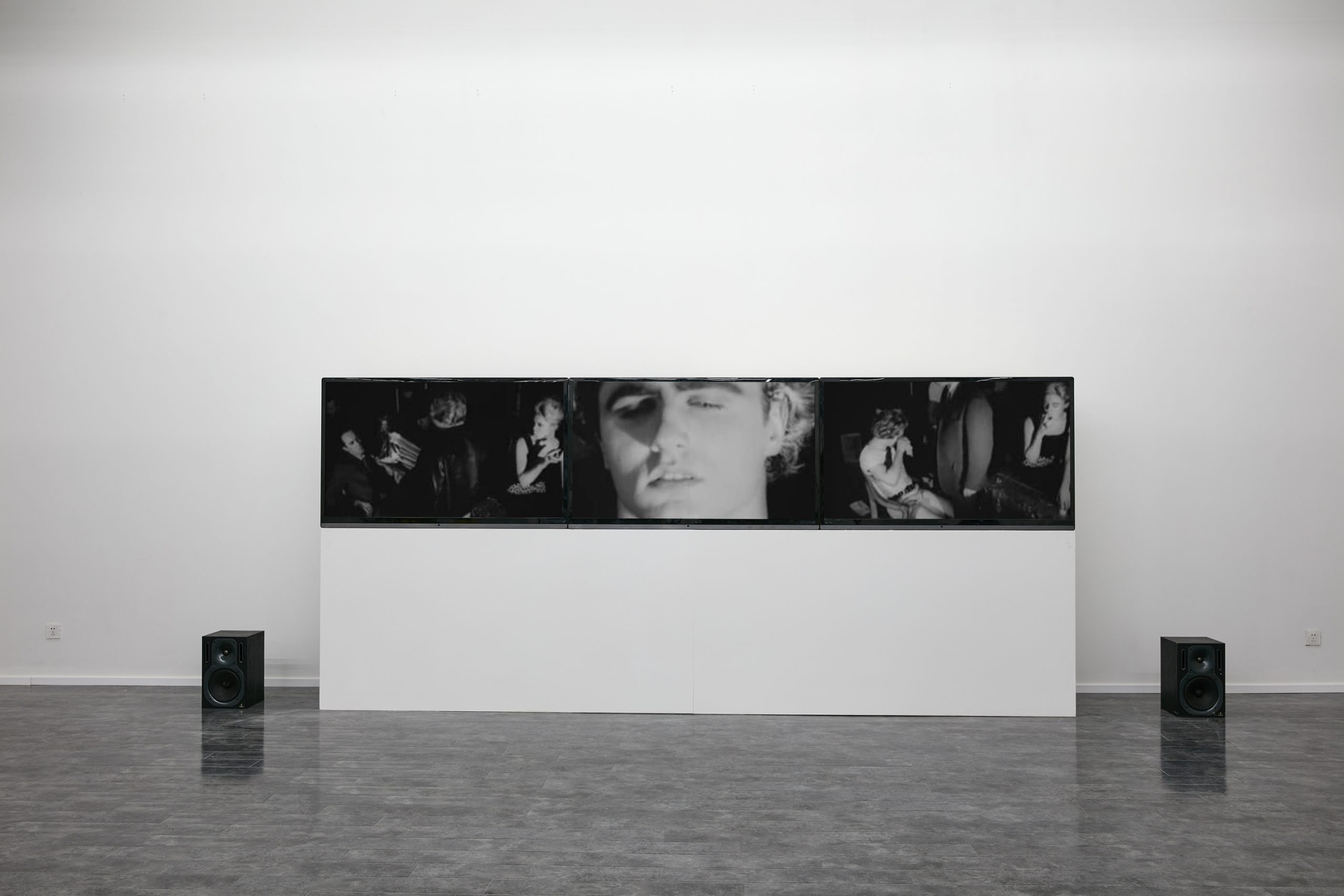
Guan Xiao, Just a Normal Day, 2019
three – channel video, color, sound
26’35”作品信息Information -
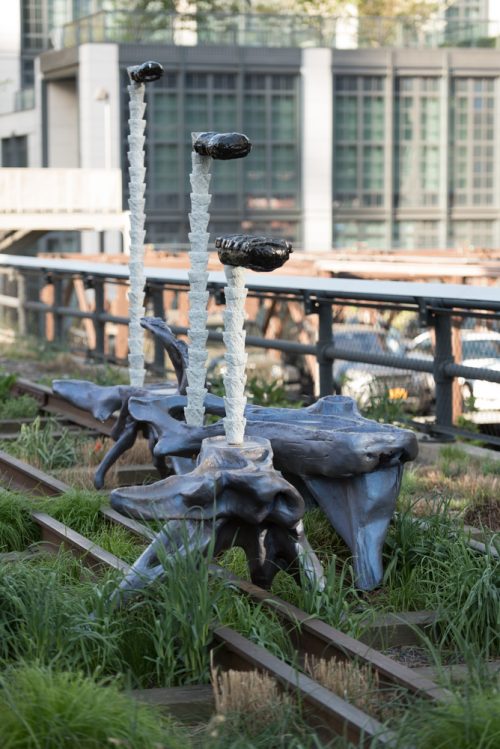
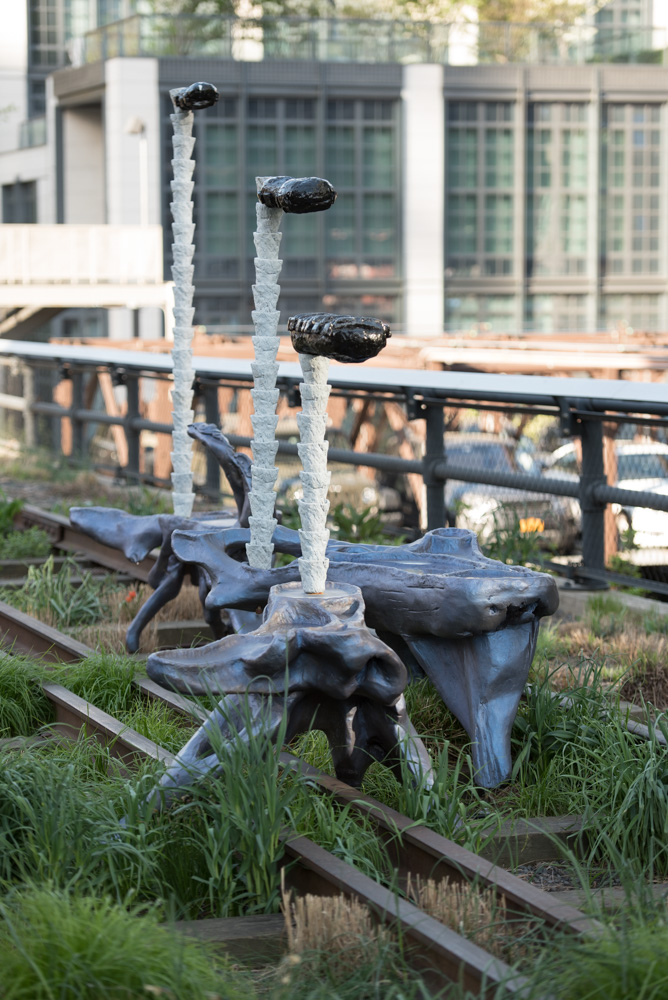
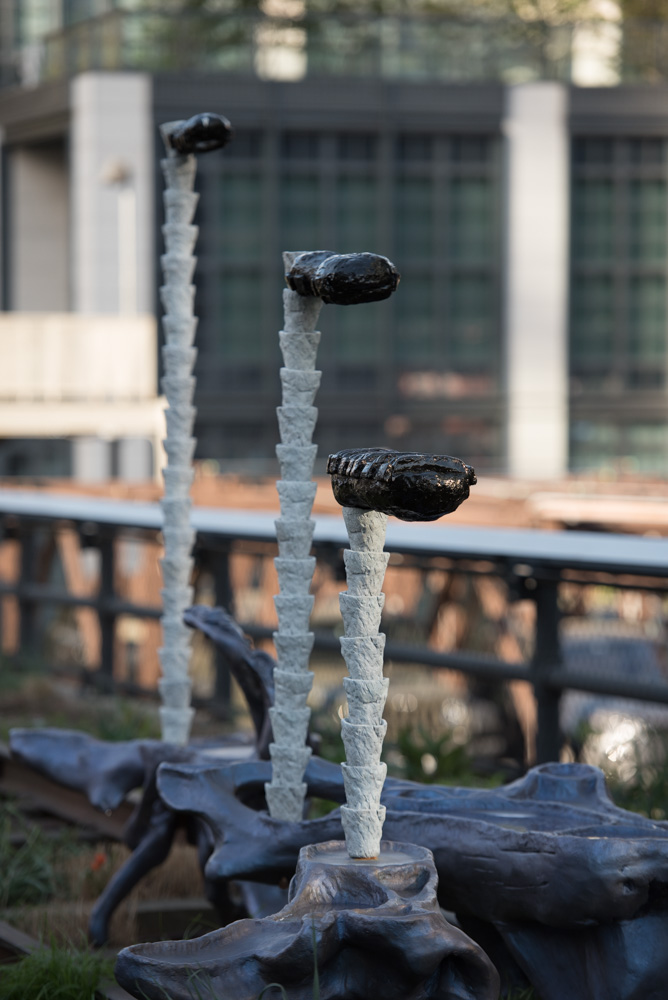
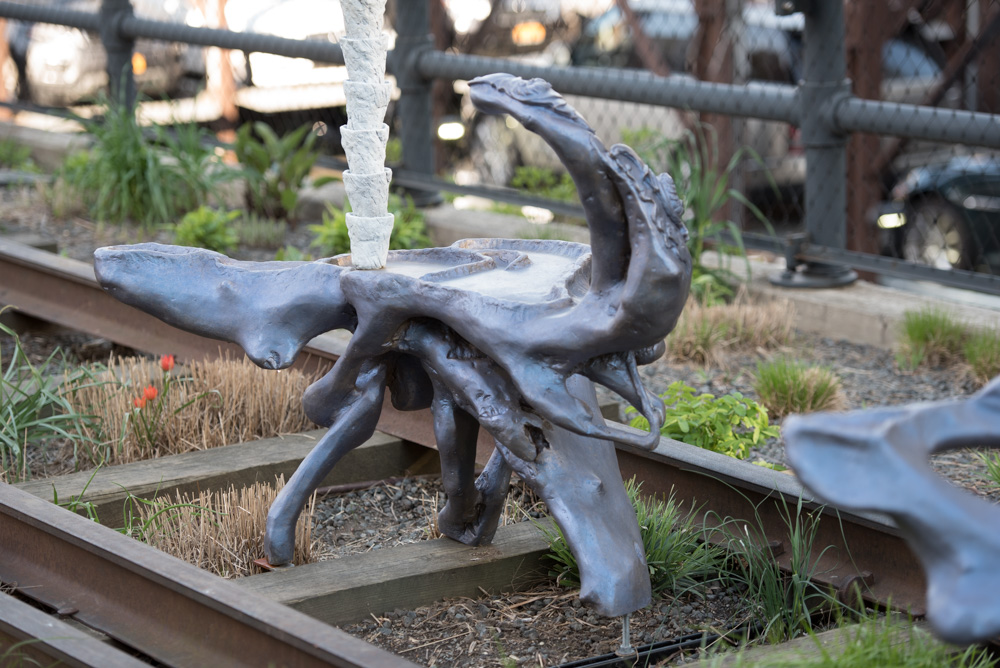
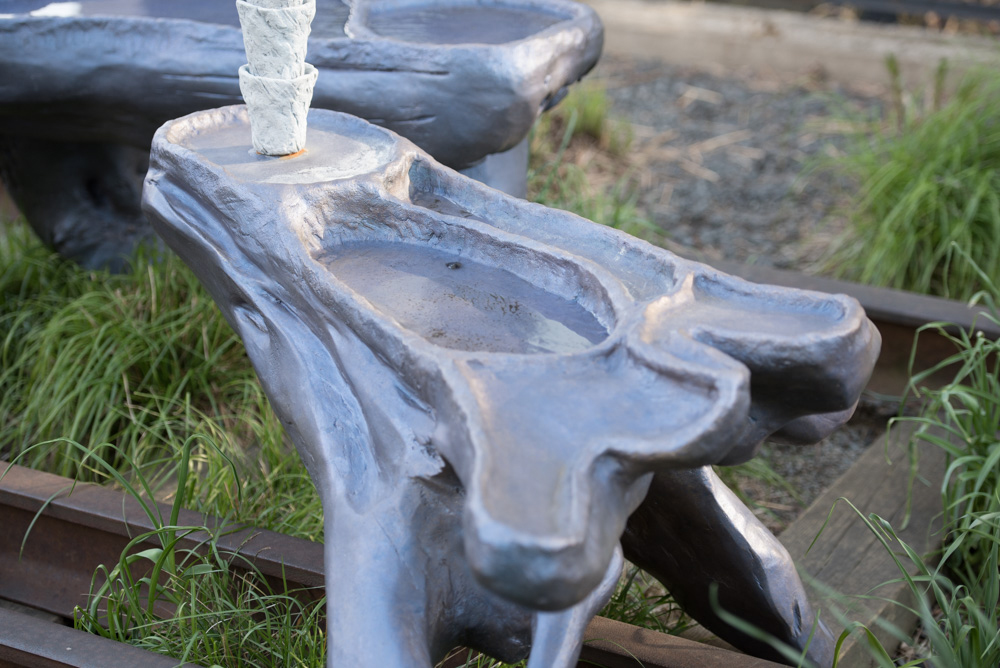
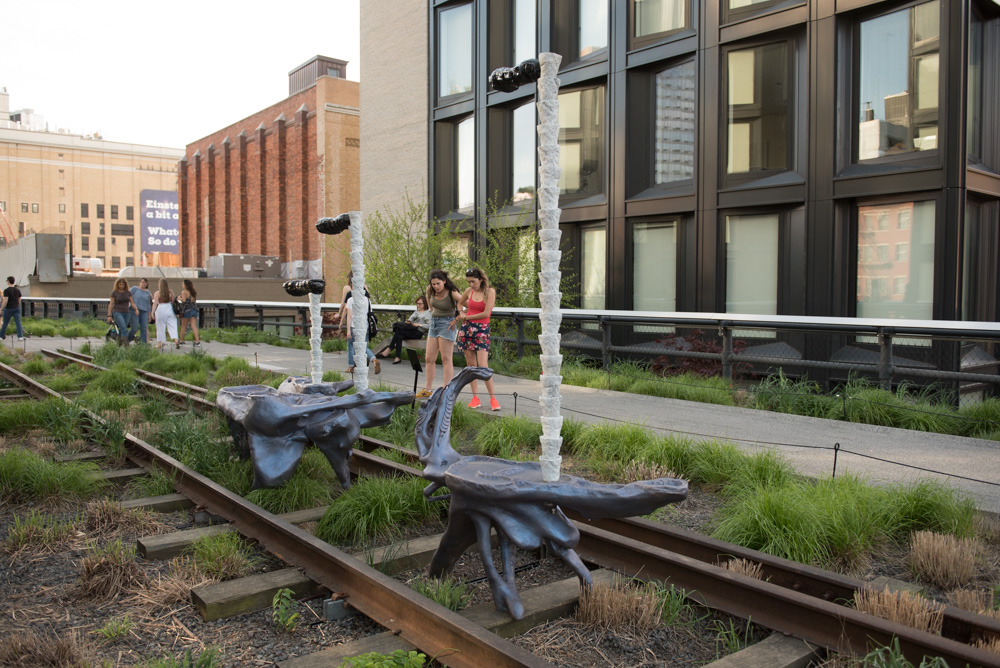
Guan Xiao, REST IN, 2017
Brass, Burned Acrylic Color
140 x 63 x 277 cm; 143 x 102 x 205 cm; 112 x 98 x 151 cm
Part of Mutations, a High Line Commission.
Photo by Timothy Schenck. Courtesy of Friends of the High Line.作品信息Information -

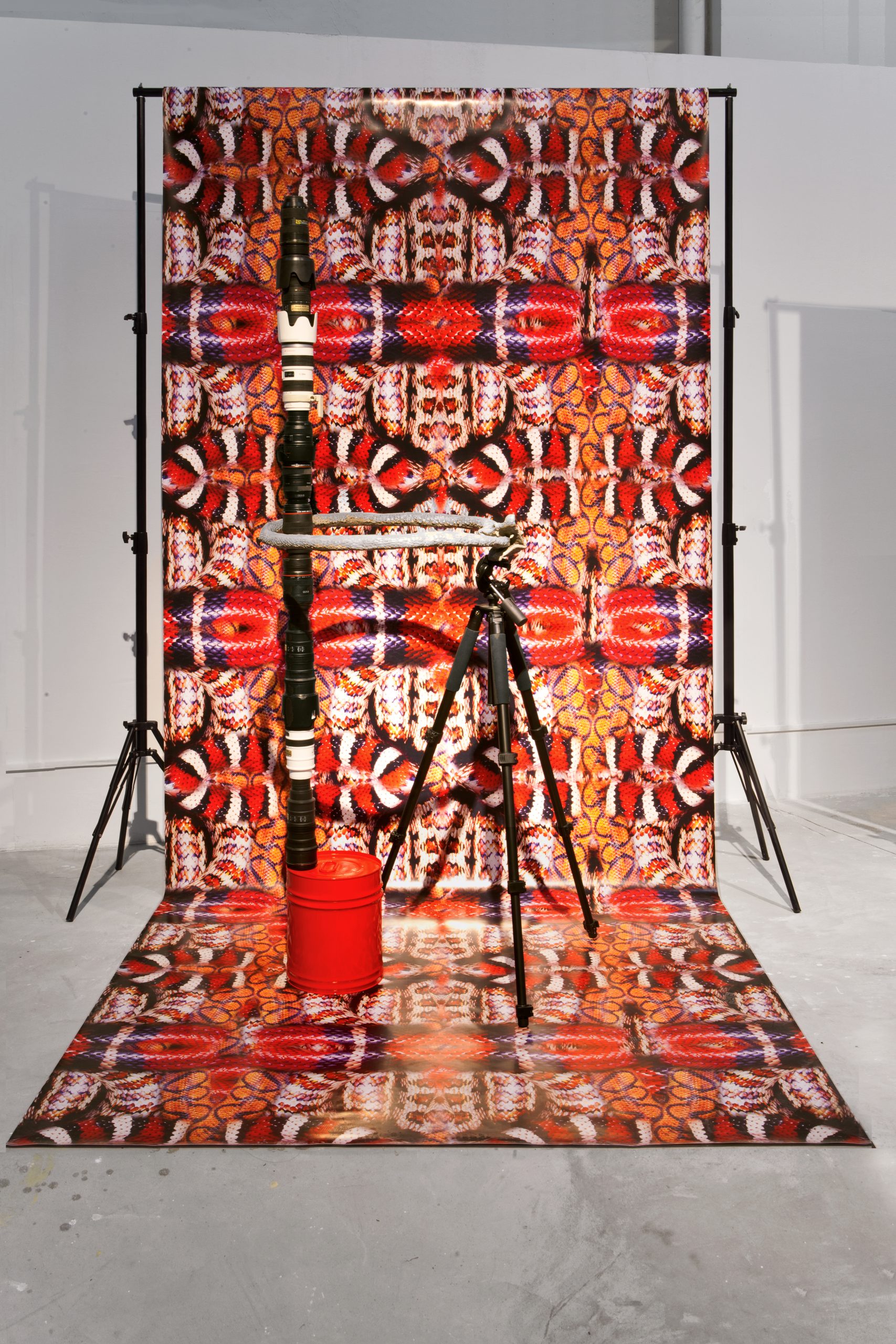
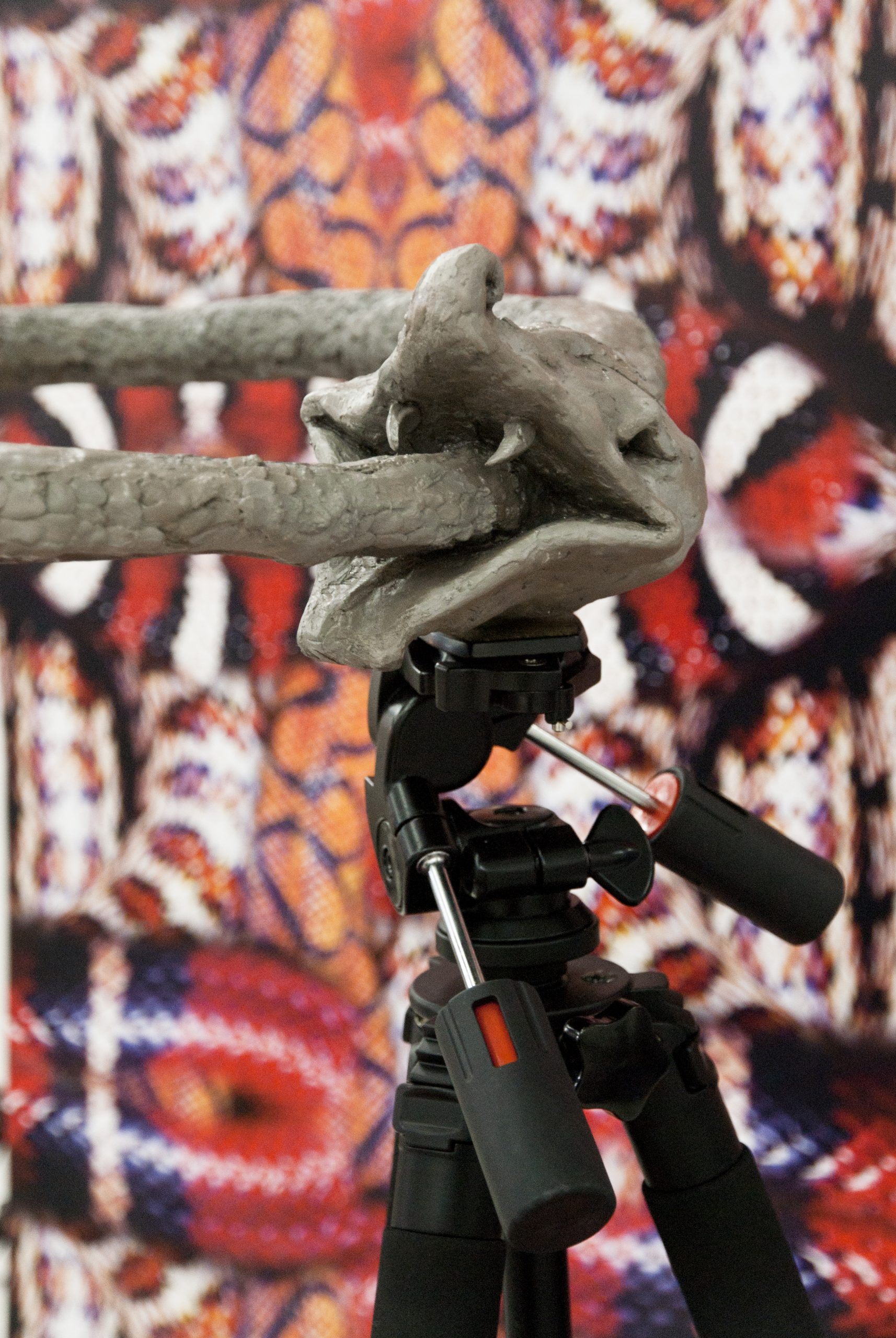
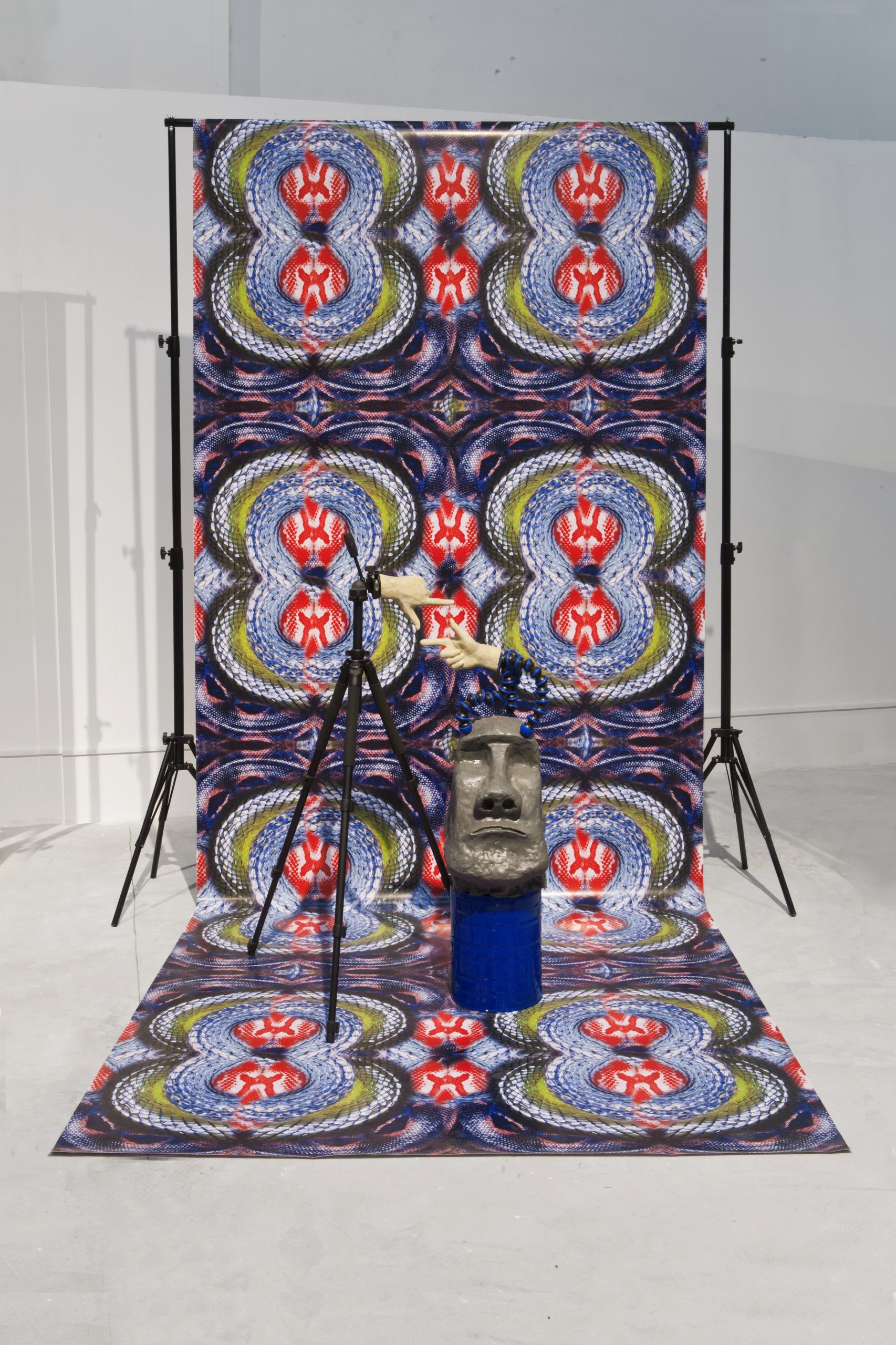
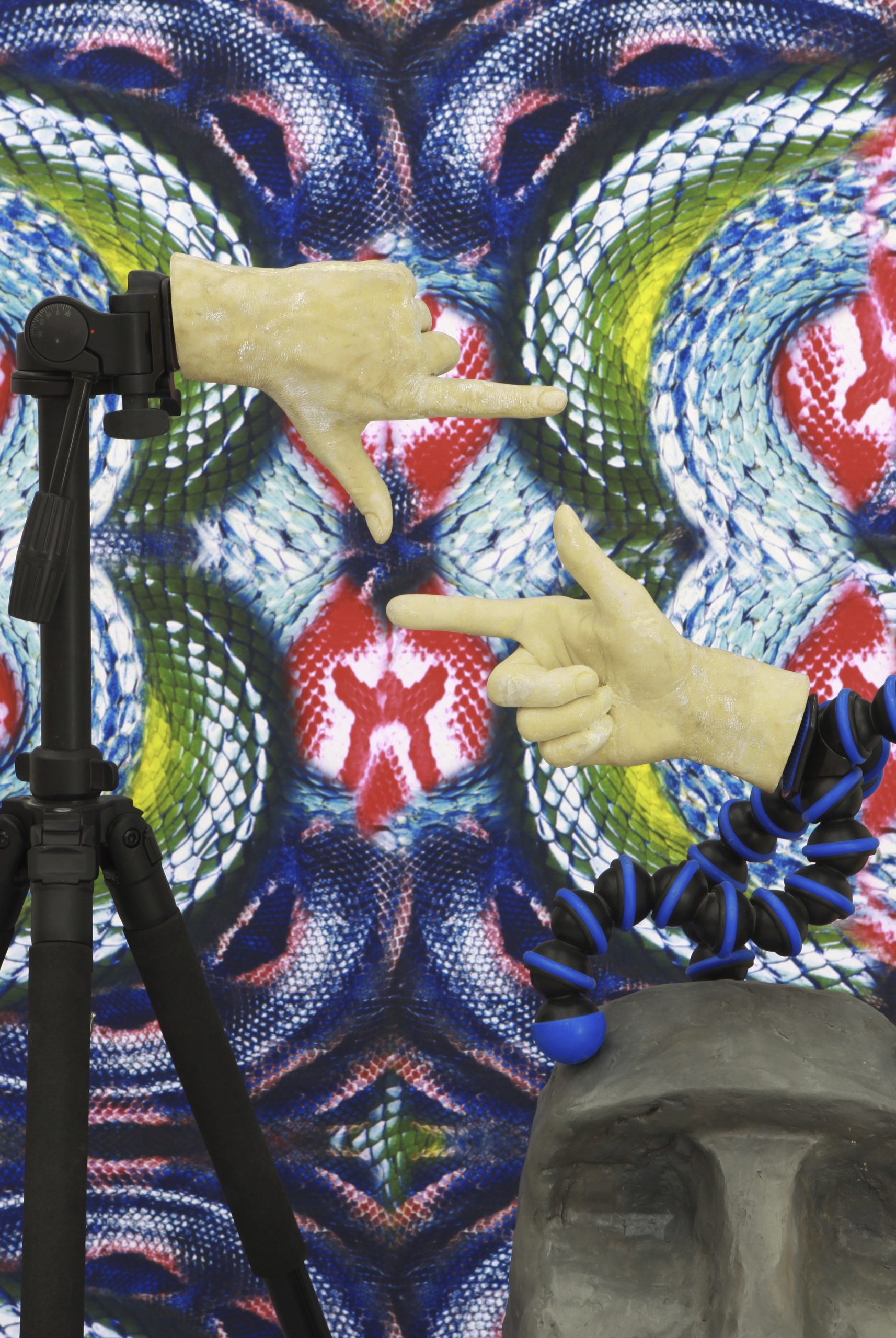
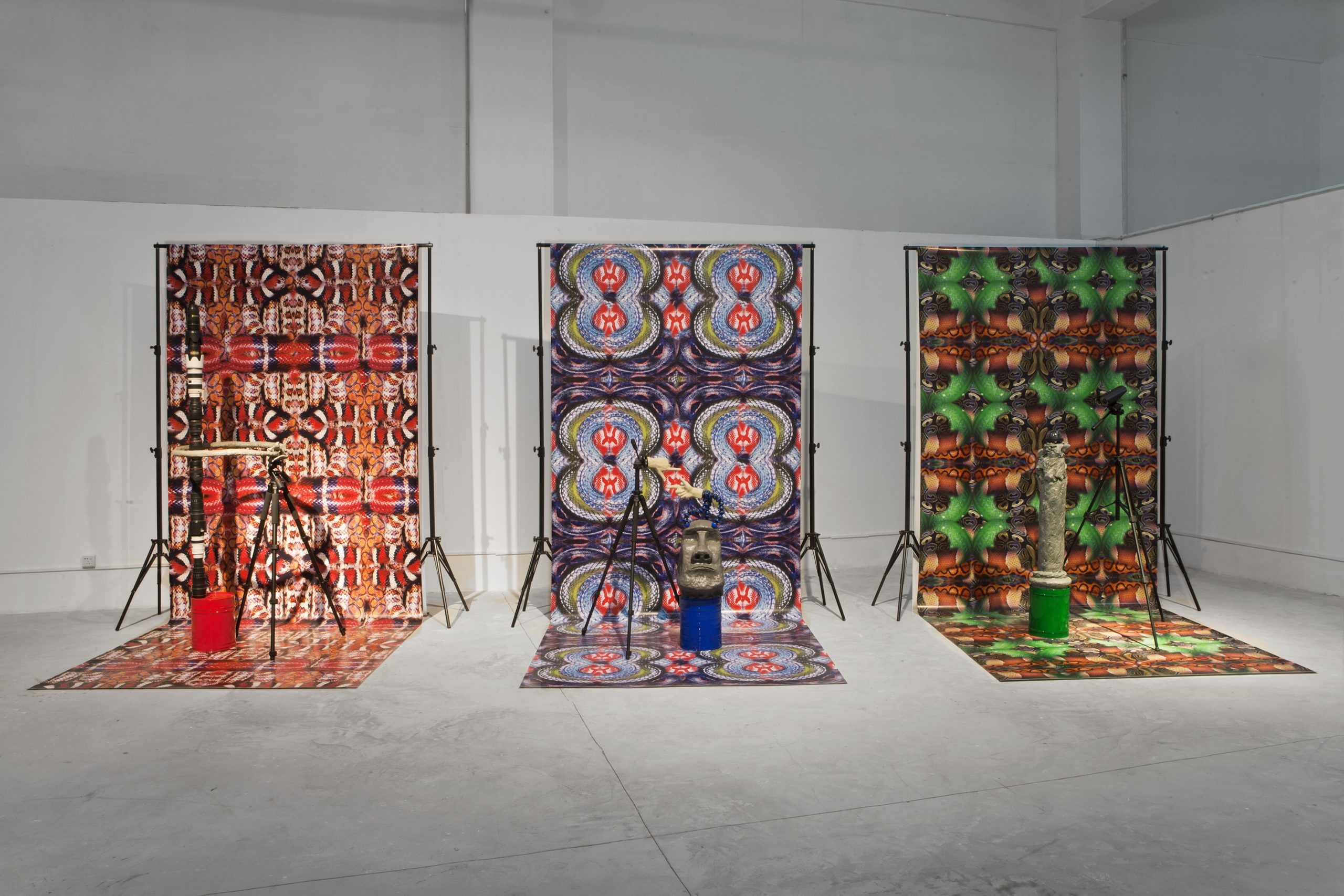
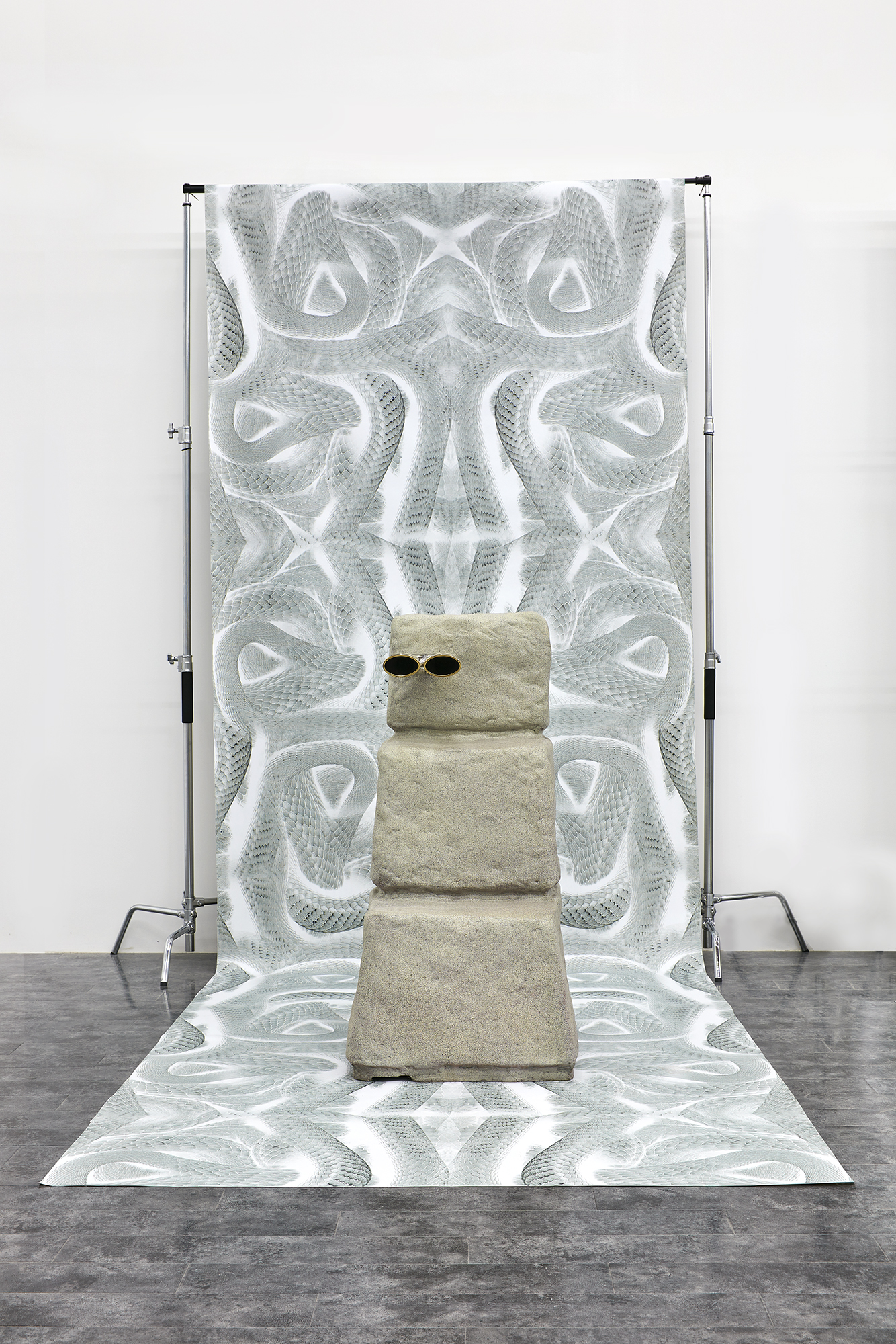
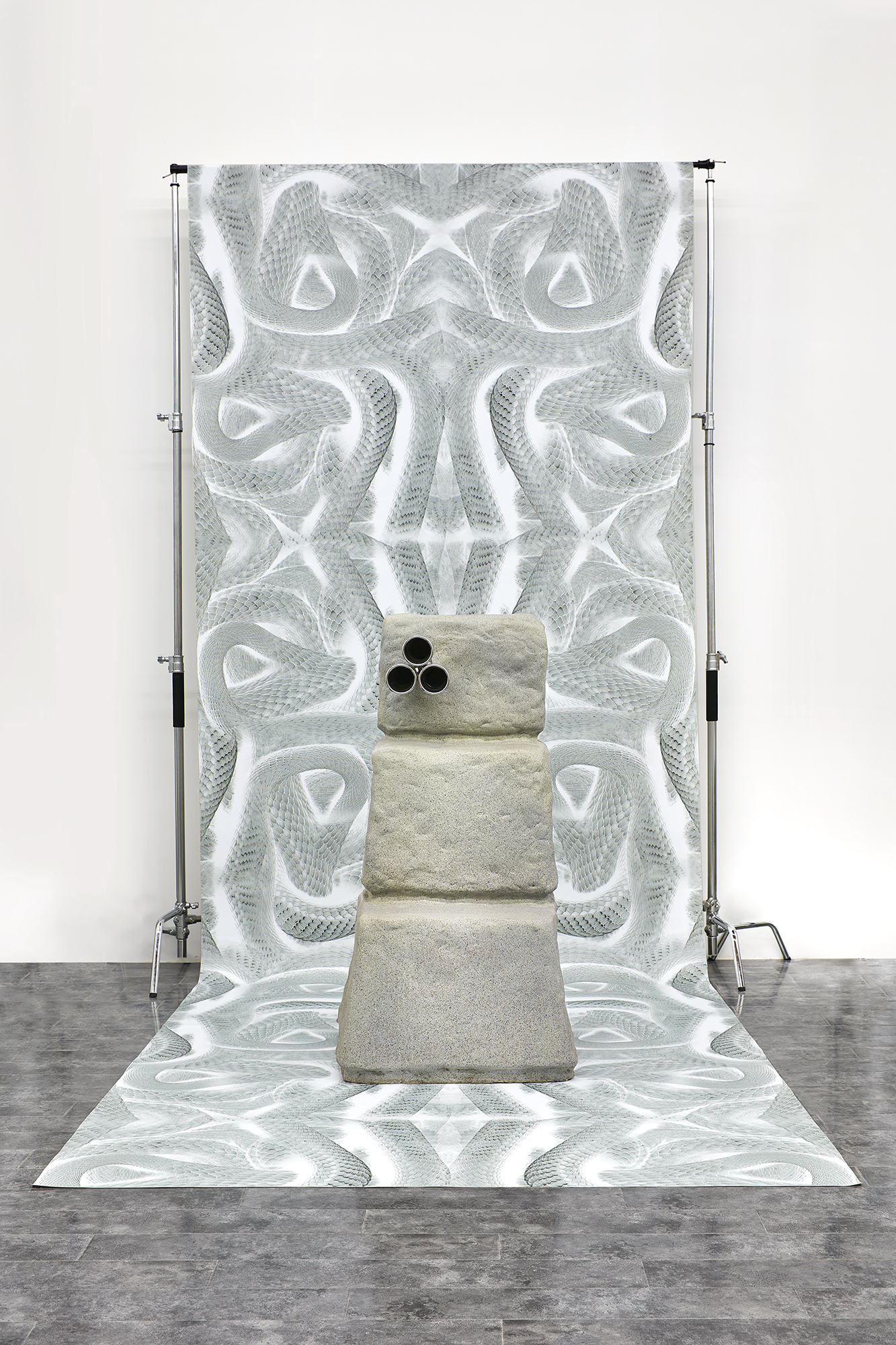
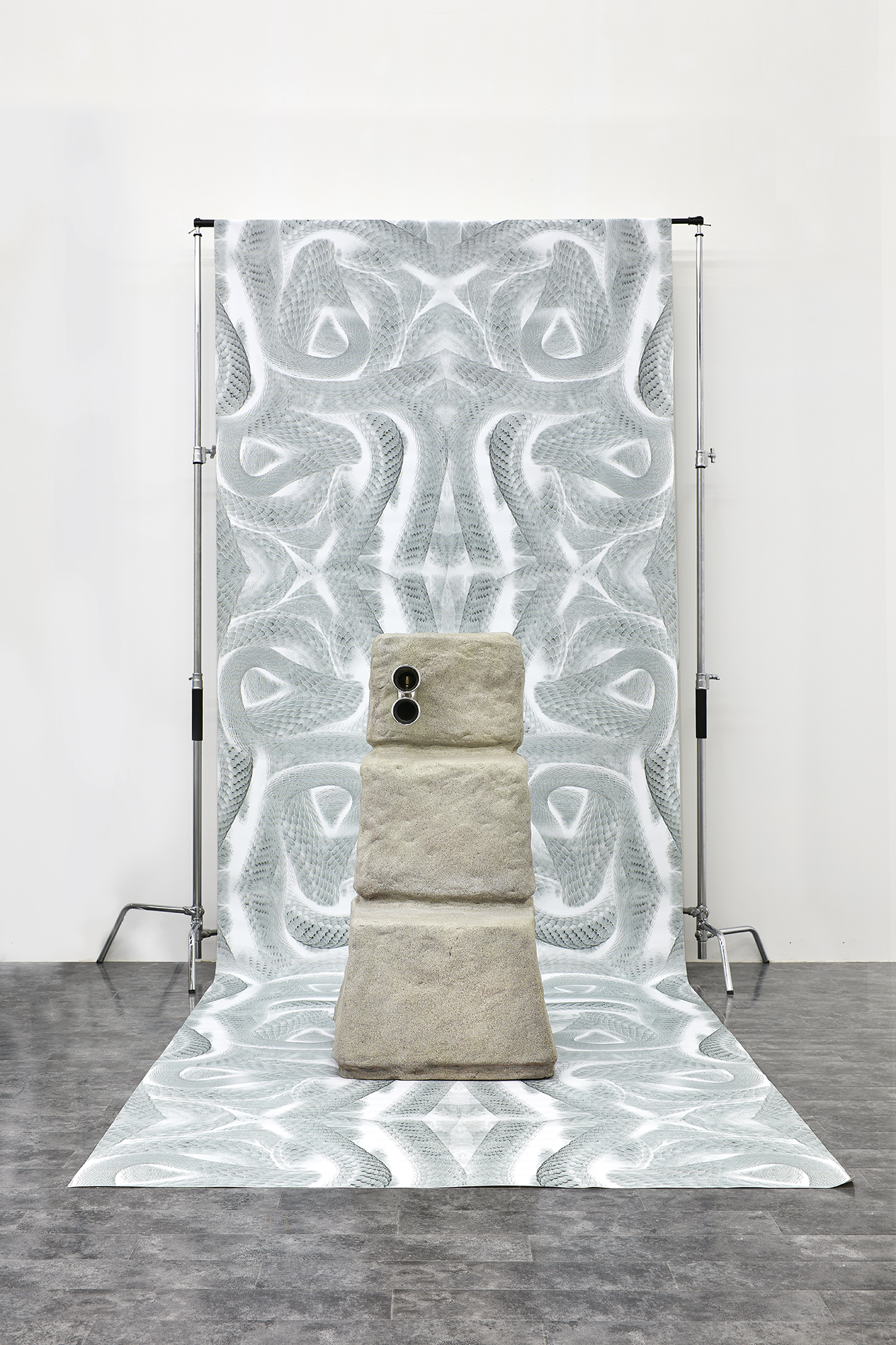
Guan Xiao, Documentary: From National Geographic to BBC, 2015
Fiberglass, camera tripod, spot light, camera lens models, brass, digital print on vinyl, background stands
700 × 176 × 300 cm作品信息Information -
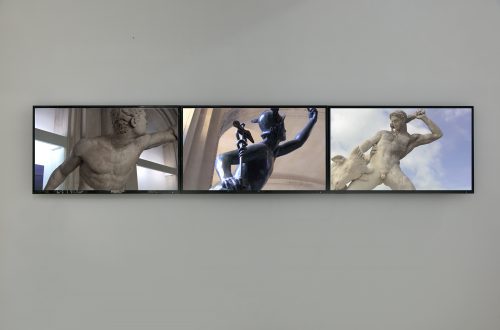
Guan Xiao, Hidden Track, 2015
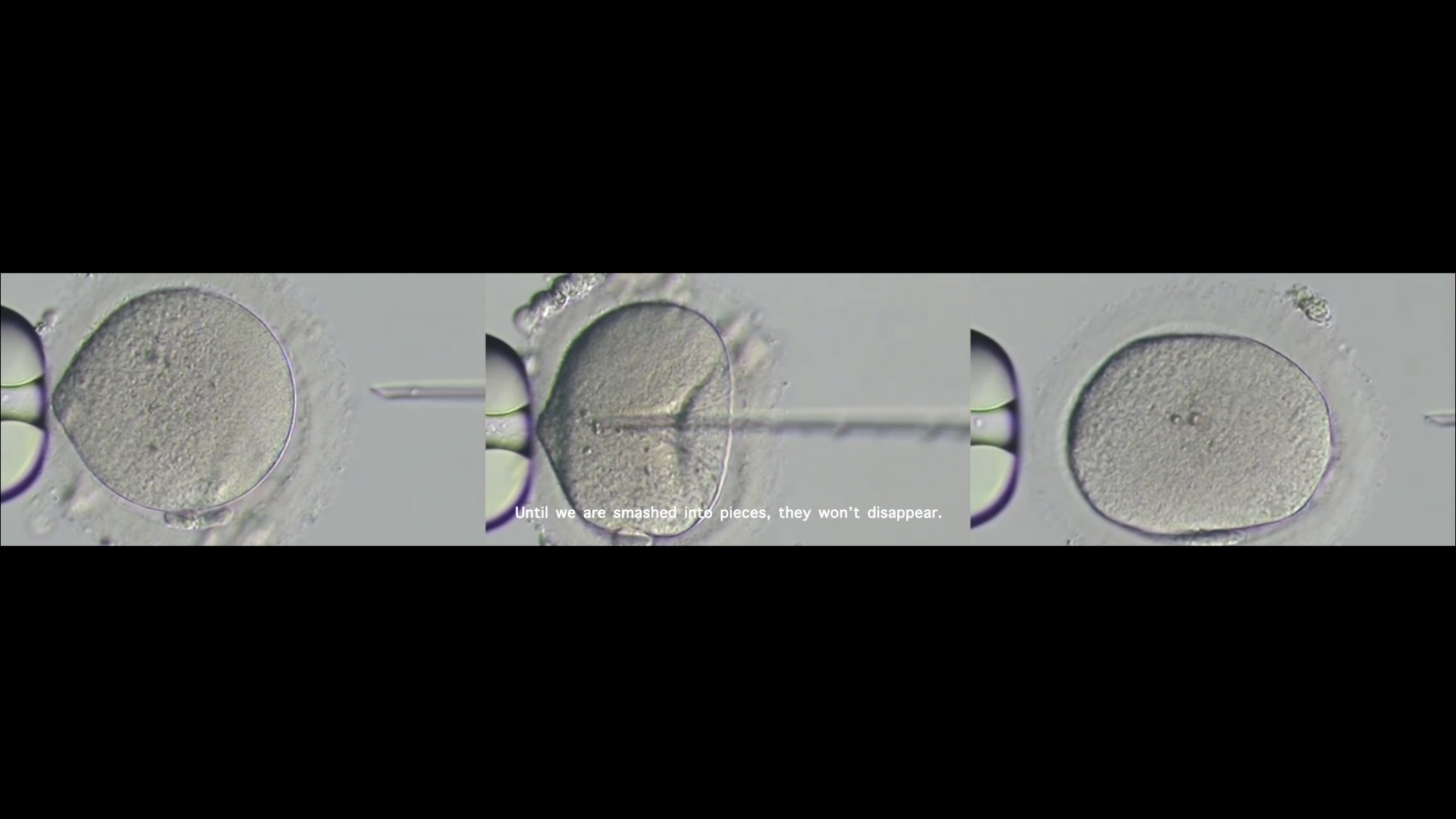
Three channel video, color, sound
4’52”作品信息Information -
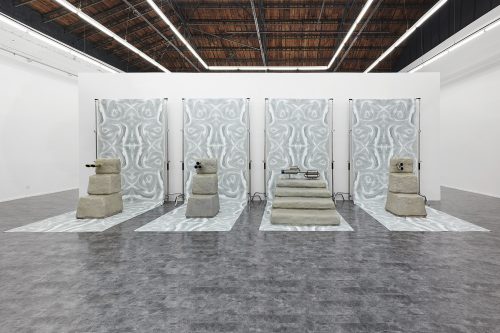
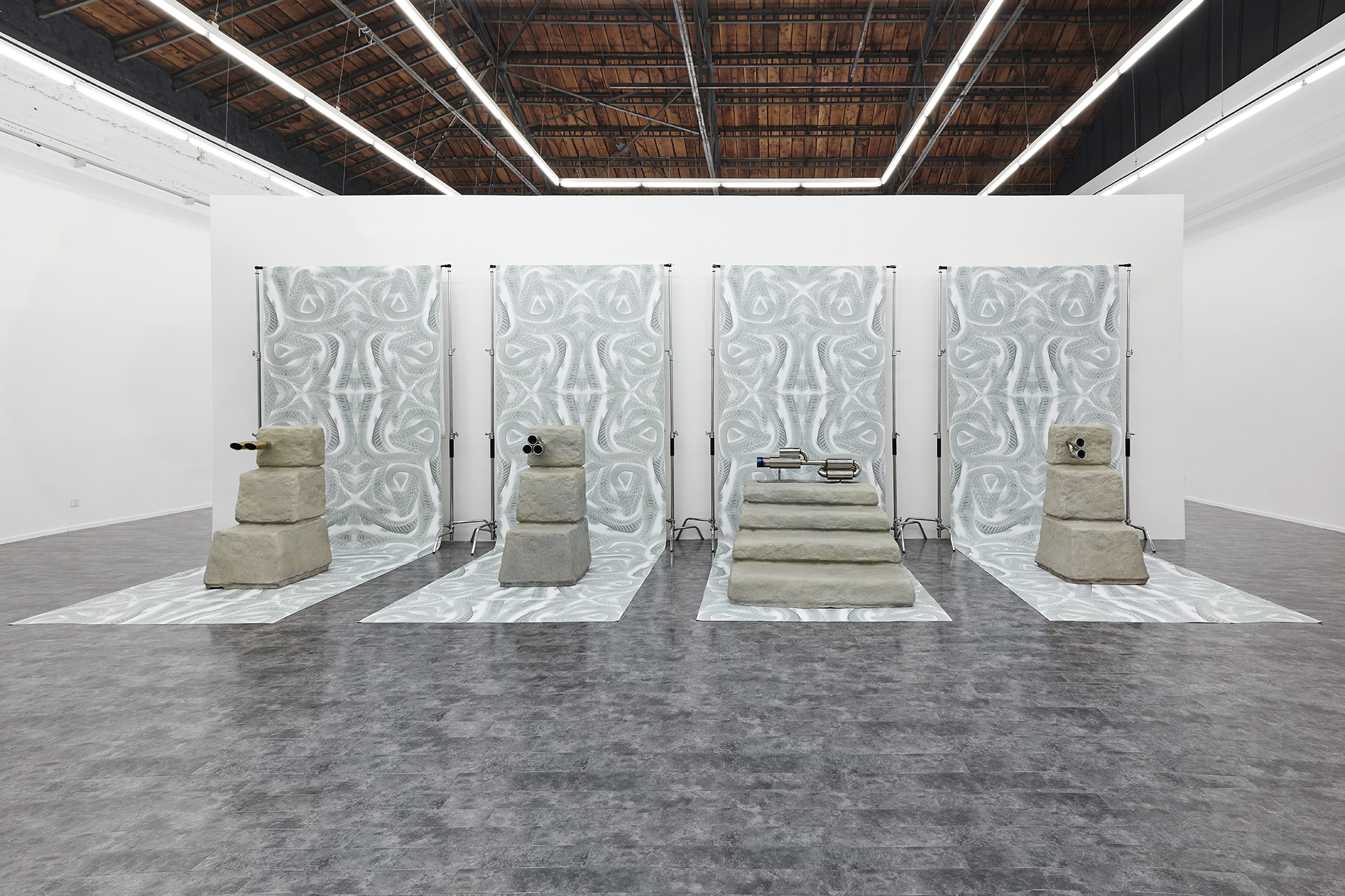
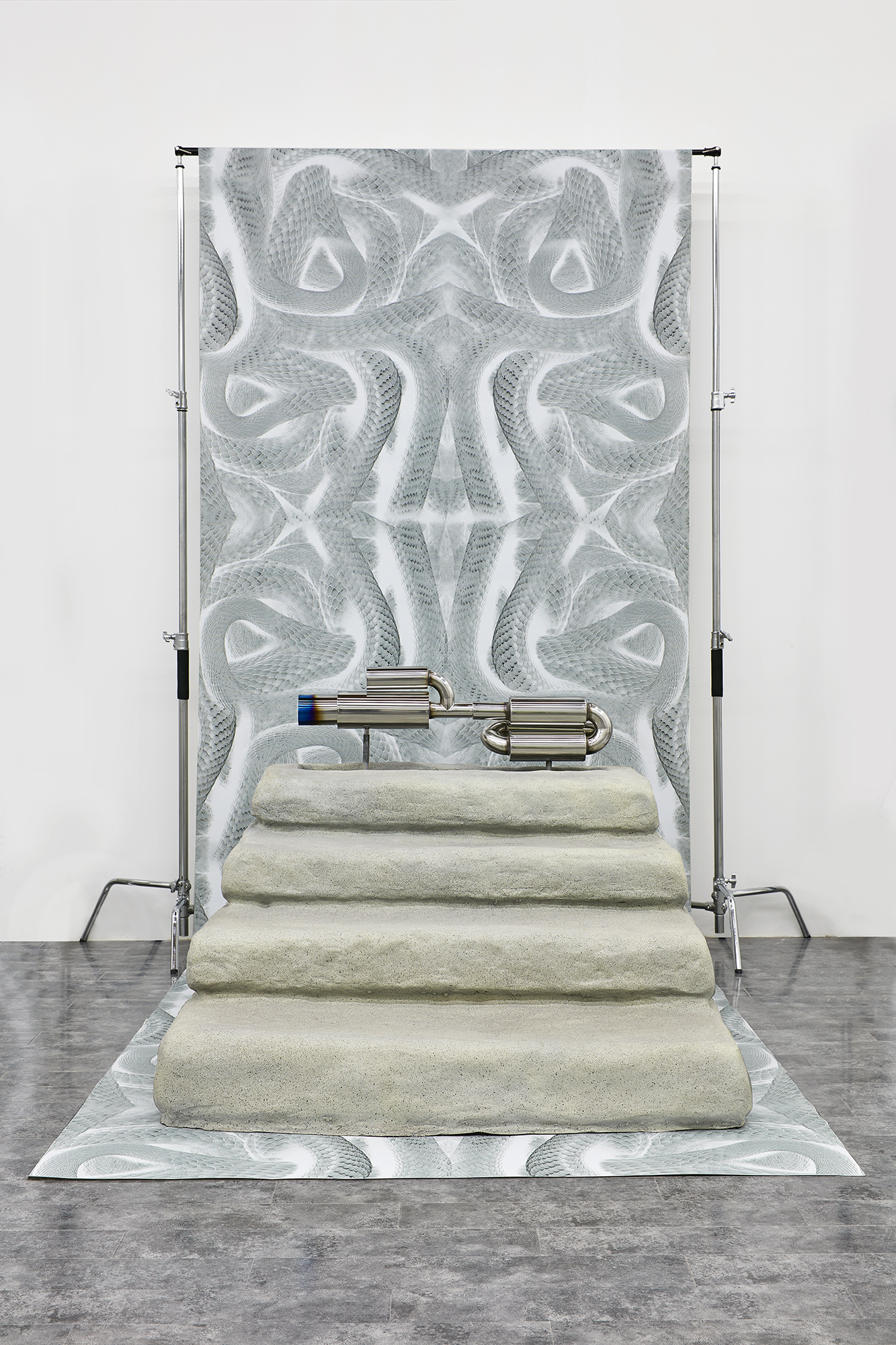
Guan Xiao, 4S Prequel, 2015
fiberglass, exhaust tail, exhaust pipe, digital print on vinyl, C-stands
900 × 286 × 300 cm作品信息Information -
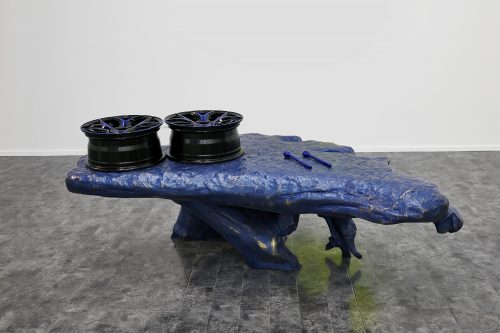
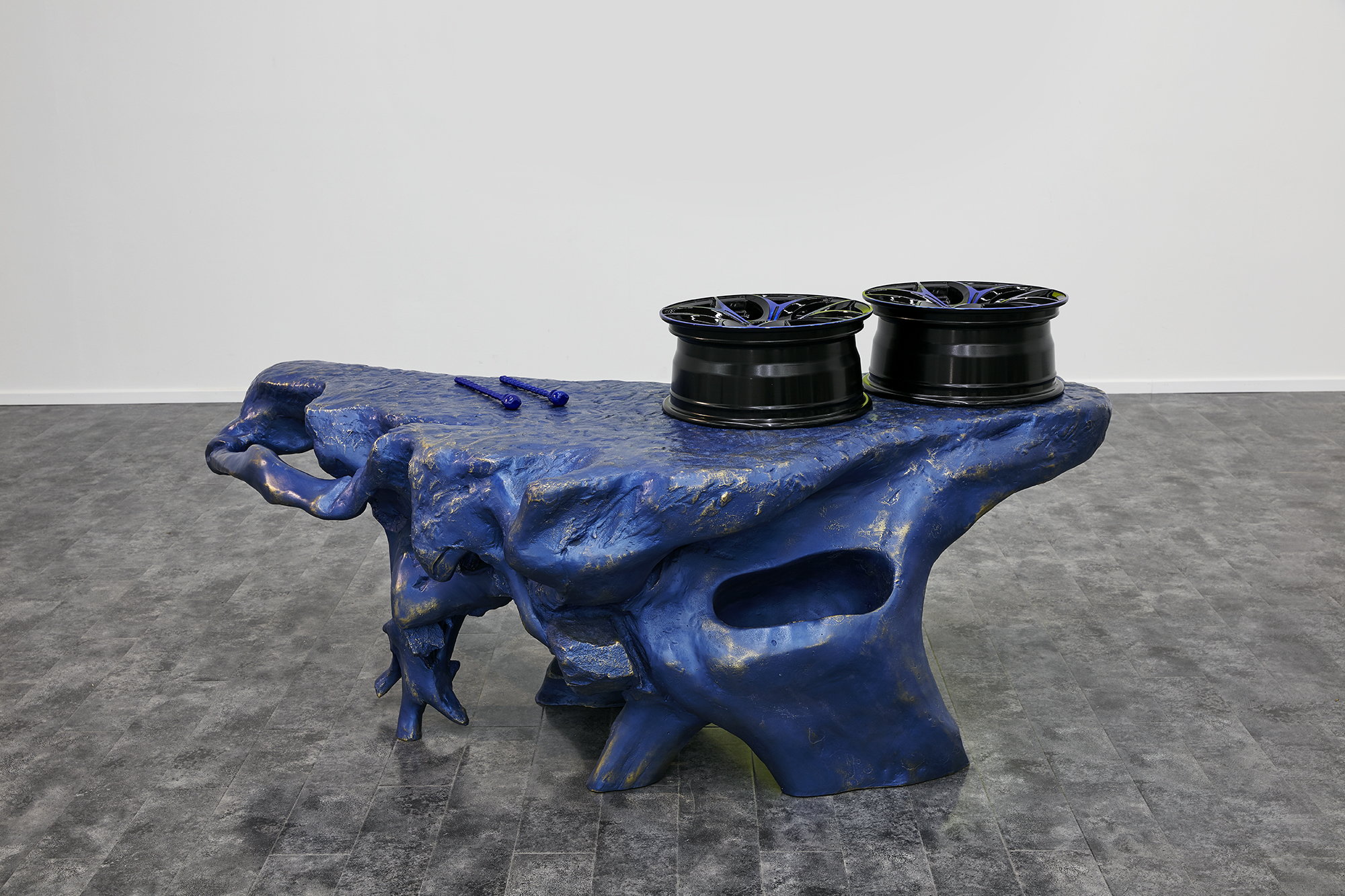
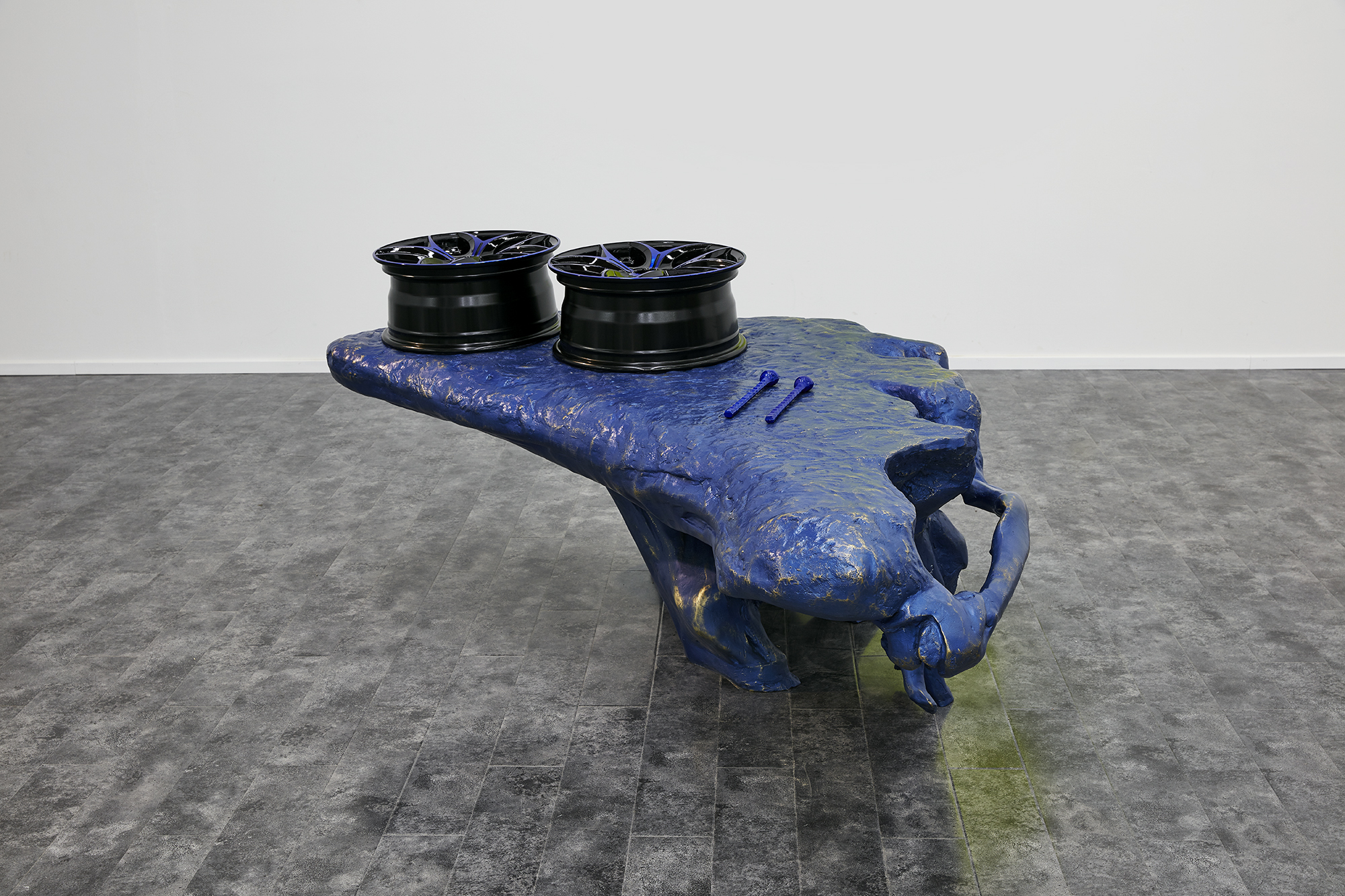
Guan Xiao, Blue Frog, 2015
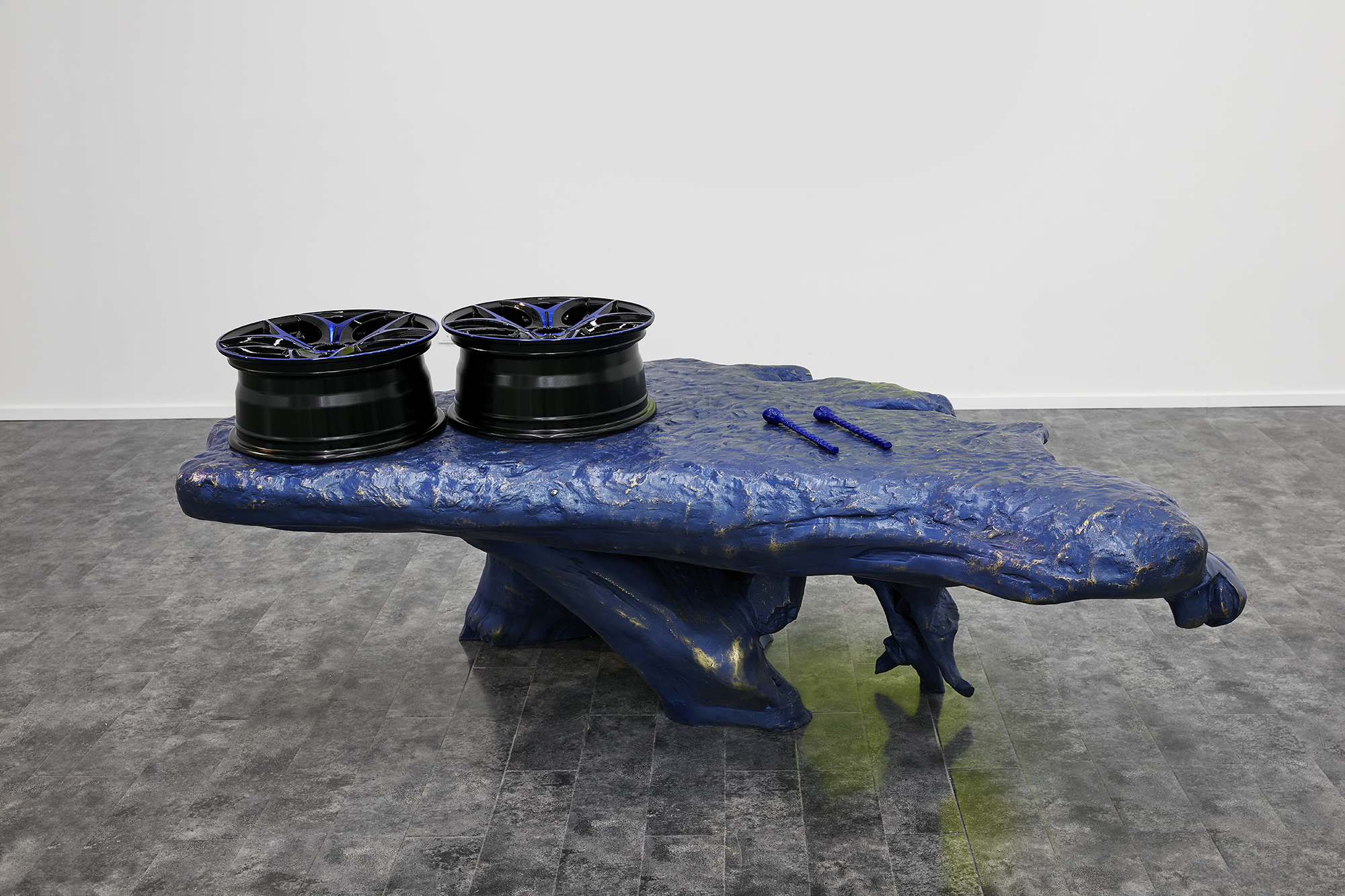
Brass, rim
105 × 200 × 70 cm作品信息Information -
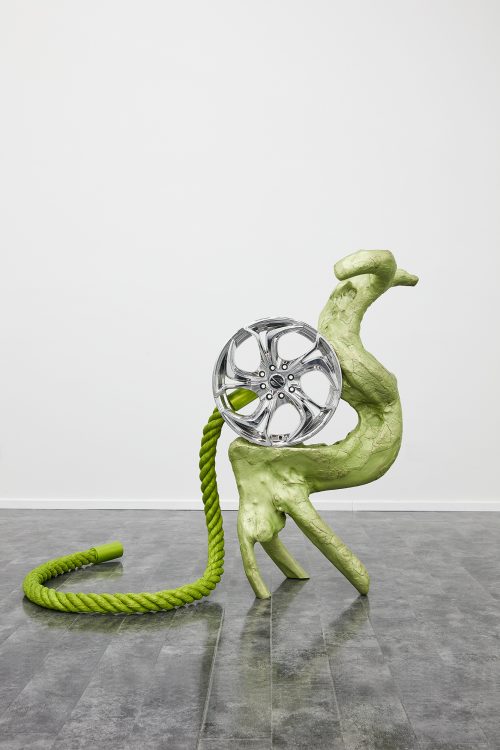
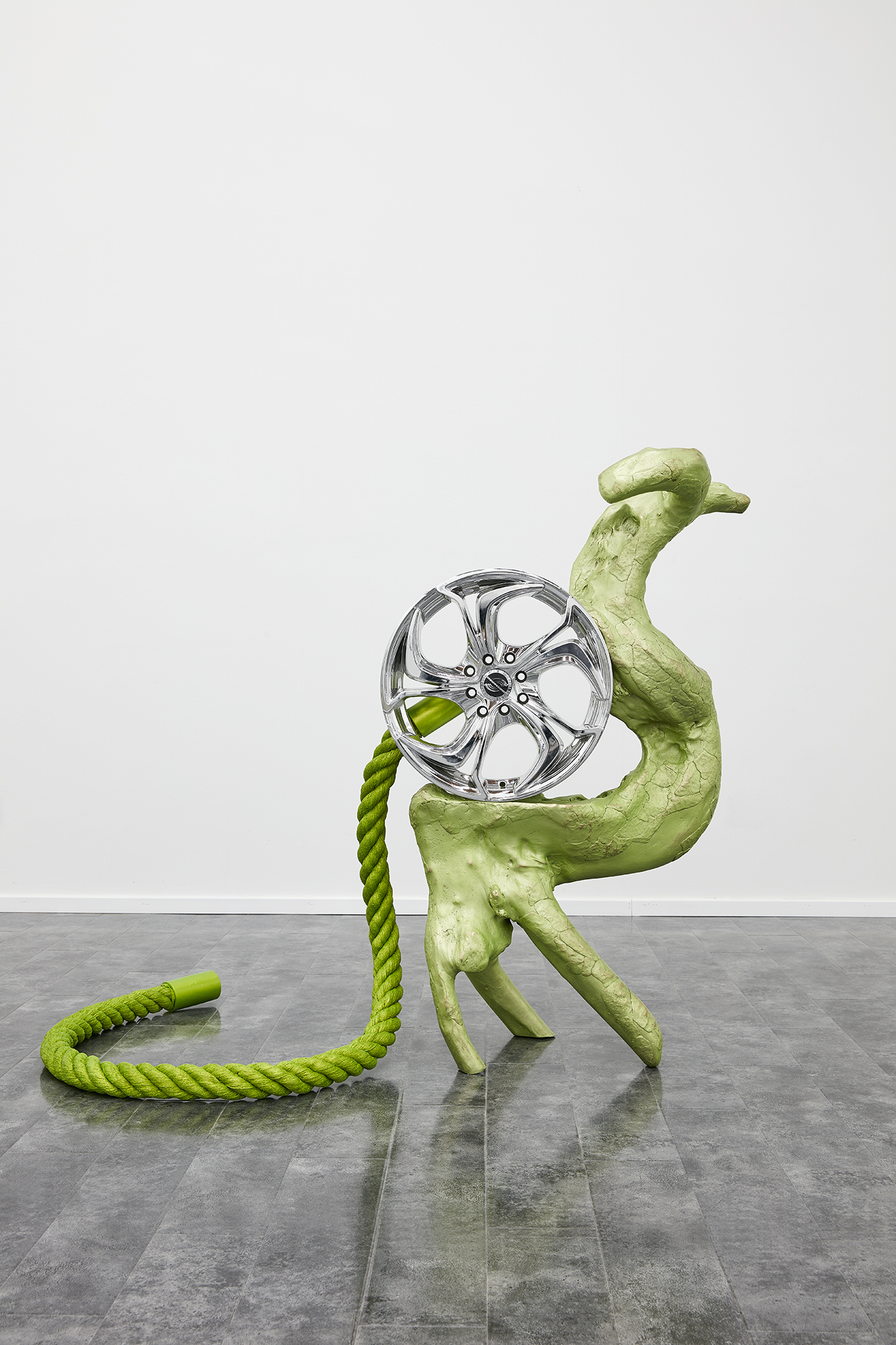
Guan Xiao, Din Din Jaarhh, 2015
Brass, rim, colored rope, resin
115 × 40 × 78 cm作品信息Information -
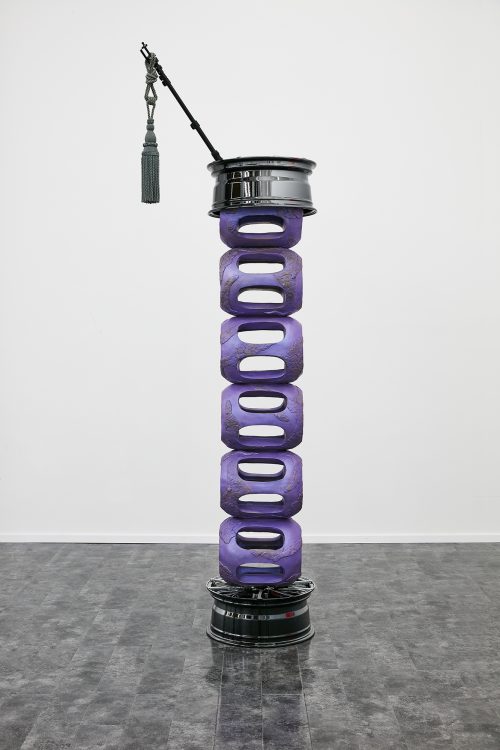
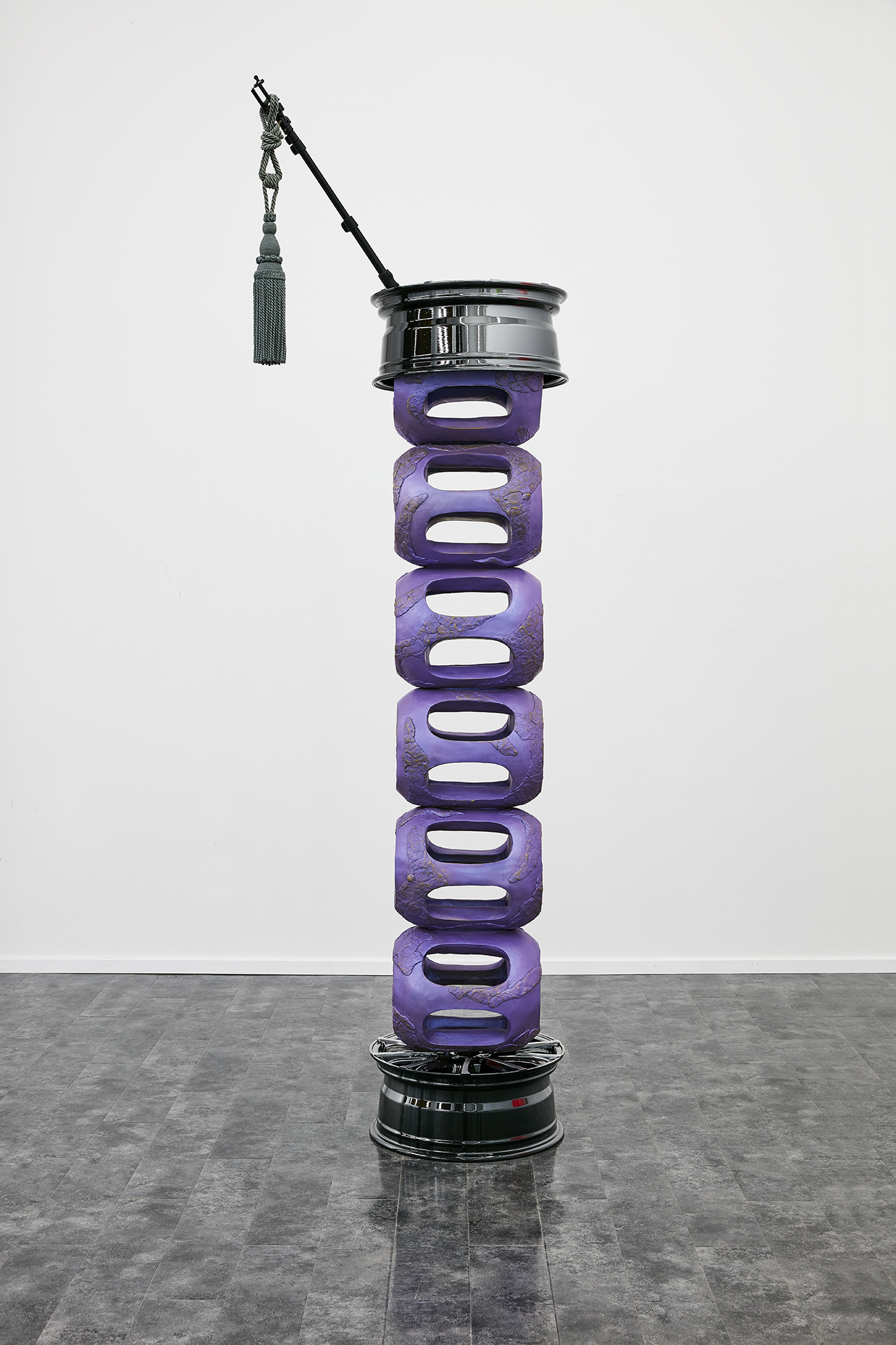
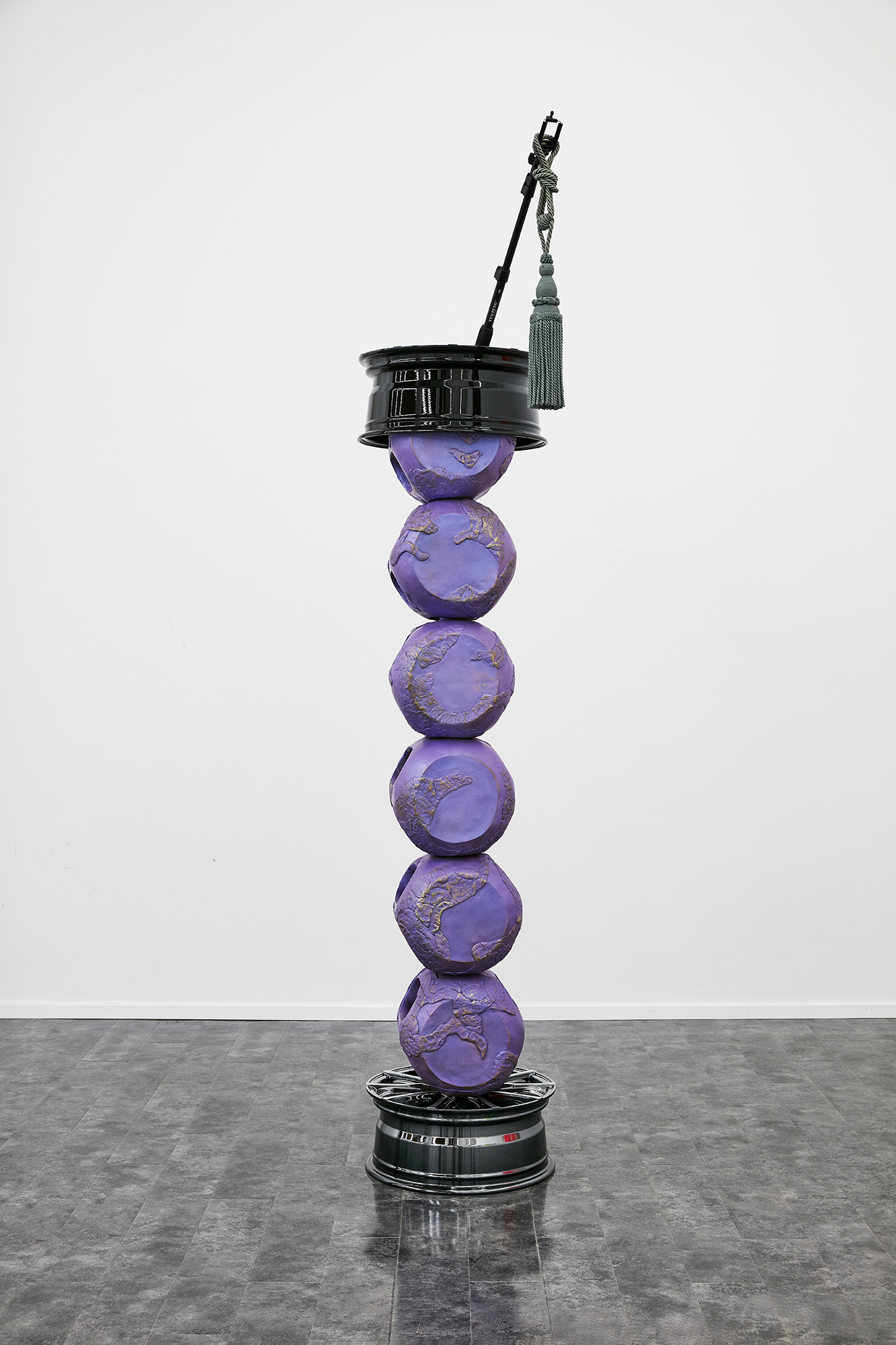
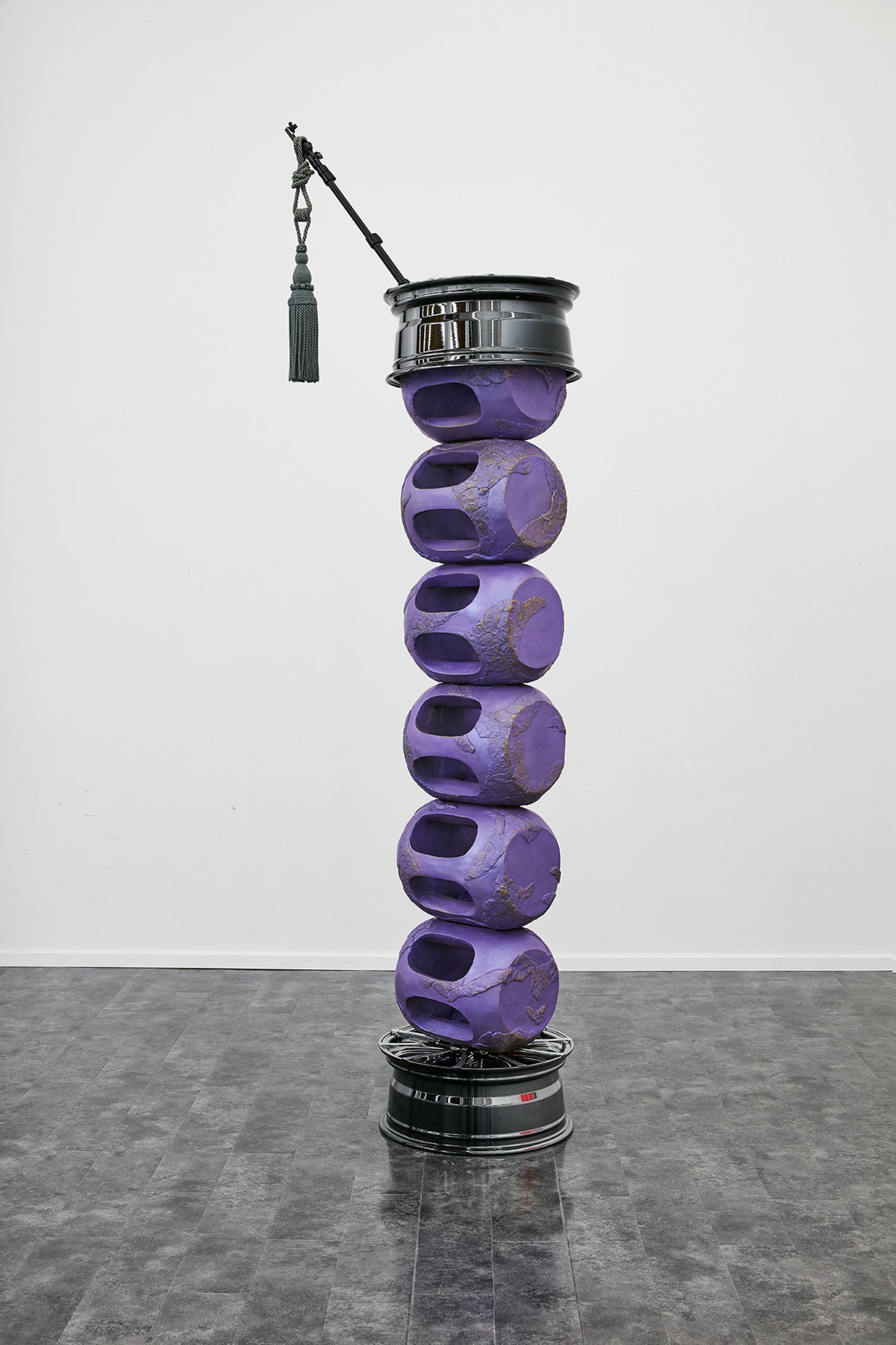
Guan Xiao, Five Walks through the Dusk, 2015
Brass, rim, selfie stick, tassels
47 × 75 × 245 cm作品信息Information -
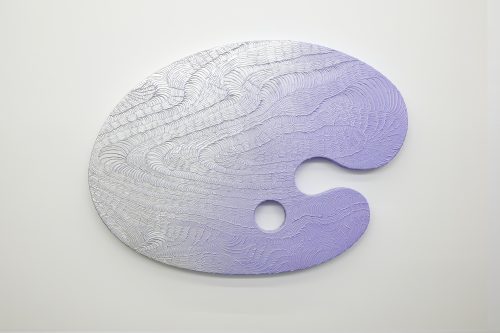
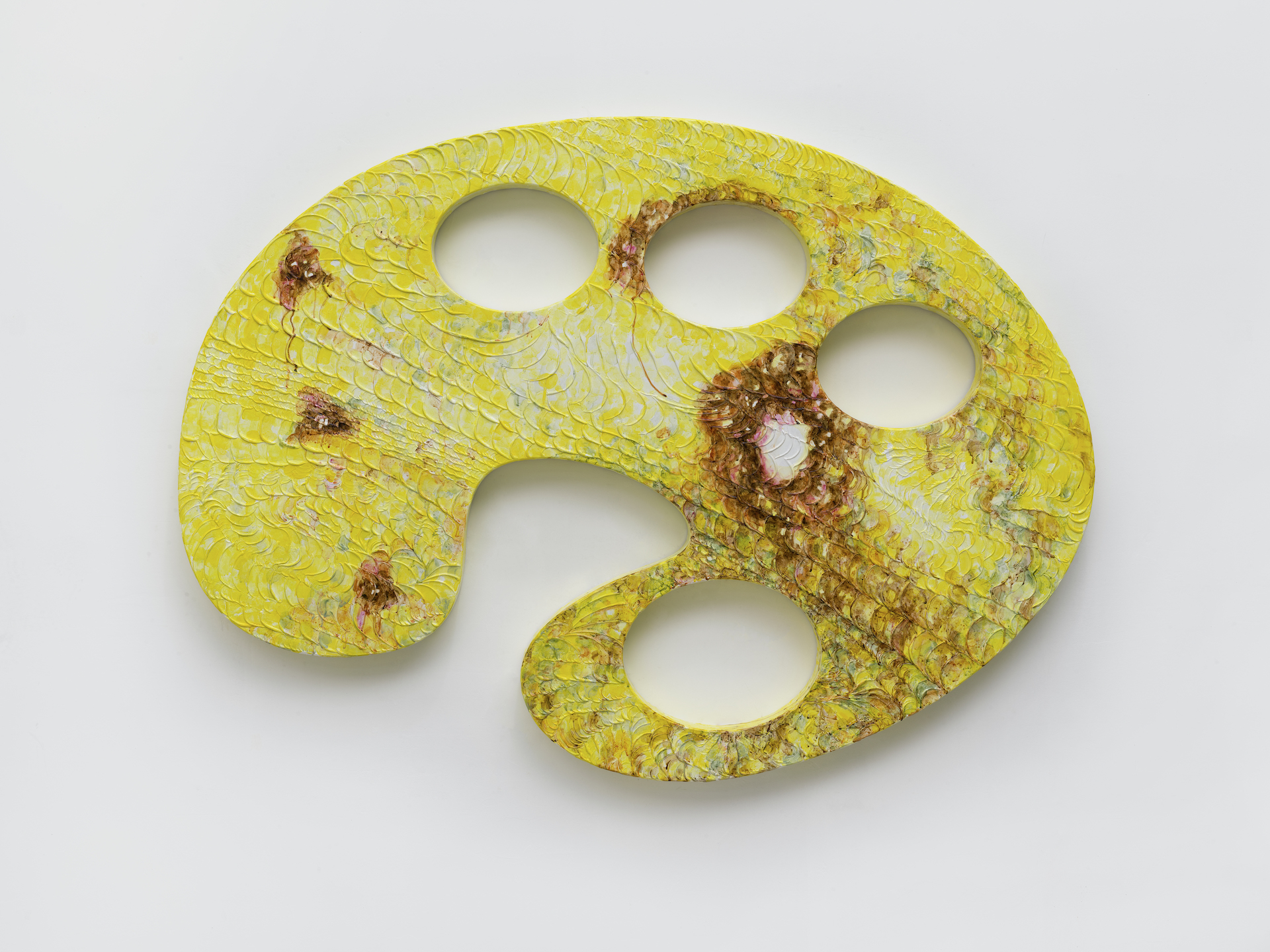
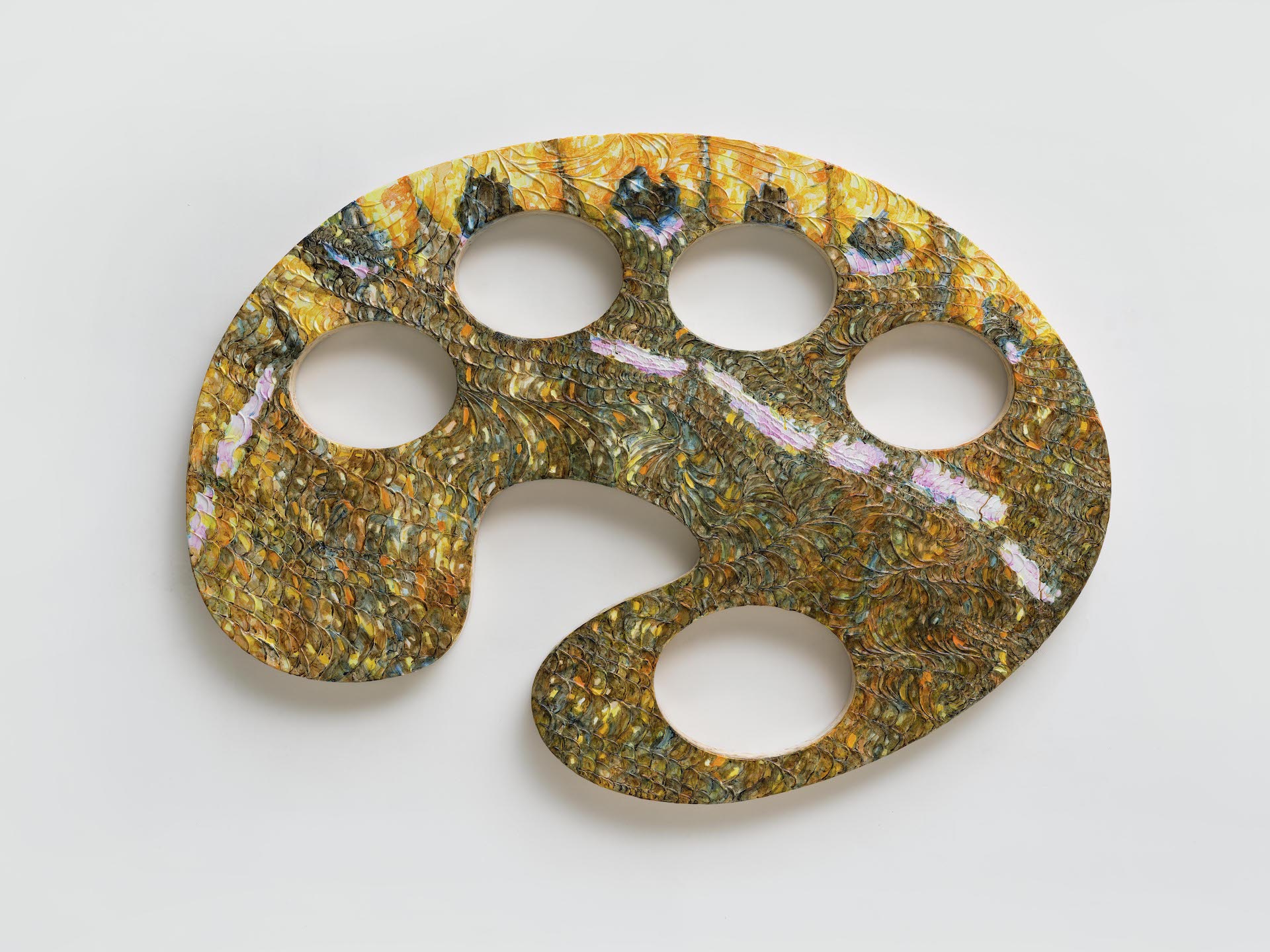
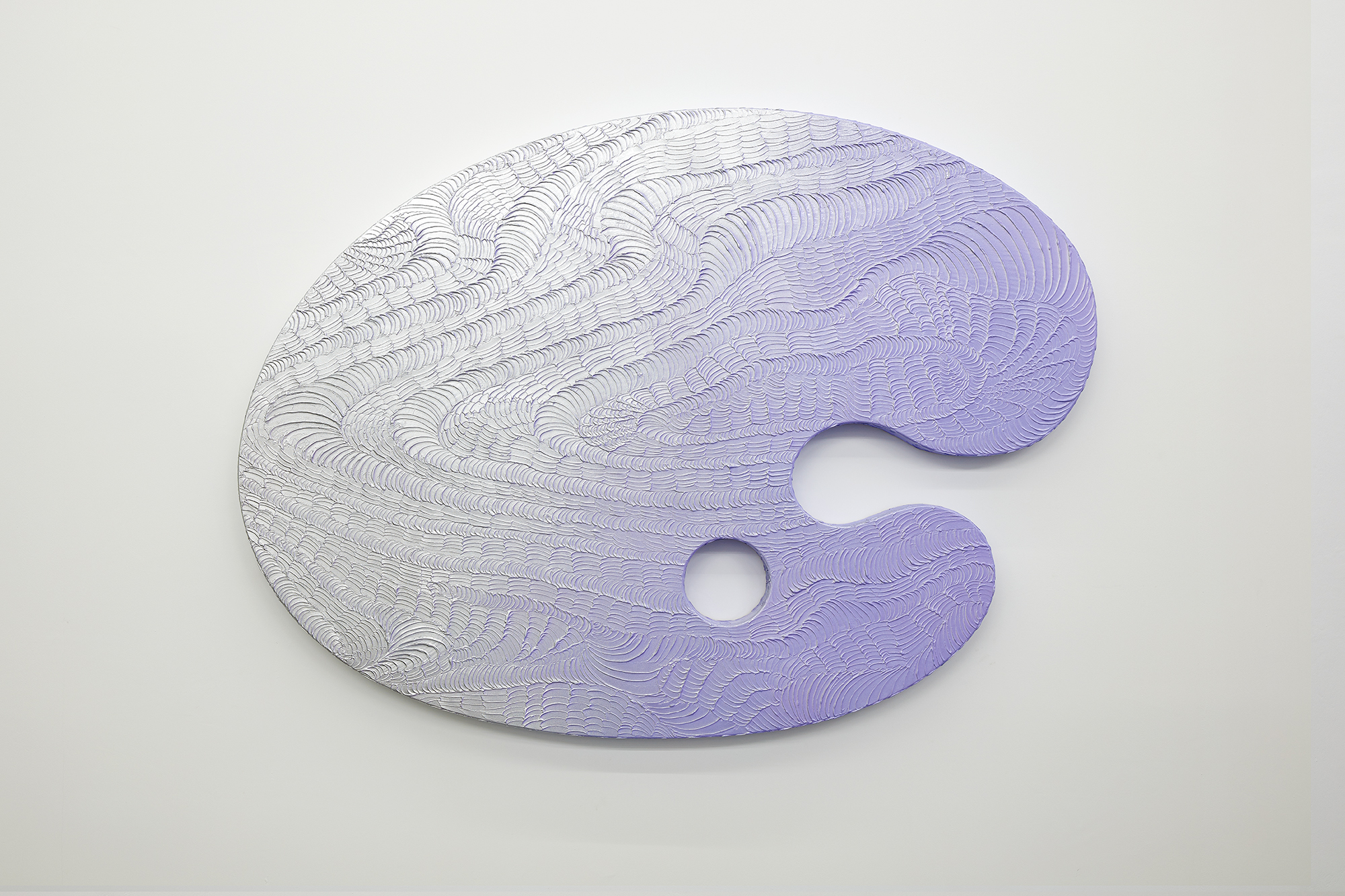
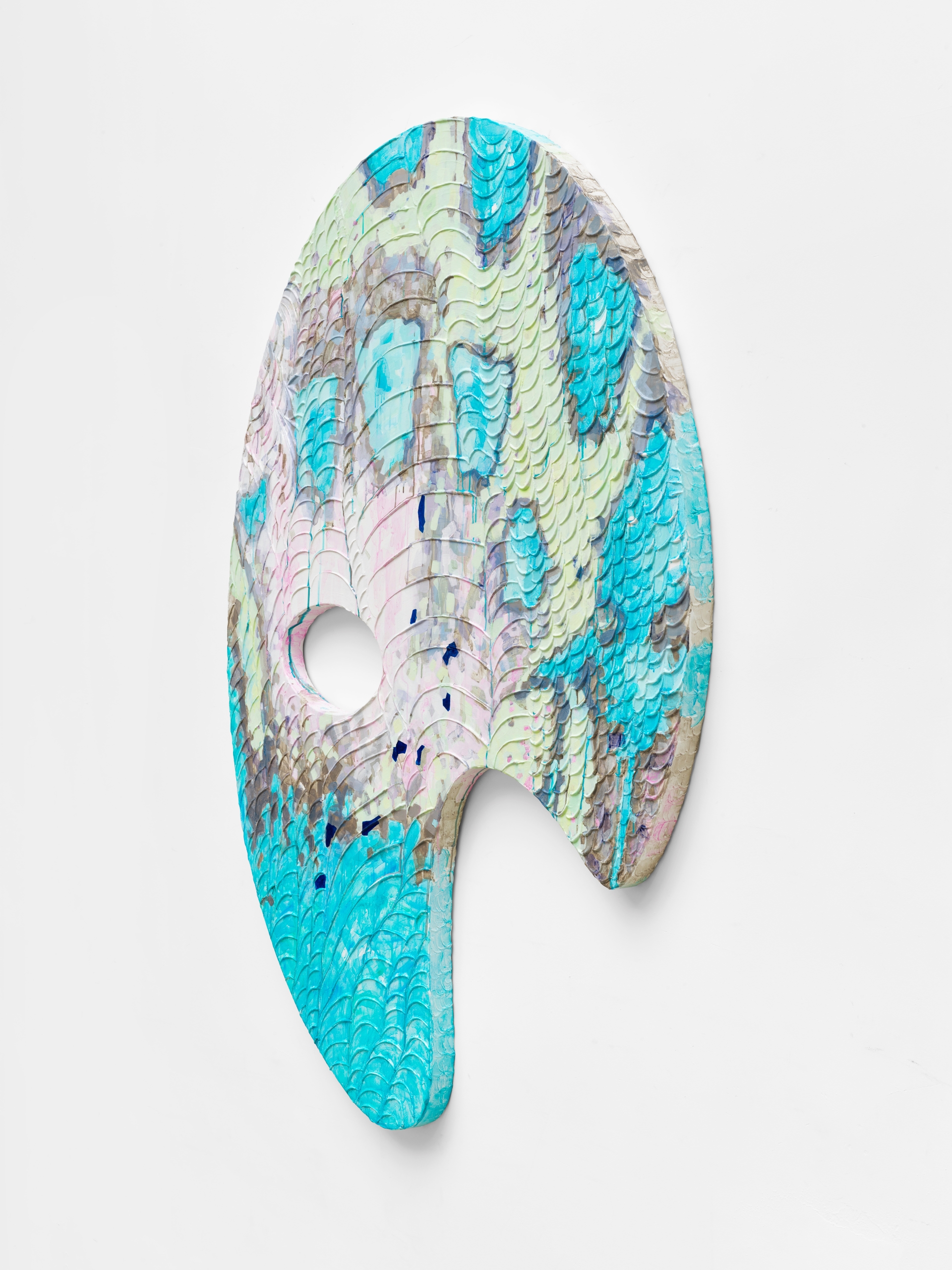
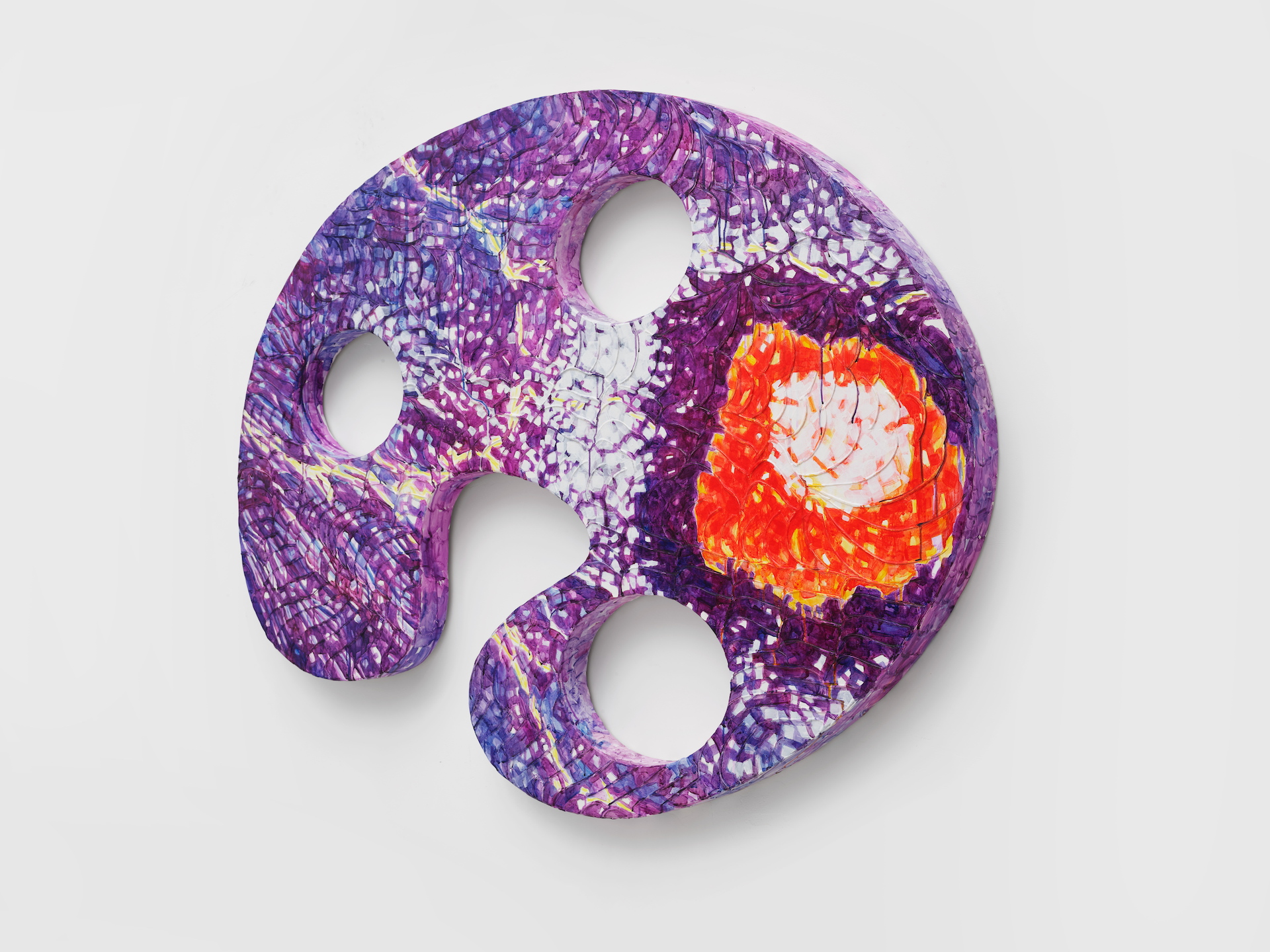
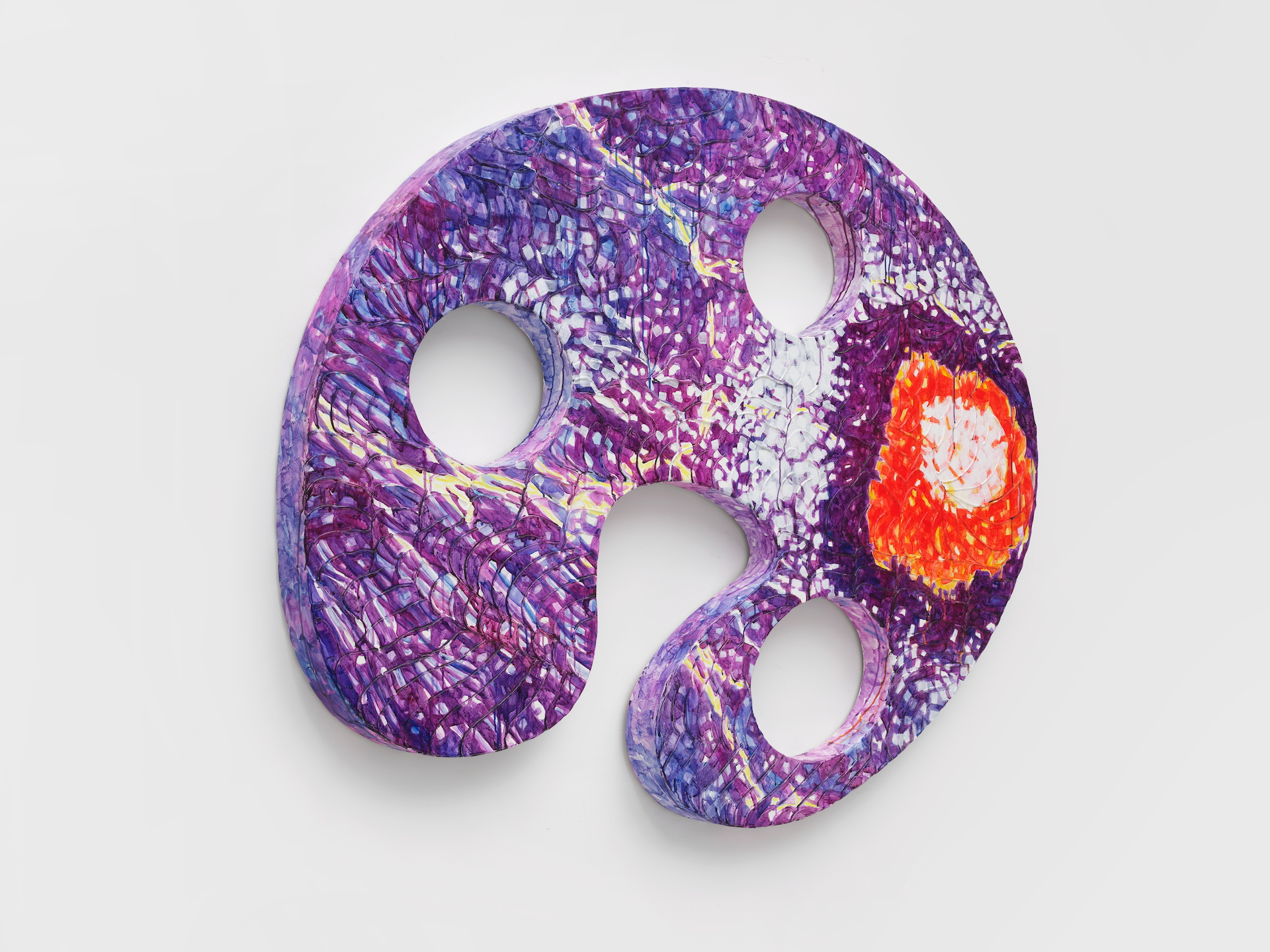
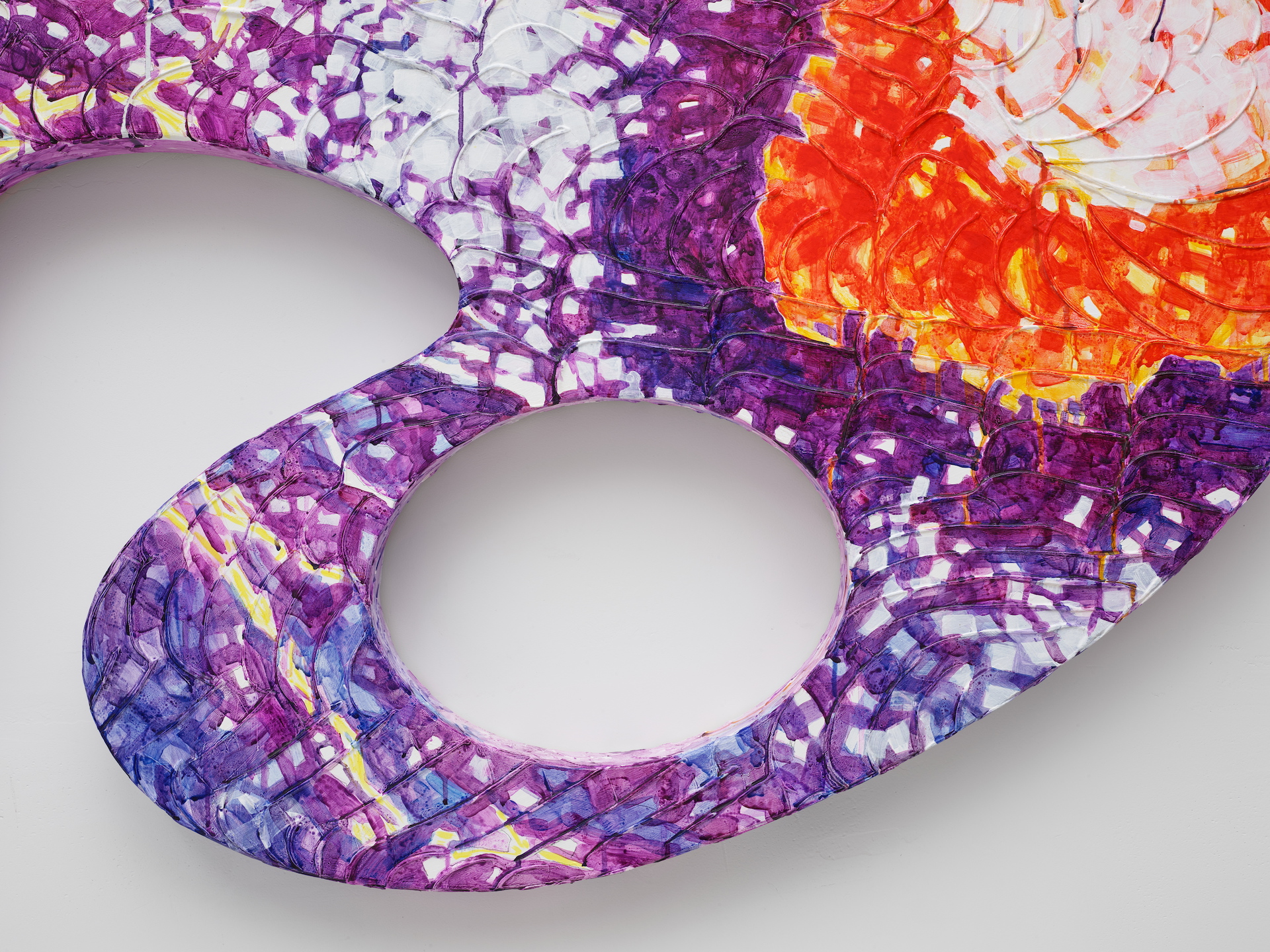
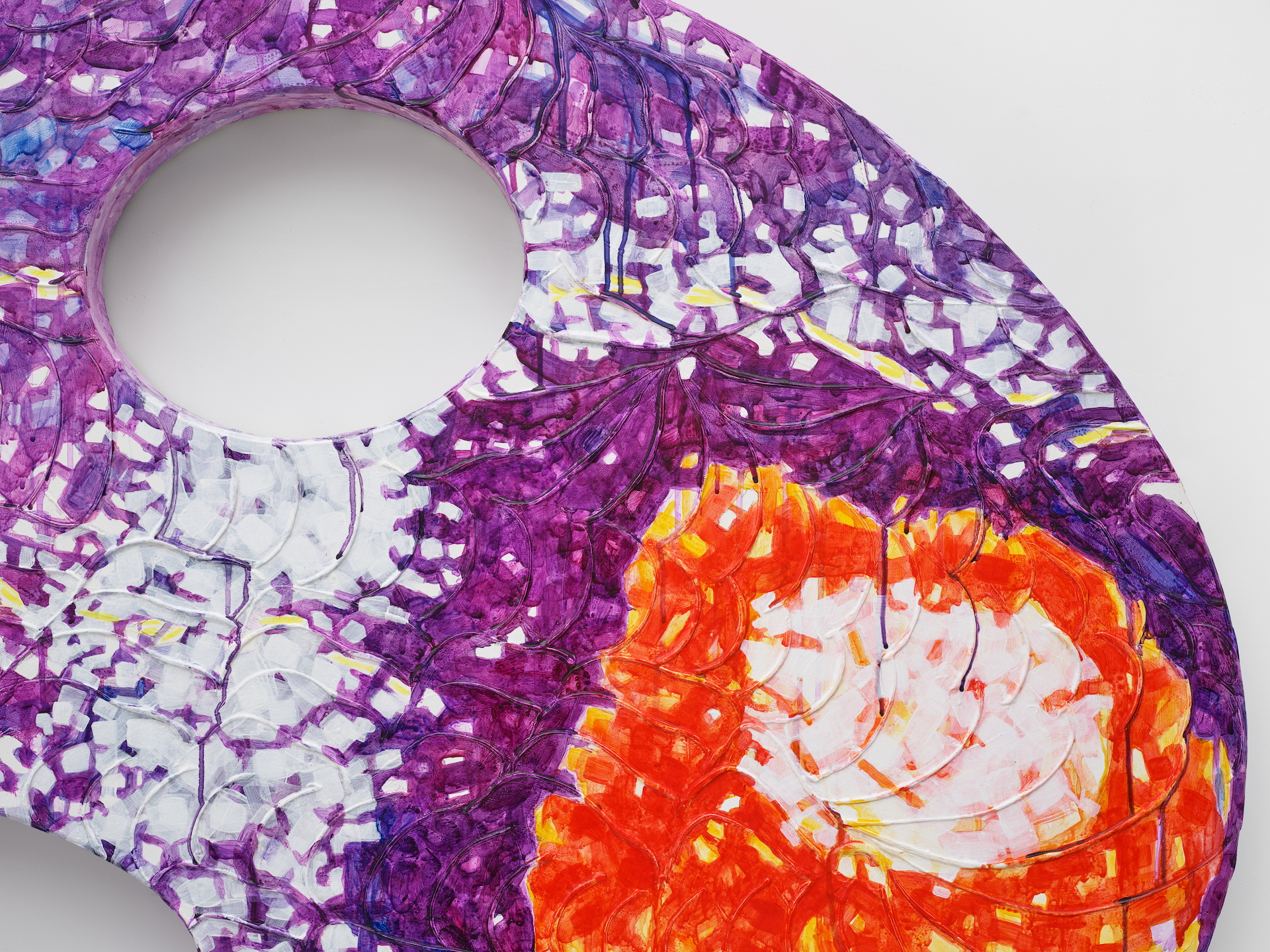
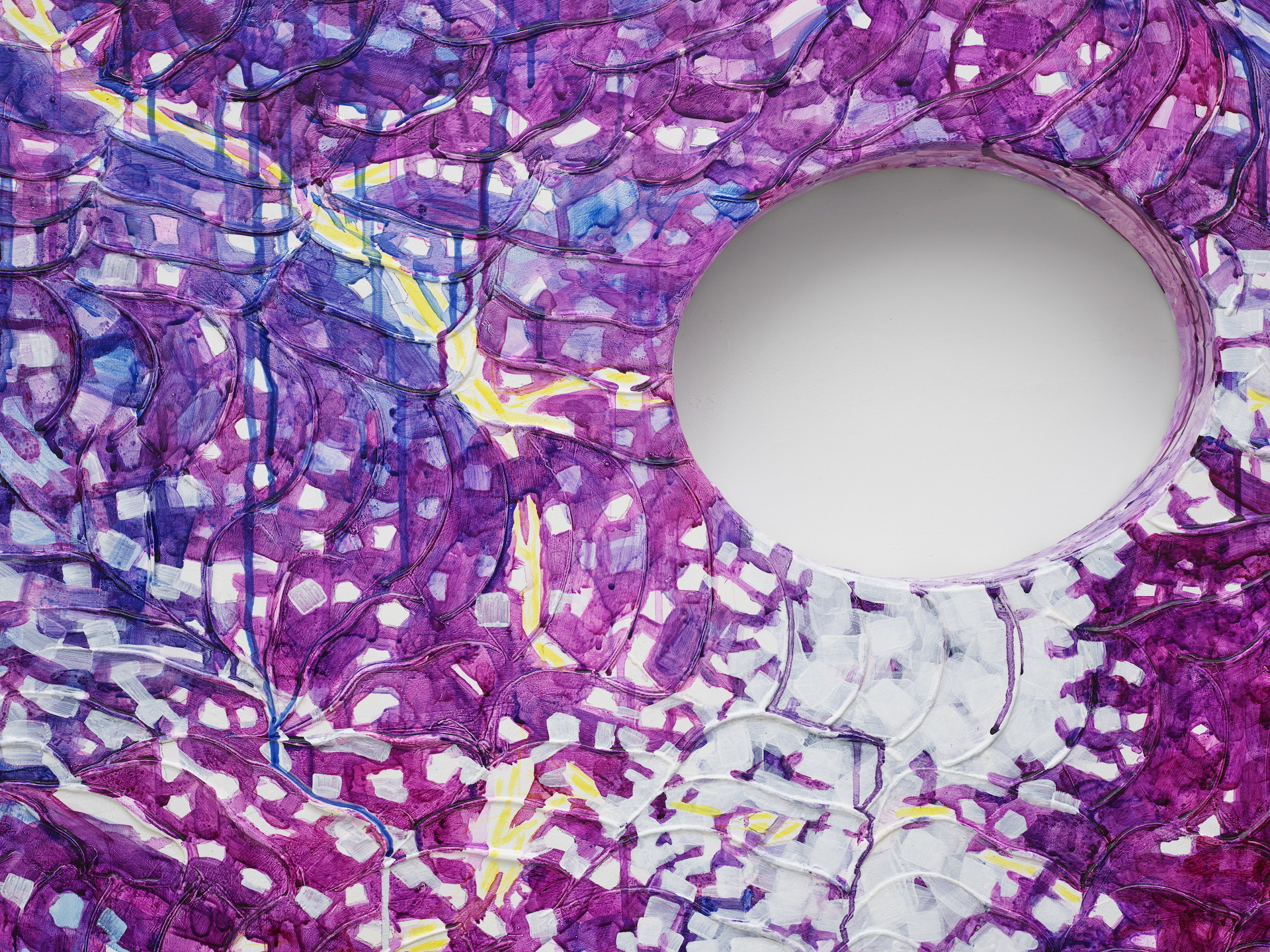
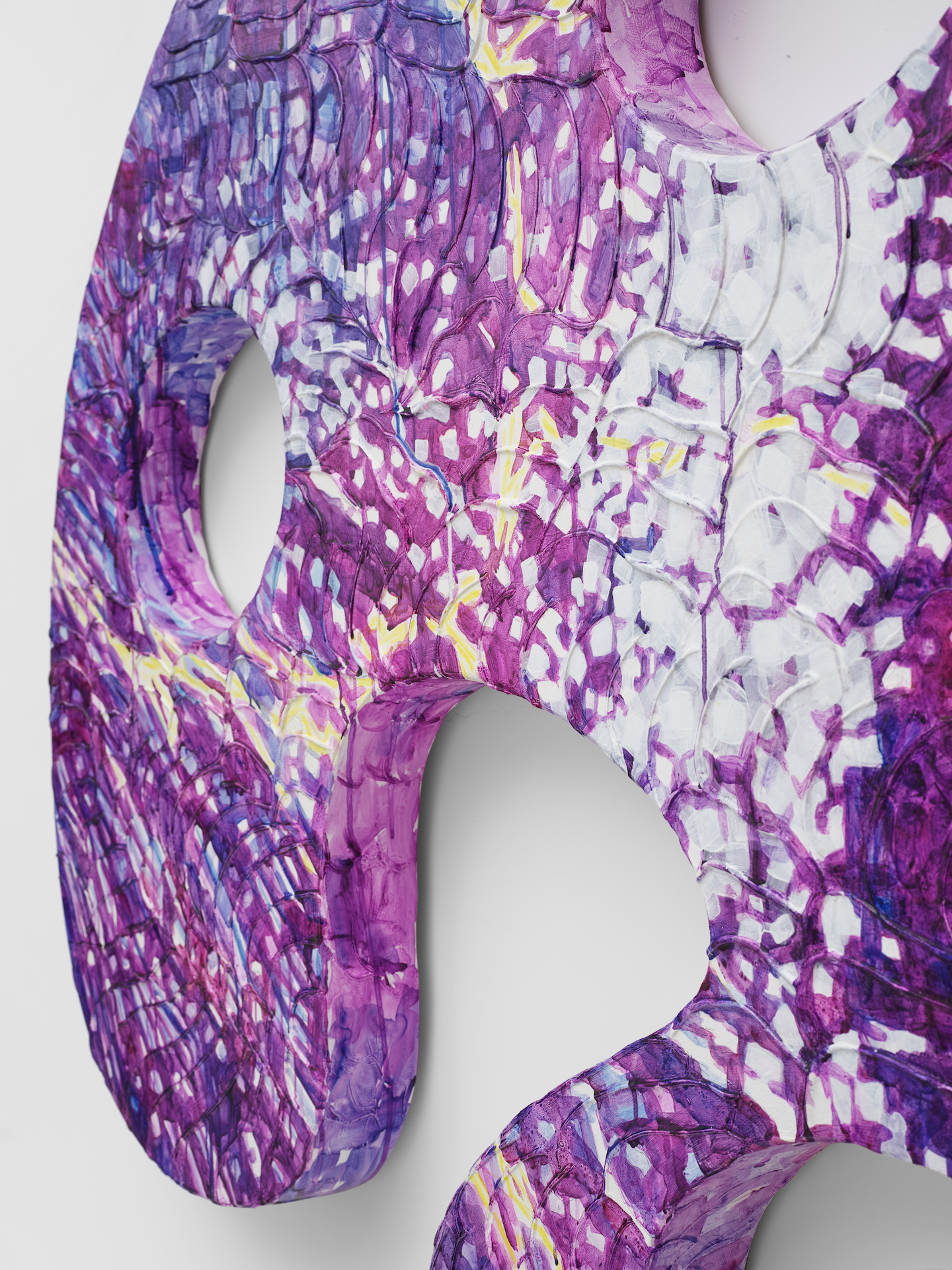
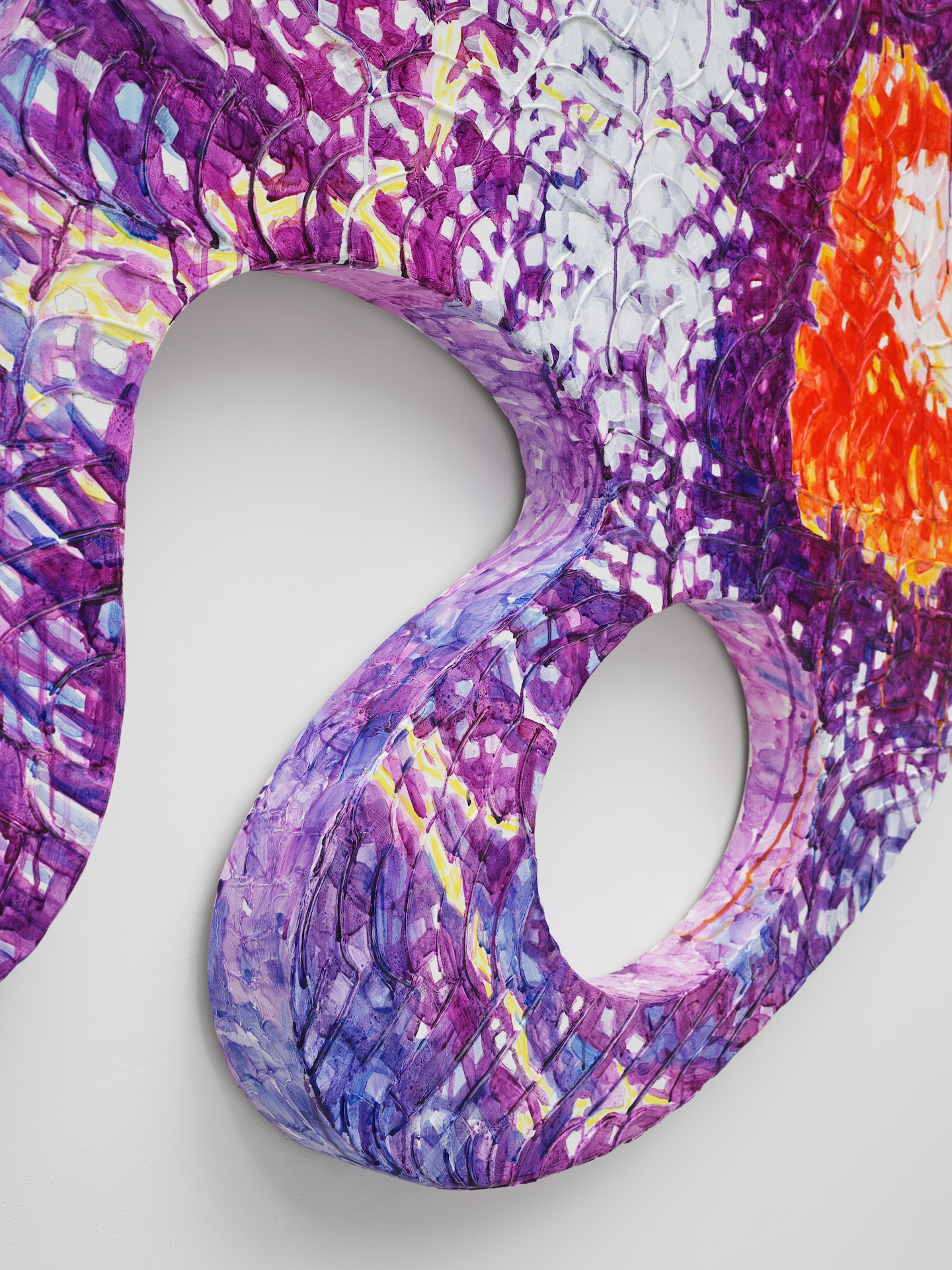
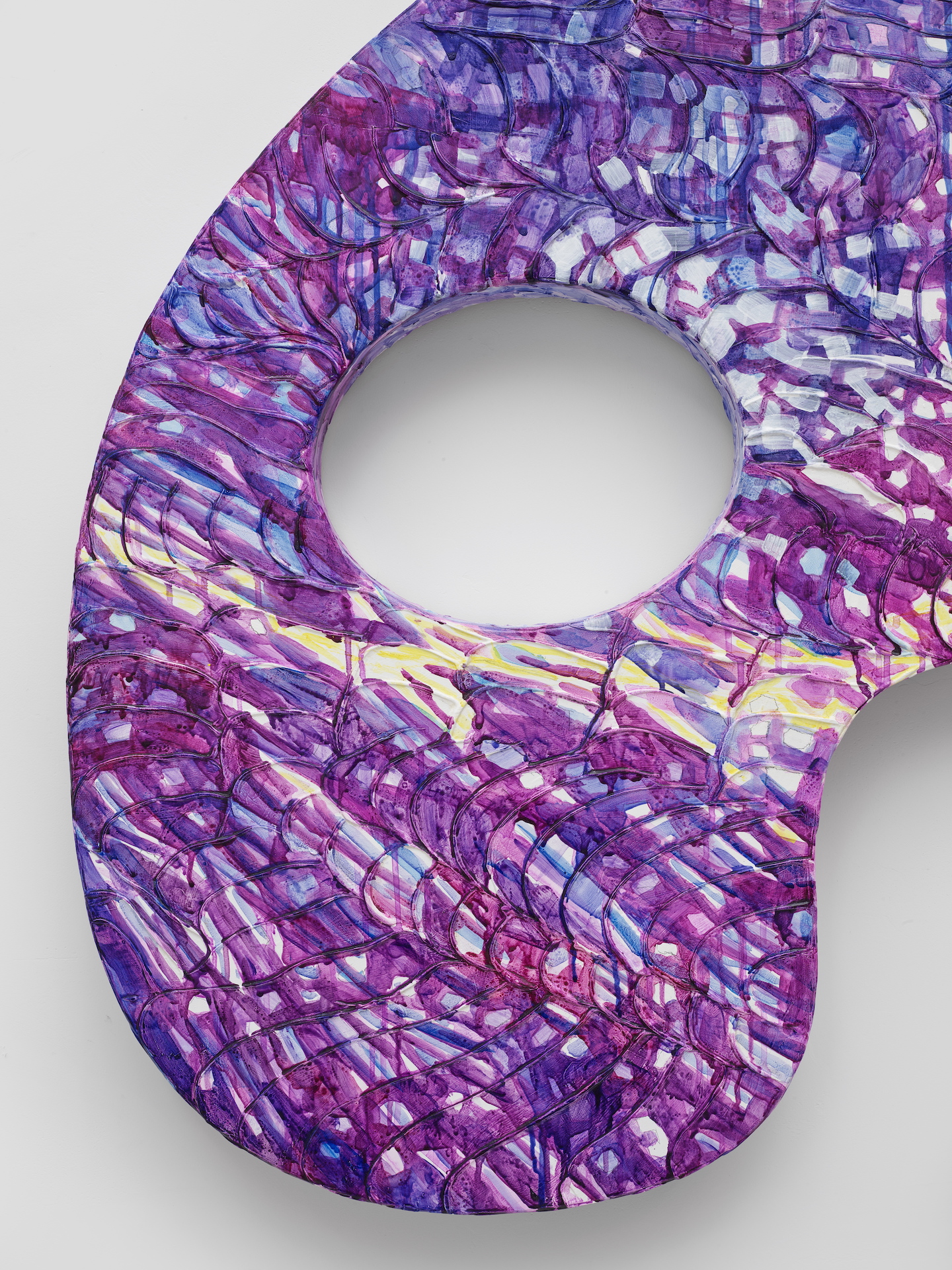
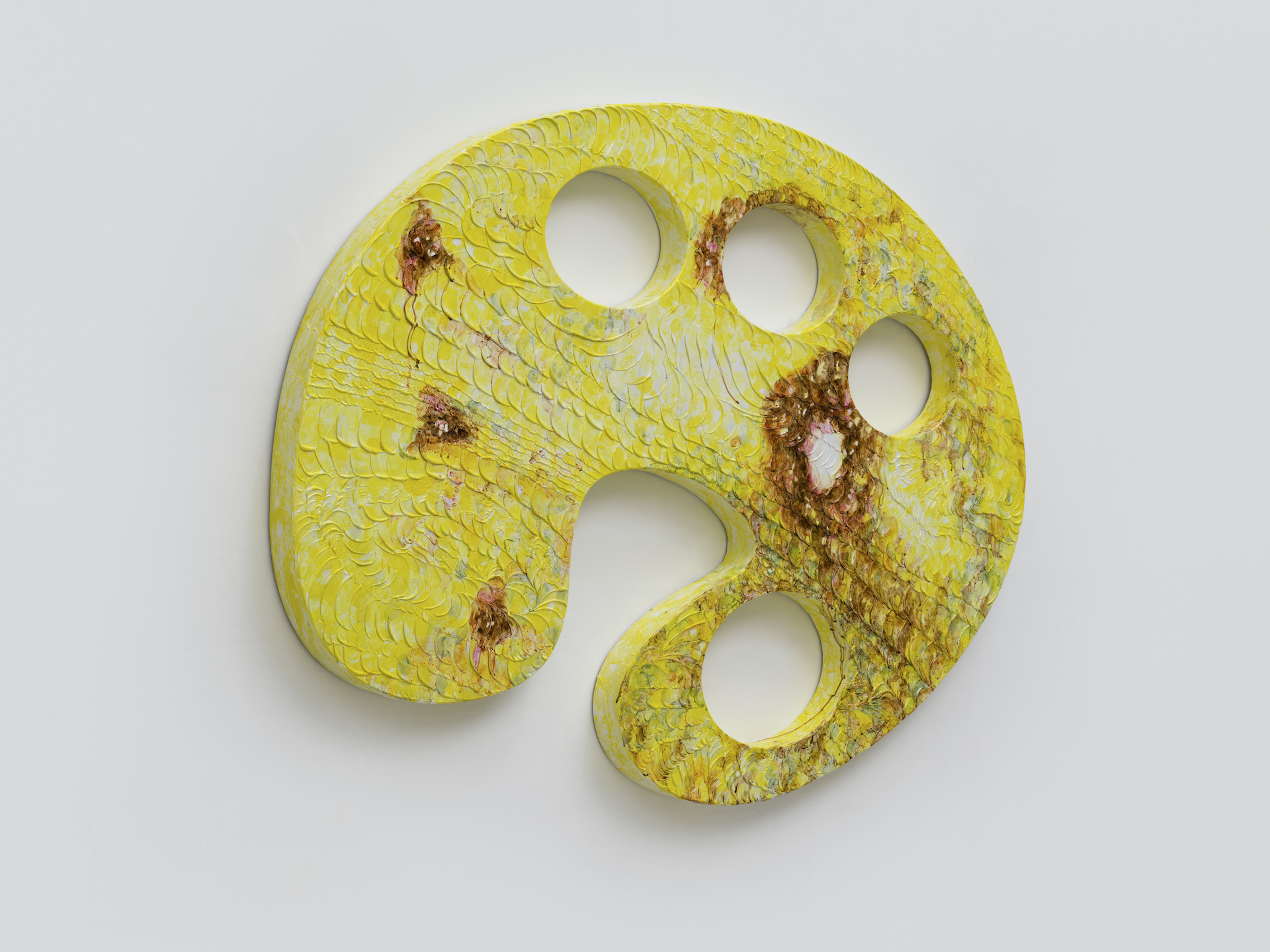
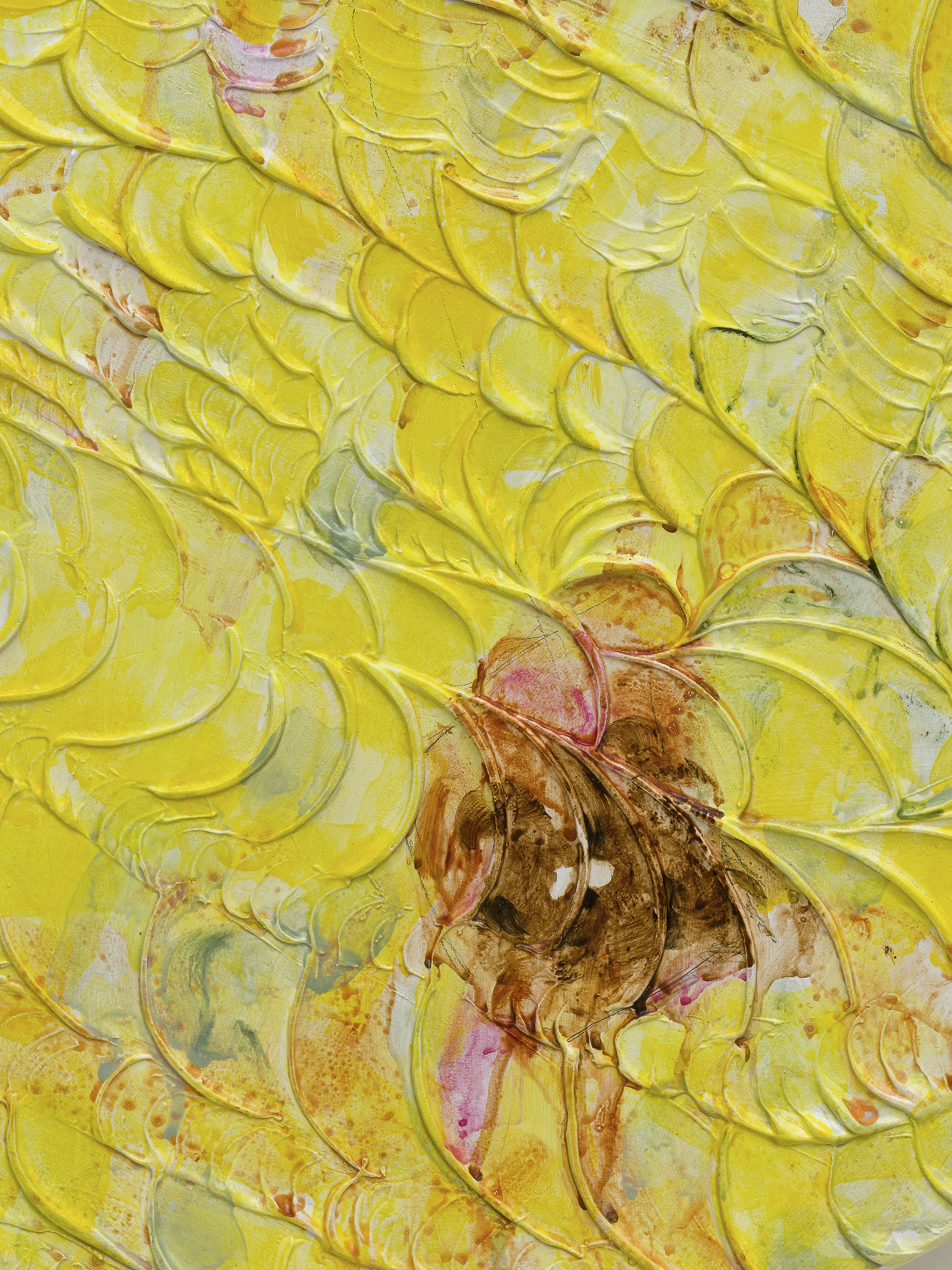
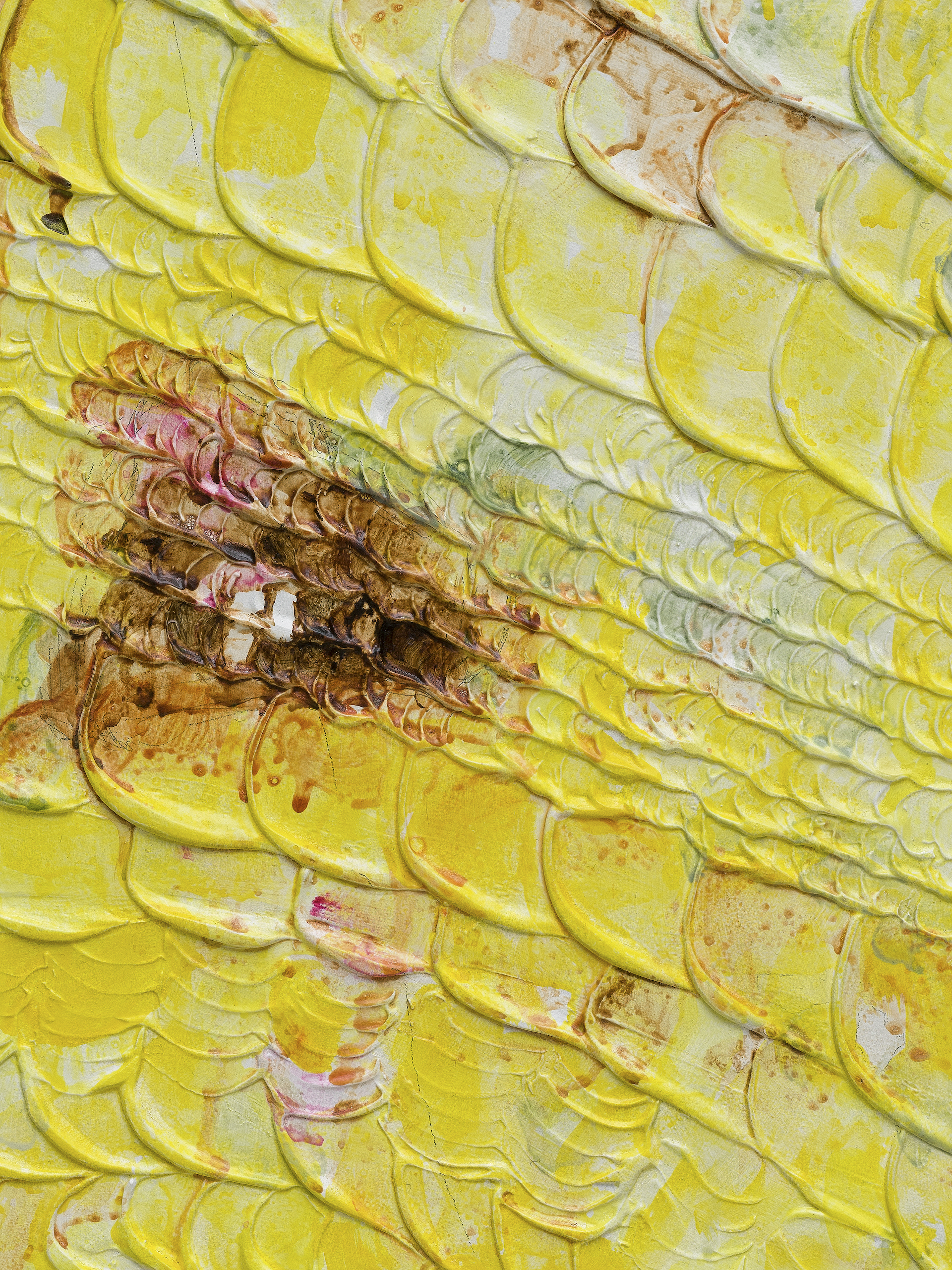
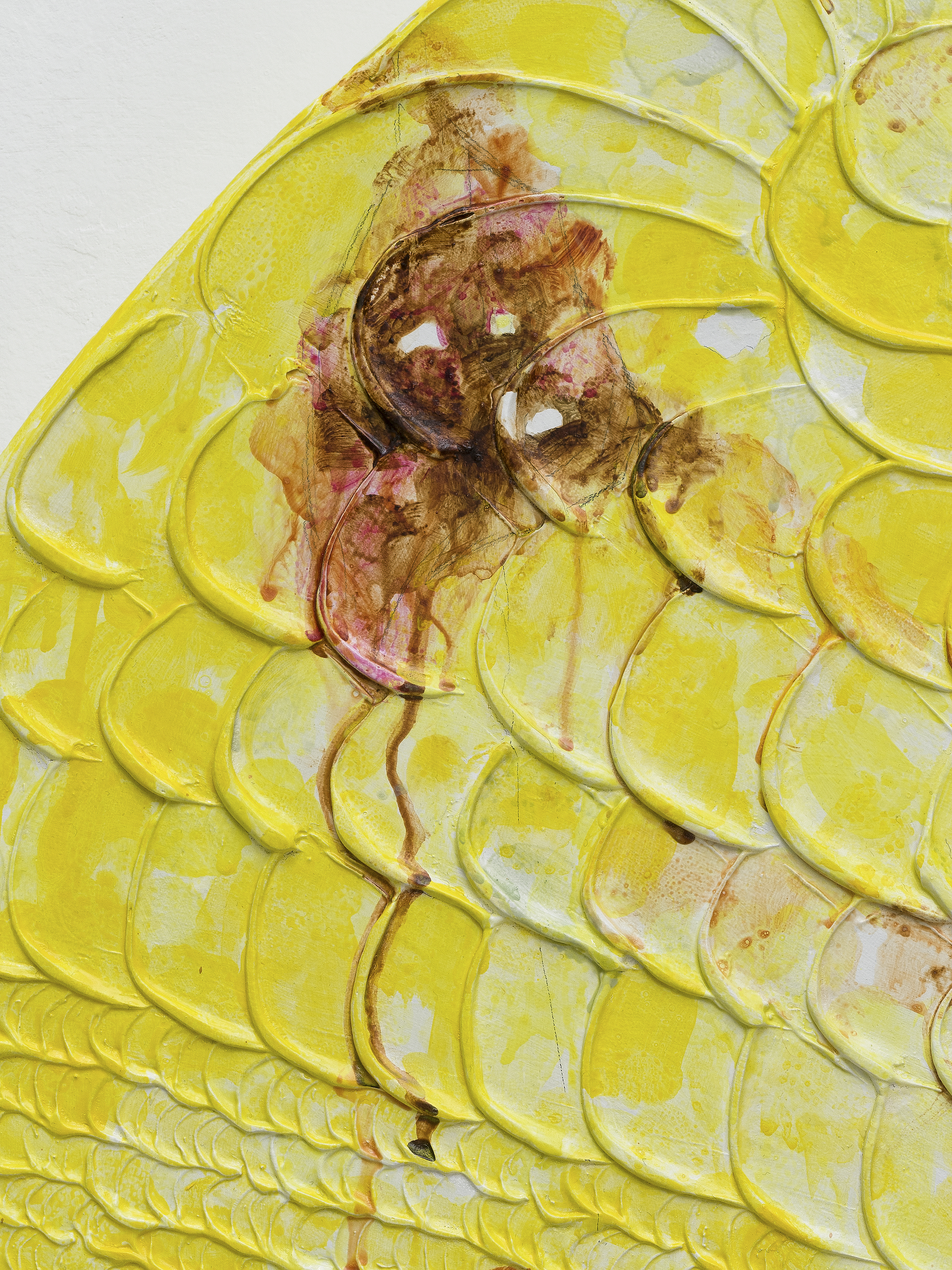
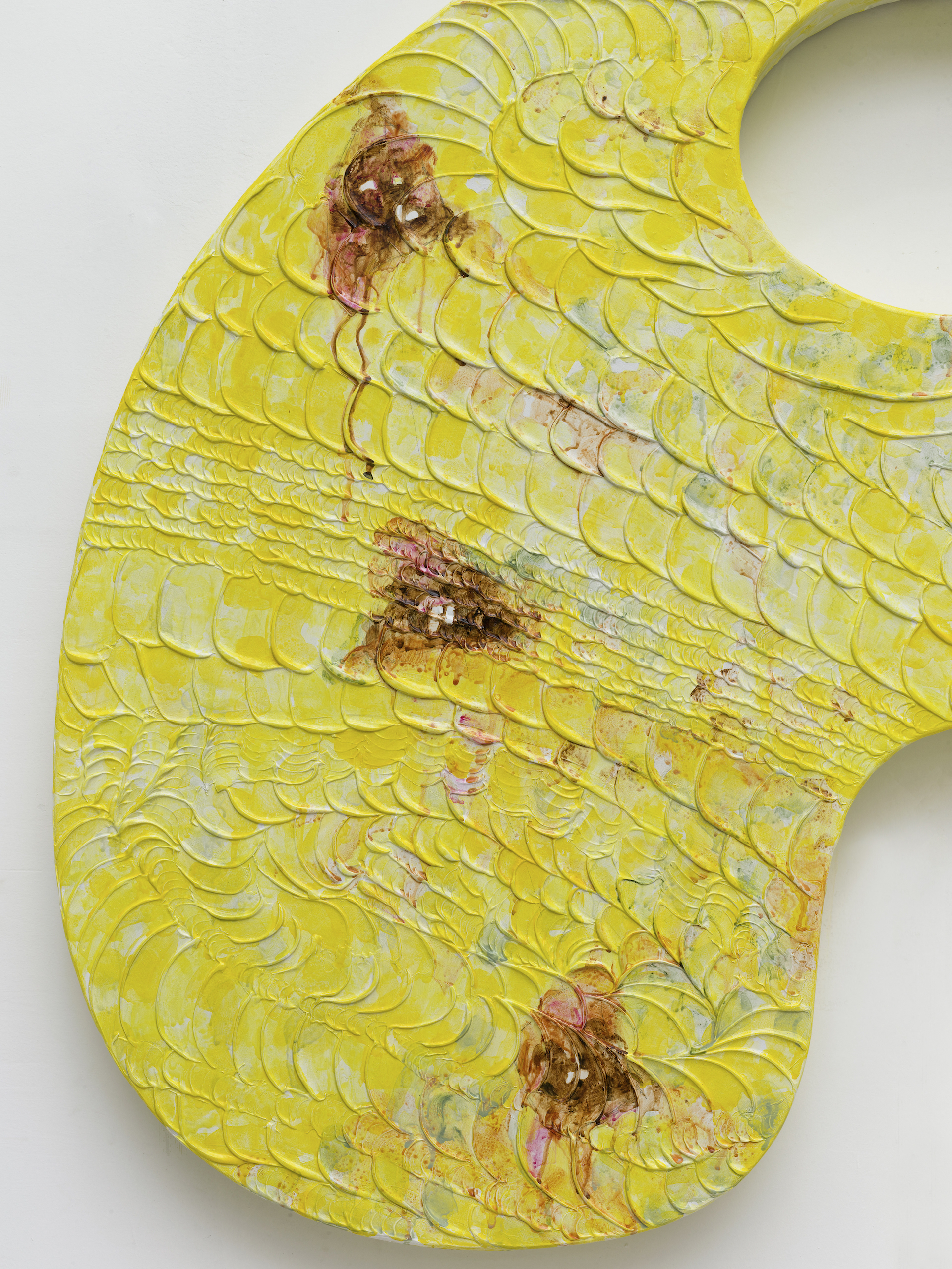
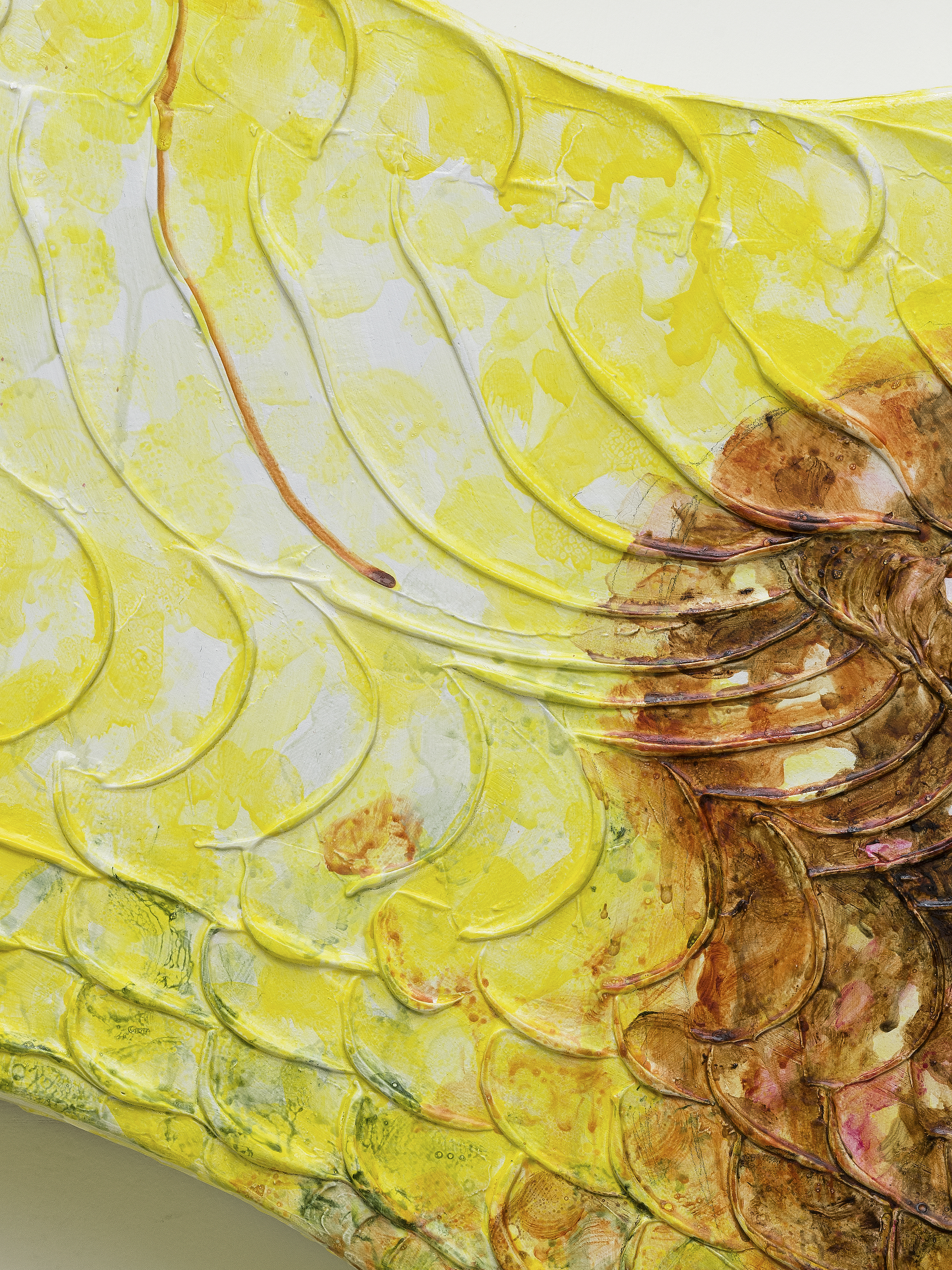
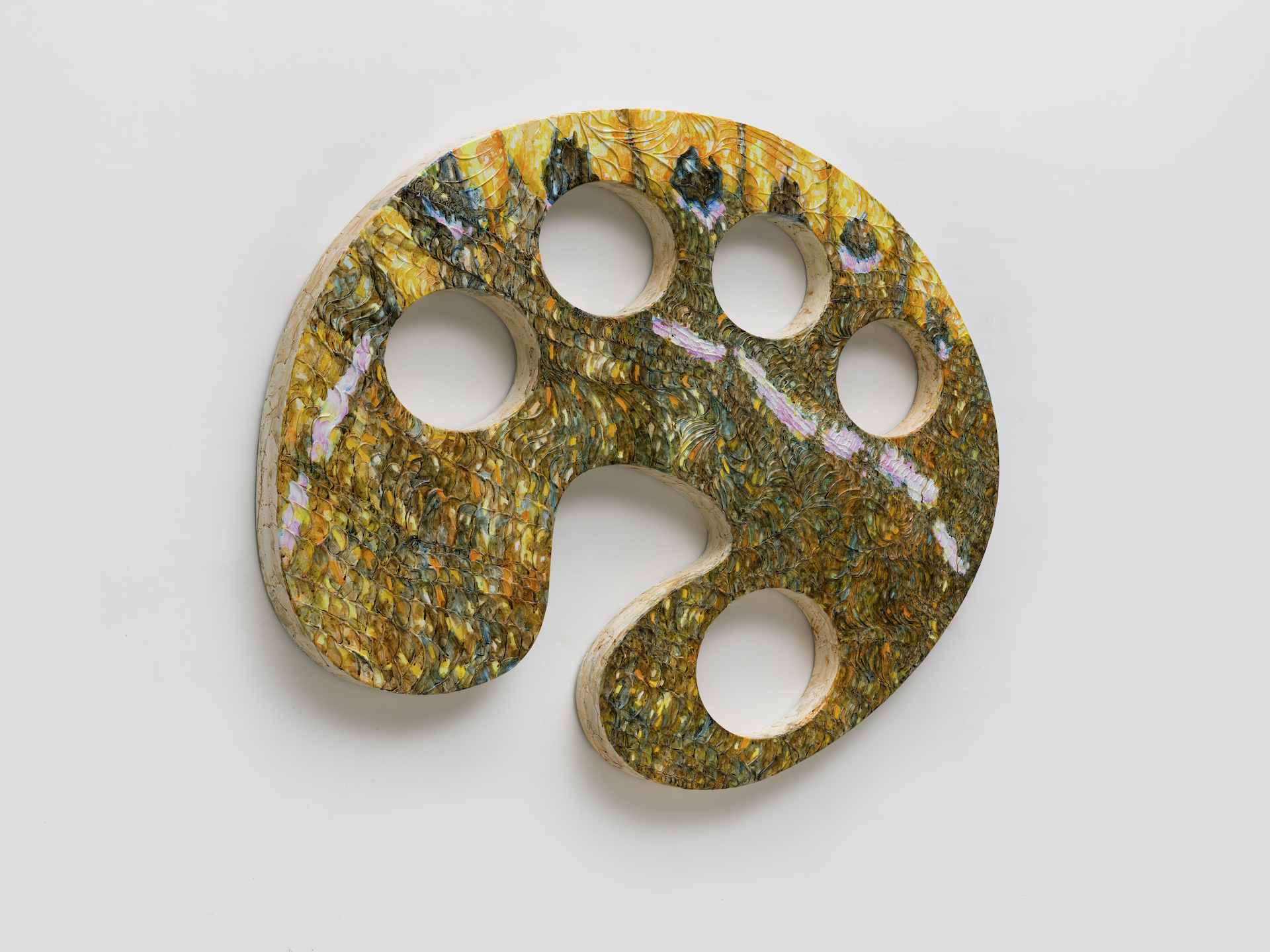
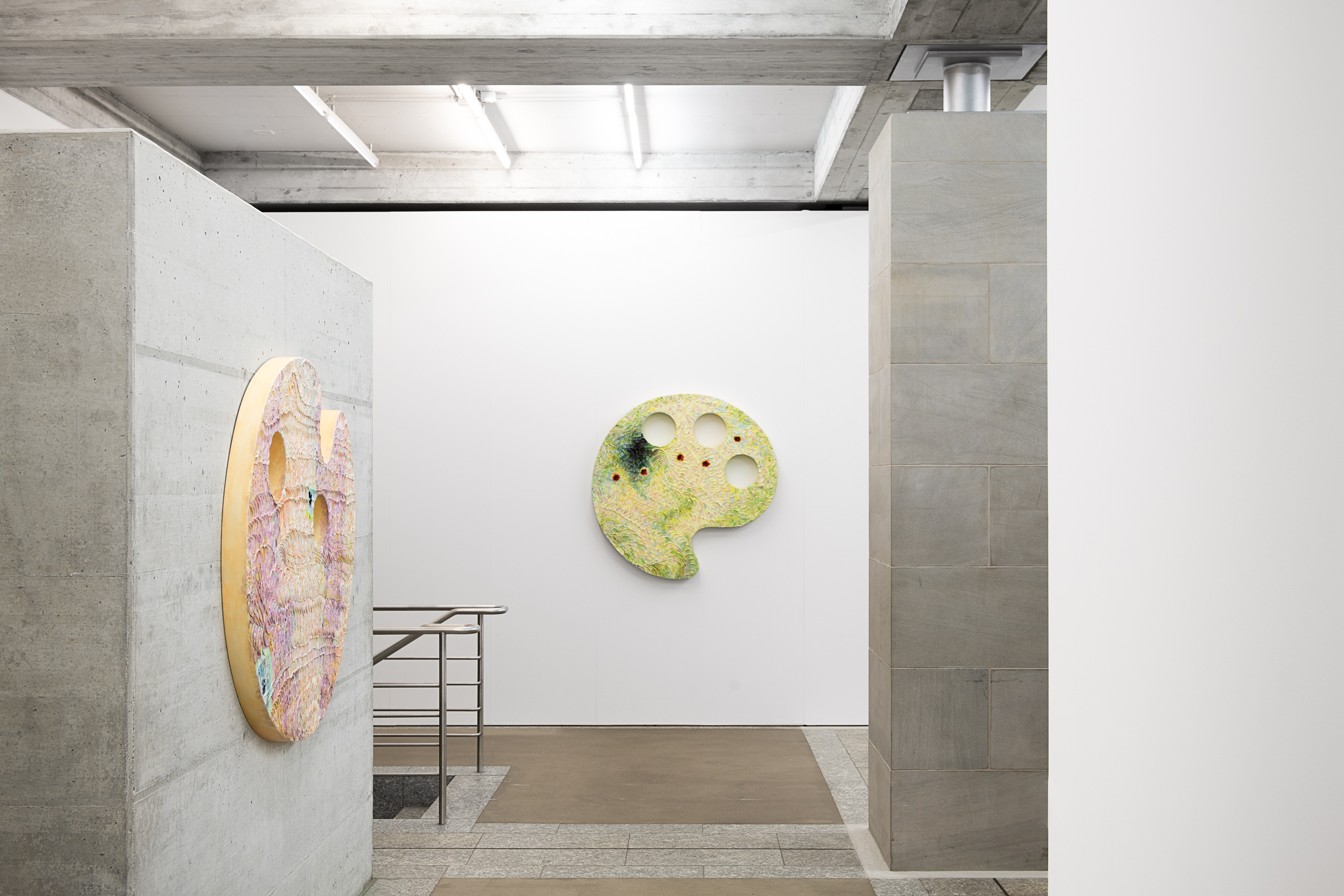
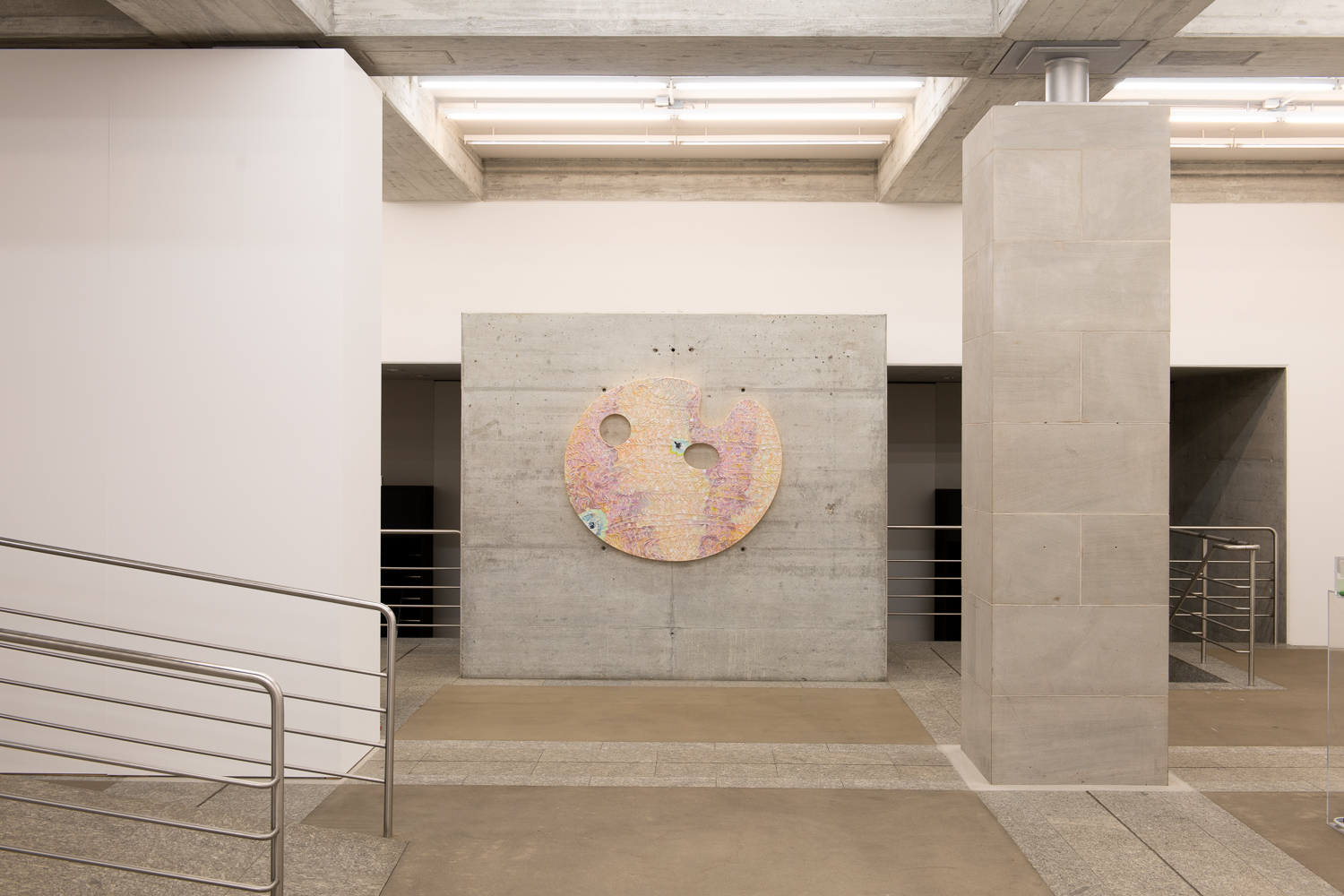
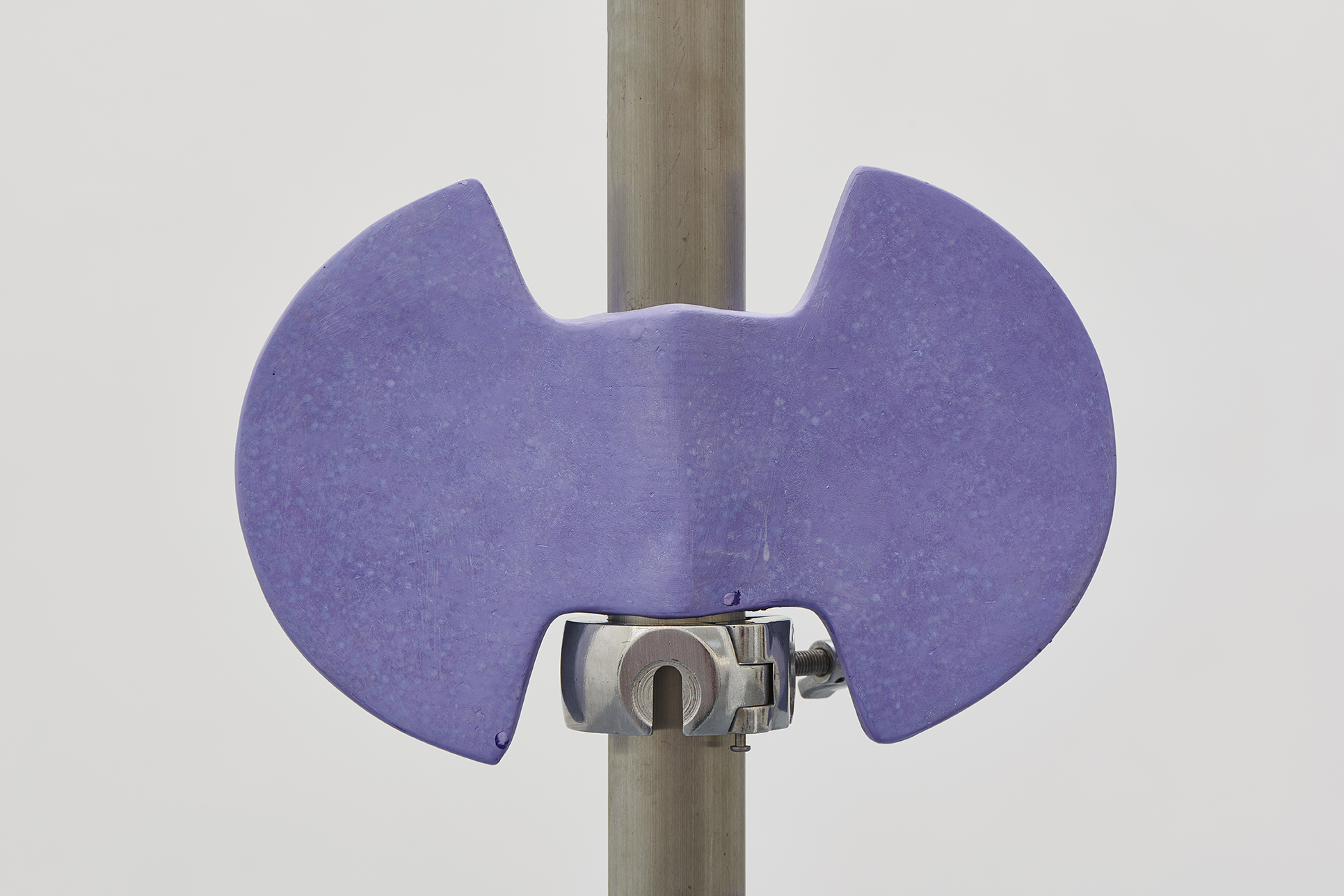
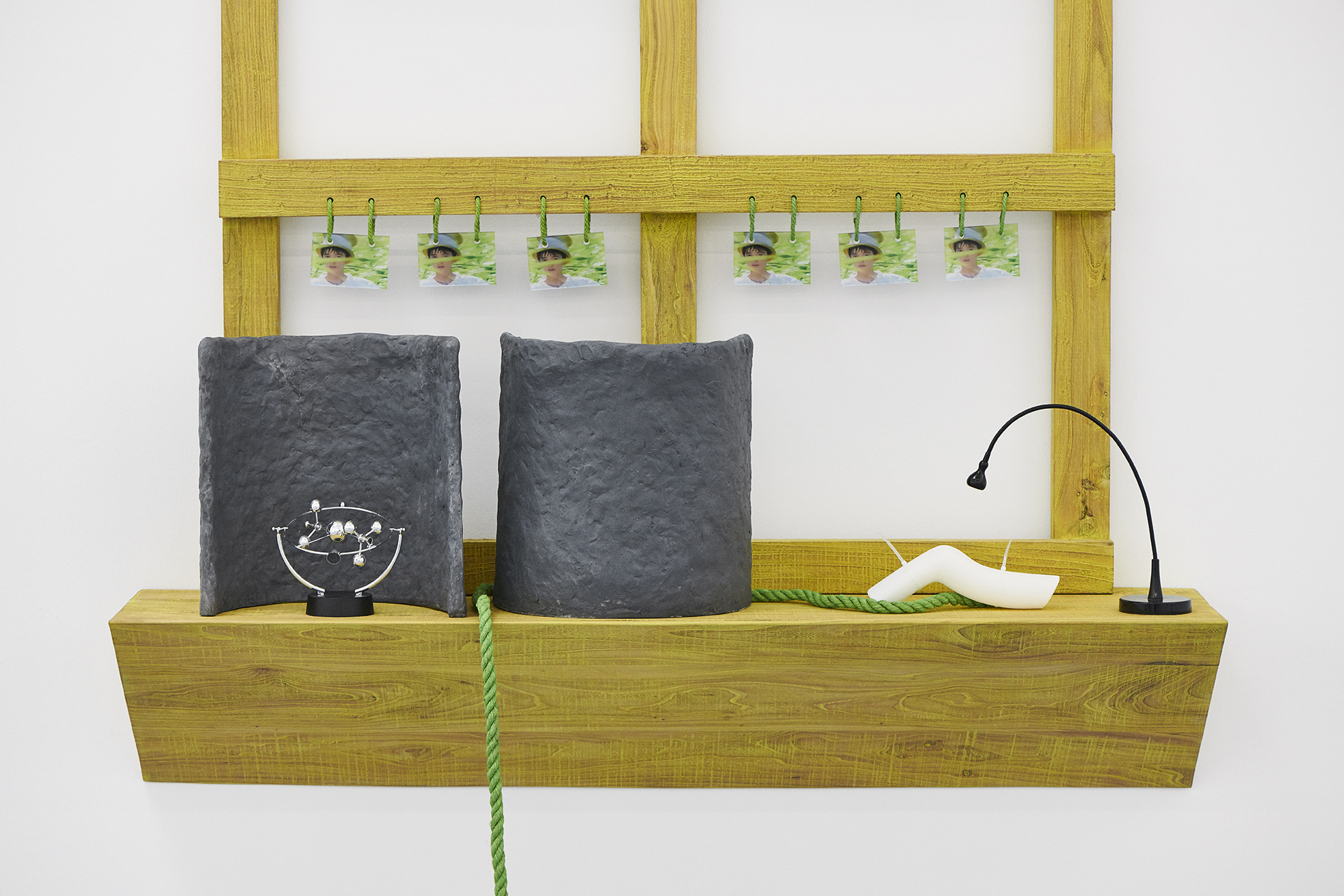
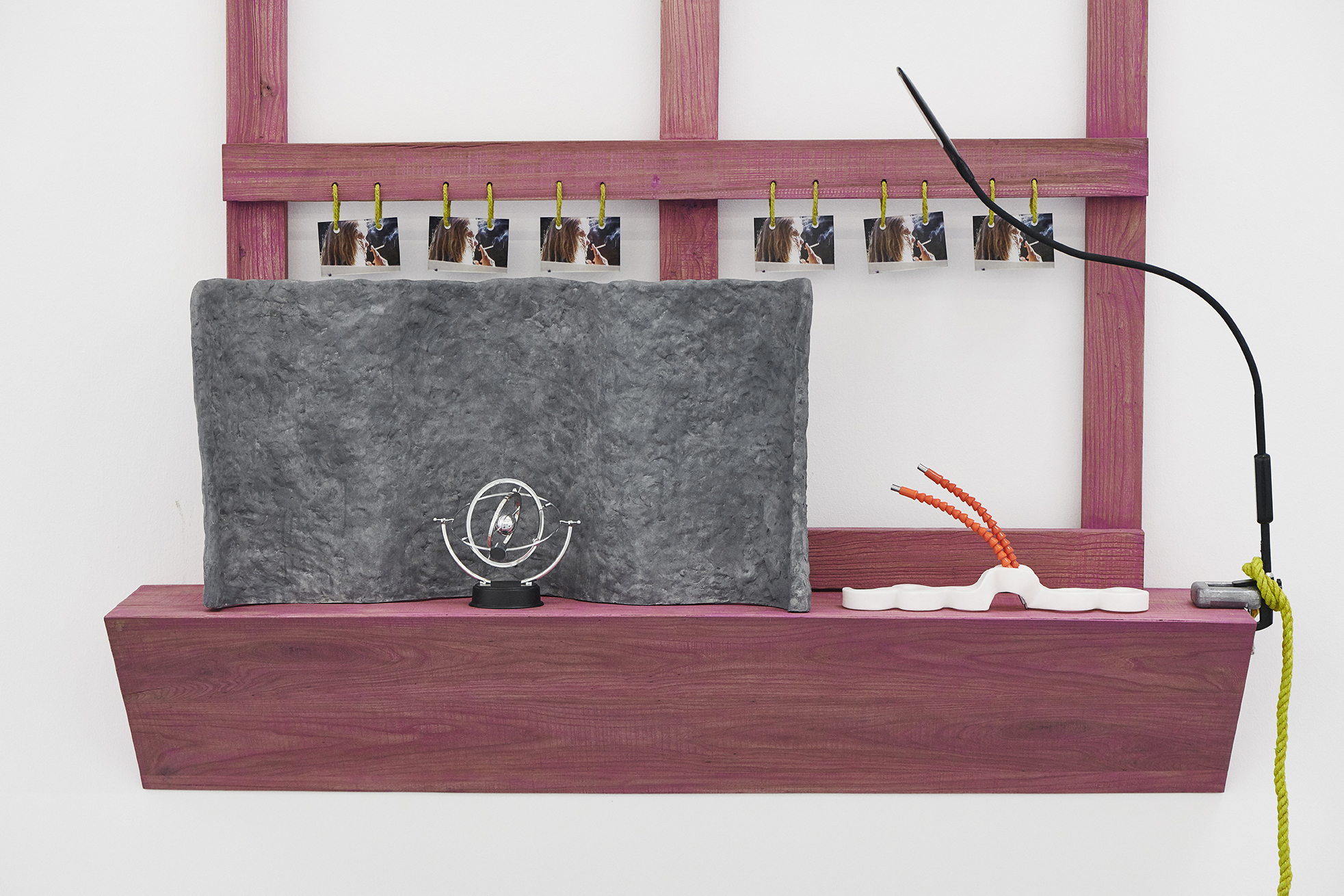
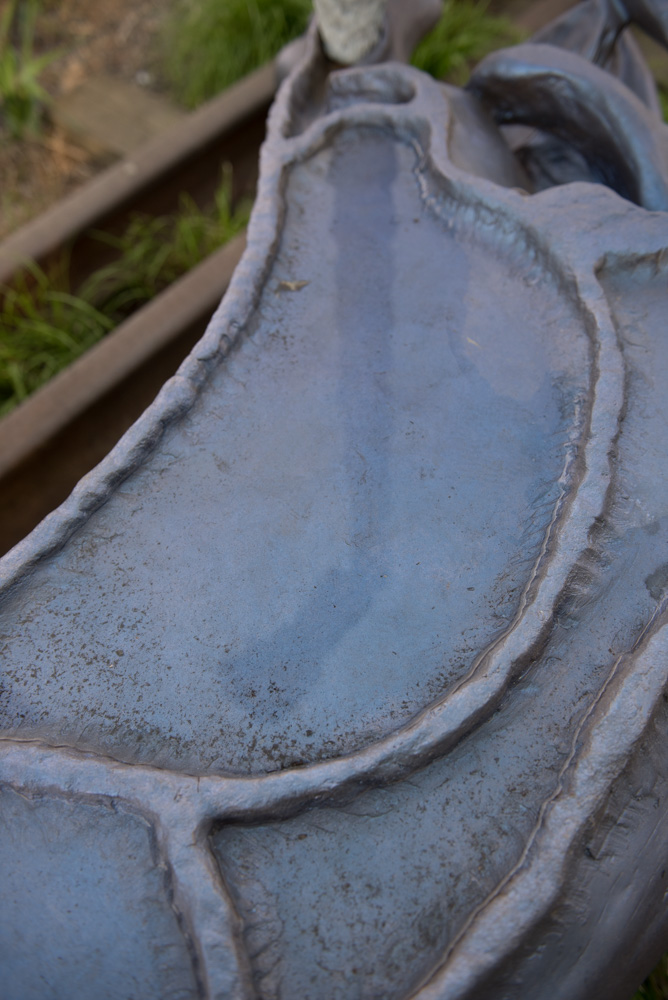
Guan Xiao, Palette — Honey Purple, 2015
wood board, poly clay, lacquer
164 x 120 x 7 cm
2015作品信息Information -
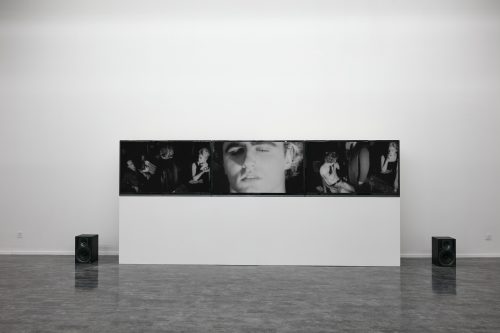
Guan Xiao, Action, 2014
Three channel video, color, sound
10’00”作品信息Information -
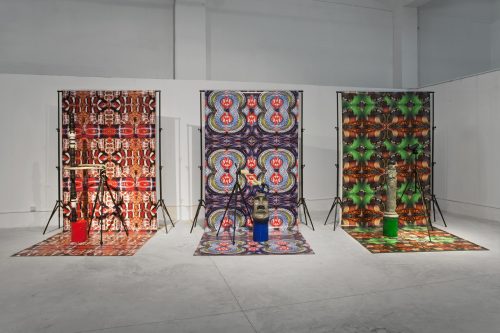
Guan Xiao, The Documentary: Geocentric Puncture, 2012
Fiberglass, camera tripods, camera lens models, brass, digital print on vinyl, background stands, monitor
280 x 210 x 230 cm (3 pieces)作品信息Information -
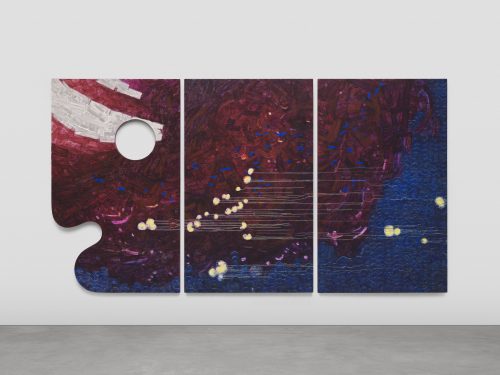
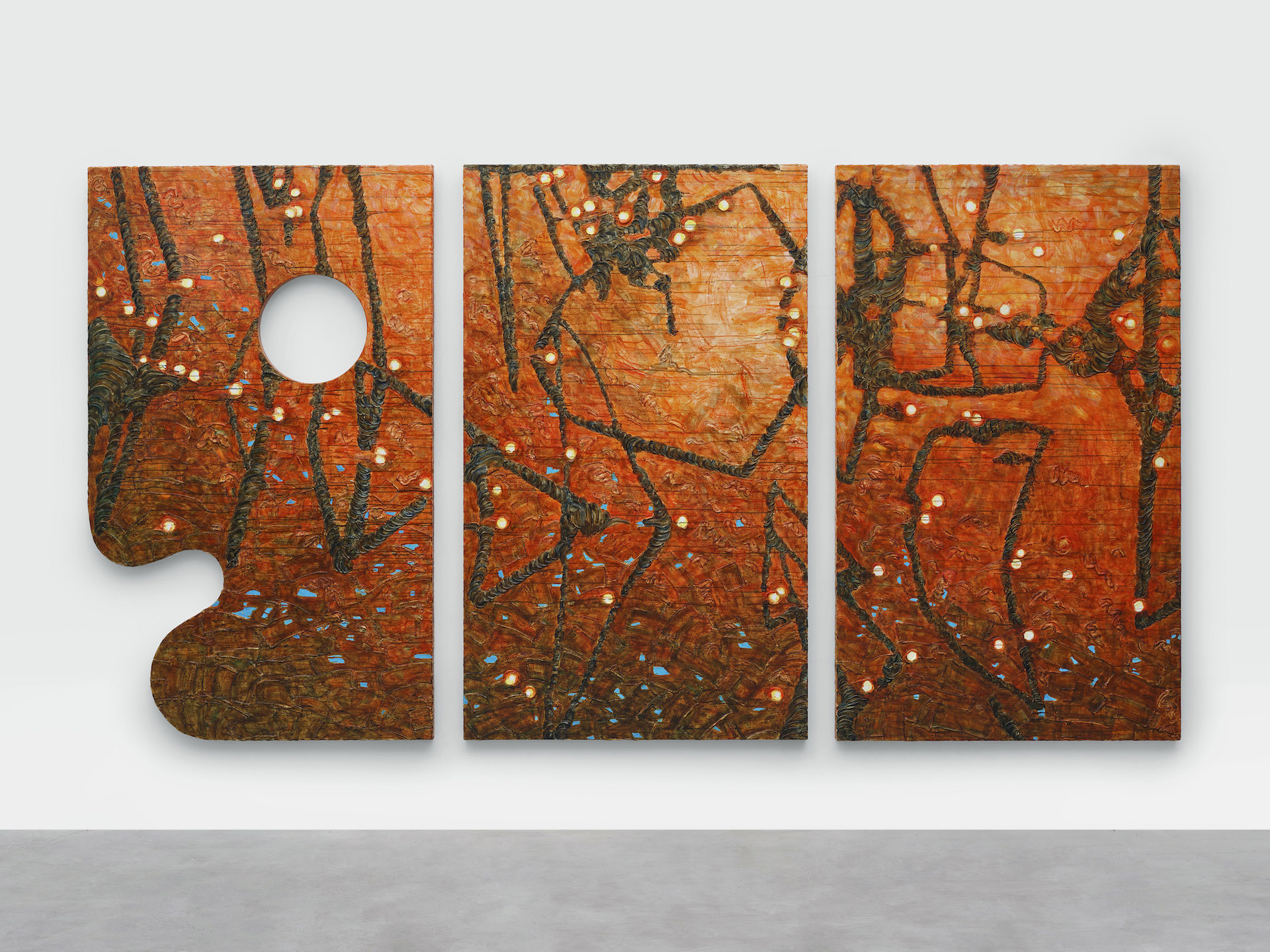
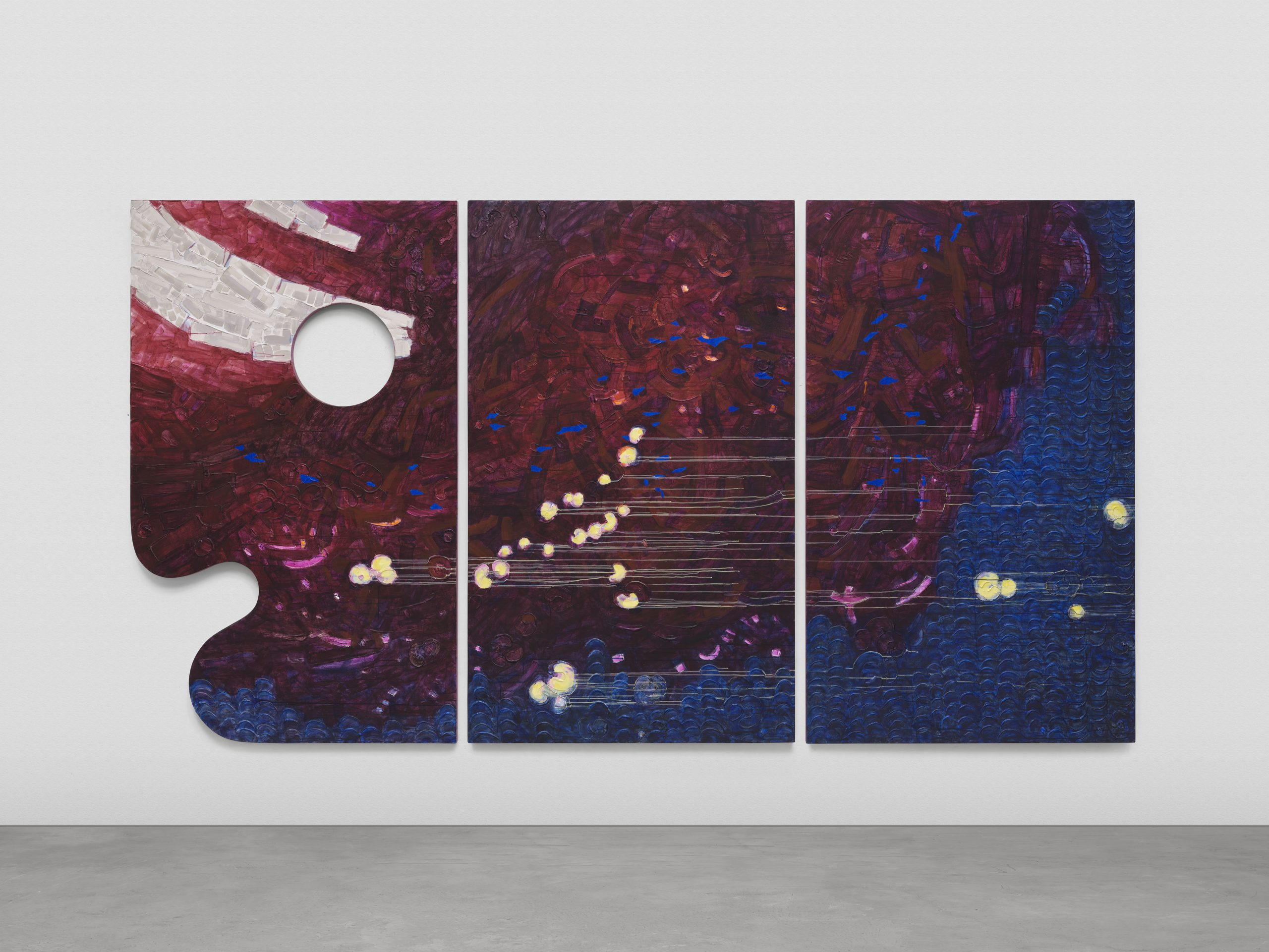
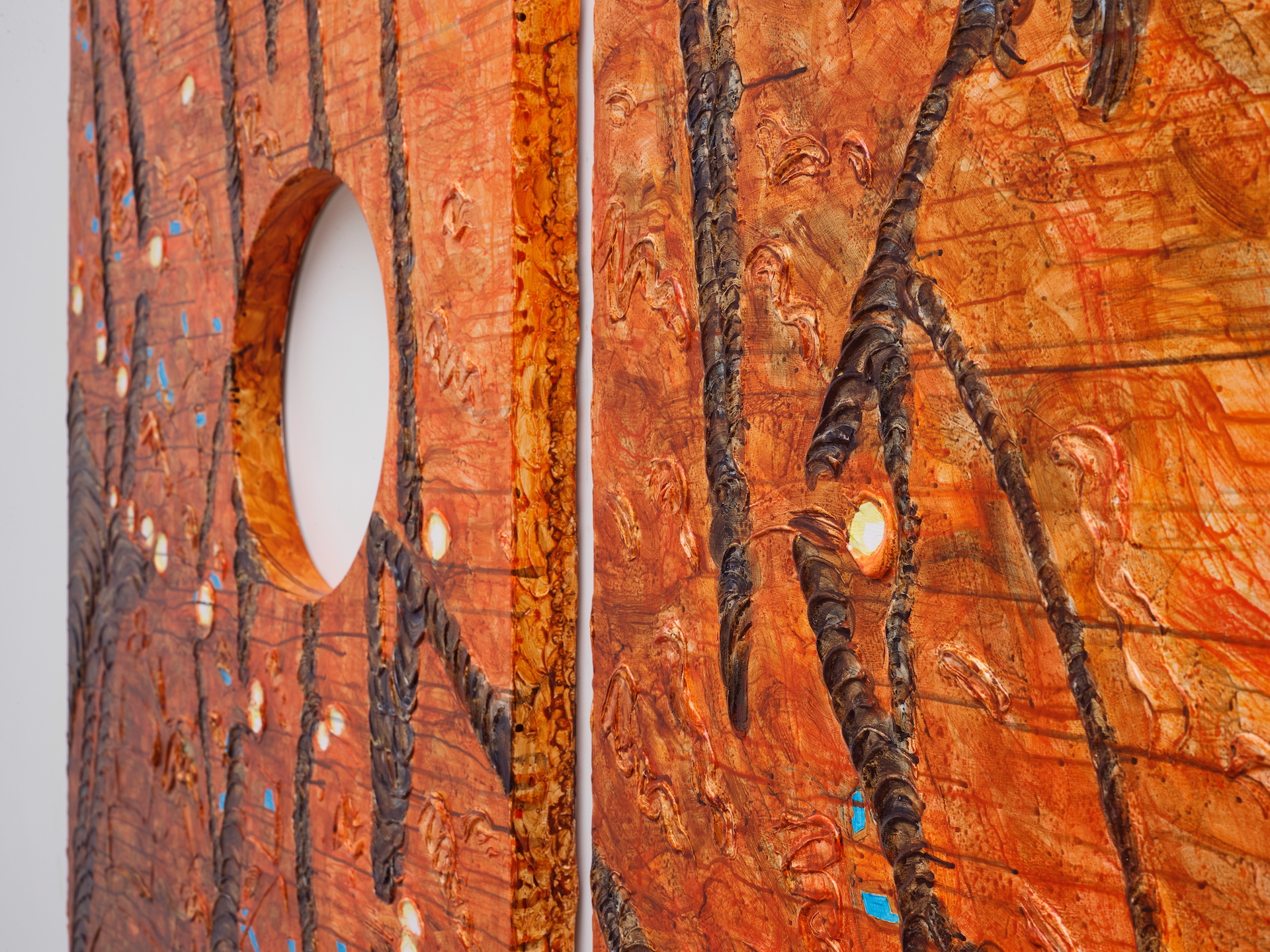
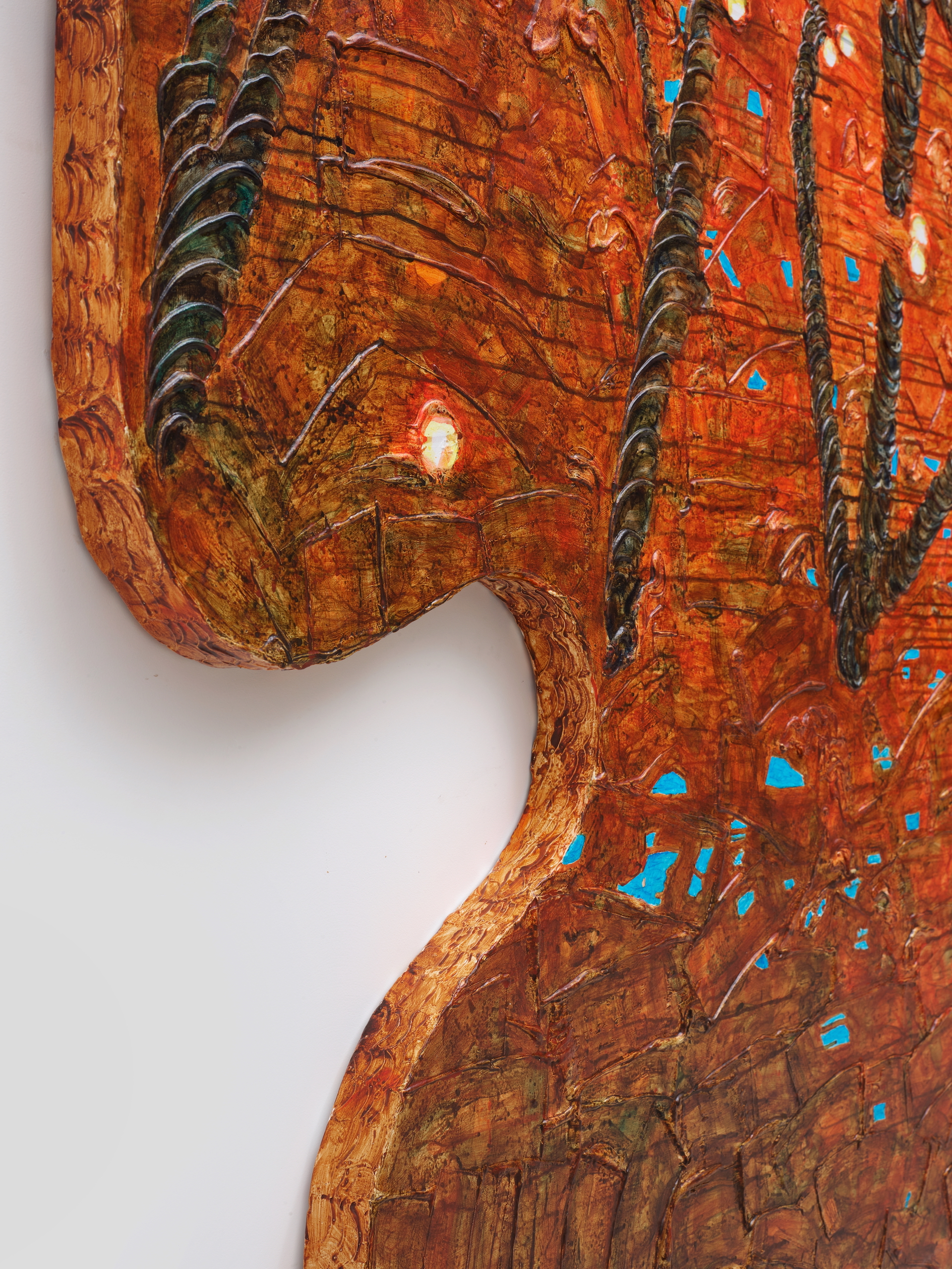
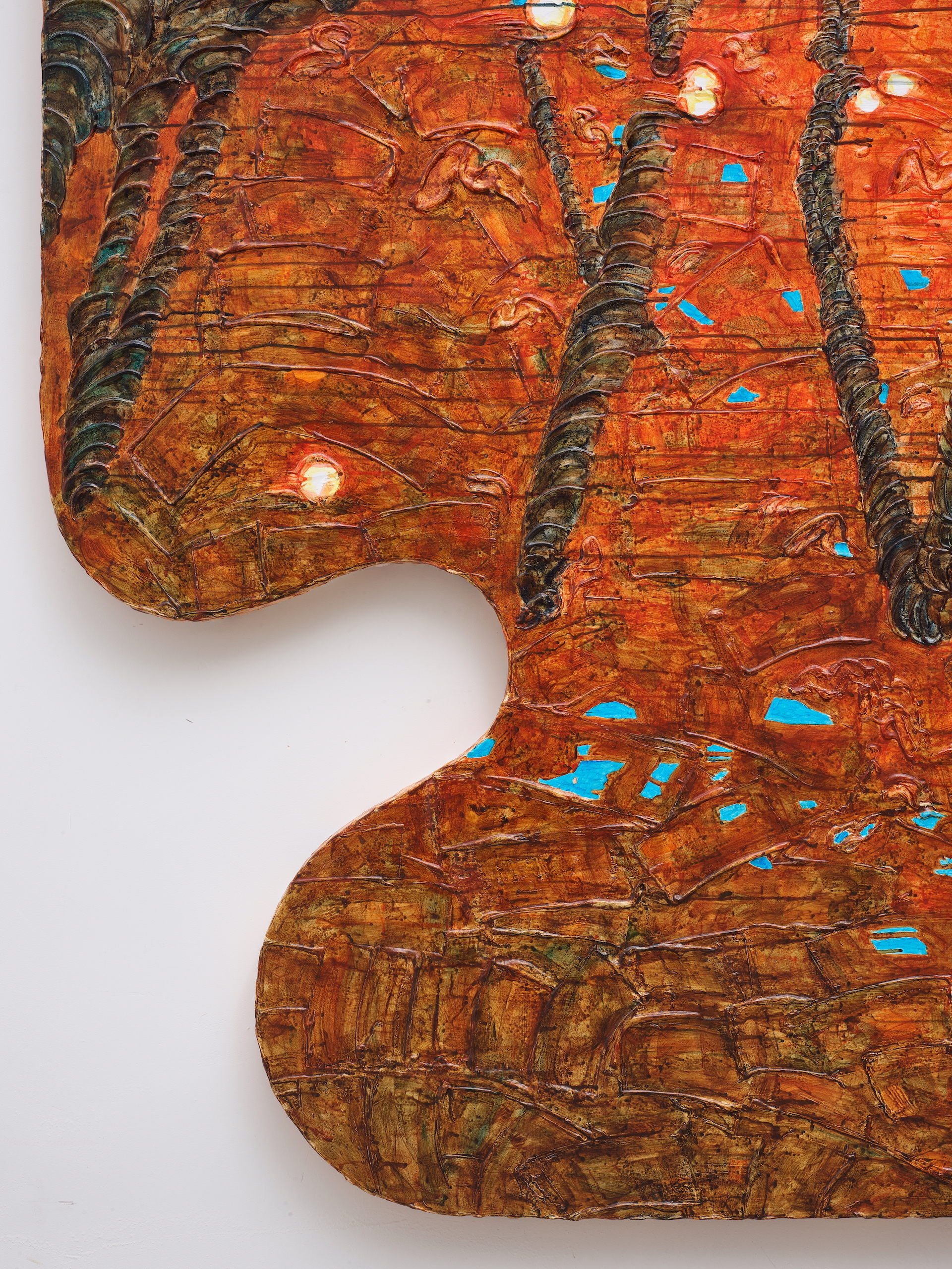
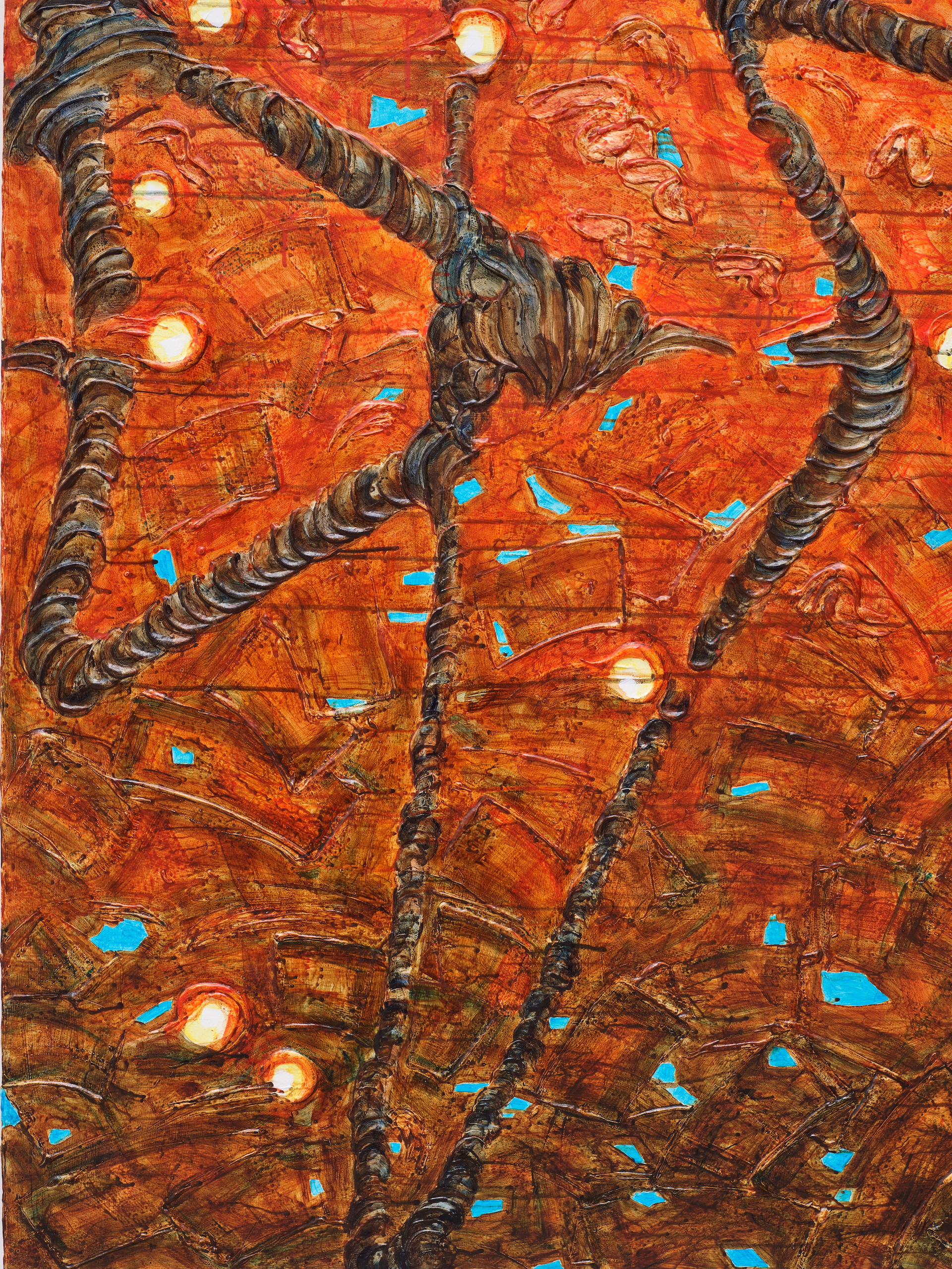
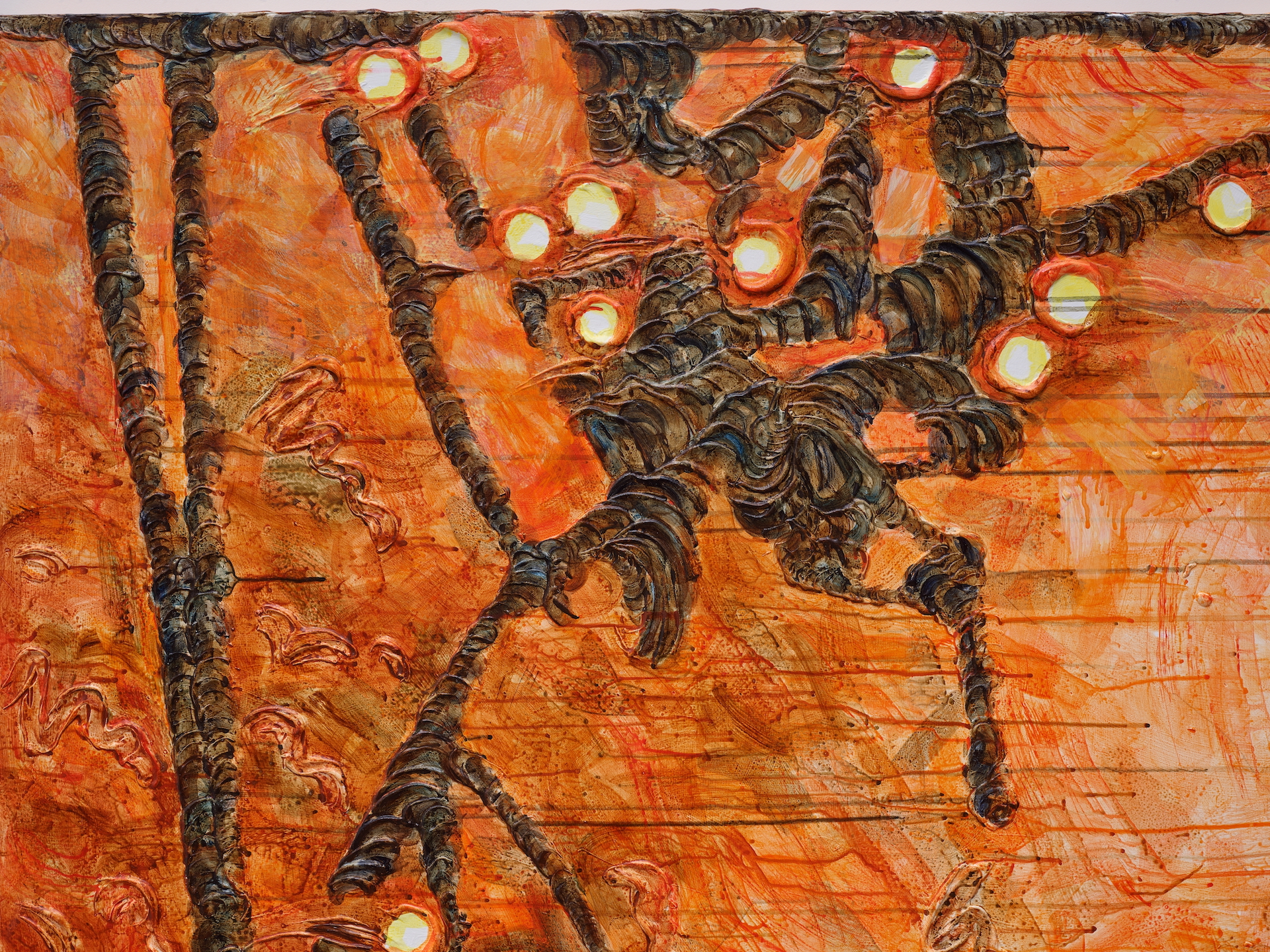
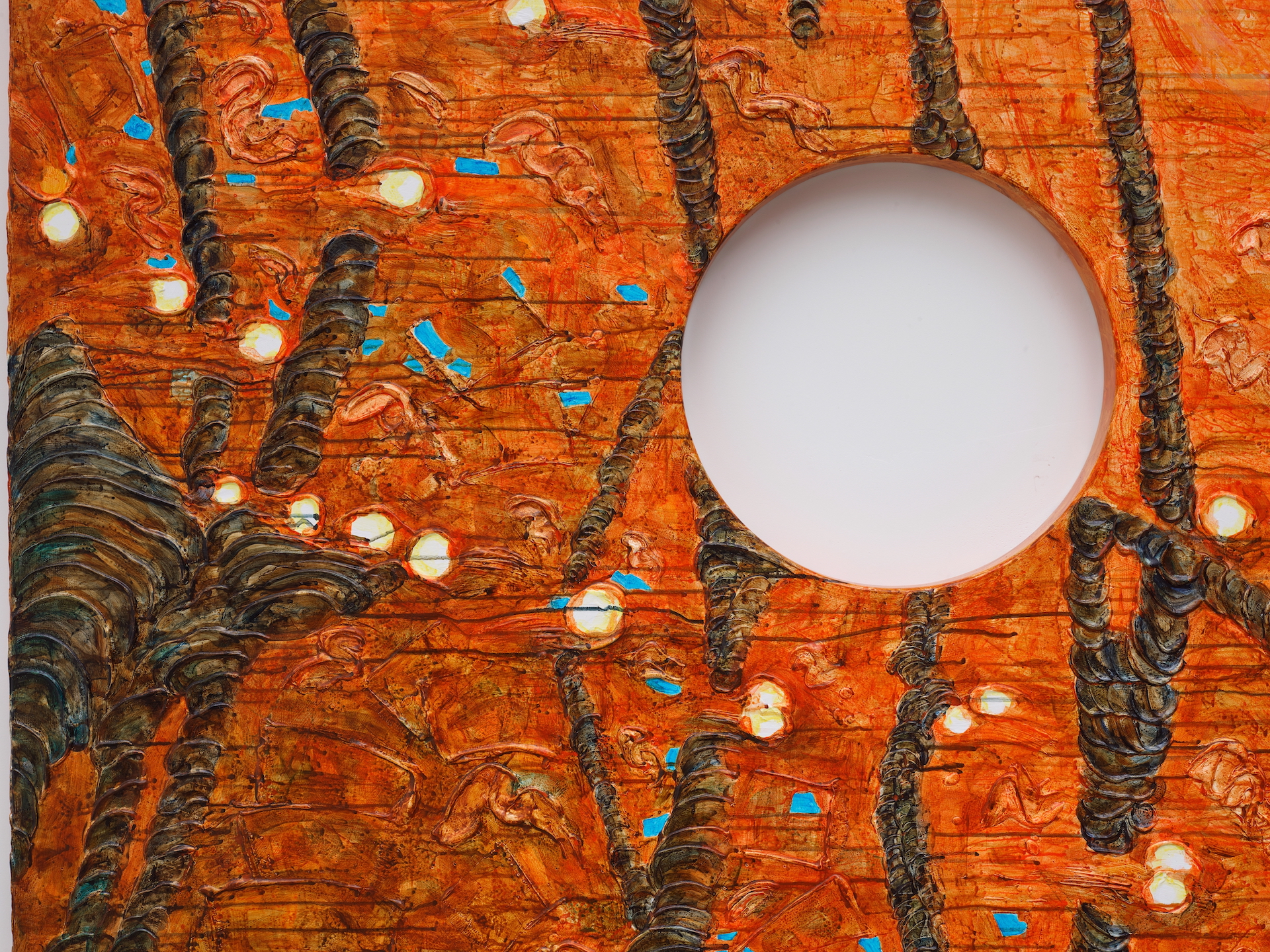
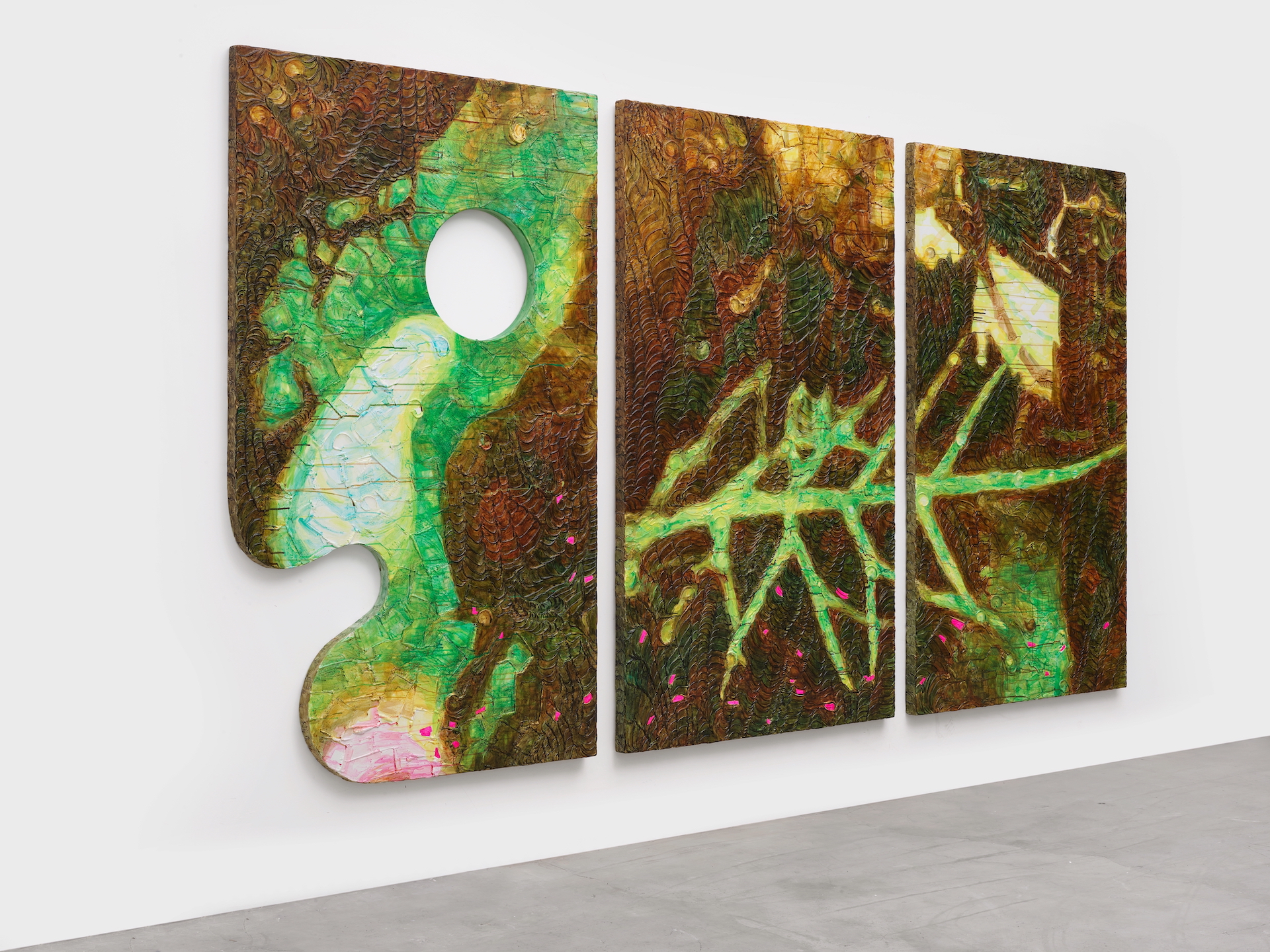
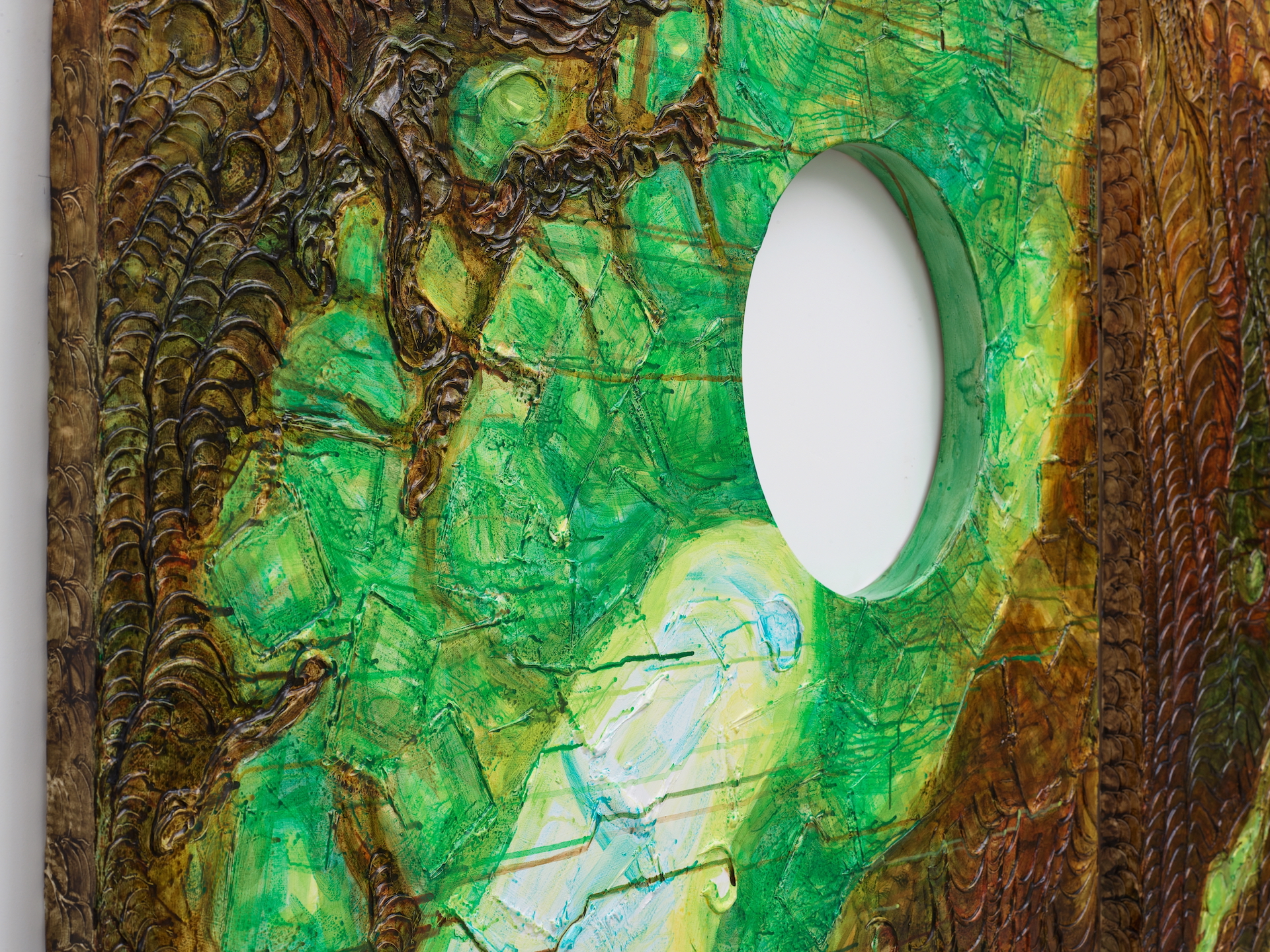
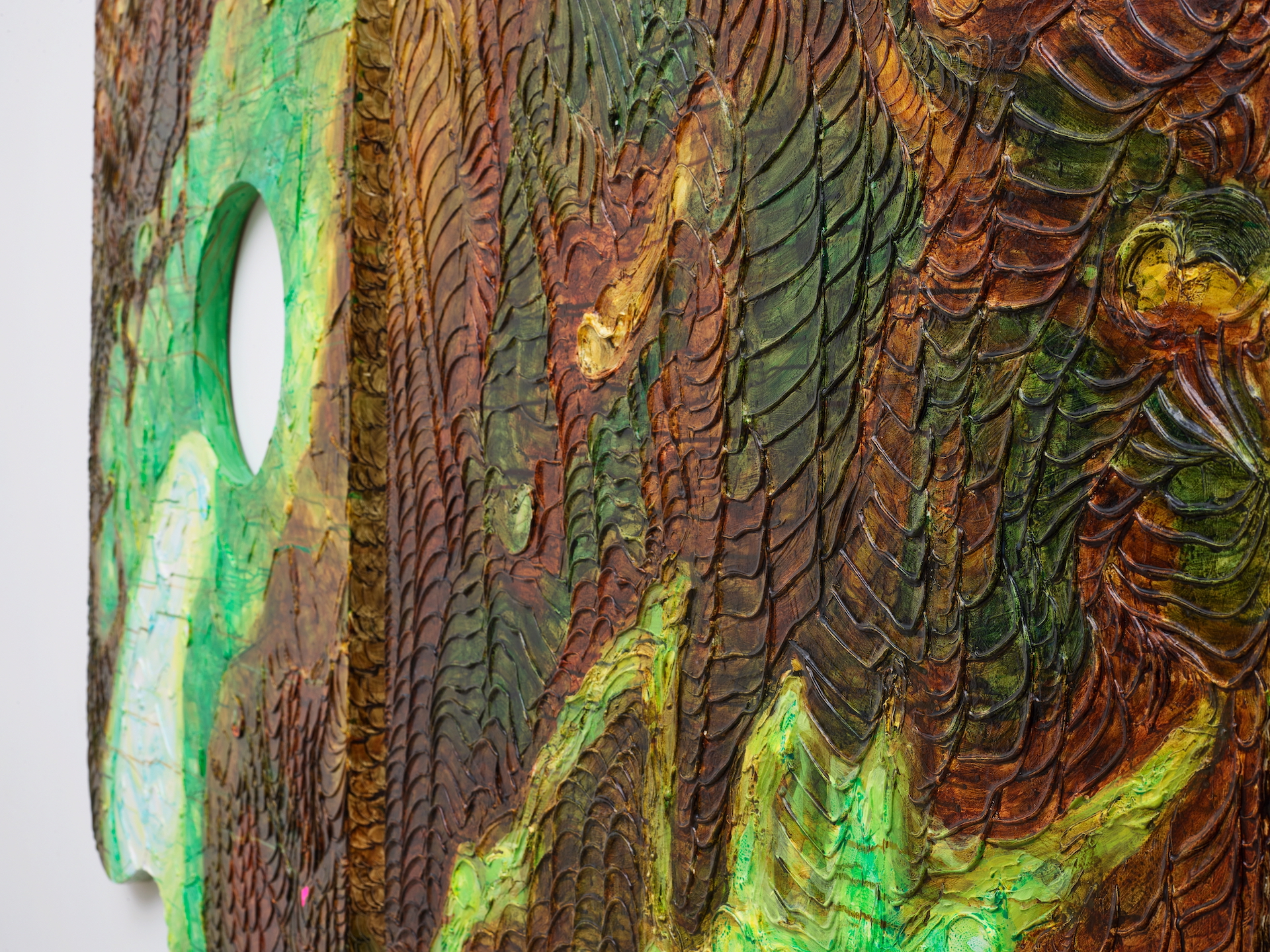
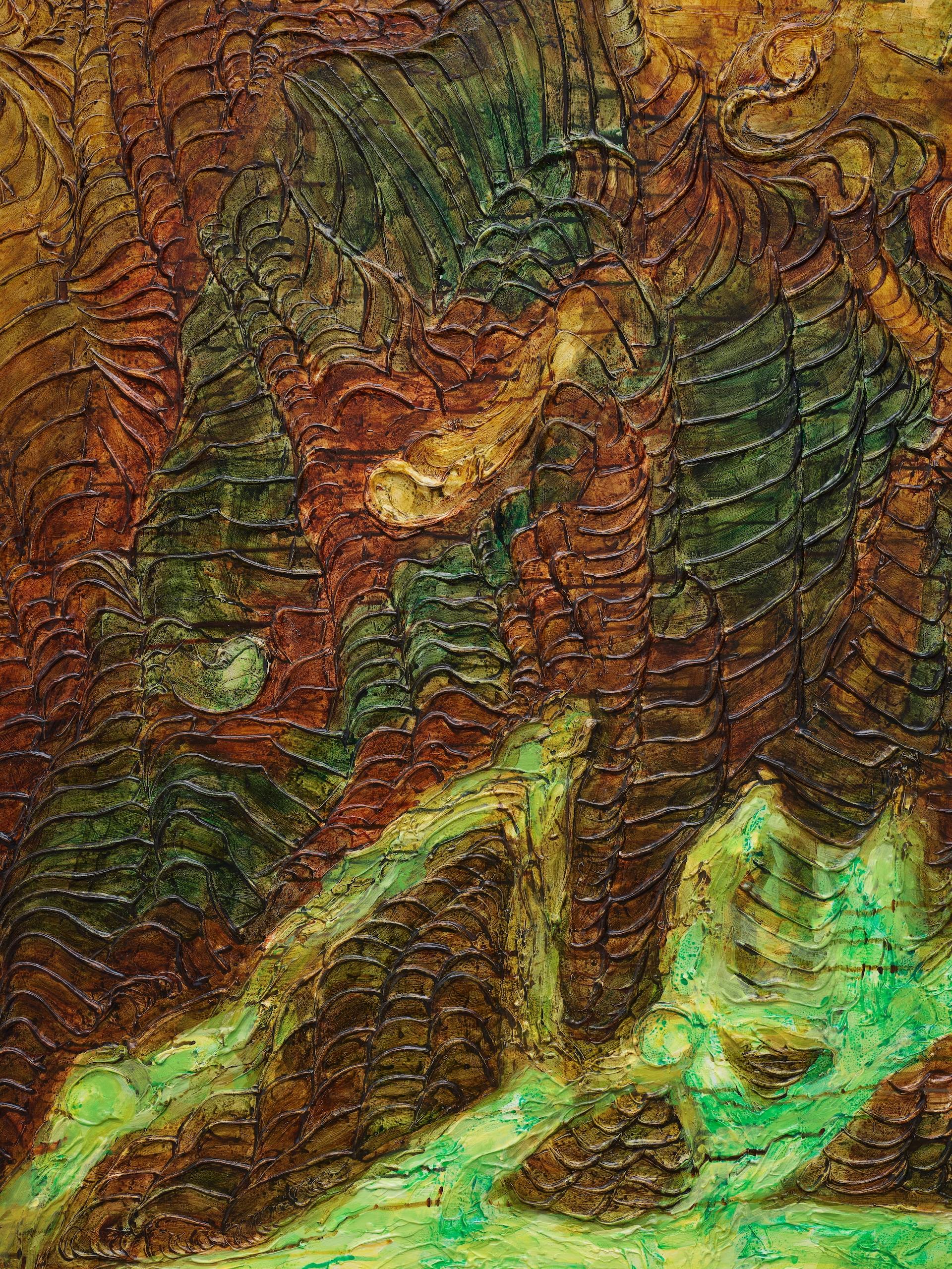
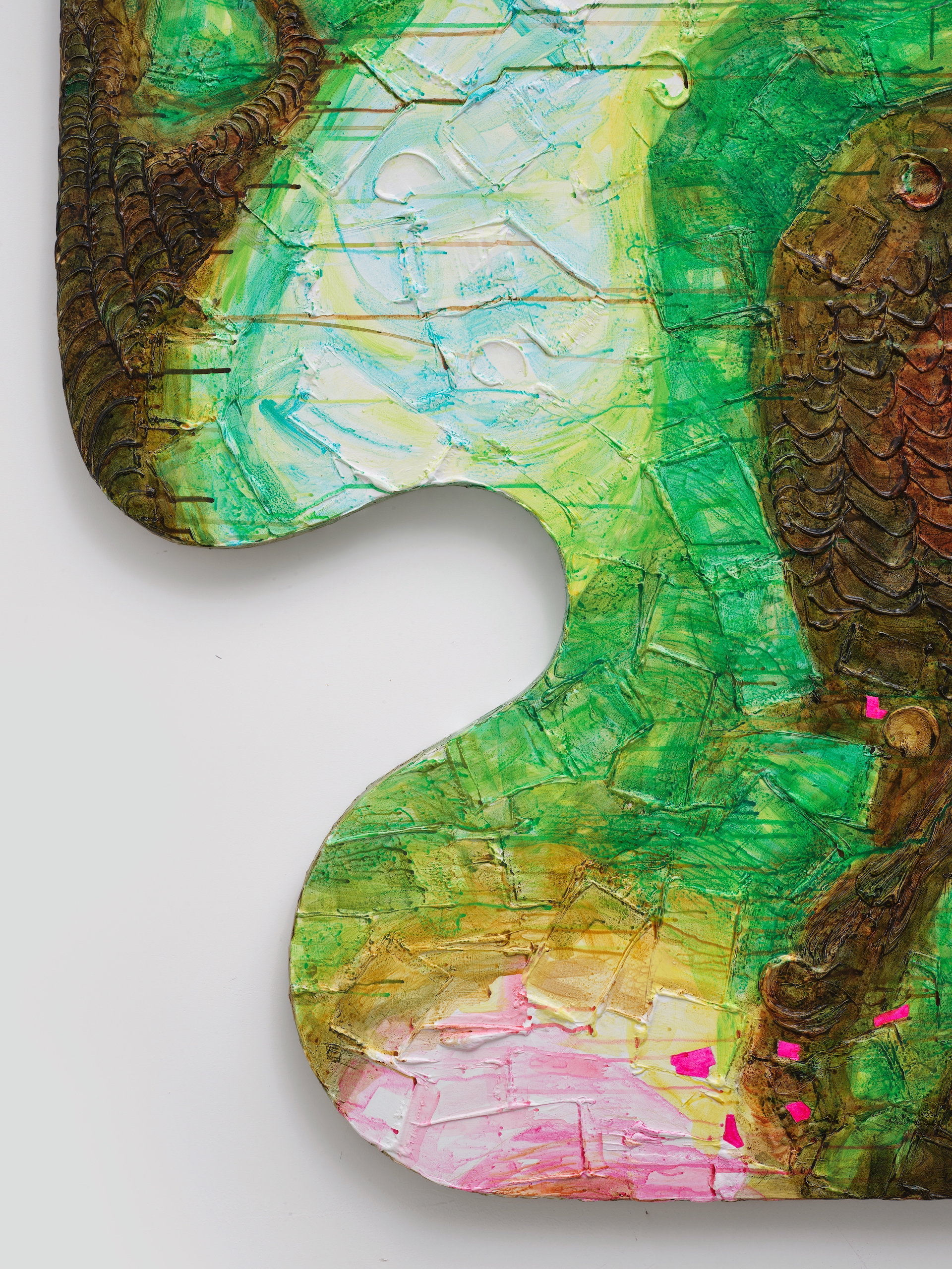
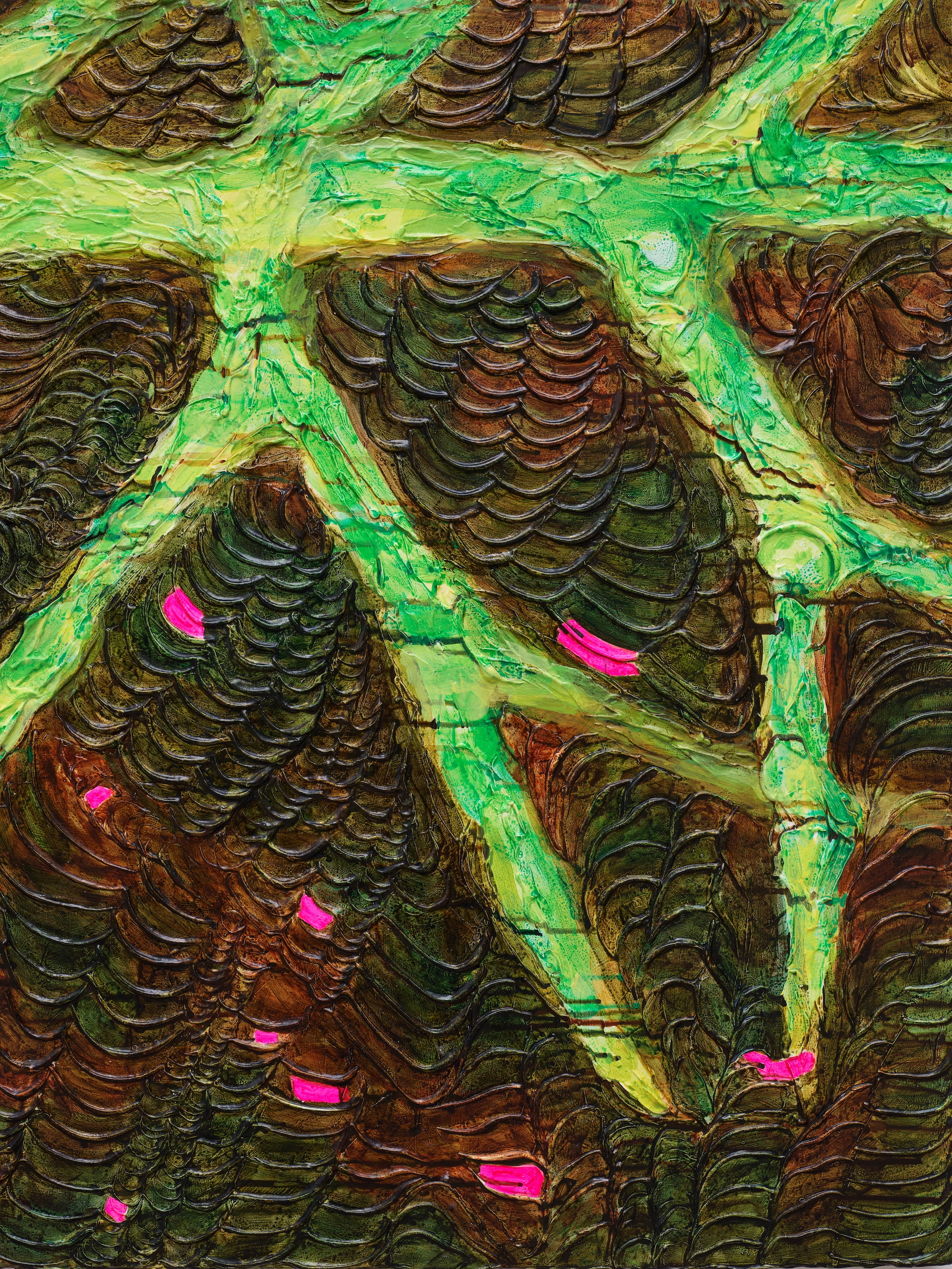
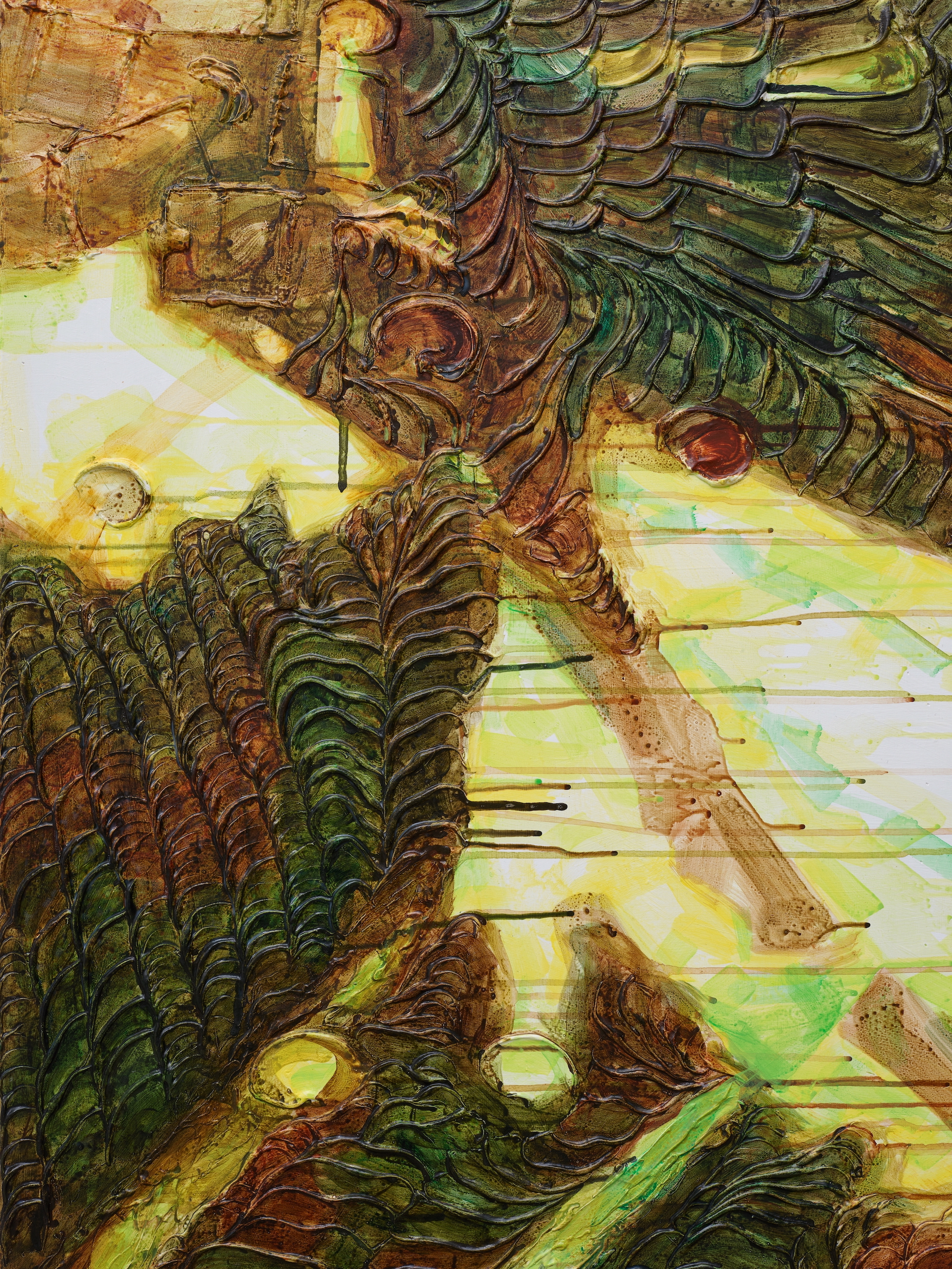
Guan Xiao, Riversurface, 2025
Wood panel, polyester putty base, and acrylic color
Triptych, overall 200×370 x7.5 cm
作品信息Information
Artworks

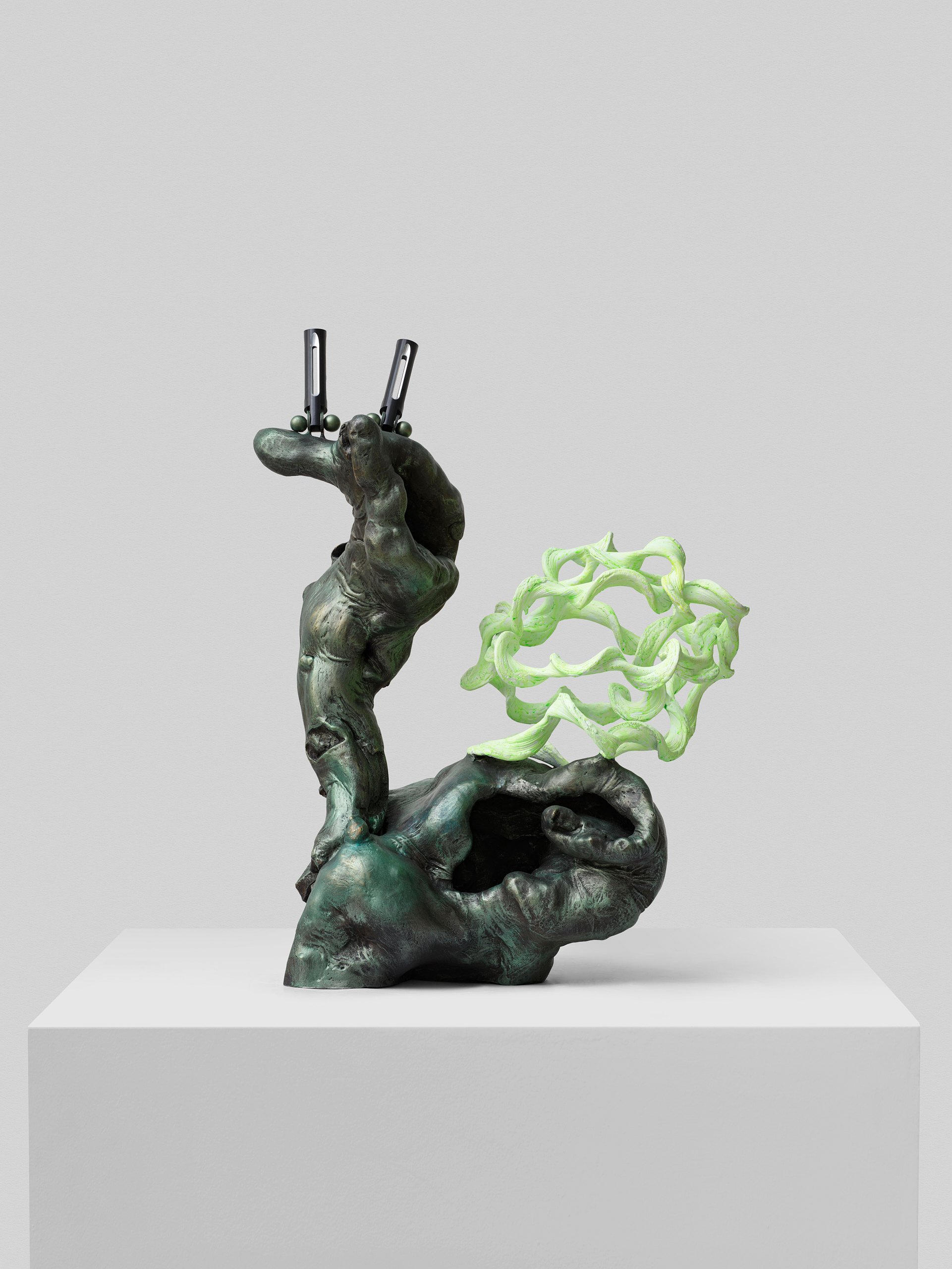
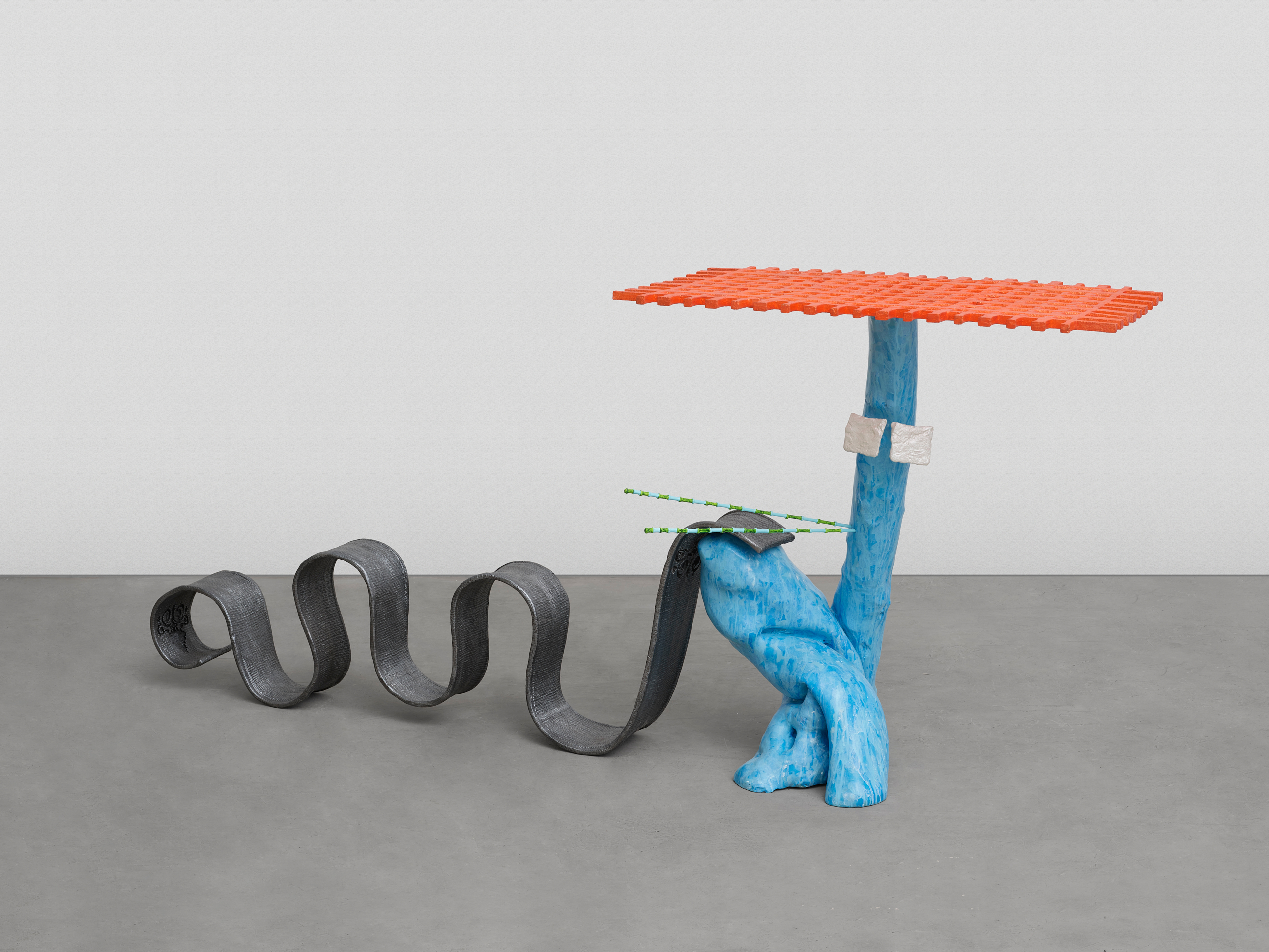
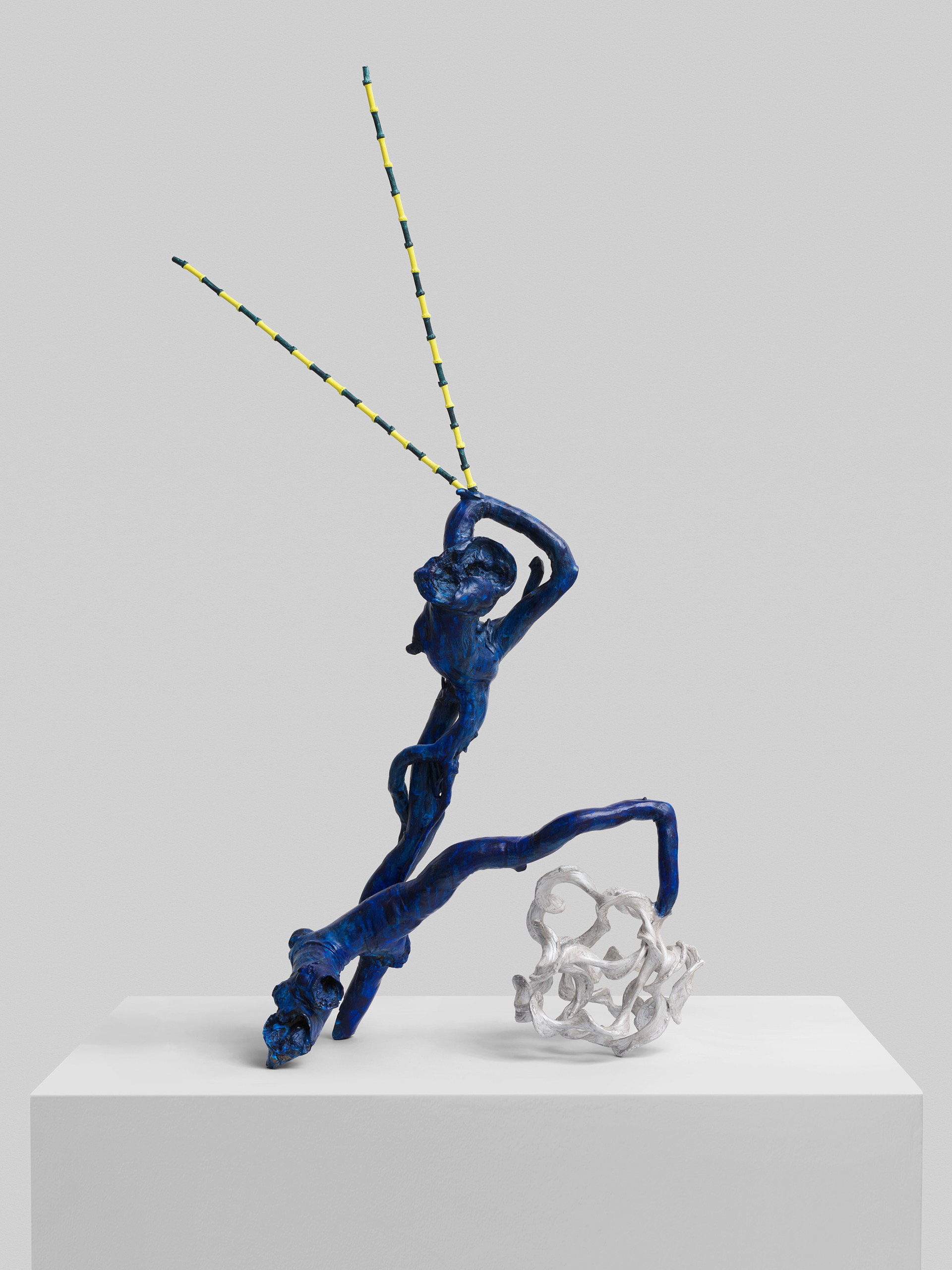
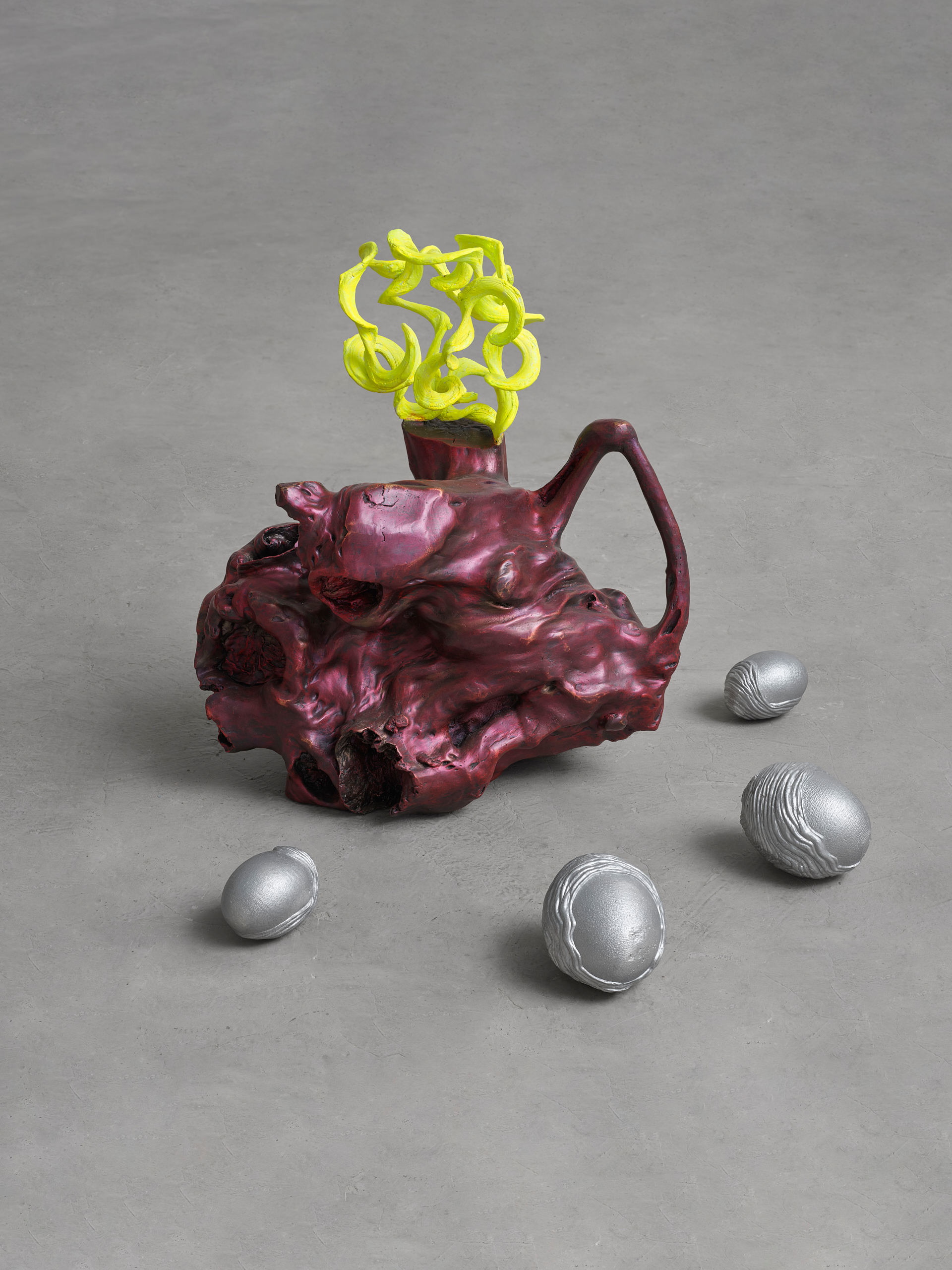
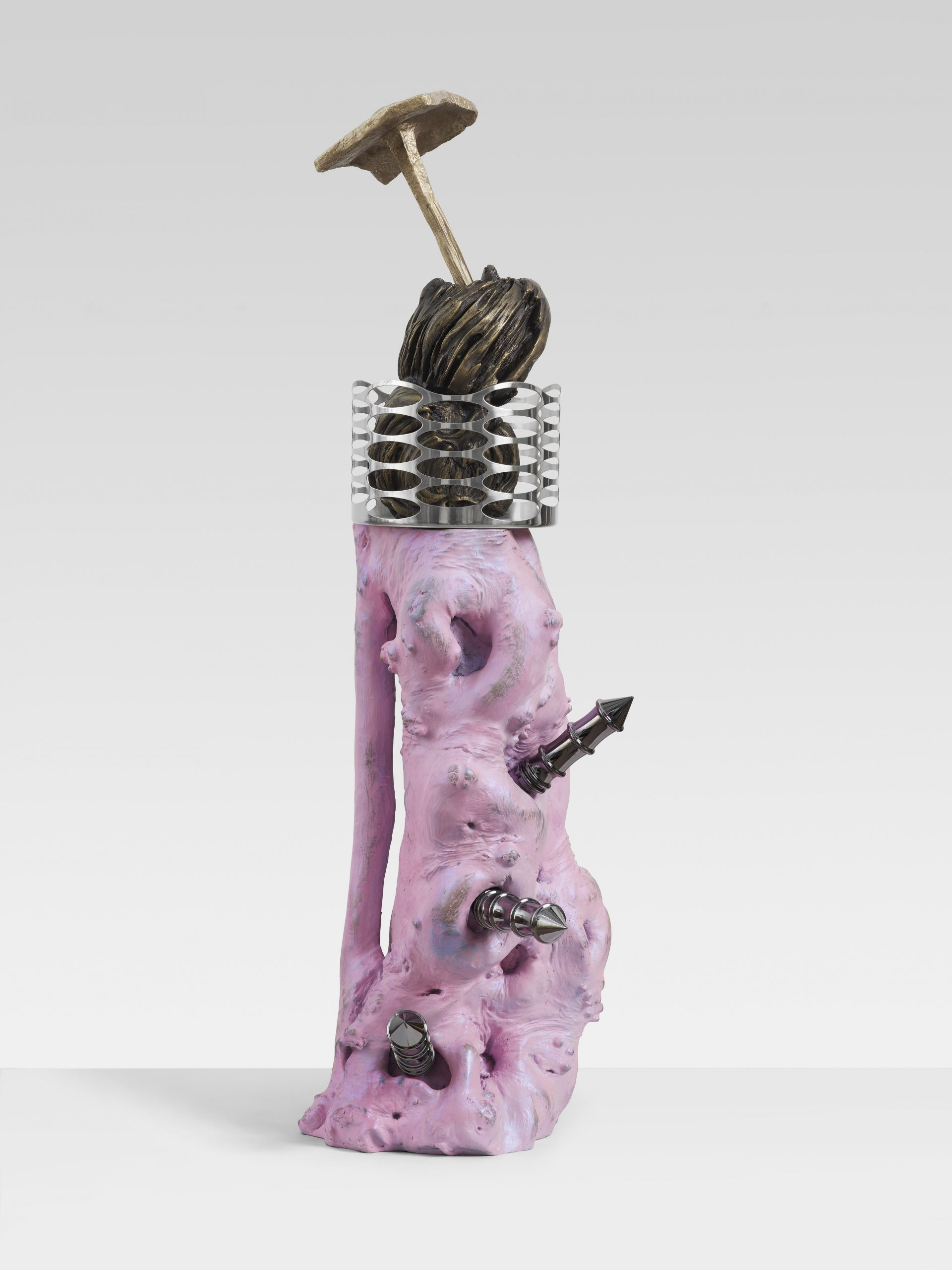

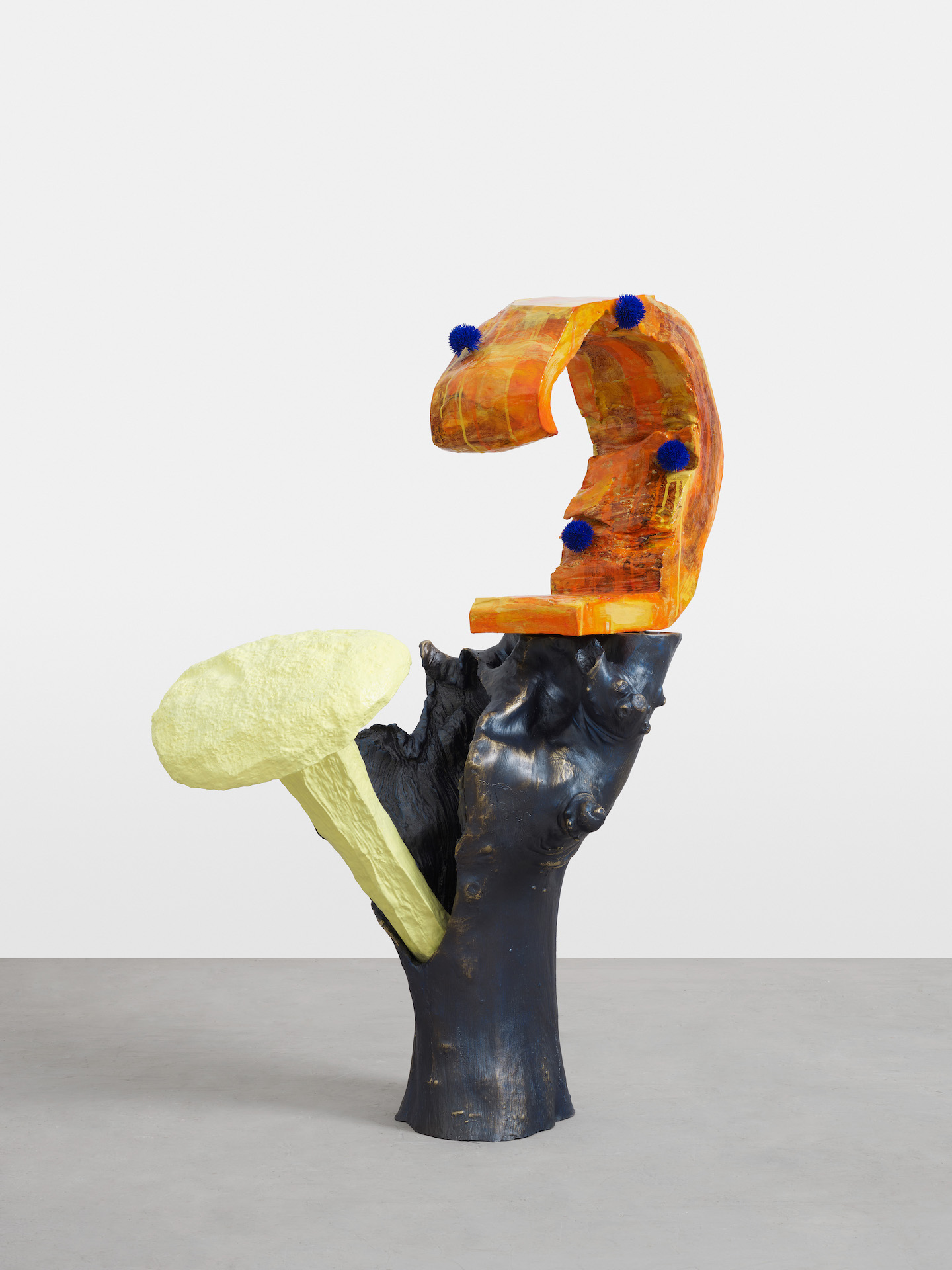
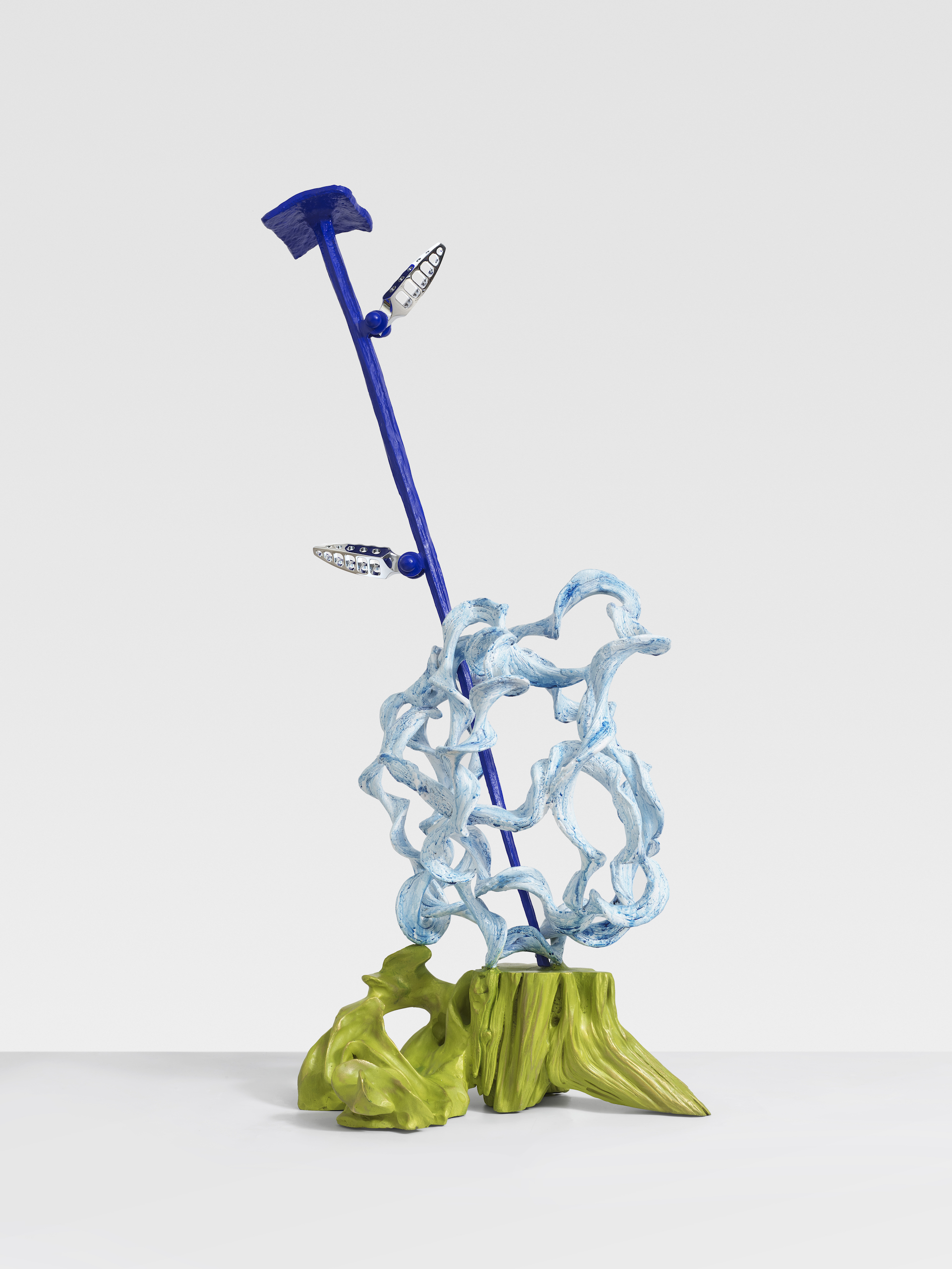
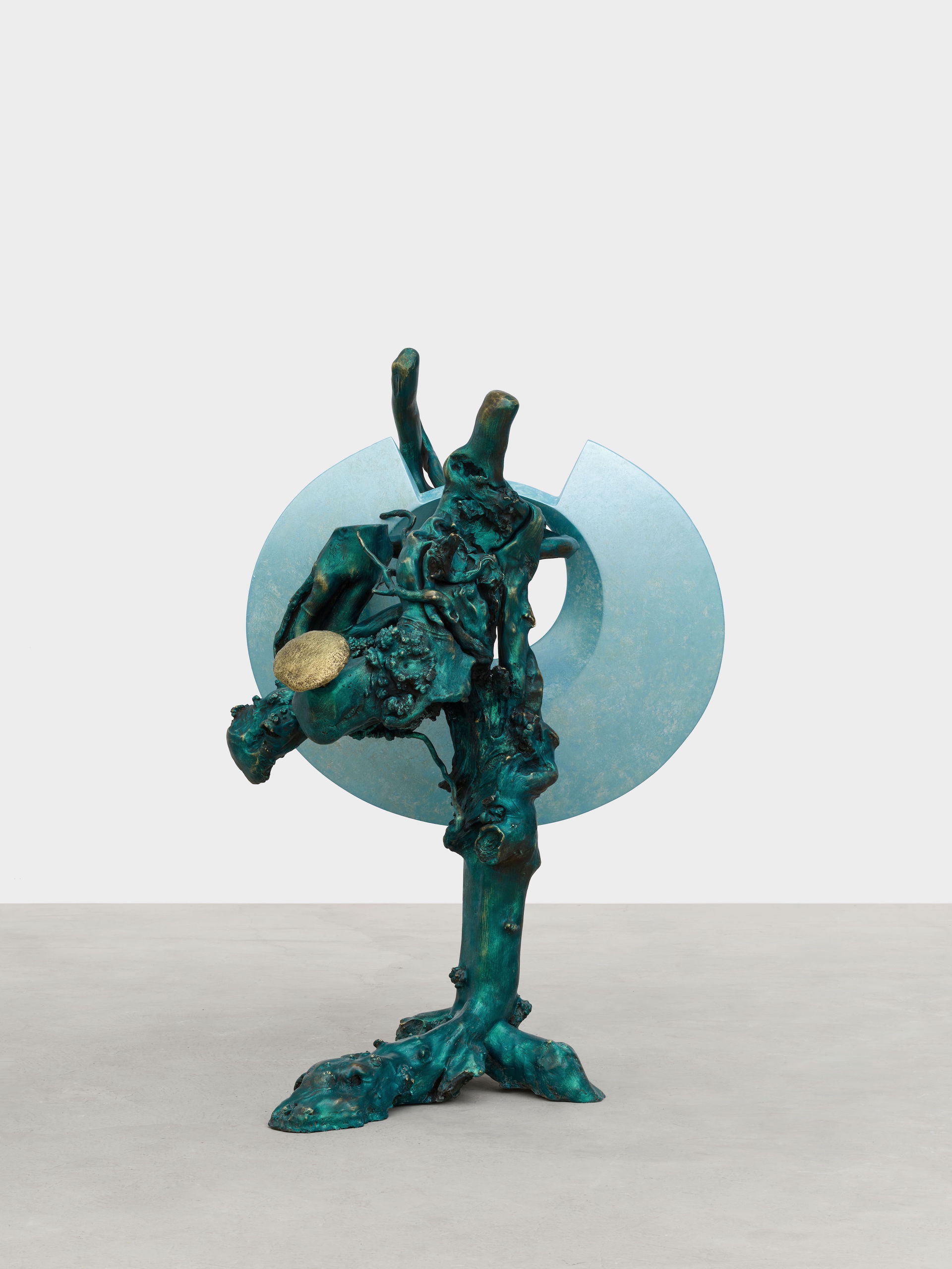
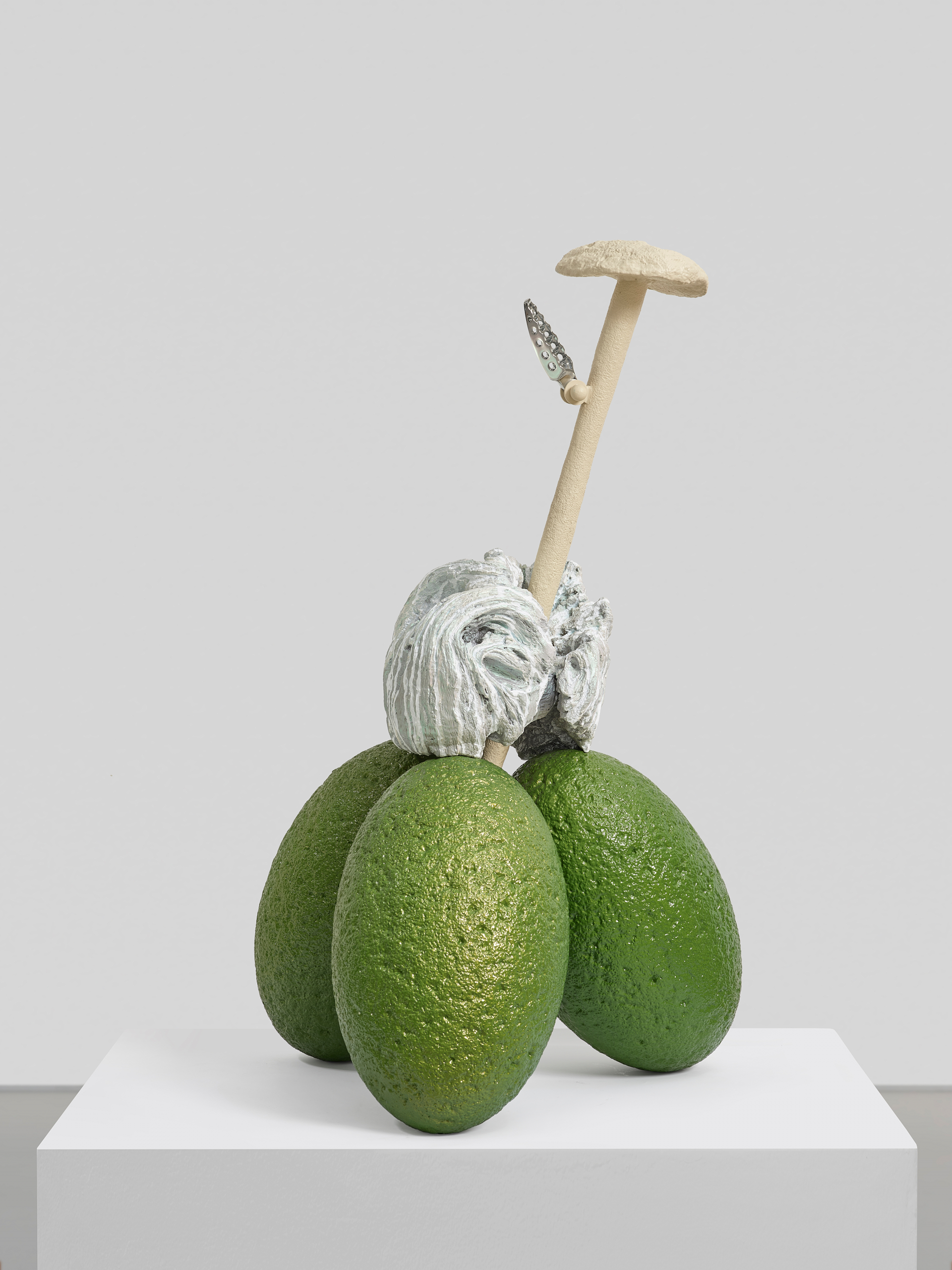
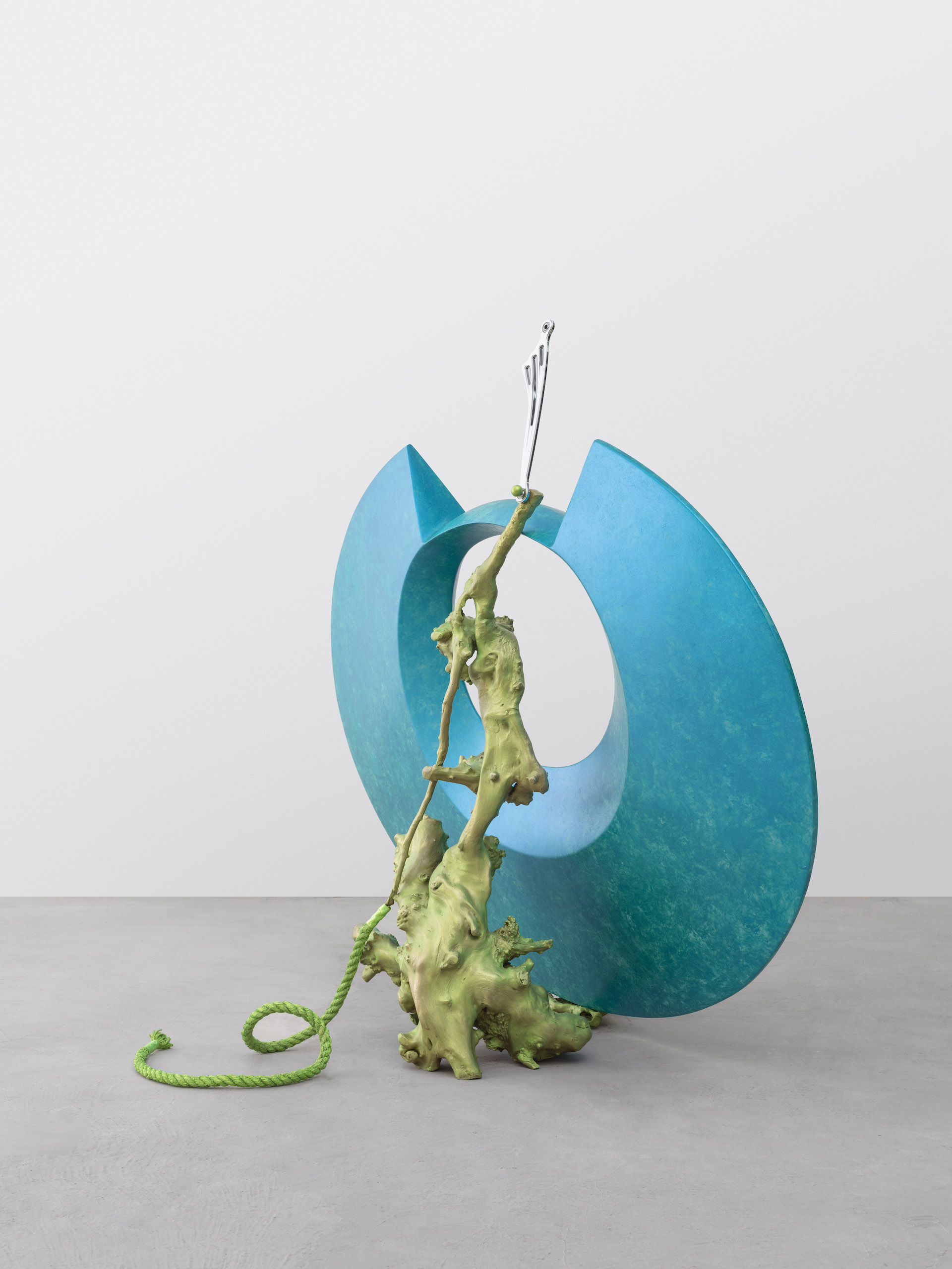
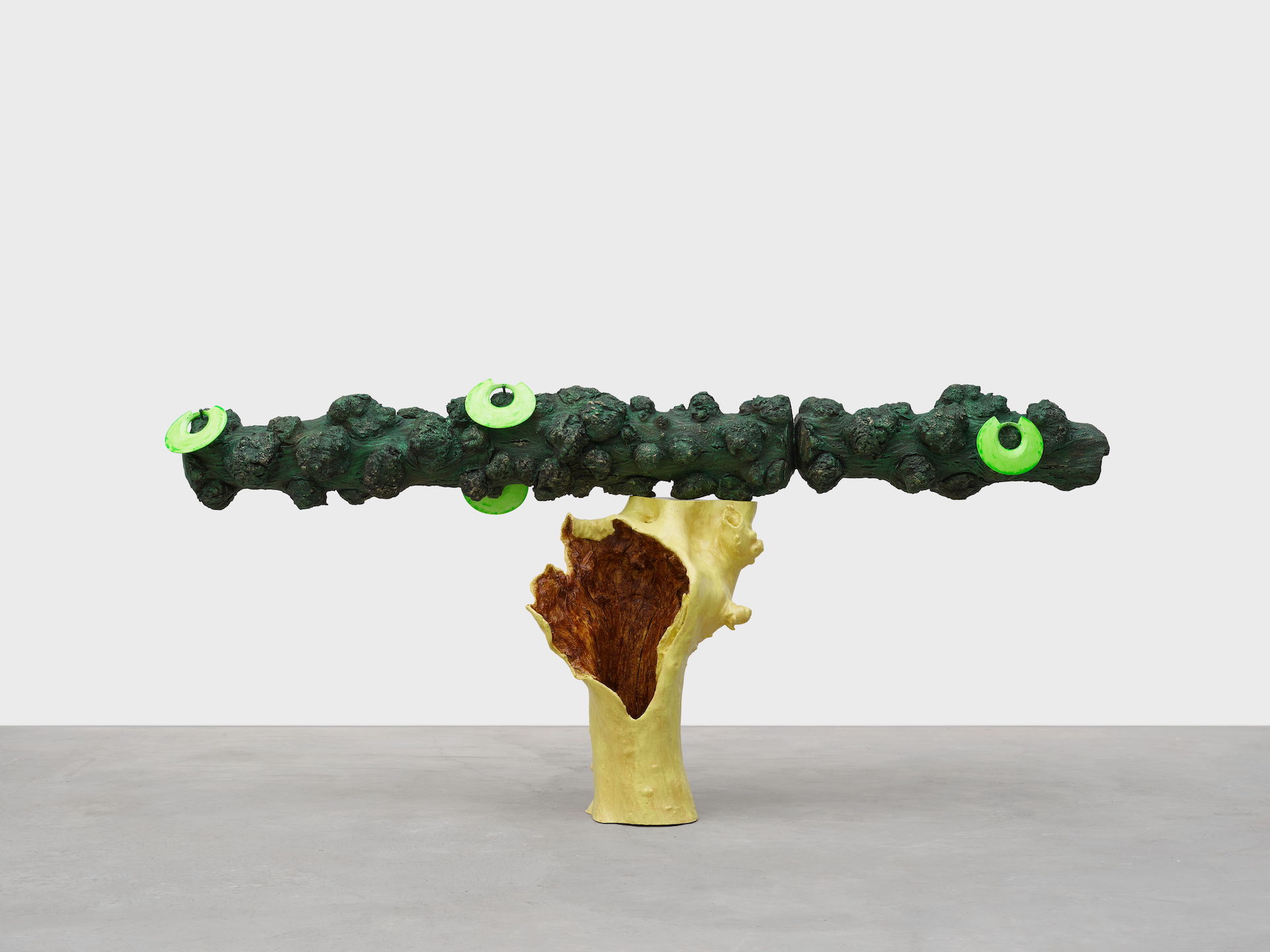
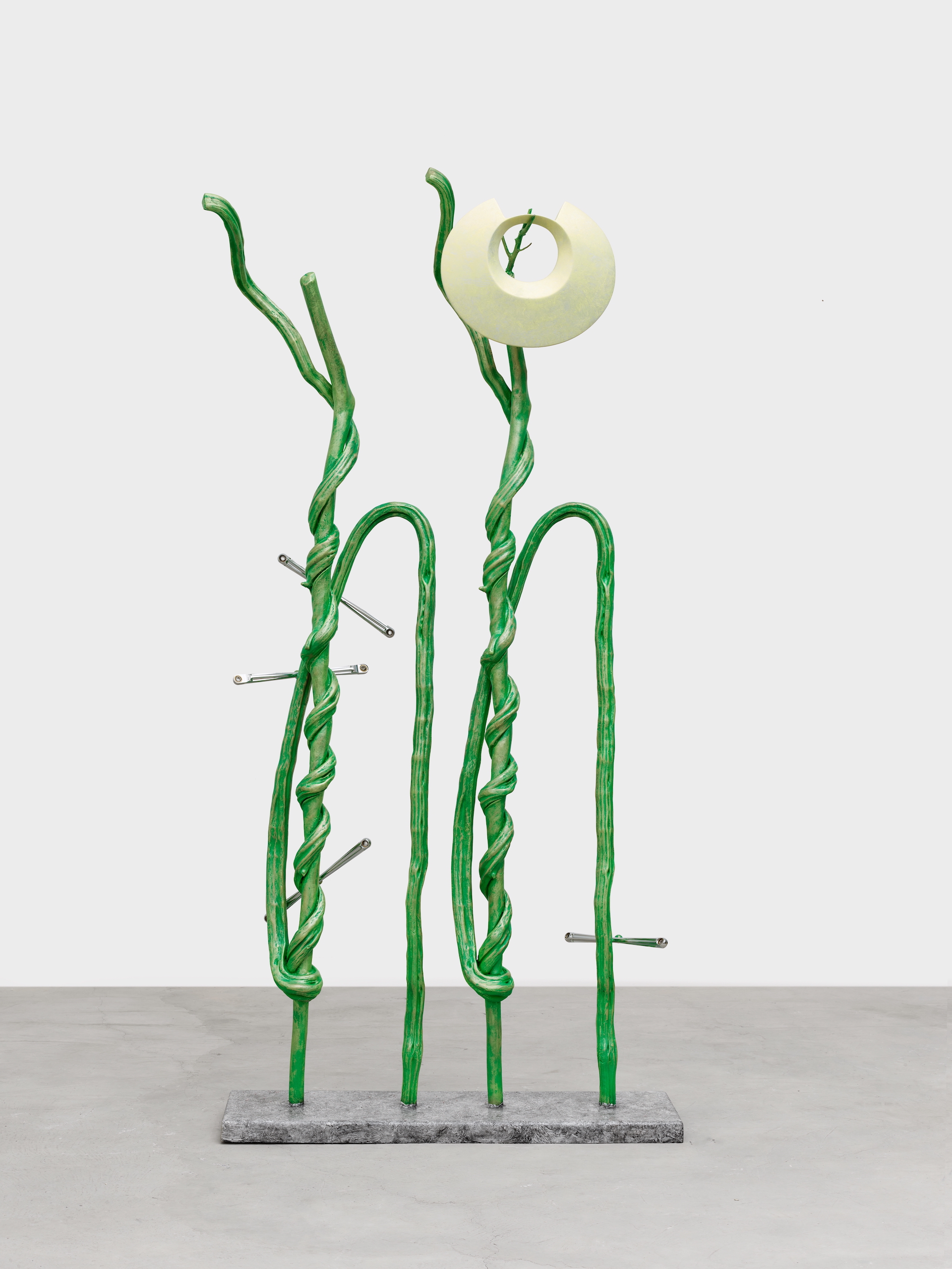
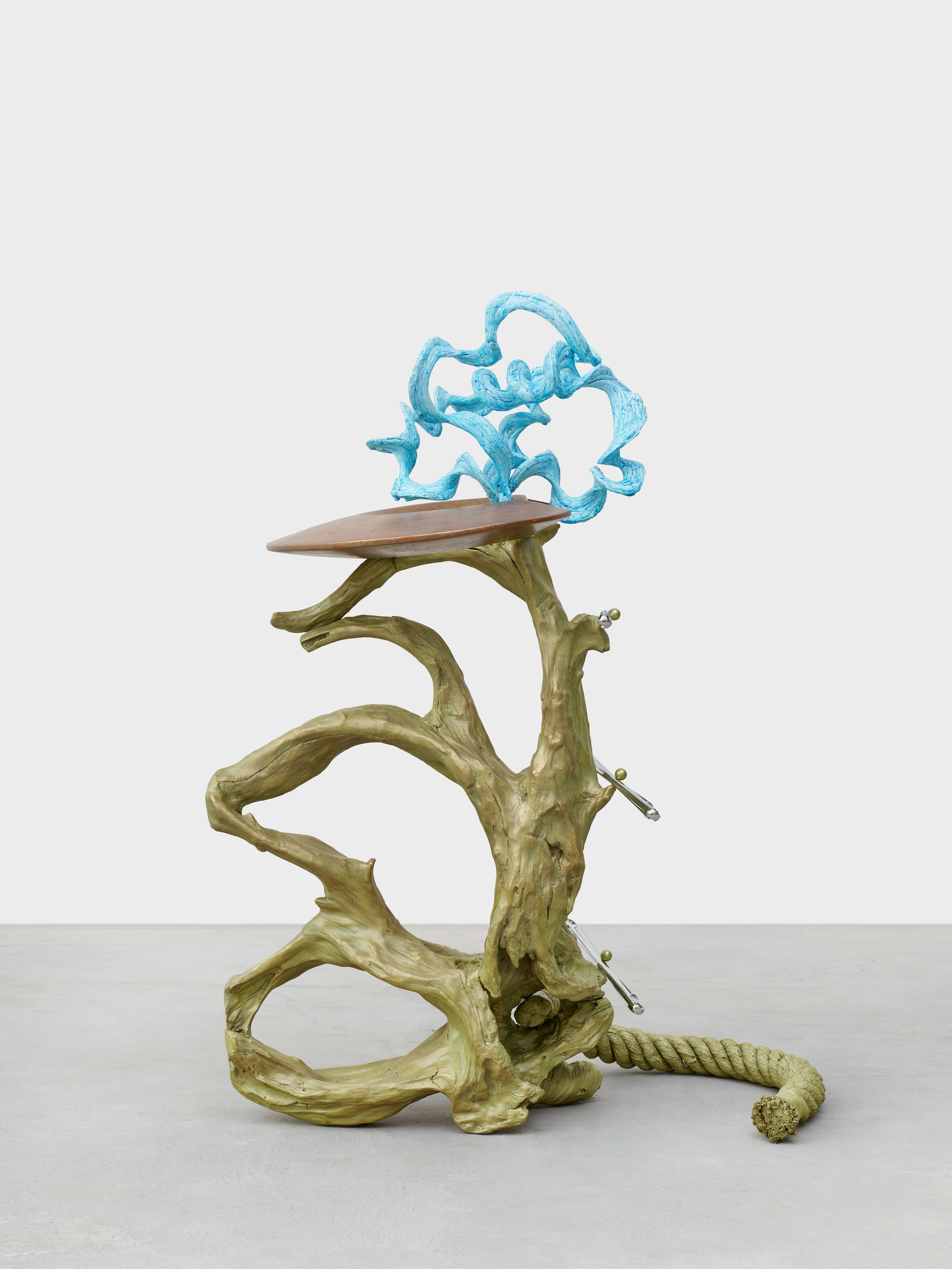
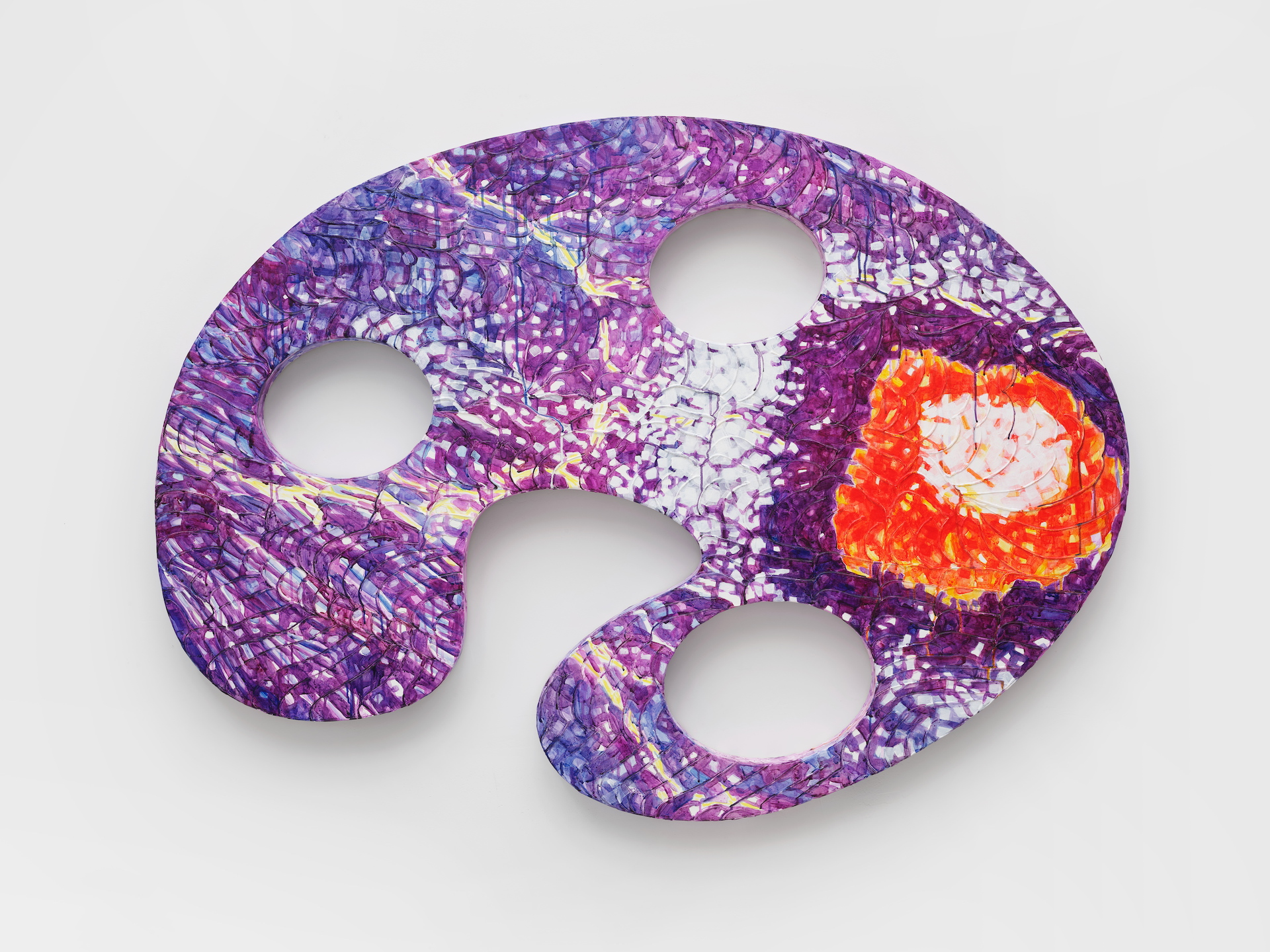
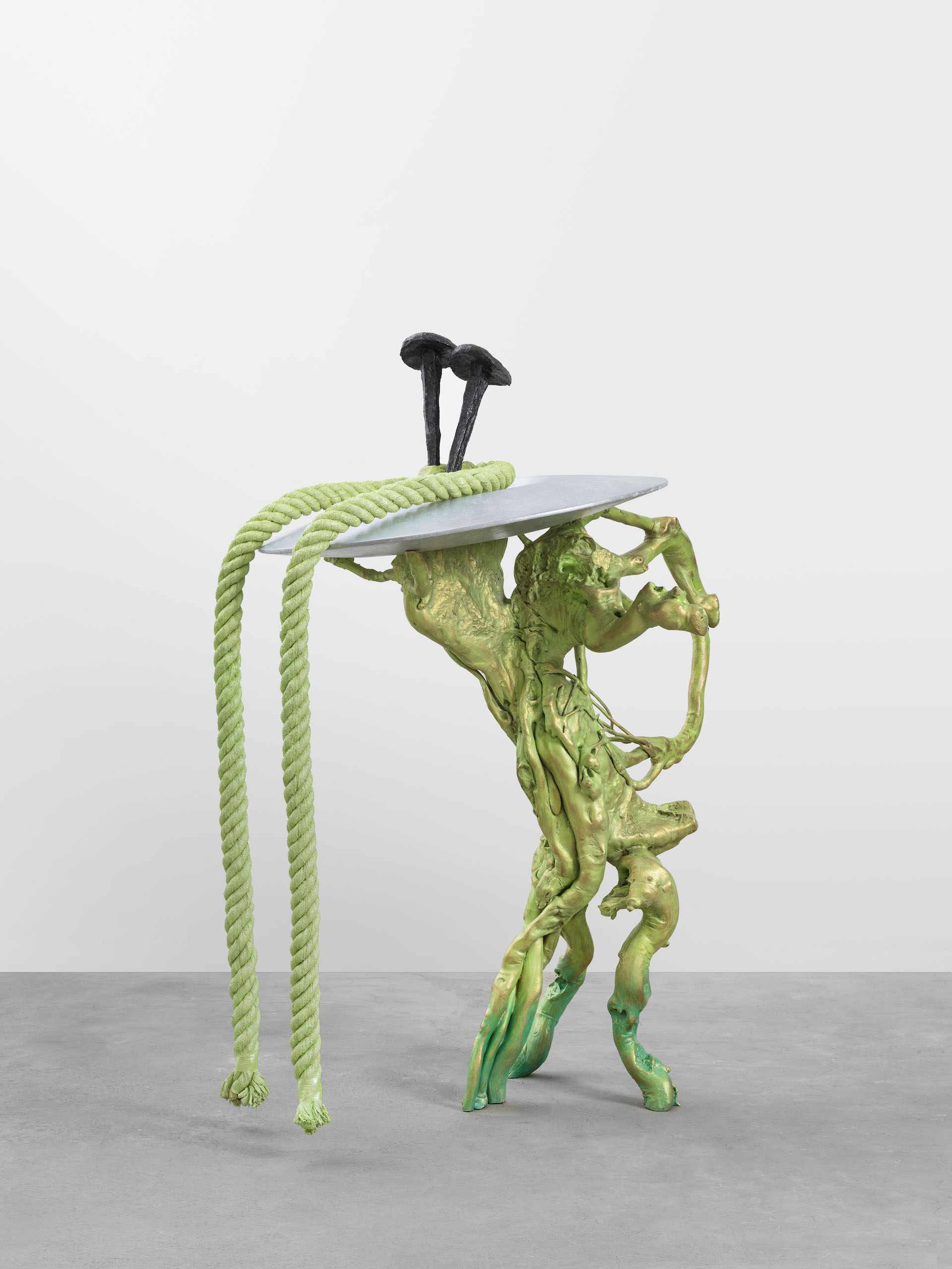
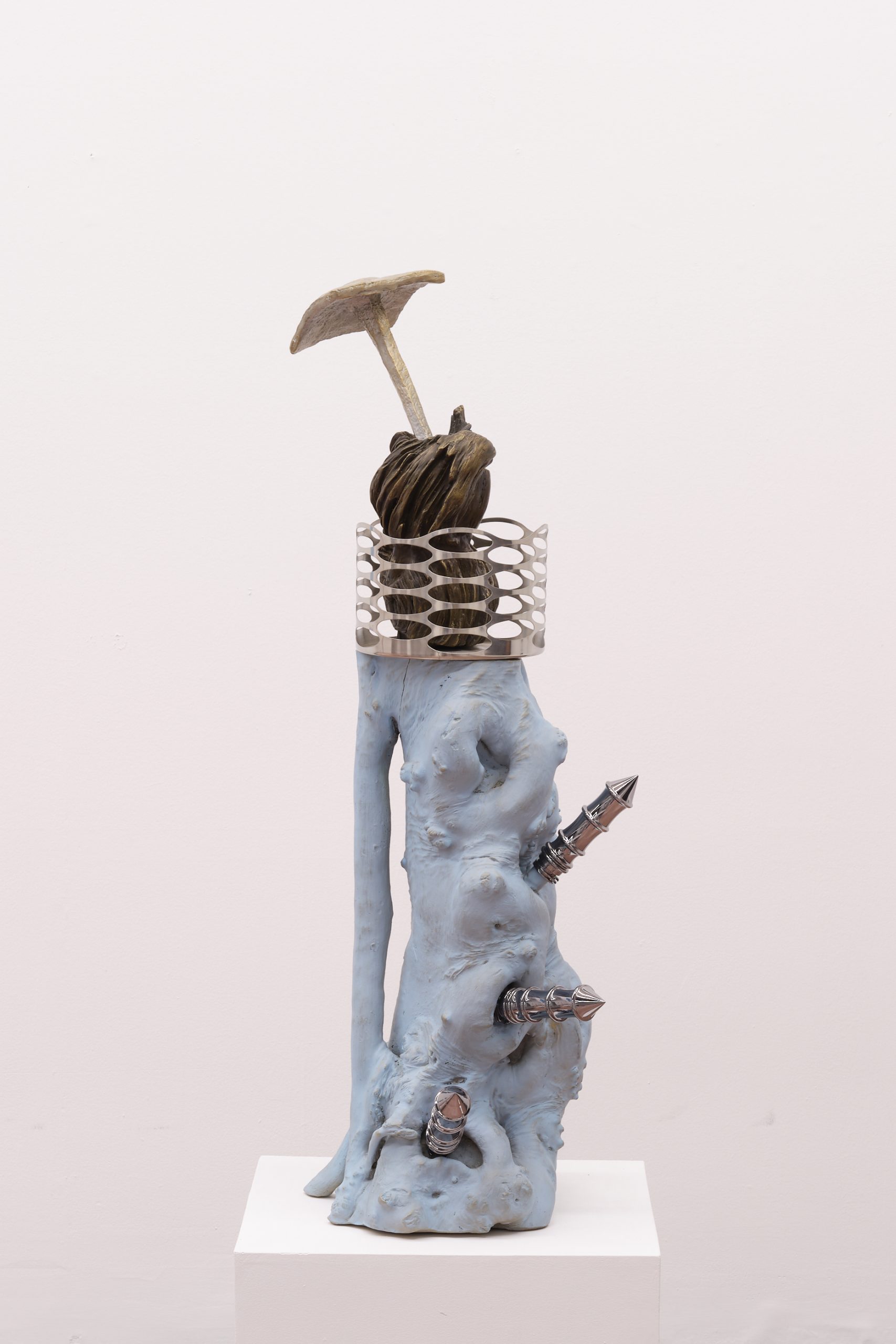
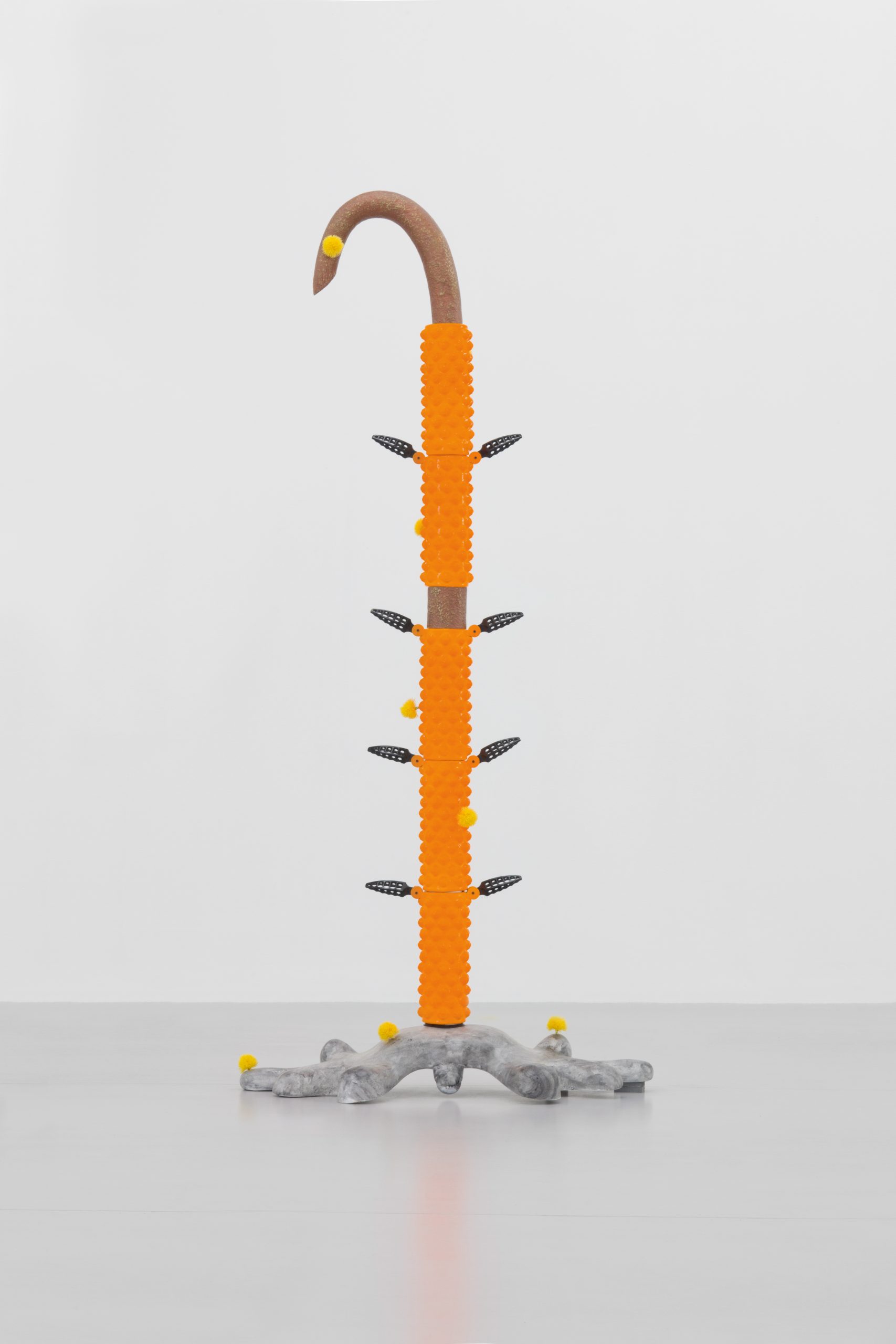
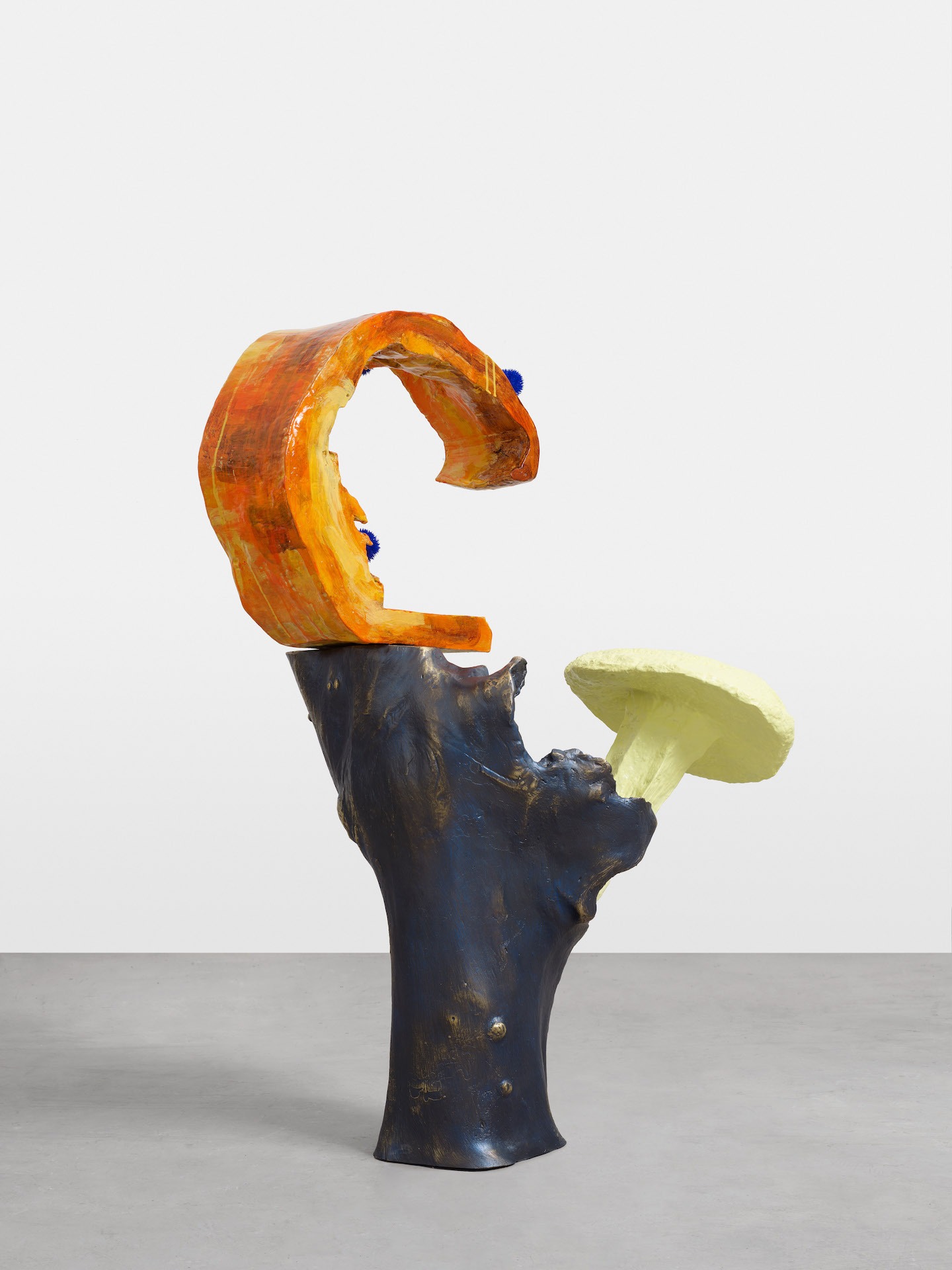
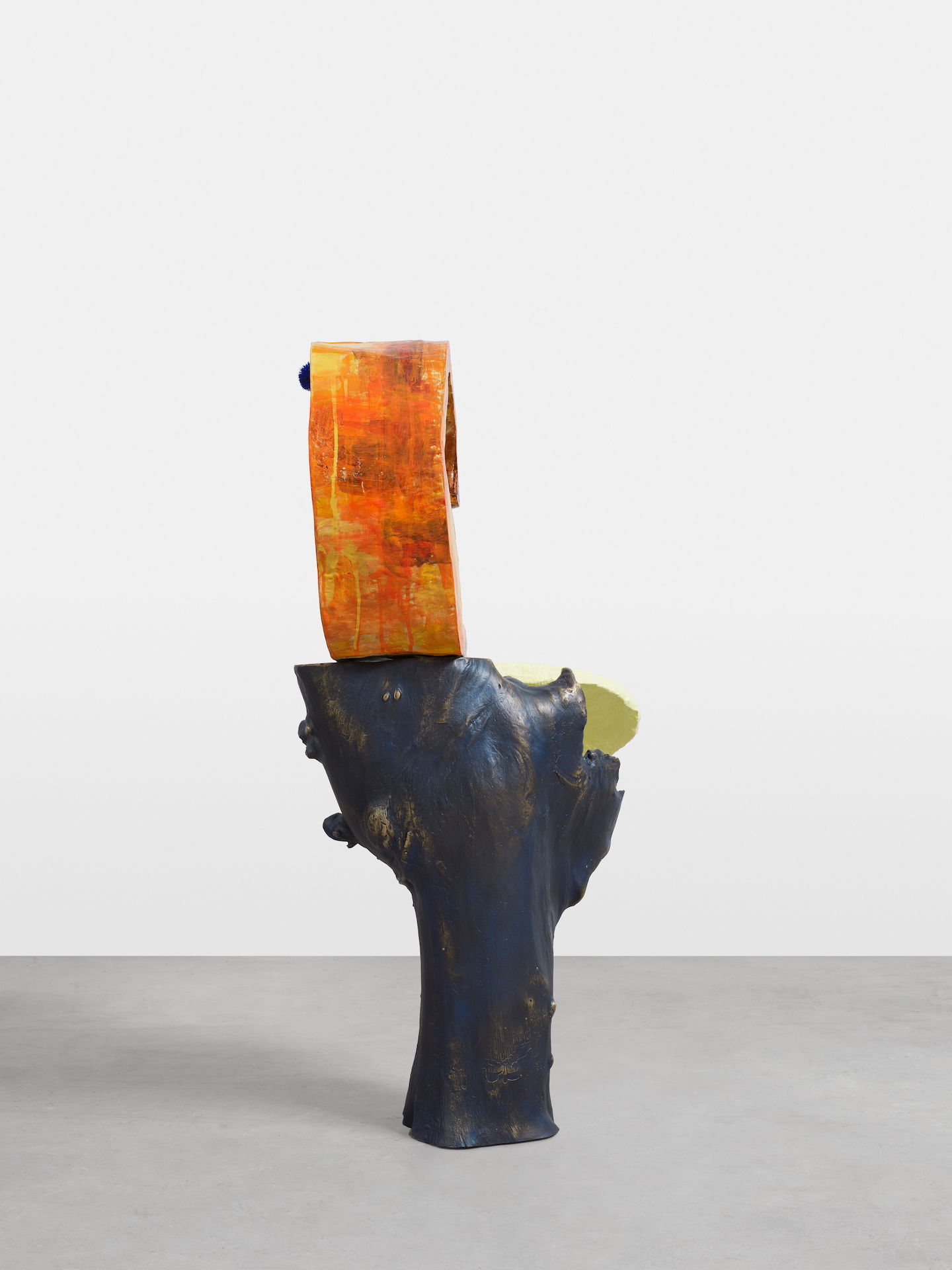
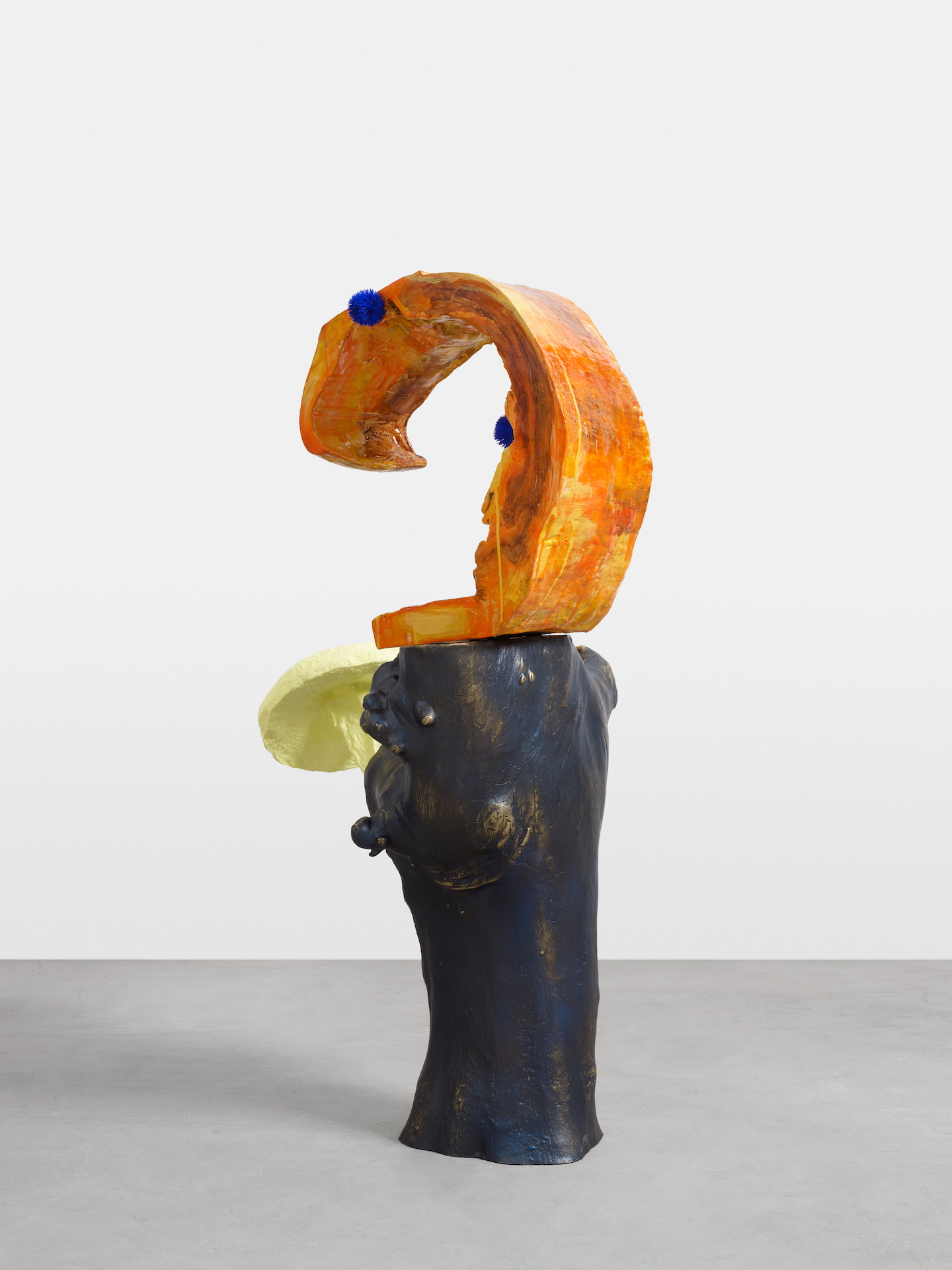
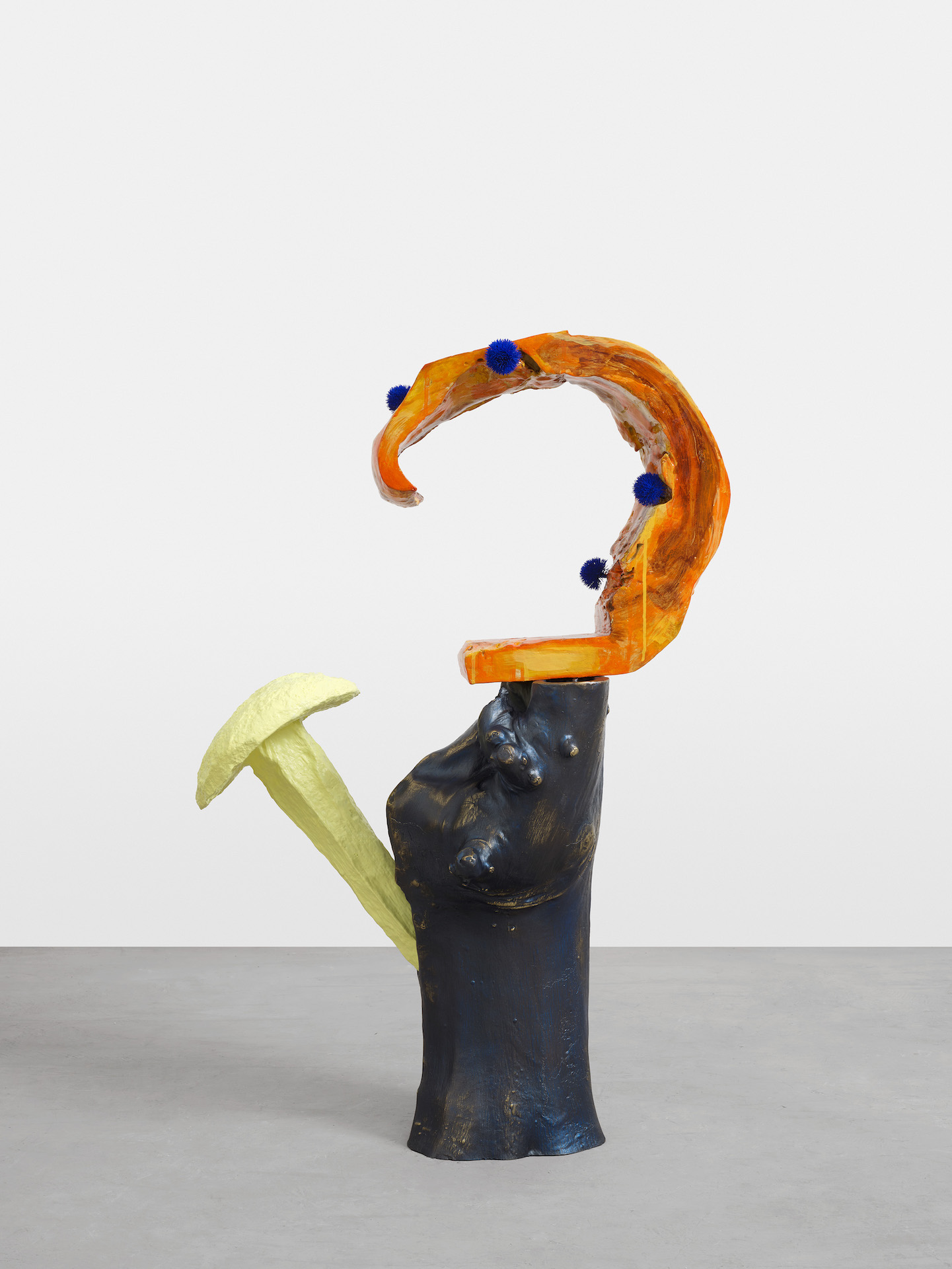
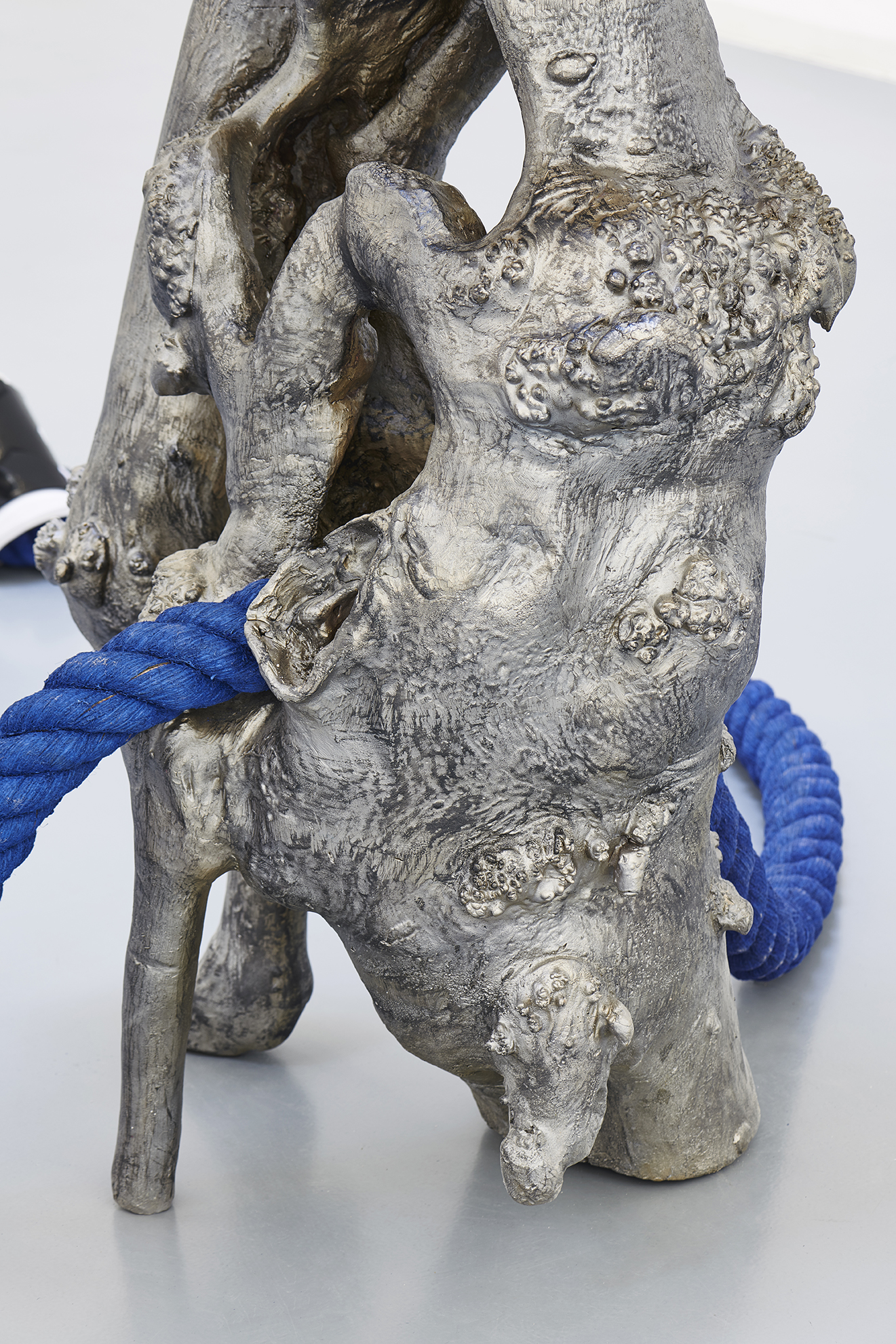
-scaled.jpg "Guan Xiao, Kikachick Is Stepping towards the Snow-Covered Stage, while A Faint Tinge of Pink Reflected from the Lights under the Deep Blue Dusk Is Shimmering on Its Icy Surface., 2021")
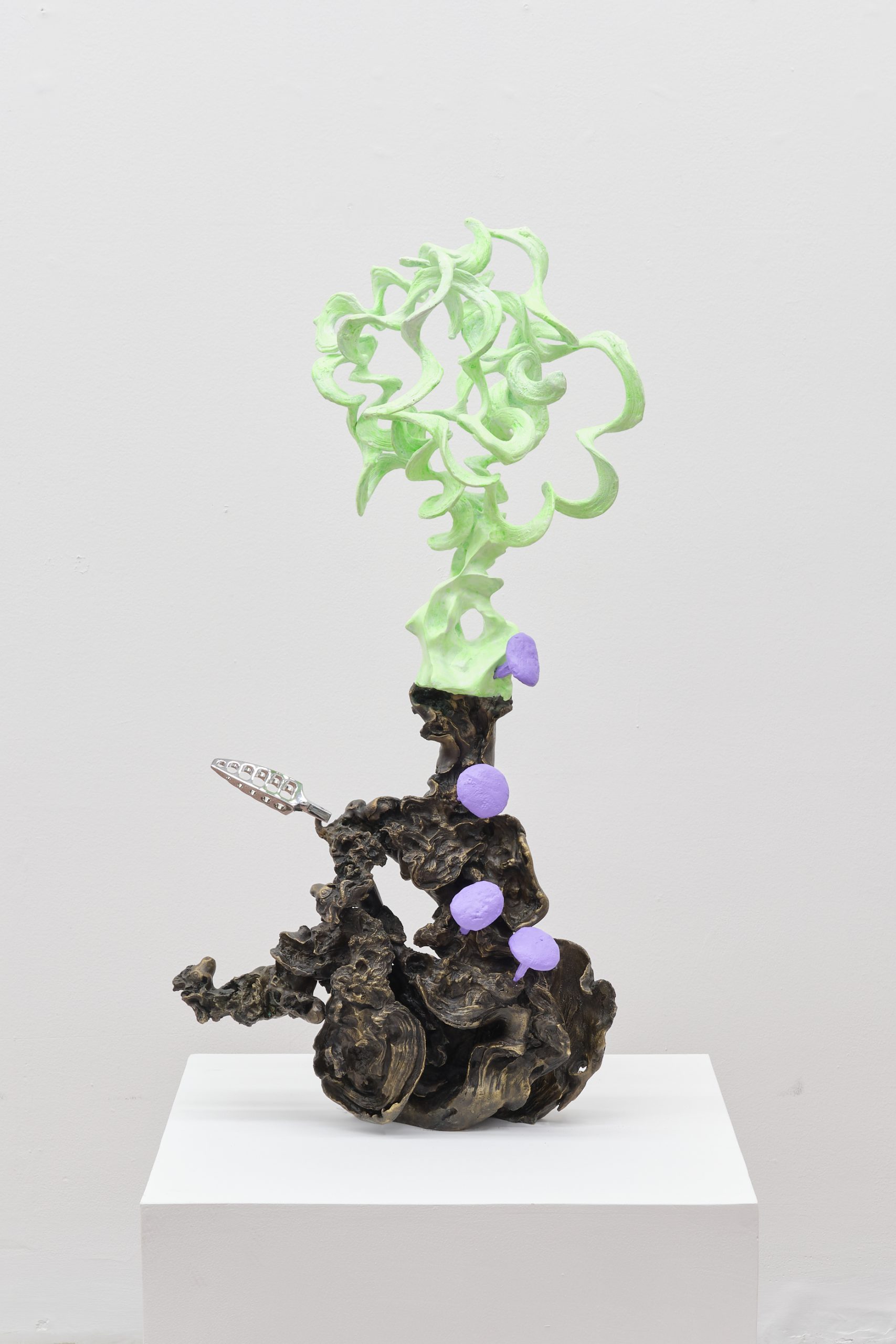
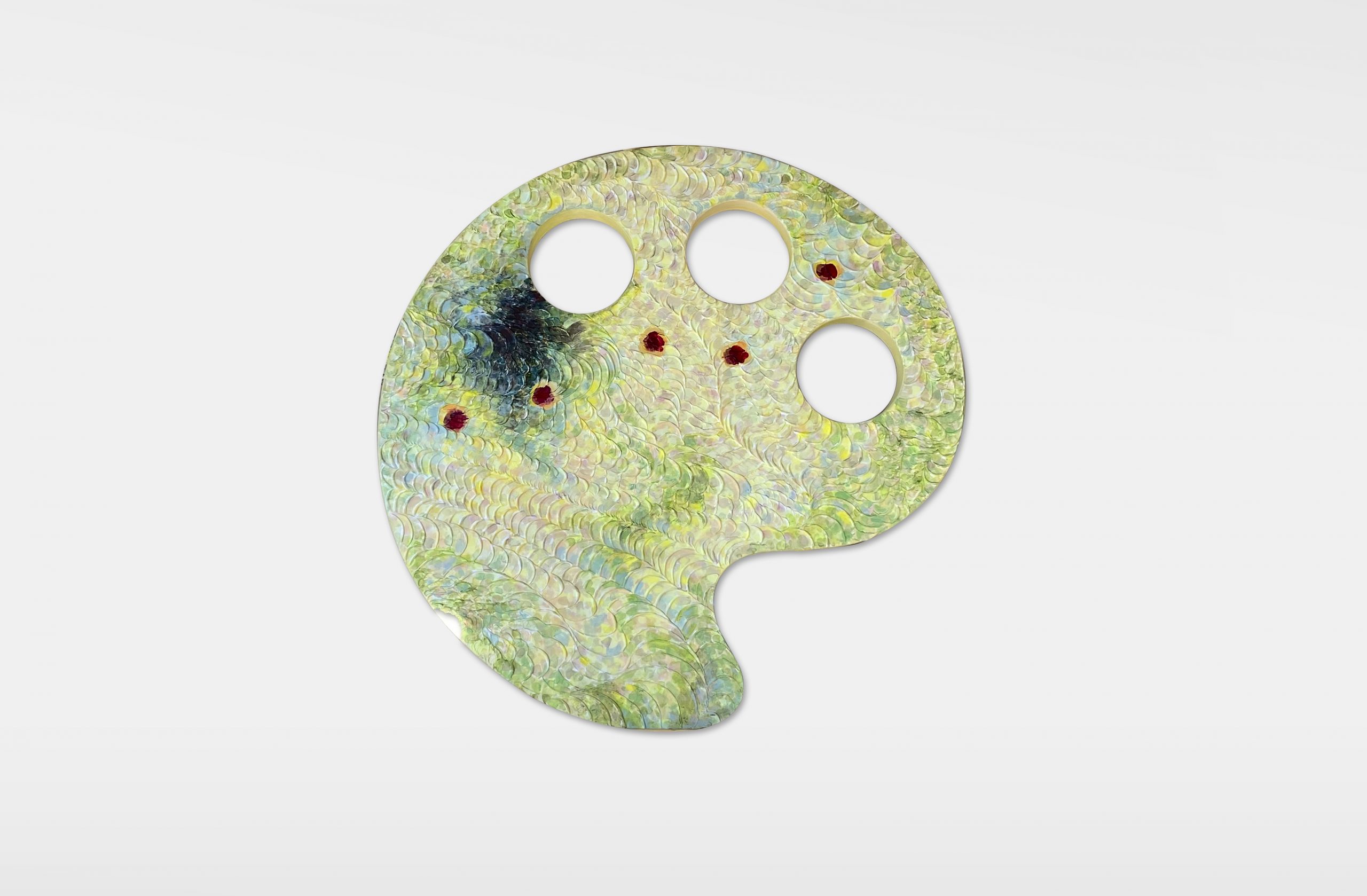
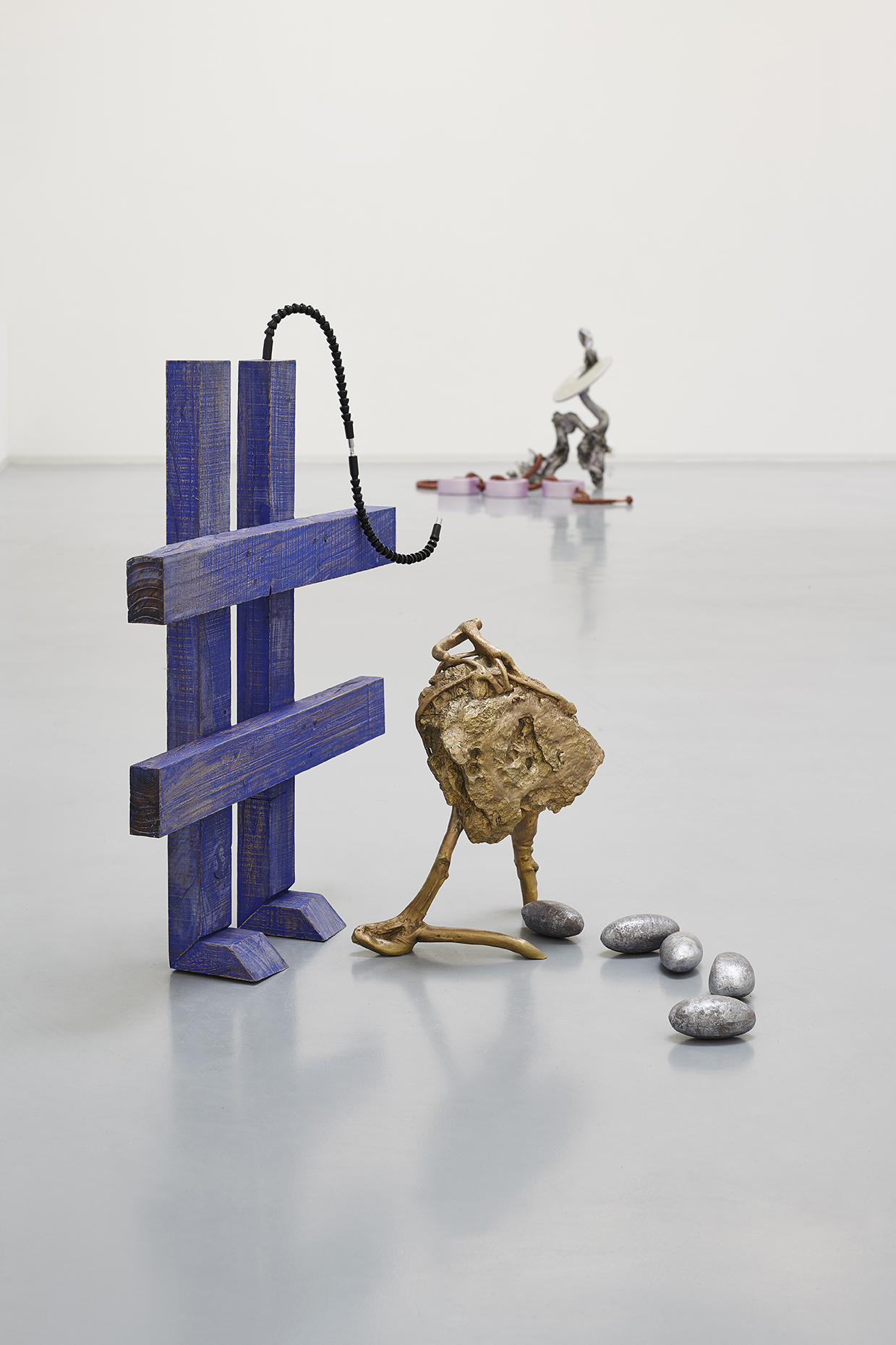
-scaled.jpg "Guan Xiao, Pavilion, 2021")
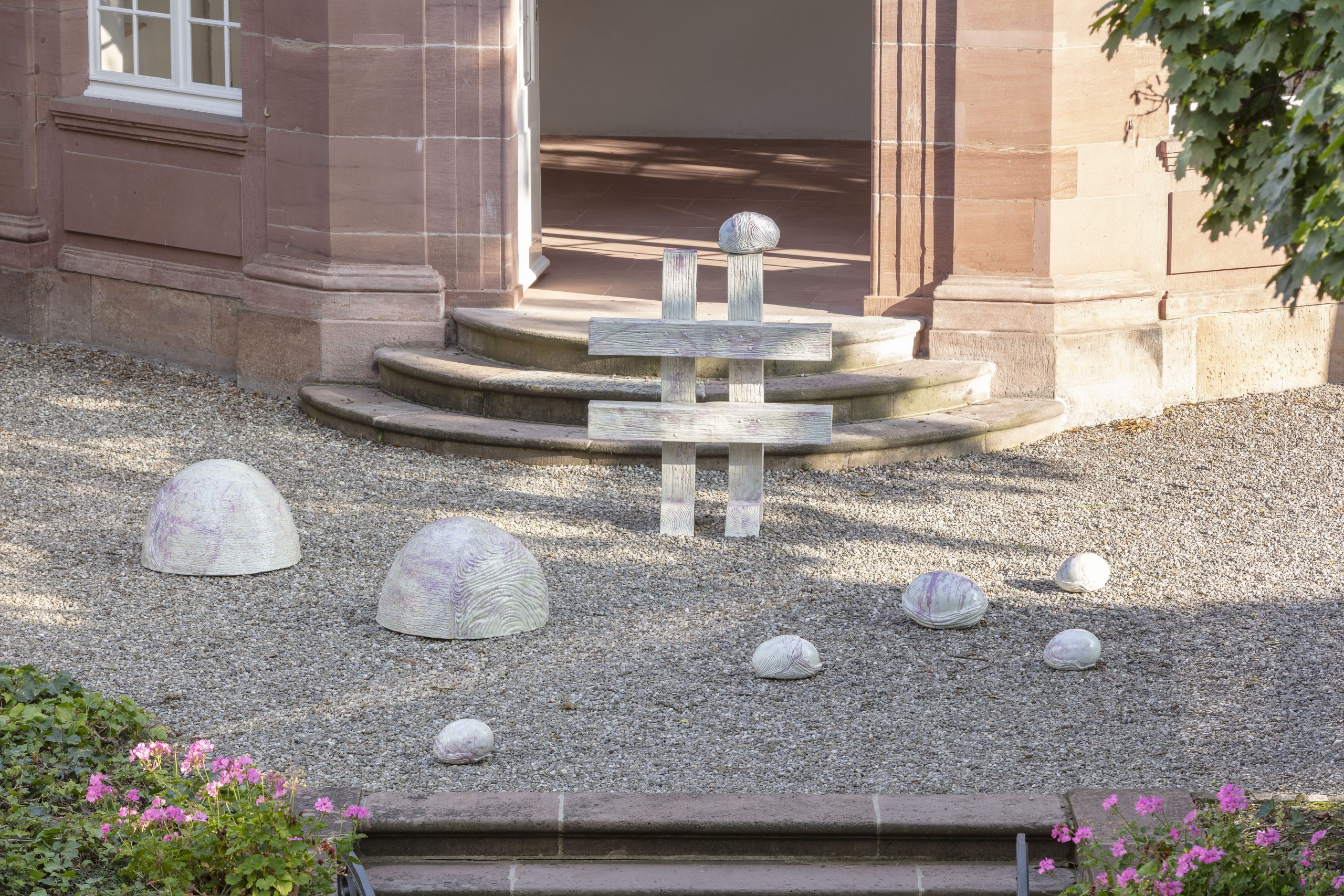
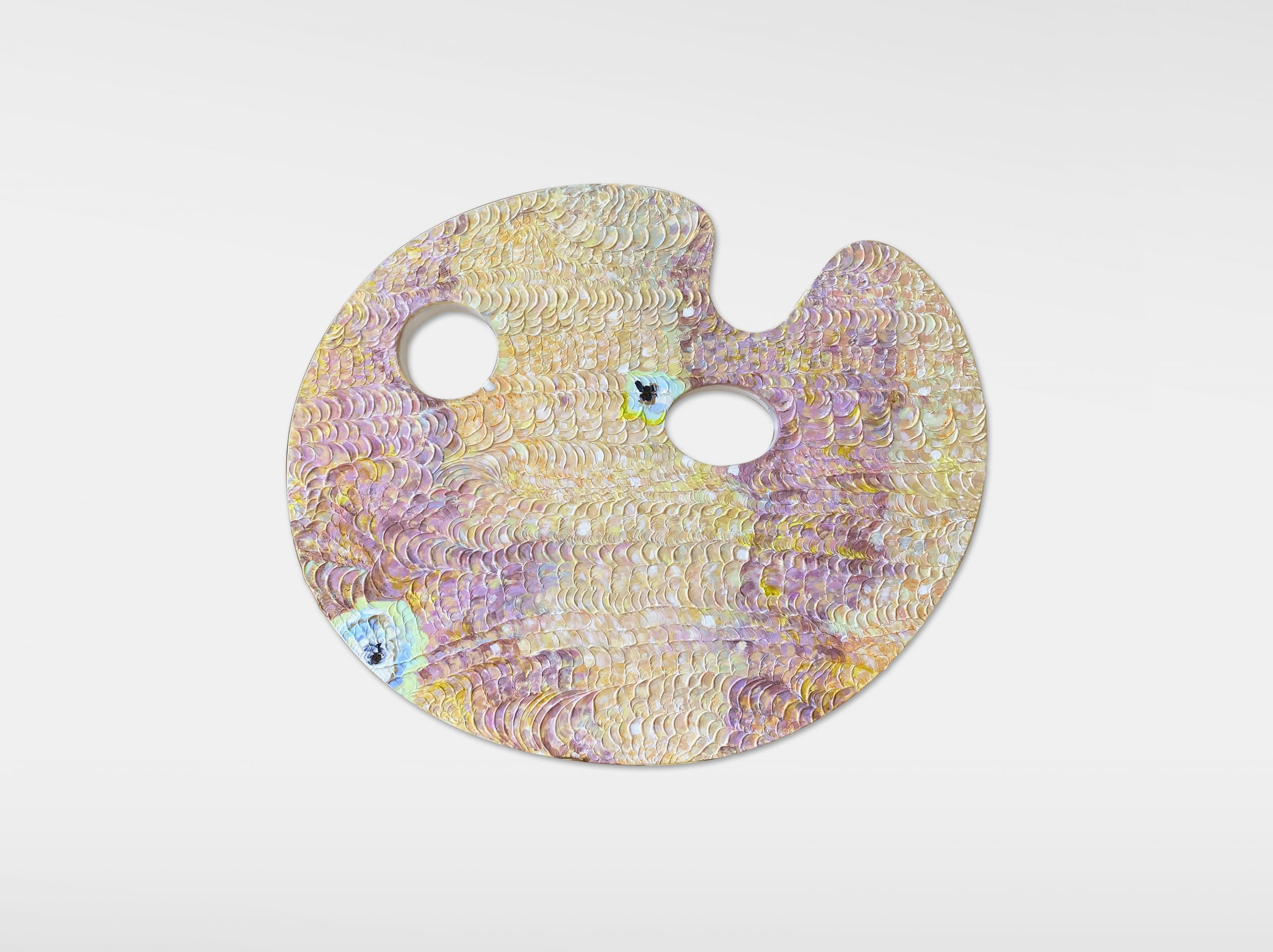
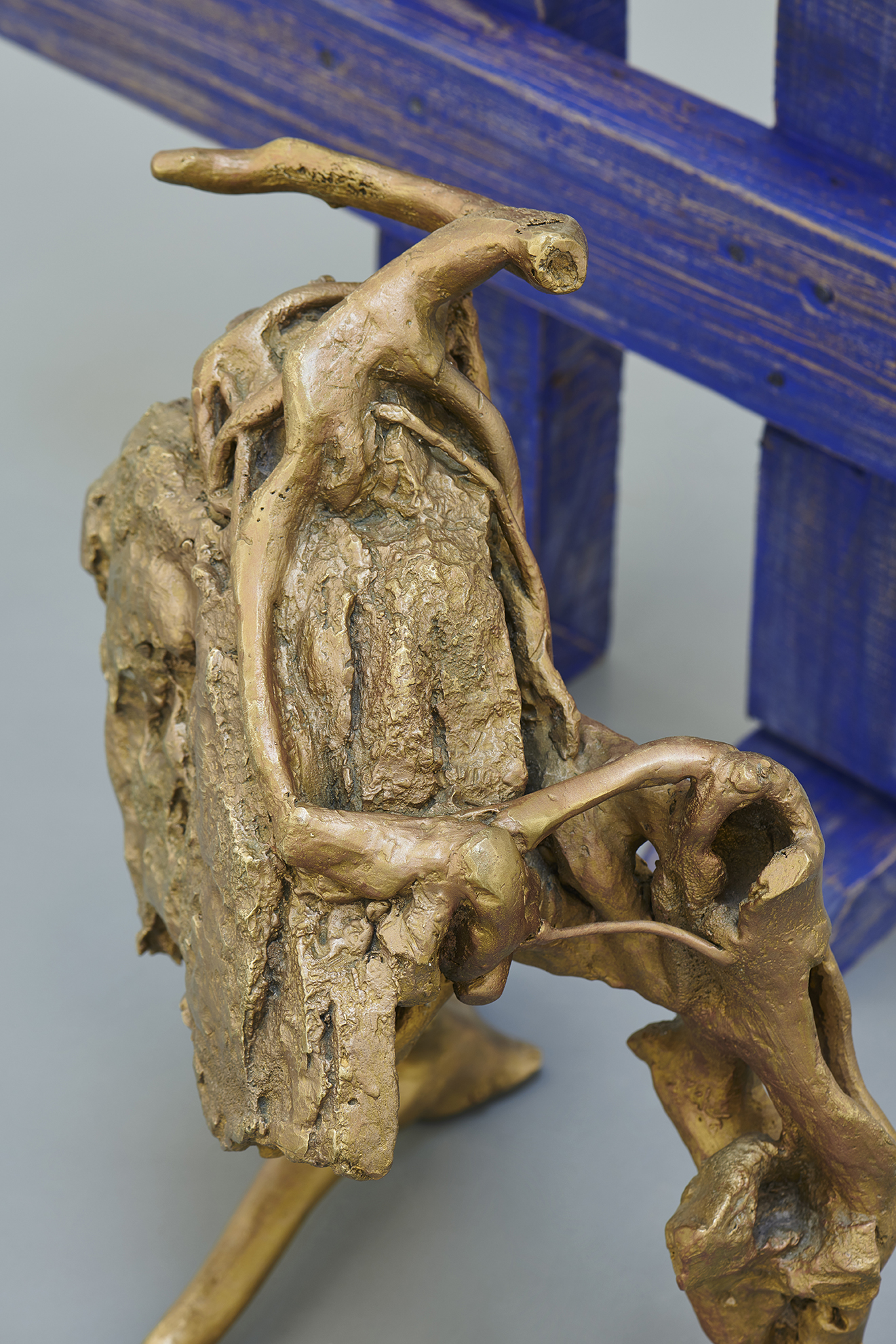
-scaled.jpg "Guan Xiao, Dark Eyes as Dark as the Eyes, 2021")


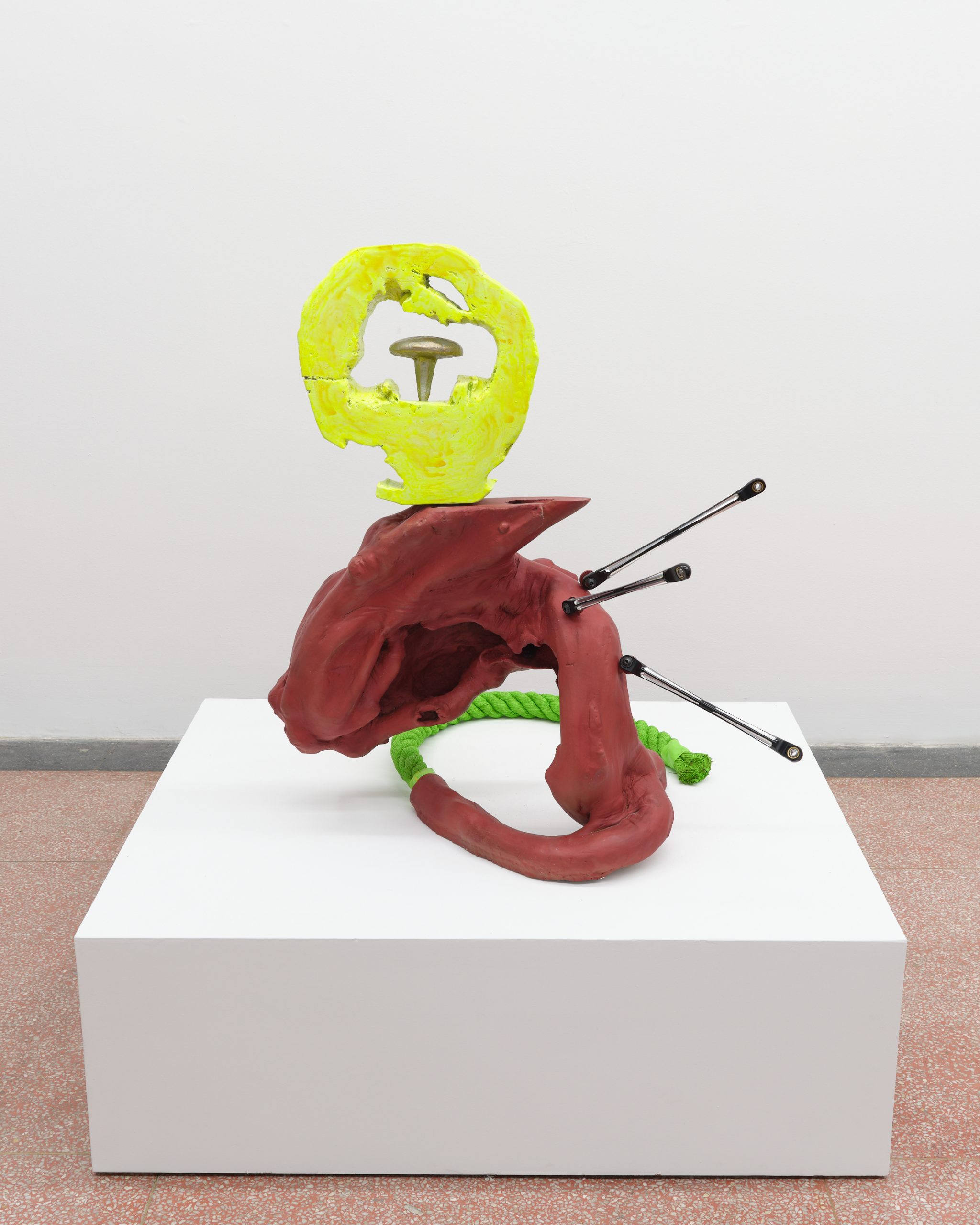
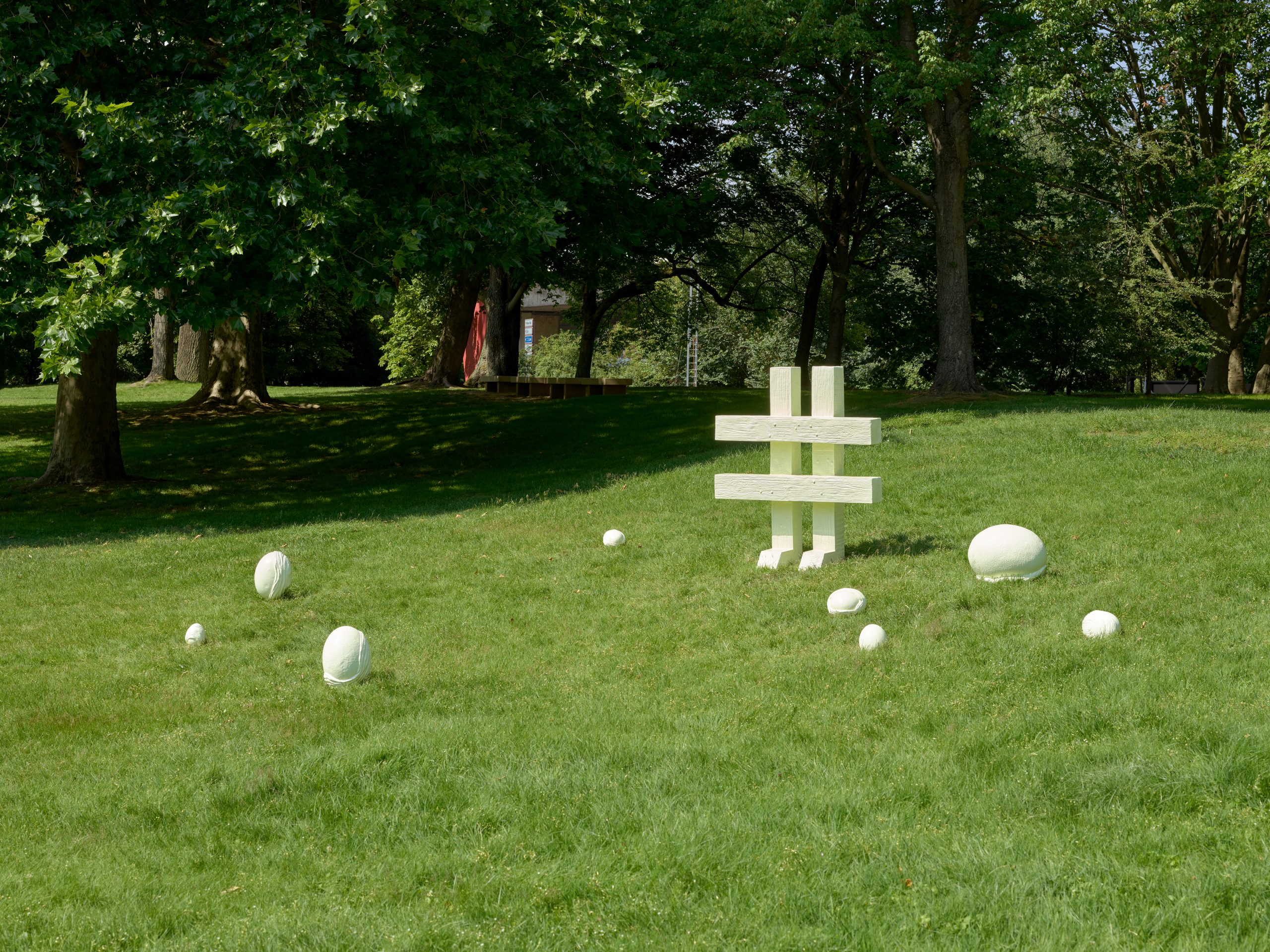
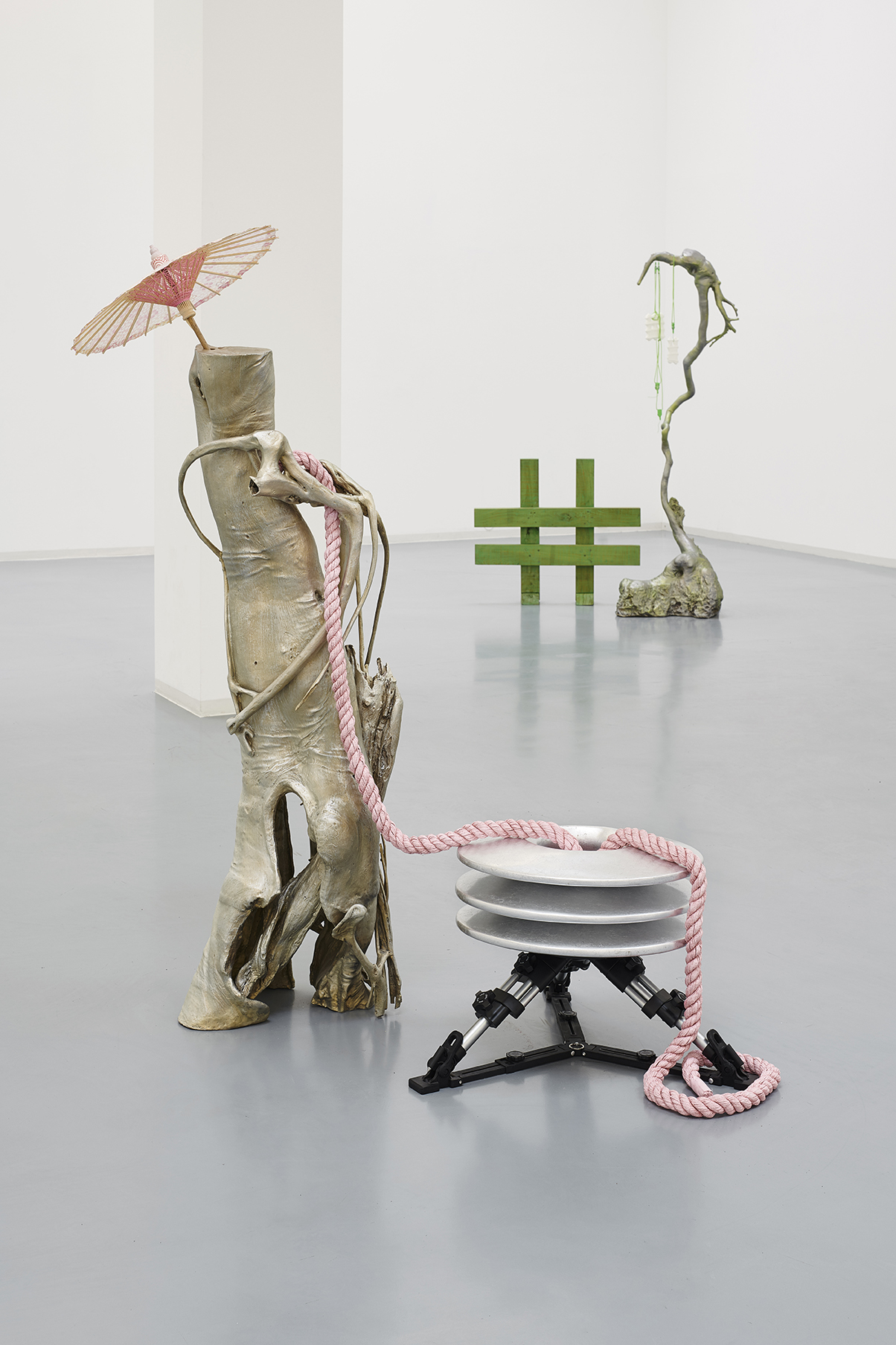
,2021-scaled.jpg "Guan Xiao, Lotus Leaf, 2021")
,2021-scaled.jpg "Guan Xiao, Lotus Leaf, 2021")
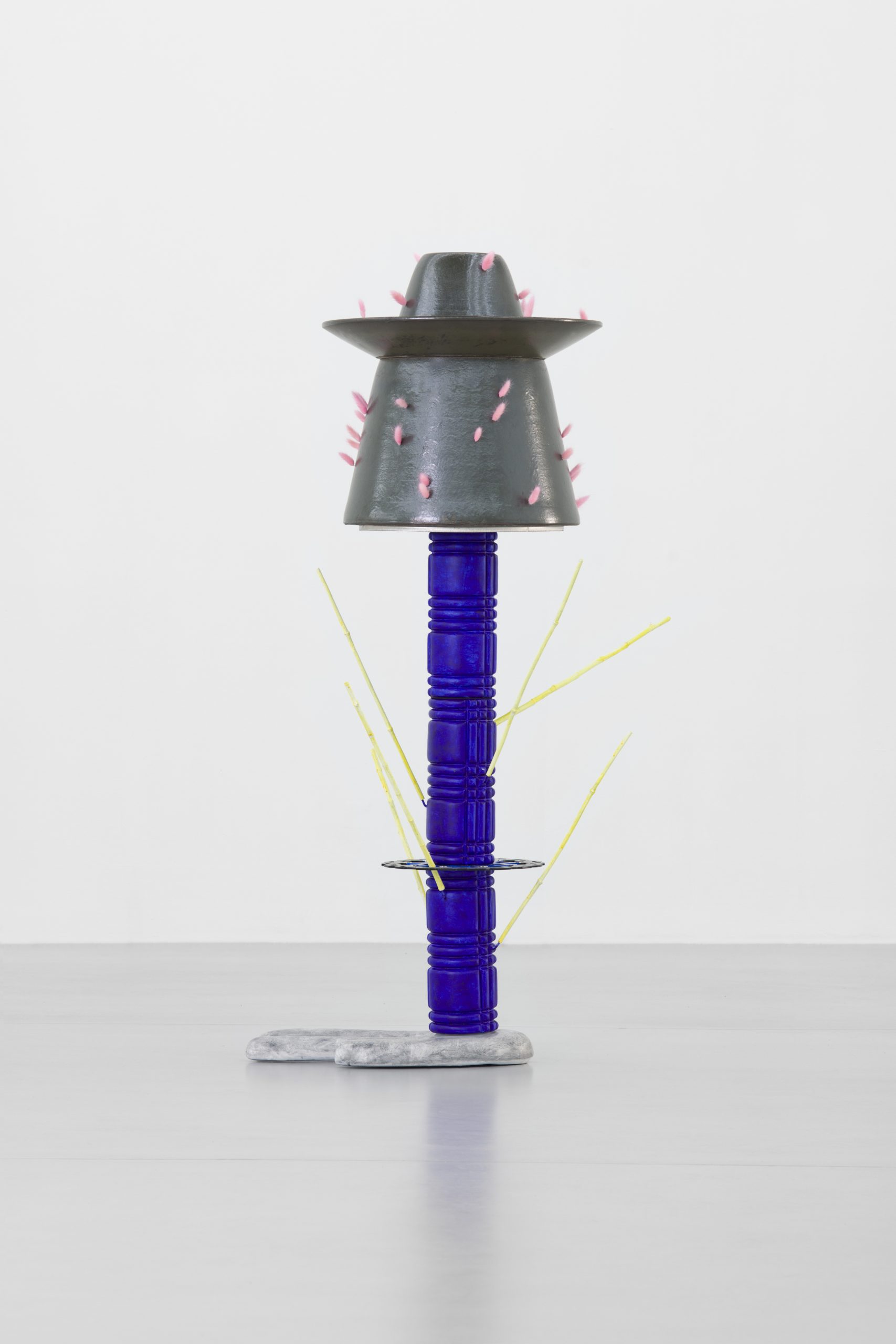
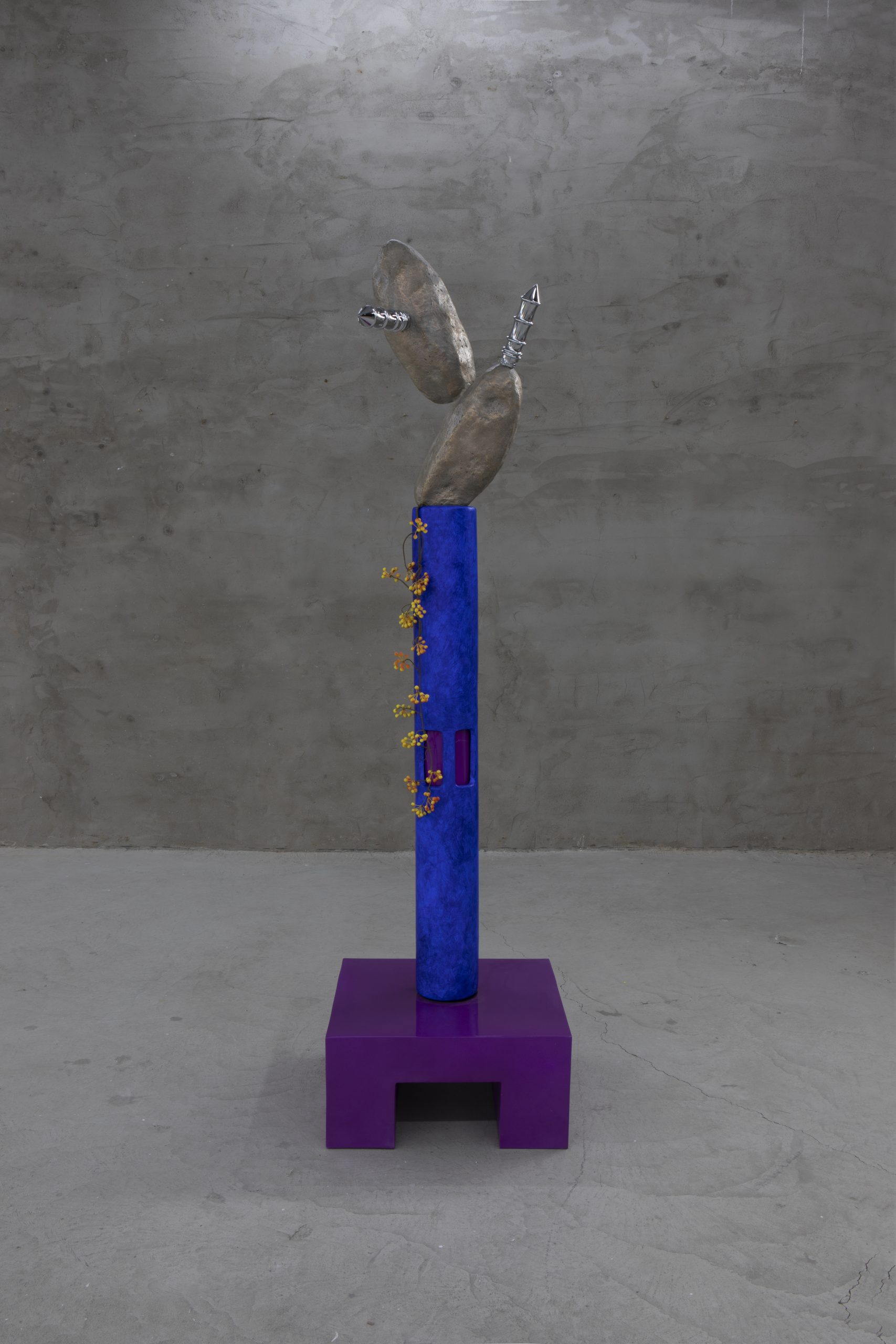
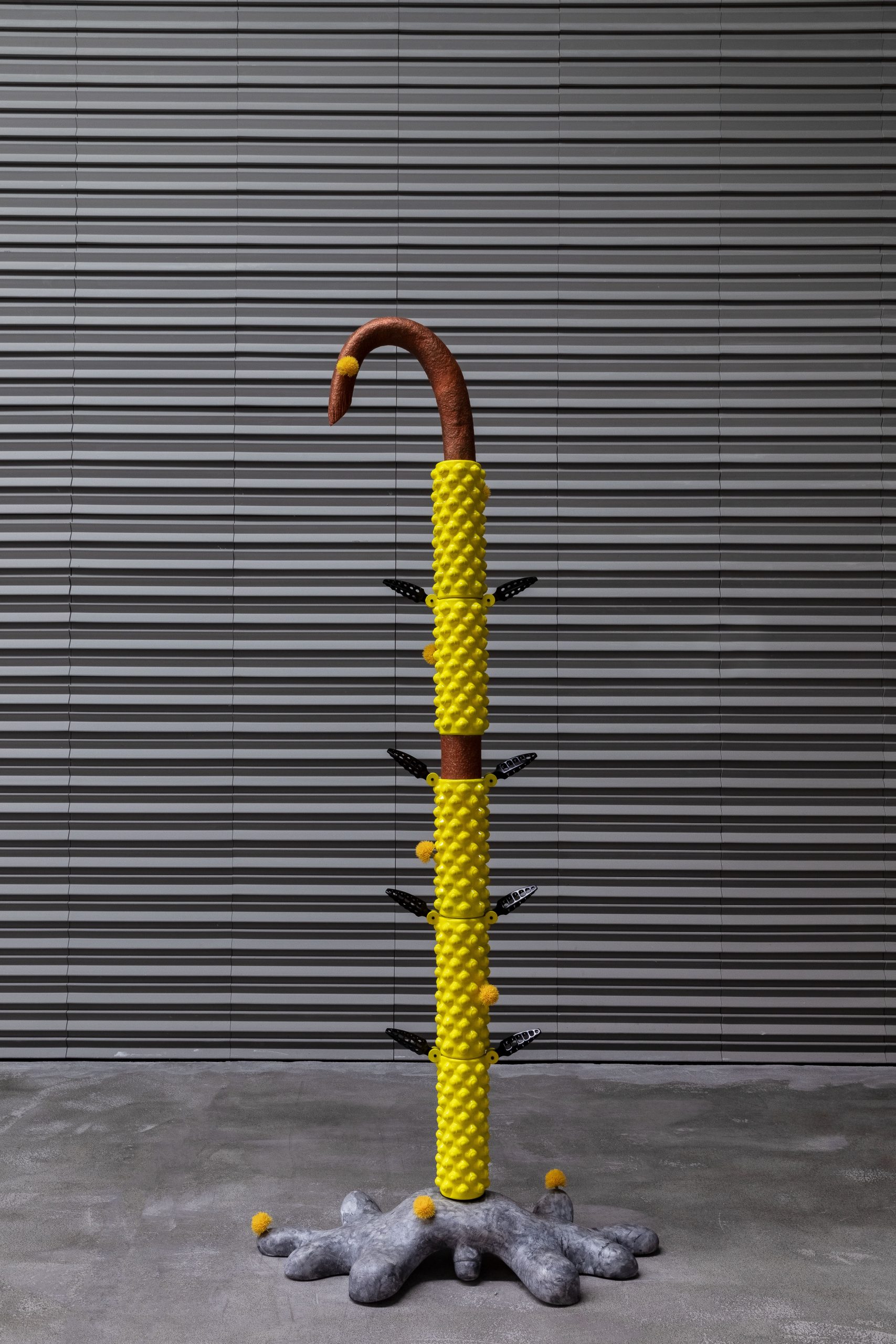
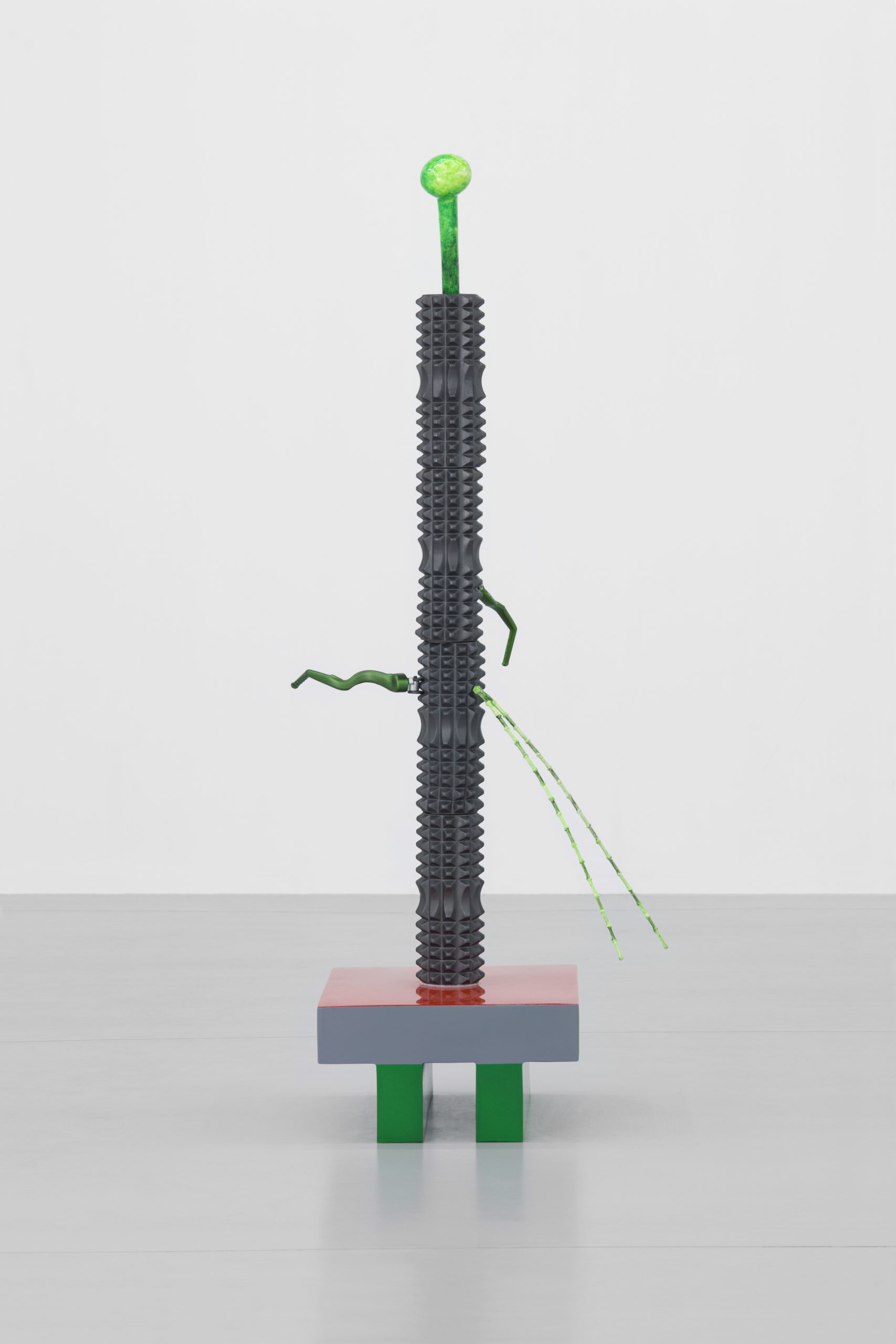
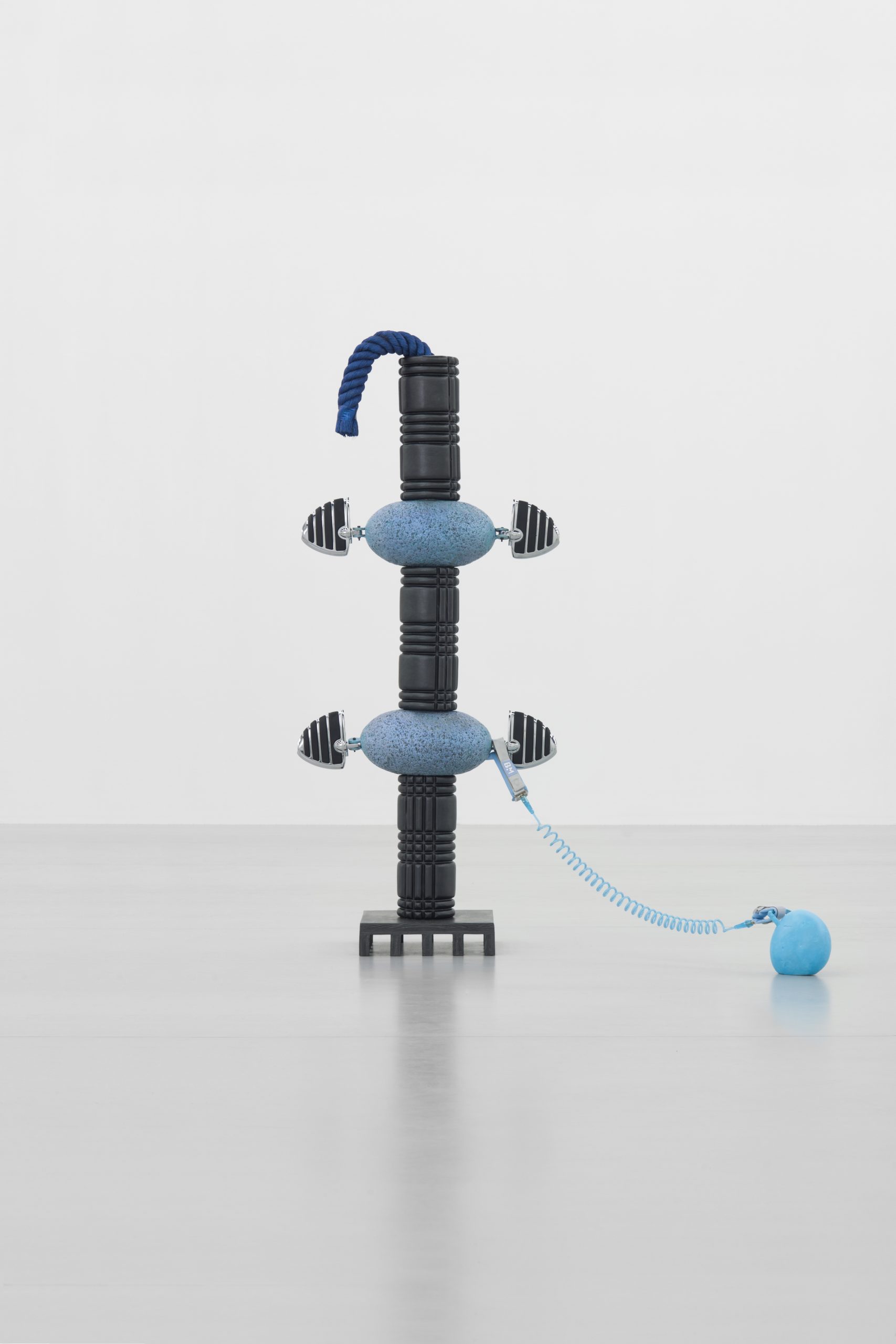
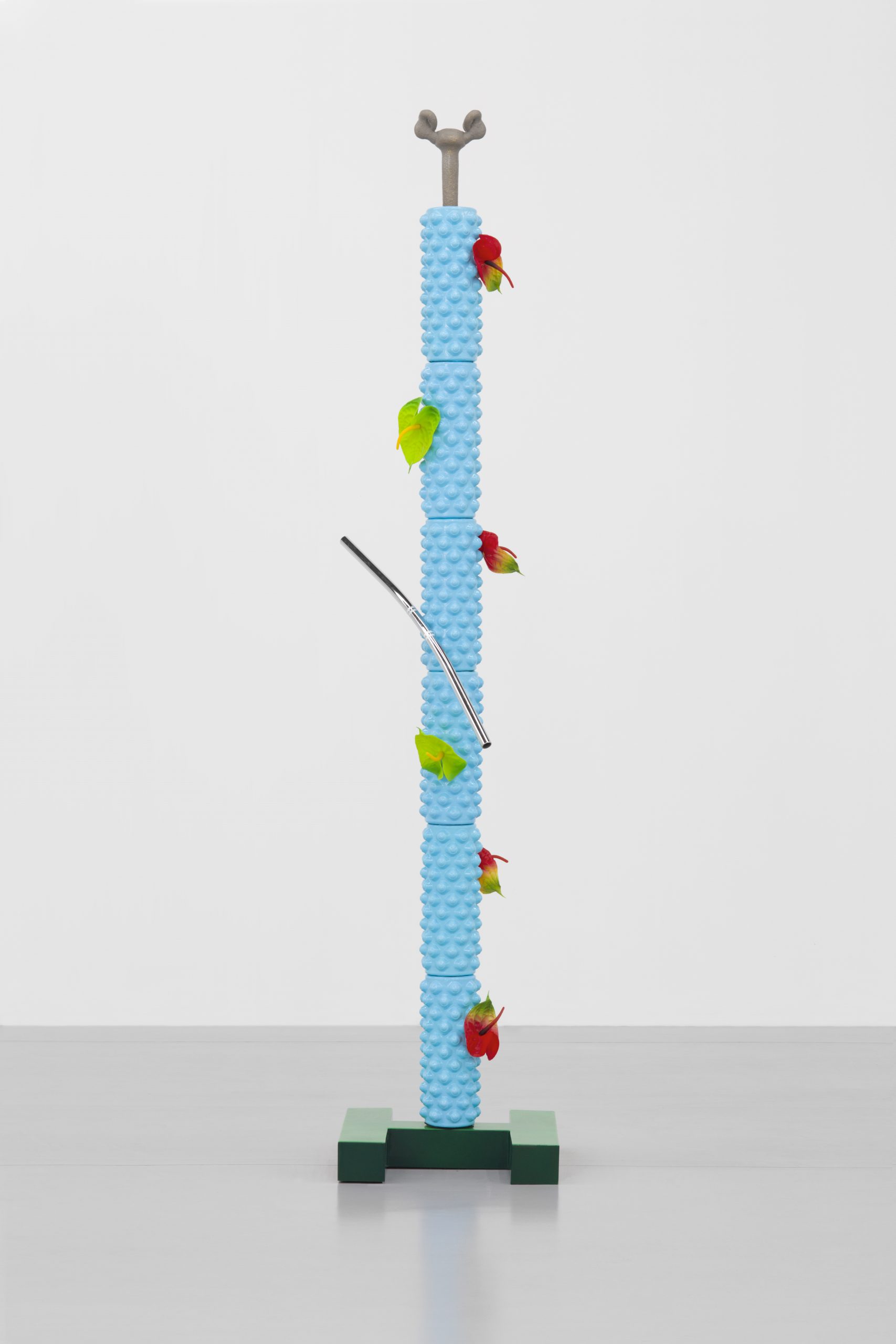
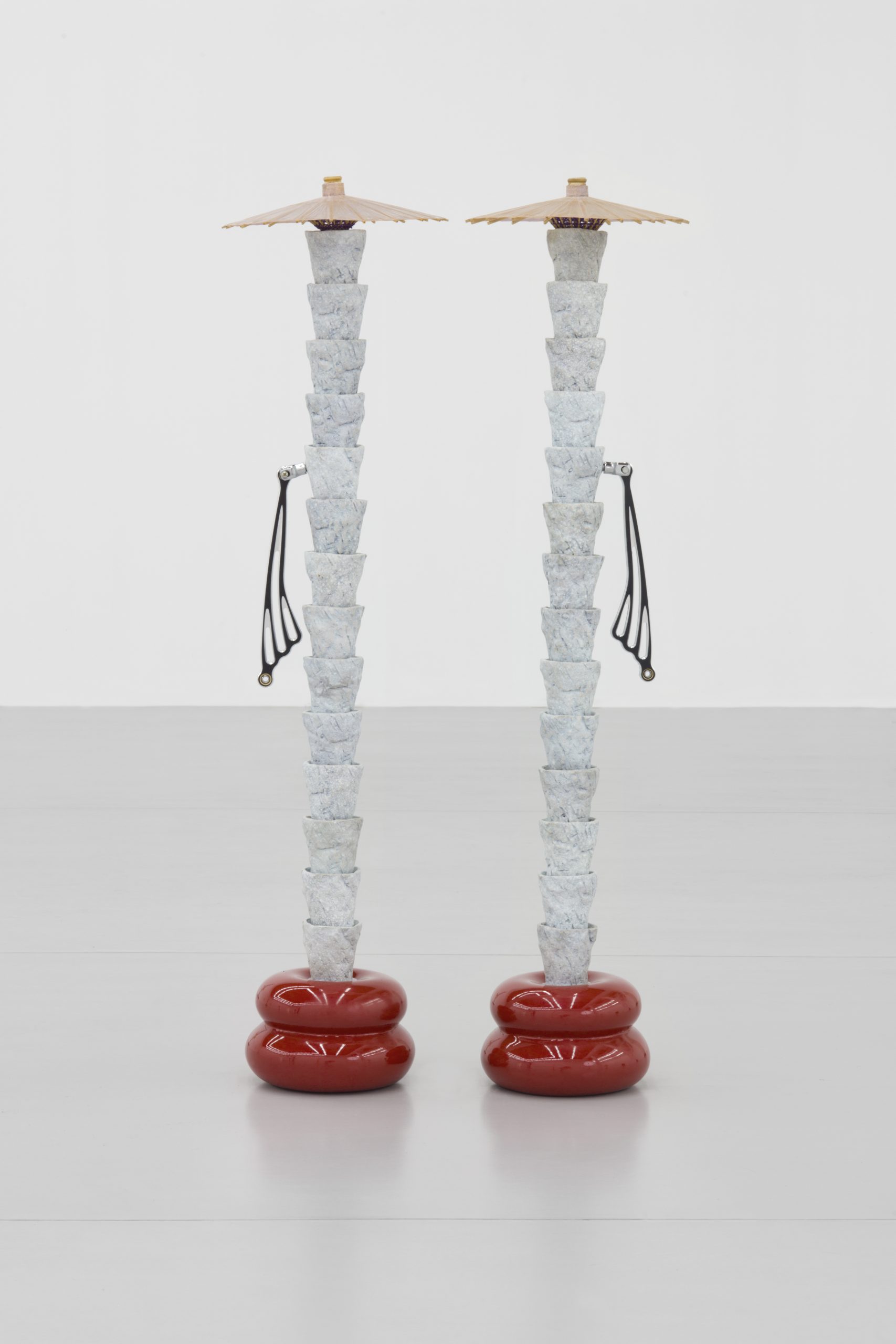
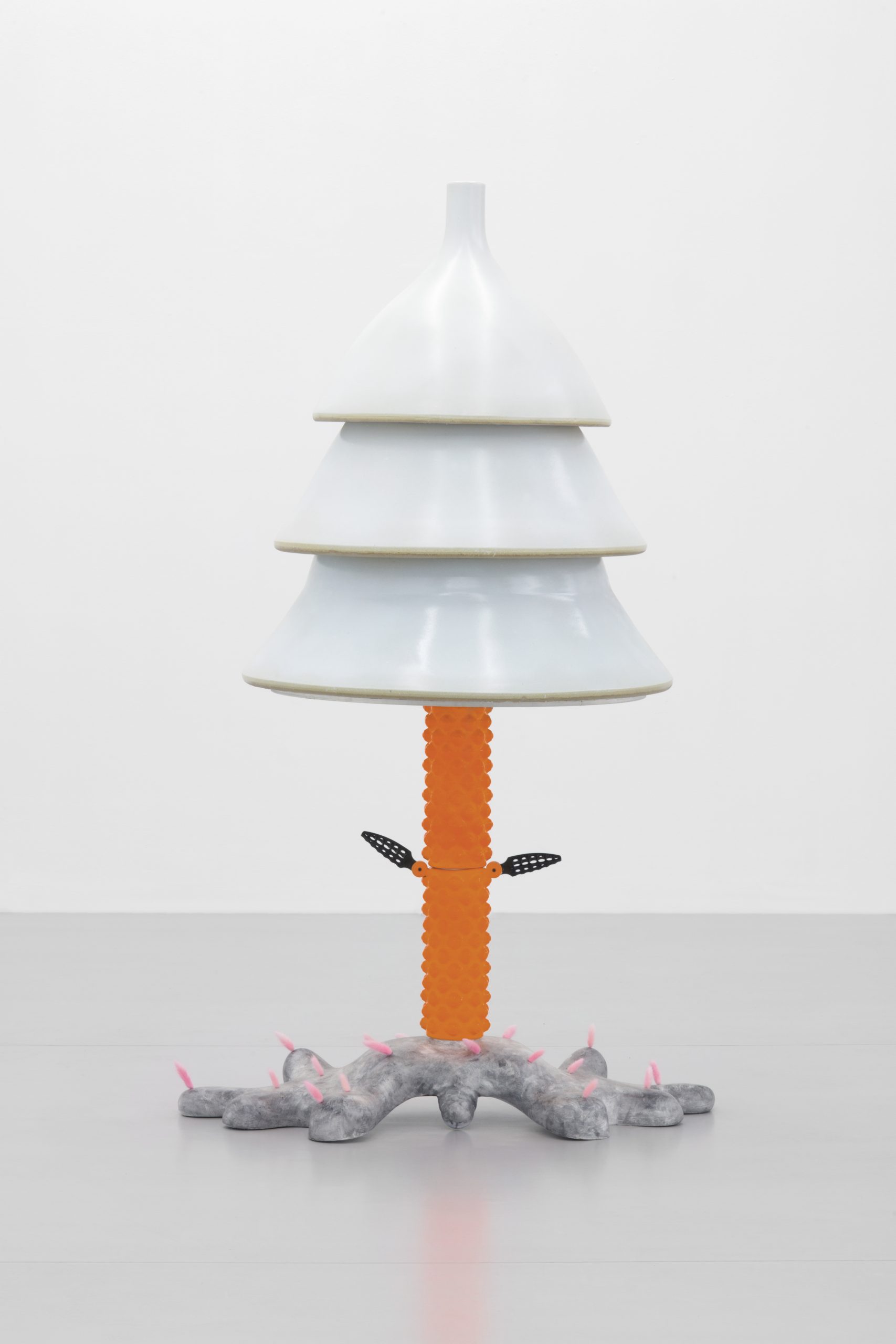



-
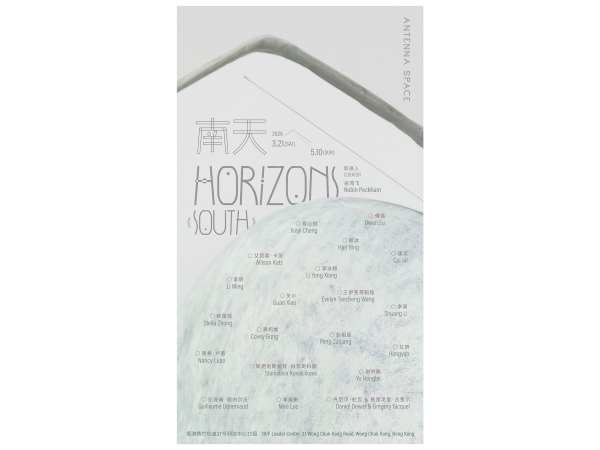
Horizons: South
2026.03.21 – 2026.05.10
Antenna Space, Hong Kong
-
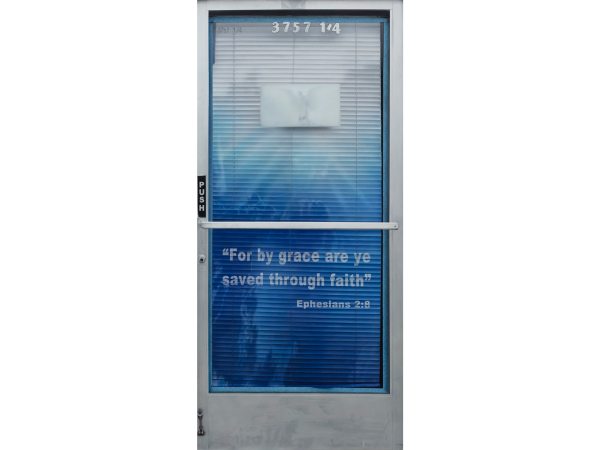
Horizons: Is there anybody out there?
2023.09.16 – 2023.10.25
Curator: Robin Peckham
Participating Artists: Korakrit Arunanondchai, Dora Budor, Hilo Chen, Xinyi Cheng, Cui Jie, Simon Denny, Daniel Dewar & Grégory Gicquel, Buck Ellison, Carolyn Forrester, Owen Fu, Sayre Gomez, Guan Xiao, Han Bing, Tishan Hsu , Frieda Toranzo Jaeger, Allison Katz, KAYA (Kerstin Brätsch & Debo Eilers), Matthew Lutz Kinoy, Josh Kline, Stanislava Kovalcikova, Heidi Lau, Li Ming, Yong Xiang Li, Liu Chuang, Jr-Shin Luo, Nancy Lupo, Mai Zhixiong, Helen Marten, Alexandra Noel, Peng Zuqiang, Tara Walters, Evelyn Taocheng Wang, Xie Nanxing, Joseph Yaeger, Yu Honglei, Yu Peng, Zhao Gang, Zhou Siwei (alphabetically) -
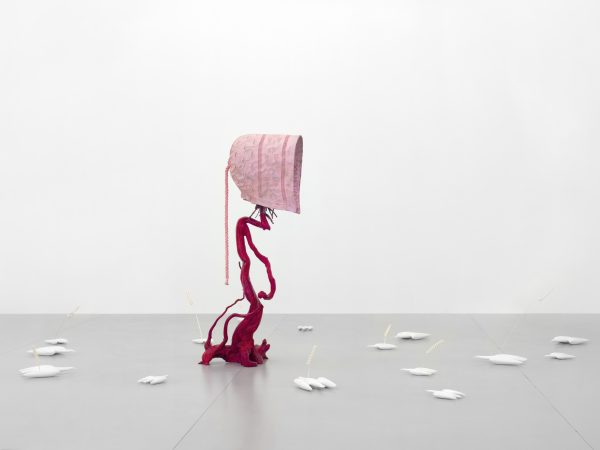
Guan Xiao:8 stories
2020.05.16 – 2020.07.12
-
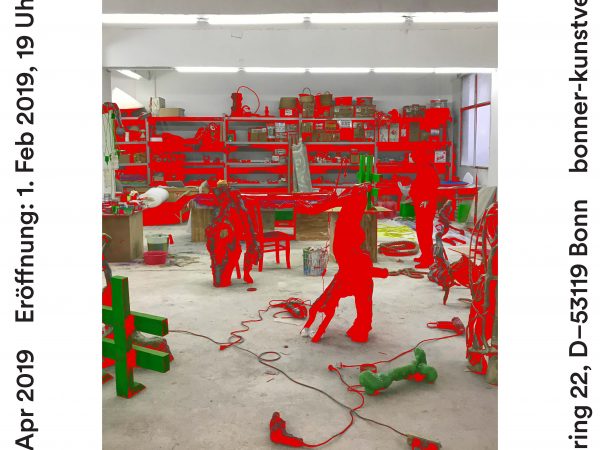
Guan Xiao:Products Farming
2019.02.02 – 2019.04.28
Bonner Kunstverein
Hochstadenring 22, 53119 Bonn, German -
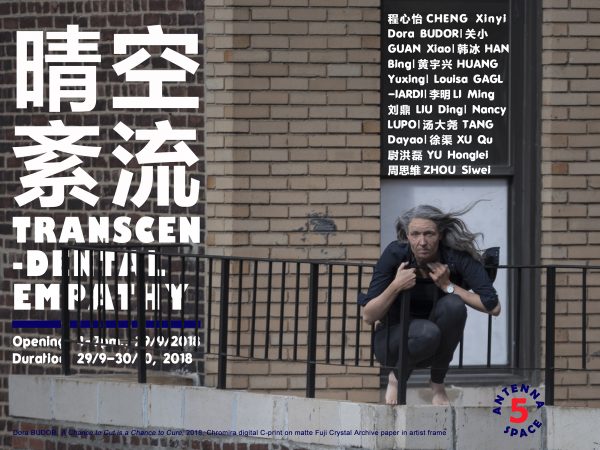
Transcendental Empathy: Cheng Xinyi, Dora Budor, Guan Xiao, Han Bing, Li Ming, Yu Honglei, Zhou Siwei, Huang Yuxing, Louisa Gagliardi, Liu Ding, Tang Dayao, Xu Qu
2018.09.29 – 2018.10.30
-
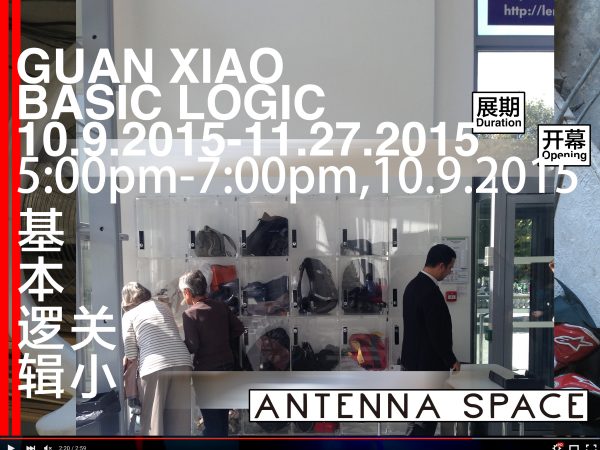
Guan Xiao:Basic Logic
2015.10.09 – 2015.11.27
EXHIBITIONS
-

Guan Xiao | Teenager, Kunsthalle Wien
2025.10.08-2026.01.11
-
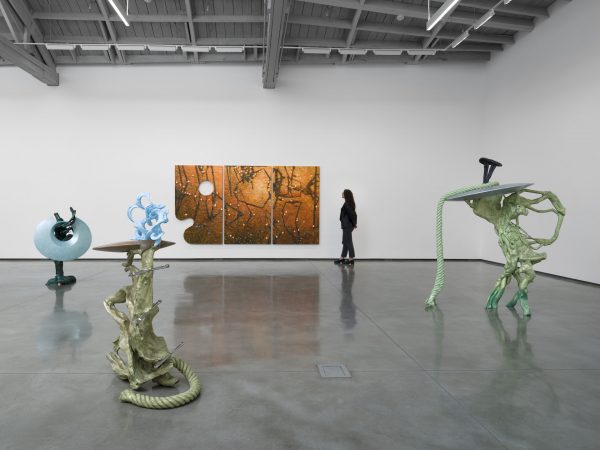
Guan Xiao | “From Leaves to Shields” @ David Kordansky Gallery
2023.05.13-2023.06.16
-
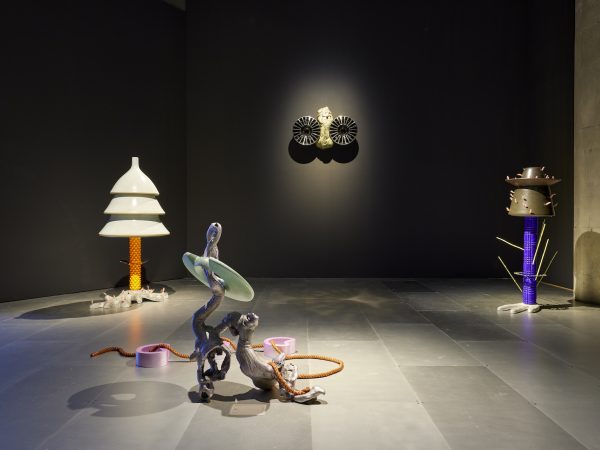
Guan Xiao | “Cloud Walkers” @ Leeum Museum of Art
2022.09.02-2023.01.08
-
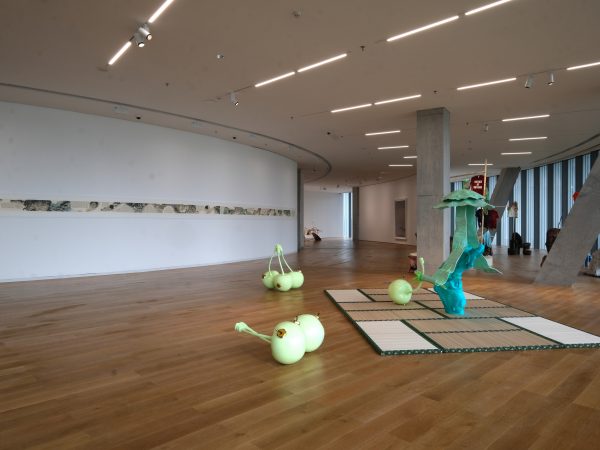
Guan Xiao | “ON | OFF 2021: Carousel of Progress” @ He Art Museum
2022.02.04-2022.05.15
-
-600x450.jpg "Guan Xiao | “Wake Up in A House Called Season” @ Kraupa-Tuskany Zeidler")
Guan Xiao | “Wake Up in A House Called Season” @ Kraupa-Tuskany Zeidler
2021.11.13-2022.01.15
-
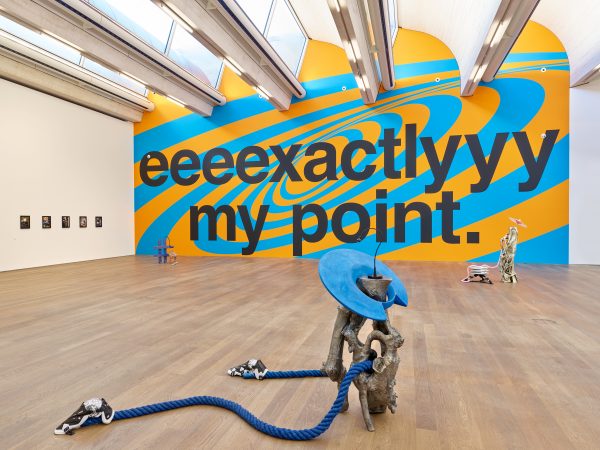
Guan Xiao | “Post-Capital: Art and the Economics of the Digital Age” @ Mudam Luxembourg
2021.10.02-2022.01.16
-
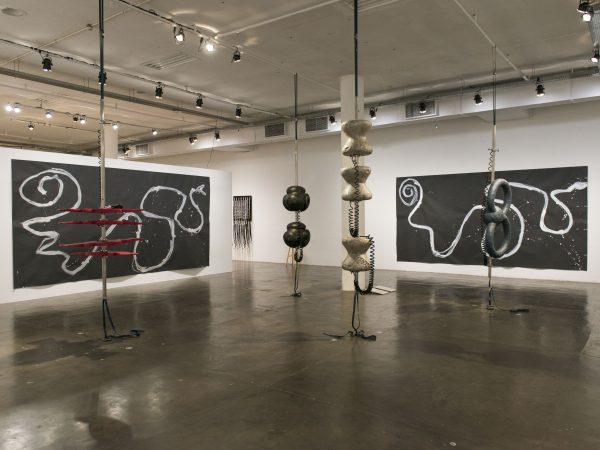
Guan Xiao | “The 34th Bienal de São Paulo: Though it’s dark, still I sing” @ Bienal de São Paulo
2021.09.14-2021.12.05
-
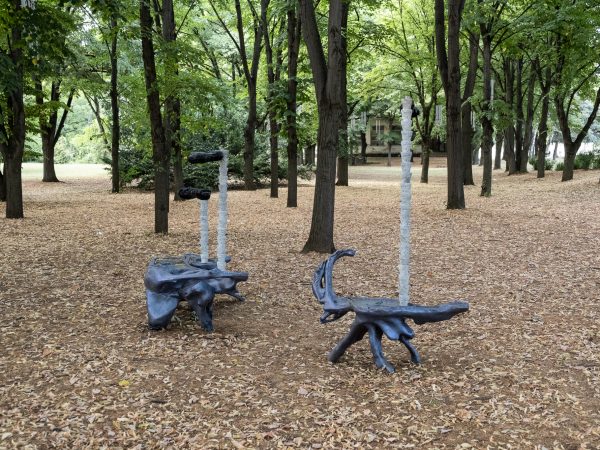
Guan Xiao | “The 58th October Salon-Belgrade Biennale 2021: The Dreamers” @ Park, Museum of Yugoslavia
2021.06.25-2021.08.22
-
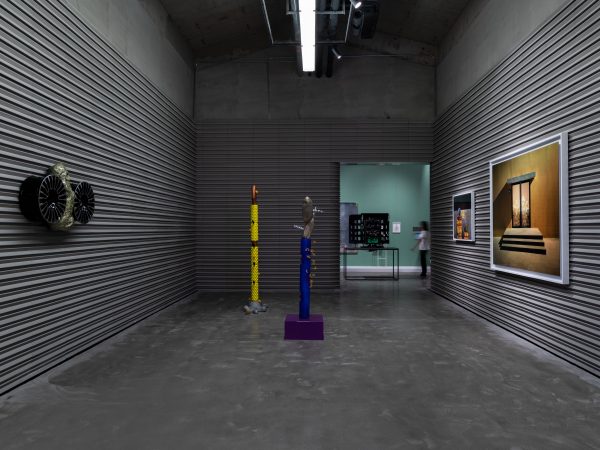
Guan Xiao | “X Museum Triennial 1st Edition: How Do We Begin?” @ X Museum
2020.05.30-2020.11.22
-
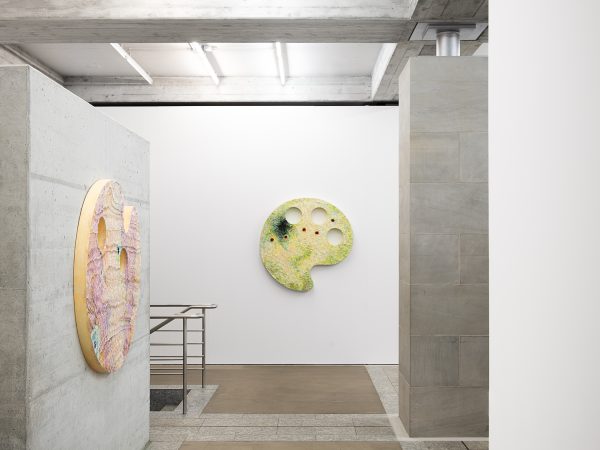
Guan Xiao | “Metamorphosis Overdrive” @ Kunstmuseum St. Gallen
2020.03.07-2020.09.06
-
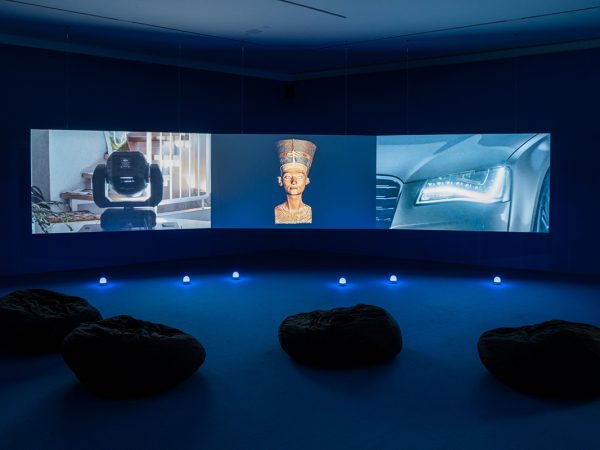
Guan Xiao | “Fiction Archive Project” @ Contemporary Art Museum St. Louis
2019.01.18-2019.04.21
-
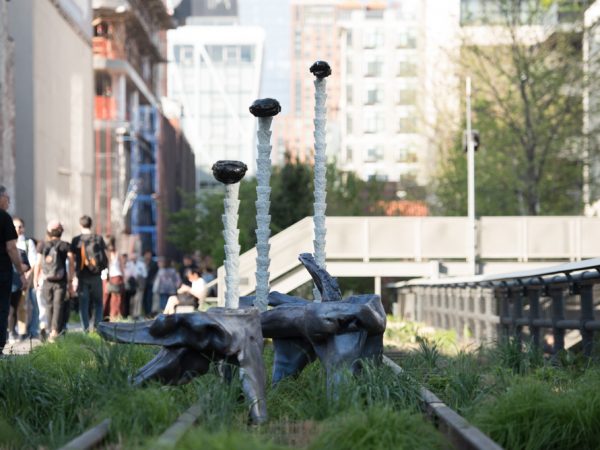
Guan Xiao | “Mutations” @ High Line
2017.04.20-2018.03.30
-
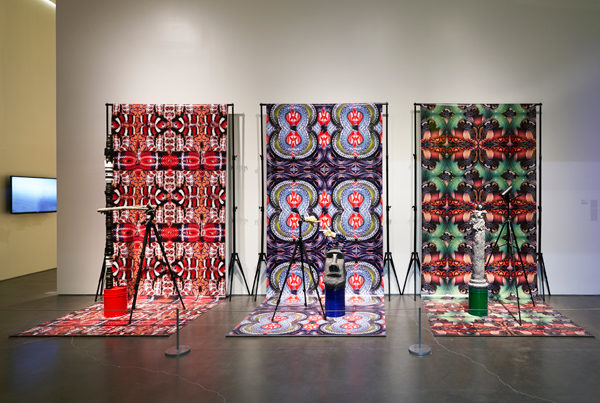
Guan Xiao | “Triennial: Surround Audience” @ New Museum
2015.02.25-2015.05.24
NEWS
ANTENNA-TENNA
-
Rhythm Of Singularity | Lai Fei
To be honest, I don’t know how Guan Xiao does it. Looking at the ways she grabs and synthesizes materials in her work, it’s a bit like watching a contestant on The Brain1 microscopically examining a thousand goldfish. This isn’t a totally apt analogy, for today it’s nearly impossible to quantify—and to describe, even—just how much visual information we receive on a daily basis, via networks both visible and intangible. In this imploding society, everyone is caught in the constant flow of data, always susceptible to some form of attention-deficit hyperactivity disorder. What makes Guan’s work unique is her ability to maintain an extremely high level of concentration while pulling content and motifs from the massive material bank of the internet. In her process, she stays true to an internal worldview that is neither culturally specific nor general. In this dazzling world of data, she finds her own “basic logic” to connect forms. -
Everyday Transformations: Guan Xiao | Ying Tan
“In nova fert animus mutatas dicere formas corpora (I intend to speak of forms changed into new entities)”—Ovid, MetamorphosesOvid opens the Metamorphoses (AD 8) with an explicit statement of intent. In the 250 myths that follow, the Roman poet chronicles the subject of transformation—sometimes in an arbitrary fashion, sometimes retelling well-known Greek fables, and sometimes straying in other, unexpected directions. One of these stories, which entered our collective consciousness, can be seen at Rome’s Galleria Borghese, where Giovanni Bernini’s famous sculpture tells the tale of the nymph Daphne in mid-metamorphosis—her limbs turning into the twines of a laurel tree as she escapes from the love-stricken Apollo. Transformations occur in our everyday lives, too; we experience this in cinema, as film scores transport audiences sonically through visual imagery…
-
Be Here, Now: An Introduction to an Introduction | Stephanie Bailey
“Out beyond ideas of wrongdoing and rightdoing, there is a field. I’ll meet you there.”
—Rumi
In autumn, 2000, New Literary History published an issue asking if there was life after identity politics, to which Marlon B. Ross responded: “Which ‘identity?’ What ‘politics?’ ‘After’ when and where?” Ross’s point was this: Before “identity politics” there was already a politics of identity—and “wherever there is identity, there is a struggle for power.” In the same issue, Eric Lott located this struggle within a “politics of participatory discrepancy,” created when emergent social movements collide and collude to form a dissonant social fabric composed of rampant intersections and interactions between groups. It is in this fabric that Lott located a potential for a unified, anti-normative politics, in which no one is represented by one movement, and no movement is expected to represent the entirety of a human being.
























-scaled.jpg)

-scaled.jpg)
-scaled.jpg)
-scaled.jpg)





























-Palette—Honey-PurpleDetails-雕塑-Sculpture-164×120×7cm-2015-.jpg)